If your dog is overweight, the fix is simpler than most people think: the right food in the right amount, a bit more movement, and some patience. That's most of it. But getting it right means understanding why the weight went on in the first place, and what "right" actually looks like for your dog's size, breed, and life stage.
This guide covers everything you need to know, from checking whether your dog is actually overweight to the safest rate of weight loss and what to feed them along the way.
Key Takeaways
- About half of dogs in NZ are overweight, and many owners don't realise it until the vet mentions it
- The body condition score system is the best way to assess your dog at home
- Weight gain almost always comes down to too many calories in and not enough out
- Safe weight loss is slow: around 1-2% of body weight per week
- Food quality matters as much as quantity, and treats often contribute more calories than owners realise
- Most dogs respond well within 8-12 weeks when the diet is right
Is Your Dog Actually Overweight?
This sounds obvious, but it's surprisingly easy to miss. Dogs gain weight gradually, you see them every day, and what looks normal often isn't. Research suggests more than half of domestic dogs are overweight, and many owners genuinely don't know.
The most reliable check you can do at home is the rib test. Run your hands along your dog's ribcage. You should be able to feel the individual ribs without pressing hard. If you have to dig to find them, or can't feel them at all, your dog is likely carrying extra weight.
The next check is the waist. Looking down at your dog from above, there should be a visible narrowing behind the ribs. A dog that's a straight rectangle from shoulder to hip, with no waist definition, is usually overweight. From the side, the belly should tuck upward slightly behind the ribcage, not hang level or sag.
These checks are part of what vets call the body condition score system, which runs from 1 to 9. A healthy dog sits around 4-5. Most overweight dogs land around 6-7 before their owners start to notice.
For a complete walkthrough of the scoring system and how to assess your dog at home: How to Tell If Your Dog Is Overweight
Why Dogs Gain Weight
The short answer is the same as it is for humans: more calories going in than going out. But the reasons why that happens are worth understanding, because the fix depends on which one applies.
Too much food. Feeding guides on dog food bags are designed as a starting point, not a rule. They're often generous, they don't account for treats, and they assume a level of activity that many pet dogs don't actually get. Most owners are overfeeding without realising it.
Too many treats. This one surprises people. A handful of training treats here, a dental chew there, a bit of last night's dinner scraped into the bowl. It adds up. Treats can easily account for 20-30% of a dog's daily calorie intake, and most owners aren't counting them at all.
The wrong food. High-calorie, low-fibre kibble doesn't keep dogs full. They eat, they're hungry again quickly, and the pressure to feed more becomes constant. Better food can mean less food overall and a more satisfied dog.
Not enough movement. Dogs need exercise to burn calories. As dogs age, they often become less active but are still fed the same amount. What worked at two years old might be too much at seven.
Age, breed, and hormones. Some breeds are genuinely more prone to weight gain, Labradors and Beagles being the obvious examples. Desexed dogs have slightly slower metabolisms than intact dogs. Senior dogs need fewer calories. These factors matter when you're working out the right amount to feed.
The Food Factor: What You Feed Matters
Not all calories are equal. A low-fibre, high-carbohydrate kibble can leave your dog hungry an hour after eating, which puts pressure on you to feed more. A higher-fibre, higher-protein formula keeps them fuller for longer, which makes portion control much easier in practice.
When you're looking at food for a dog that needs to lose weight, the things that matter most are:
Protein. High protein is essential during weight loss because it preserves lean muscle. You want your dog to lose fat, not muscle. Protein keeps their body composition right while the weight comes off.
Fibre. This is the underrated one. Fibre adds bulk to food without adding many calories. It slows digestion, keeps your dog feeling full, and supports good gut health. Dogs on high-fibre food tend to be less fixated on food and much easier to portion-control.
Fat. Fat is the most calorie-dense macronutrient. Lower-fat formulas have fewer calories per gram, which makes hitting the right calorie target easier without leaving your dog miserable.
No unnecessary fillers. Cheap starches and grain fillers tend to produce faster digestion and faster hunger. Less filler means more predictable digestion and a more satisfied dog.
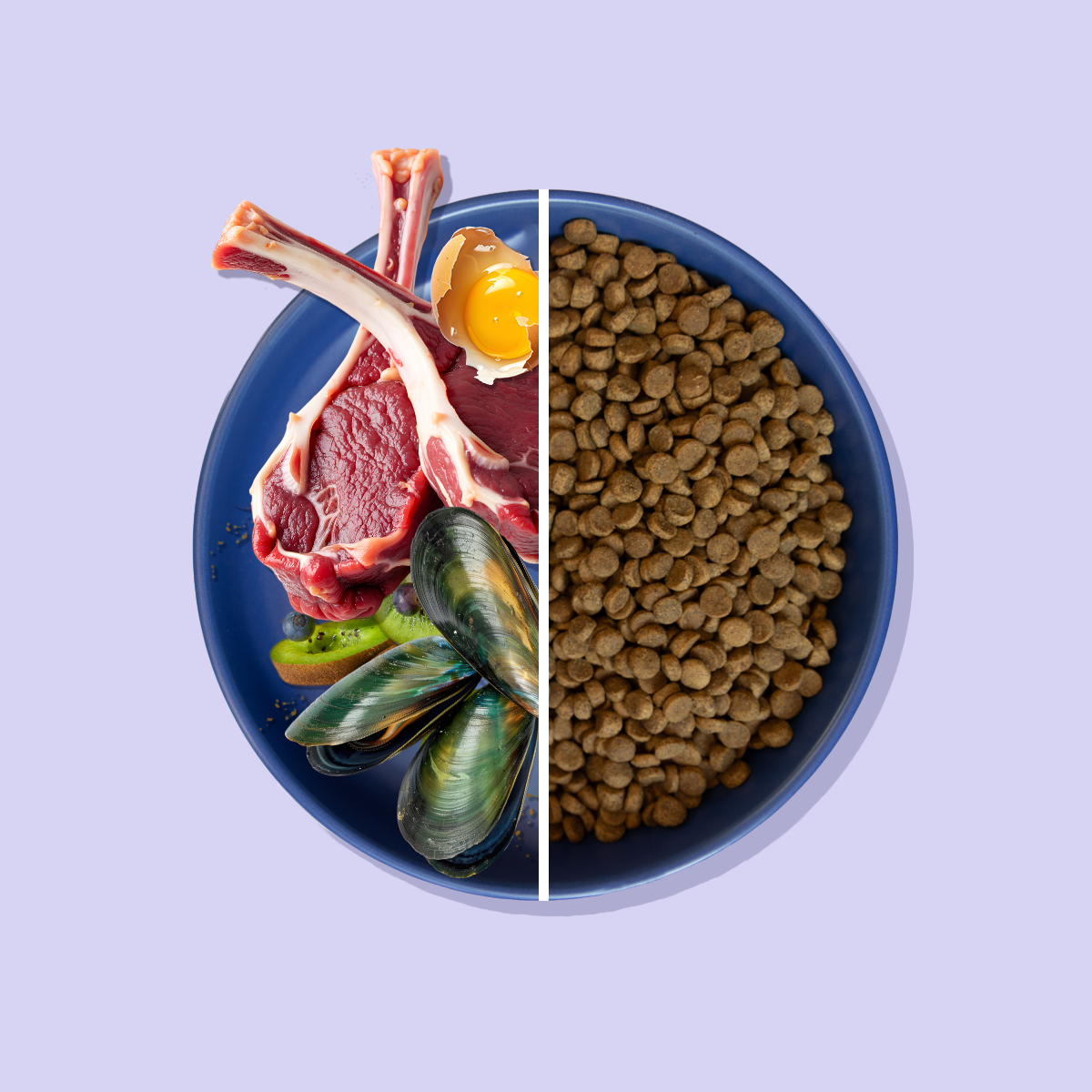
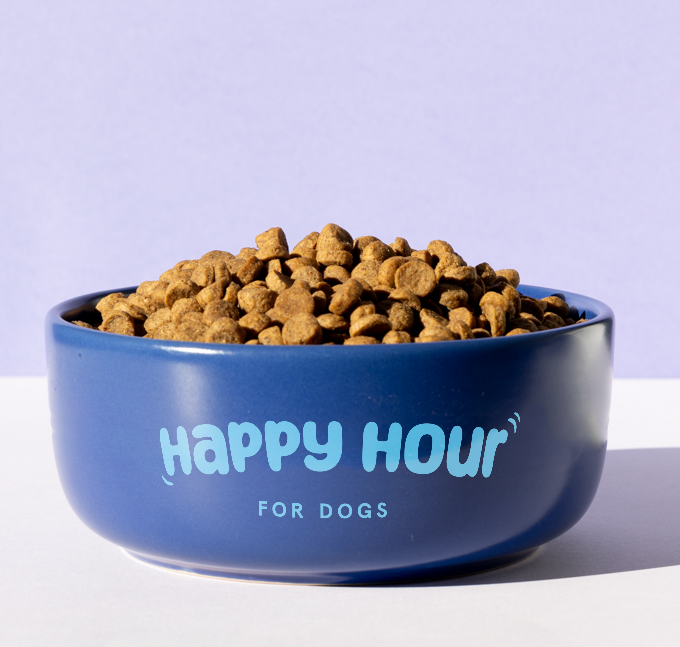
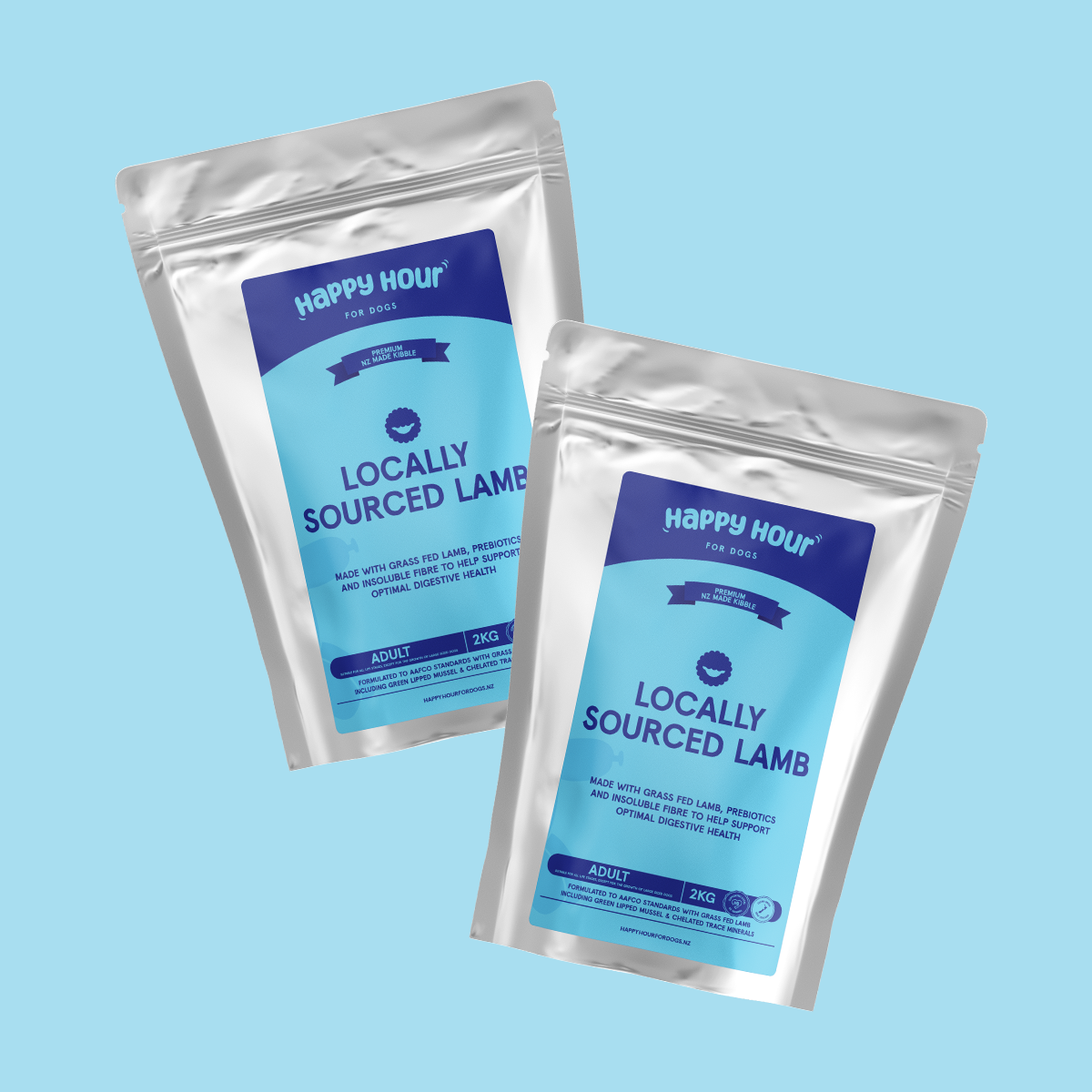
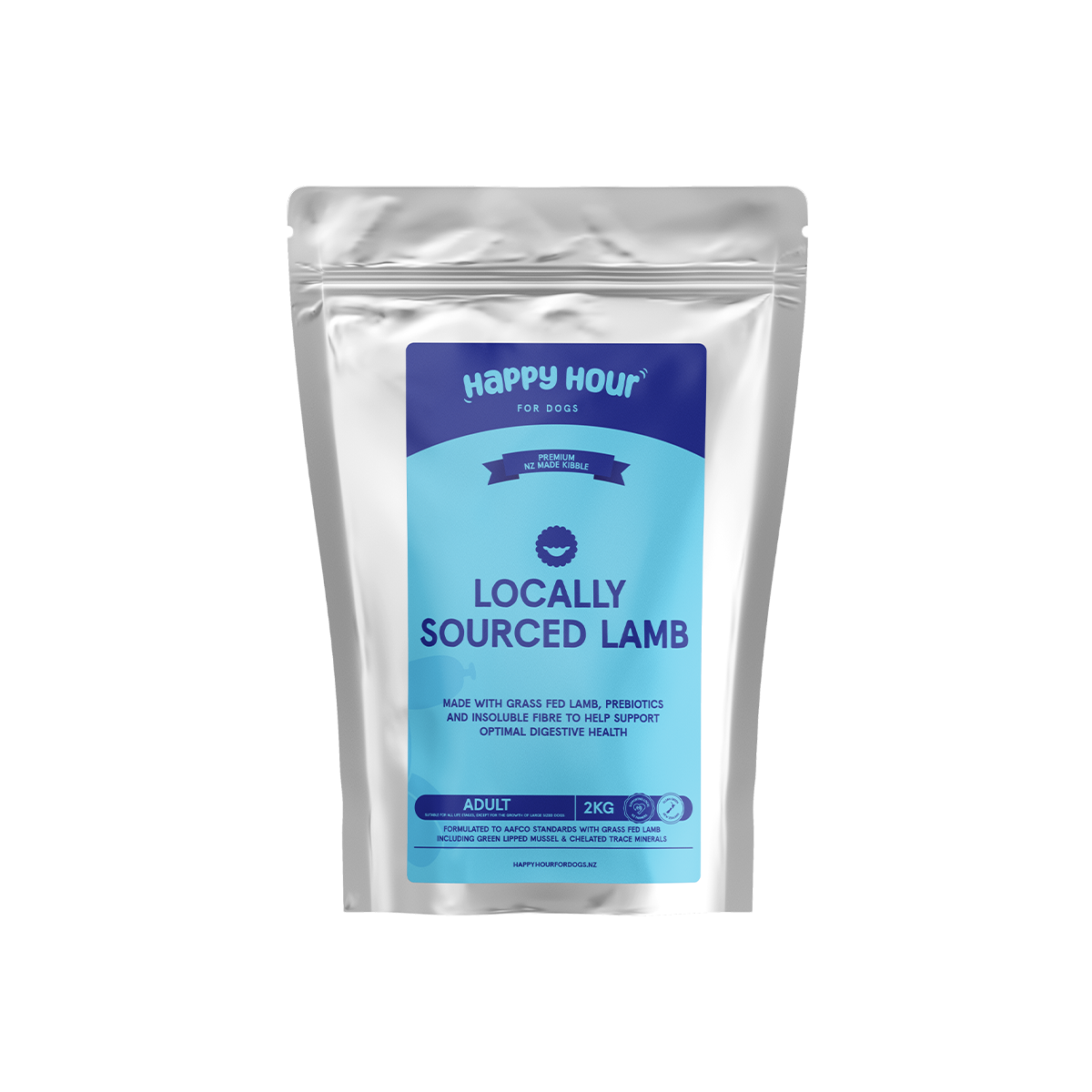
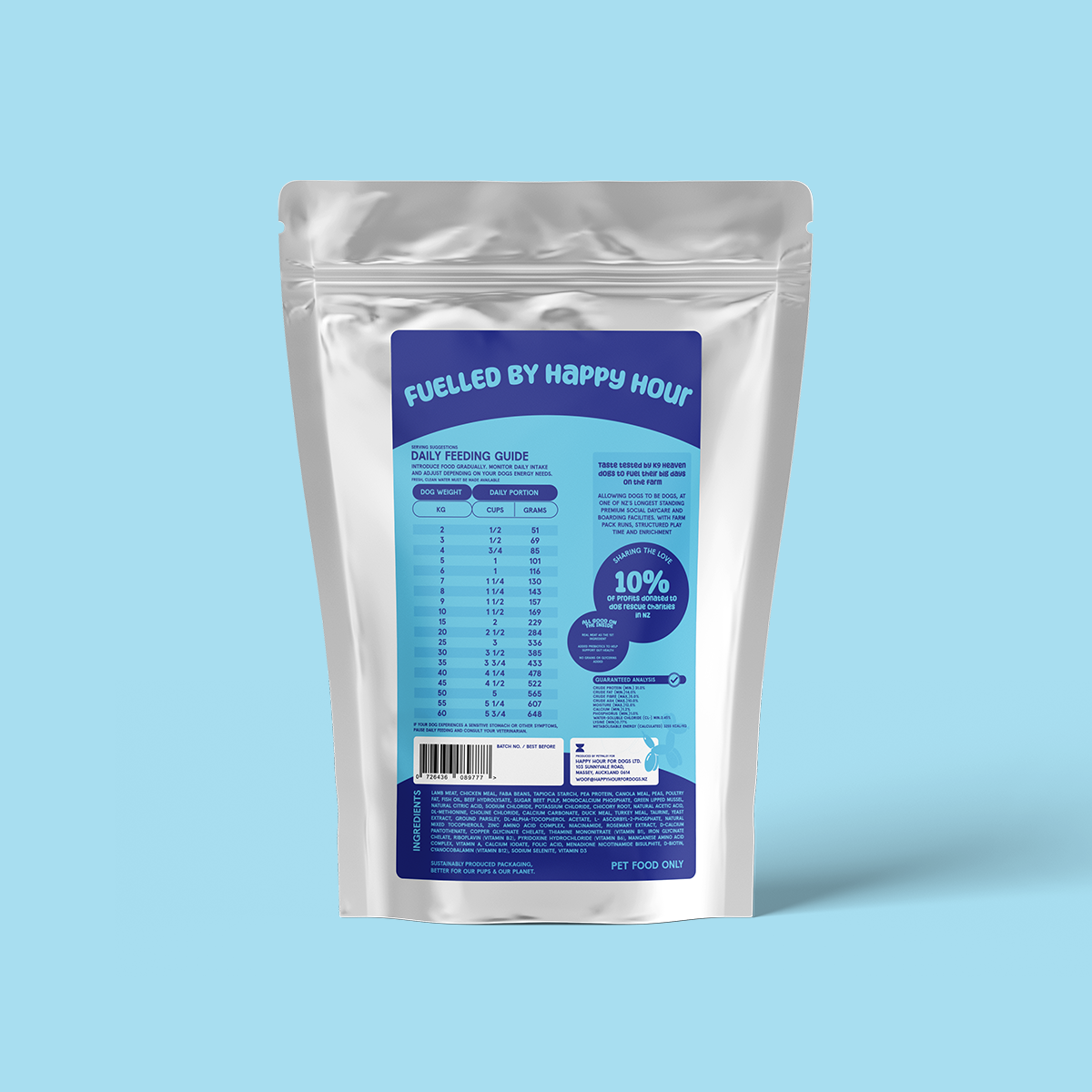
This is exactly where Happy Hour sits. It's a NZ-made, grain-free kibble built around grass-fed lamb, with a high-fibre formula designed to support good digestion and sustained fullness. It's not specifically marketed as a "light" food, but its ingredient profile is exactly what you want for a dog managing their weight: quality protein to preserve muscle, fibre to keep them satisfied, and lower fat than many mainstream options. Dogs on Happy Hour tend to be more settled between meals, which makes the portion control side of things genuinely easier.
If your dog has ever had pancreatitis, keeping their weight down is especially important, as obesity is a known risk factor. More on that here: Pancreatitis in Dogs
For a full breakdown of what to look for in weight loss food: Best Dog Food for Weight Loss in NZ
How Much Should You Actually Be Feeding?
This is where most weight management plans fall over. The concept is right, but the execution is vague.
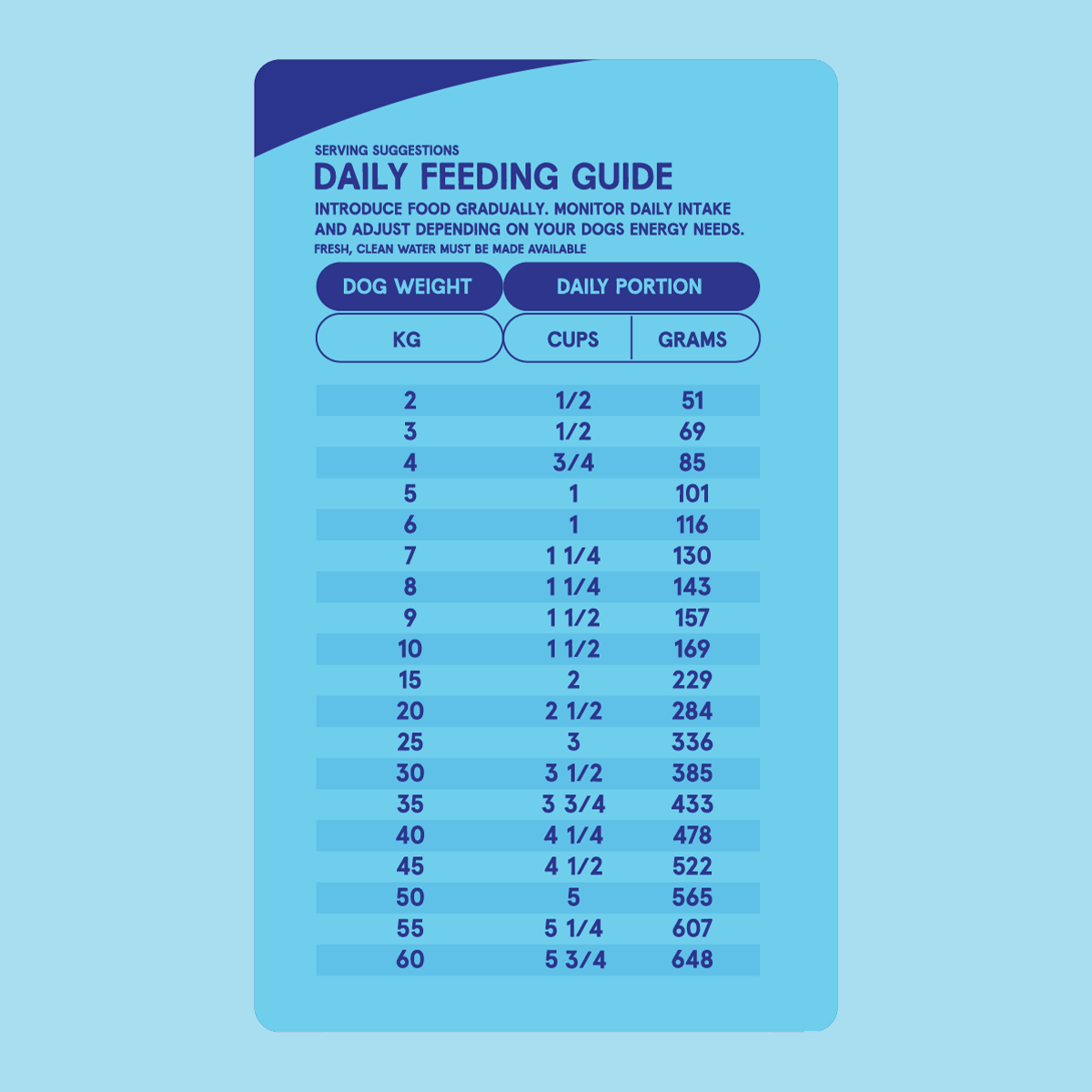
Start with the feeding guide on your dog's food as a baseline, then reduce by 10-20% if your dog needs to lose weight. But the bag isn't the whole picture.
Treats need to come out of the daily food allowance, not be added on top. If you're giving your dog treats worth 100 calories a day, pull 100 calories out of their main meal. Most owners don't do this, and it's often why weight management stalls despite "cutting back."
Measuring matters more than you'd expect. A standard scoop can deliver 10-20% more than the target amount depending on how it's filled. A kitchen scale is the most reliable way to know what you're actually feeding.
Splitting meals into two smaller servings a day rather than one large one also helps. It keeps blood sugar more stable and, for food-focused dogs, means they're not spending 24 hours waiting for their next meal and becoming obsessive about food.
Full guide to getting portions right: How Much Should I Feed My Dog?
The Hidden Calorie Problem: Treats
Worth its own section because it catches so many owners out. Treats feel like a small thing, but they're often a significant chunk of your dog's daily intake.
A standard training treat is around 5-10 calories. A dental chew can be 80-150 calories. A bit of toast or leftover chicken adds up fast. For a small dog whose daily calorie target is 400-500 calories, this stuff matters a lot.
Low-calorie swaps that most dogs love: raw carrot, blueberry, cucumber, plain rice crackers. Much lower in calories than commercial treats, and most dogs don't actually care about the difference. They care about receiving something.
If you're serious about helping your dog lose weight, treats need to be measured and accounted for. More on this: Dog Treats and Weight Gain: What Most NZ Owners Get Wrong
Exercise: Getting Moving Without Overdoing It
Exercise helps, but it won't fix a poor diet on its own. A 30-minute walk burns far fewer calories than most people expect, and it's easy to cancel out with a treat or two. The real value of exercise during weight loss is muscle preservation, joint health, and quality of life.
For overweight dogs, start gentle. Long walks on hard pavement put significant pressure on joints that are already under strain from the extra weight. Short, frequent walks are better than one long session. Swimming is excellent if your dog enjoys it, low-impact and easy on the body.
As the weight comes off, you can build exercise back up gradually. Most owners notice their dog becomes more enthusiastic about walks as they get lighter, which makes the whole thing a lot easier to maintain.
How Fast Should Your Dog Lose Weight?
This is important. The safe rate of weight loss for dogs is 1-2% of body weight per week. For a 20kg dog, that's 200-400g per week. It sounds slow, because it is. Faster weight loss risks muscle loss and can stress the liver.
Set realistic expectations. A dog that needs to lose 4kg won't be at their target weight in a month. It might take four or five months. That's fine. Slow and steady means they keep the weight off and feel better throughout the process, not just at the end.
Most dogs who are on the right food with proper portions start to show visible improvement within 8-12 weeks. You'll notice it first in the waist definition and how they move around.
For what to track and what to do when progress stalls: Dog Weight Loss: How Long Does It Take?
Why Your Dog Might Always Seem Hungry
Some dogs act like they're starving all the time regardless of what you feed them. It's exhausting, and it puts enormous pressure on owners to feed more than they should.
The most common cause isn't insufficient food. It's insufficient fibre. Low-fibre kibble moves through the digestive system quickly, leaving dogs genuinely uncomfortable and unsatisfied within an hour or two of eating. A higher-fibre formula changes this significantly.
Learned begging behaviour is also a factor. If begging has ever led to food, your dog has learned it works. The fix is structured mealtimes with a consistent no-response policy to begging.
If your dog's hunger has suddenly increased rather than always being there, it's worth checking with a vet. Conditions like Cushing's disease, diabetes, and intestinal parasites can all affect appetite.
Full guide: Why Is My Dog Always Hungry?
When to See the Vet
Most overweight dogs don't need veterinary supervision to lose weight safely. But there are situations where a vet check is the right call.
Before starting: If your dog is significantly overweight, or if they have any existing health conditions, it's worth a check before you change anything. Conditions like hypothyroidism can cause weight gain and won't respond to diet and exercise alone.
If they're not progressing: If you've been managing portions carefully and getting regular exercise for 8-12 weeks without any visible change, there might be an underlying cause worth investigating.
If they seem unwell: Increased thirst, lethargy, or unusual appetite changes alongside the weight can sometimes signal a medical issue.
For significantly obese dogs: A dog that's very heavy, or has mobility issues, might benefit from a supervised programme with specific calorie targets and regular weigh-ins.