You've switched to a better food, you've cut the portion down, you're being careful. But your dog isn't losing weight. The reason might be sitting in the treat jar on your kitchen bench. Treats are one of the most consistent blind spots in dog weight management, and most owners genuinely don't realise how much they contribute until they add it all up.
Key Takeaways
- Treats can account for 20-30% of a dog's daily calorie intake without owners realising
- Dental chews, training treats, and table scraps all count, even the small ones
- Low-calorie swaps like raw carrot and blueberry work just as well for most dogs
- Treats should always come out of the daily food allowance, not be added on top
- A food that keeps your dog genuinely full reduces how often they ask for treats
The Treat Maths Most Owners Never Do
Let's run the numbers for a minute, because this is where things get eye-opening.
A 15kg dog typically needs around 600-700 calories per day to maintain weight. If you're actively managing their weight, the daily target might be closer to 500 calories.
Now here's what a typical treat day might look like. Three small training treats at 8 calories each: 24 calories. One dental chew before bed: 80-120 calories. A few kibble pieces used as rewards during the afternoon: another 30-40 calories. A bit of chicken leftover from dinner: 40-60 calories.
That's anywhere from 170 to 240 calories from things that didn't go in the bowl. Add that to a correctly measured meal and you've blown the daily budget entirely, before you've even made a single "bad" decision.
Multiply that across a week and it becomes clear why so many dogs don't lose weight despite their owners doing everything else right.
What Actually Counts as a Treat
This is where it gets broader than most people think.
Training treats are the obvious one, and most owners already know these count. But even owners who are careful with training treats often forget that every individual piece adds up. A 20-minute training session can burn through a significant calorie chunk depending on the treat size.
Dental chews are frequently overlooked because they feel more like a health product than a treat. They can be 80-150 calories each. Given daily as part of a routine, they're a meaningful part of the calorie picture.
Table scraps. A small piece of cheese. A bit of toast. The last bit of chicken. These feel negligible in the moment, but if your dog gets them regularly, they stack up. Some table foods are also high in fat, which adds calories quickly and can contribute to digestive stress. If your dog has had pancreatitis or is at risk of it, fatty scraps are worth avoiding entirely: Pancreatitis in Dogs
Kibble used as treats. Some owners use their dog's regular kibble as training rewards, which is a good instinct. But they often don't take those pieces out of the daily bowl allocation, so the dog ends up eating more than the target amount overall.
Supplements and chews. Some joint supplements, fish oil soft chews, and similar products have calories. Individually they're not much. If your dog gets several different ones daily, it adds up.
The "Just a Small Piece" Trap
The portion distortion that affects humans with food affects dog owners with treats. A piece of cheese that feels tiny to you is a significant calorie hit for a small dog. A bit of last night's rump steak that seems like scraps might be 50-70 calories of high-fat protein.
The problem isn't one small piece. The problem is that "just a small piece" happens several times a day, from multiple people in the household, and nobody is tracking it or deducting it from anywhere.
The mindset shift that helps is thinking of treats as currency. Your dog has a daily budget. Treats spend from that budget. If the budget runs out at lunch, there's no food left for dinner, at least in calorie terms. You can still feed dinner, but you need to account for what was spent earlier.
Low-Calorie Swaps That Actually Work
Here's the thing about treats: most dogs don't actually care what they're getting. They care that they're getting something. The reward value of a treat is mostly about the interaction and the novelty, not the specific flavour.
Raw carrot is the classic low-calorie dog treat. Most dogs love it. A baby carrot is around 5 calories. You can give several throughout the day without meaningfully affecting the calorie budget. They also have a satisfying crunch and take a bit of chewing, which keeps dogs occupied.
Blueberries are a good high-value alternative. Around 1 calorie each, sweet, and most dogs will take them enthusiastically. Useful as training treats when you need something small and easy to handle.
Cucumber slices are almost negligible in calories and have high water content. For dogs that seem food-obsessed, cucumber gives them something to crunch on without adding anything meaningful to the daily total.
Plain rice crackers are a useful higher-value option when you need something a bit more interesting. Check the label for added salt or flavourings, but a basic plain rice cracker is around 10-15 calories and feels more like a real treat to most dogs.
Small pieces of plain cooked chicken or fish are higher in calories but also high in value for training situations where you need your dog to focus. If you use these, keep the pieces genuinely tiny and deduct from the daily food portion.
How to Account for Treats in the Daily Portion
The simplest approach: decide on a treat budget as a calorie number. Something like 10-15% of daily calories reserved for treats. For a dog on 500 calories per day, that's 50-75 treat calories maximum.
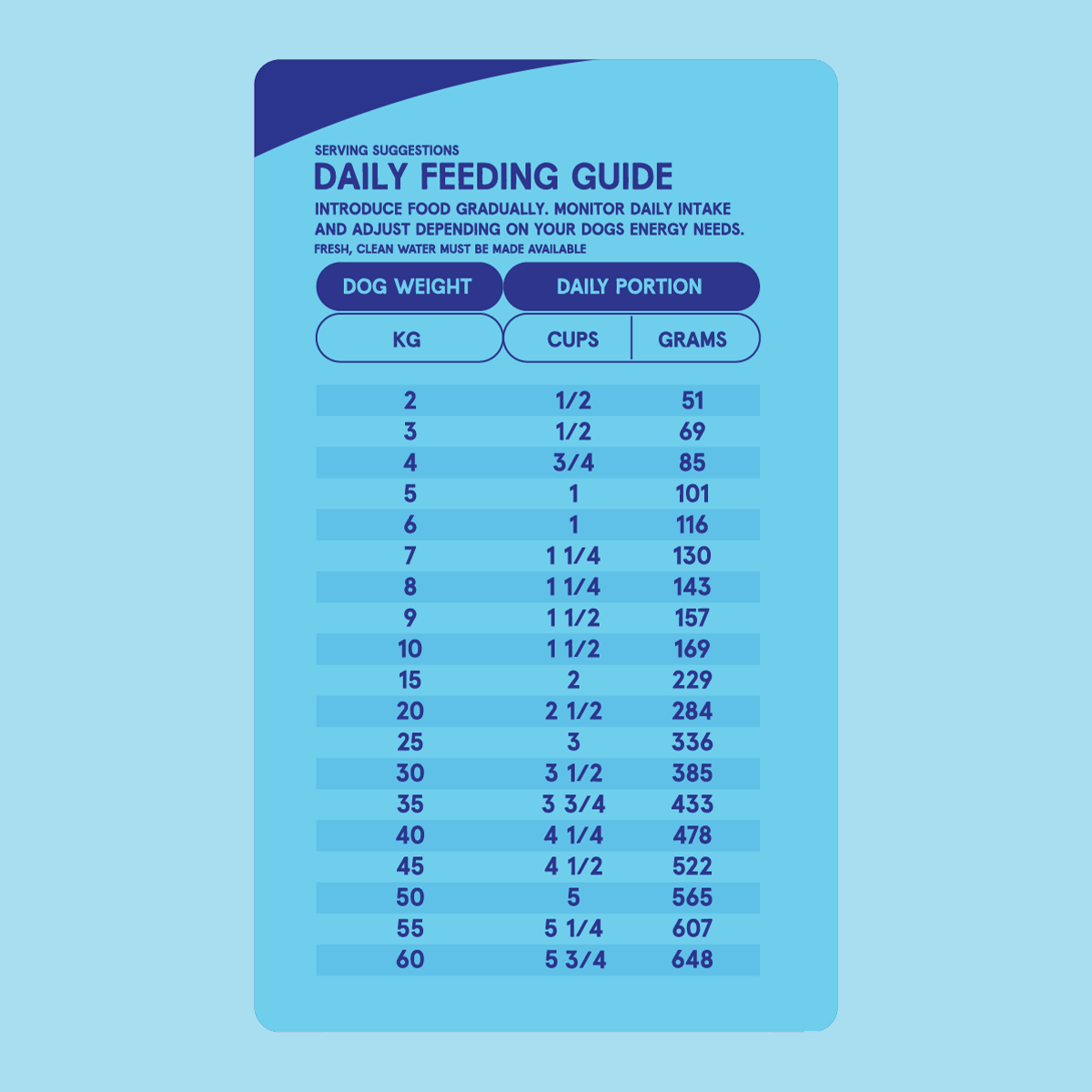
Reduce the daily food portion to make room for that budget. If you're pulling 50 calories in treat allowance, serve 50 fewer calories of kibble.
For training-heavy days where treats are going to be higher, reduce the food portion accordingly. This is easier than it sounds once you have a rough sense of what your regular treats cost in calories.
If maths isn't your thing, the simpler version: use the lowest-calorie treats available (carrot, blueberry, cucumber), limit commercial treats to one per day maximum, and eliminate table scraps entirely. That alone tends to close most of the gap.
For a broader look at why dogs gain weight in the first place and how to address it: My Dog Is Overweight: How to Help Them Lose Weight Safely
How Good Food Reduces the Treat Pressure
One thing that makes treat management much easier is a food that genuinely keeps your dog full. When a dog is properly satiated, they're less frantic between meals, less fixated on treats, and less likely to beg persistently.
High-fibre foods slow digestion and keep hunger more stable. Dogs on better food tend to need fewer treats as a behaviour management tool, which makes the calorie accounting much simpler.
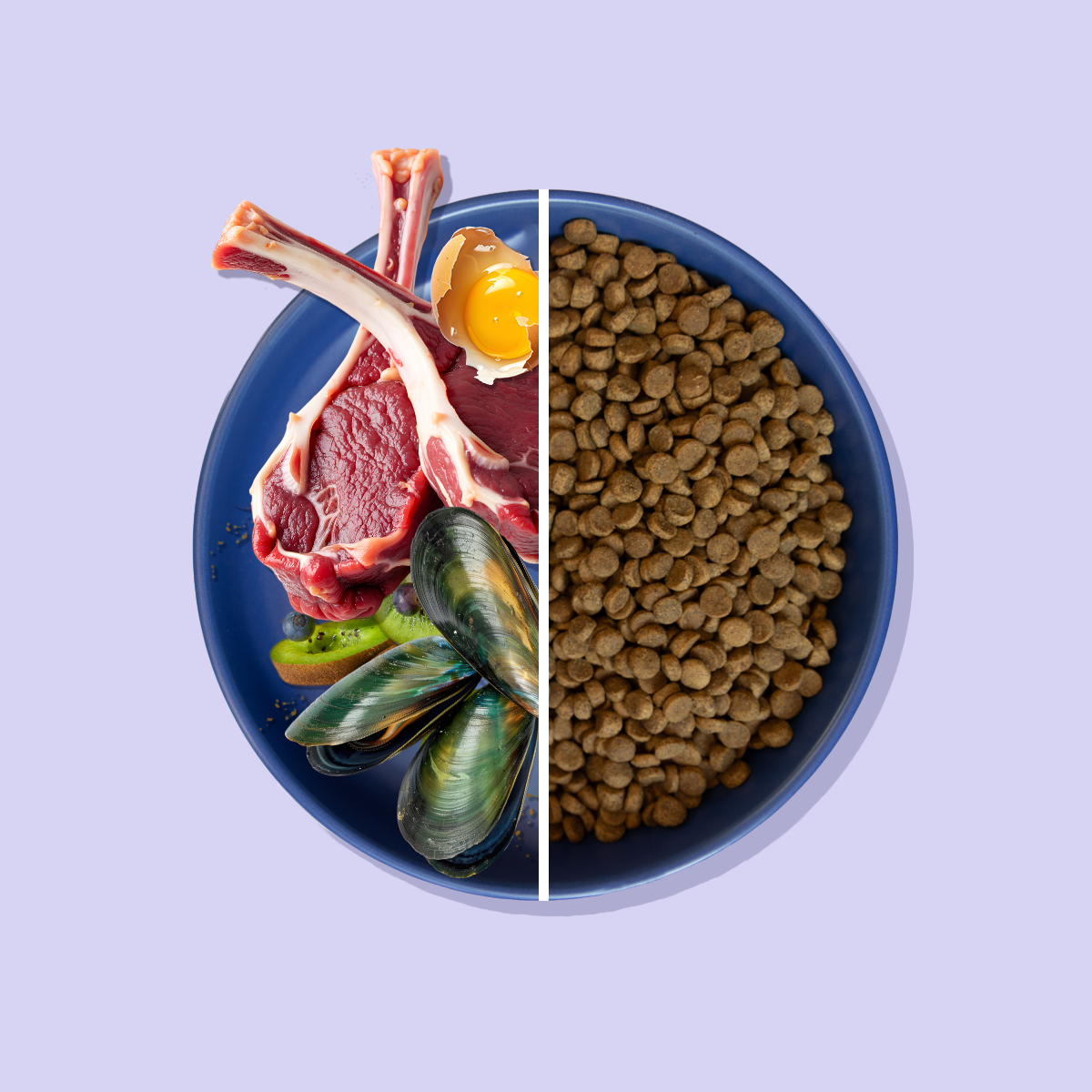
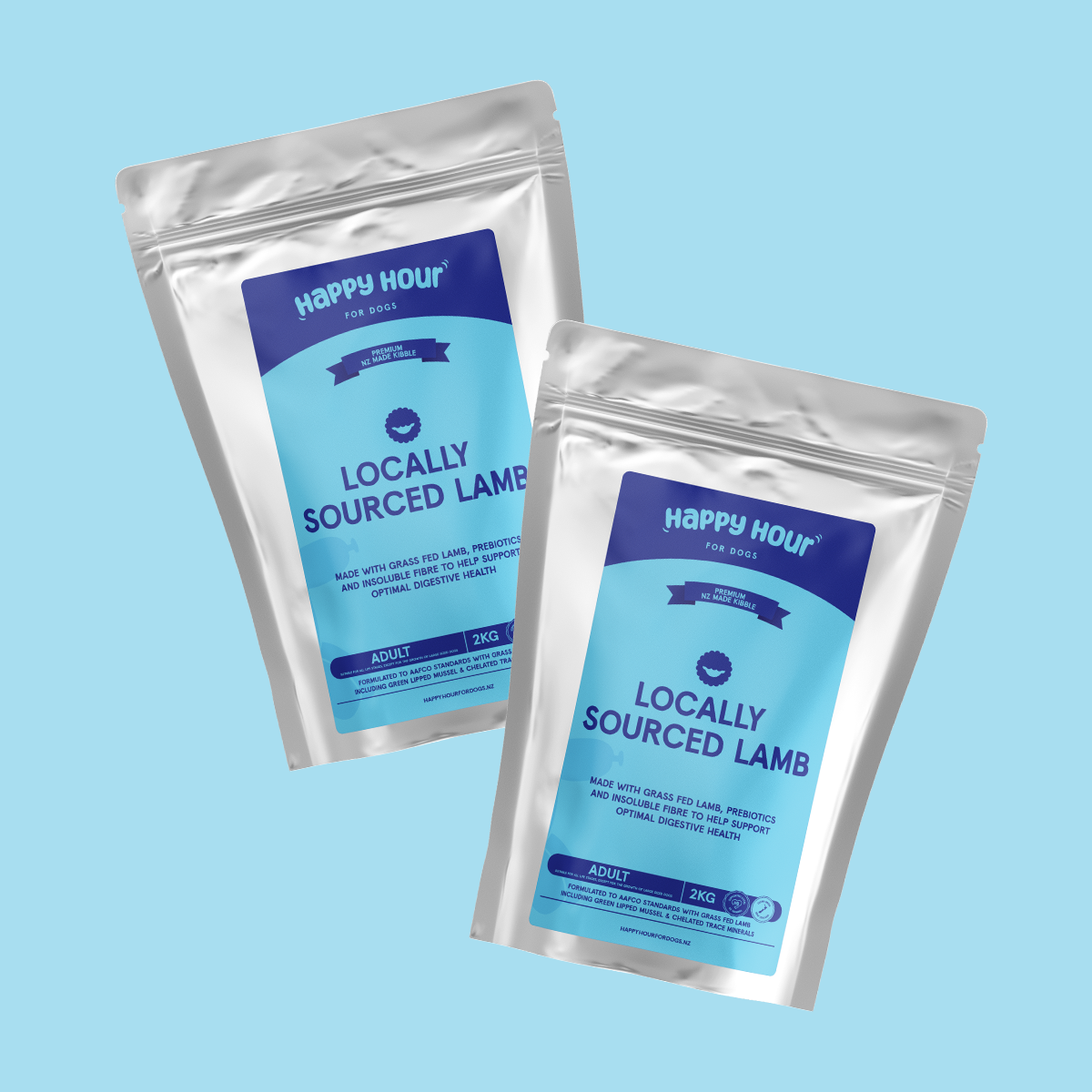
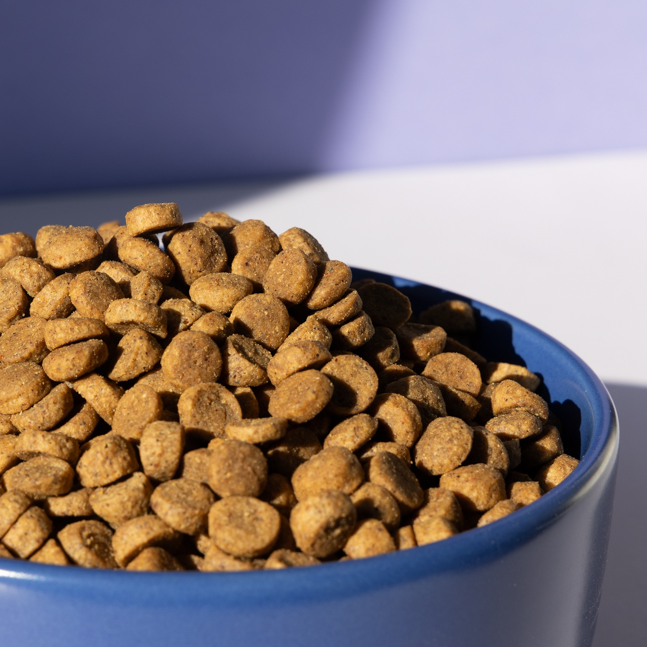
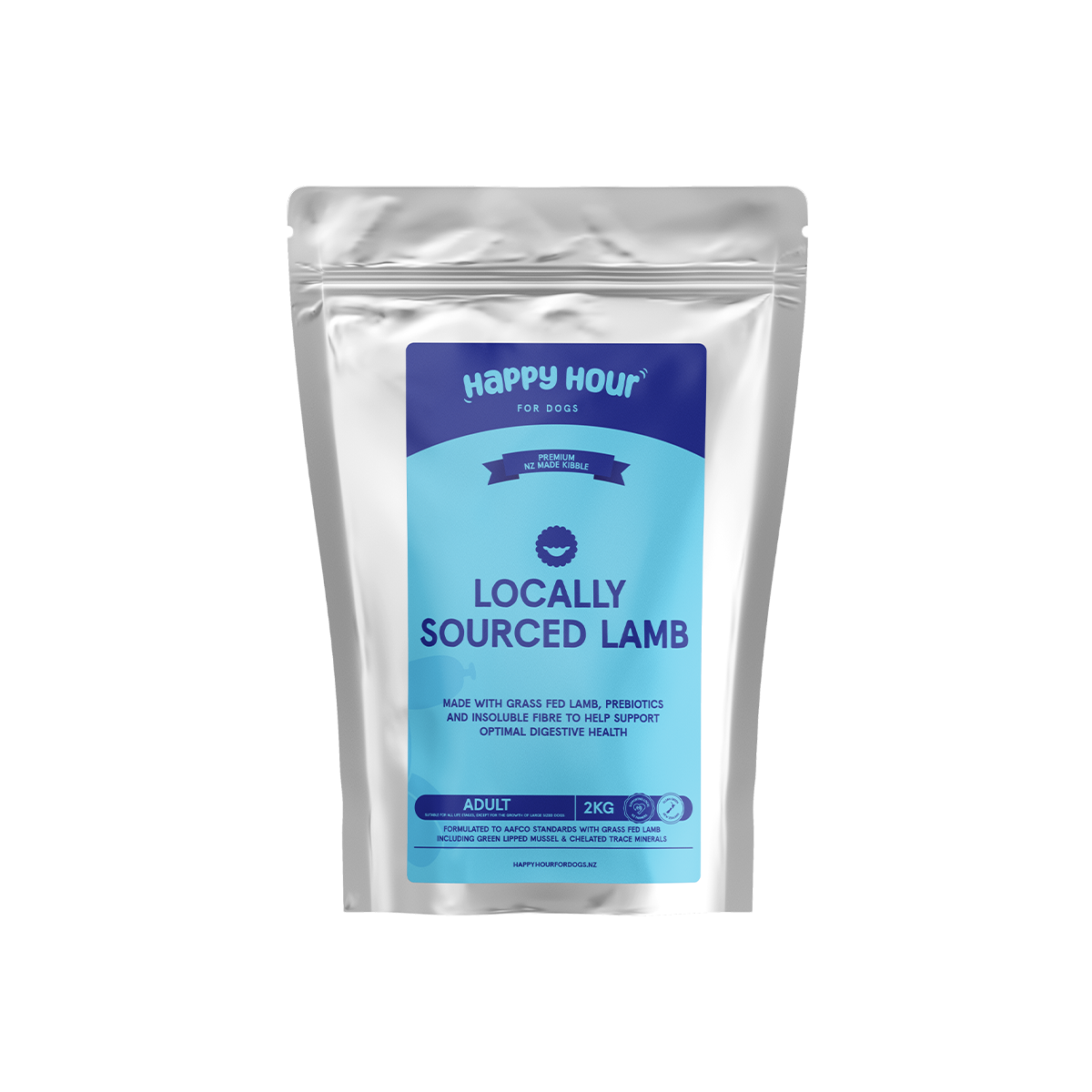
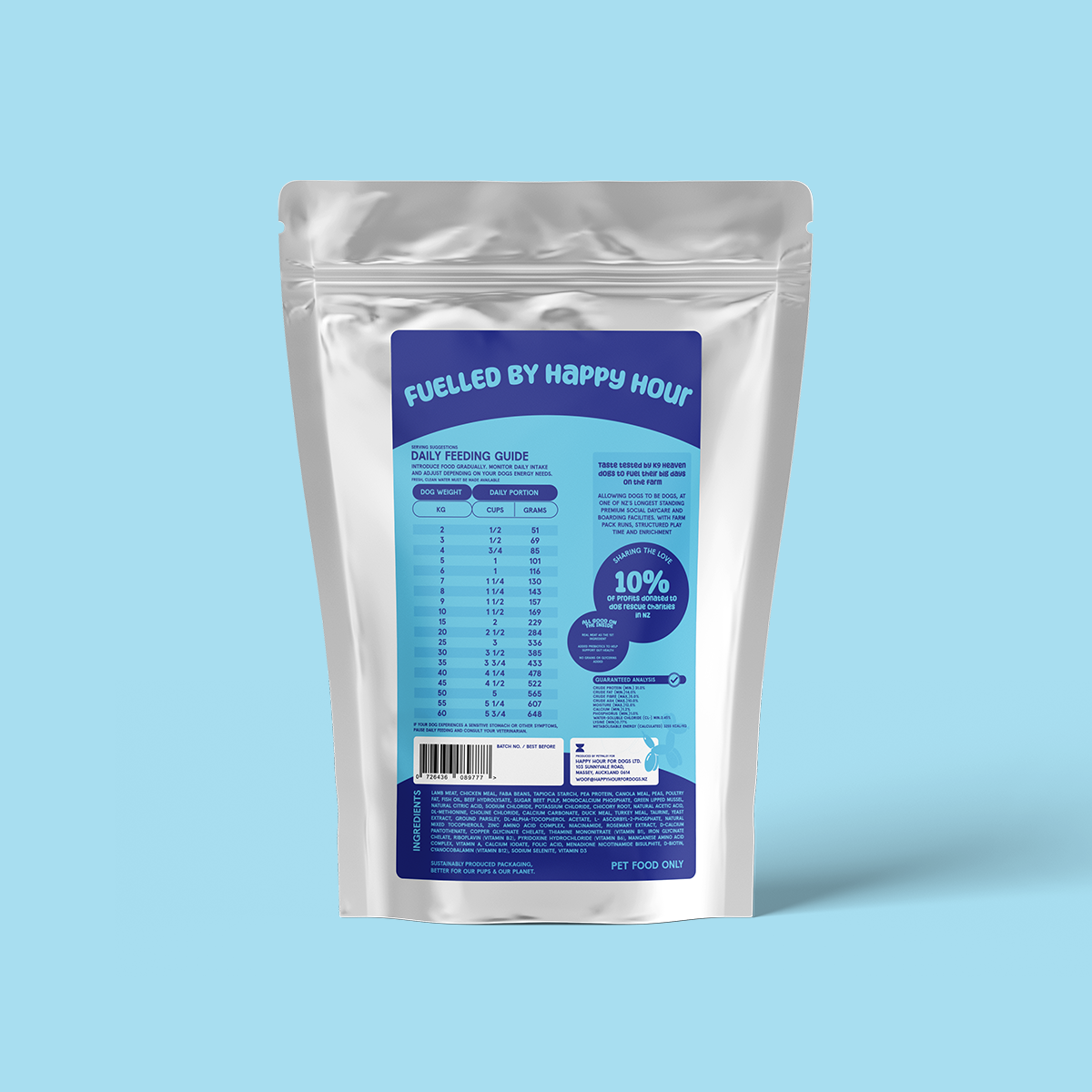
Happy Hour is a NZ-made, grain-free kibble with a high-fibre formula built around grass-fed lamb. It's not marketed specifically as a weight management food, but dogs on it tend to be noticeably more settled between meals. Less begging means less temptation to reach for the treat jar, which makes the whole weight management picture easier.