If your dog acts like every meal is their last and every moment between meals is a personal insult, you're not alone. A lot of NZ dog owners deal with this, and most assume it means they're underfeeding. Often, they're not. The real reasons a dog seems perpetually hungry are usually about food quality, eating habits, or learned behaviour, and most of them are fixable without increasing the portion size at all.
Key Takeaways
- Dogs that eat too fast feel hungry again faster, regardless of how much they've eaten
- Low-fibre food is one of the biggest drivers of constant hunger in dogs
- Begging is often learned behaviour, not genuine hunger
- Medical causes like Cushing's disease and parasites are worth ruling out if hunger is sudden or severe
- Structured mealtimes and a high-fibre food make a noticeable difference for most food-fixated dogs
- Removing the treat stream is often the quickest win
They're Eating Too Fast
Dogs are descended from animals that had to compete for food. The instinct to eat quickly is genuinely ancient, and some breeds carry it more than others. Labradors, Beagles, and Pugs are notorious for inhaling their food before they've had a chance to register that they've eaten anything at all.
When food disappears that fast, the stomach hasn't sent the fullness signal to the brain yet. The dog finishes the bowl, feels nothing, and immediately concludes they need more. It's not stubbornness. The biology just hasn't caught up.
The fix is a slow feeder bowl. These bowls have ridges and mazes that force your dog to eat around obstacles, slowing the meal down significantly. For some dogs, the difference is dramatic. They'll take five or six times longer to finish the same portion, and the fullness signal has time to kick in before they're back at your feet asking for more.
Puzzle feeders and snuffle mats do the same job. Spreading kibble across a snuffle mat turns a 30-second inhale into a five-minute foraging session. It also gives food-motivated dogs something to do with that energy, which helps with the general obsessiveness around mealtimes.
The Food Doesn't Keep Them Full
This is the most common cause of constant hunger, and the one most owners don't think about.
Low-fibre kibble moves through the digestive system quickly. Your dog eats, the food digests fast, and they're genuinely uncomfortable and unsatisfied again within an hour or two. From your dog's perspective, they're hungry. Because in a physiological sense, they are.
Fibre slows digestion. It adds bulk without adding many calories, keeps your dog's gut moving at the right pace, and signals fullness more reliably. Dogs eating a high-fibre food stay satisfied for longer, are less frantic around mealtimes, and put much less pressure on their owners to feed more.
When you're looking at a food's label, crude fibre content matters. Cheap kibbles built around starchy fillers often have surprisingly low fibre percentages. A good quality, higher-fibre formula changes the hunger picture significantly, sometimes within the first week of switching.
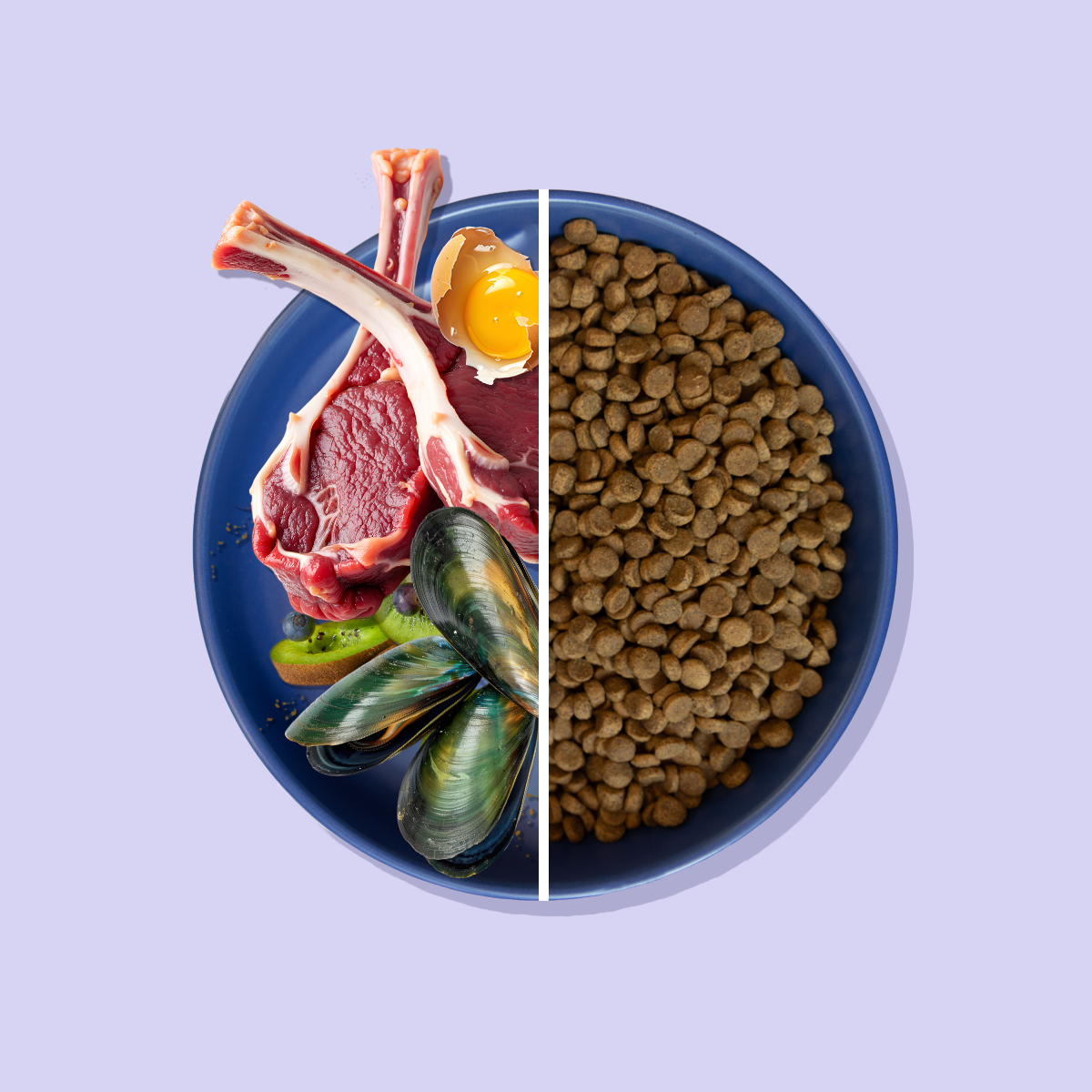
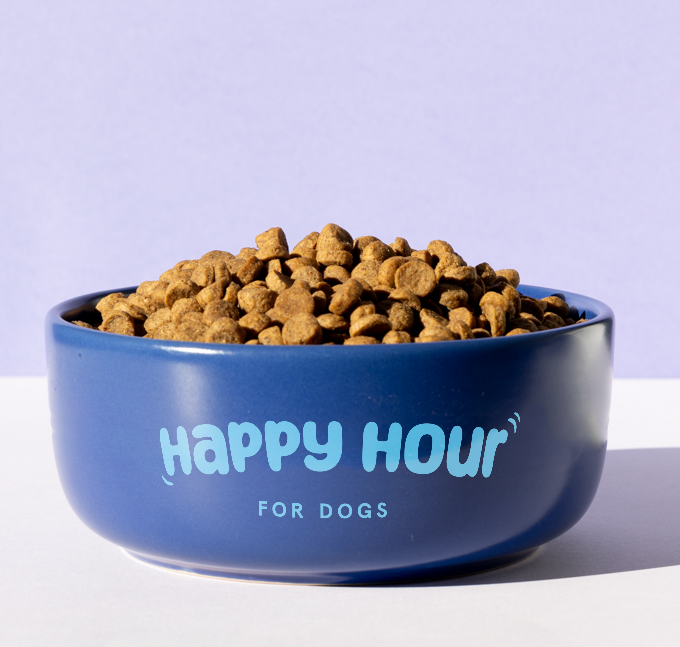
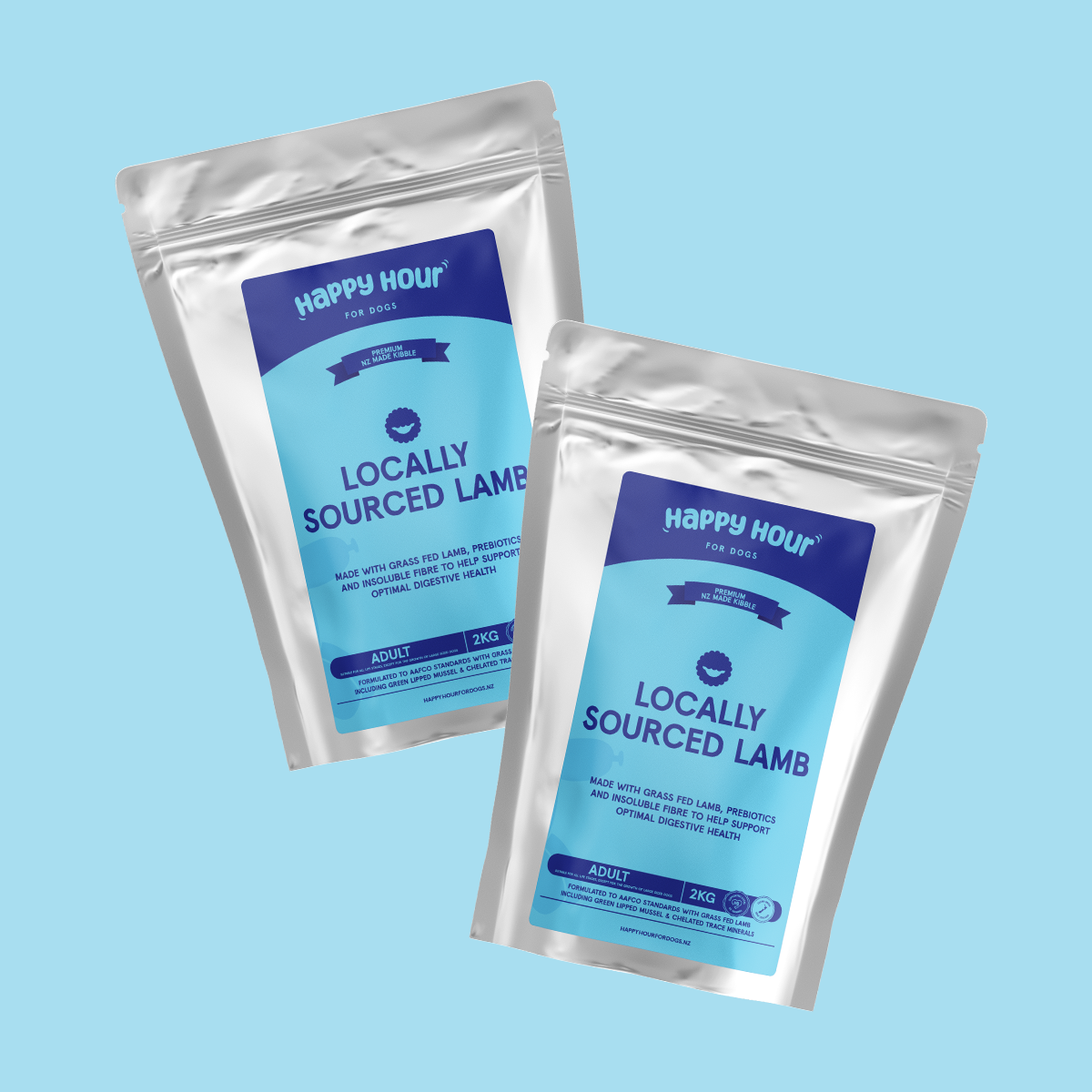
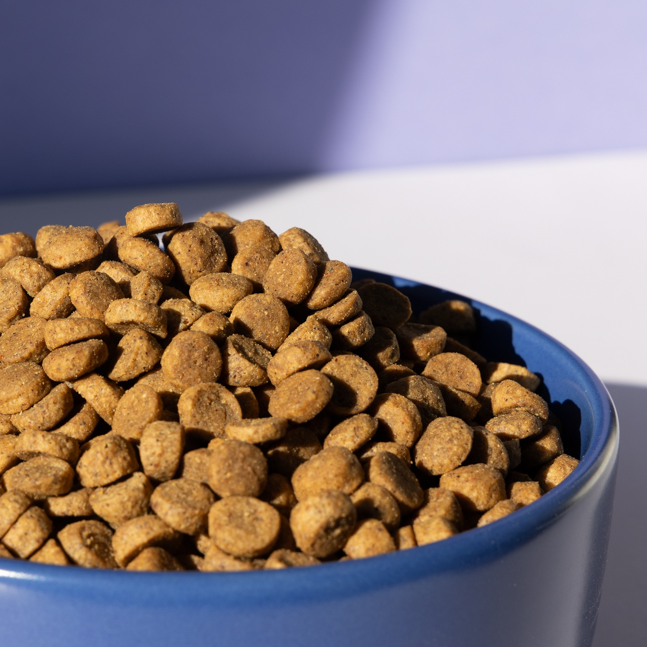
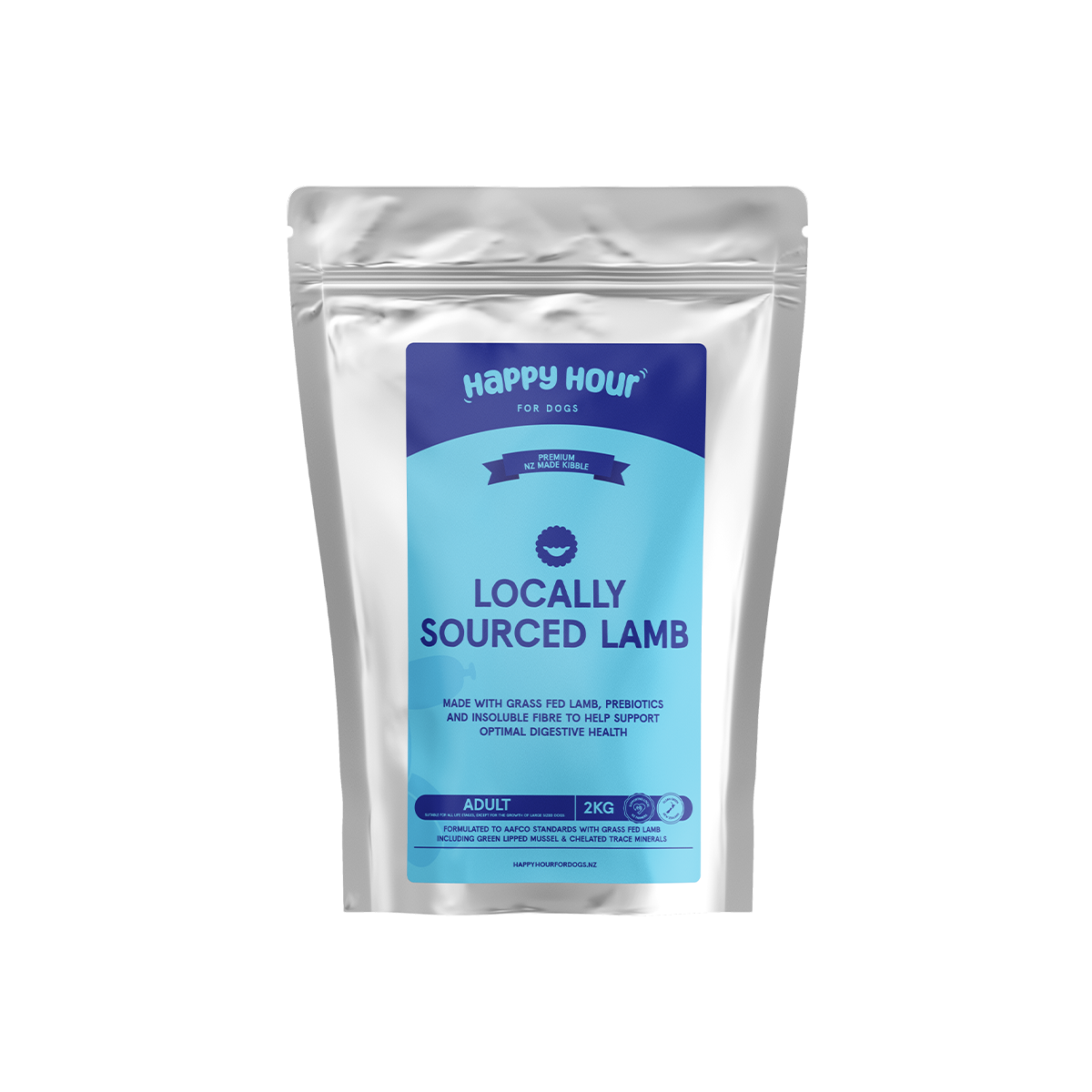
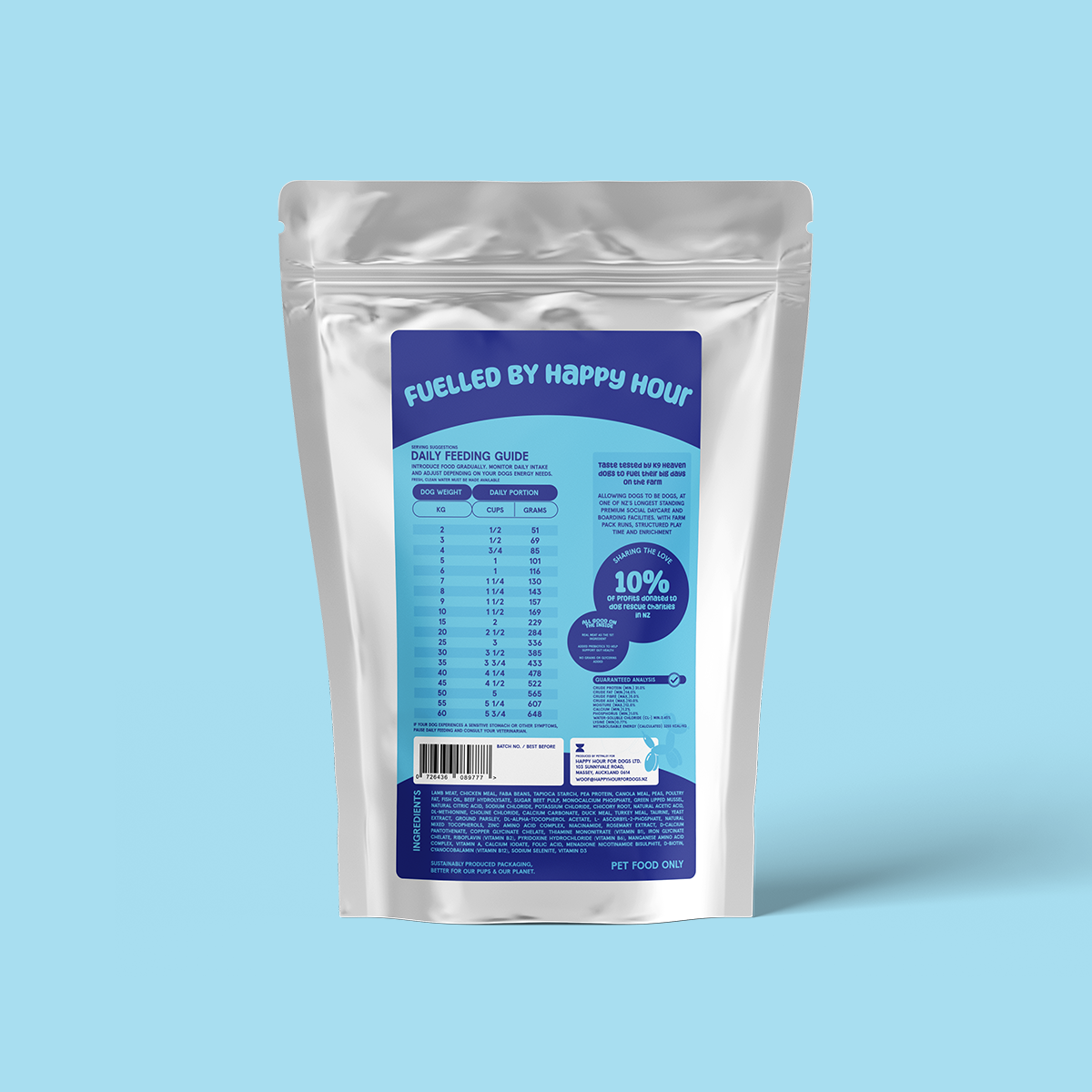
This is exactly where Happy Hour sits. It's a NZ-made, grain-free kibble built around grass-fed lamb with a high-fibre formula designed to support sustained fullness. Dogs on Happy Hour tend to be noticeably more settled between meals, which is usually one of the first things owners comment on. They're still interested in food, because dogs are dogs, but the obsessive edge comes off.
For more on food quality and weight management: My Dog Is Overweight: How to Help Them Lose Weight Safely
They've Learned That Begging Works
Dogs are extraordinarily good at reading humans. If begging has ever led to food, even once, your dog has learned it's a viable strategy. And they'll keep trying it because the potential reward is high.
The behaviour isn't about genuine hunger most of the time. It's about learned association. Your dog stares at you while you eat, paws at your leg, sits at their bowl and gives you the look, because in their experience, that sequence has sometimes produced food. They're not starving. They're optimising.
The fix is consistency. Begging must stop working entirely. That means no food from the table, no treats when they paw at you, no top-up in the bowl when they stare at it. Every exception resets the clock. Dogs learn fast that begging doesn't work when it genuinely, consistently, never works.
Structured mealtimes help a lot here. Feed at the same times each day. Put the bowl down, give them space to eat, pick the bowl up when they're done. No grazing, no top-ups, no responding to food-related behaviour in between. Within a week or two, most dogs start to accept the structure and the frantic behaviour between meals settles down.
Removing the Treat Stream
If your dog gets treats throughout the day, even small ones, those treats are part of why they seem constantly hungry. Treats create expectation. If something has come from the kitchen seven times today, the eighth kitchen visit feels like a reasonable prospect.
Reducing or removing the treat stream, or switching to low-calorie options like raw carrot or plain blueberry, helps reset expectations. It also tends to reveal whether your dog's hunger is real or learned. Most food-obsessed dogs become noticeably calmer once there's nothing to optimise for between meals.
If you do use treats, account for them in the daily calorie budget. More on how to do that: Dog Treats and Weight Gain: What Most NZ Owners Get Wrong
When It Could Be Medical
Occasionally, constant hunger is a sign of something going on underneath. If your dog's hunger has always been high but manageable and you're working on the food and behaviour side of things, medical causes are unlikely. But if the hunger has increased suddenly, or is accompanied by other changes, it's worth a vet check.
Cushing's disease causes the adrenal glands to overproduce cortisol. Increased appetite is one of the classic signs, usually alongside increased thirst, increased urination, and a pot-bellied appearance. It tends to develop in middle-aged to older dogs.
Diabetes can make dogs feel persistently hungry even after eating, because cells can't access glucose properly without sufficient insulin. Increased thirst and urination go along with it here too.
Intestinal parasites can interfere with nutrient absorption. A dog with a significant worm burden might eat normally but absorb less than they should, leaving them genuinely underfed at a cellular level even when the bowl is being finished.
Exocrine pancreatic insufficiency (EPI) is a condition where the pancreas doesn't produce enough digestive enzymes. Food passes through largely undigested, leading to weight loss despite normal or increased appetite.
If any of these sound like they could fit your dog's situation, a vet visit with a faecal sample and bloodwork will usually point you in the right direction quickly.