If your dog keeps scooting across the floor, getting their glands expressed at the vet every few weeks, or leaving you with some very unpleasant surprises, food is usually a big piece of the puzzle.
Key Takeaways
- Why Food Affects Anal Glands
- What to Look for in Dog Food for Anal Gland Issues
- What to Avoid
- Raw Diets: Do They Help?
- Two Dogs That Made Us Think Differently
Many NZ dog owners don't realise that what's in the bowl directly affects how the anal glands work. The good news: the right food can make a real difference. The bad news: most dog foods on shelves here aren't formulated with gland health in mind at all.
This guide covers what to look for, what to avoid, and which NZ-made options are worth trying.
Why Food Affects Anal Glands
Anal glands are two small sacs on either side of your dog's rear end. They're supposed to express naturally each time your dog passes a firm stool. When stools are too soft, too small, or pass too infrequently, that pressure doesn't build up properly, and the glands don't empty.
The result: blocked glands, inflammation, infections, and the kind of vet bills nobody wants.
Diet is one of the main drivers of stool consistency. A food that's too high in fat, too low in fibre, or full of hard-to-digest ingredients will consistently produce soft, loose stools. A food that's well-formulated for digestion produces firm, regular stools that do the job nature intended.
Many NZ vets will suggest dietary changes before recommending ongoing manual expression, because if you fix the food, you often fix the problem.
What to Look for in Dog Food for Anal Gland Issues
Here's the shortlist. If a food ticks all of these boxes, you're in the right territory.
1. High Fibre Content
Fibre is the single most important factor for anal gland health. It adds bulk to the stool, which creates the physical pressure needed to naturally express the glands on the way out.
Look for foods that list fibre sources clearly, such as sweet potato, beet pulp, psyllium husk, or chicory root. A crude fibre content of 4-6% or higher is a reasonable target. Many standard supermarket kibbles sit well below this.
Prebiotic fibre is a bonus. It feeds beneficial gut bacteria, improves digestion overall, and helps produce consistently firm stools rather than the variable output you get with lower-quality foods.
2. Low Fat Formula
Fat slows digestion and makes stools softer. For dogs with anal gland issues, this matters a lot. High-fat foods, even premium ones, can undermine everything else.
A crude fat content of around 10-14% is a reasonable range for a dog that struggles with glands. Many standard adult kibbles sit at 16-20%, which is too high for sensitive dogs.
This doesn't mean cutting fat entirely. Dogs need fat for skin, coat, and energy. It's about finding a balance that supports digestion without producing soft output.
3. Grain-Free Formula
This one is more nuanced. Grain-free doesn't automatically mean better, but for dogs with anal gland issues, eliminating common irritants like wheat and corn often reduces gut inflammation and improves stool quality.
Grains aren't inherently bad, but lower-quality grains used as fillers tend to produce loose, bulky, or inconsistent stools. A grain-free formula that uses quality carbohydrate sources instead, such as sweet potato or peas, often produces more consistent results for gland-prone dogs.
4. Quality Protein Sources
Low-quality protein (think meat meal, by-products, or unnamed 'animal protein') is harder to digest. The undigested portion ends up in the gut and affects stool consistency.
Named protein sources, single protein formulas, and fresh or dried meat as the first ingredient are signs of a better-quality food that will digest more completely and produce firmer, smaller stools.
5. No Common Gut Irritants
Additives, artificial preservatives, and certain cheap fillers can trigger low-grade gut inflammation that shows up as loose stools and inconsistent digestion. If the ingredients list reads like a chemistry experiment, put it back on the shelf.
What to Avoid
- High-fat foods: Even quality foods can be problematic if fat is too high
- Fillers and by-products: Corn syrup, unnamed meat meals, artificial colours
- Very low fibre: Anything under 3% crude fibre is unlikely to produce the firm stools your dog needs
- Frequent food changes: Constantly switching foods disrupts the gut and makes it hard to see what's actually working. Give a new food at least 6-8 weeks before judging results
Raw Diets: Do They Help?
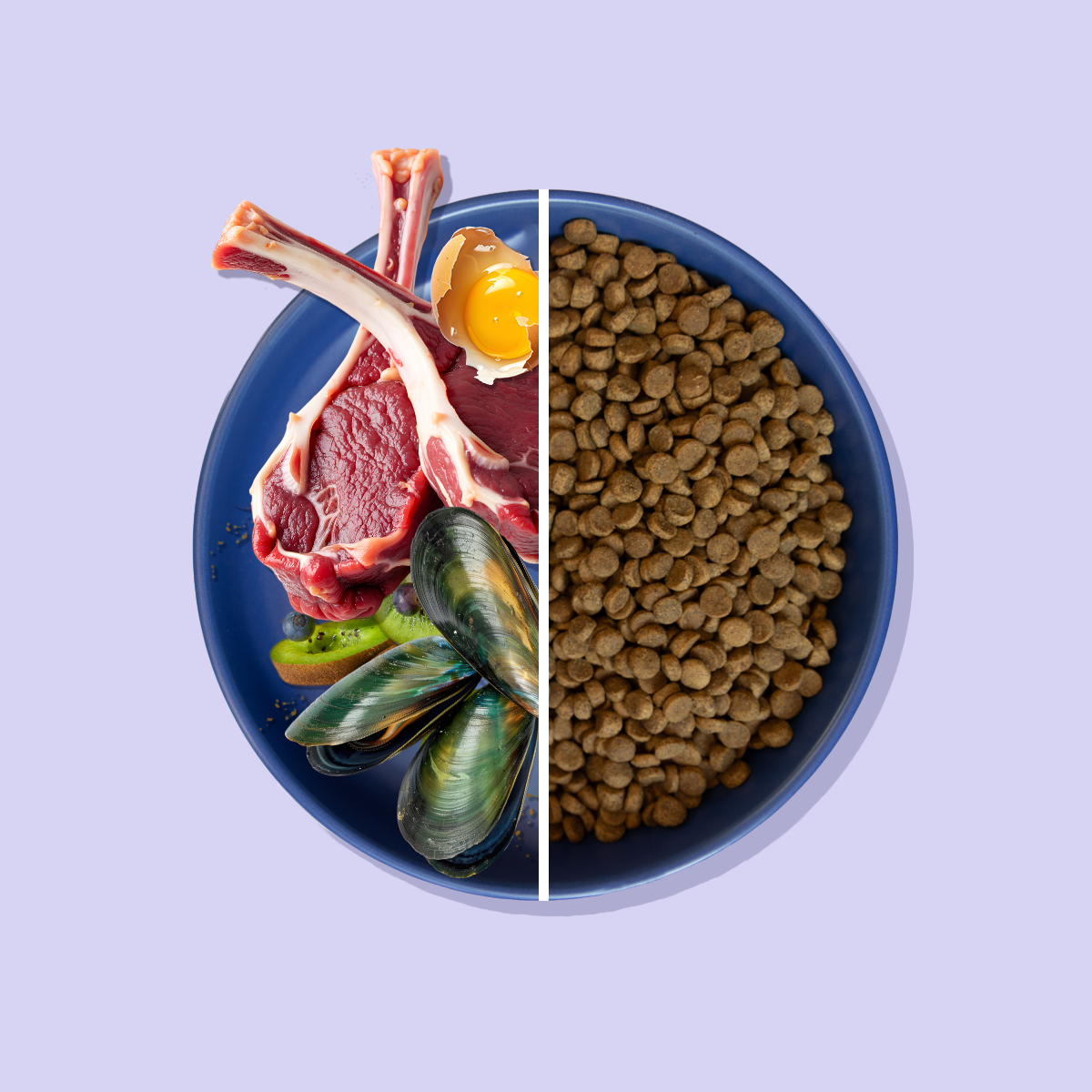
Raw feeding is popular in NZ, and some owners swear by it for anal gland issues. The reasoning is that raw meaty bones produce very firm, chalky stools that naturally express the glands.
This can work. But it's not for every dog or every household, and the risks around bone safety, bacteria, and nutritional balance need to be weighed carefully. A poorly balanced raw diet can actually make things worse.
If you're curious about raw, talk to your vet first. It's not the only solution, and for many NZ dog owners, a well-formulated dry food is a far easier and more consistent option.
Two Dogs That Made Us Think Differently
When Happy Hour started getting feedback from customers, two names kept coming up: Neo and Elsa.
Both dogs had been regular visitors to the vet for gland expressions. Their owners had tried different foods with mixed results. After switching to Happy Hour, both owners noticed their dogs stopped needing manual expressions, and the scooting stopped.
We're not claiming Happy Hour is a medical treatment. But the pattern is consistent with what we know about fibre, fat, and stool quality. When you get those three things right, the glands often start doing their job again.
Why Happy Hour Works Well for Anal Gland-Prone Dogs
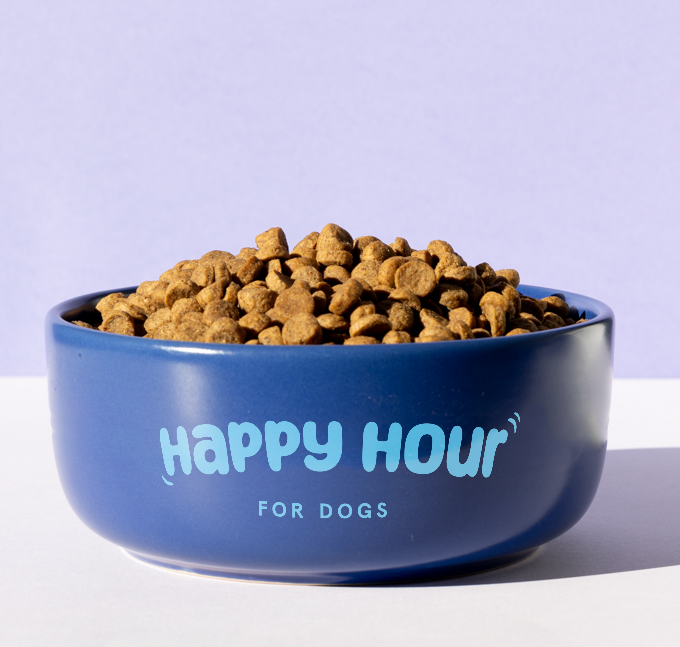
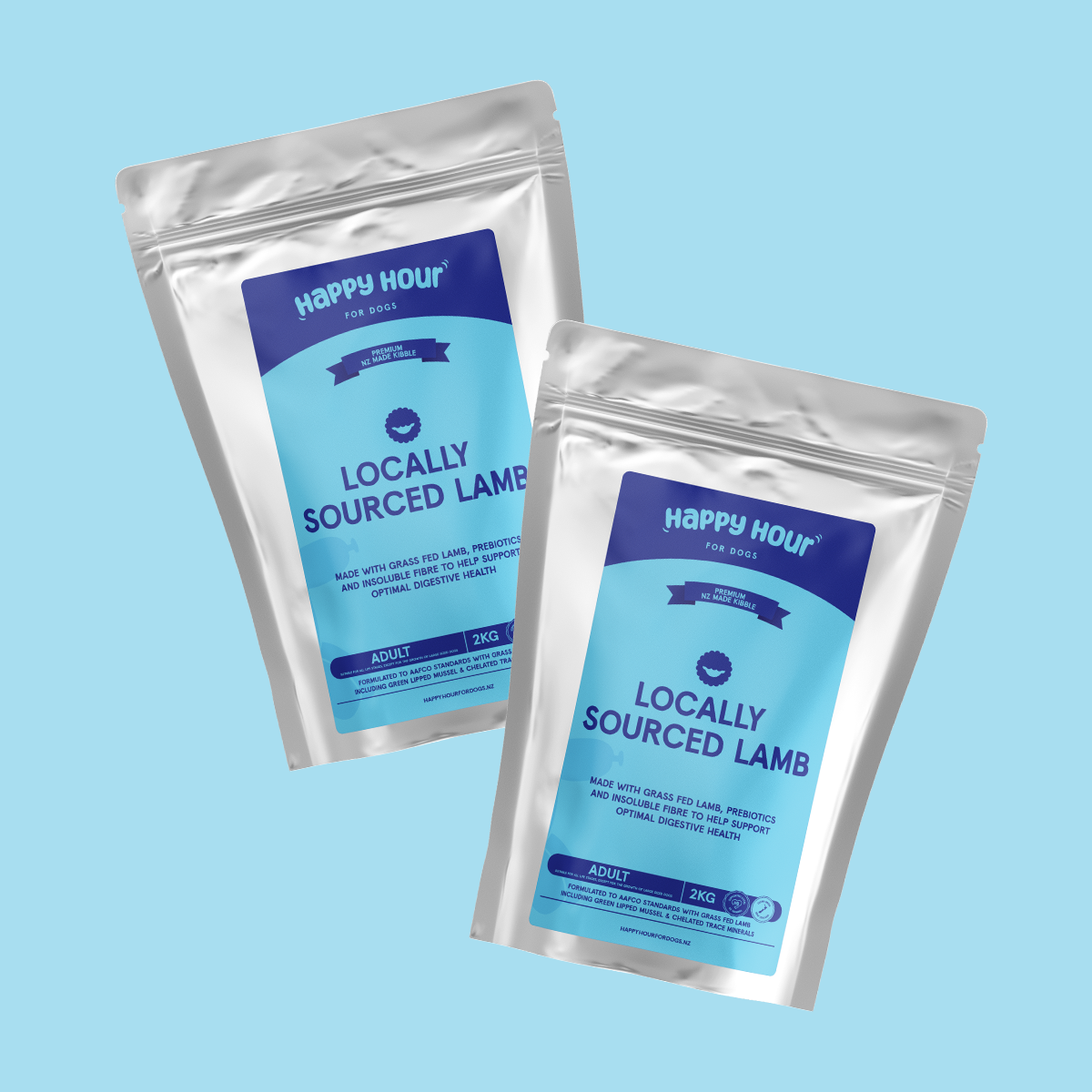
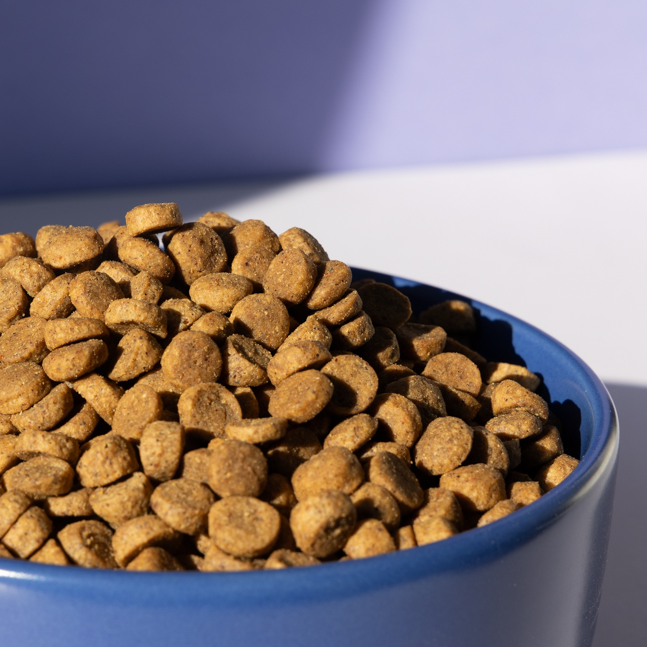
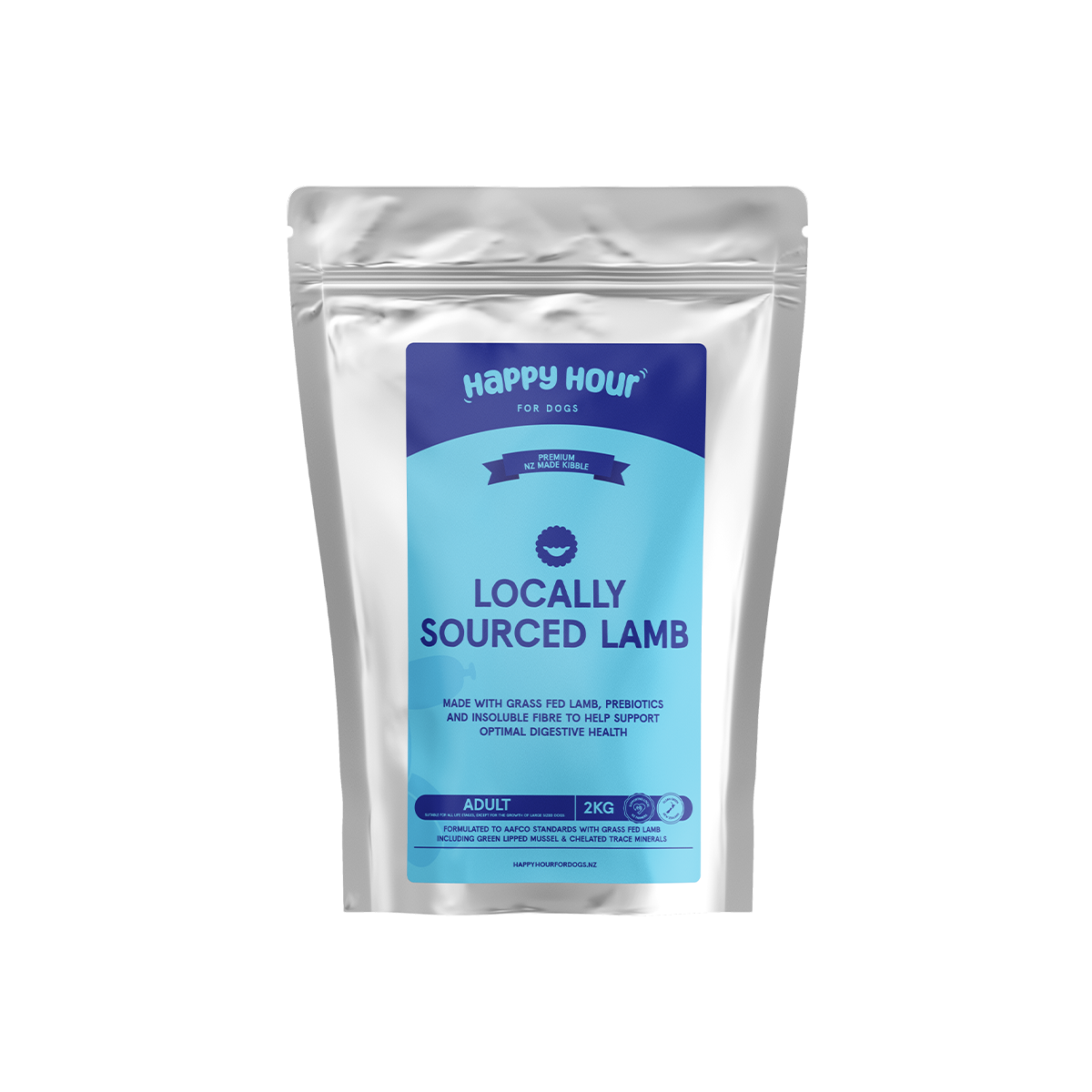
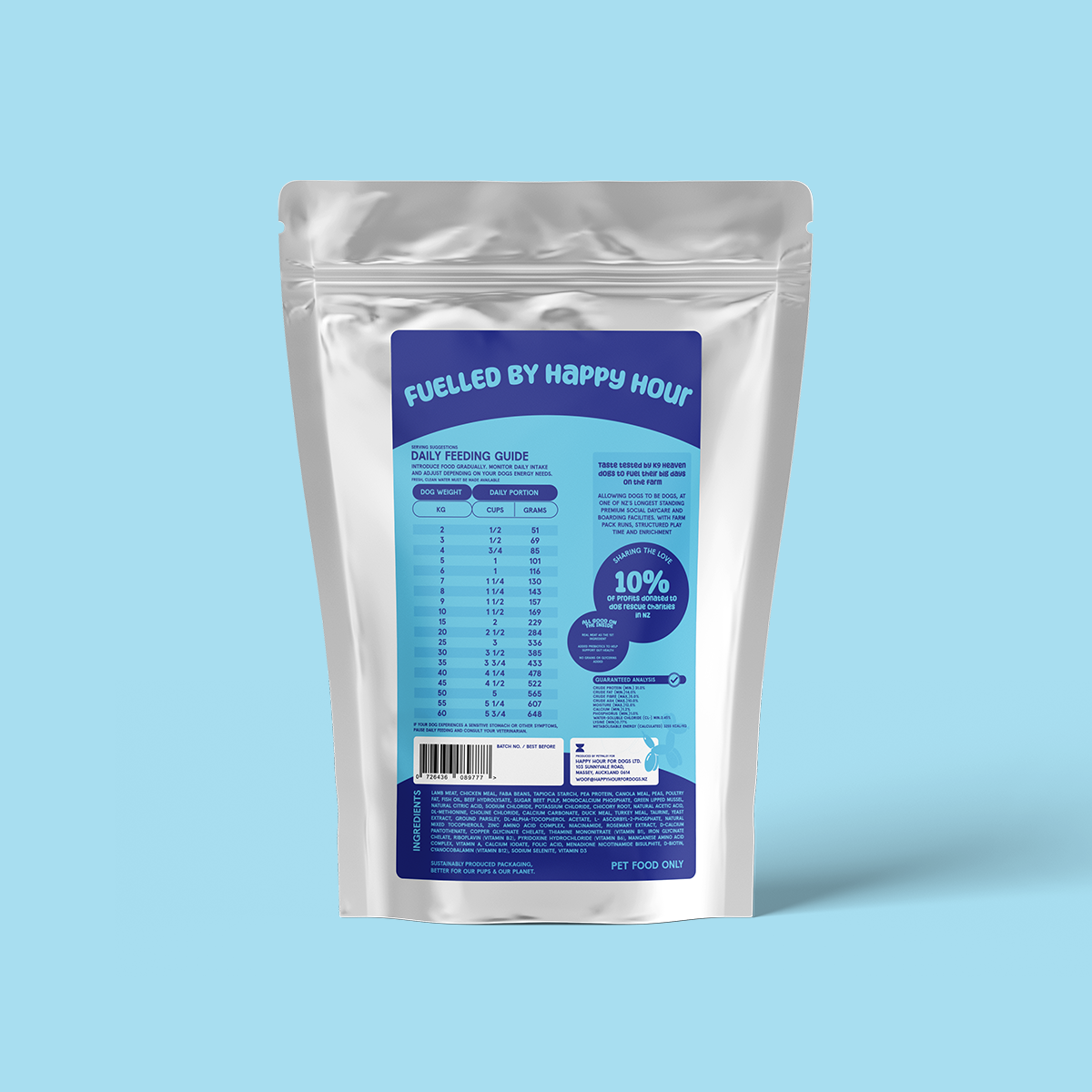
Happy Hour is a NZ-made, grain-free kibble formulated with gland health in mind, not accidentally, but deliberately.
Here's what makes it relevant for this issue:
- High fibre: Happy Hour contains prebiotic fibre from chicory root and sweet potato, which supports consistent, firm stools
- Low fat: The formula sits in the 12-14% fat range, well below the 16-20% common in many standard kibbles
- Grain-free: No wheat, corn, or cheap fillers that could irritate the gut
- Quality protein: Real, named meat as the primary ingredient, with no unnamed by-products
- Made in NZ: Formulated and produced here, with consistent quality control
It's not the only food that can help with anal gland issues. But it's one of the few NZ-made options that combines high fibre, low fat, and grain-free in one formula. That combination is exactly what dogs with gland problems need.
How Long Until You See Results?
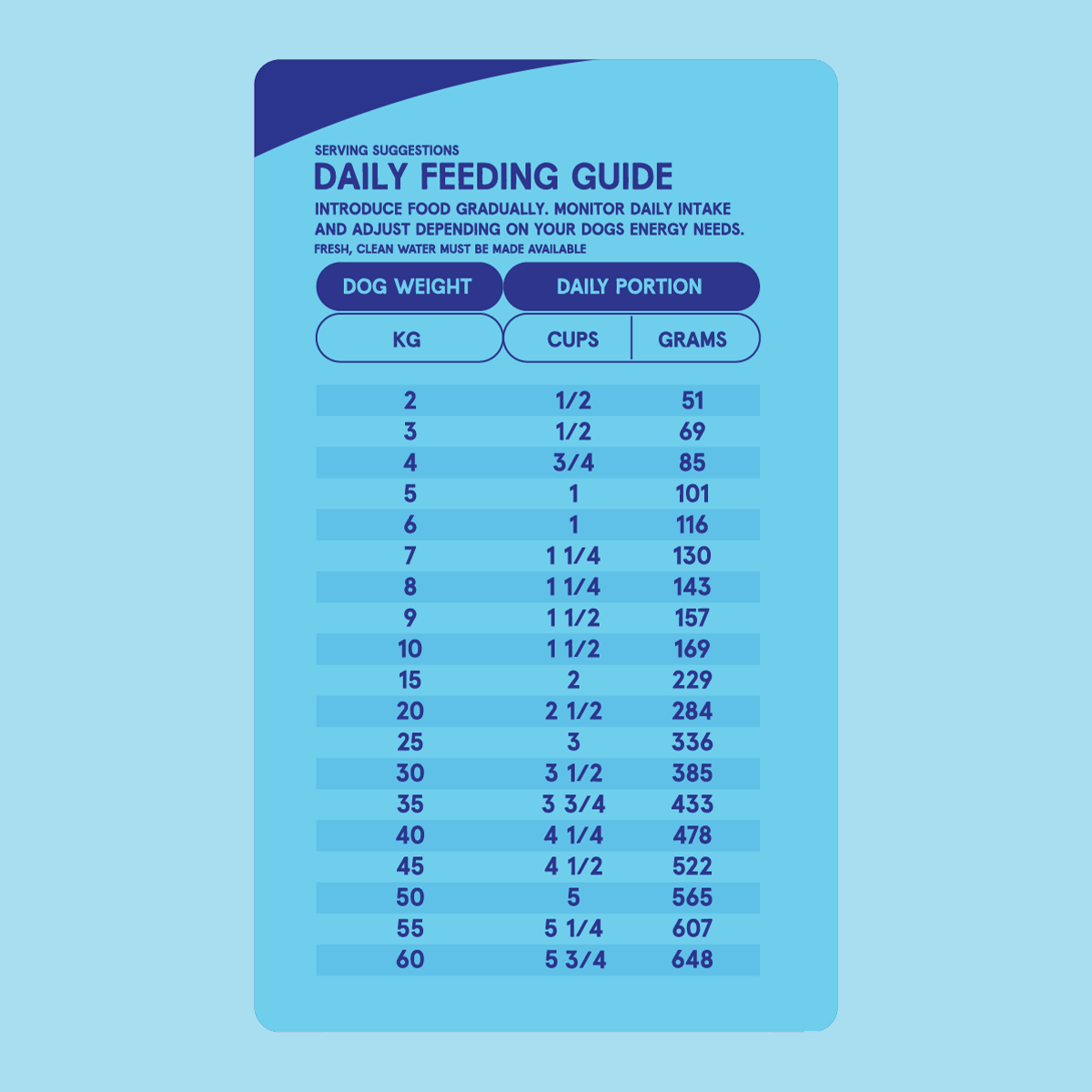
Switching food takes time. The gut needs 4-8 weeks to fully adjust, and stool quality during the transition may vary. Don't judge a new food in the first two weeks.
A few practical tips for the transition:
- Switch gradually over 7-10 days, mixing old and new food
- Watch stool firmness as your main indicator, not just frequency
- Keep a simple log if you're comparing foods, it's easy to forget what things looked like six weeks ago
- If your dog needs a gland expression during the transition, that's fine. You're working toward long-term improvement, not overnight results
If you've been through multiple food changes without improvement, it's worth a vet conversation. Some dogs have anatomical gland issues that food alone won't fix. But for the majority of dogs where food is a contributing factor, the right diet makes a measurable difference.
The Bottom Line
For dogs with anal gland issues in NZ, the food checklist is clear: high fibre, low fat, grain-free, quality protein, no gut irritants. Most standard dog foods don't meet all of these criteria. A handful do.
If your dog is a regular at the vet for gland problems and you haven't yet tried changing their food, it's the first thing worth doing. It costs less than a vet visit and, for many dogs, it's the fix.