A Kelpie will work until it drops, then look faintly insulted that you made it stop. That drive is the entire point of the breed. It's also the thing that makes feeding one a little different from feeding the average town dog.
Key Takeaways
- Kelpies burn hot and stay lean
- Fat is fuel, and Kelpies use it
- Joints take a hammering
- The gut side of things
- Farm Kelpie or town Kelpie: same food, different maths
Kelpies are lean, wiry and built for covering ground. A good one on a King Country hill block will put in a day that would flatten most dogs, and even the ones living in a suburban backyard in Christchurch are carrying that same engine around with far fewer places to put it. Both versions need proper fuel. They just need very different amounts of it.
Here's what actually matters when you're choosing food for a Kelpie in New Zealand.
Kelpies burn hot and stay lean
Most adult Kelpies sit somewhere between 14 and 20kg, and there's almost nothing to them that isn't muscle. They're not a breed that carries condition easily, and a Kelpie that's putting on weight is usually telling you something about their week rather than their food.
That lean, high-output build changes what a good bowl looks like. A big volume of low-quality food doesn't suit them. What suits them is dense food, meat-first, where a sensible portion actually delivers something. If you're feeding a large amount and your dog still looks a bit hollow through the loin, the problem is usually the ingredients, not the quantity.
Protein is the first number to look at. Around 30% or above is a fair mark for a dog like this. More important than the number is where it comes from. Real named meat at the top of the ingredient list beats a higher percentage propped up by plant protein every time.
Fat is fuel, and Kelpies use it
Fat is where the endurance comes from. A working dog running for hours is burning fat, not just protein, so the food needs enough of it to keep going.
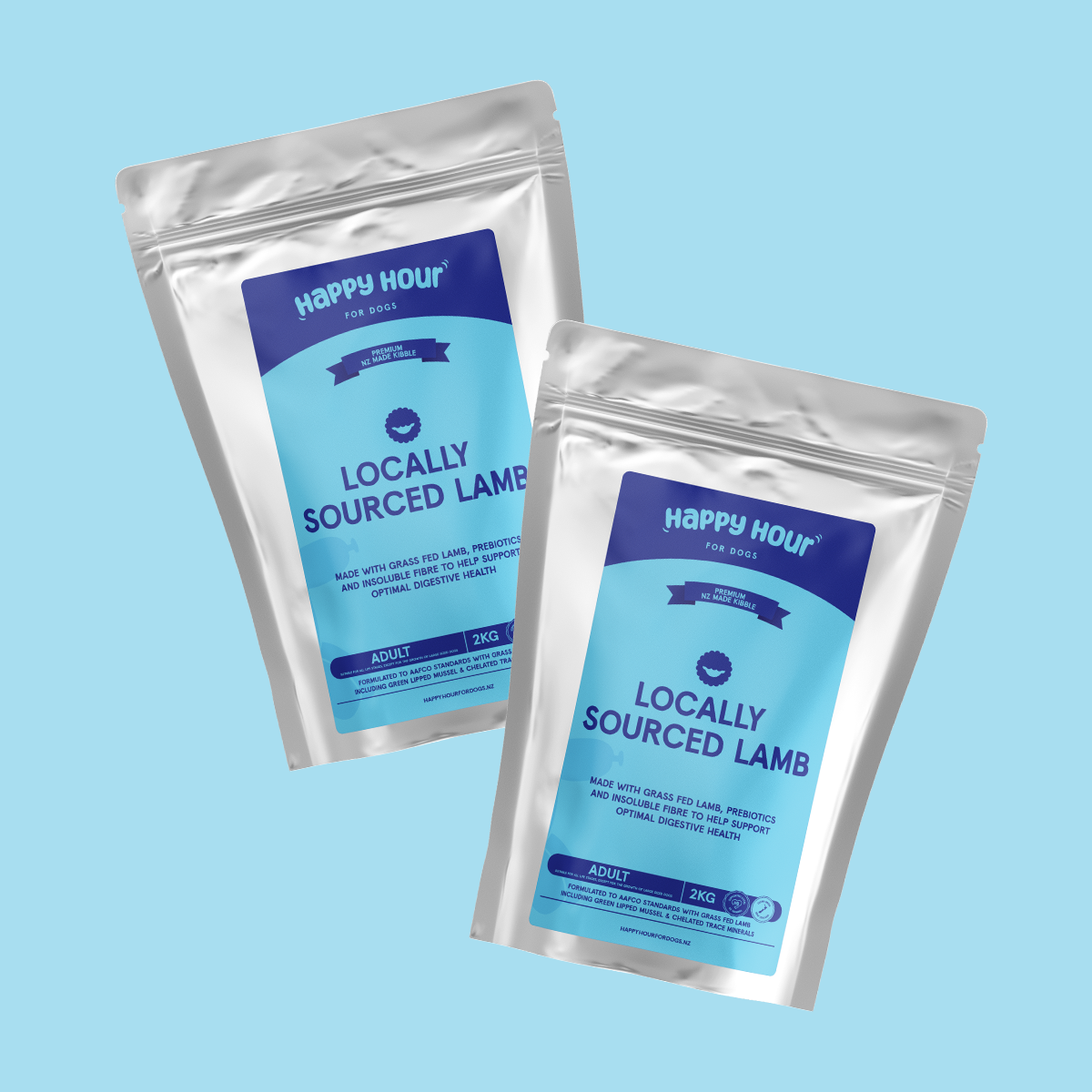
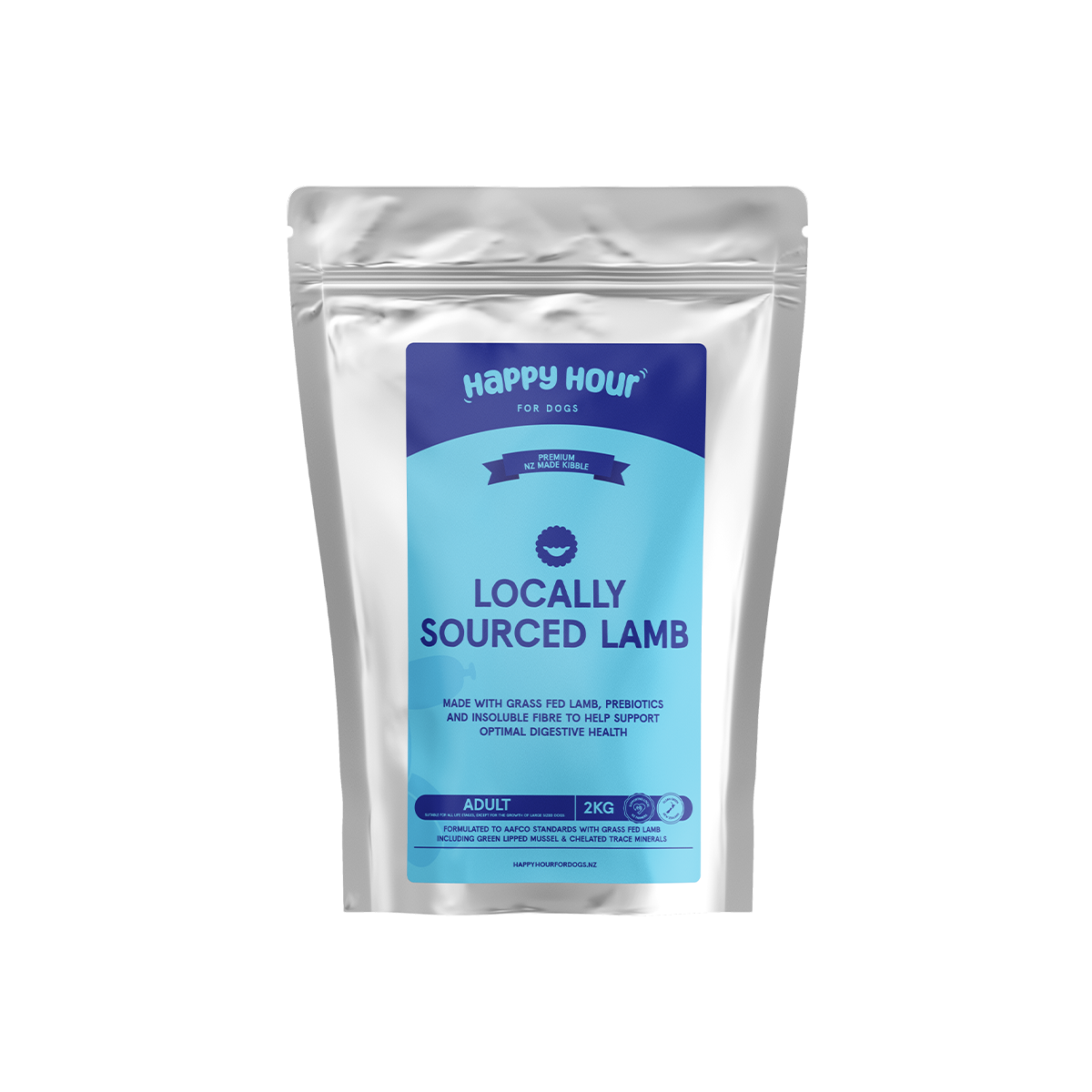
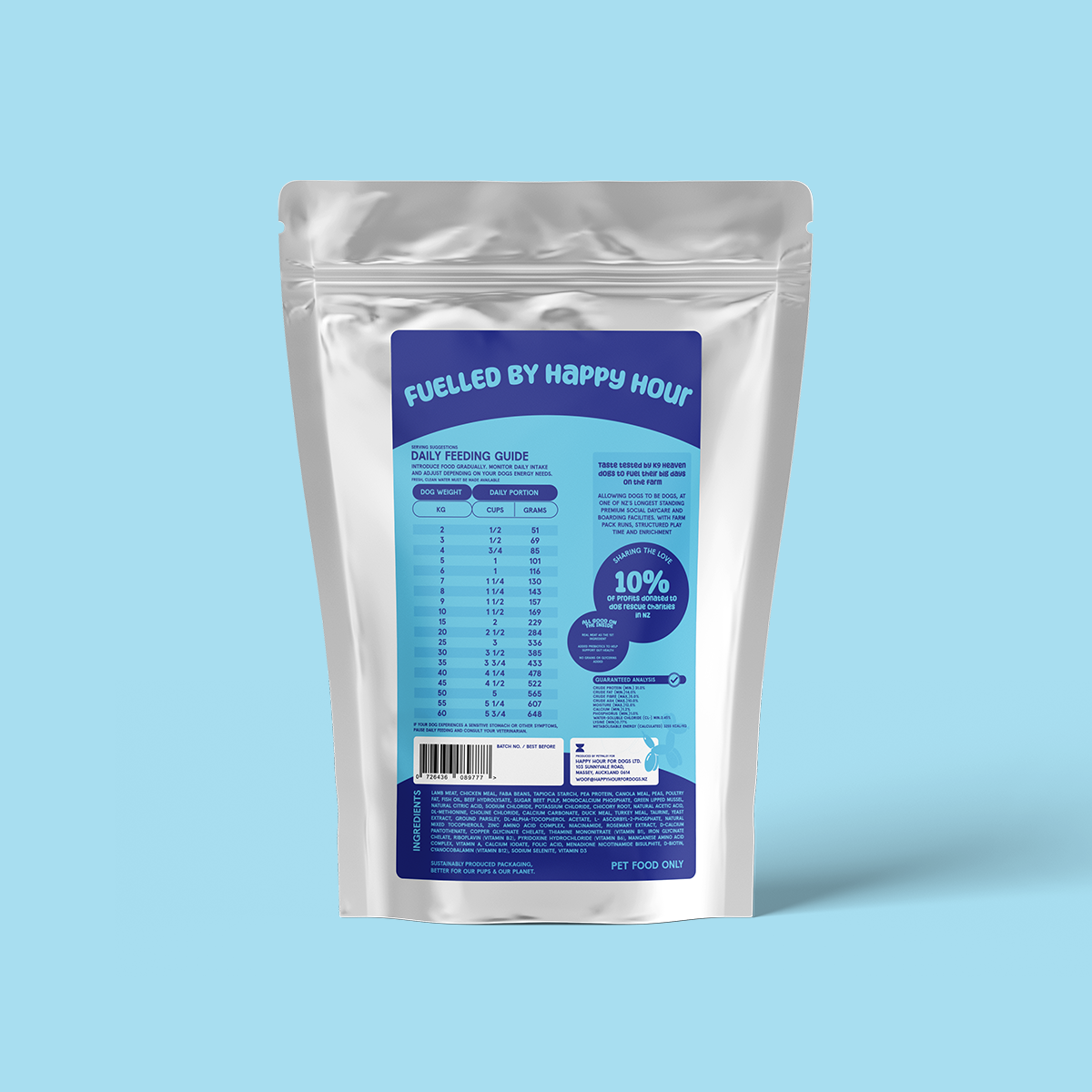
Happy Hour's Grass-Fed Lamb recipe runs 14% fat alongside 31% protein. That's lower in fat than a lot of premium kibbles, which often sit between 16 and 20%, and it turns out to be a useful place to sit for this breed. A working Kelpie can simply eat more of it on the big days. A town Kelpie that's getting a decent run and not much else doesn't get quietly overfed on energy they've got nowhere to spend.
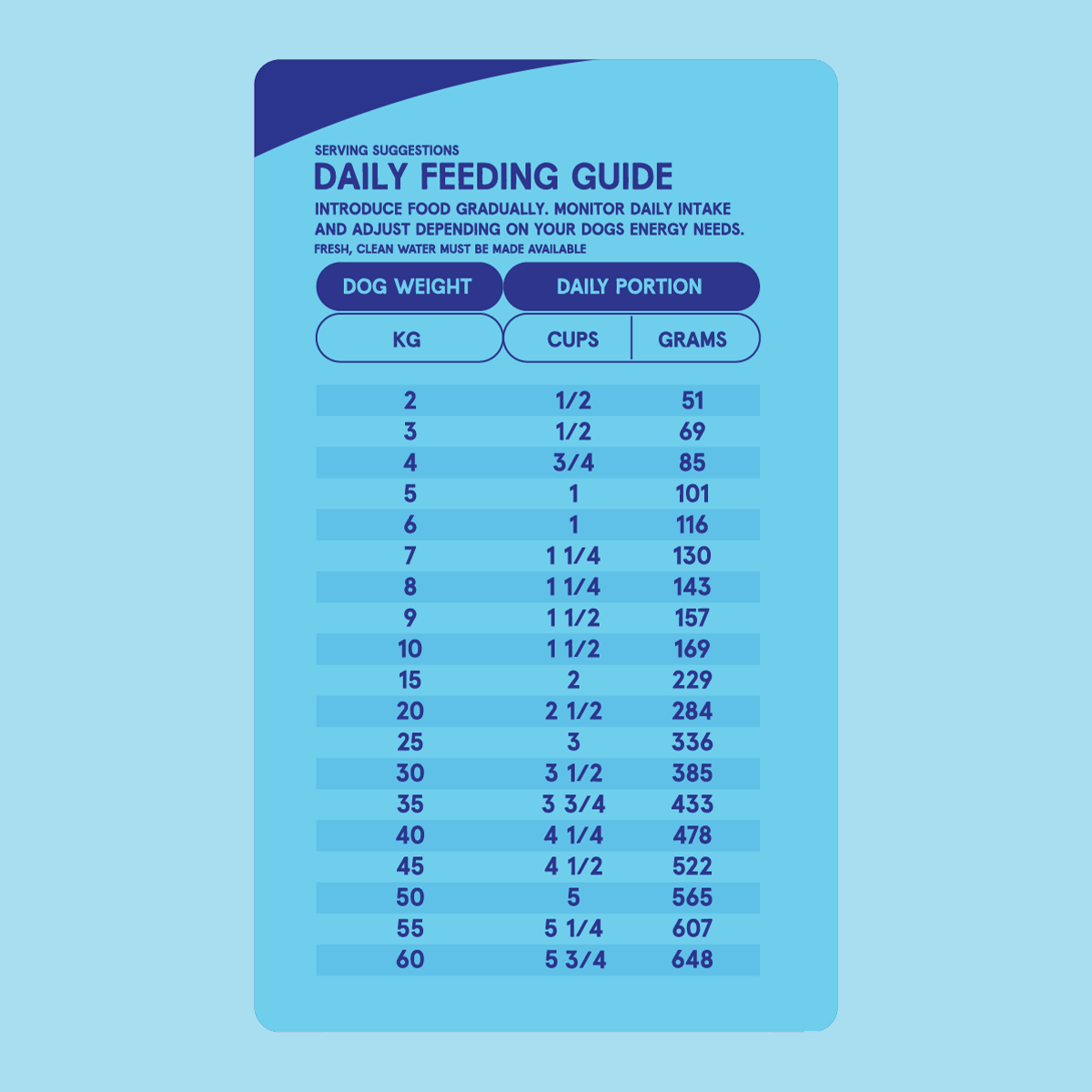
That's the honest trade-off. If you've got a dog doing genuine full days through a Southland winter, expect to feed noticeably more than the bag says. If yours is a family dog with a job description that's mostly "supervise the lawn", the bag guide is probably generous.
Joints take a hammering
Kelpies don't move like other dogs. They turn hard, drop flat, spring up and do it again a few thousand times a day. Add years of jumping off the back of the ute onto gravel and that's a lot of load through the same joints.
They're not a breed with a big reputation for hip trouble the way some larger dogs are, but wear is wear. Feeding with joints in mind from early on is easier than trying to sort it out at eight.
This is why there's green-lipped mussel in every batch of Happy Hour. It's harvested here, it's naturally rich in omega-3 fatty acids, and it may support joint comfort in dogs as they age. It's not a treatment and it won't undo damage. It's just a sensible thing to have going in daily for a dog whose body works for a living. There's more on that in our guide to dog joint health and diet in NZ and in the piece on why green-lipped mussels earn their spot in the recipe.
Omega-3 does double duty here, because it's also doing the work on skin and coat. A Kelpie's short, weather-resistant coat looks after itself when the diet's right and looks dull and flat when it isn't. Our omega-3 guide covers how to get it through food rather than a bottle of capsules.
The gut side of things
Working dogs often eat one big meal at the end of a long day. That's a lot for a digestive system to handle in one go, and it's part of why hard-running dogs can seem to have touchier stomachs than they really do.
Kelpies aren't a famously sensitive breed. Plenty of them will eat a dead possum and be perfectly cheerful about it. But individual dogs vary enormously, and if yours is the one leaving unpleasant surprises on the lawn, simplicity is your friend. One named meat. No grain filler. Nothing on the label you can't identify.
Happy Hour is grain-free with added prebiotics and insoluble fibre. Prebiotics feed the good bacteria already living in your dog's gut, and fibre gives the whole system something to work against, which tends to mean firmer, more predictable stools. If digestion has been an ongoing problem rather than a bad week, that's a vet conversation, not a food-swapping exercise.
One practical note if you're changing food: do it slowly, over about a week. A sudden switch upsets a perfectly healthy stomach all by itself, and then you've learned nothing about the new food. We've written a step-by-step guide to switching food if you want the exact ratios.
Farm Kelpie or town Kelpie: same food, different maths
This is the split that matters most, and it's the one most feeding advice ignores.
A farm Kelpie's needs swing wildly through the year. Mustering season and cold months push the requirement up hard. Quiet stretches drop it back. Feeding a fixed amount year-round means the dog is either running down or slowly padding out, depending on the season. Watch the ribs, not the scoop.
A town Kelpie has the opposite problem. All that drive, an hour at the beach at Muriwai, and then fourteen hours of lying about being frustrated. These are the Kelpies most likely to gain weight, and it usually isn't greed. It's boredom plus a bowl that was measured for a dog with a job. Scatter-feeding some of the daily ration around the yard, or putting it in a puzzle feeder, gives the brain something to chew on and slows the eating down at the same time. A Kelpie that's mentally tired is a completely different animal to live with.
What to leave on the shelf
Turn the bag over and read the first five ingredients. That's where most of the food is.
If a grain or an unnamed "meat and animal derivatives" is leading the list, the meat content is lower than the picture on the front suggests. Watch for added sugars and glycerines, which are there for texture and palatability rather than for your dog. And be sceptical of anything selling itself purely on price per kilo, because with a Kelpie you'll end up feeding more of it to get to the same place.
Our guide to dog food ingredients to avoid goes through the label line by line.
Where Happy Hour fits
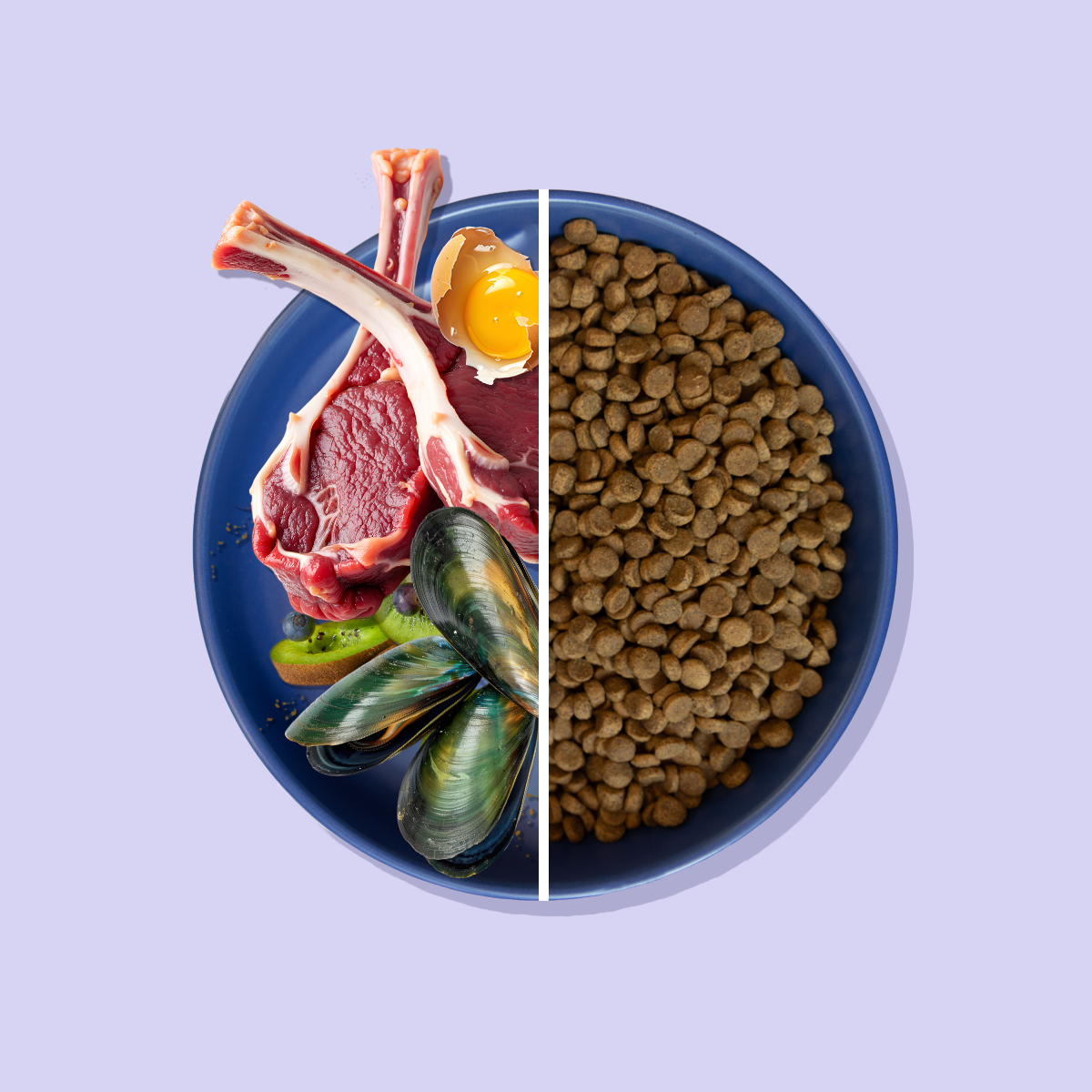
We make a New Zealand grain-free kibble in two recipes, Grass-Fed Lamb and Cage-Free Chicken. Real NZ meat leads both. There's green-lipped mussel for joints, added prebiotics and insoluble fibre for the gut, and chelated trace minerals, which is a technical way of saying the minerals are bound in a form the dog's body finds easier to actually absorb rather than pass straight through.
No grains, no glycerines, no added hormones. It meets AAFCO standards and was palatability and digestibility tested at a leading New Zealand university, which is a longer way of saying dogs eat it and it agrees with them.
We started this because of our own dogs. Cleo would eat a brick if you salted it, so she was never the test. Merc was. He'd pick at food, walk away, come back an hour later and think about it. Watching him actually finish a bowl was the whole reason we kept going.
If you want to see whether it suits your Kelpie, there's a 30-day money-back guarantee on the first bag. Feed it, watch the coat, watch the energy through a full working week, and if your dog isn't better for it, we'll refund you.