If you've been looking into natural joint support for your dog, you've probably come across green-lipped mussel. It shows up in premium dog foods, joint supplements, and vet recommendations more and more often. But what is it, what does it actually do, and is the hype real?
Key Takeaways
- What Are Green-Lipped Mussels?
- What Makes GLM Special for Dogs
- What the Research Actually Shows
- How GLM Compares to Regular Fish Oil
- Forms of GLM: Why Whole Powder Matters
The short answer: yes, the hype is real. Green-lipped mussel is one of the most extensively researched natural joint-support ingredients available for dogs, and New Zealand happens to produce the best in the world. Here's what you need to know.
What Are Green-Lipped Mussels?
Green-lipped mussel (Perna canaliculus) is a species of mussel native to New Zealand. The name comes from the distinctive green colouring on the lip of the shell. They're farmed at scale in the Marlborough Sounds and other coastal regions, primarily for human consumption and export, but also increasingly for nutritional supplements for both people and pets.
NZ is essentially the only place they're commercially farmed. The cold, clean, nutrient-rich waters of the Marlborough Sounds produce mussels with a unique and highly consistent fatty acid profile. When you see green-lipped mussel in a pet food or supplement, it almost certainly came from New Zealand.
From a nutritional standpoint, GLM is remarkable for its lipid content. It contains a range of omega-3 fatty acids, including some that aren't found in standard fish oil. That's the key to why it works so well for joint health.
What Makes GLM Special for Dogs
Most people are familiar with omega-3 fatty acids EPA (eicosapentaenoic acid) and DHA (docosahexaenoic acid), the two main omega-3s in fish oil. Both are well-documented anti-inflammatories with benefits for heart health, brain function, coat condition, and joints.
Green-lipped mussel contains EPA and DHA, but it also contains a third omega-3: ETA (eicosatetraenoic acid). This is where things get interesting. ETA is virtually unique to green-lipped mussel. You won't find it in salmon oil, sardine oil, or any standard fish oil product.
ETA works through a slightly different biochemical pathway than EPA and DHA. It inhibits both the COX (cyclooxygenase) and LOX (lipoxygenase) enzyme systems, which are the primary drivers of inflammatory processes in joint tissue. Fish oil primarily targets the COX pathway. GLM targets both. That dual action is why research consistently shows GLM outperforming fish oil alone when it comes to joint inflammation.
On top of the fatty acids, GLM contains glycosaminoglycans (including chondroitin sulphate), which are structural components of cartilage. So you're getting both anti-inflammatory action and direct cartilage support from a single ingredient.
What the Research Actually Shows
This isn't folk medicine. Green-lipped mussel has been studied in peer-reviewed clinical trials, including studies specifically in dogs with osteoarthritis.
A study published in Veterinary Therapeutics found that dogs with osteoarthritis who received GLM supplementation showed significant improvements in joint pain, swelling, and mobility compared to placebo. Another study in the Journal of Nutrition found GLM effective at reducing joint inflammation in dogs, with improvements observed within weeks.
A notable comparison study measured GLM against fish oil for dogs with chronic joint disease. GLM produced greater improvement in objective mobility assessments. The researchers attributed the difference primarily to the ETA content.
The evidence base isn't perfect (no supplement's is), but GLM sits at the top of the pile when it comes to natural joint support for dogs. It's one of the few ingredients where the research actually matches the claims made about it.
How GLM Compares to Regular Fish Oil
Fish oil is excellent. If you're feeding your dog nothing for joint support, fish oil is a great place to start. EPA and DHA are real anti-inflammatories with genuine benefits.
But GLM is more. Here's a simple comparison:
- Fish oil: contains EPA and DHA. Anti-inflammatory via COX pathway. Well-studied, broadly available, cost-effective.
- Green-lipped mussel: contains EPA, DHA, and ETA. Anti-inflammatory via both COX and LOX pathways. Also contains chondroitin sulphate and other glycosaminoglycans.
For a dog who needs general coat, heart, and brain support, fish oil does the job well. For a dog with joint concerns, especially an older dog or a breed at high risk, GLM is the better choice. Ideally, you want both, which is exactly what Happy Hour provides.
Forms of GLM: Why Whole Powder Matters
Not all green-lipped mussel products are created equal. GLM comes in several forms:
- Whole dried mussel powder: the whole mussel is dried at low temperature and ground into powder. This retains the full lipid profile including ETA, glycosaminoglycans, proteins, and minerals.
- Stabilised lipid extract: concentrates the omega-3 lipids. Higher potency per gram for fatty acids specifically, but loses some of the other beneficial compounds.
- Freeze-dried powder: similar to whole dried, good retention of the full profile.
For dog food, whole dried mussel powder is generally the best choice. It's less processed, retains the broadest nutritional profile, and is easier to include at meaningful levels in a dry food formula. Extracts can be effective but the quality varies significantly by manufacturer.
The key thing to look for on a label is whether GLM is present at a meaningful level. A trace inclusion at the very end of a long ingredient list won't do much. It needs to be a genuine, functional inclusion.
How Much Does a Dog Need?
Effective doses vary by body weight. General research-backed guidelines suggest around 15-30 mg of GLM per kg of body weight per day as a supplement. In a whole food context (like in a complete dog food), the maths is slightly different because you're feeding the ingredient continuously rather than supplementing on top of a base diet.
The important thing is that the food manufacturer has actually thought about this. An ingredient can be on the label at a level that's technically present but functionally irrelevant. You want to see GLM listed meaningfully in the ingredient list, not buried as the second-to-last item.
Green-Lipped Mussel in Happy Hour
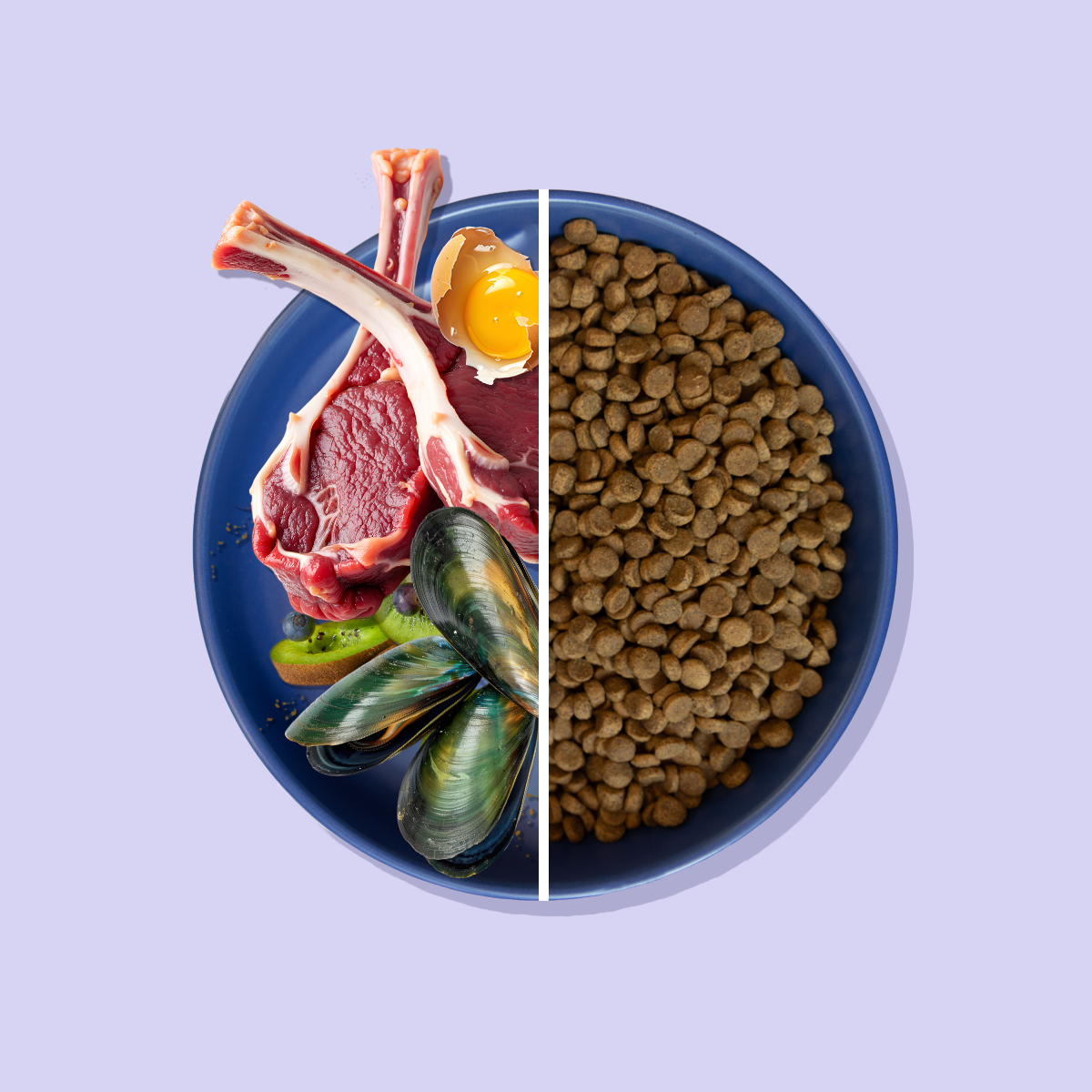
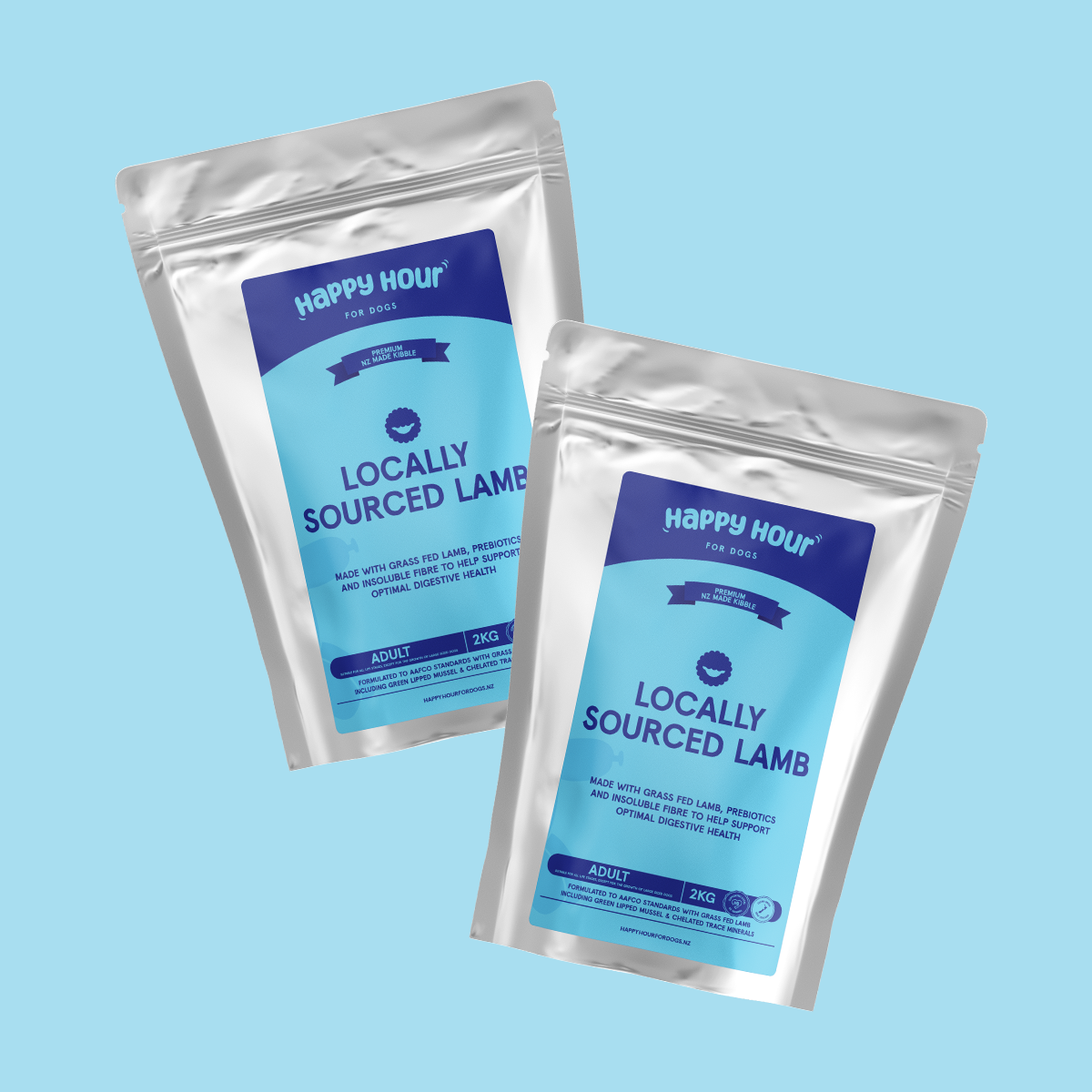
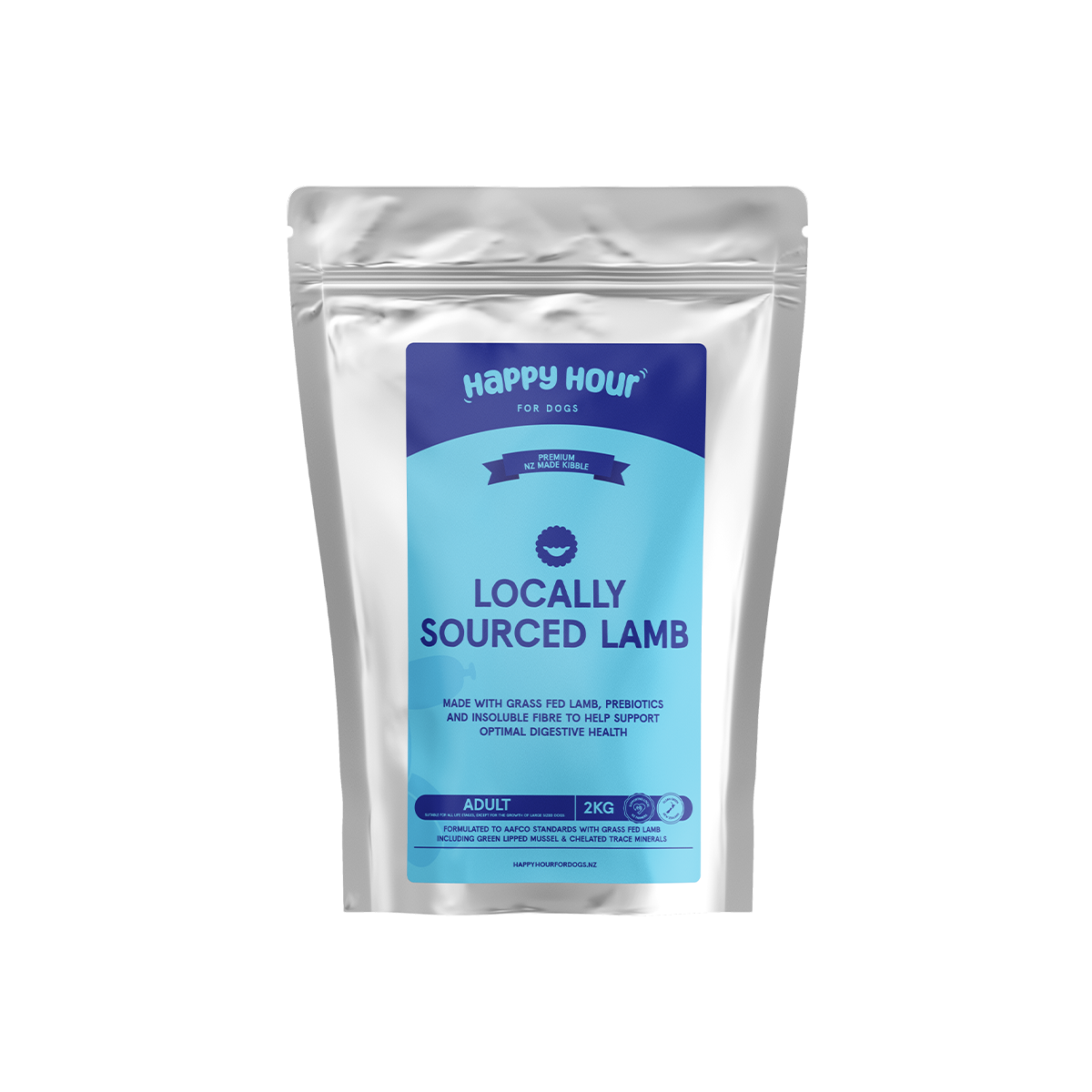
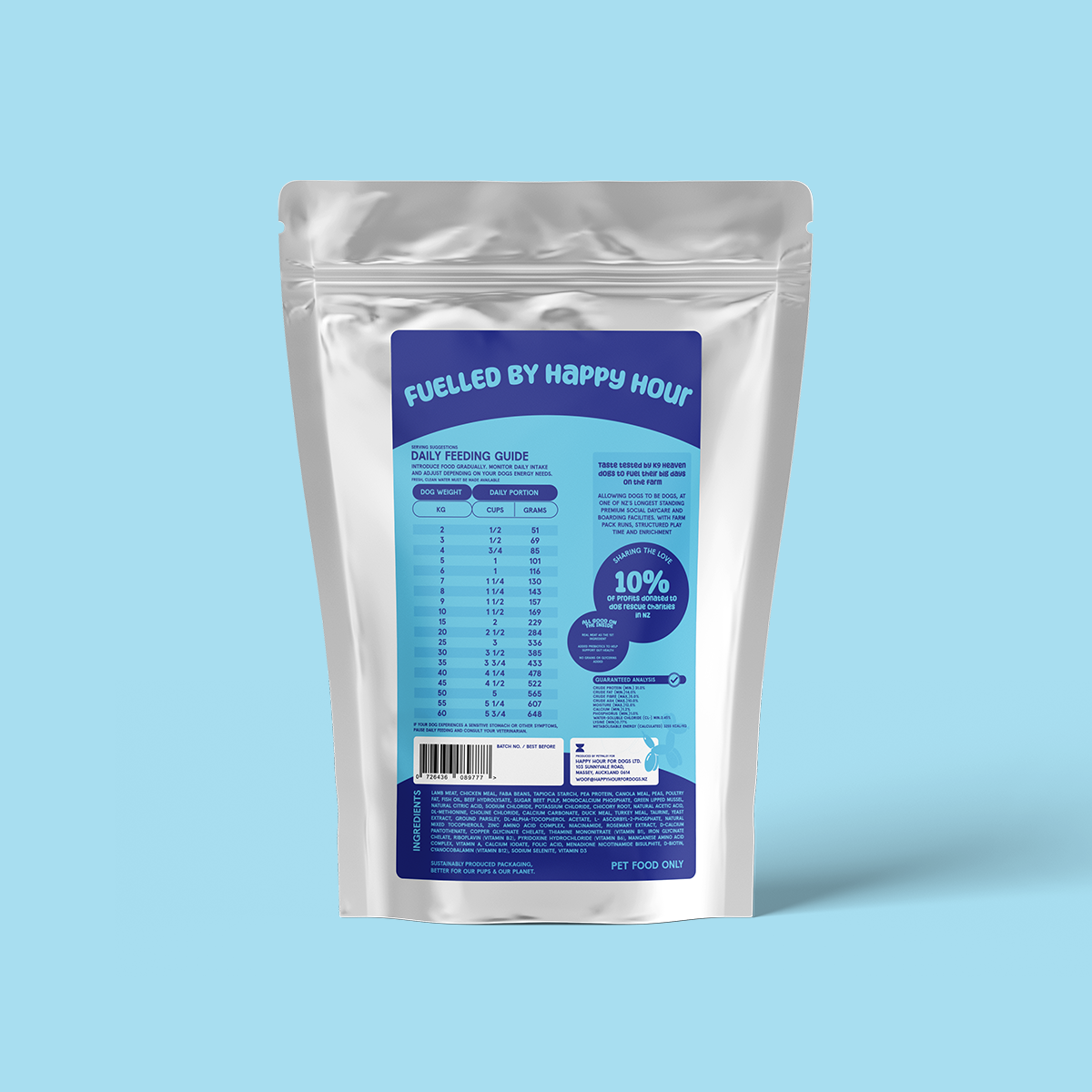
Happy Hour contains NZ-sourced green-lipped mussel powder as a core ingredient. It's not a trace inclusion for marketing purposes. It's there because joint health is one of the key reasons people choose a premium food, and GLM is the most evidence-backed natural ingredient available for supporting it.
Combined with fish oil (another deliberate inclusion), Happy Hour provides both the full GLM lipid profile and the broader omega-3 support from marine fish. This mirrors what the research suggests works best: multiple sources of marine omega-3s working together.
The mussel itself comes from New Zealand. The Marlborough Sounds is one of the world's premier aquaculture regions, with strict environmental standards and consistently high product quality. It's a genuinely world-class ingredient, and it's ours.
The Bottom Line
If your dog has joint issues, is a high-risk breed, or is simply getting older, green-lipped mussel is worth your attention. The research is solid, the mechanism is well understood, and New Zealand just happens to produce the best version of it on earth.
Whether you add a GLM supplement separately or choose a food that already contains it at a meaningful level, you're making a real difference to your dog's joint health. It's one of those rare ingredients where the claims are actually backed up.