Meta title: Best Hypoallergenic Dog Food NZ: What to Look For [50 chars]
Meta description: Constantly itchy dog? NZ guide to hypoallergenic dog food: what the term actually means, what triggers allergies, and what to feed instead. [141 chars]
Target keyword: best hypoallergenic dog food NZ | URL slug: best-hypoallergenic-dog-food-nz
If your dog scratches constantly, gets recurring ear infections, or breaks out in hot spots every few months, someone has probably told you to try a hypoallergenic dog food. It sounds like solid advice. The problem is that "hypoallergenic" is one of those pet food terms that sounds precise and means almost nothing.
Any brand can print "hypoallergenic" on the bag. There's no regulated definition, no required ingredient standard, no certification. So before you start swapping bags looking for the magic word, it helps to understand what's actually going on with your dog.
Key Takeaways
- "Hypoallergenic" is a marketing term, not a regulated category. Check the ingredients, not the label.
- True food allergies in dogs are almost always triggered by a protein, not a grain.
- The gold standard for finding your dog's trigger is a strict elimination diet (6-8 weeks, one novel protein source).
- Look for named single proteins, limited ingredient lists, and no common allergens in your dog's history.
- Talk to your vet if you suspect your dog has a food allergy. Many skin and ear conditions have other causes.
What "Hypoallergenic" Actually Means on a Dog Food Bag
In human medicine, hypoallergenic means the product is unlikely to cause an allergic reaction. In dog food, it means whatever the marketing team decided it meant that day.
Some brands use it to indicate a limited ingredient formula. Others use it to mean grain-free. Others use it on foods that contain some of the most common dog allergens. The word itself tells you nothing about whether the food will actually help your dog.
What matters is the ingredient list, specifically the protein sources. That's where the answers are.
What Actually Causes Food Allergies in Dogs
Food allergies in dogs are an immune system response. The body identifies a specific protein as a threat and mounts a reaction every time the dog eats it. The key word there is "protein."
Despite what a lot of marketing implies, grains are rarely the culprit. Studies on food-allergic dogs consistently show that the most common triggers are animal proteins: beef, dairy, chicken, and wheat (which contains a protein called gluten). Corn, soy, and rice come up far less frequently.
A dog usually develops an allergy after repeated exposure to a protein over time, which is why many dogs develop reactions to foods they've eaten for years without issue. It's not that the food changed; it's that the immune system's tolerance eventually ran out.
It's also worth noting that true food allergies are less common than many owners think. A dog that's itchy in spring is more likely dealing with environmental allergens (grass pollen, dust mites) than a food reaction. A dog with consistent year-round itching that doesn't respond to antihistamines is a more likely food allergy candidate. Your vet can help sort out which one you're dealing with.
Signs Your Dog Might Have a Food Allergy
Skin and ears are where food allergies show up most often. Common signs include:
- Chronic itching, especially around the ears, paws, belly, groin, and base of the tail
- Recurring ear infections that clear up but keep coming back
- Hot spots or skin rashes that don't have an obvious environmental trigger
- Paw licking or chewing (often leaves a rust-coloured stain on light-coloured fur)
- Digestive symptoms: loose stools, vomiting, or excessive flatulence
The challenge is that these symptoms overlap with environmental allergies, flea allergy dermatitis, and other skin conditions. Food is one possible cause among several, which is why the diagnostic process matters.
The Only Reliable Way to Find the Trigger: Elimination Diet
If your vet suspects a food allergy, they'll usually recommend an elimination diet. This means feeding your dog a single novel protein and carbohydrate source (something they've never eaten before) for 6-8 weeks, with absolutely nothing else. No treats, no table scraps, no flavoured dental chews, nothing.
If the symptoms clear up during the elimination phase, you reintroduce ingredients one at a time to identify what caused the reaction. It requires commitment, but it's the only way to actually pinpoint the trigger.
We've got a longer article on how a dog food elimination diet works if you want to go deeper on the process.
What to Look For in a Food for Allergic Dogs
Named single protein
The ingredient list should name the protein clearly: "grass-fed lamb," "cage-free chicken," "salmon." Not "meat meal," not "animal by-products," not "poultry." If you can't identify exactly what animal the protein came from, you can't rule it in or out as a trigger.
Limited ingredients
Fewer ingredients means fewer potential triggers and, just as usefully, fewer variables when you're trying to work out what's causing a reaction. A food with 30 ingredients is harder to troubleshoot than one with 12.
Novel protein for your dog
If your dog has been eating beef-based food their whole life, a novel protein would be something they haven't encountered before, like lamb, duck, venison, or fish. The idea is to remove the exposure to whatever they've built up a reaction to.
No common allergens your dog has already had
Check whether the food contains beef, chicken, or dairy if those are things your dog has eaten regularly. Even as secondary or trace ingredients.
Is Grain-Free Relevant for Allergic Dogs?
Grains are rarely the cause of food allergies, so going grain-free alone won't necessarily solve anything. That said, grain-free foods often have simpler ingredient profiles overall, which can make them a better starting point for dogs with sensitivities.
There was some concern a few years ago about a possible link between grain-free diets and dilated cardiomyopathy (a heart condition) in dogs. The research on this is still ongoing, the link is not conclusively established, and it primarily concerned certain legume-heavy formulas rather than grain-free as a category. If it's something you're concerned about, it's a good topic to raise with your vet.
What matters more than whether a food is grain-free is what's in it and whether your dog can tolerate those specific proteins.
What to Avoid in a Hypoallergenic Food
- "Unnamed proteins: "meat meal," "animal by-products," "poultry" (which animal?)
- Long ingredient lists: harder to troubleshoot, more chances for a hidden trigger
- Artificial preservatives, colours, and flavours: unnecessary, and some sensitive dogs react to them
- Glycerines and fillers: add nothing nutritionally and can contribute to digestive instability in sensitive dogs
For a broader look at ingredients worth avoiding in commercial dog food generally, our dog food ingredients to avoid guide covers the main ones.
Where Happy Hour Fits
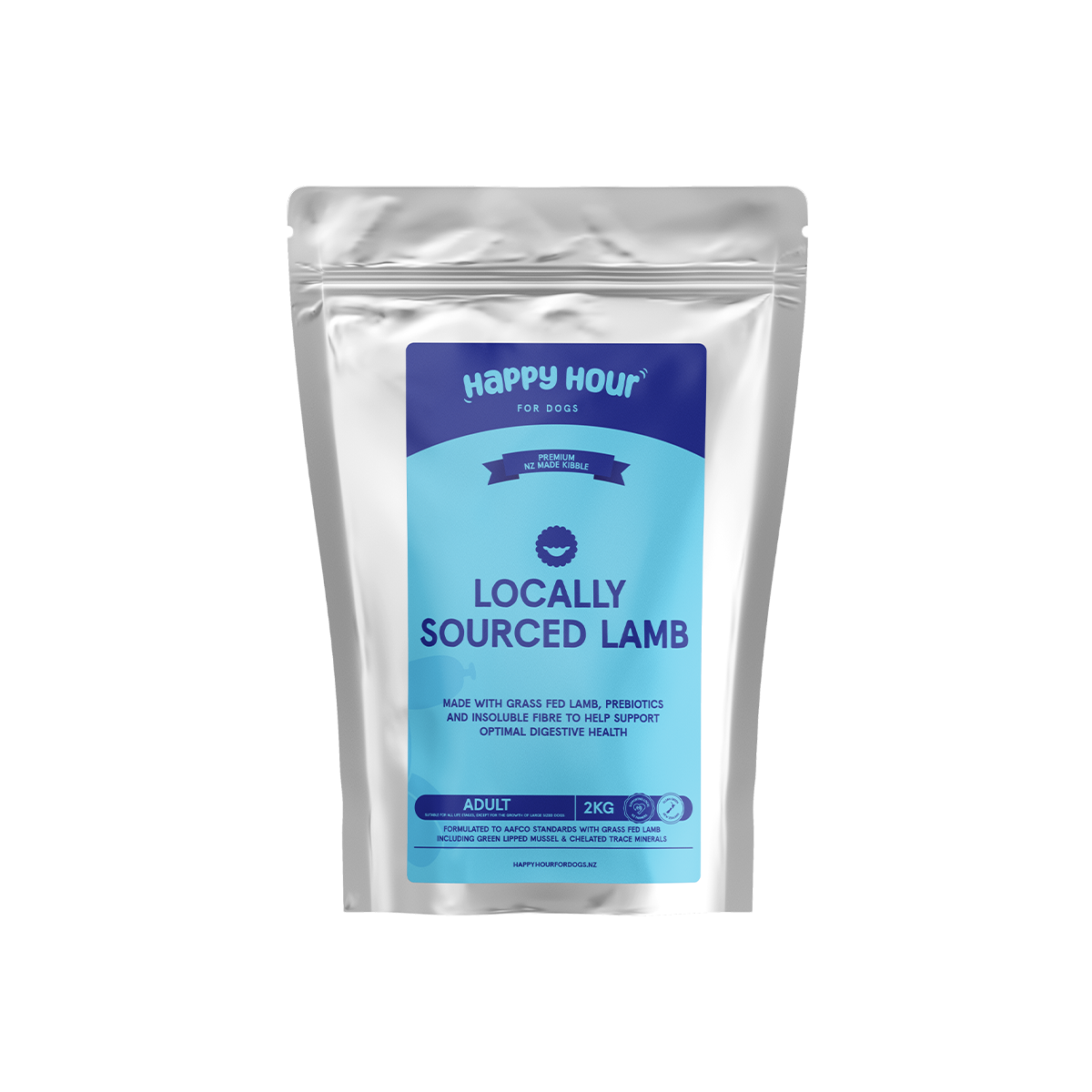
Happy Hour isn't marketed as a hypoallergenic food, because that word doesn't mean anything specific. But for dogs with food sensitivities, a few things about it are relevant.
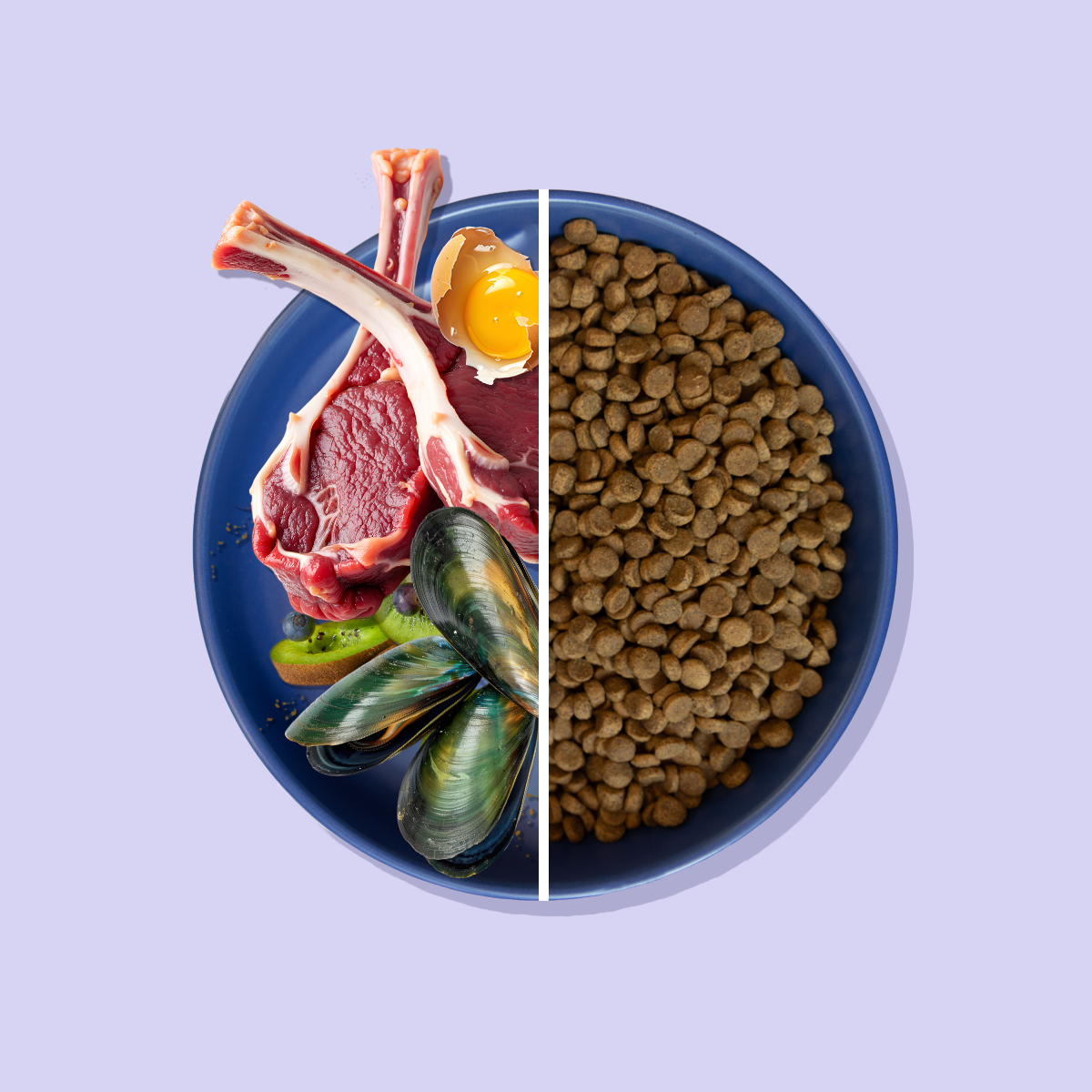
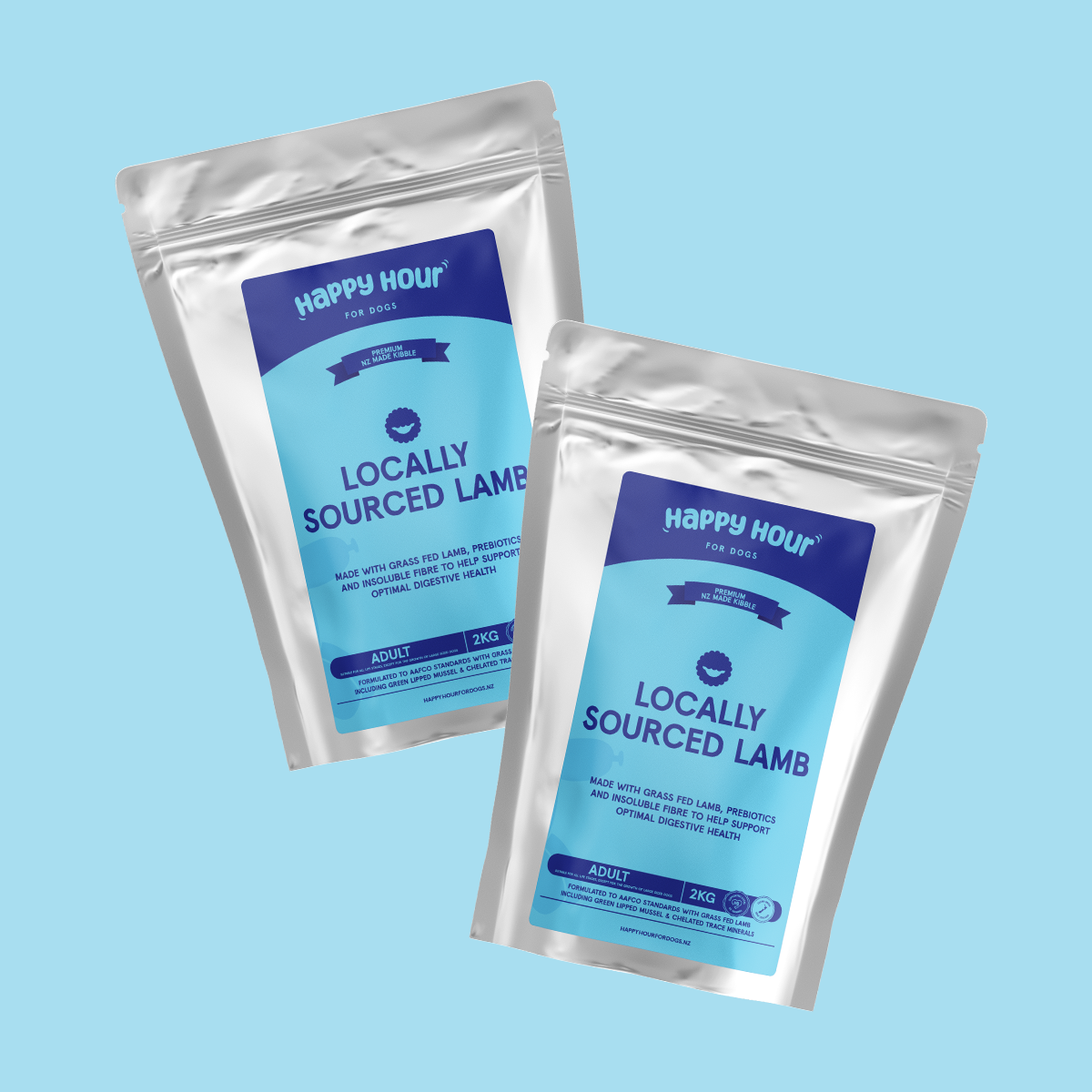
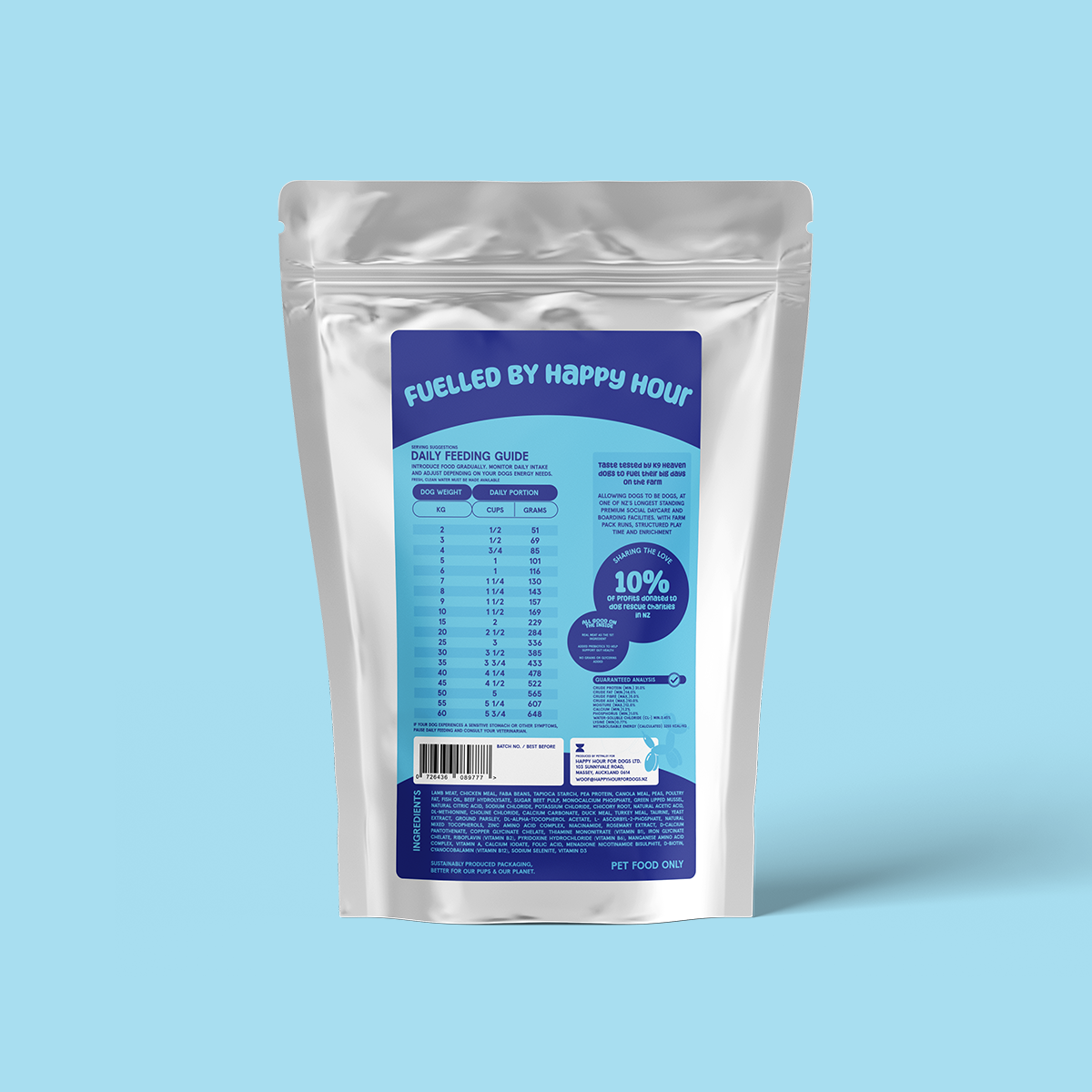
The protein is named and single-sourced: Grass-Fed Lamb or Cage-Free Chicken. Both are clearly identified, which means you know exactly what your dog is eating. The formula is grain-free, contains no glycerines, and has a straightforward ingredient list without a lot of additives. Added prebiotics support gut health, which can help dogs whose digestive systems are already working overtime dealing with a sensitivity.
If your dog hasn't eaten lamb before, the Grass-Fed Lamb recipe could work as a novel protein option to try. If they've been on chicken their whole life, it's worth considering whether that's worth eliminating.
Many dog owners find that switching to a food with named, simpler ingredients makes a visible difference to their dog's skin and coat within a few weeks. We can't promise that outcome for every dog, and if yours has a confirmed allergy, work through the process with your vet. But if you want to try, there's a 30-day money-back guarantee. Your dog doesn't like it or it doesn't agree with them?
As always, if your dog is persistently itchy or unwell, talk to your vet before changing their food. There are a few conditions that look like food allergies and aren't, and treating the wrong thing doesn't help your dog.