If your dog has been moving a little slower lately, hesitating at the bottom of the stairs, or stiffening up after a rest, joint health is probably on your mind. It's one of the most common concerns NZ dog owners face, especially as dogs age. And while vets are the right first stop for anything serious, there's a lot you can do through diet that most people don't know about.
Key Takeaways
- Signs Your Dog May Have Joint Problems
- How Diet Affects Joint Health
- Key Nutrients for Joint Support
- Why NZ Green-Lipped Mussel Is Particularly Effective
- The Weight Angle: Every Kilogram Counts
This guide covers what's actually going on with your dog's joints, how food plays into the picture, and what ingredients to look for if you want to give your dog the best shot at staying active and comfortable.
Key Takeaways
- Diet affects joint health through inflammation, weight management, and specific nutrients
- New Zealand green-lipped mussel contains a unique omega-3 (ETA) not found in regular fish oil
- Every extra kilogram of body weight adds significant pressure to a dog's joints
- Early dietary intervention is more effective than waiting until a dog is visibly arthritic
- Lower fat formulas help maintain healthy weight, which is one of the most important factors for joint health
Signs Your Dog May Have Joint Problems
Joint issues in dogs don't always announce themselves with a yelp. More often, you notice subtle changes over time. Common signs include:
- Stiffness after resting, especially in the morning or after long naps
- Reluctance to jump up onto furniture, into the car, or tackle stairs
- A slight limp or change in gait, particularly after exercise
- Moving more slowly on walks, or tiring earlier than usual
- Licking or chewing at a joint repeatedly
- Behavioural changes: grumpiness, less interest in play, more time sleeping
These signs can show up in dogs as young as five or six, especially in larger breeds. But they're not inevitable, and they're not always permanent. Diet is one of the biggest levers you have.
How Diet Affects Joint Health
The link between food and joints comes down to three things: inflammation, weight management, and specific nutrients.
Inflammation
Chronic low-grade inflammation is at the root of most joint deterioration. The food your dog eats every single day either feeds that inflammation or helps keep it in check. Diets high in poor-quality grains, refined starches, and low-grade protein sources tend to drive inflammatory responses. Diets built around quality animal protein, omega-3 fatty acids, and real food ingredients tend to do the opposite.
Weight Management
This one is huge. Every extra kilogram your dog carries puts significant additional load on their joints, particularly the hips, knees, and elbows. Research suggests that even modest weight gain measurably accelerates the progression of conditions like osteoarthritis. The reverse is also true: getting an overweight dog down to a healthy body condition often produces a dramatic improvement in mobility, sometimes within weeks.
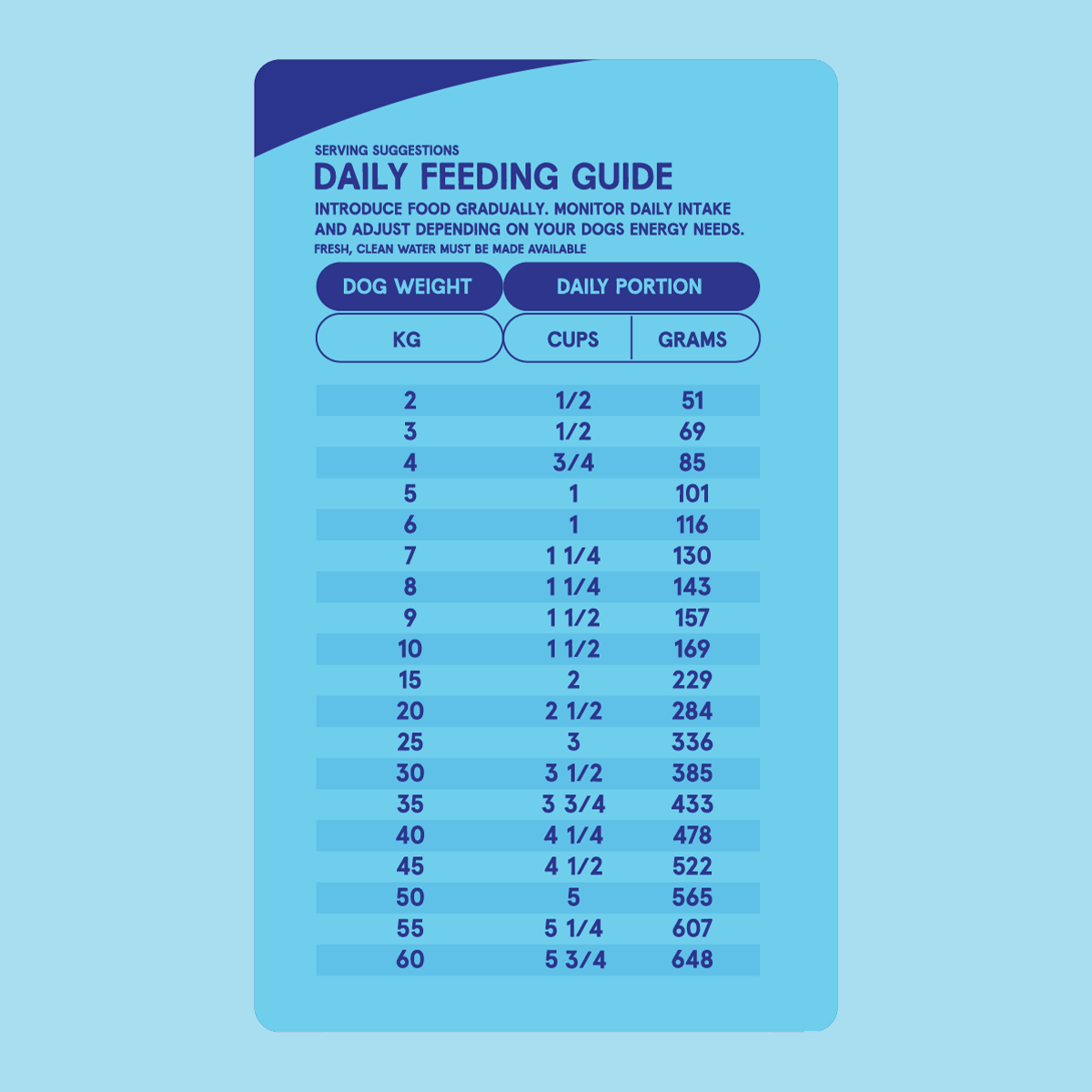
Diet is the primary way to manage weight in dogs. Exercise matters too, but you can't out-run a bad diet. Choosing a food with the right protein-to-fat ratio, and feeding the correct amount, is the most direct tool you have.
Specific Nutrients
Certain nutrients play a direct role in cartilage health, synovial fluid quality, and inflammation modulation. These aren't just nice-to-haves. For joint-prone dogs, they make a real difference.
Key Nutrients for Joint Support
Omega-3 Fatty Acids (EPA and DHA)
Omega-3s are well-established as anti-inflammatory. EPA and DHA, the forms found in marine sources like fish oil, are the most bioavailable for dogs. They help reduce joint inflammation directly, and ongoing research supports their use in managing symptoms of osteoarthritis. Look for fish oil or fish meal high on the ingredient list, not just a trace inclusion.
Green-Lipped Mussel (GLM)
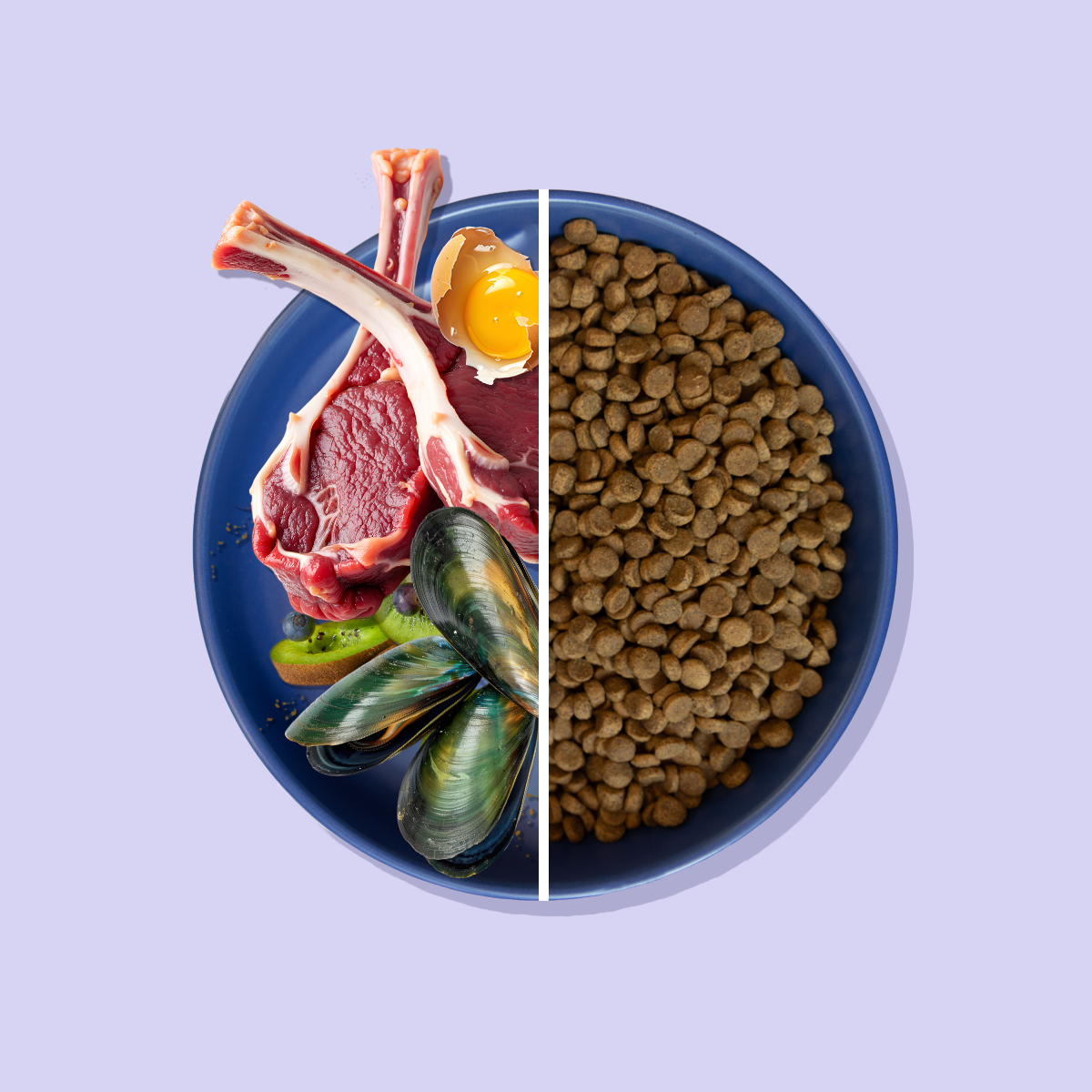
This is where it gets interesting, especially for NZ dog owners. Green-lipped mussel (Perna canaliculus) is native to New Zealand and has been studied more extensively for joint health than almost any other marine ingredient. What makes it different from regular fish oil is its unique fatty acid profile: GLM contains ETA (eicosatetraenoic acid), an omega-3 that isn't found in standard fish oil. This specific compound is particularly effective at inhibiting the enzymes involved in joint inflammation.
Multiple clinical trials have shown that GLM supplementation reduces joint pain and improves mobility in dogs with osteoarthritis. It's not a miracle cure, but it's one of the most evidence-backed natural joint-support ingredients available, and it's ours. Sourced from right here in New Zealand.
Glucosamine and Chondroitin
These are structural components of cartilage. Glucosamine helps the body produce and maintain cartilage tissue; chondroitin helps cartilage retain water and resist compression. They're found naturally in quality meat meals (particularly those containing joint-rich cuts) and are sometimes added as specific inclusions. Both are well-studied for joint support in dogs.
Why NZ Green-Lipped Mussel Is Particularly Effective
The science is worth understanding here. Standard fish oil contains EPA and DHA. These are excellent omega-3s with solid anti-inflammatory benefits. But GLM contains all three: EPA, DHA, and ETA. That third fatty acid, ETA, is what sets it apart. It works through a slightly different biochemical pathway, inhibiting both the COX and LOX enzyme systems involved in inflammation. Fish oil only targets the COX pathway. This is why clinical studies consistently show GLM outperforming fish oil alone for joint-related outcomes.
The NZ mussel farming industry is also world-class. Marlborough Sounds operations produce some of the cleanest, most sustainably farmed shellfish on the planet. The cold, clear water and rigorous farming standards mean the end product is high quality, traceable, and genuinely New Zealand.
Not all GLM products are equal, though. Whole dried mussel powder retains the full lipid profile. Some extracts concentrate specific compounds but lose others. For dog food, whole powder is the gold standard.
The Weight Angle: Every Kilogram Counts
It's worth dwelling on weight for a moment because it's often underestimated. A study in Veterinary Surgery found that overweight dogs with osteoarthritis showed significant improvement in mobility after losing just 6-8% of their body weight. For a 30 kg dog, that's less than 2.5 kg. The relief wasn't from a drug or a supplement. It was from reducing the mechanical load on affected joints.
Diet is your main tool here. A food with quality protein (to maintain muscle mass while losing fat), moderate fat content, and genuine satiety from fibre will help you manage your dog's weight without leaving them hungry. Pair that with appropriate exercise and you're giving joints the best possible chance.
What to Look for in Food for Joint-Prone Dogs
If you're specifically shopping for a dog with joint concerns, or a breed that's prone to joint issues, here's what to prioritise:
- Green-lipped mussel: ideally whole powder, listed in the ingredients
- Fish oil or named marine oil: a meaningful inclusion, not just a trace
- Quality protein as the primary ingredient: real meat or named meat meal
- Moderate fat: enough for energy and coat health, not so much it drives weight gain
- Quality fibre: supports healthy weight and gut function
- No fillers: avoid foods built on cheap starches or corn-based fillers
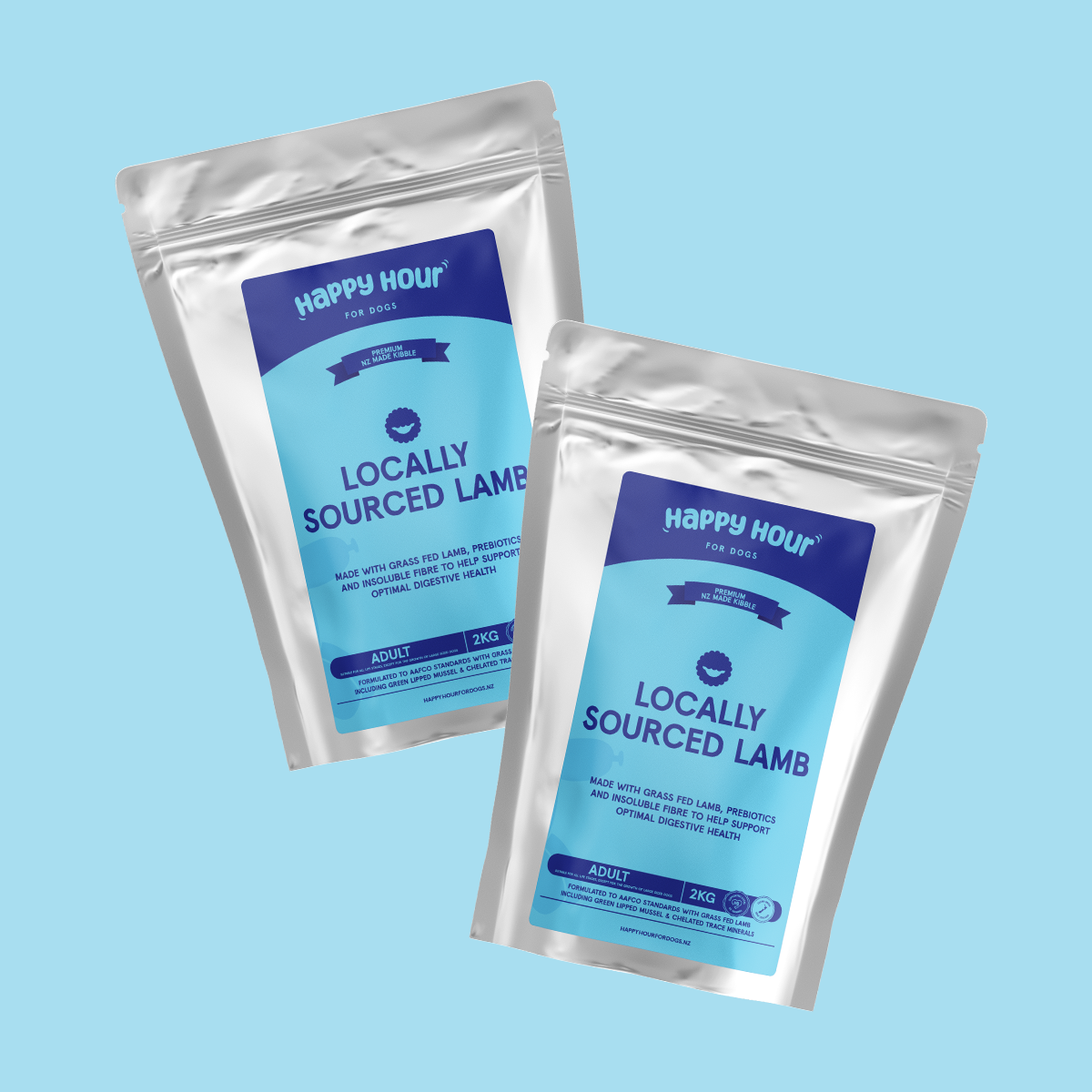
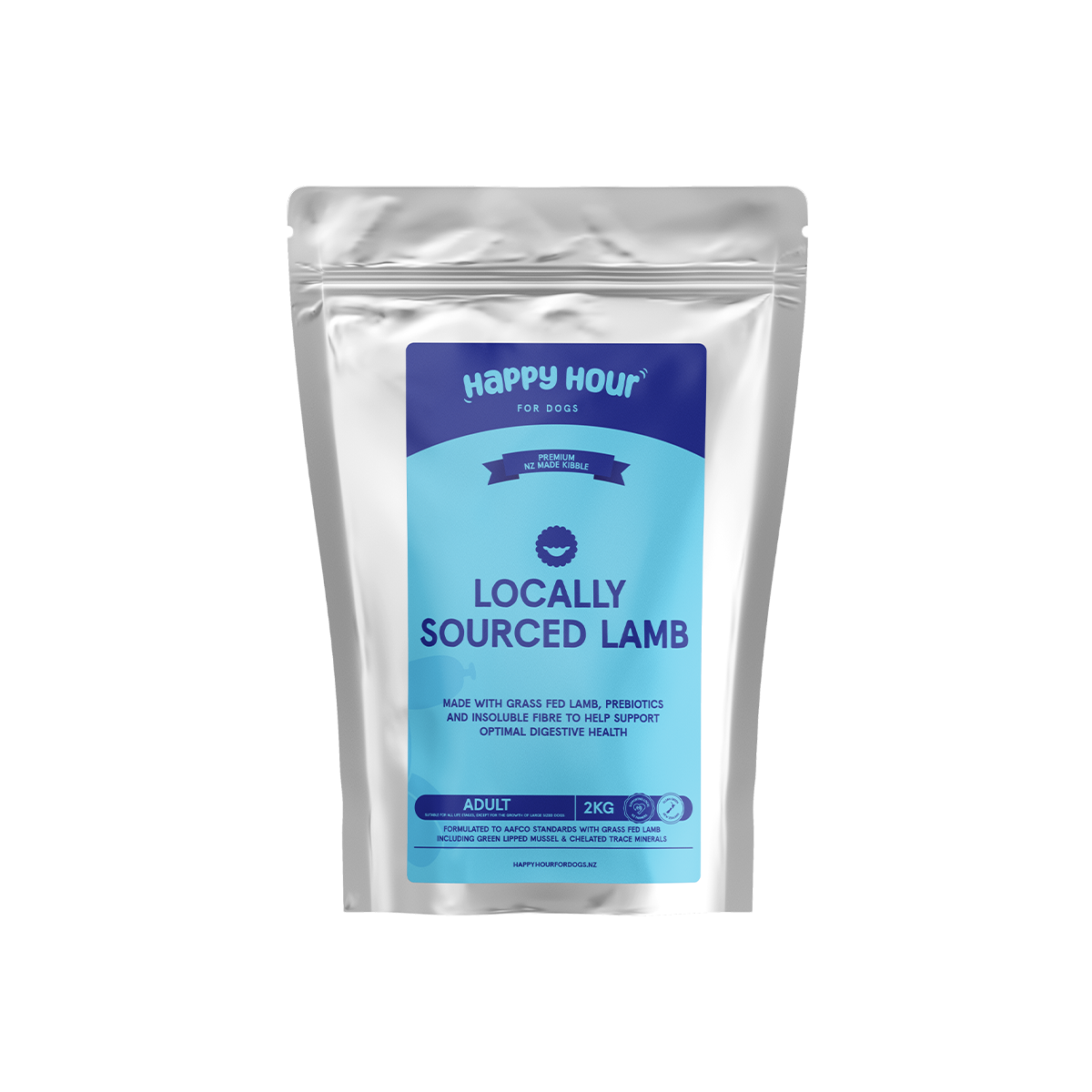
Happy Hour contains NZ green-lipped mussel powder and fish oil as deliberate formulation choices. It's a grain-free formula with high-quality protein and a moderate fat profile. It wasn't designed as a joint supplement, but the ingredients directly support joint health, and that's intentional. It's the kind of food where you can look at the ingredient list and understand why everything is there.
Breeds at Higher Risk of Joint Problems
While joint issues can affect any dog, certain breeds are significantly more prone to conditions like hip dysplasia, elbow dysplasia, and osteoarthritis:
- Labrador Retrievers: one of the most commonly affected breeds, particularly for hip and elbow issues
- Golden Retrievers: similar risk profile to Labs, compounded by their love of exercise
- German Shepherds: high incidence of hip dysplasia, often appearing earlier than other large breeds
- Rottweilers: prone to both hip and elbow dysplasia
- Great Danes and other giant breeds: sheer size puts enormous pressure on joints throughout their lives
- Bernese Mountain Dogs: known for a high prevalence of musculoskeletal issues
If you own one of these breeds, joint-supportive nutrition isn't something to wait on. Starting early, before visible signs appear, is the best strategy. Prevention is far easier than management.
A Practical Starting Point
You don't need to overhaul everything overnight. Start with food quality: is your dog's current food built on quality protein, real marine ingredients, and meaningful nutritional choices? Or is it mostly filler with a couple of buzzwords on the bag?
Then look at weight: is your dog at a healthy body condition? You should be able to feel (but not see) their ribs with light pressure. If you can't feel them at all, there's some work to do.
If you're looking for a food that takes joint health seriously from the formula up, Happy Hour is worth a look. The green-lipped mussel isn't a marketing add-on. It's a core ingredient, present at an effective level, because it's the right thing to include in a food made for New Zealand dogs.