Meta title: Chicken vs Lamb vs Beef vs Fish: What's Best for Dogs? [54 chars]
Meta description: NZ guide to dog food proteins: what chicken, lamb, beef, and fish each offer, which suits your dog best, and how allergen history changes the picture. [149 chars]
Target keyword: chicken vs lamb vs beef vs fish dog food | URL slug: chicken-vs-lamb-vs-beef-vs-fish-dog-food
Most dog owners settle into a routine: pick a food, stick to it, keep the dog happy. But at some point, something shifts. The dog gets itchy, or loses interest in their bowl, or a friend recommends switching to lamb, and suddenly the protein question is front and centre.
Chicken, lamb, beef, fish: all four are common in dog food, all four are nutritionally viable, and none of them is categorically better than the others. What matters is which one is right for your specific dog, right now.
Key Takeaways
- All four major proteins (chicken, lamb, beef, fish) can support a healthy dog diet when the source is quality and the formulation is complete.
- The source of the protein matters as much as the animal. NZ grass-fed lamb differs from intensively farmed lamb. Cage-free chicken differs from battery farmed.
- Dogs develop allergies through repeated exposure to a protein over time. The most common allergens are beef and chicken, simply because they're the most commonly fed.
- If your dog has food sensitivities, the protein they've eaten most is more likely the trigger than one they've rarely had.
- Fish stands out for omega-3 content. Lamb for iron and richness. Chicken for leanness and digestibility. Beef for palatability.
What Protein Actually Does in a Dog's Diet
Protein is the foundation. It provides the amino acids dogs need to build and maintain muscle, support immune function, produce enzymes and hormones, and keep coat and skin healthy.
Dogs need specific amino acids they can't synthesise themselves: taurine, methionine, and lysine among them. A complete, named protein source from animal origin delivers the full profile. The quality and digestibility of the protein determines how much of what's in the bowl is actually available to the body.
This is why protein source matters. A food listing 35% protein from an unnamed rendered by-product is delivering a very different result to a food with 35% from named, quality grass-fed lamb.
Chicken: The Workhorse Protein
Chicken is the most common protein in commercial dog food for good reason. It's affordable, highly digestible, lean, and broadly palatable. Most dogs like it. Most dogs do well on it.
What chicken offers: lean protein with a complete amino acid profile; lower fat content than lamb or beef (useful for weight management); high digestibility, particularly as chicken meal; broadly palatable for fussy dogs.
Where it gets complicated: chicken is also the most common food allergen in dogs with established sensitivities. Not because chicken is inherently problematic, but because it's so widely used. Dogs that have eaten chicken their whole lives have had the most repeated exposure, and that's where sensitisation most often develops. If your dog has been on chicken for years and is now showing skin or digestive issues, a novel protein switch is often the sensible first step.
The source matters too. Cage-free chicken produces a meaningfully different product from battery farmed chicken in terms of animal welfare, stress hormones, and nutritional composition.
Lamb: Rich, Well-Tolerated, and Worth Knowing About
Lamb was once considered a novel protein — something to try when dogs reacted to chicken or beef. That reputation has faded somewhat as more foods include it, but lamb still causes fewer sensitisation issues than chicken or beef in food-allergic dogs.
What lamb offers: higher fat content than chicken, making it a richer energy source suited to active or lean dogs; good source of iron, zinc, and B vitamins; well-tolerated by many dogs that struggle with chicken or beef; genuinely novel for dogs that have only ever eaten chicken.
Where it gets complicated: the higher fat content means lamb isn't always the right call for overweight dogs or those prone to weight gain. A food with 14-20% fat from lamb is more calorie-dense than a lean chicken-based formula. Lamb quality also varies enormously — intensively farmed lamb has a different fatty acid profile to grass-fed.
NZ grass-fed lamb specifically is higher in omega-3s and conjugated linoleic acid than grain-finished alternatives — worth understanding if you're considering lamb-based food.
Beef: Rich and Palatable, but Watch the Allergen History
Beef is calorie-dense, highly palatable (most dogs love it), and a solid source of iron, zinc, selenium, and B12. It's also, alongside chicken, one of the two most common food allergens in dogs.
What beef offers: high palatability, useful for fussy eaters; rich in iron, zinc, and B vitamins; dense energy source suited to very active or working dogs.
Where it gets complicated: the allergen picture for beef is the same as chicken. Not inherently reactive, but so widely fed that sensitisation rates are higher than for less commonly used proteins. A dog that's been eating beef-based food for five years and starts showing skin or digestive issues should be considered for a protein switch. Beef also tends to be higher in fat and calories than chicken or fish, which matters for weight-conscious owners.
Fish: The Omega-3 Standout
Fish is where the nutritional picture shifts noticeably. While all animal proteins deliver the core amino acid profile dogs need, fish brings something the others don't: substantial omega-3 fatty acids in the form of EPA and DHA.
What fish offers: highest omega-3 content of any common dog food protein; EPA and DHA support skin barrier function, coat quality, joint health, and cognitive function; highly digestible; novel protein for many dogs that have only eaten chicken or beef.
Where it gets complicated: omega-3 content varies significantly by fish type. Oily fish (salmon, sardines, mackerel) are the richest sources. White fish (cod, pollock) are lean and digestible but lower in omega-3. Fish-based foods can also be more expensive and vary more in quality control.
For dogs that can't tolerate more common proteins, or for dogs with skin and coat issues, fish is often an excellent choice. More on omega-3 and how much your dog actually needs.
How Allergen History Changes the Picture
The most important factor in choosing a protein for a dog with sensitivities isn't which protein is 'best' in isolation. It's which protein your dog has already been exposed to.
Food allergies in dogs are almost always protein-driven and develop after repeated exposure over time. This means:
- A dog on chicken for five years that develops itchy skin is more likely reacting to chicken than to a protein they've rarely had.
- A 'novel' protein is one your dog hasn't eaten before. For a lifelong chicken-fed dog, lamb, duck, kangaroo, or fish could all be novel.
- Switching from one common protein to another (chicken to beef) sometimes helps and sometimes doesn't, because the new protein was also common in previous foods or treats.
The most reliable approach to suspected food allergies is a proper elimination diet with a single, genuinely novel protein. Without that, it's hard to know what's actually helping.
How to Choose for Your Dog
No single protein wins across every dog. Here's the practical filter:
Choose chicken if: your dog has no known sensitivities, you want a lean digestible protein, and they haven't been exclusively on chicken for years without issue.
Choose lamb if: your dog has shown sensitivity to chicken or beef, you want a richer energy source for an active dog, or you're looking for a novel protein for a chicken-fed dog. NZ grass-fed lamb is the standout option.
Choose beef if: your dog has no known sensitivities, is highly active, and has never shown beef-related issues. Stay alert to allergen development if they've been on it for years.
Choose fish if: your dog has skin or coat issues and would benefit from higher omega-3 intake, or needs a novel protein and hasn't eaten much fish before.
Where Happy Hour Fits
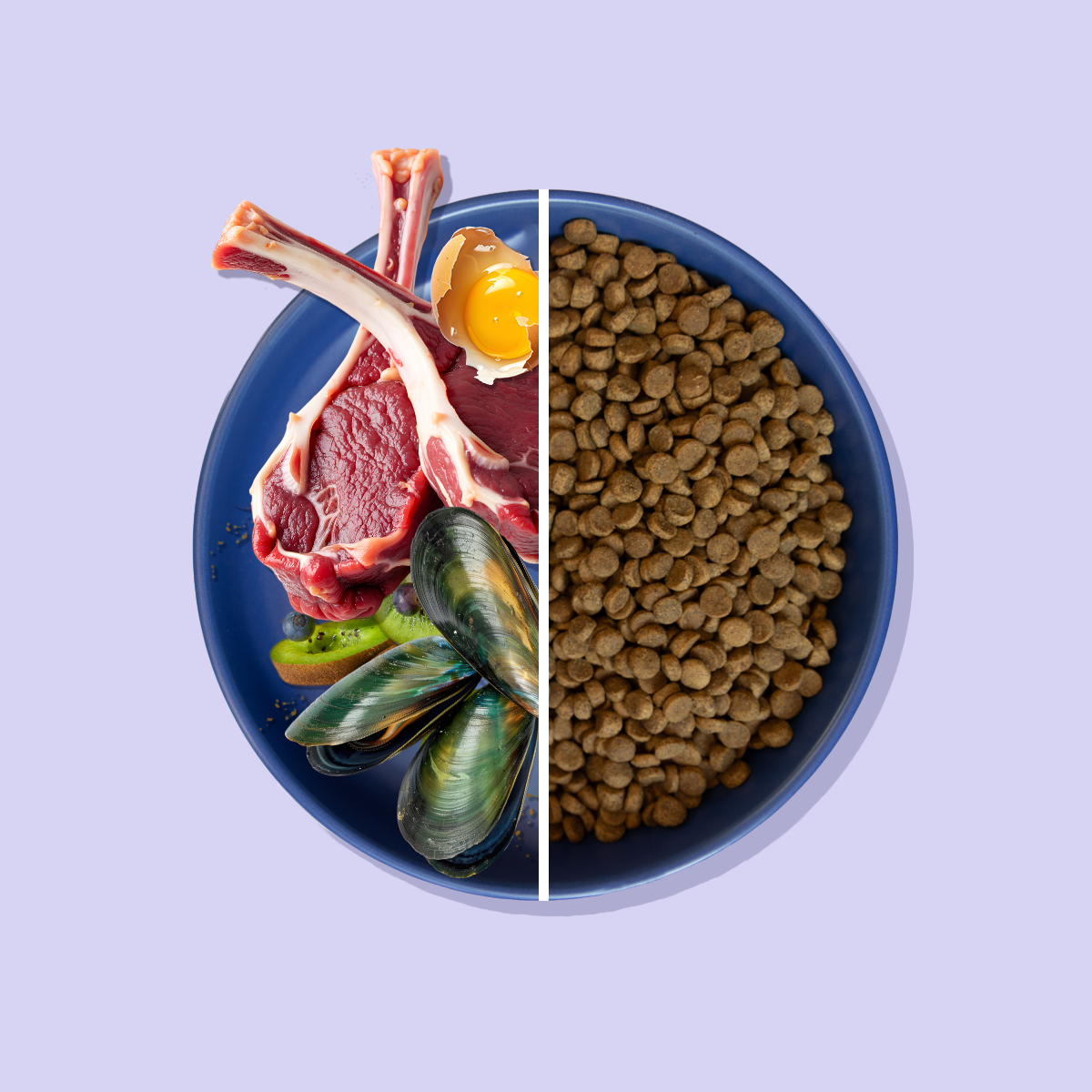
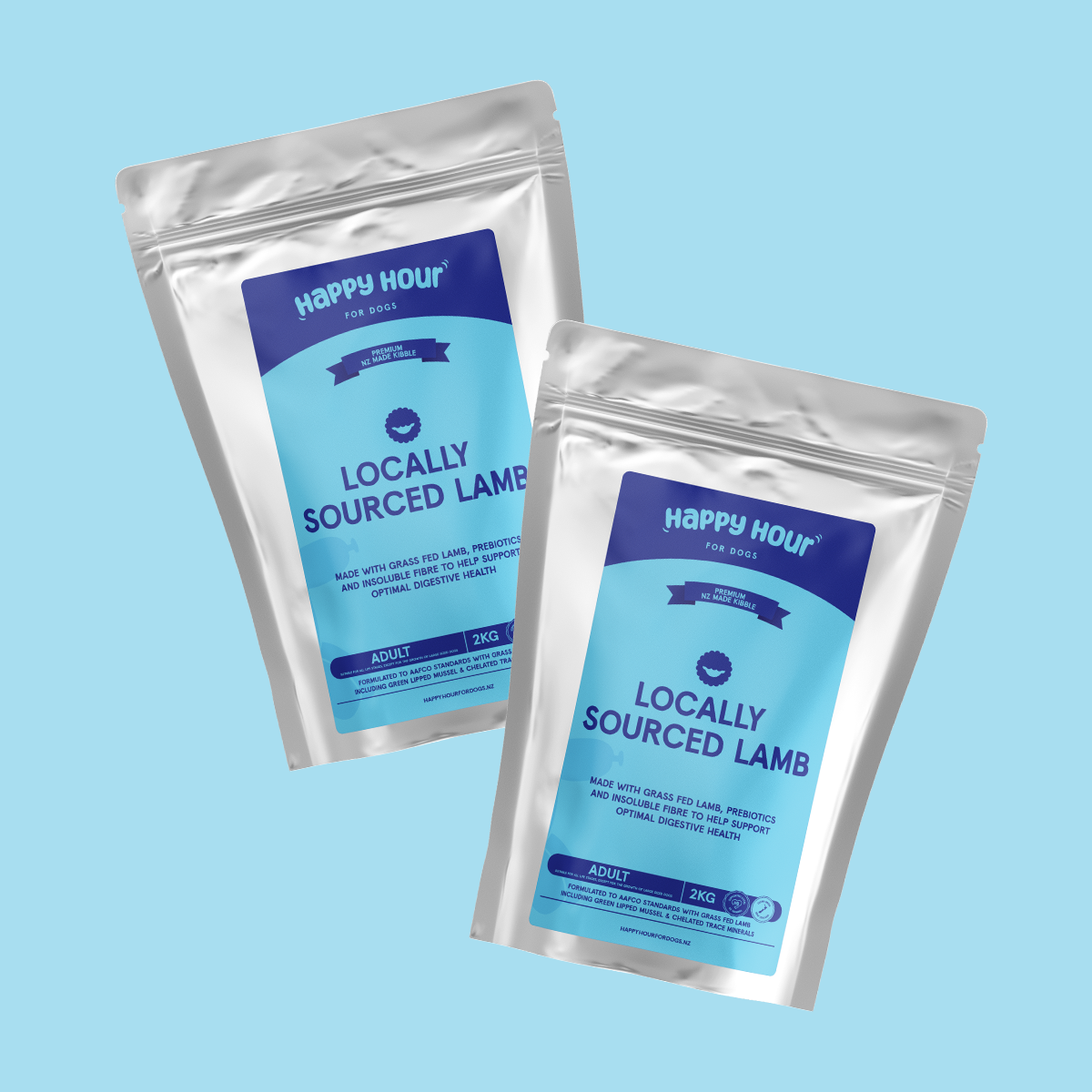
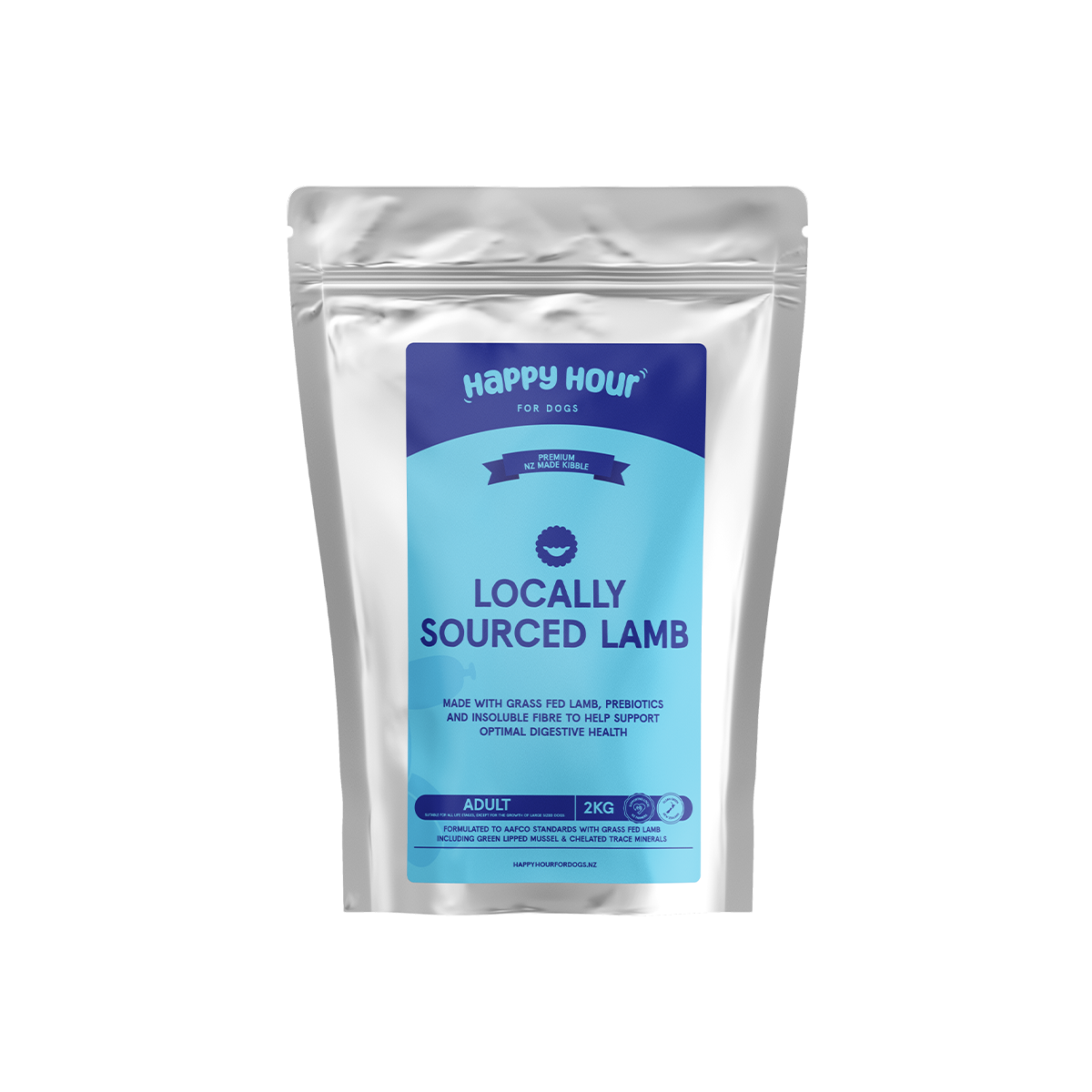
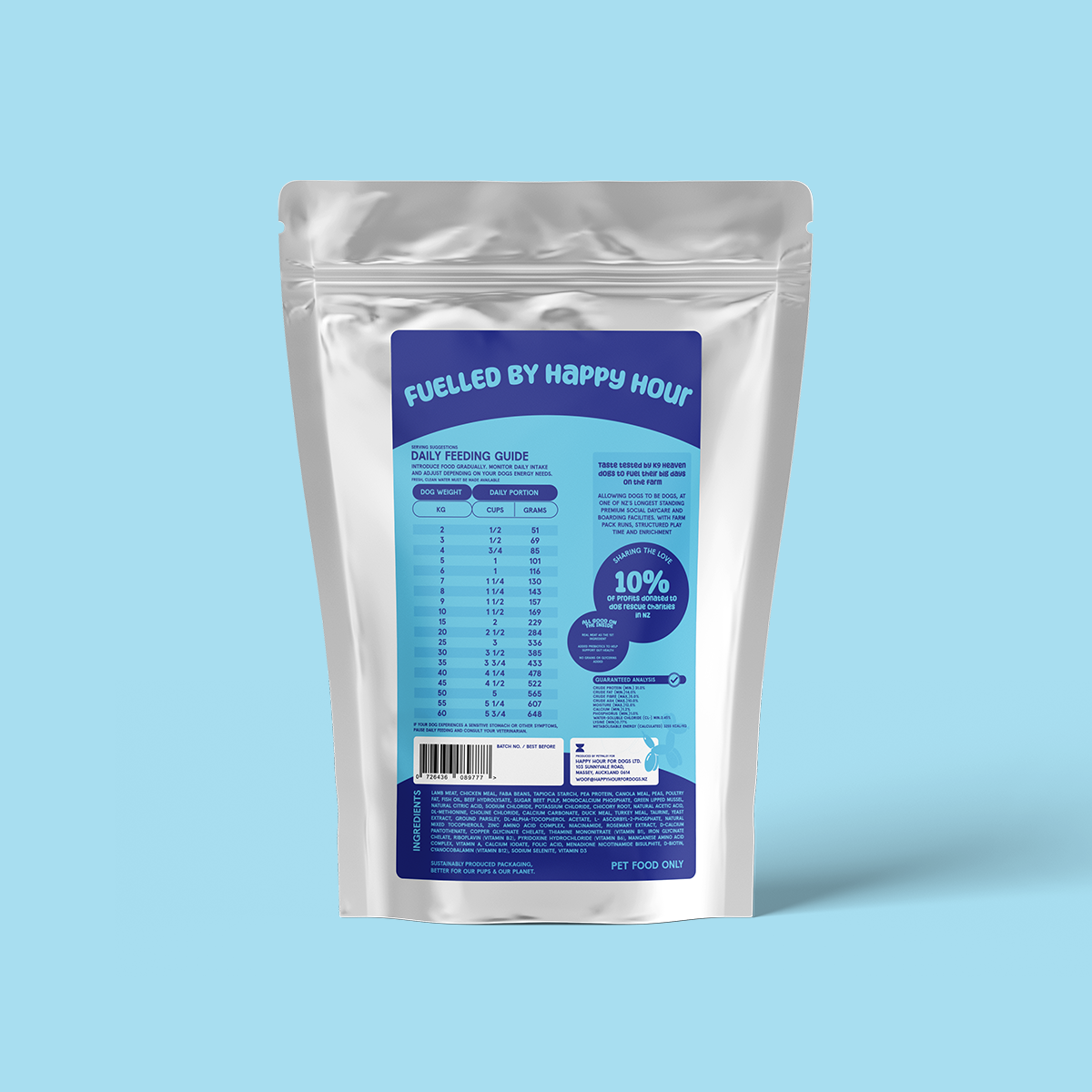
Happy Hour currently comes in two recipes: Grass-Fed Lamb and Cage-Free Chicken. Both use named, single-source NZ proteins — you know exactly what your dog is eating and where it came from.
For dogs with a long chicken history showing any signs of sensitivity, the Grass-Fed Lamb recipe offers a genuine novel protein option with a clean, simple ingredient list. For dogs doing well on chicken with no signs of sensitisation, the Cage-Free Chicken recipe delivers a highly digestible, lean protein from a quality source. Both recipes include green-lipped mussel (an omega-3 source that also supports joints), added prebiotics, and chelated trace minerals.
If you want to try either recipe, there's a 30-day money-back guarantee. Your dog doesn't take to it? Send it back.