How to Switch Your Dog's Food Without Upsetting Their Stomach (NZ Guide)
Switching dog food seems like it should be simple. But do it too fast and your dog ends up with loose stools, vomiting, or a flat-out refusal to eat. The digestive system of a dog is highly adapted to consistency, and abrupt changes stress it. Here's how to switch food successfully and what to watch out for along the way.
- Switch your dog's food gradually over 7 to 10 days, starting at 25% new food and increasing the ratio every couple of days, so their gut bacteria have time to adjust.
- Slightly softer stools and a little extra gas are normal during a switch, but diarrhoea lasting more than 3 days, blood in stool, or repeated vomiting means you should slow down or call your vet.
- Dogs with IBD, food sensitivities, or older dogs usually need a longer 14 to 21 day transition, and you can always drop back to the previous ratio if loose stools persist.
- If your dog refuses the new food, check it is fresh and in date first, then add a little warm water for aroma rather than strong toppers, and remove uneaten food after 20 minutes instead of leaving it down all day.
- Time the switch for when your dog is healthy and your week is calm, avoiding illness, house moves, or other big changes that add stress to their system.
Why a Gradual Transition Matters
Your dog's gut contains a carefully balanced microbial ecosystem. The bacteria in their digestive system are calibrated to the specific ingredients they're currently eating. Introduce a completely different food composition suddenly and you've disrupted the whole system.
Even if the new food is objectively better quality, an abrupt switch can cause loose stools or diarrhoea, vomiting, excessive gas and bloating, and appetite loss or food refusal. This isn't a sign the new food is wrong for your dog. It's a sign the switch was too fast.
The 7-10 Day Transition Plan
The standard recommendation for switching dog food is a gradual transition over 7-10 days. Here's how it looks:
- Days 1-2: 75% old food, 25% new food
- Days 3-4: 50% old food, 50% new food
- Days 5-6: 25% old food, 75% new food
- Days 7-10: 100% new food
Mix the portions together in the bowl rather than serving them side by side. Most dogs won't pick out one from the other when they're mixed, and it helps the flavour blend feel consistent.
Why some dogs need longer
Dogs with IBD, food sensitivities, a history of digestive issues, or older dogs with slower gut adaptation generally do better with a 14-21 day transition. If your dog is showing persistent loose stools more than 2-3 days into the transition, slow down and return to the previous ratio for a few days before progressing again.
Signs of Normal Adjustment vs. Food Sensitivity
During a food switch, some digestive variation is normal. Here's how to tell the difference.
Normal adjustment includes: slightly softer stools in the first few days, a minor increase in gas, and a brief period of lower appetite lasting a day or two.
Signs worth watching include: diarrhoea lasting more than 3 days, blood in stool, vomiting more than once, signs of lethargy or abdominal discomfort, and severe bloating.
If you see the concerning signs, slow the transition way down or pause it. If symptoms are severe or persistent, check with your vet.
What to Do If Your Dog Refuses the New Food
Some dogs are genuinely fussy, and some will resist any change to their routine. Here's how to handle it without caving to the refusal.
First, rule out the obvious: is the food fresh? Has it been stored properly? Dogs can detect spoilage or rancidity that humans can't smell. Check the bag is sealed and within date.
If the food is fine and your dog is simply being stubborn, try mixing with a small amount of warm water to improve aroma and palatability. Don't add strong toppers like bone broth or strong flavours during the transition because you want the dog to learn to like the new food itself, not the topper.
Be patient. A healthy dog won't starve itself for more than a day or two. Stick to the regular feeding schedule and remove uneaten food after 20 minutes. Leaving food down all day teaches your dog they can wait for something better.
If your dog consistently refuses a specific new food over 3-4 attempts with no progress, that food may genuinely not suit their palate. It's worth trying a different protein or formula.
When to Make the Switch
The best time to switch dog food is when your dog is healthy, not during illness or significant stress. Avoid switching immediately before or after a big life event like moving house, adding a new family member, or major routine changes.
Make the switch when you have time to monitor the transition and adjust as needed. A busy week where you're distracted isn't ideal timing.
Why Food Quality Affects Transition Ease
Higher quality foods generally cause fewer digestive issues during transition because cleaner ingredients are easier to digest, better ingredient quality reduces the overall load on the digestive system, and prebiotics in premium foods actively support the gut microbiome during adjustment.
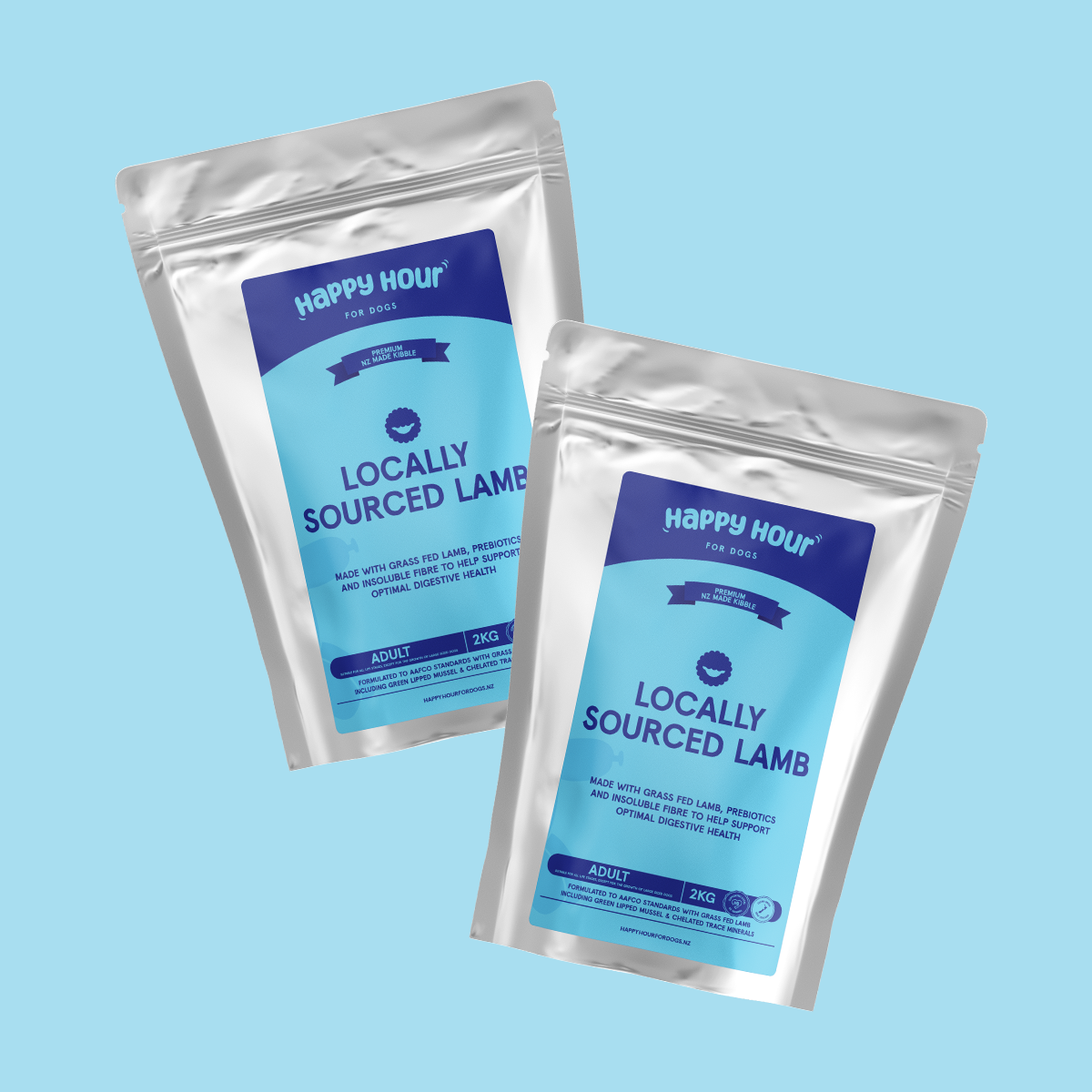
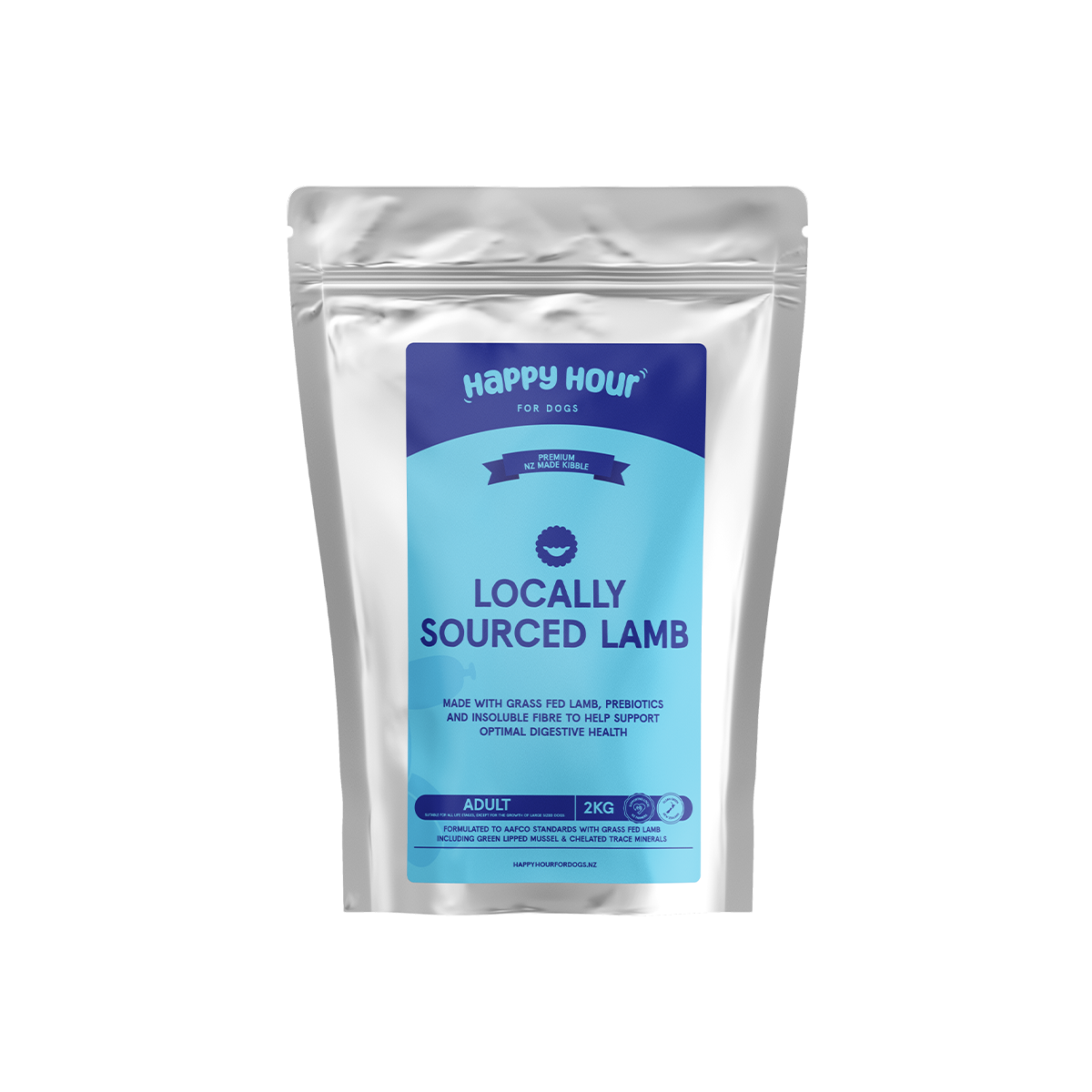
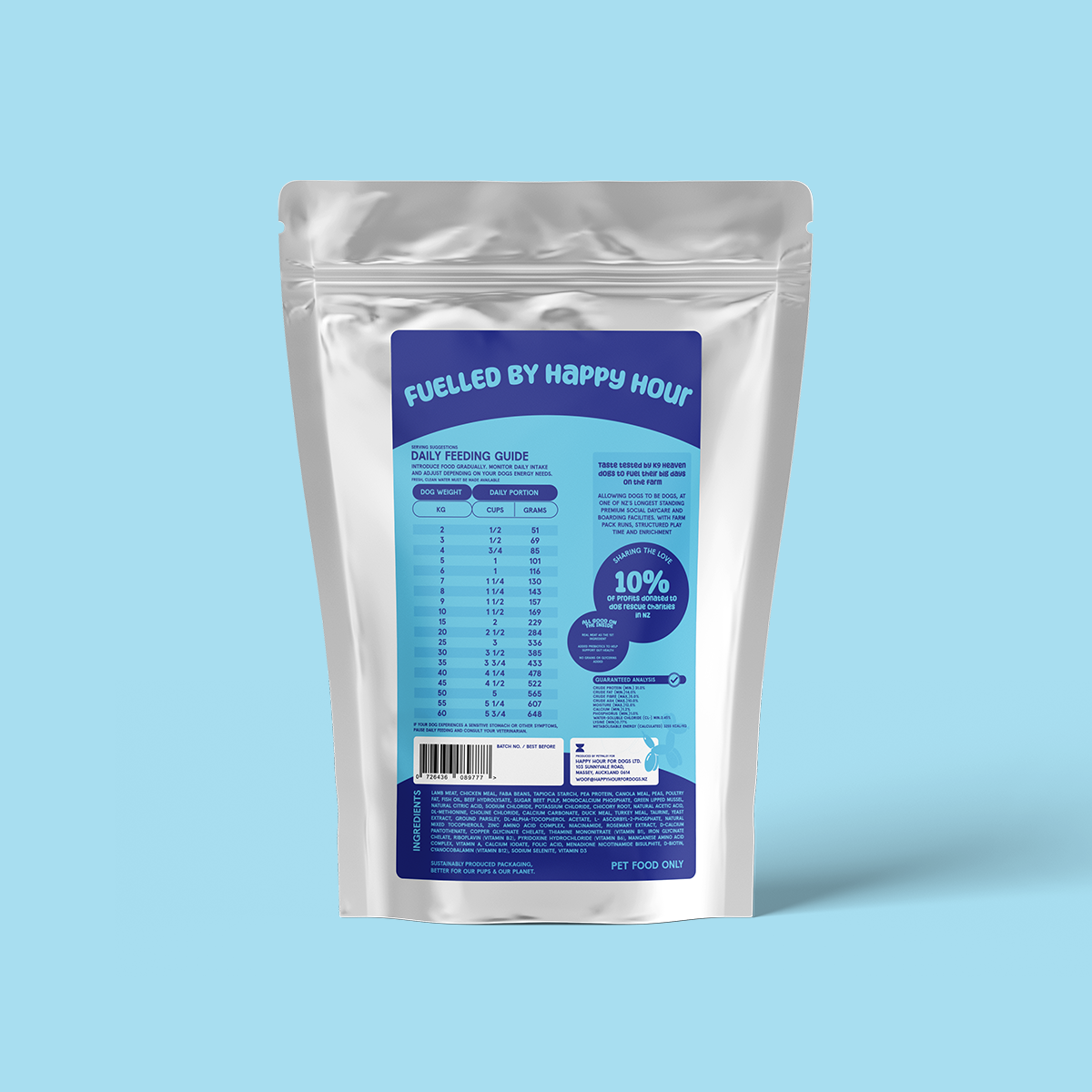
Happy Hour For Dogs includes prebiotics as a core ingredient, which actively helps establish and maintain a healthy gut bacteria balance. This can make the transition process smoother for dogs moving from lower-quality food, because the food is doing active work to support gut health rather than just hoping the existing bacteria adapt.
Rotating Proteins After the Switch
Some owners like to rotate between different protein sources or formulas to provide nutritional variety. This works well for dogs with established digestive resilience. If you're transitioning to Happy Hour as your primary food, follow the standard transition plan first and get your dog fully established on Happy Hour before introducing rotation. Give it at least 3-4 weeks on the new food before adding variety.
The Risk-Free Part
One of the frustrating things about switching dog food is the financial risk. You buy a bag, spend the transition period getting your dog onto it, then discover it doesn't work. You're left with an expensive bag and a dog back on their old food.
Happy Hour's 30-day money-back guarantee removes that risk entirely. If it doesn't work out for any reason, you get your money back. No questions asked. That makes the switch worth trying without the financial worry.
For guidance on choosing the right food before you switch, our guide to Best Dog Food NZ 2026 covers the full picture. And if you're switching because of a sensitive stomach, our article on Best Dog Food for Sensitive Stomachs in NZ covers what to look for.
Ready to Make the Switch?
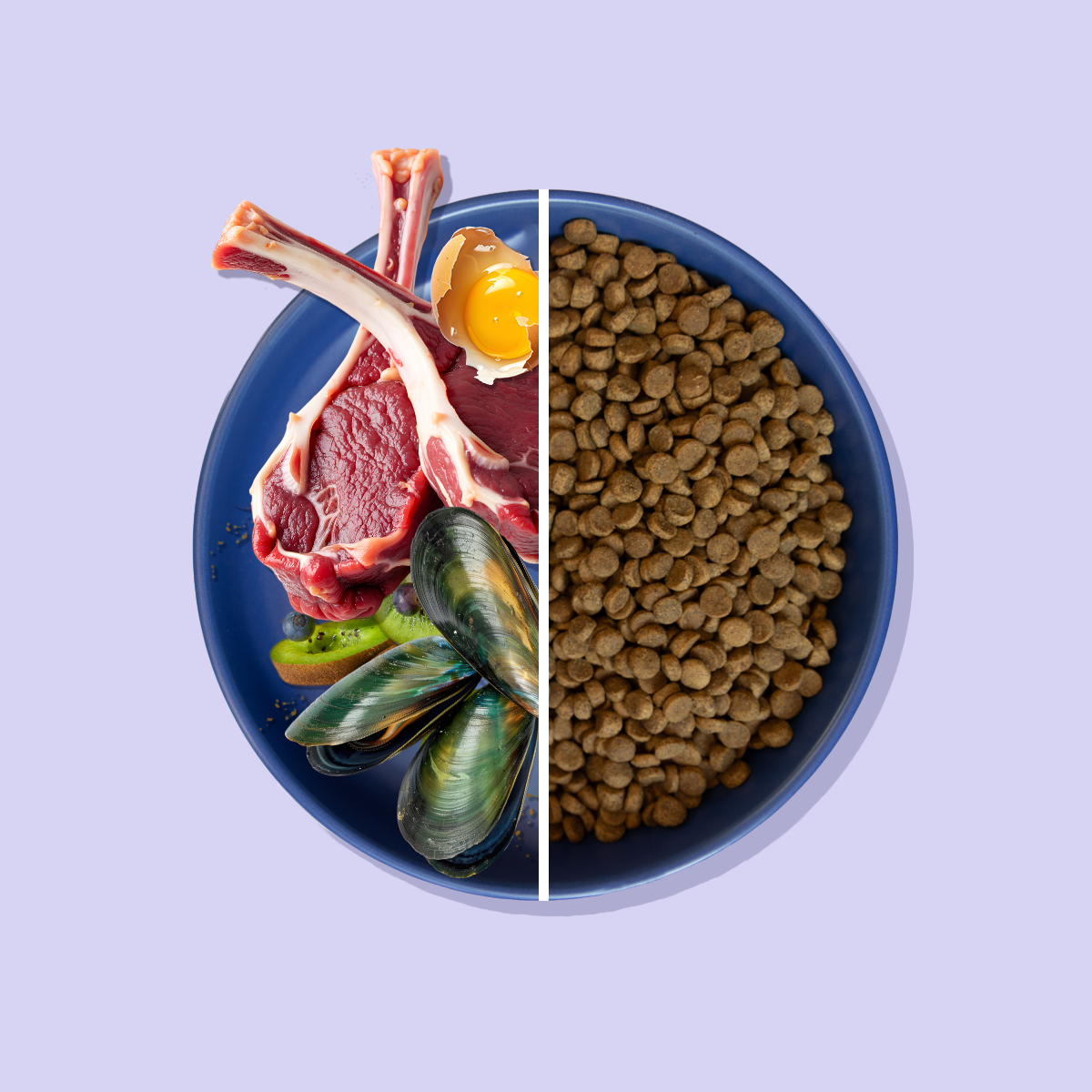
Happy Hour For Dogs is made in New Zealand with cage-free chicken, NZ grass-fed lamb, and green-lipped mussels. Follow the 7-10 day transition plan, watch for the normal adjustment signs versus the warning signs, and give it time. If it doesn't work out, the 30-day money-back guarantee has you covered. Visit happyhourfordogs.nz to get started.