Pancreatitis can happen to any dog. But if you own a Miniature Schnauzer, a Cocker Spaniel, a Yorkshire Terrier, a Dachshund, or a Poodle, your dog is statistically more likely to develop it than the average Lab.
That doesn't mean they're destined for it. It means it's worth understanding why, and doing something about it proactively.
Which breeds are more prone?
The breeds with the highest documented prevalence of pancreatitis include:
- Miniature Schnauzers (particularly high risk, especially for repeated episodes)
- Yorkshire Terriers
- Cocker Spaniels (both English and Cavalier King Charles — particularly for the chronic form)
- Dachshunds
- Poodles (both Miniature and Standard)
(Source: Pancreatitis and Other Disorders of the Pancreas in Dogs, Merck Veterinary Manual)
Blackwell's Five-Minute Veterinary Consult adds the distinction that Miniature Schnauzers and Yorkshire Terriers appear particularly predisposed to acute pancreatitis, while Cocker Spaniels and Cavalier King Charles Spaniels show higher rates of chronic pancreatitis. (Source: Blackwell's Five-Minute Veterinary Consult, Wiley)
Why are Miniature Schnauzers so prone?
Miniature Schnauzers are the most commonly cited breed in pancreatitis literature, and there's a well-understood reason: many Miniature Schnauzers have a genetic tendency toward hyperlipidaemia — chronically elevated blood triglyceride (fat) levels.
High circulating triglycerides are a direct risk factor for pancreatitis. When the pancreas is constantly dealing with a high-fat blood environment, it's under sustained stress, and the likelihood of an inflammatory episode increases significantly.
Research into the SPINK1 gene in Miniature Schnauzers has found specific genetic variants associated with pancreatitis in the breed, pointing to a genuine hereditary component beyond just diet. (Source: Identification of variants of the SPINK1 gene and their association with pancreatitis in Miniature Schnauzers, American Journal of Veterinary Research, 2010)
This is why even "well-fed" Schnauzers who aren't getting fatty table scraps can still get pancreatitis — their baseline physiology puts them at higher risk.
Why are Cocker Spaniels prone?
Cocker Spaniels (both English Cocker and Cavalier King Charles) tend toward the chronic form of pancreatitis more than the dramatic acute form. The exact mechanisms aren't as well characterised as in Schnauzers, but they're consistently over-represented in chronic pancreatitis studies.
Some research suggests immune-mediated processes may play a role in chronic pancreatitis in these breeds, similar to the way autoimmune conditions work. (Source: Blackwell's Five-Minute Veterinary Consult, Wiley)
Are these breeds common in New Zealand?
Yes, several of them are popular in NZ:
Miniature Schnauzers are well-established here and consistently appear in the more popular small breed lists. Their wiry coats and personality make them a common choice for NZ families and apartment dwellers.
Cavalier King Charles Spaniels are very popular in New Zealand — a beloved family dog. This breed's known tendency toward chronic pancreatitis is worth being aware of from puppyhood.
Yorkshire Terriers remain popular in NZ, particularly in urban areas.
Miniature and Toy Poodles are popular and increasing in popularity due to their hypoallergenic coats and intelligence, particularly as the parent breed for various "doodle" crosses.
If your NZ dog is one of these breeds or a mix involving them, proactive management is genuinely worthwhile.
What should breed-predisposed owners do?
1. Choose a genuinely low-fat diet from the start
You don't have to wait for a pancreatitis diagnosis to make this change. If you have a Miniature Schnauzer or Cocker Spaniel, a low-fat diet from puppyhood is a smart, preventative choice.
Veterinary guidelines recommend below 15% dry matter fat for pancreatitis-prone dogs, and below 10% DM for dogs with elevated blood triglycerides. (Source: Key Nutritional Factors in Treating Pancreatitis, Today's Veterinary Nurse, Burns & Poulin)
A dog food might look premium and include great ingredients but still have a fat level that's too high for a predisposed breed. Always check the guaranteed analysis panel.
2. Cut out high-fat treats
Fatty treats are a genuinely significant trigger, especially for breeds that are already running higher blood fat levels. Sausage at a BBQ, leftover meat fat, table scraps — this is the category of thing that sends a lot of Schnauzers to the vet with an acute episode.
Low-fat treat alternatives: carrot, blueberries, plain rice crackers, small pieces of plain cooked chicken breast (no skin).
3. Monitor weight carefully
Obesity amplifies pancreatitis risk. For predisposed breeds, maintaining a healthy body condition score isn't just cosmetic — it's medical. (Source: Merck Veterinary Manual)
Ask your vet to assess your dog's body condition score at each annual check. It's a simple thing to track.
4. Get blood work done periodically
For Miniature Schnauzers especially, periodic blood panels that include triglyceride levels are worth considering. If your vet finds elevated triglycerides, you can address it proactively with diet rather than after an acute episode. This is a conversation worth having at your dog's annual check-up.
5. Don't skip vet checks
Chronic pancreatitis often presents subtly — occasional vomiting, slightly off food, not quite right. These breeds can quietly accumulate pancreatic damage that only becomes obvious later. Regular check-ups and being forthcoming about any GI symptoms helps your vet catch things early.
Does a low-fat diet actually prevent pancreatitis?
Yes — diet management is one of the most consistent tools in reducing pancreatitis risk in predisposed breeds. The mechanism is direct: less dietary fat means less stimulus for pancreatic enzyme secretion, which means less strain on the pancreas. (Source: Merck Veterinary Manual)
It's not a guarantee. Genetically predisposed breeds can still develop pancreatitis even on a perfect diet. But reducing fat consistently reduces the risk and the severity, and that's meaningful.
Where Happy Hour fits in
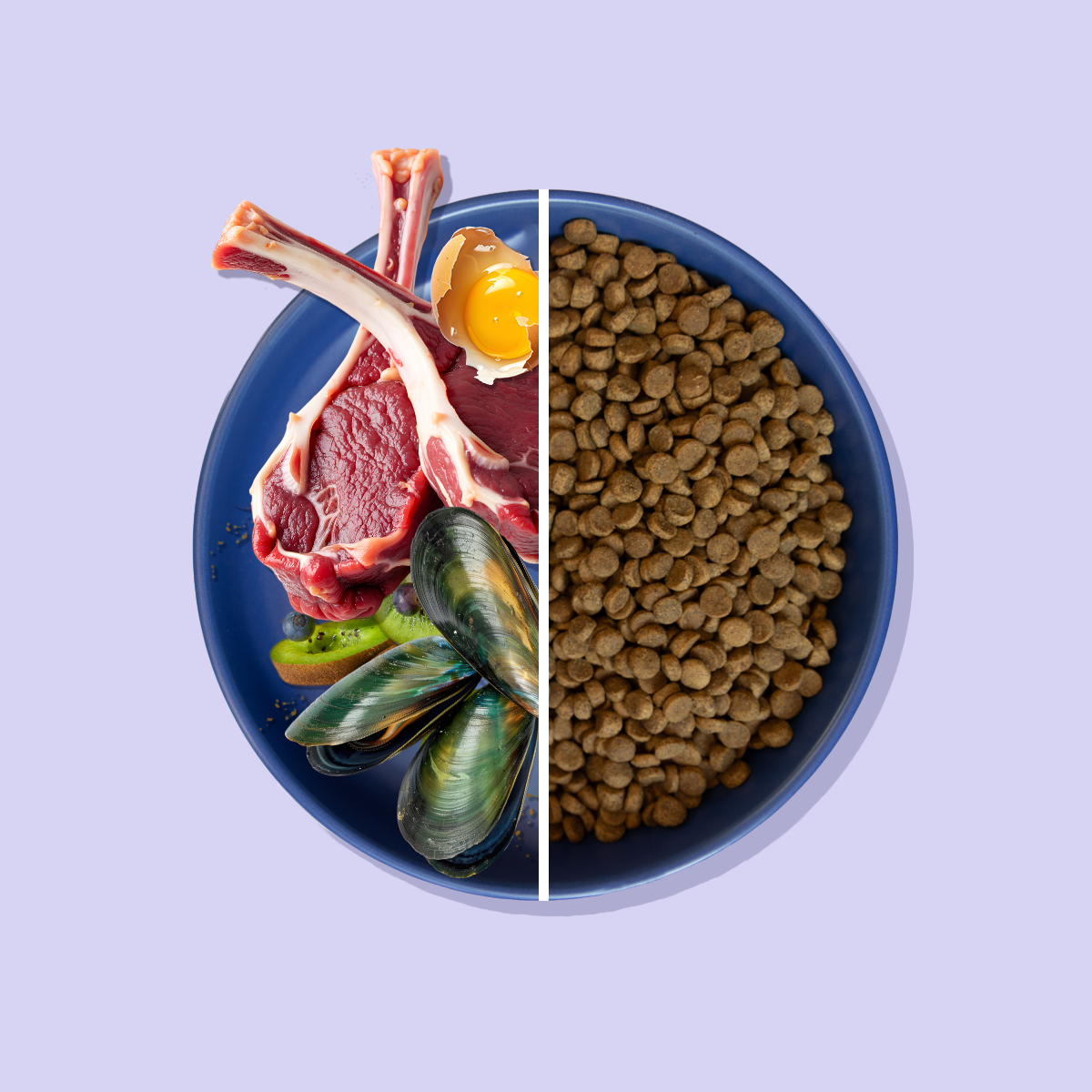
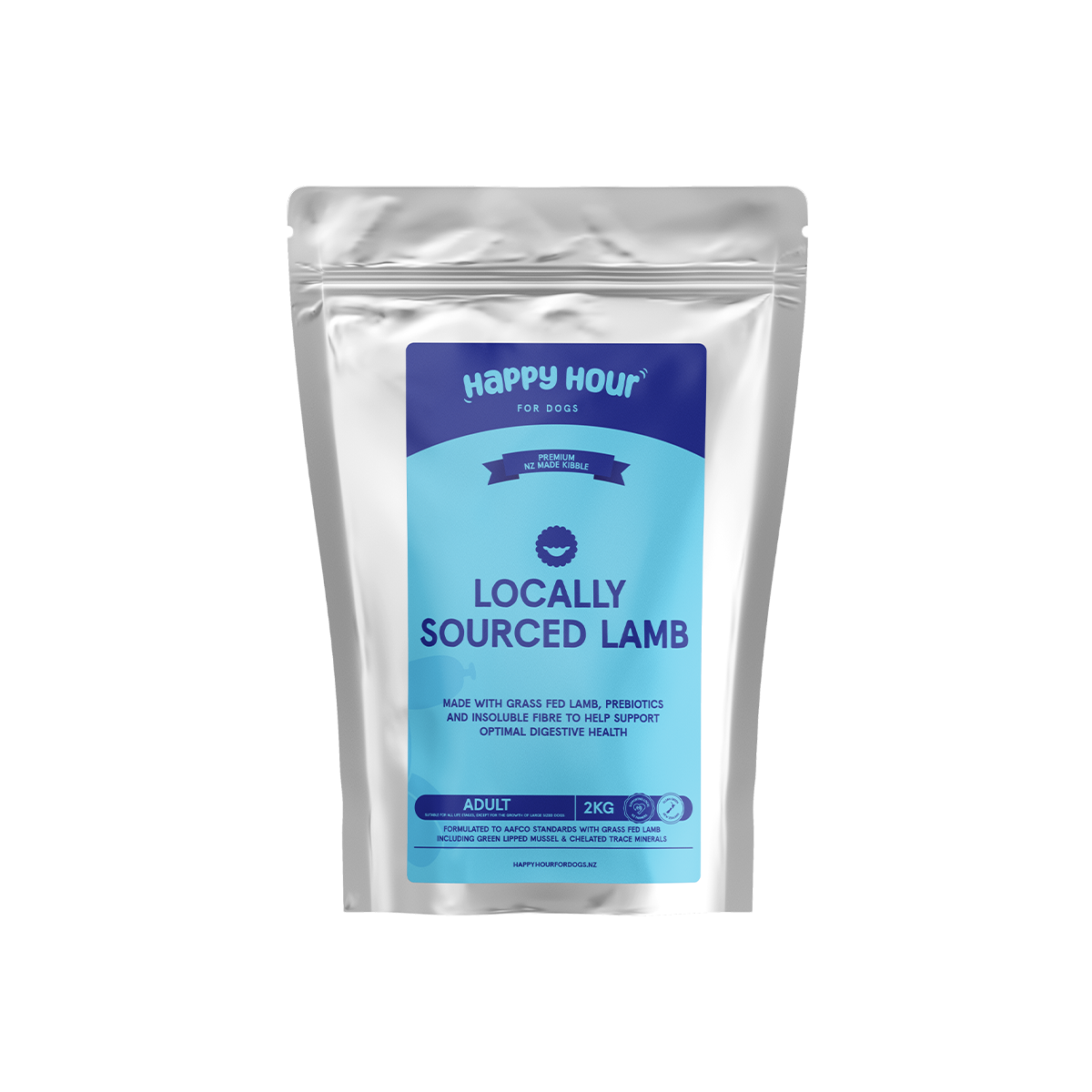
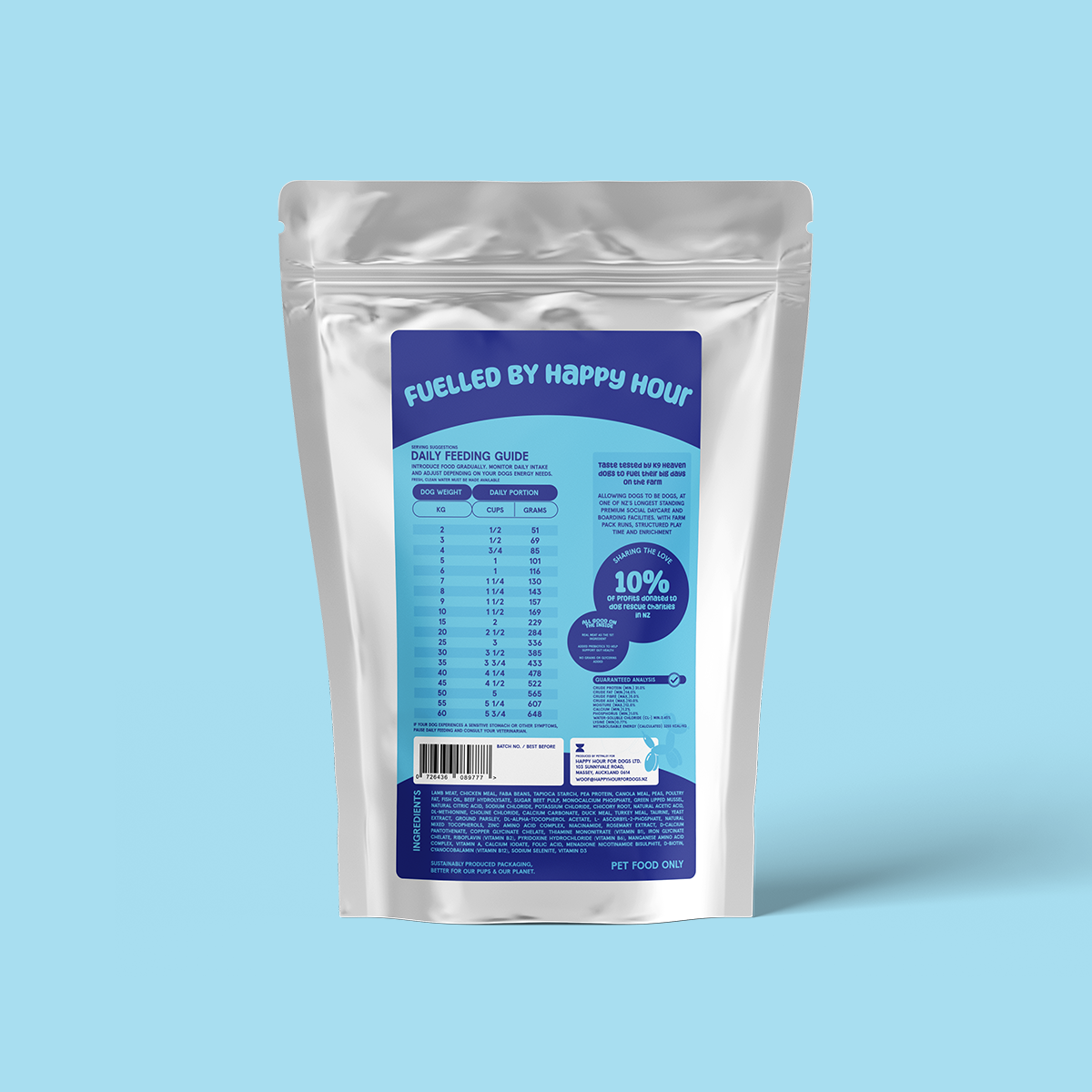
If you're in New Zealand with a breed that's prone to pancreatitis, the diet conversation matters before anything goes wrong, and it's one to have with your vet. Happy Hour For Dogs is a grain-free, grass-fed NZ lamb kibble that's lower in fat than many premium kibbles, though at a moderate level, not the sub-10% of a therapeutic low-fat diet. It also includes added prebiotics and insoluble fibre that support gut health.
It's not a medical intervention, and it's not a low-fat prescription diet. But for a Schnauzer owner, a Cavalier owner, or a Cockerpoo family in Auckland thinking about a solid everyday diet, it's a good one to raise with your vet.
More details on what to look for: Low-Fat Dog Food for Pancreatitis NZ.