The best dog food for large dogs in NZ delivers adequate high-quality animal protein, appropriate calcium-to-phosphorus ratios for skeletal health, and a formula that supports joint health over time. Large breeds have specific nutritional needs that not all dog foods address properly, and getting it right has long-term health implications.
Key Takeaways
- Large breeds need food with the right calcium-to-phosphorus ratio to support healthy bone development and maintenance
- High animal protein supports lean muscle mass, which is especially important for large breeds as they age
- Joint support ingredients like green-lipped mussel and omega-3s matter more for big dogs
- Avoid overfeeding and high-calorie-dense foods that push large breeds toward obesity
- Happy Hour's high-protein grain-free lamb is a strong everyday option for large and giant breeds
Why Large Dogs Have Different Nutritional Needs
Large breeds — generally dogs over 25kg, with giant breeds over 45kg — have slower metabolisms relative to their size, carry more weight on their joints, and are predisposed to a different set of health issues than small dogs.
Bone and joint development. Large breed puppies that grow too fast are more prone to skeletal problems including hip dysplasia and osteochondrosis. The calcium-to-phosphorus ratio in the food plays a significant role in healthy bone development. For adult large breeds, joint health is an ongoing consideration — more body weight means more load on the joints.
Protein and muscle mass. Large breeds need adequate high-quality protein to maintain lean muscle mass. As dogs age, muscle loss becomes a real issue, and large breeds feel the effects more acutely. High animal protein from named sources is the right baseline.
Caloric density and weight management. Large breeds are prone to obesity because they look like they need more food than they often do. A 40kg dog on a calorie-dense food with generous portions will gain weight. Obesity in large dogs accelerates joint degeneration and shortens lifespan.
Bloat risk (GDV). Deep-chested large breeds — Great Danes, Weimaraners, Dobermanns, German Shepherds, Standard Poodles — have an elevated risk of gastric dilatation-volvulus (GDV). Recommendations include feeding multiple smaller meals, not exercising immediately before or after eating, and using a slow-feeder bowl.
What to Look For in Dog Food for Large Breeds
Named high-quality protein first. Lamb, chicken, beef, or fish as the first ingredient, from a named source. Large dogs need substantial animal protein to support their muscle mass.
Large breed formula or all life stages. For puppies, a large breed puppy formula is important — calcium and phosphorus levels in regular puppy food can be too high for large breed puppies. For adults, "all life stages" or "adult maintenance" is fine.
Joint support ingredients. Green-lipped mussel is the standout — one of the most researched natural sources of omega-3s and glycosaminoglycans. Fish oil is another useful omega-3 source. These aren't luxuries for large dogs — they're meaningful preventive nutrition.
Appropriate fat content. High-fat food in large quantities leads to weight gain. Large breeds benefit from a formula with moderate fat content and high protein.
Adequate fibre for digestive health. A food with good fibre content produces well-formed stools and supports the gut microbiome. Prebiotics are a useful addition.
Best Dog Food Options for Large Dogs in NZ
Happy Hour
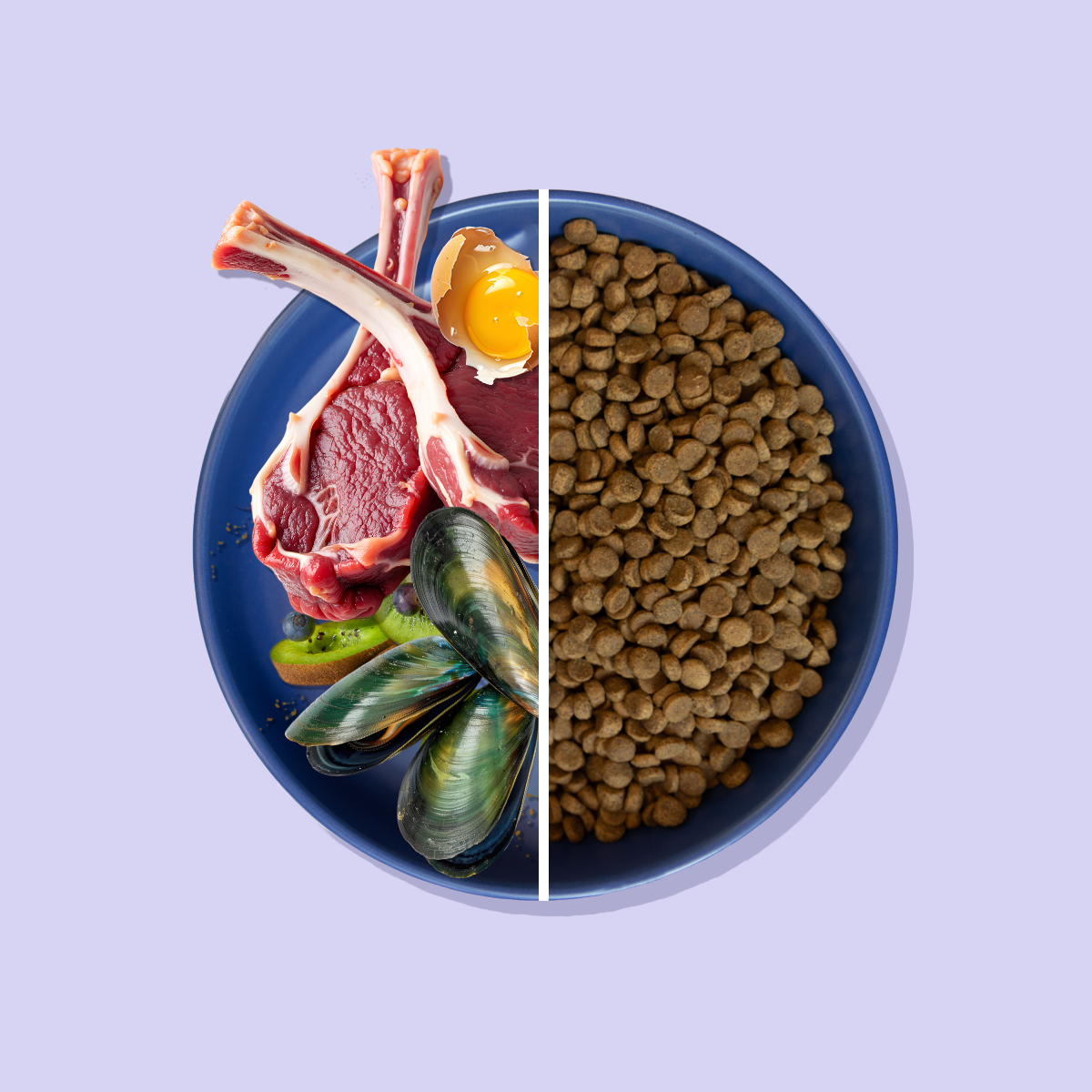
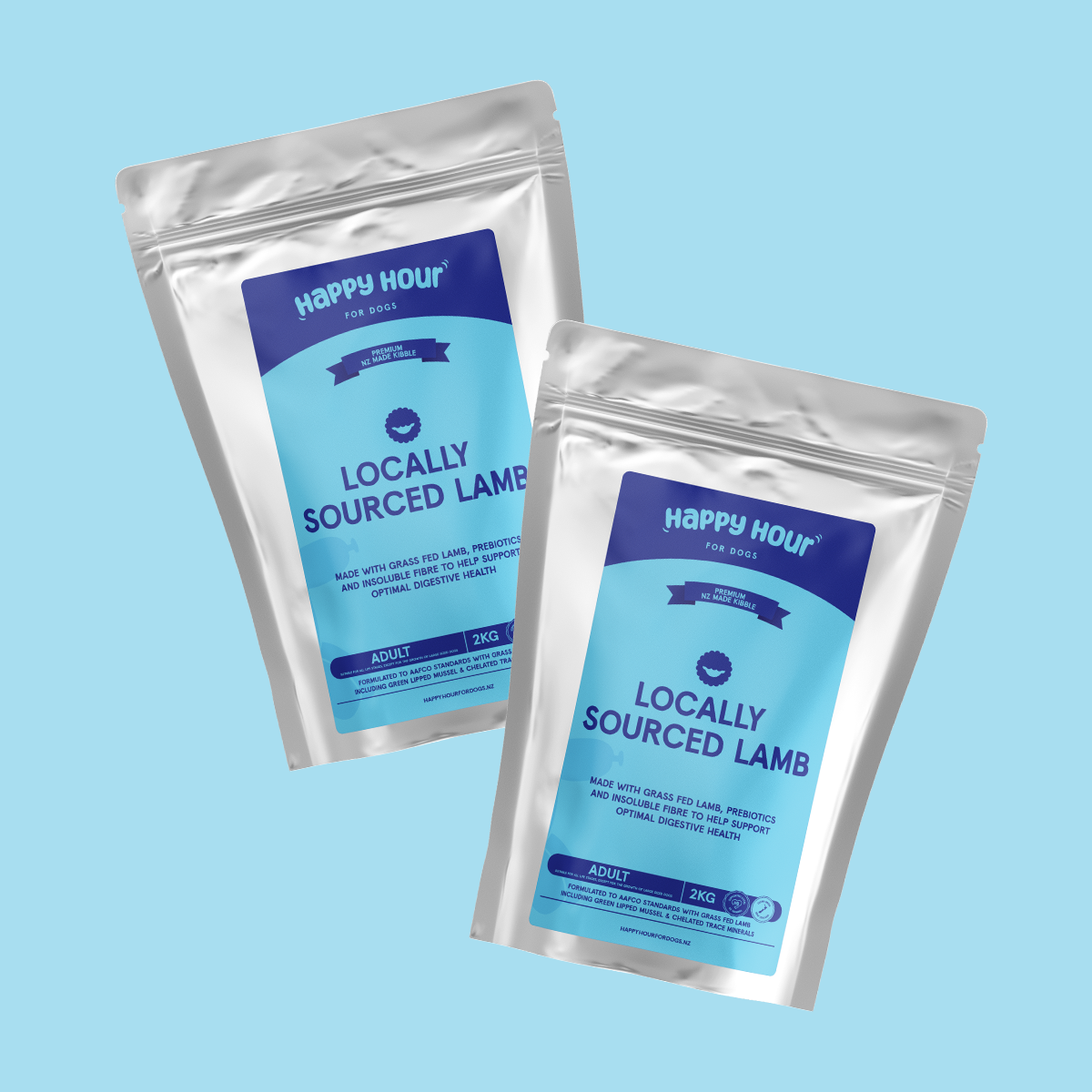
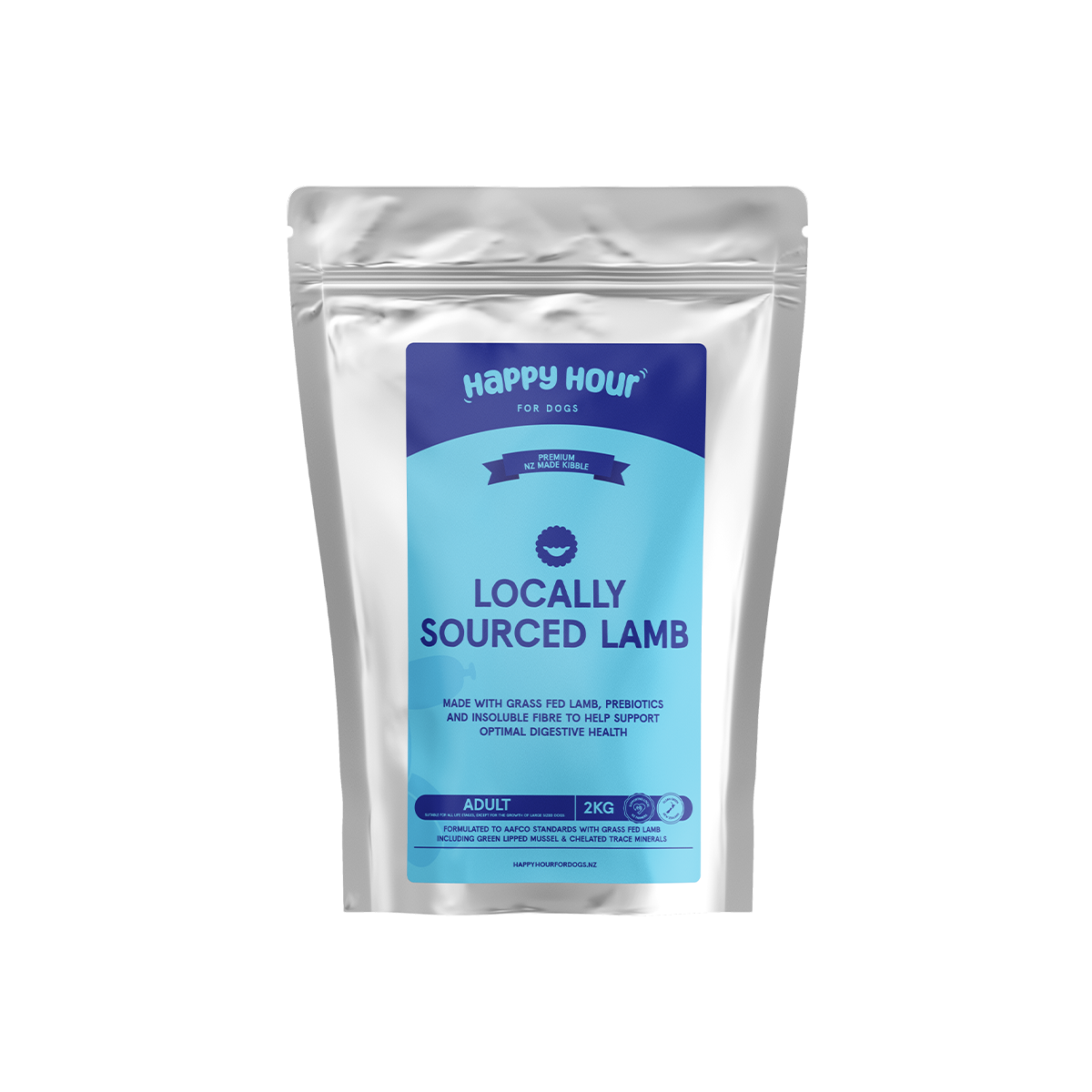
Happy Hour's grain-free lamb kibble is a strong everyday option for large breeds. The formula leads with NZ grass-fed lamb and lamb meal, providing substantial animal protein for muscle maintenance. Green-lipped mussel is included for joint support — particularly relevant for the additional load large breeds carry. Prebiotics and insoluble fibre support digestion. No grains, artificial additives, or fillers.
At the price point, it delivers quality that large breed owners often have to pay significantly more for. The 30-day send-it-back guarantee removes the risk from trying it.
Orijen Large Breed
Orijen's Large Breed formula is specifically formulated for large and giant breeds, with glucosamine and chondroitin added for joint support. Excellent ingredient quality. The cost is significant for a large dog eating generous daily portions.
Ziwi Peak
Outstanding ingredient quality, but the cost of feeding a 30–40kg dog daily is worth factoring in. Worth it for owners who prioritise ingredient quality above cost, or who use it as a quality topper on a base kibble.
Black Hawk Large Breed
A reasonable mid-range option. Better ingredient quality than mass-market brands. Australian-made, but a decent step up in the accessible price range.
How Much to Feed a Large Dog
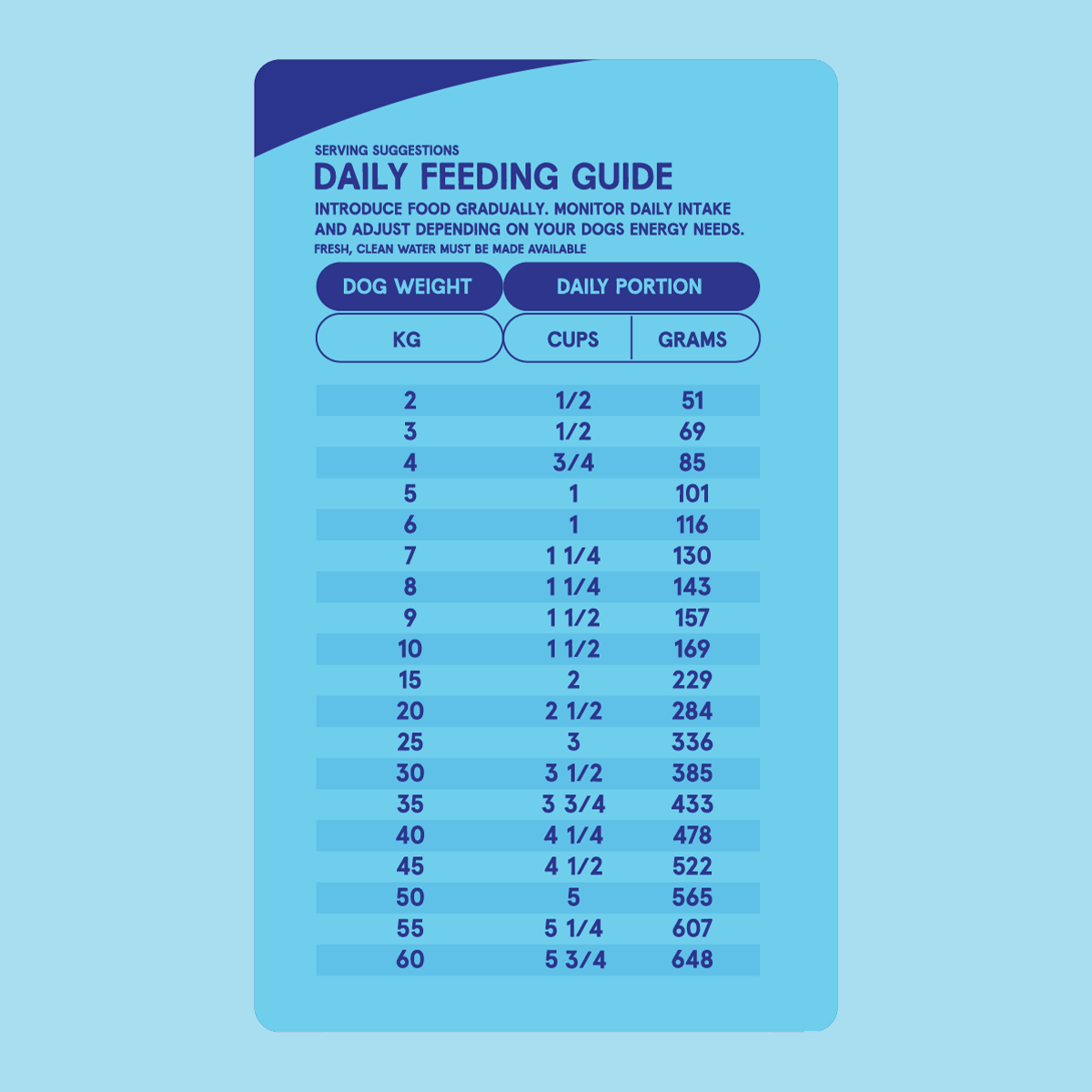
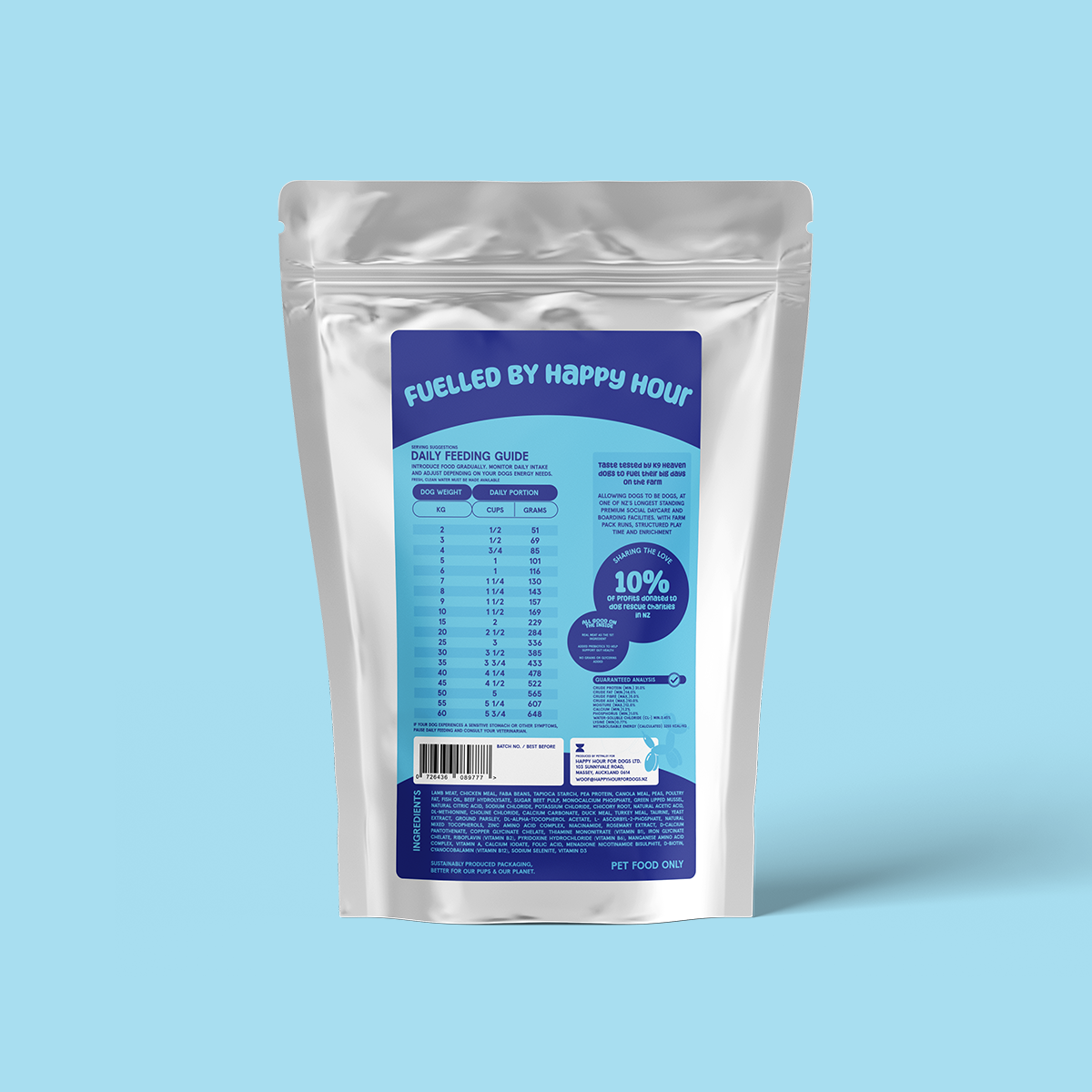
Follow the feeding guide on the bag as a starting point, based on your dog's current weight and activity level. Large breed owners often find they need to portion slightly under the guide weight to prevent creep toward overweight.
The best indicator is body condition: you should be able to feel your dog's ribs without pressing hard, but not see them easily. Active large breeds need more. Older, less active large breeds need less.
For the full breakdown of dog food options in NZ: Best Dog Food NZ 2026: An Honest Guide for Kiwi Dog Owners