If your dog has just been diagnosed, that's a lot to take in. Pancreatitis sounds scary, and it can be. But here's the honest answer to the question most owners ask first:
Yes, most dogs recover from pancreatitis. With prompt treatment and dietary management, the majority of dogs — especially those with mild to moderate cases — get better and go on to live completely normal lives.
That said, it's not a one-size answer. Let's go through what recovery actually looks like, and what you need to do to give your dog the best chance.
The honest picture: most dogs do well, but severe cases are different
For mild acute pancreatitis, the prognosis is good. Dogs treated promptly with fluids, anti-nausea medication, and dietary management typically recover within a few days to a week. (Source: Pancreatitis and Other Disorders of the Pancreas in Dogs, Merck Veterinary Manual)
For moderate cases requiring hospitalisation, recovery usually takes a bit longer but most dogs still come home well.
For severe acute pancreatitis with complications — things like organ stress, systemic inflammation, or haemorrhagic pancreatitis — the outlook is more uncertain and can be serious. These dogs need intensive veterinary care, and some do not survive. (Source: Merck Veterinary Manual)
Chronic pancreatitis is a long-term condition that can be managed but often can't be fully "cured." The goal is minimising flare-ups and protecting the pancreas from further damage.
The key variable in all of this is how quickly you got to the vet. Early treatment consistently improves outcomes.
What does recovery actually look like?
Recovery from acute pancreatitis typically happens in stages.
Stage 1: Stabilisation (first 24-72 hours). In hospital or under close monitoring, your dog is getting IV or subcutaneous fluids to correct dehydration, anti-nausea medication to stop vomiting, and pain relief. Their food is restricted while vomiting is active — current veterinary guidance is that prolonged fasting is only recommended when the dog is vomiting uncontrollably, rather than as a blanket rule. (Source: Merck Veterinary Manual; Key Nutritional Factors in Treating Pancreatitis, Today's Veterinary Nurse)
Stage 2: Reintroduction of food (usually from day 2-4). Once vomiting has settled, food comes back in slowly. Typically starting with small amounts of very plain, easy-to-digest, low-fat food — often bland home cooking like boiled chicken and rice, or a veterinary GI diet. The idea is to slowly restart the digestive system without overwhelming the pancreas.
Stage 3: Transition to a long-term low-fat diet. Once your dog is stable and eating well, they'll move onto their long-term diet. Your vet will guide this. Low fat, consistently, is the goal.
How long does recovery take?
For mild cases, most dogs are significantly improved within 3-5 days and back to normal within a week or two.
For more severe cases, hospital stays of a week or more aren't unusual, and full recovery can take several weeks.
Chronic pancreatitis is managed rather than resolved — you may have periods of stability interrupted by occasional flare-ups, and the management strategy is long-term dietary and lifestyle adjustment.
Your vet will monitor things like blood work and appetite to guide the timeline. Everyone's dog is a bit different, and there's no value in rushing it.
Can dogs live normal lives after pancreatitis?
Yes. Many dogs with a history of pancreatitis live full, active, happy lives — including dogs with chronic pancreatitis — as long as they're on a consistent low-fat diet and owners avoid the known triggers.
The caveat is that the pancreas can sustain cumulative damage over time, especially from repeated episodes. Long-term complications to be aware of include:
Exocrine Pancreatic Insufficiency (EPI). If the cells that produce digestive enzymes are significantly damaged, the pancreas may lose the ability to produce enough enzymes to properly digest food. EPI is manageable with enzyme supplementation but is a lifelong condition. (Source: Merck Veterinary Manual)
Diabetes mellitus. Severe or repeated pancreatitis can damage the insulin-producing cells in the pancreas, which can lead to diabetes. (Source: Merck Veterinary Manual)
These complications aren't inevitable — many dogs never develop them — but they're why managing the condition properly from the start is worth it.
How to reduce the risk of recurrence
This is the part where you have real control.
Low-fat diet, consistently. This is non-negotiable. The pancreas is sensitised after an episode of pancreatitis, and high-fat meals — including treats and table scraps — are a known trigger for recurrence. Vet guidelines recommend staying below 15% dry matter fat long-term (and below 10% DM for dogs who are obese or have high blood triglycerides). (Source: Key Nutritional Factors in Treating Pancreatitis, Today's Veterinary Nurse)
Weight management. Obesity is a risk factor for pancreatitis. If your dog is overweight, getting them to a healthy body condition reduces both the likelihood of recurrence and their overall health risk. (Source: Merck Veterinary Manual)
No fatty treats or table scraps. Cheese, sausage, skin from chicken, fatty meats, butter — these are the kinds of high-fat foods that can trigger an acute episode. Find low-fat alternatives: carrot, plain rice crackers, blueberries, small pieces of plain cooked chicken breast.
Address underlying conditions. Some dogs have underlying conditions (like Cushing's disease or chronically elevated blood triglycerides) that increase their pancreatitis risk. If your vet has flagged this, treating those underlying conditions is part of the management plan.
Gradual diet transitions. Any time you switch foods, go slowly. Sudden changes in diet can stress the GI system. Take 7-10 days to transition.
A note on long-term diet
If you're choosing a kibble for a dog that's recovering from pancreatitis, the non-negotiable is low fat. Beyond that, good fibre (particularly prebiotic fibres like chicory root and sugar beet pulp) can help support gut health and regular digestion — both of which matter for a dog whose digestive system has taken a hit. (Sources: Journal of Animal Science, 2012 — chicory inulin in dogs; Journal of Animal Science, 2001 — beet pulp and digestibility in dogs)
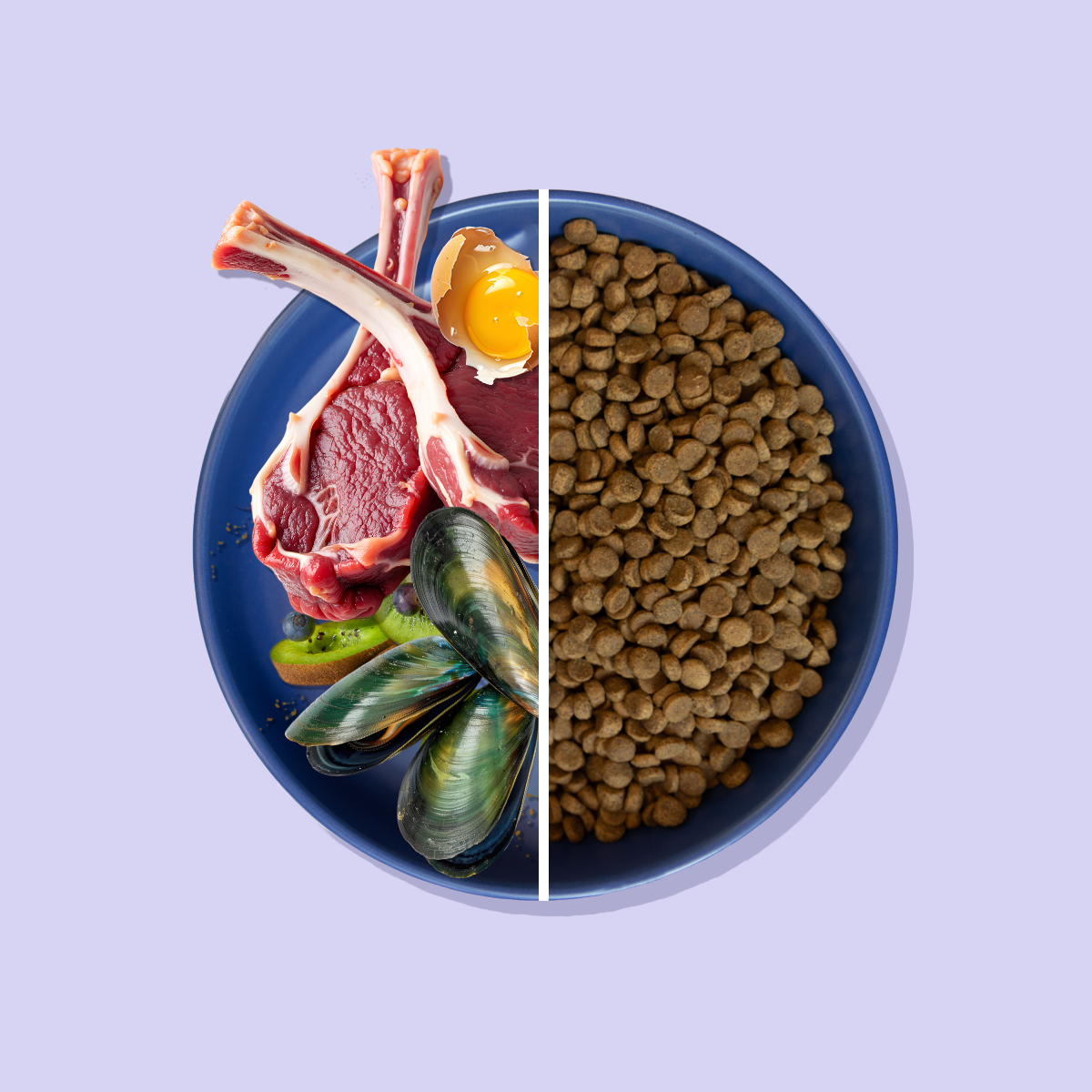
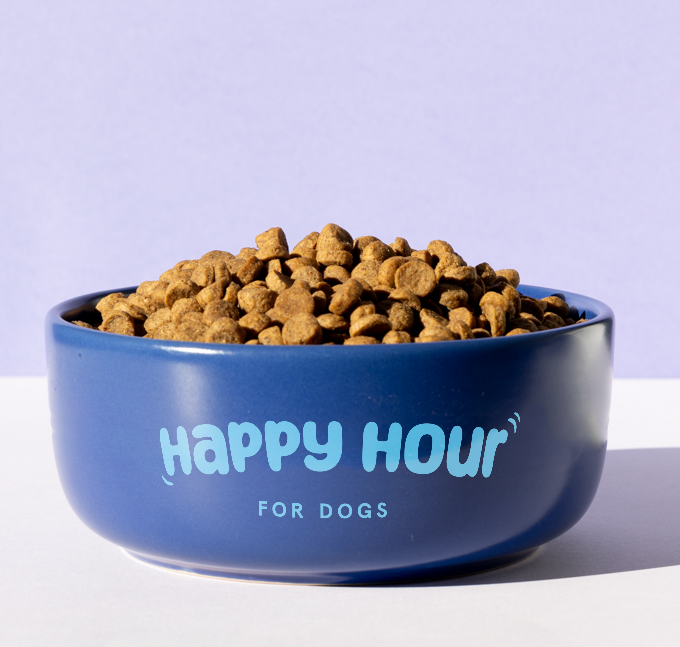
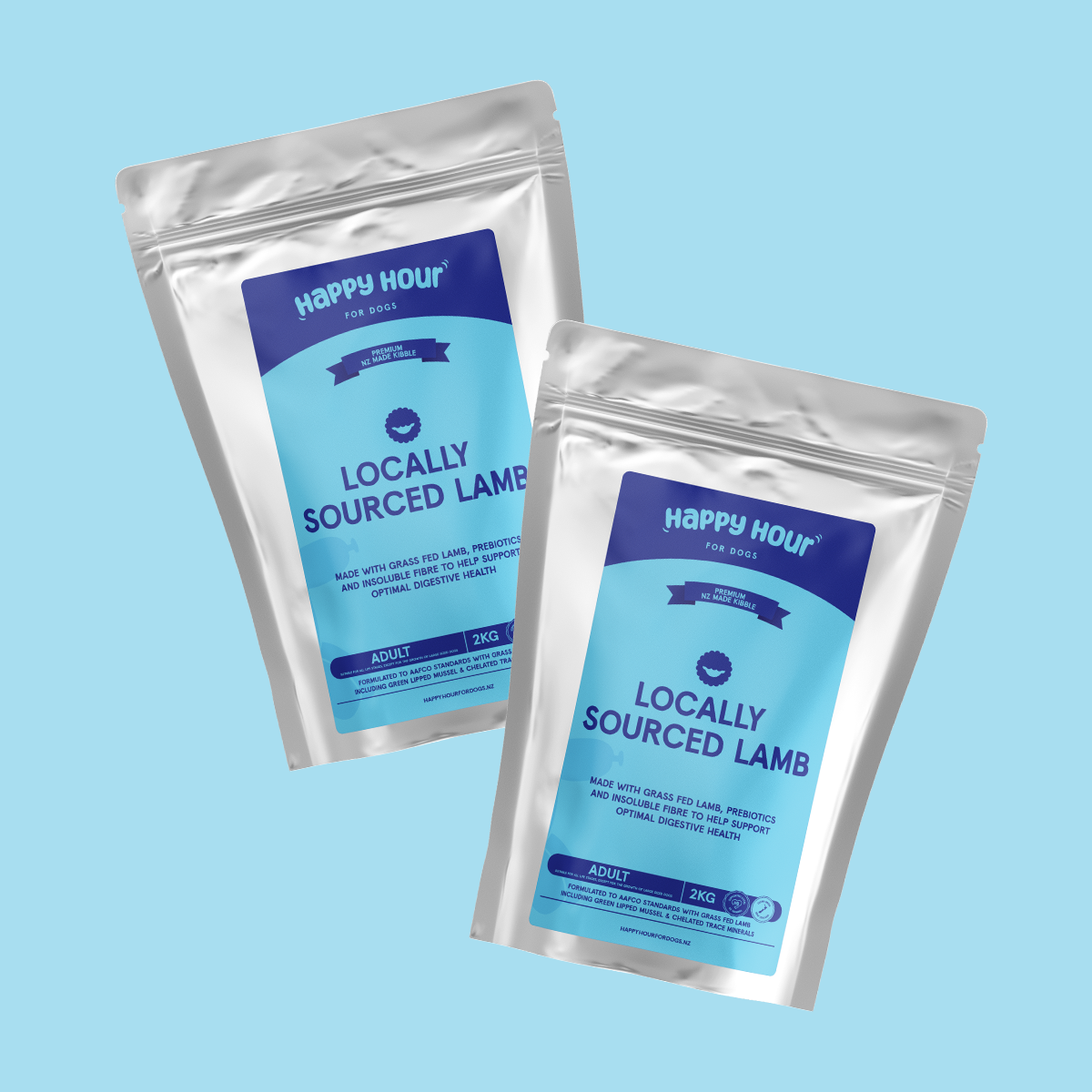
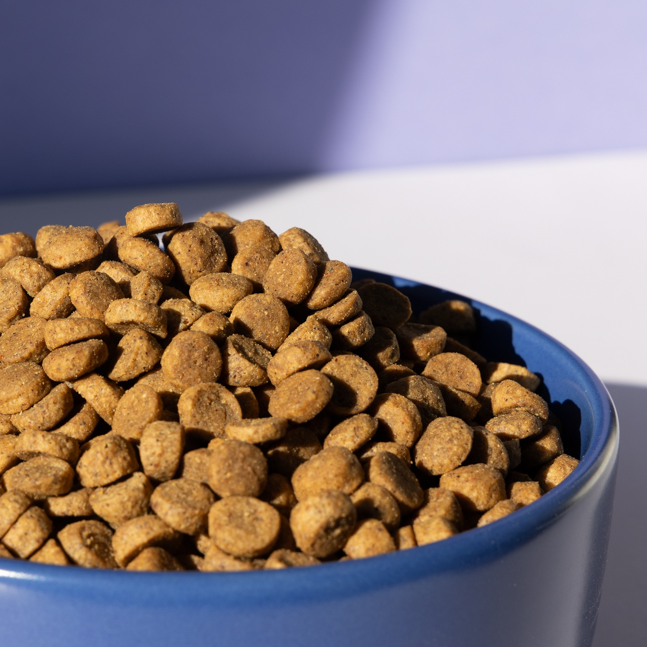
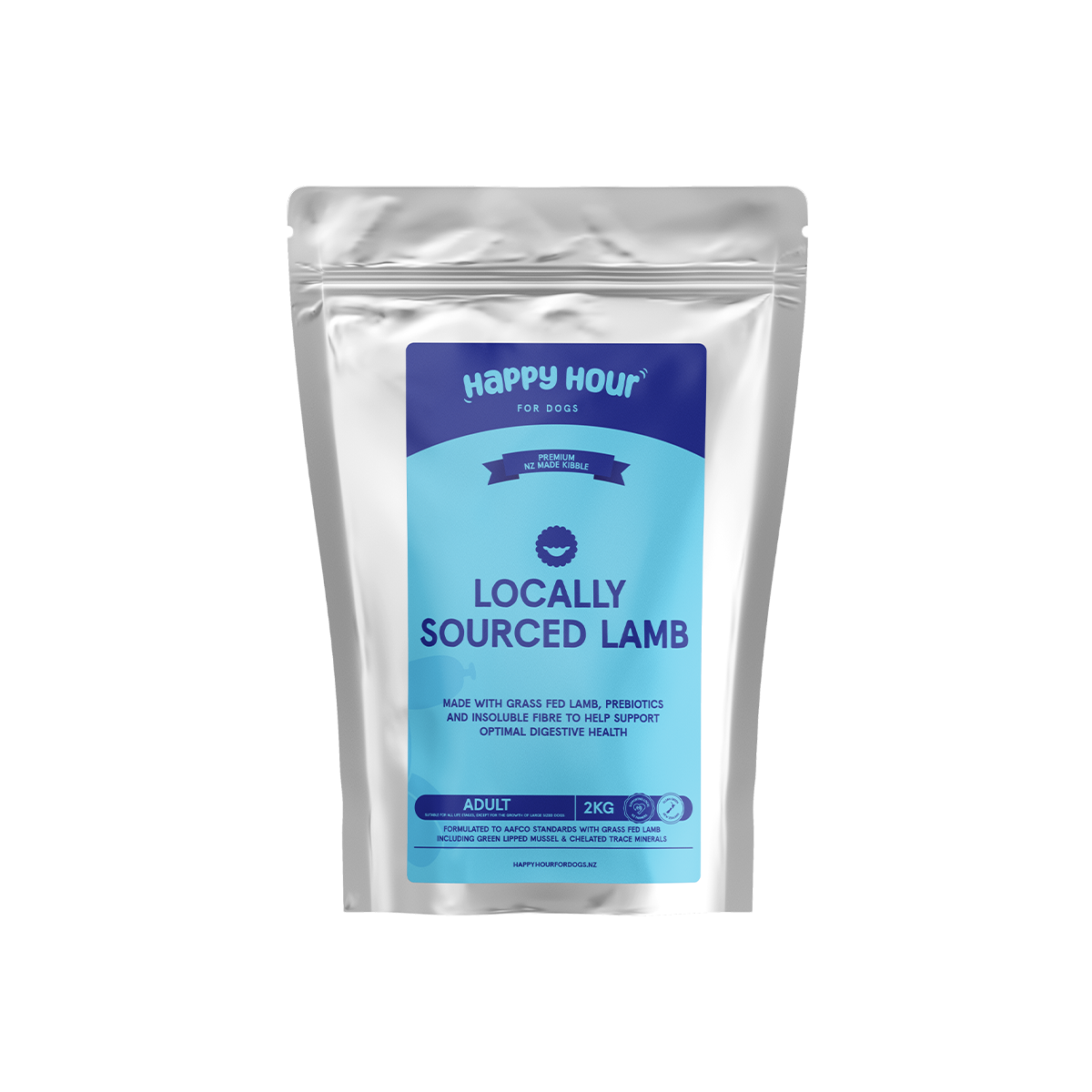
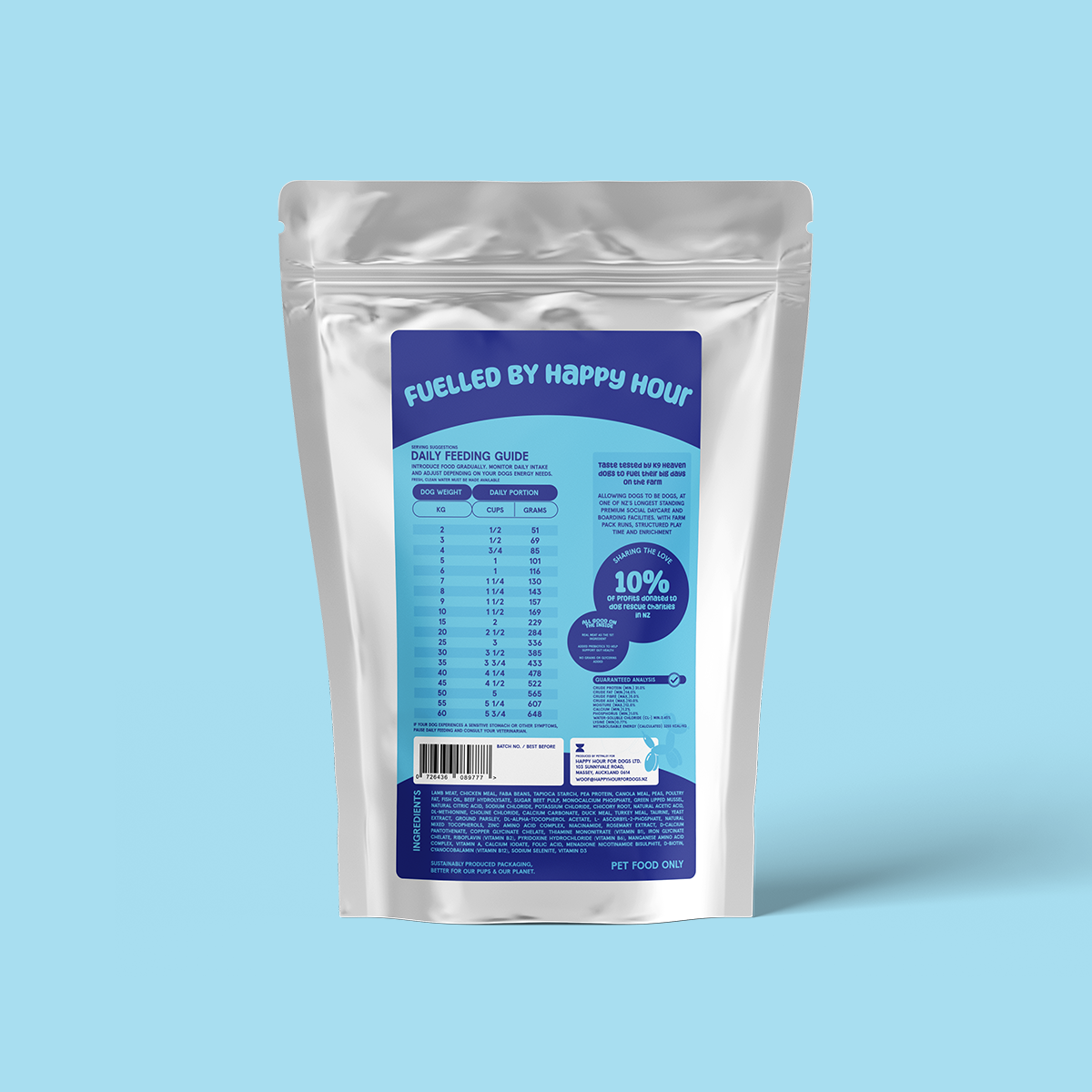
In New Zealand, Happy Hour For Dogs is one option worth knowing about. It's a grain-free, grass-fed NZ lamb kibble with added prebiotics and insoluble fibre, and it's lower in fat than many premium brands, though at a moderate level rather than the sub-10% of a therapeutic diet. It's an everyday food, not a treatment, and not a substitute for the low-fat plan your vet sets. If your dog's recovered and eating well, it's a sensible long-term choice to talk to your vet about.
More details: Low-Fat Dog Food for Pancreatitis NZ.