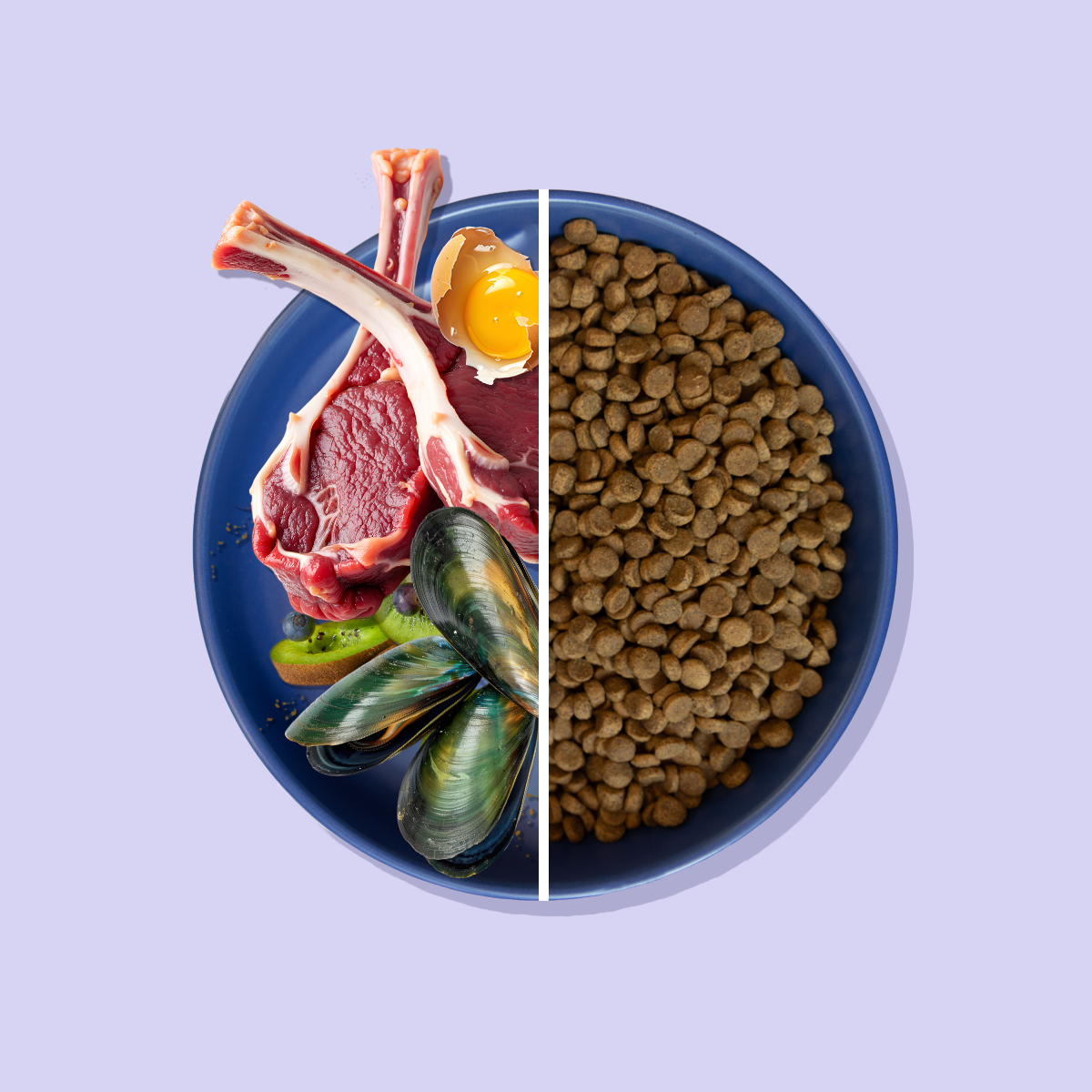
The best high-protein dog food in NZ delivers protein from named animal sources, not plant-based fillers that inflate the crude protein number without providing the same amino acid profile. A food that says "32% protein" on the bag may be meaningfully different from another at 28% — depending entirely on where that protein comes from.
Key Takeaways
- Crude protein percentage doesn't tell you protein quality — the source does
- Animal-sourced protein provides a complete amino acid profile; plant-sourced protein often doesn't
- Grain-free kibbles tend to be higher in animal protein because they replace grain with more meat
- Dogs with high activity levels, muscle recovery needs, or growing puppies benefit most from higher protein
- Happy Hour leads with NZ grass-fed lamb and lamb meal for a high-quality animal protein base
What Does "High Protein" Actually Mean?
The crude protein measurement captures all nitrogen-containing compounds in the food, regardless of their biological source or digestibility. Soybean meal, corn gluten, wheat protein, and pea protein all contribute to the crude protein total — and so does lamb, chicken, beef, and fish. But they're not equivalent.
Dogs evolved as carnivores and their digestive systems are built around animal protein. Animal-sourced protein provides a complete amino acid profile — all the essential amino acids a dog needs in the right proportions. Plant-sourced protein is often incomplete, missing or low in key amino acids like taurine, methionine, or cysteine.
The practical test: look at the ingredient list. If the first several ingredients are meat and meat meal, the protein is predominantly animal-sourced. If plant proteins and grains appear high on the list, the protein number is less meaningful.
Why Protein Quality Matters More for Some Dogs
Active and working dogs. Dogs with high physical output need more protein for muscle repair and maintenance. The body needs the right amino acids in the right proportions to build and repair muscle tissue. High-quality animal protein delivers this; plant protein doesn't do it as efficiently.
Puppies. Growing puppies need higher protein than adult dogs, and the amino acid profile matters even more because they're building muscle, organs, and skeletal tissue simultaneously.
Senior dogs. Muscle loss is a real issue in older dogs. Maintaining adequate protein intake from high-quality animal sources helps slow muscle loss and maintain functional mobility.
Dogs recovering from surgery or illness. Recovery requires protein for tissue repair. Dogs recovering from illness, surgery, or injury benefit from a higher-protein diet during the recovery period.
Protein and Grain-Free: The Connection
Grain-free kibbles tend to be higher in animal protein than grain-inclusive ones. In a grain-inclusive kibble, grains fill a significant portion of the formula. When you remove grains, you need to replace the bulk — in a well-formulated grain-free food, that replacement is more protein from meat or meat meal, plus digestible carbohydrates like sweet potato.
The result is that grain-free formulas often have a meaningfully higher animal protein content. This is one of the genuine nutritional advantages of a quality grain-free product, beyond just removing the grain.
More on grain-free: Best Grain-Free Dog Food NZ
Named Protein Sources vs. Unnamed: Why It Matters
"Meat meal" without a species name is a red flag. When you don't know what species the protein comes from, you also don't know whether your dog has been exposed to that protein before (relevant for allergy management), the quality standards applied, or the country of origin.
Named sources — "lamb meal," "chicken meal," "salmon meal" — are traceable. How to read these labels in detail: How to Read a Dog Food Label in NZ
Best High-Protein Dog Foods Available in NZ
Happy Hour
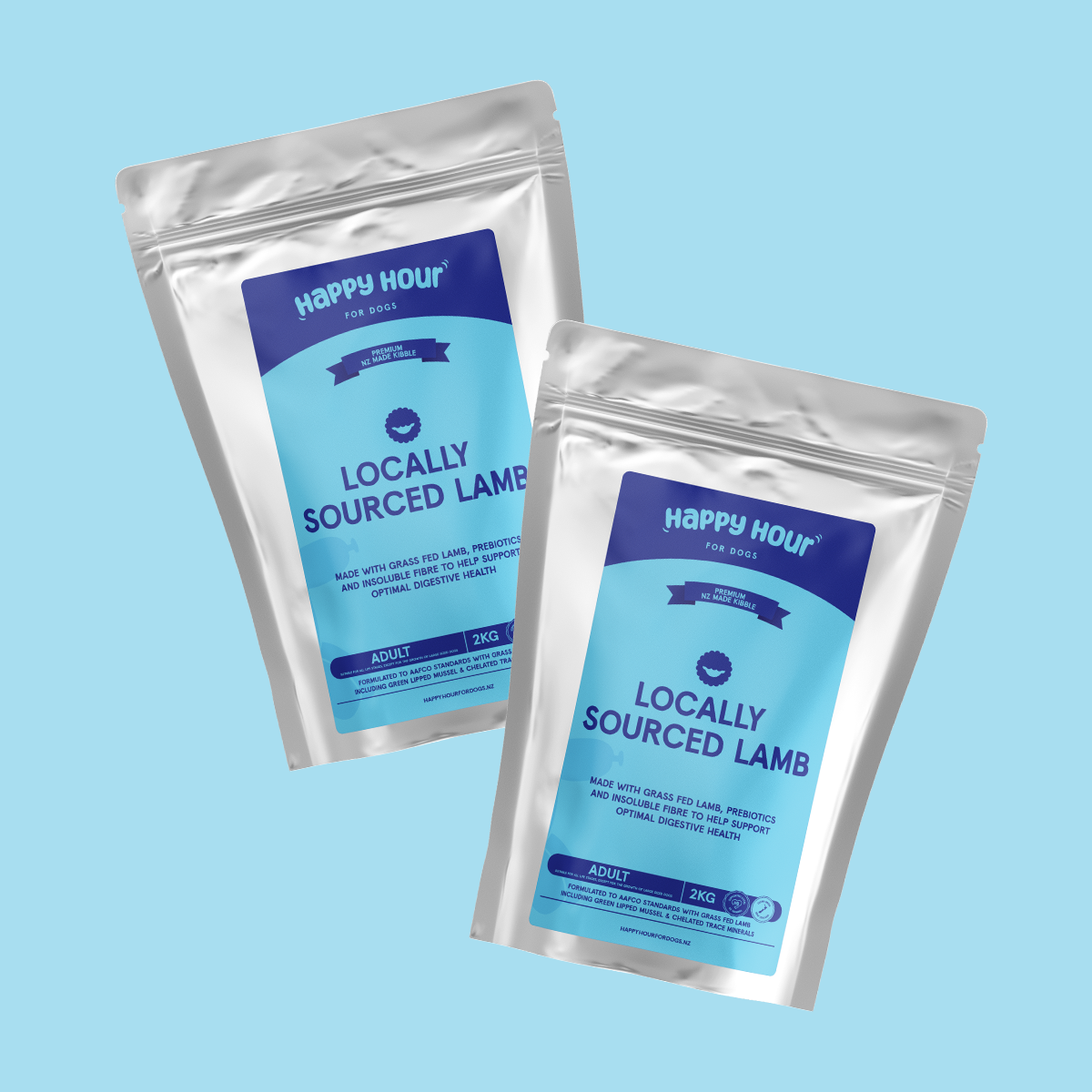
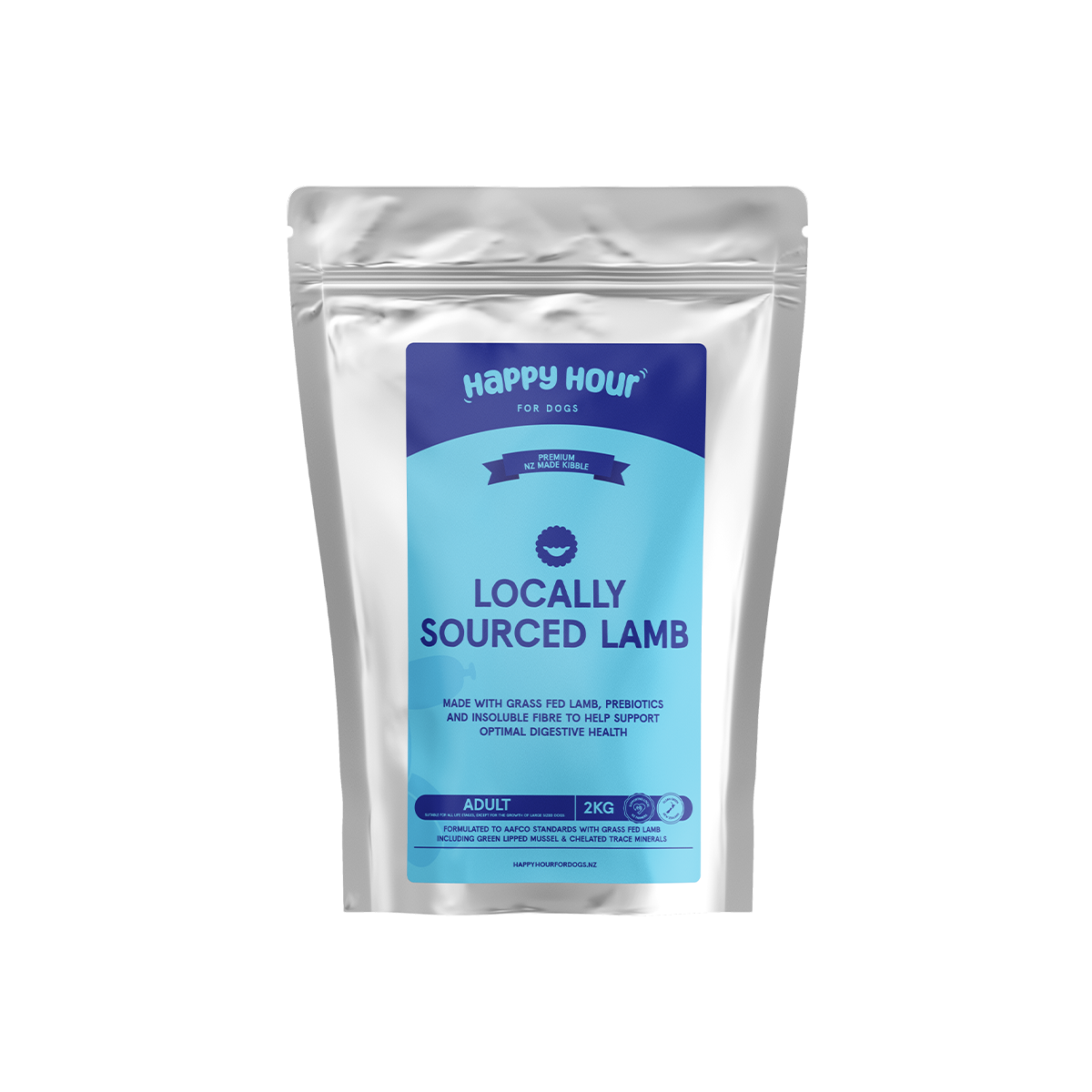
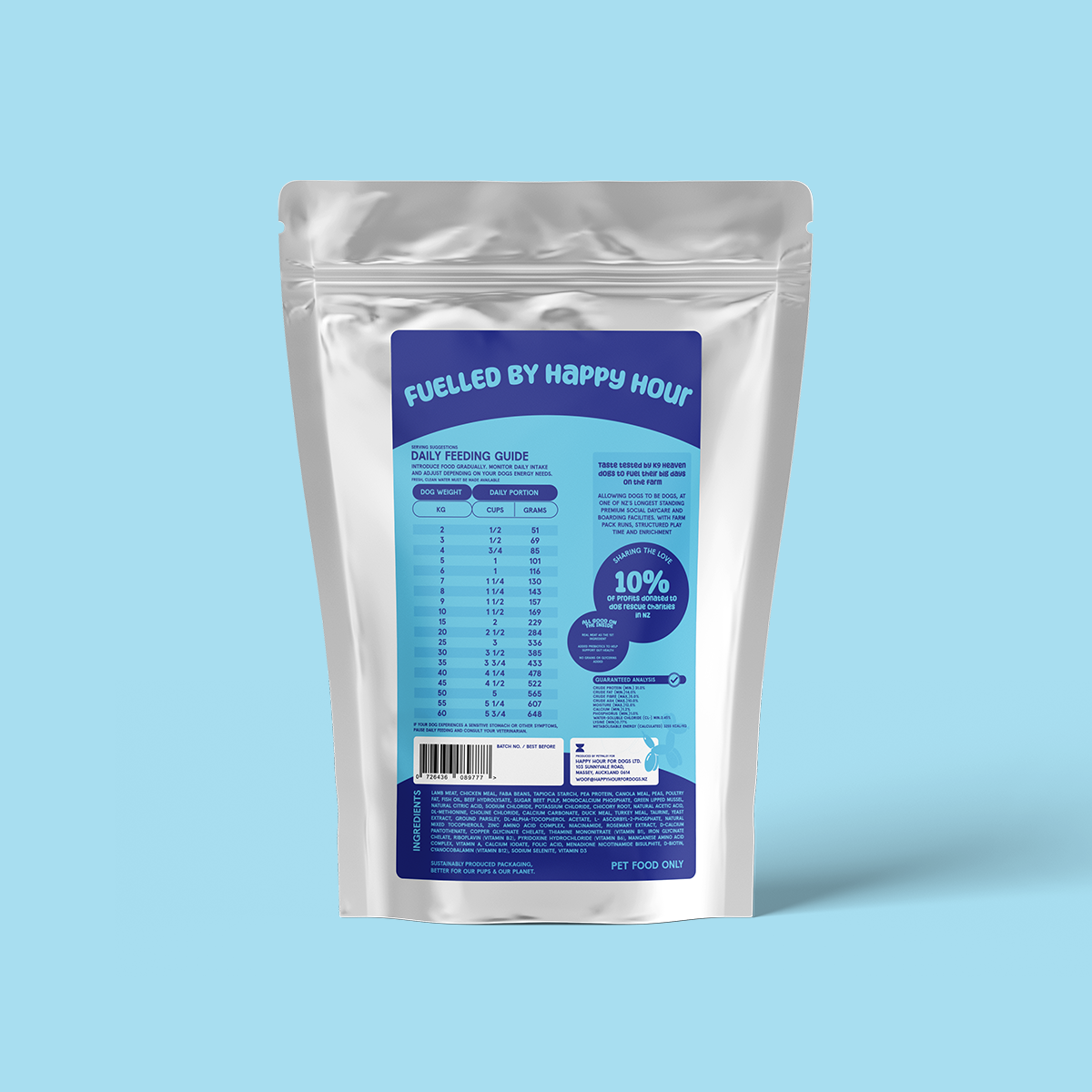
Happy Hour's formula leads with NZ grass-fed lamb and lamb meal, making animal protein from a single named source the foundation of the food. The grain-free structure means a higher proportion of the formula's protein comes from animal sources rather than grain or plant filler.
The lamb protein provides a full amino acid profile, and the formula includes taurine and chelated minerals for bioavailability. Prebiotics support the gut health needed to actually absorb the protein effectively. For NZ dog owners wanting high-quality, traceable, animal-protein-forward food made locally, Happy Hour is the standout pick.
Orijen
Orijen's philosophy is "biologically appropriate nutrition" — very high animal protein, diverse protein sources, minimal carbohydrate. Their Original formula includes multiple fresh and raw meat sources. Crude protein is very high (38%+) and genuinely animal-sourced. Expensive, particularly for larger dogs, but the protein quality is exceptional.
Ziwi Peak
Ziwi's high-meat formulas — particularly the air-dried range — deliver very high animal protein content. Premium price, but the protein quality backs it up.
Taste of the Wild
A more accessible US brand available in NZ. Uses novel proteins like bison and salmon. Better on animal protein content than most mass-market options. A reasonable mid-range choice.
How Much Protein Does Your Dog Actually Need?
AAFCO minimum protein requirements: 18% dry matter for adult dogs, 22.5% for puppies. Most quality kibbles significantly exceed these minimums. Very high protein isn't harmful to healthy dogs with good kidneys. Dogs with kidney disease should follow vet guidance, as excess protein creates more work for damaged kidneys.
For the full overview of dog food options in NZ: Best Dog Food NZ 2026: An Honest Guide for Kiwi Dog Owners