Your dog just scooted across the carpet in front of your guests. Everyone saw it. Your dog did not care.
It's one of the more mortifying things dogs do in public, and it happens to almost every dog owner at some point. You're not alone, your house isn't unusually unhygienic, and your dog is not being weird on purpose.
They're trying to tell you something. Here's what it probably is.
The Most Likely Cause: Anal Glands
Around 80 to 90 percent of the time, scooting is an anal gland issue. Dogs have two small scent glands just inside their bottom that are supposed to empty naturally when they poo. When the glands don't drain properly — because the stool is too soft, or the dog's anatomy makes it difficult — fluid builds up and becomes uncomfortable.
Scooting is your dog's attempt to relieve that pressure. They're dragging their bottom along whatever surface is available to try to manually express the glands. It doesn't work very well, but it's the only tool they have.
If the scooting is occasional, your dog seems otherwise fine, and there's no swelling or smell, this is probably the explanation. A trip to the vet or groomer for a manual expression will likely sort it out.
If it keeps coming back regularly, that's a sign the underlying cause — usually diet — needs addressing. More on that below.
Other Things That Can Cause Scooting
It's not always anal glands. A few other possibilities worth considering:
Worms. Particularly tapeworms, which can cause itching around the anal area. If you see small white segments in your dog's stool or around their bottom, that's a strong indicator. Regular worming treatment is the fix. Most NZ vets recommend treating every three months depending on your dog's lifestyle.
Skin irritation or allergies. Dogs with food allergies or environmental allergies often have inflammation and itching in the anal area — not because of the anal glands specifically, but because sensitive skin is sensitive everywhere. If your dog also has ear infections, paw licking, or skin problems, allergies might be the thread connecting it all.
Grooming issues. Hair around the bottom can mat and become irritating, or freshly groomed hair can be itchy as it grows back. Not a serious issue, just worth checking if you've recently had your dog groomed.
Diarrhoea or irritation from a recent stomach upset. A temporary bout of loose stools can irritate the whole area. If scooting started after a stomach bug and resolved within a few days, it was probably that.
When to Worry
Occasional scooting that resolves after expression or passes on its own is not an emergency. But some situations need prompt attention.
See a vet soon if: - The scooting is constant or your dog can't seem to get comfortable - You can see or feel swelling near their tail on one side - There's any discharge, blood, or an unusually strong smell coming from the area - Your dog seems to be in pain when you touch near their tail - An abscess can form fast once a gland becomes impacted and infected — it's not something to wait out
A ruptured anal gland abscess is painful and requires antibiotics and proper treatment. The good news is it's very fixable when caught quickly.
What to Actually Do Right Now
If your dog is scooting and you haven't had them checked recently, the first step is a vet visit to have the anal glands expressed. This is quick, inexpensive, and most dogs feel instant relief.
While you're there, ask the vet to check for worms and have a look at the anal area for any signs of infection or irritation. It's a two-minute check that rules out the other causes.
If your dog needs expression regularly — say, every month or two — that's a signal something needs to change. The goal is for the glands to empty naturally every time your dog goes to the toilet, without any intervention. That happens when the stool is firm and consistent enough to do the job.
The Diet Connection
This is where a lot of recurring scooting problems can actually be solved.
Anal glands empty naturally when a firm stool puts pressure on them as it passes through. Soft, inconsistent stools don't create that pressure, so the glands don't drain properly, and the cycle continues.
Firm stools come from a high-fibre, well-balanced diet. If your dog is eating food that's low in fibre, high in fillers, or poorly suited to their digestive system, the stool quality will reflect that.
Switching to a higher-fibre, grain-free food often makes a significant difference. It's not instant — give it six to eight weeks — but many owners find their dog stops needing regular expression once the food is sorted.
The bonus: better digestion usually means better everything. Better coat, better energy, more consistent toilet habits. Good food is doing a lot of work behind the scenes.
For more on what to look for in a food: [dog food for anal gland problems](/blogs/news/dog-food-for-anal-gland-problems)
And if you want the full picture on anal glands: [Anal Gland Problems in Dogs](/blogs/news/anal-gland-problems-in-dogs)
---
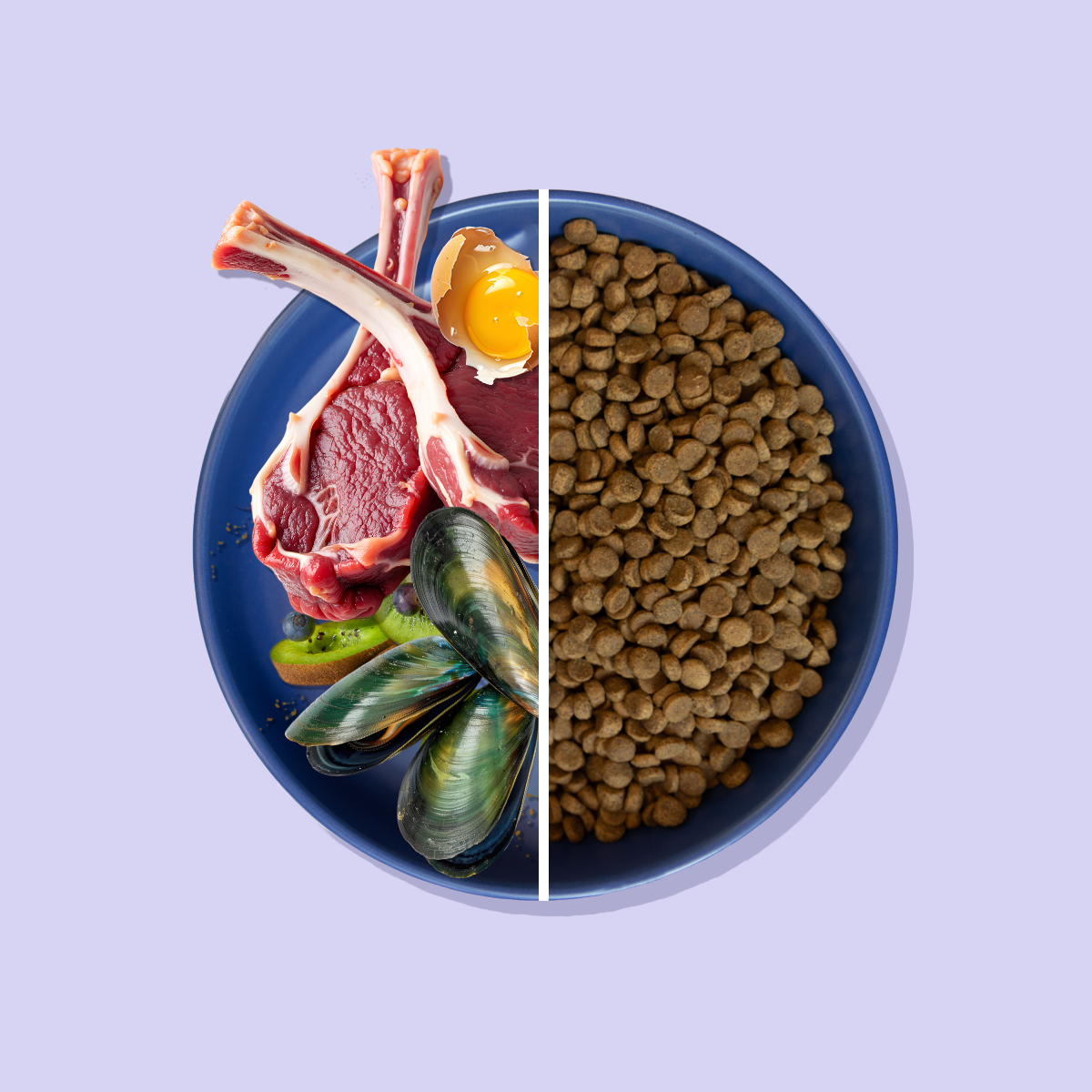
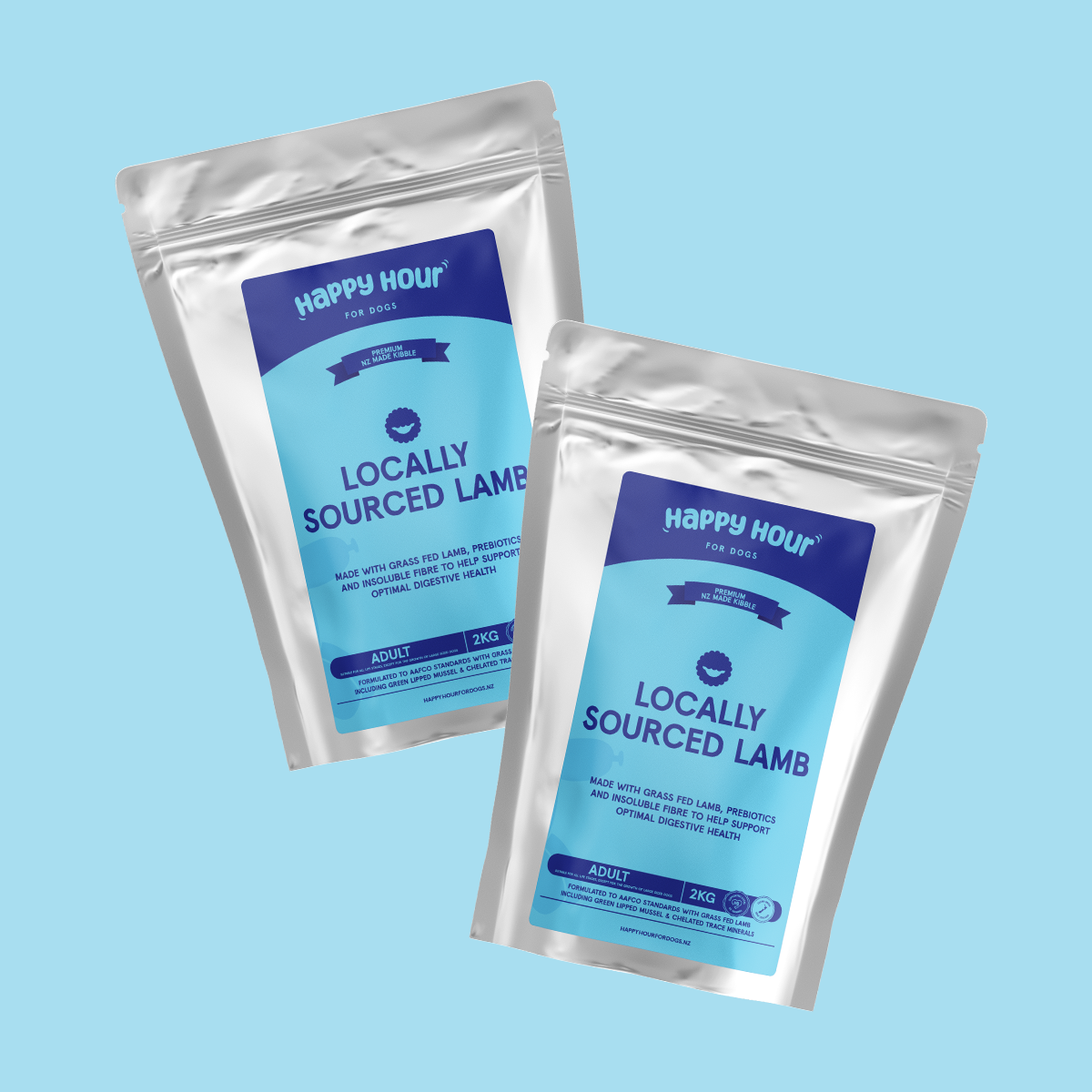
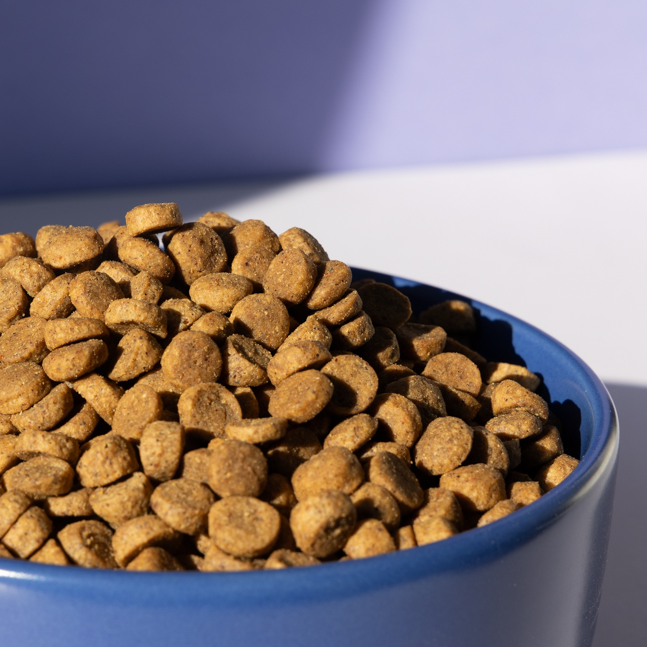
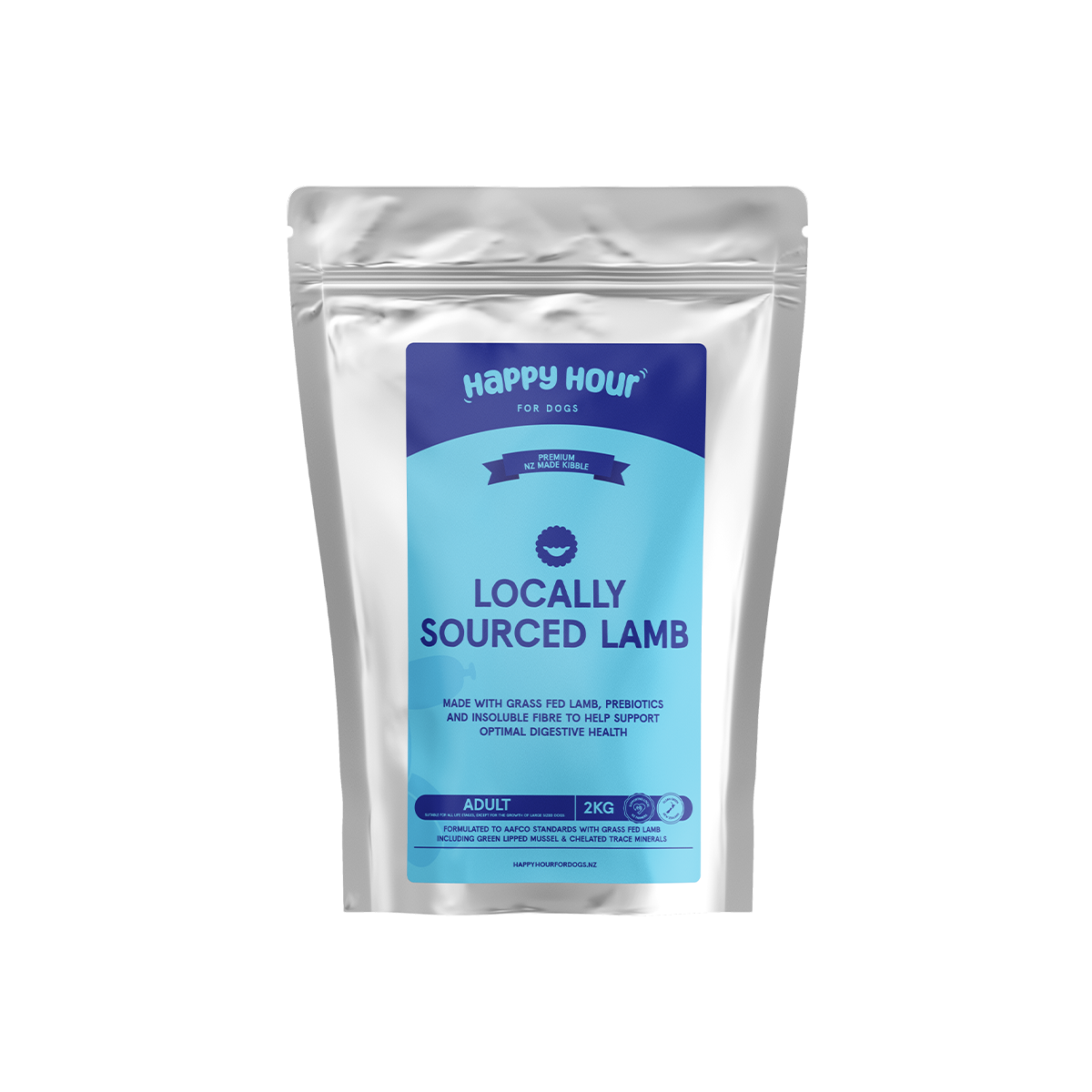
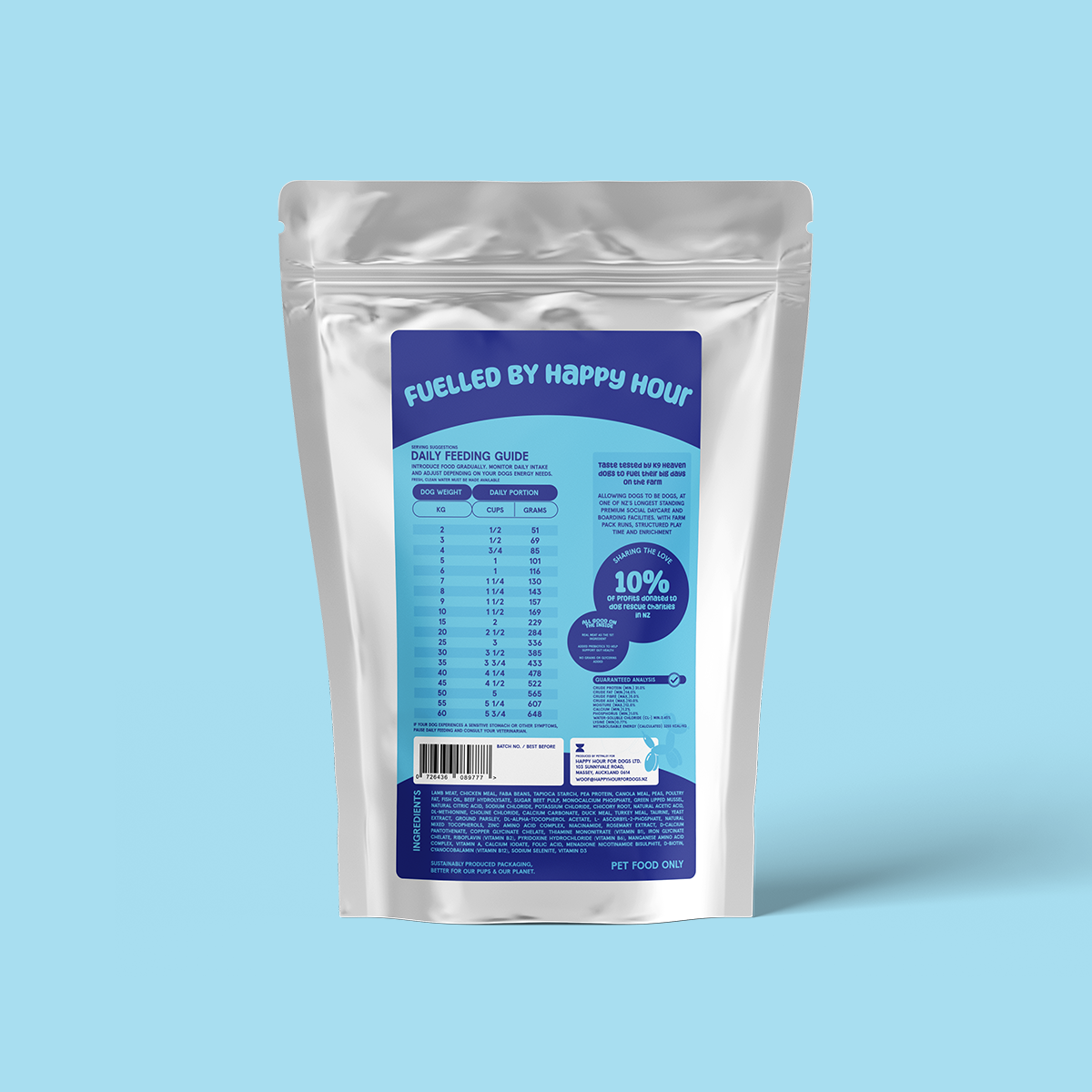
*Your dog is not broken. Scooting is a message, and now you know what it's saying.* If you're looking for a high-fibre, low-fat kibble that supports healthy anal gland function, Happy Hour's Grass-Fed Lamb is worth a look.