If your vet or groomer has mentioned "expressing the anal glands," your first reaction was probably somewhere between confused and mildly horrified. Fair enough.
It's not a complicated procedure, but it's not well explained either. Here's what it actually involves, how often dogs typically need it, and what you can do to reduce how often the issue comes up in the first place.
What Is Anal Gland Expression?
Anal gland expression is the manual emptying of a dog's two anal sacs — small glands just inside the bottom, on either side. These glands normally empty on their own when a dog poos. When they don't empty properly, the fluid inside builds up and becomes uncomfortable, sometimes leading to impaction or infection.
Expression involves gently applying pressure to the glands from the outside (or internally, in more stubborn cases) to release the fluid. It's quick, it's not particularly comfortable for the dog, but most dogs feel immediate relief once it's done.
The smell is something you will remember. Fair warning.
Who Does It in NZ?
In New Zealand, anal gland expression is done by:
Veterinarians: Your local vet clinic can do this, and it's worth starting here if your dog hasn't been checked before. Vets can also check for signs of infection or impaction that a groomer might miss. Most clinics will charge a standard consultation fee, sometimes with a small additional charge for the procedure itself.
Dog groomers: Many professional dog groomers in NZ offer external anal gland expression as part of a grooming session or as a standalone service. If your dog needs regular expression and you've already had the vet confirm there's no infection, a groomer is a convenient option. Ask when you book whether they offer it.
At home: More on this below.
If you're in Auckland, most suburb vet clinics will offer this. The team at K9 Heaven (dog boarding and daycare in Auckland) see a lot of dogs come through and will often flag it if they notice signs of anal gland discomfort during a stay.
How Often Do Dogs Actually Need Expression?
This varies widely between individual dogs.
Many dogs never need manual expression in their life. Their glands empty naturally every time they go to the toilet, everything works as designed, and no one ever has to think about it.
Other dogs need expression every few weeks. This tends to be small breeds, overweight dogs, or dogs on diets that produce soft stools.
If your dog is going to the vet or groomer monthly for this, that's not a normal maintenance task — that's a sign something else is going on. The goal should be to figure out the underlying cause and fix it, not just manage the symptom indefinitely.
Regular expression without addressing the root cause can sometimes make things worse over time, as the glands may become reliant on manual emptying rather than doing the job themselves.
Can You Do It at Home?
Honest answer: maybe, but most people probably shouldn't start there.
External anal gland expression can be done at home, and some owners learn how to do it from their vet or groomer. It's not technically difficult, but it requires knowing what you're doing — applying the right pressure in the right place, recognising whether the glands are actually full, and knowing when something looks wrong.
If you want to learn, ask your vet to show you. Watch them do it and have them coach you through it before trying solo.
Don't try it if: - Your dog is showing signs of pain in that area - There's any swelling, redness, or discharge - You're not confident you've been properly shown how
Internal expression (reaching inside the rectum to apply pressure directly to the gland) is vet-only territory. This is needed for impacted glands and should not be attempted at home.
Recognising When Something Is Wrong
Standard anal gland discomfort looks like: scooting, licking at the bottom, a fishy smell, or general restlessness.
Signs that need veterinary attention as soon as possible:
- Visible swelling on one side near the tail - Any discharge or bleeding from the anal area - Your dog yelping or reacting to touch near their bottom - A noticeably different smell — infected glands have a sharper, more intense smell than normal anal gland fluid
An abscess can develop quickly from an impacted gland. It will rupture if left untreated, which is painful and requires antibiotics and often irrigation. Caught early, it's straightforward to treat. Don't leave it.
Preventing the Need for Regular Expression
For dogs with recurring anal gland problems, the most effective long-term solution is almost always diet.
Anal glands empty naturally when firm stools pass by and create pressure. Soft, inconsistent stools don't do the job. So the goal is consistent, firm stools — and that comes from high-fibre food that actually supports healthy digestion.
What helps:
A high-fibre diet. Fibre adds bulk to stools and helps them form consistently. This is the single biggest dietary lever for anal gland health.
Grain-free or low-filler food. Grain-heavy, filler-heavy diets tend to produce soft, unpredictable stools. Cleaner food means cleaner digestion.
Healthy body weight. Excess weight around the hindquarters can physically impede gland drainage. Keeping your dog lean makes a difference.
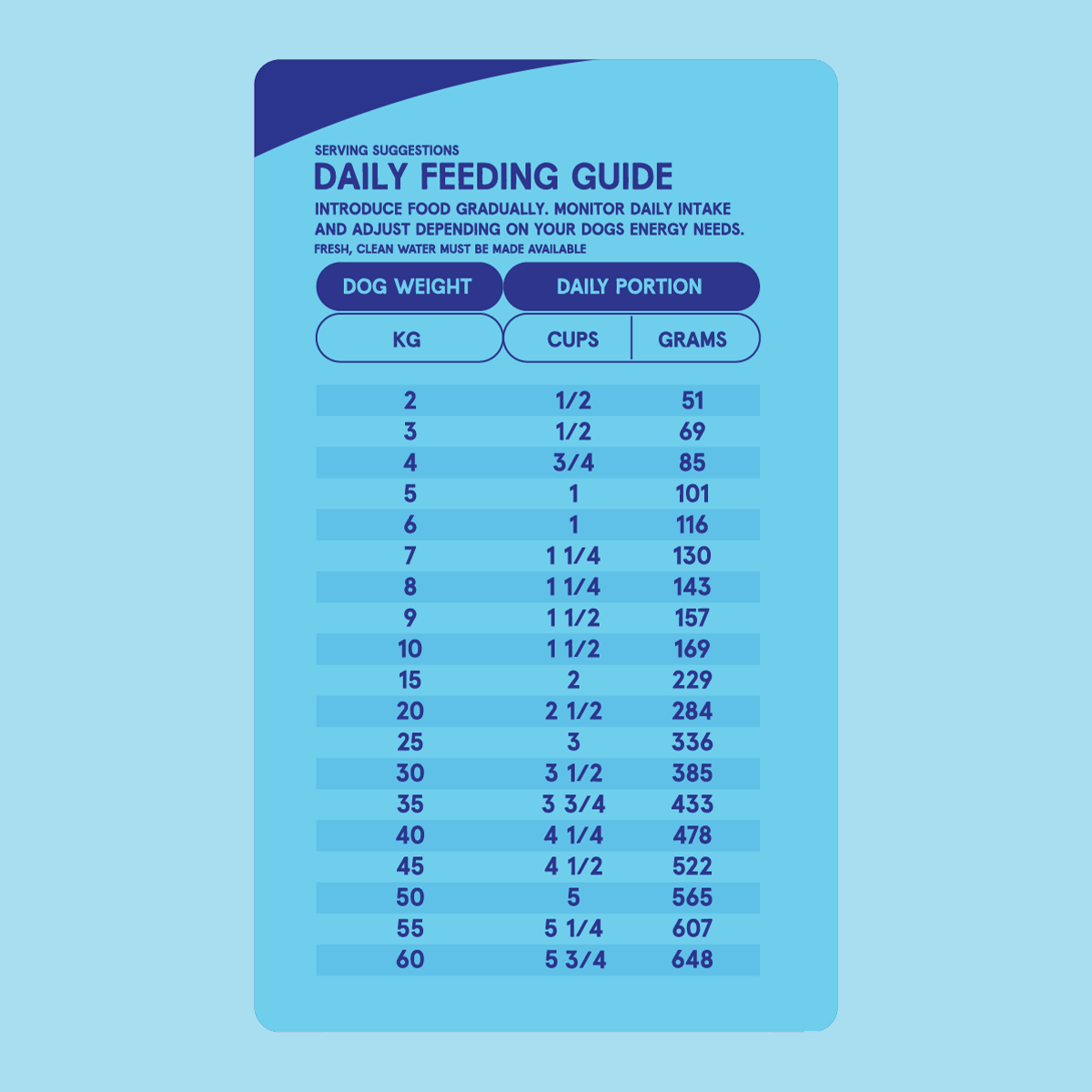
Consistent feeding routine. Irregular feeding contributes to irregular digestion. Same time each day, same portion sizes.
Many NZ dog owners have found that switching to a higher-quality, higher-fibre food significantly reduces how often their dog needs expression. It's not an overnight fix — allow six to eight weeks for the digestive system to settle — but it's a more sustainable solution than a monthly vet appointment.
For what to look for in a food: [dog food for Anal Gland Problems](/blogs/news/dog-food-for-anal-gland-problems)
Full guide to anal gland problems: [Anal Gland Problems in Dogs](/blogs/news/anal-gland-problems-in-dogs)
---
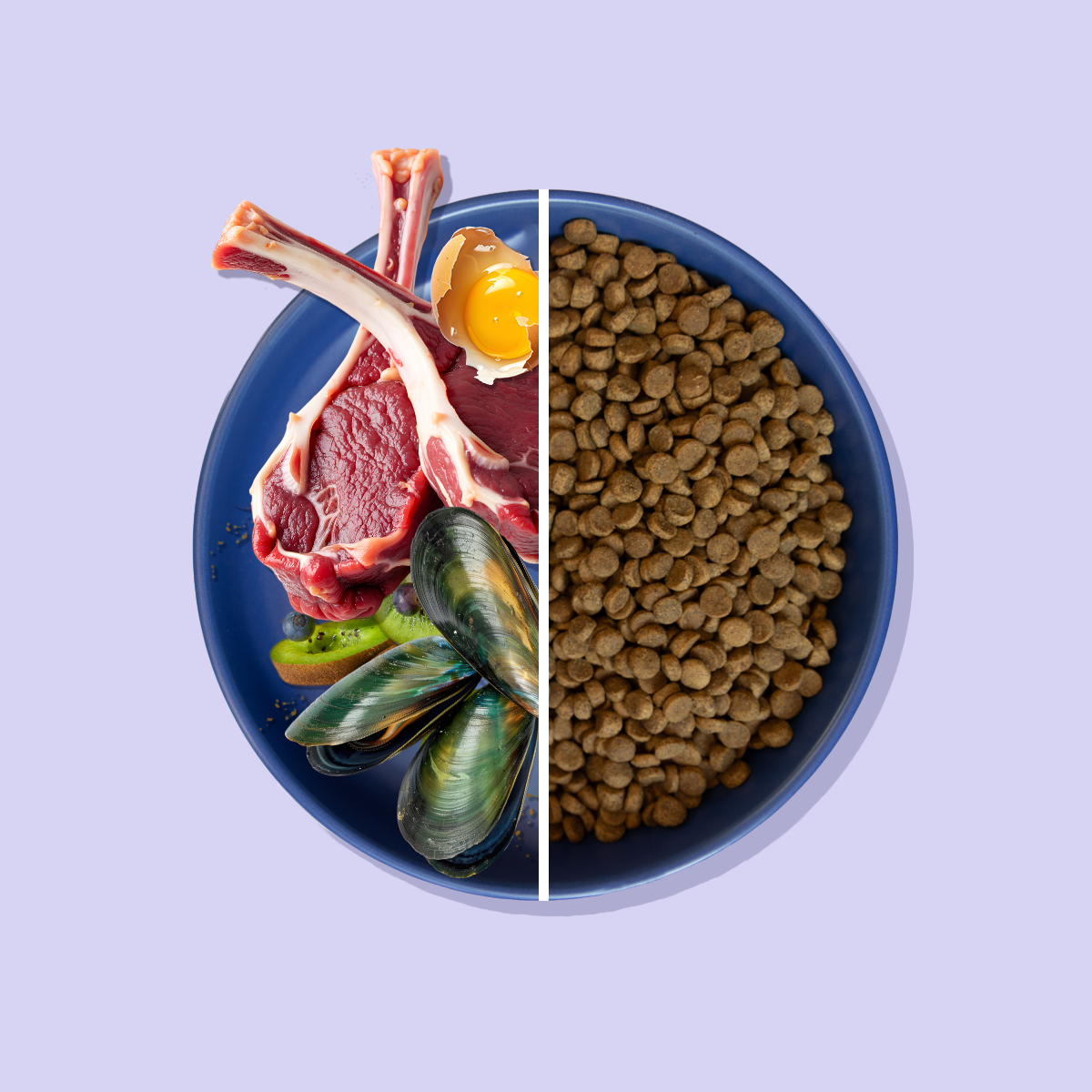
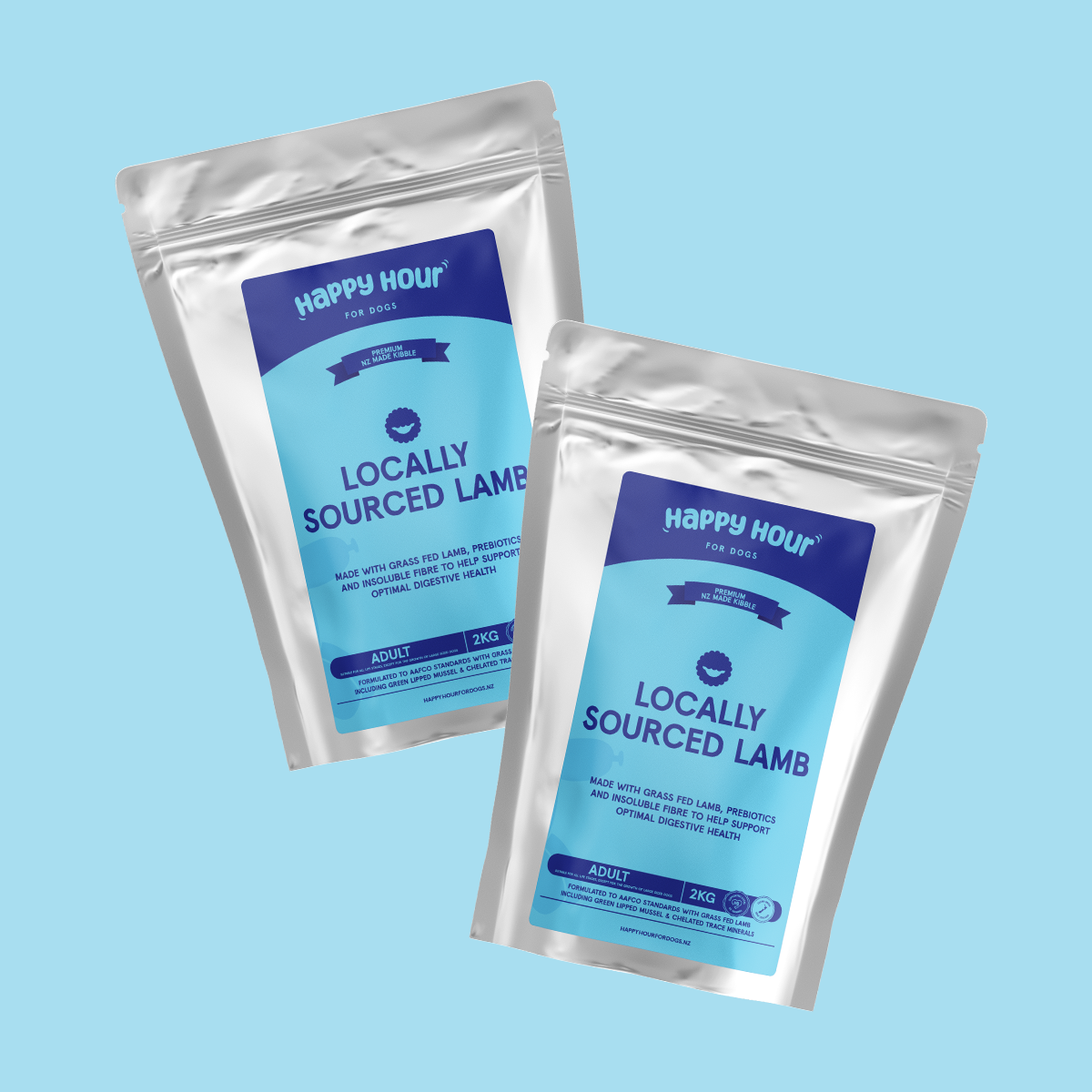
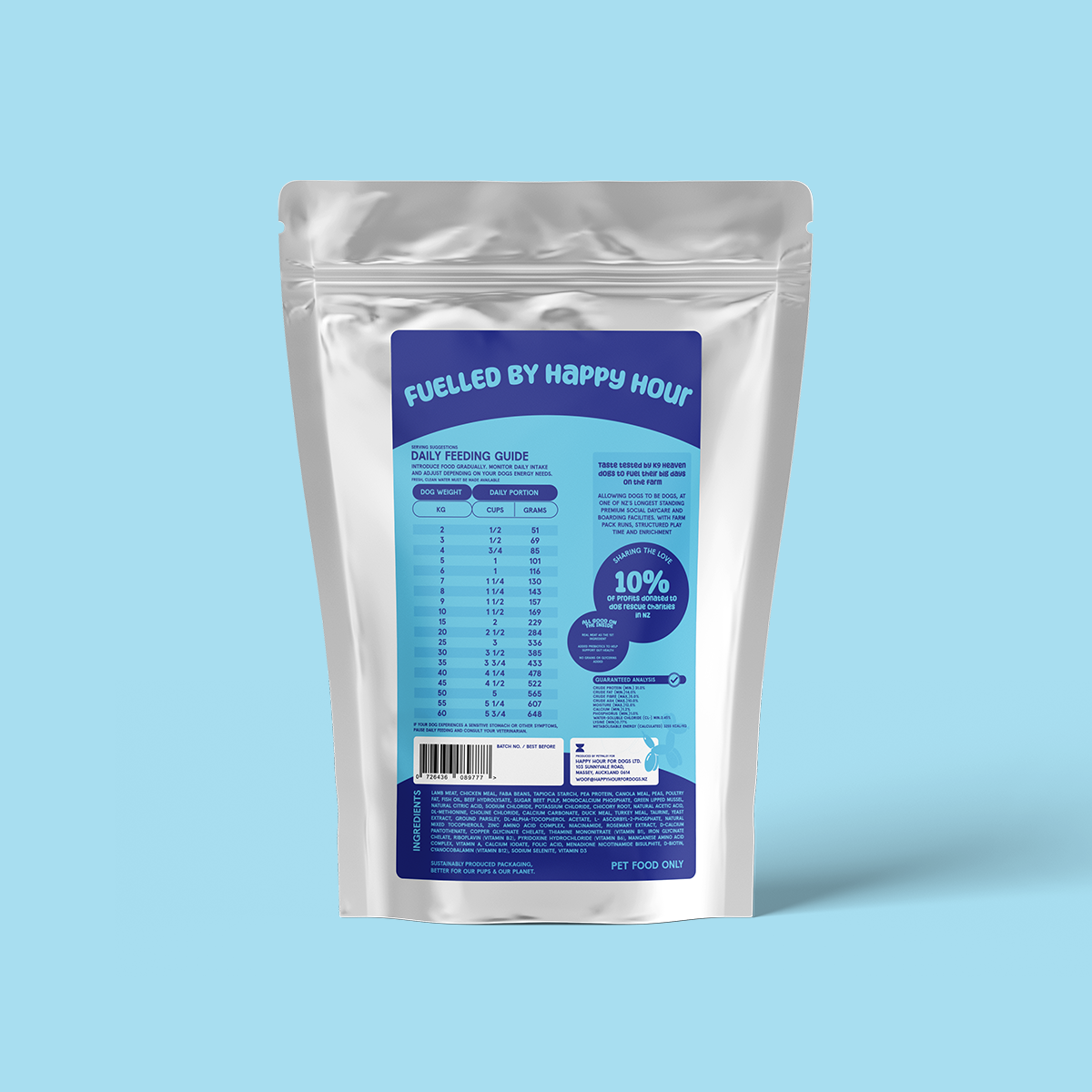
*Happy Hour For Dogs is made in NZ with grass-fed lamb and a high-fibre formula designed to support digestive health. Fewer vet trips, better stools, happier dog.*