If you've ever watched your dog scoot across the carpet with a look of deep concentration, you've probably had the same thought most dog owners have: "What on earth is happening back there?"
The answer, almost always, is anal glands. And once you understand what they are and why they cause problems, the whole thing becomes a lot less mysterious — and a lot easier to manage.
What Are Anal Glands, Exactly?
Every dog has two small glands — anal sacs, technically — sitting just inside their bottom, one on each side. They're roughly at the 4 o'clock and 8 o'clock positions if you were looking directly at the area (which, fair enough, you probably haven't been).
These glands produce a strong-smelling fluid. When your dog poos, the pressure of a firm stool passing by naturally squeezes the glands and releases a little of that fluid. This is how dogs scent-mark their territory and communicate with other dogs. It's also why dogs sniff each other's backsides — they're reading each other's calling card.
When the system works, you never notice it. The glands empty naturally, your dog is comfortable, and nobody thinks about it.
When the system doesn't work, you definitely notice it.
Why Do Some Dogs Get Recurring Problems?
Anal gland problems are common. Some dogs go their whole lives without a single issue. Others need to see the groomer or vet every few weeks. The difference usually comes down to a few key things.
Stool consistency. The most important factor. If your dog's poos are too soft — think wet, mushy, or inconsistent — there isn't enough pressure to empty the glands properly. Over time, the fluid builds up, thickens, and becomes uncomfortable. Firm, well-formed stools do the job naturally. This is why diet matters so much.
Breed and body shape. Smaller dogs tend to have more problems. Chihuahuas, Miniature Schnauzers, Cocker Spaniels, Beagles, and Basset Hounds are over-reprYeah sented at the vet for anal gland issues. It's partly anatomy — smaller glands, narrower ducts, harder to drain. Larger dogs with firmer stools and bigger anatomy often sail through life without a single issue.
Weight. Overweight dogs are more prone to anal gland problems. Excess fat around the hindquarters can put pressure on the glands and make natural expression harder. Keeping your dog at a healthy weight genuinely helps.
Diet. More on this in a moment, but low-fibre, highly processed food is one of the biggest contributors to chronic anal gland problems. When food doesn't produce the right kind of stool, the glands don't empty properly, and the cycle starts.
Allergies and inflammation. Some dogs have underlying allergies — food or environmental — that cause chronic inflammation in the anal area, making the glands more prone to blockage and infection. If your dog's anal gland problems come with a lot of skin issues, excessive licking, or ear infections, it's worth exploring allergies with your vet.
Signs Your Dog Has Anal Gland Issues
Most owners figure it out pretty quickly once they know what to look for.
scooting. The classic sign. Your dog drags their bottom along the floor. It's not a great look at a dinner party, but it's your dog's way of trying to relieve discomfort or manually express the glands.
Licking or biting at their bottom. If your dog suddenly starts obsessively grooming their backside, this is a strong signal something's uncomfortable back there.
The smell. Anal gland fluid has a distinctive, fishy, quite awful smell. If you get a sudden strong whiff near your dog — or you notice a smell on their bedding — full or leaking glands are likely the cause.
Behaviour changes. Dogs in discomfort sometimes become more irritable, restless, or reluctant to sit down properly. Some will chase their tail or seem generally uncomfortable.
Swelling or discharge near the tail. If you can see swelling on one side of the anus, or there's any sign of blood or discharge, this has progressed beyond irritation. See a vet promptly — an abscess can form quickly and is painful.
More detail on scooting specifically: [Why Does My Dog Keep Scooting?](/blogs/news/why-does-my-dog-keep-scooting)
The Diet Connection (This Is the Big One)
Anal gland health is almost entirely downstream of digestive health. Fix the gut, fix the glands — not in every case, but in the majority.
The key factor is dietary fibre. Fibre adds bulk and firmness to stools. Firm stools create the pressure needed to empty the anal glands naturally, every time your dog goes to the toilet. Low-fibre food produces soft, low-pressure stools that pass by without doing the job.
Most mass-market kibble is relatively low in fibre and high in fillers — starches, grains, and other bulk ingredients that don't contribute much to stool quality. They're cheap to manufacture and easy to sell, but they're not great for dogs that are prone to anal gland problems.
A few things to look for if you're trying to improve your dog's gut health through diet:
Adequate fibre from quality sources. Prebiotics, vegetables, and natural fibre sources are what you want. Not just filler bulk.
Grain-free or low-grain. Many dogs digest grain-free food more cleanly, producing better-formed stools. It's not universal, but it makes a genuine difference for a lot of dogs.
Low fat. High-fat diets can affect gut motility and contribute to softer stools. A lower-fat formula tends to produce more consistent output.
No unnecessary fillers. Ingredients that dogs can't digest well tend to produce loose, uneven stools. Less filler means more predictable digestion.
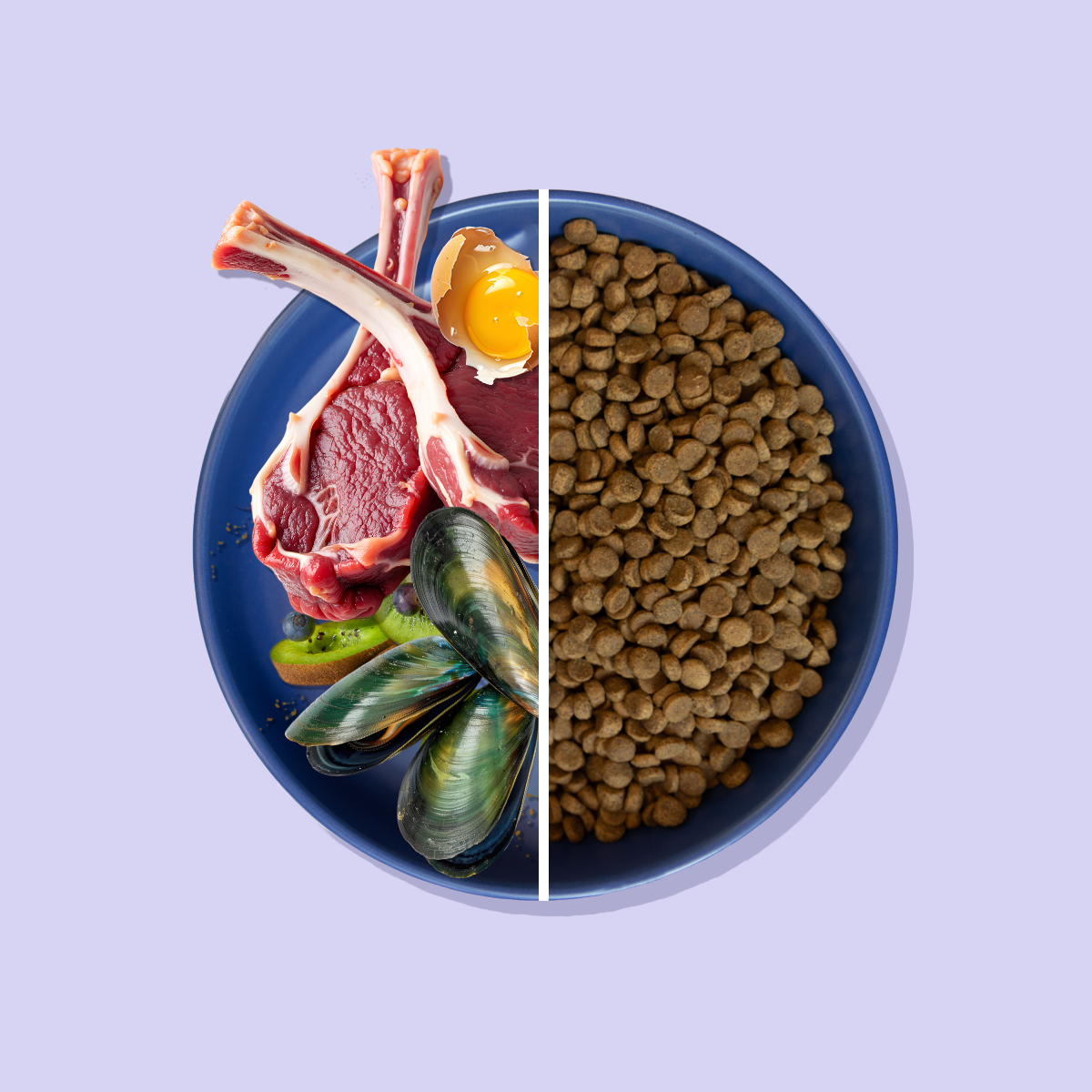
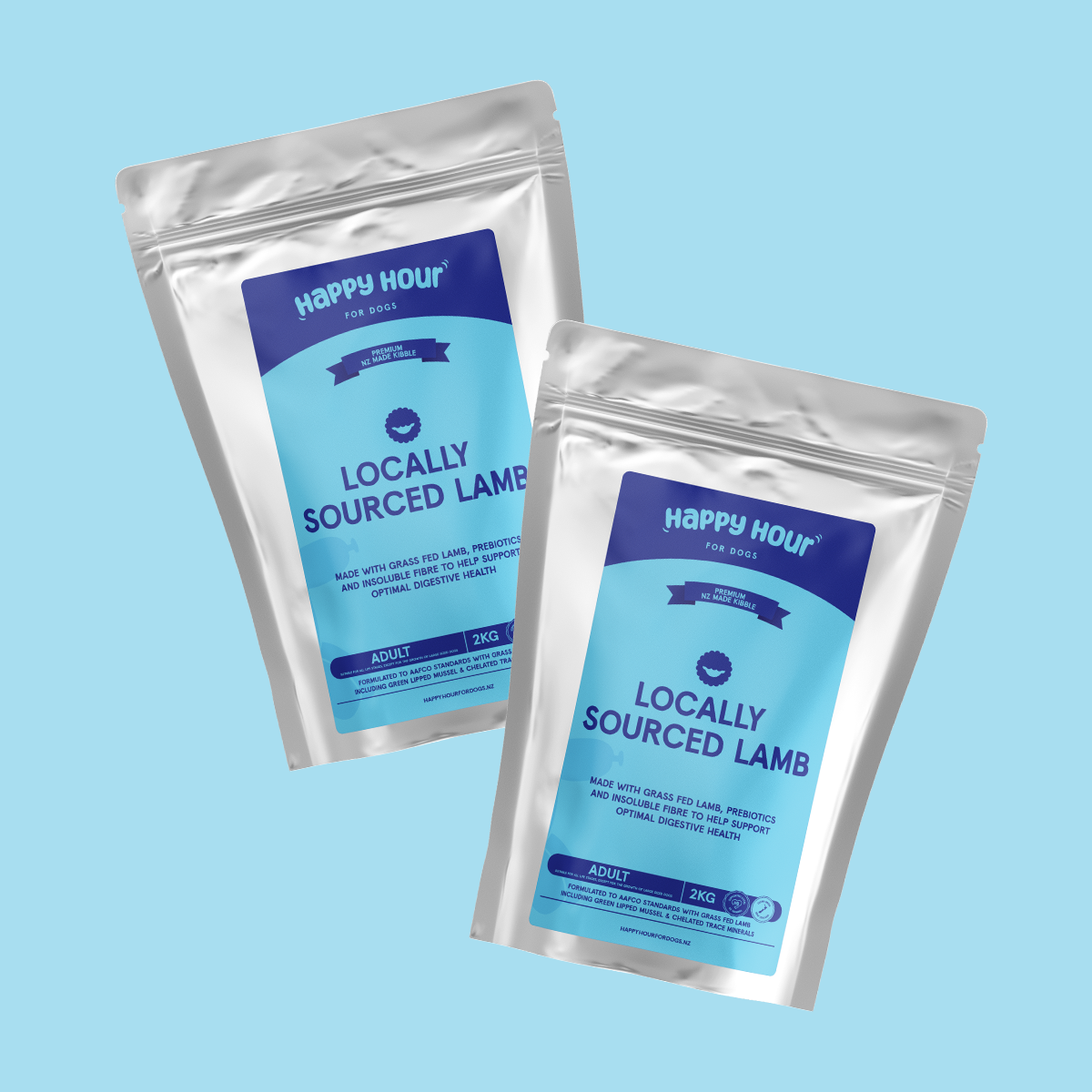
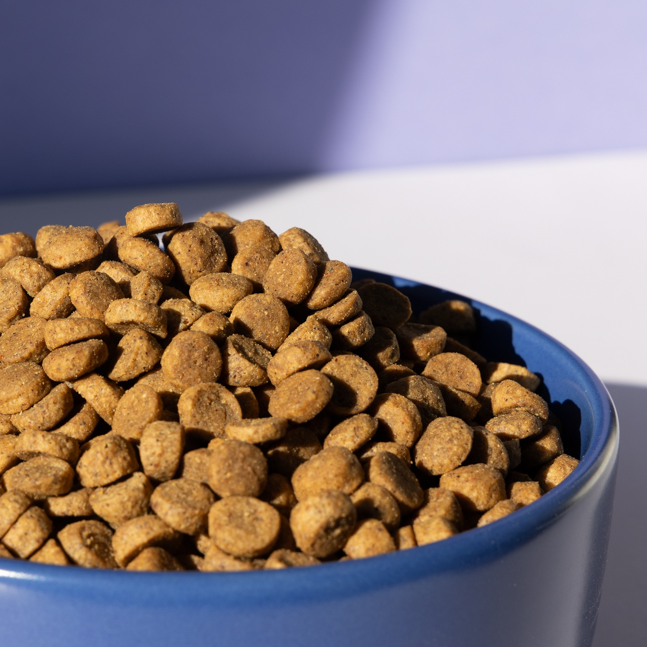
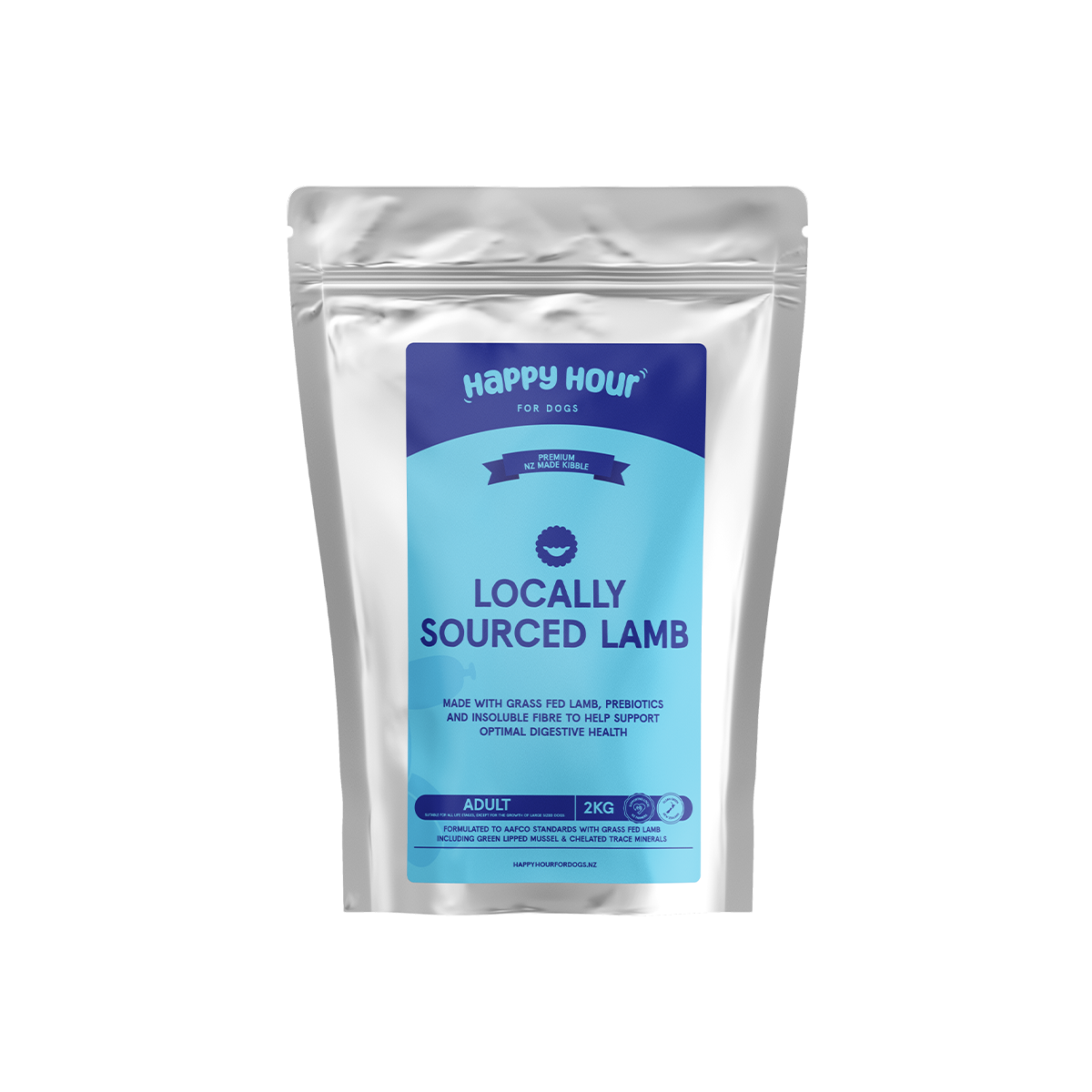
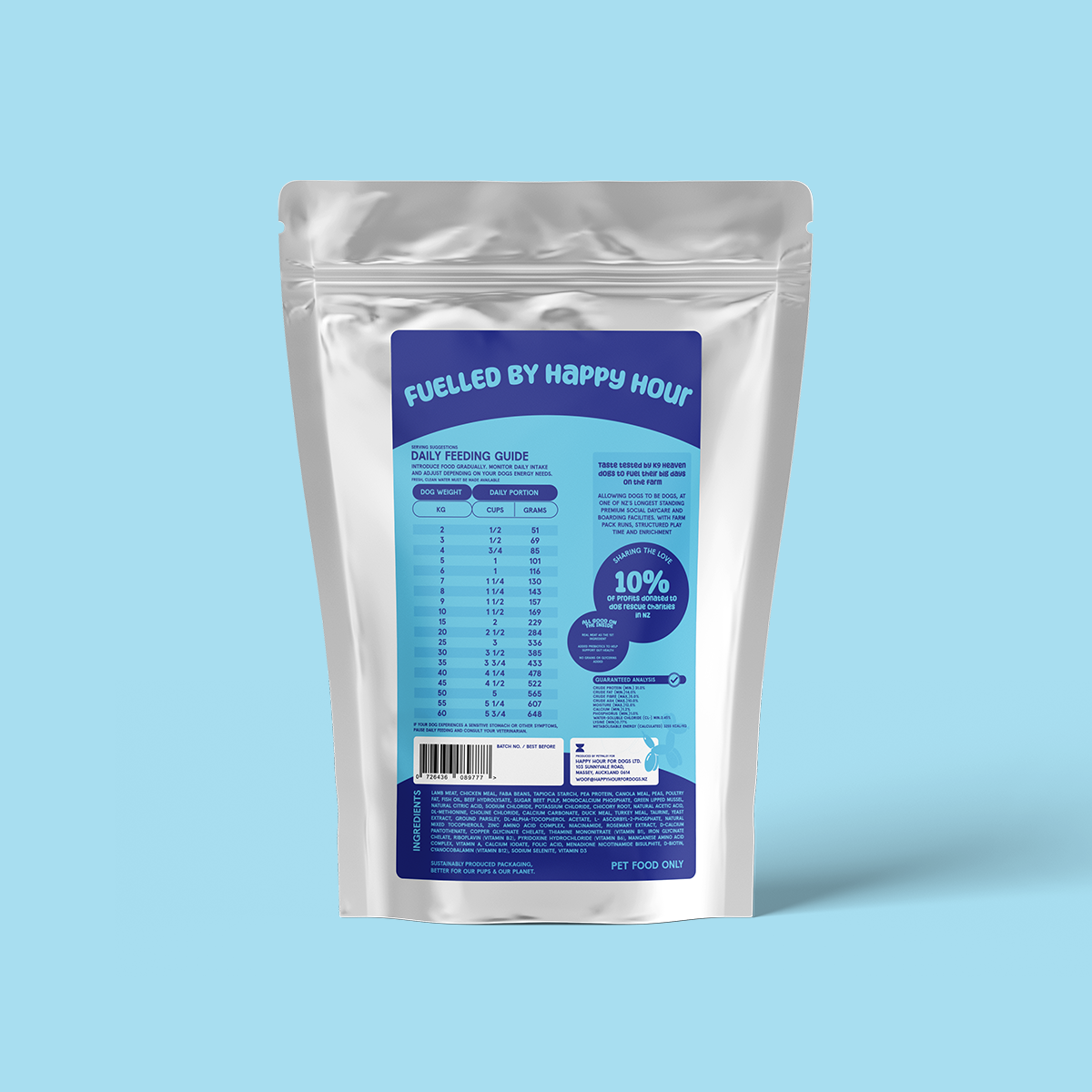
This is one of the reasons Tanya and Ollie created Happy Hour. Their rescue, Elsa, had chronic anal gland problems that cleared up significantly after switching to a high-fibre, grain-free kibble. The formula — NZ grass-fed lamb as the protein base, with prebiotics and no grain fillers — was built specifically to support good digestion. Better digestion means better stools. Better stools means glands that express naturally, the way they're supposed to.
It doesn't work overnight. Give any dietary change at least six to eight weeks to show results. But for many dogs, getting the diet right is the single most effective thing you can do.
Full breakdown on what to look for in dog food: [Dog Food for Anal Gland Problems](/blogs/news/dog-food-for-anal-gland-problems)
Managing It at Home vs. Seeing the Vet
For most dogs with mild, occasional issues, a combination of dietary improvement and monitoring is reasonable. But there are times you need professional help.
See your vet if: - Your dog's scooting or licking is constant and not improving - There's any swelling, redness, or discharge near the anal area - You can smell an infection (different from the usual anal gland smell — sharper, more rotten) - Your dog seems to be in pain - Home management and diet changes haven't helped after a couple of months
What the vet will do: External anal gland expression is the most common treatment. It's quick, uncomfortable for the dog but not painful, and most dogs feel immediate relief. If there's an infection or abscess, you'll need antibiotics and possibly a course of treatment.
Some dogs need regular expression every four to six weeks. If that's your dog, it's worth asking your vet or groomer to show you how to do it at home, or looking into dietary changes that might reduce how often it's needed.
More on expression, what it involves, and finding help in NZ: [Anal Gland Expression for Dogs in NZ](/blogs/news/anal-gland-expression-dogs-nz)
Can You Prevent It?
Not always. Some dogs are just predisposed to problems regardless of what you do. But for the majority of dogs, especially those with diet-related issues, prevention is absolutely possible.
The fundamentals:
Get the diet right. High fibre, quality protein, no unnecessary fillers, appropriate fat levels. [High Fibre Dog Food in NZ](/blogs/news/high-fibre-dog-food-nz) has more on what that looks like in practice.
Keep your dog at a healthy weight. Regular exercise, appropriate portion sizes, no excess treat calories.
Monitor their stools. Boring but useful. A consistently firm stool is a good sign. Ongoing softness or irregularity is a signal to look at the diet.
Don't ignore early signs. The earlier you address anal gland issues, the easier they are to manage. A bit of scooting caught early beats a ruptured abscess caught late.
Anal gland problems are common, a little gross, and very manageable. Most dogs with recurring issues see significant improvement when the diet is sorted. It's not glamorous, but it works.
---
*Happy Hour For Dogs is a NZ-made grain-free kibble built around grass-fed lamb, prebiotics, and a high-fibre formula designed to support digestive health from the inside out. Made by dog owners, for dog owners.*