Miniature Schnauzer Weight Management: NZ Guide
Miniature Schnauzers are one of the breeds most likely to end up overweight in NZ — and for this breed, extra kilos aren't just uncomfortable. They carry a real risk of pancreatitis and hyperlipidaemia (high blood triglycerides), which means a low-fat diet matters just as much for their health as it does for their waistline.
If your Schnauzer has been creeping up on the scales, you're in good company. Here's what you need to know to manage their weight safely.
Key Takeaways
- Miniature Schnauzers are prone to hyperlipidaemia and pancreatitis, making a low-fat diet a health priority, not just a weight strategy
- Their wiry coat can hide extra weight — always check by feel, not just appearance
- Measure every meal and cut treats to under 10% of daily calories
- Exercise is helpful but won't fix an overfeeding problem on its own
- Choose a low-fat, high-fibre kibble and avoid fatty table scraps entirely
- Real-world proof: Neo the Schnauzer switched to Happy Hour post-pancreatitis and lost weight, coat improved, vomiting stopped — vet noticed at age 7
Why Miniature Schnauzers Are Prone to Weight Gain
Miniature Schnauzers have a naturally efficient metabolism. They were bred as working ratters, but most live sedentary suburban lives now, which means the calories they're designed to burn off tend to stick around instead.
But the bigger issue with Schnauzers is their metabolic quirks. The breed has a known genetic predisposition to hyperlipidaemia, a condition where blood triglyceride and cholesterol levels run high. High-fat foods, excess weight, and even treats can push these levels into dangerous territory, increasing the risk of pancreatitis in dogs. Miniature Schnauzers are among the dog breeds most prone to pancreatitis, so keeping their diet lean isn't optional — it's one of the most important things you can do for their long-term health.
They're also famously food-motivated. A Schnauzer will convince you they're starving when they've already had their dinner. Don't fall for it.
How to Tell If Your Miniature Schnauzer Is Overweight
The wiry double coat makes visual checks unreliable. A Schnauzer can be noticeably overweight and still look compact and tidy. Always assess by touch.
Run your hands along their sides. You should be able to feel each rib with light pressure, without having to dig in. If you can't find the ribs, or if there's a visible "cushion" over the spine, your Schnauzer is carrying too much weight.
From above, they should have a discernible waist behind the ribcage. From the side, there should be a gentle tuck where the belly meets the hindquarters.
A healthy adult Miniature Schnauzer weighs between 5 and 9 kg. But individual build matters more than a number on the scale. Your vet can give you a Body Condition Score, which is a more reliable measure.
Practical signs of excess weight include: getting tired on walks faster than usual, reluctance to jump up onto furniture they used to manage easily, or heavier-than-normal breathing at rest.
Feeding a Miniature Schnauzer for a Healthy Weight
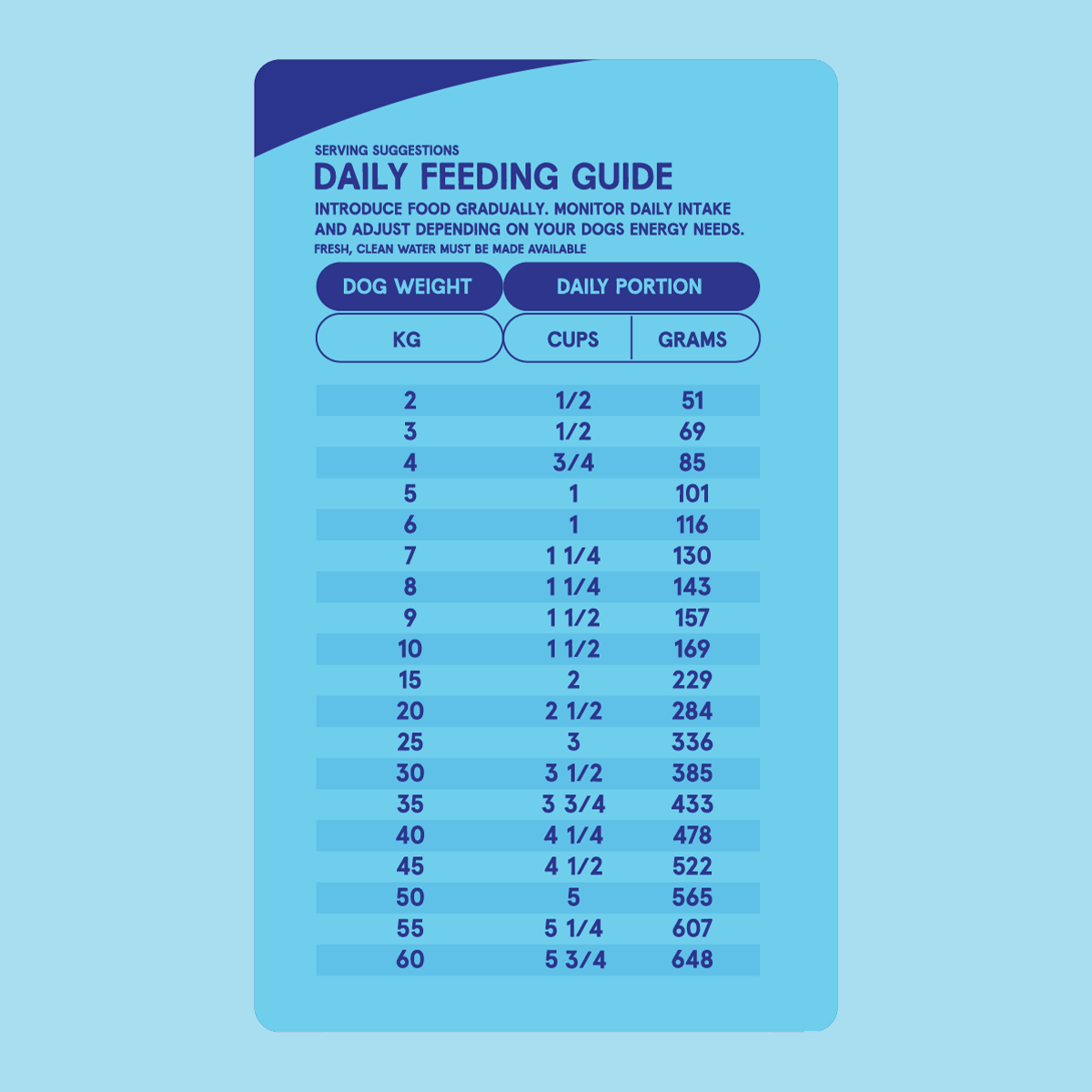
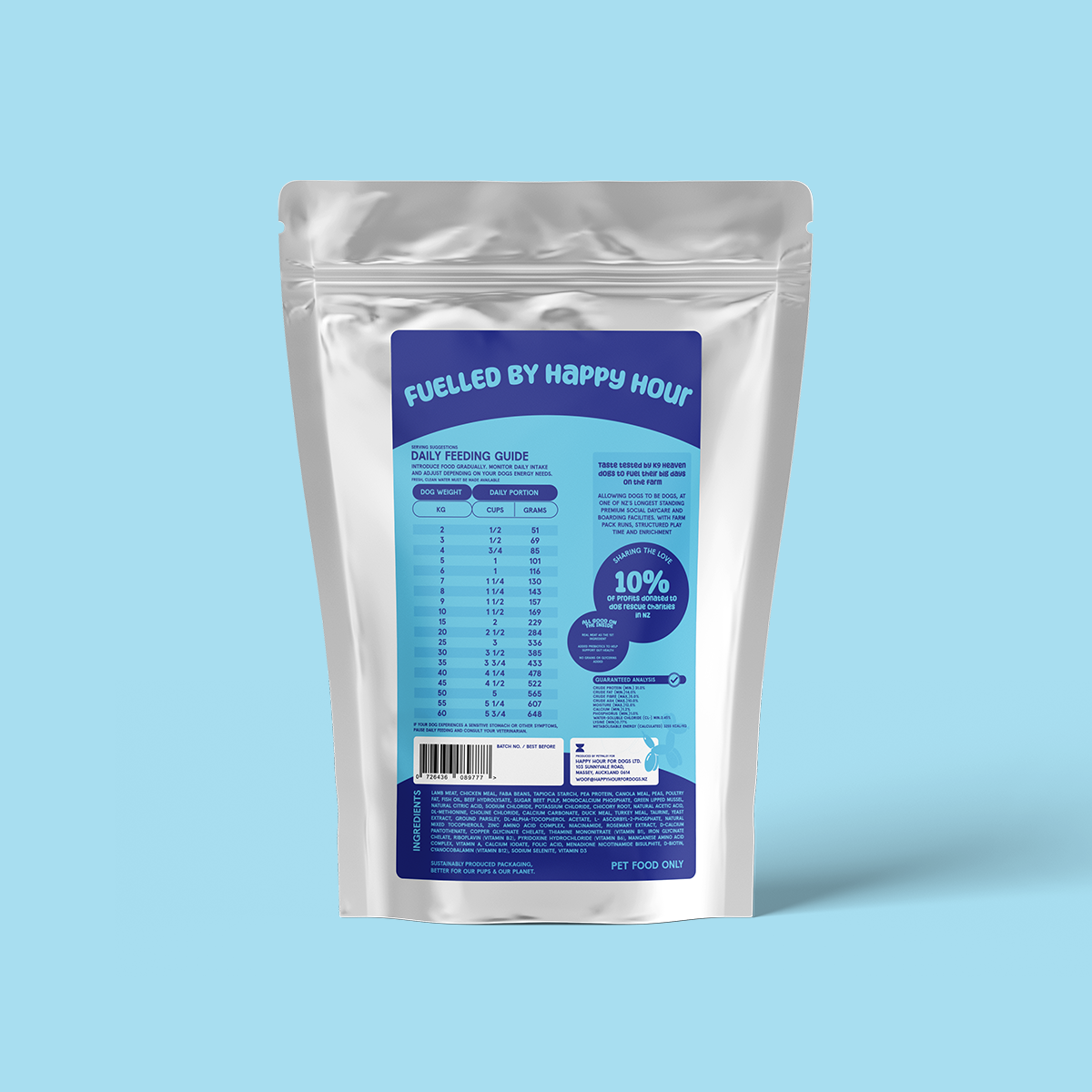
The most important thing you can do is measure. Eyeballing portions leads to overfeeding, almost every time. Use a kitchen scale or a proper measuring cup, follow the feeding guide on your dog food bag, and stick to it.
For Schnauzers specifically, the fat content of their food matters enormously. You want a dog food with low fat (under 12% dry matter), adequate protein to preserve muscle mass, and good fibre to keep them feeling full. This is about protecting their pancreas just as much as managing their weight.
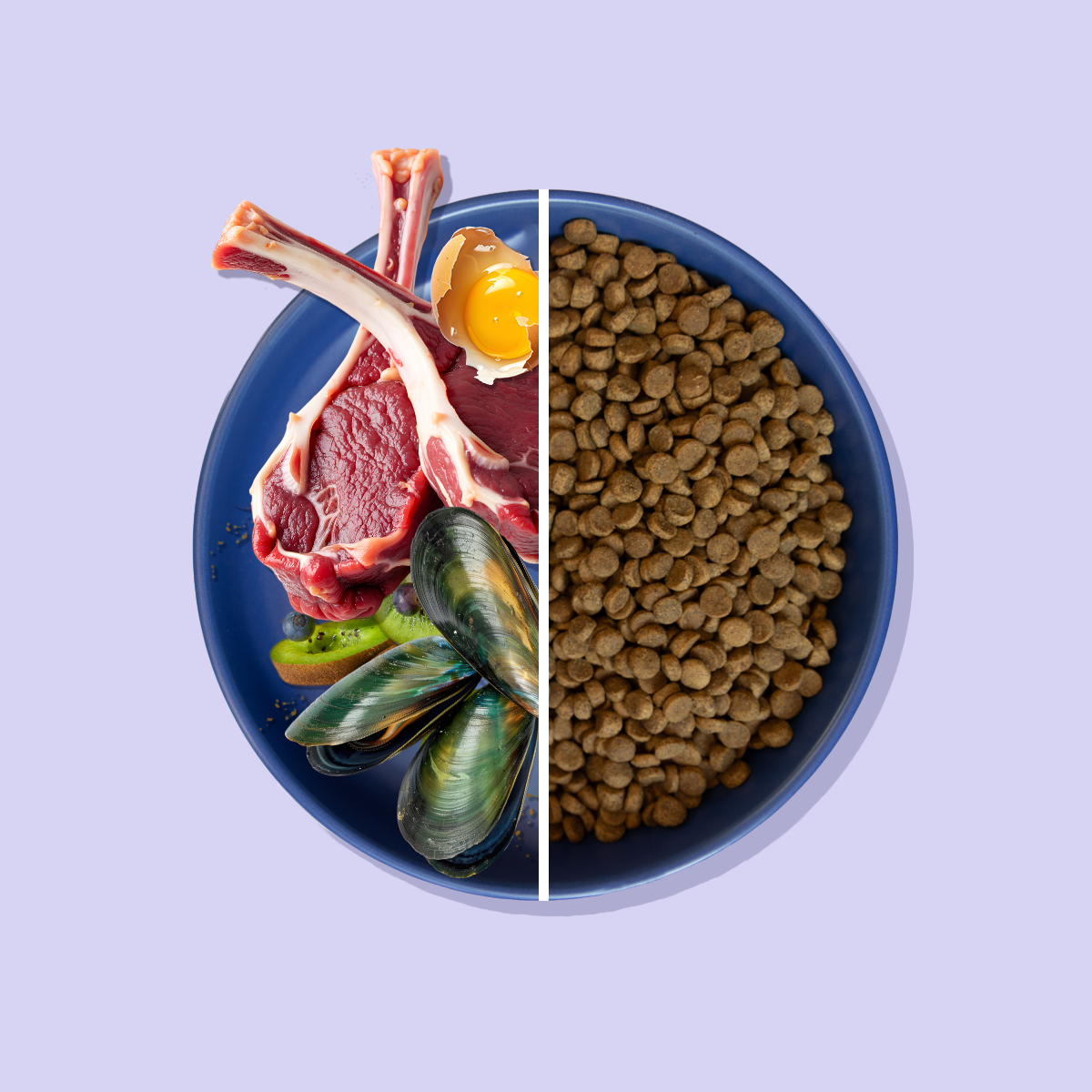
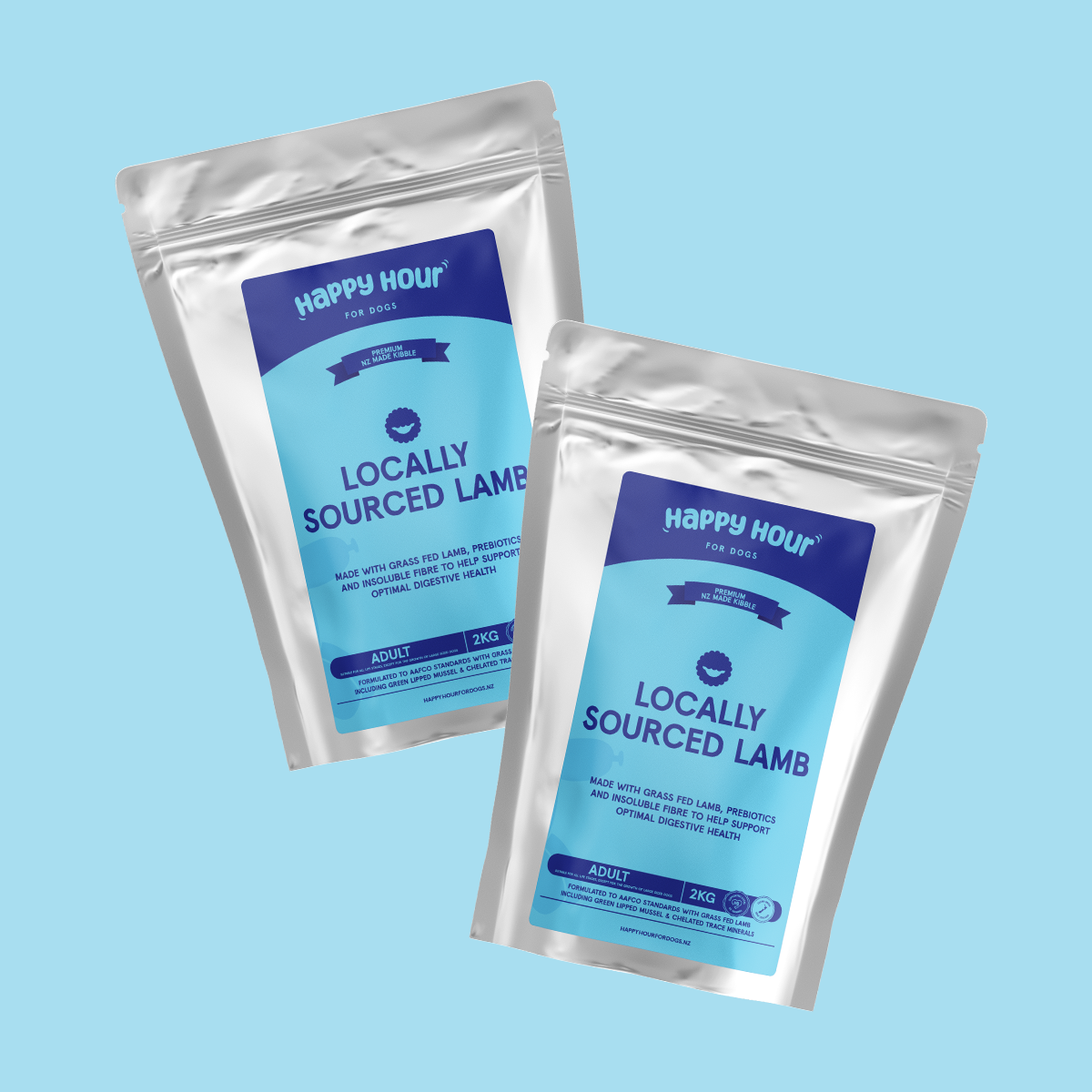
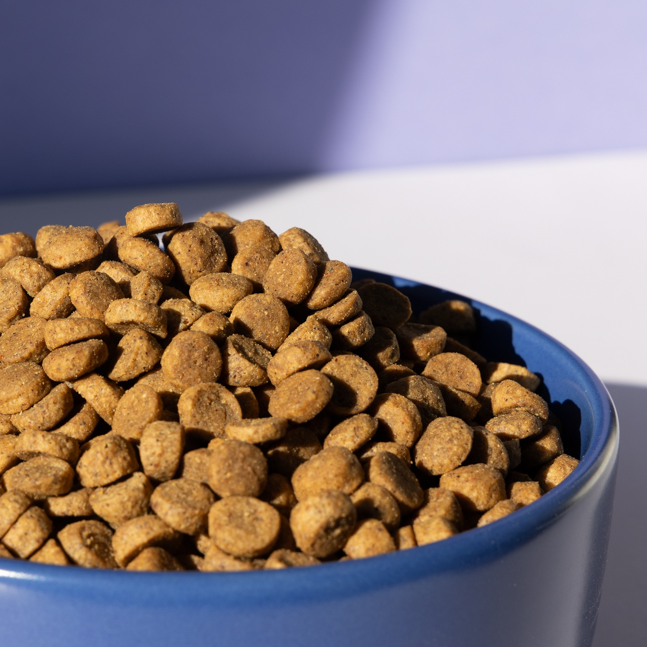
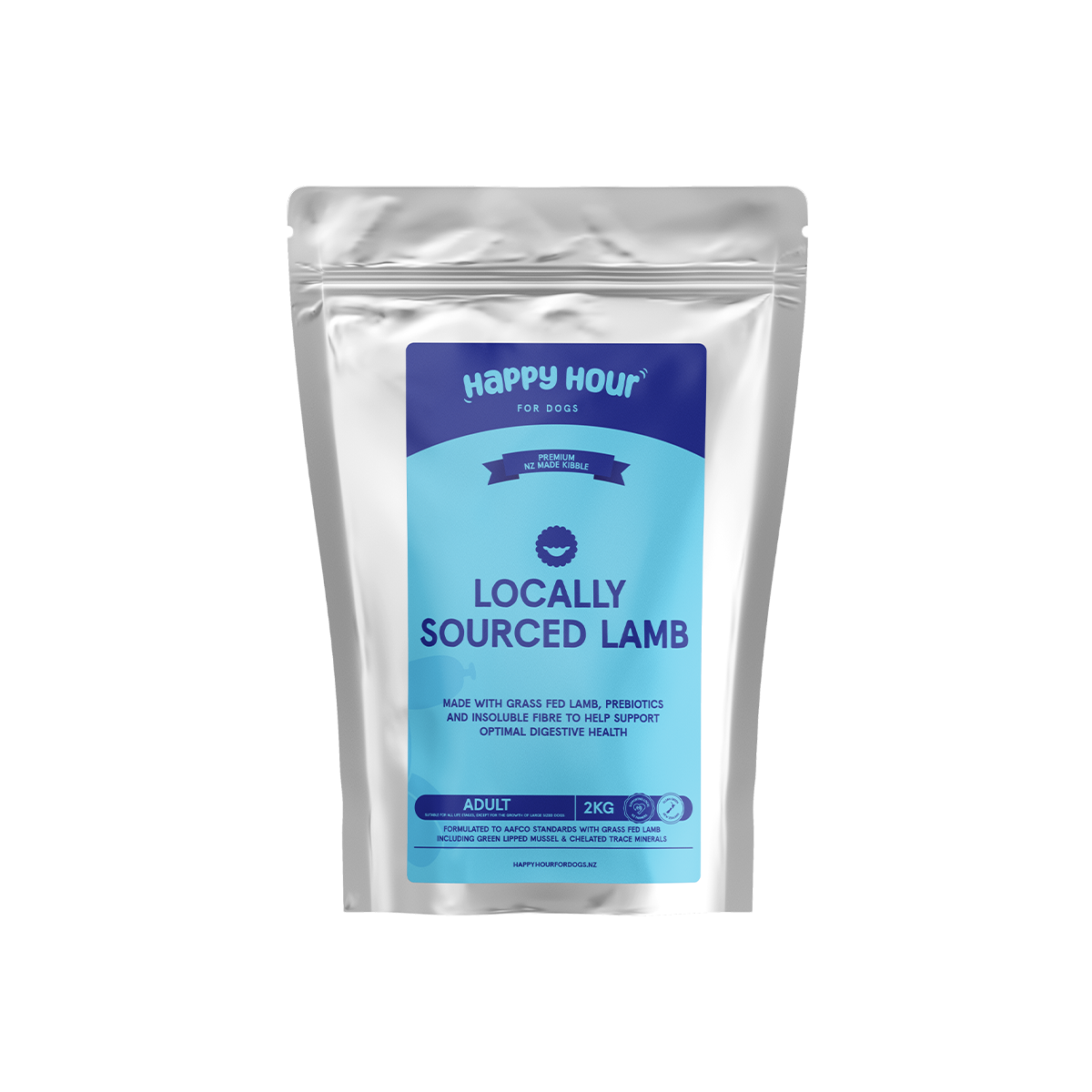
Happy Hour is made from NZ grass-fed lamb, is grain-free, and contains added insoluble fibre and prebiotics to support digestion and satiety. It's a low-fat option that suits the Schnauzer's specific dietary needs without leaving them hungry between meals.
It's also the food that Ollie Such, co-founder of Happy Hour and K9 Heaven, switched his own Miniature Schnauzer Neo to after a bout of pancreatitis. Neo had been on Hill's Science Diet, but after the switch to Happy Hour, he lost weight, his coat improved noticeably, the vomiting stopped, and his vet commented at his next check-up on how great he was looking at age 7. Ollie built Happy Hour partly because of what he saw in his own dog.
Treats are where Schnauzer owners often undo their best efforts. Table scraps, fatty treats, or anything rich should be off the menu. Stick to plain cooked vegetables (carrot, green beans) or use a few pieces of their regular kibble as training rewards. Treats should make up no more than 10% of daily calorie intake.
Feed twice daily rather than once. It keeps blood sugar more stable and makes portion control easier to manage.
Exercise Tips for Miniature Schnauzers
Miniature Schnauzers are energetic little dogs. Two 20 to 30 minute walks a day is a reasonable baseline for a healthy adult. They also enjoy sniff-focused walks, which are mentally tiring in the best way.
If your Schnauzer is significantly overweight or has been recently diagnosed with pancreatitis, check with your vet before increasing exercise intensity. Low-impact activity like gentle leash walks is the right starting point.
Mental stimulation matters too. Puzzle feeders, sniff mats, and nose-work games burn energy without stressing the body.
What to Look for in Dog Food for Miniature Schnauzers
For Schnauzers, fat content is the headline. Look for:
- Fat under 12% dry matter — essential for managing triglycerides and reducing pancreatitis risk
- Quality protein as the first ingredient — lamb, chicken, or fish, not meat meal derivatives
- Good fibre content — keeps them full and supports healthy digestion
- No added grains or fillers that push carbohydrate load up unnecessarily
- No artificial colours, flavours, or preservatives
Grain-free doesn't automatically mean low-fat, so always check the nutritional panel. A high-meat, moderate-fat, high-fibre kibble is the goal.
See our full guide to managing overweight dogs in NZ and check which other dog breeds are prone to weight gain.