Small dogs are everywhere in New Zealand. Chihuahuas, Shih Tzus, Cavoodles, Schnauzers, Bichon Frises, Cavalier King Charles Spaniels, and dozens of crosses fill homes from Auckland to Invercargill. And while they might be compact, their nutritional needs are anything but simple.
Key Takeaways
- Why Small Dogs Have Different Nutritional Needs
- The Small Kibble Question
- What Small Dogs Actually Need
- Common Health Issues in Small Breeds and the Diet Connection
- What to Avoid When Choosing Food for a Small Dog
The common assumption is that small dogs just need less food than large dogs. True in terms of volume. But "less of the same thing" isn't quite right. Small breeds have some genuinely different physiological needs, different health risk profiles, and some specific things to avoid that don't matter as much for a Labrador. Here's what you actually need to know.
Key Takeaways
- Small dogs have faster metabolisms and need calorie-dense food relative to their body size
- Dental health is a major concern in small breeds - food texture and absence of added sugar both matter
- Quality protein is more important than kibble size for small dogs
- Common small breed health issues including luxating patella and dental disease can be influenced by diet
- A grain-free, quality protein formula suits most small breeds without a small-breed specific product
Why Small Dogs Have Different Nutritional Needs
Higher Metabolic Rate
Small dogs have a higher metabolic rate per kilogram of body weight than large dogs. They burn more calories relative to their size and generate more body heat proportionally. This means they need calorie-dense food to meet their energy needs without having to eat an impractical volume of food. A small dog who's eating low-density food might actually be underfuelled even when they're finishing their bowl.
Smaller Stomach, More Concentrated Needs
A 4 kg Chihuahua can't eat the same volume as a 35 kg Labrador. Every gram of food they eat needs to be working harder nutritionally. This is why ingredient quality matters even more for small dogs: filler-heavy food gives them bulk without nutrition, and there isn't much room for inefficiency in a small stomach.
Dental Health
This is probably the biggest specific health concern for small breeds, and diet is directly connected. Small dogs are significantly more prone to dental disease than large dogs. The reasons are partly mechanical (smaller mouths, more crowded teeth) and partly metabolic. Left unmanaged, dental disease in small dogs leads to pain, tooth loss, and systemic health issues from bacteria entering the bloodstream.
Diet can't replace dental brushing or professional cleaning, but it absolutely influences dental health. Food that leaves a sticky residue on teeth, or food high in simple sugars and starches, accelerates plaque and tartar formation. Quality fibre and appropriate texture can help provide some mechanical cleaning action.
The Small Kibble Question
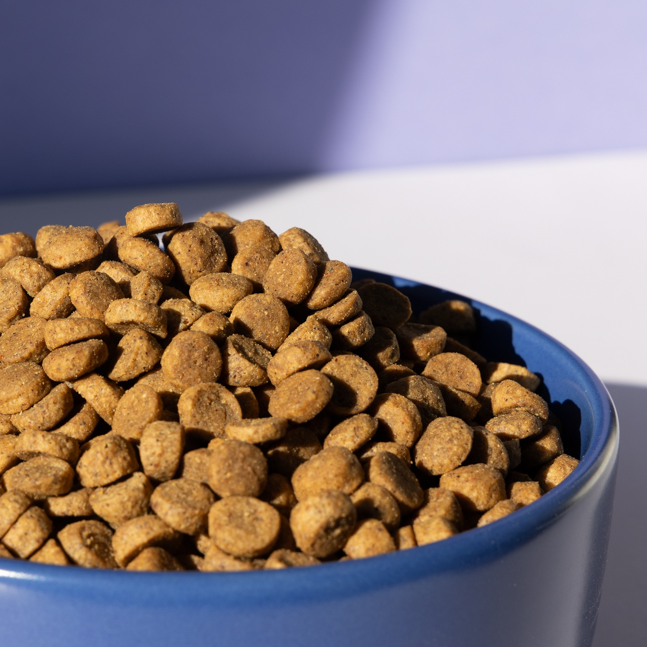
One of the most marketed claims in small breed dog food is "smaller kibble for smaller mouths." This is partially valid but often overstated. Yes, a tiny dog may find it easier to chew appropriately sized pieces. But kibble size is the last thing you should be evaluating about a dog food.
The ingredient list, protein quality, fat level, and fibre sources matter infinitely more than whether the kibble is 8 mm or 12 mm. Most standard-sized kibble is perfectly manageable for small dogs. They'll chew it, break it, or swallow smaller pieces. Where it actually matters is with very small breeds or flat-faced (brachycephalic) dogs like Pugs and French Bulldogs, who can genuinely struggle with large pieces.
The "small breed" labelling on many dog foods is primarily a marketing segmentation strategy. It doesn't automatically mean the food is better. Always read past the label.
What Small Dogs Actually Need
Quality Protein as the Foundation
Small dogs need high-quality, digestible protein to maintain muscle mass and support their metabolism. Cheap protein from by-products, feather meal, or unnamed meat sources is less digestible and provides less usable amino acids. For a small dog who can only eat a limited volume of food, every protein source needs to count.
Look for named meat ingredients at the top of the list: chicken, lamb, salmon, beef, turkey. Meat meals from named sources (like chicken meal or salmon meal) are also excellent, as they're a concentrated protein source. What you want to avoid is vague labelling like "meat meal" or "animal by-products."
Caloric Density Without Excess Fat
Small dogs need energy density, but they don't need to be overfed on fat. Excessive fat intake leads to weight gain, and overweight small dogs face all the same joint, metabolic, and cardiovascular issues as overweight large dogs, just scaled to their size. The sweet spot is moderate-to-higher fat from quality sources (animal fats, fish oil), not from cheap fillers or excessive rendered fats.
Fibre for Digestion and Dental Support
Quality dietary fibre serves multiple purposes for small dogs: it supports gut motility, feeds the microbiome, helps with stool consistency, and can provide some gentle mechanical cleaning benefit. Look for fibre from whole food sources like chicory root, beet pulp, or sweet potato rather than just cheap cellulose.
Common Health Issues in Small Breeds and the Diet Connection
Dental Disease
As above. The diet connection is primarily about what to avoid: sticky, starchy food that adheres to teeth; foods high in simple sugars; and foods that don't provide any textural benefit. Grain-free formulas with quality protein and fibre sources generally create a less problematic oral environment than cheap, starch-heavy foods.
Hypoglycaemia
Very small dogs, especially puppies and toy breeds, are prone to low blood sugar. This is partly a function of their small liver glycogen stores and high metabolic rate. Frequent, regular feeding helps prevent this. The food itself should provide steady, sustained energy from protein and fat rather than spikes from simple carbohydrates.
Luxating Patella
A very common small breed condition where the kneecap slips out of position. Diet doesn't cause or cure luxating patella directly, but keeping a small dog at a healthy weight reduces the stress on the knee joint and can slow the progression of associated arthritis. This is another argument for managing body condition through food quality and appropriate feeding amounts.
Portosystemic Shunts
More common in some small breeds (Yorkshire Terriers, Maltese, Miniature Schnauzers), this is a liver condition where blood bypasses the liver. Diet becomes very specific for dogs with this diagnosis and should be managed by a vet. Worth knowing about if you own these breeds.
Dental and Gum Disease
Worth mentioning twice. Studies suggest that over 80% of dogs over three years old have some degree of periodontal disease. In small breeds, that percentage is even higher, and the consequences are more severe because bacteria from gum disease can more easily affect organ health in a smaller body. Diet alone won't solve it, but diet absolutely contributes.
What to Avoid When Choosing Food for a Small Dog
- High starch, grain-heavy formulas: these often leave sticky residue on teeth and don't provide sustained energy
- Low-quality protein sources: unnamed meat meal, feather meal, or by-products dominating the ingredient list
- Added sugars: look for corn syrup, sucrose, or dextrose in the ingredient list, a red flag for any dog food
- Excessive fat from low-quality sources: adds calories without nutritional value
- Artificial colours and preservatives: unnecessary and potentially problematic for sensitive small breed systems
- Very large kibble: practically speaking, appropriate piece size matters for tiny dogs more than large ones
Specific Notes for Popular NZ Small Breeds
Chihuahuas
Prone to hypoglycaemia, dental disease, and obesity. Need calorie-dense food in small volumes, fed regularly. Quality protein is essential.
Shih Tzus
Brachycephalic (flat-faced), which can make eating harder. Prone to dental disease and eye issues. Food with anti-inflammatory ingredients (fish oil, GLM) can support their generally sensitive systems.
Bichon Frises
Known for skin and coat sensitivity. Quality omega-3s from fish oil make a noticeable difference to coat quality. Grain-free formulas often suit them better than grain-heavy alternatives.
Cavalier King Charles Spaniels
Prone to mitral valve disease and syringomyelia. Cardiac health means keeping them at healthy weight is genuinely important. Quality food at controlled amounts is essential.
Miniature Schnauzers
Prone to hyperlipidaemia (high blood fat), pancreatitis, and bladder stones. Lower-fat food is often recommended. Worth discussing with your vet if your Schnauzer has a history of any of these.
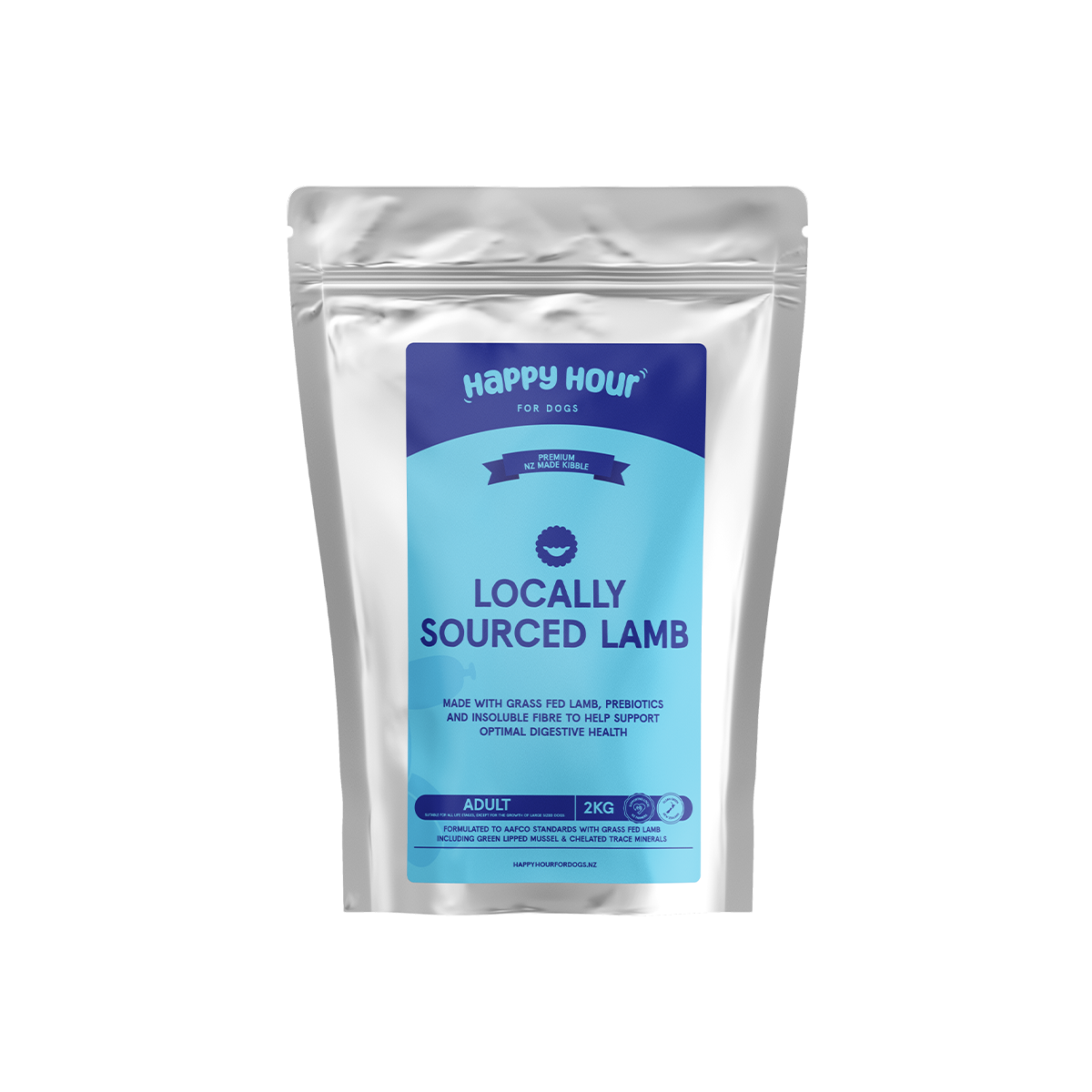
Happy Hour for Small Dogs
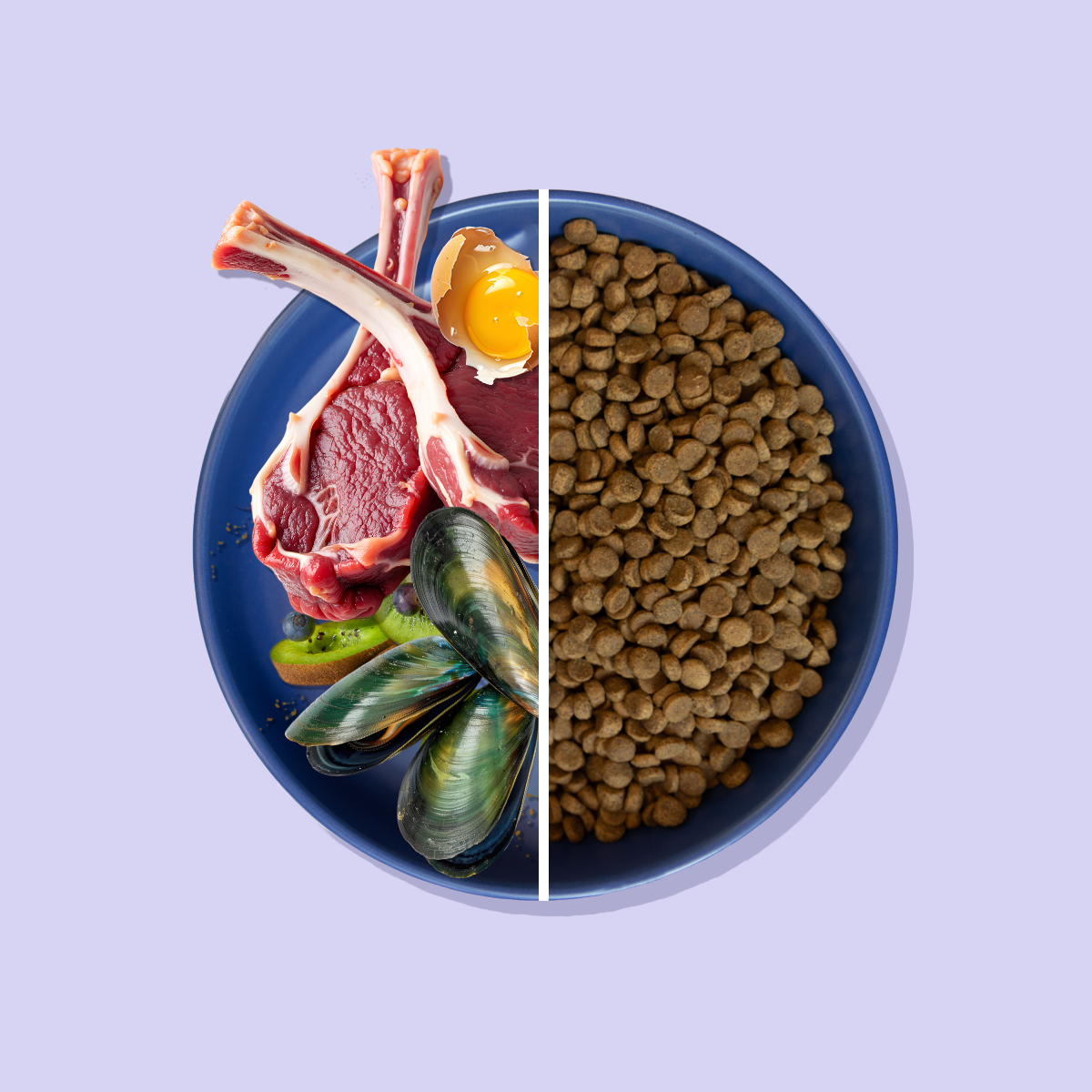
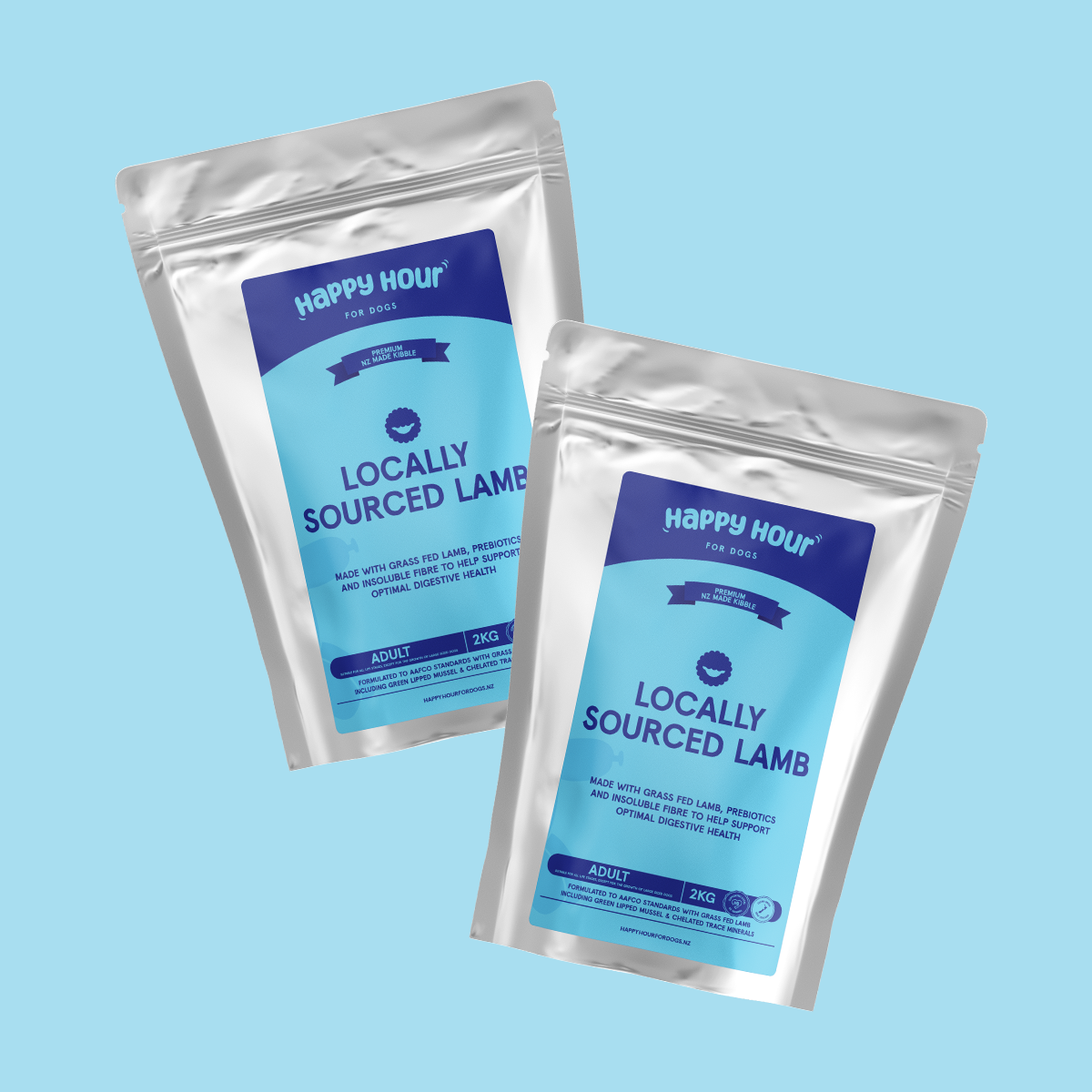
Happy Hour isn't specifically marketed as a small breed food, and it won't pretend to be. The kibble size is standard and works fine for most small dogs. What it does offer is a food built on the principles that matter most for small dogs:
- High-quality named protein as the primary ingredient
- Grain-free formula, avoiding the sticky starches associated with dental issues in small breeds
- Moderate fat profile, appropriate for managing weight without starving a small dog of energy
- Chicory root prebiotic for gut health, particularly relevant for small breeds prone to digestive sensitivity
- Fish oil and green-lipped mussel for anti-inflammatory support
- No artificial colours, preservatives, or added sugars
For most small dogs, this profile is exactly what you'd design if you were building a food from scratch with their health in mind. It's not perfect for every individual dog (a Schnauzer with pancreatitis needs specific vet guidance, for example), but as a baseline quality food for a healthy small dog, it delivers.
Making the Right Choice
The best food for your small dog isn't necessarily the one labelled "small breed" in big letters on the front of the bag. It's the one with the best ingredient list, the right nutritional balance, and the quality protein and fat sources your dog actually needs.
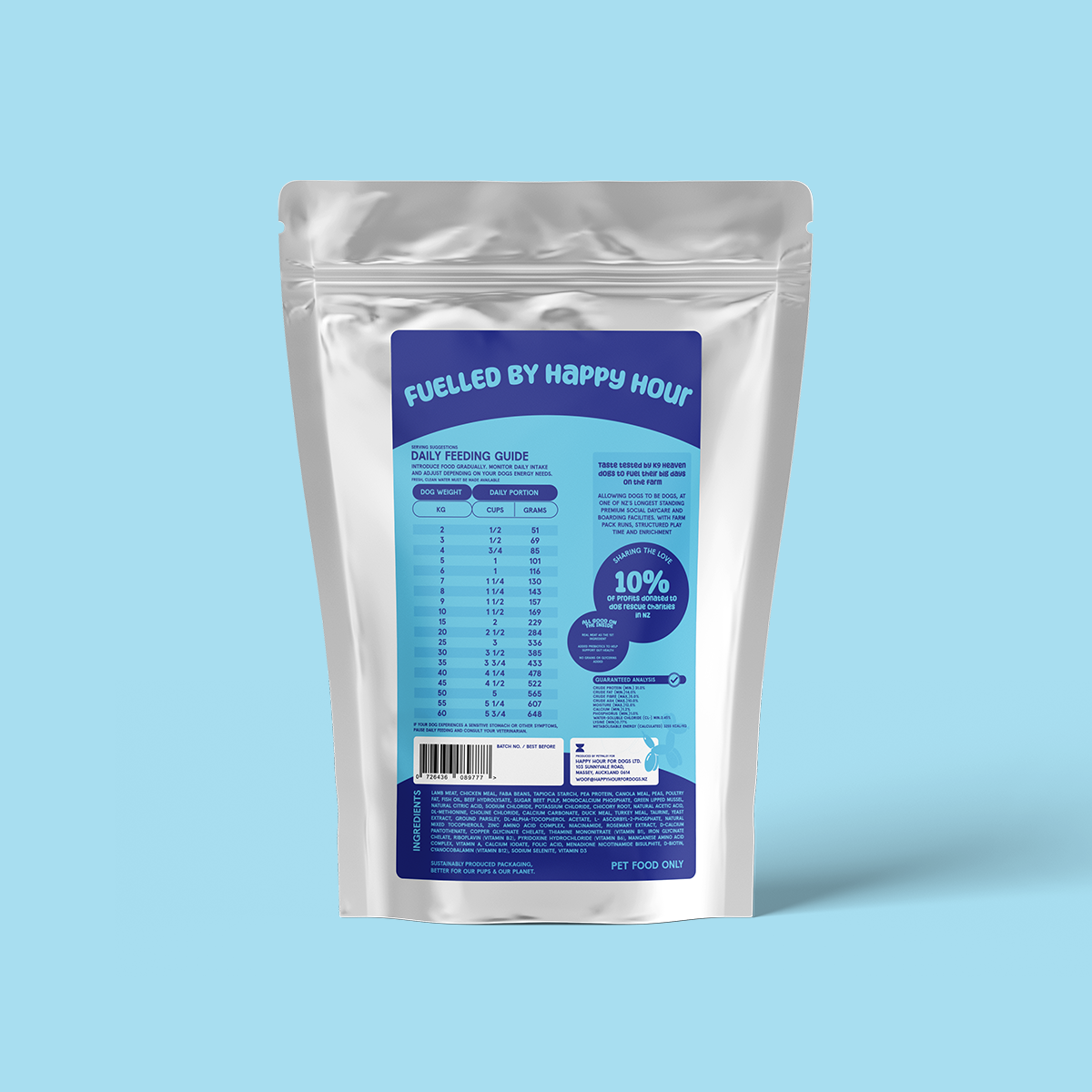
Read past the marketing. Flip the bag over. If the first few ingredients are named meats, if there's a clear source of fibre, if the fat level seems appropriate, and if there are no mysterious additives or added sugars, you're on the right track.
Small dogs live long lives when they're well cared for. A Chihuahua can easily reach 15-18 years. What you feed them across those years adds up enormously. Getting the food right is one of the highest-leverage health decisions you can make.