Is Hill's Science Diet Worth It? An Honest NZ Review
Hill's Science Diet is everywhere in NZ. It's on the shelf at your vet, recommended by many clinics, and has been around long enough that plenty of dog owners assume it must be good. But 'well-known' and 'worth the money' aren't the same thing. Here's an honest look at what you're actually getting.
- Hill's Science Diet is a grain-heavy formula: in the Adult Chicken and Barley recipe, four of the first five ingredients are grains, with corn appearing twice in different forms.
- Meeting AAFCO minimum standards is not the same as optimal nutrition, plenty of foods clear that bar, so it tells you little about real quality.
- Hill's genuinely beats supermarket brands like Pedigree and Chum, but that is the wrong comparison: the real question is value against truly premium NZ options.
- Vet endorsement reflects a commercial relationship as much as a nutritional one, since Hill's invests heavily in vet education and most vets are not canine nutrition specialists.
- For a specific health condition Hill's prescription line may be the right tool, but for everyday feeding of a healthy dog the case is far weaker.
What Is Hill's Science Diet?
Hill's Science Diet is an American brand owned by Colgate-Palmolive. It positions itself as scientifically formulated, vet-recommended dog food with formulas for different life stages, health conditions, and breed sizes. In NZ you'll find it at most vet clinics and some pet stores, priced in the mid-to-upper range of the market.
The 'Science Diet' name implies a level of nutritional rigour that many owners take at face value. It sounds authoritative. But the name and the ingredient list are two different things.
What's Actually in Hill's Science Diet?
The Science Diet Adult Chicken and Barley formula lists these as its first five ingredients: chicken, whole grain wheat, whole grain corn, corn gluten meal, and pork fat. That's a lot of grain.
Corn and wheat aren't inherently dangerous for dogs, but when they appear multiple times in the first five ingredients (corn appears twice in different forms), you're looking at a grain-heavy formulation where the protein source may not be as dominant as it first appears.
Corn gluten meal is a by-product of corn processing. It does contain protein, but it's not the same quality as animal-based protein. Dogs evolved as carnivores and their digestive systems are optimised for animal protein, not grain fractions.
What better ingredients look like
Compare this to what a genuinely premium food uses: a named animal protein as the primary ingredient, with secondary ingredients that are recognisable whole foods rather than processing by-products. Cage-free chicken or NZ grass-fed lamb first on the list, followed by functional supporting ingredients.
Why Does Hill's Use So Many Grains?
Grains are cheap. They add bulk, calories, and enough protein to hit minimum requirements on a nutrition label. From a business standpoint it makes sense. From a dog nutrition standpoint it's a different question.
Hill's does add vitamins, minerals, and supplements to compensate. Their formulas meet AAFCO standards, the US guidelines for pet food. But meeting minimum standards and delivering optimal nutrition aren't the same thing. A lot of dog foods meet the minimum standard. That doesn't mean they're performing at the same level.
Is Hill's Better Than Supermarket Dog Food?
Yes, to be fair. Hill's is better than most supermarket brands. It outperforms Pedigree, Chum, and most budget options you'll find at a NZ supermarket. It doesn't use the worst-quality by-products, and its ingredient list includes more whole food items than budget alternatives.
If your only choice were budget supermarket food or Hill's, choose Hill's every time. But that's not the actual decision most NZ dog owners face. The real question is whether Hill's represents good value compared to genuinely premium options available here.
The Vet Endorsement Question
Many NZ vets stock and recommend Hill's, which creates the impression of scientific superiority. But vet endorsement of a specific commercial brand is as much a marketing relationship as it is a nutritional one.
Hill's invests significantly in vet education programmes and professional channels. This doesn't mean Hill's is bad food, and it doesn't mean vets are being dishonest. It means the recommendation exists within a commercial context that's worth understanding.
Most vets are trained in general animal medicine, not specifically in canine nutrition. When a vet recommends Hill's for a specific condition like kidney disease or urinary issues, their prescription diet line may genuinely be the right tool. For everyday feeding of a healthy dog, the commercial Science Diet range faces more competition than the vet endorsement implies.
When Hill's Prescription Diets Make Sense
To be clear: Hill's prescription diet ranges, covering kidney, liver, urinary, and digestive conditions, are genuinely useful tools for dogs with specific medical needs. They're formulated for therapeutic purposes and a vet's recommendation in those cases carries real weight.
This article is specifically about the standard Science Diet range as an everyday feeding option for healthy dogs, not the prescription line.
What Genuinely Premium Dog Food Looks Like
The difference shows up in the ingredient list. Premium food leads with a named, quality animal protein and keeps the supporting ingredients recognisable. Here's what to look for:
- Named meat as the first ingredient: chicken, lamb, or fish, not 'poultry meal' or 'meat by-products'
- No corn gluten meal or soy as primary protein sources
- Marine-based omega-3 sources like green-lipped mussels or whole fish
- No artificial colours, flavours, or preservatives
- Chelated minerals for better absorption into the body
- Prebiotics for gut health
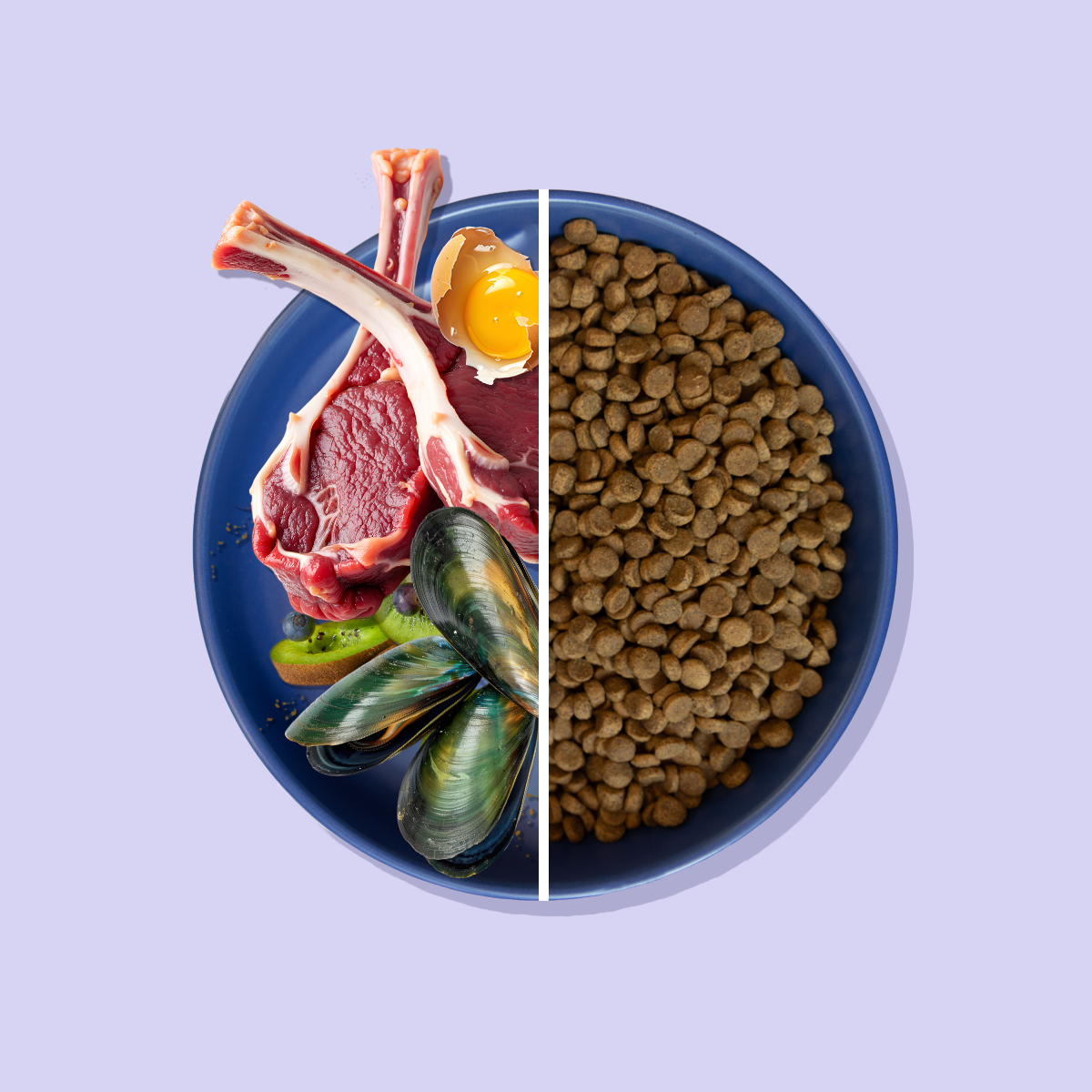
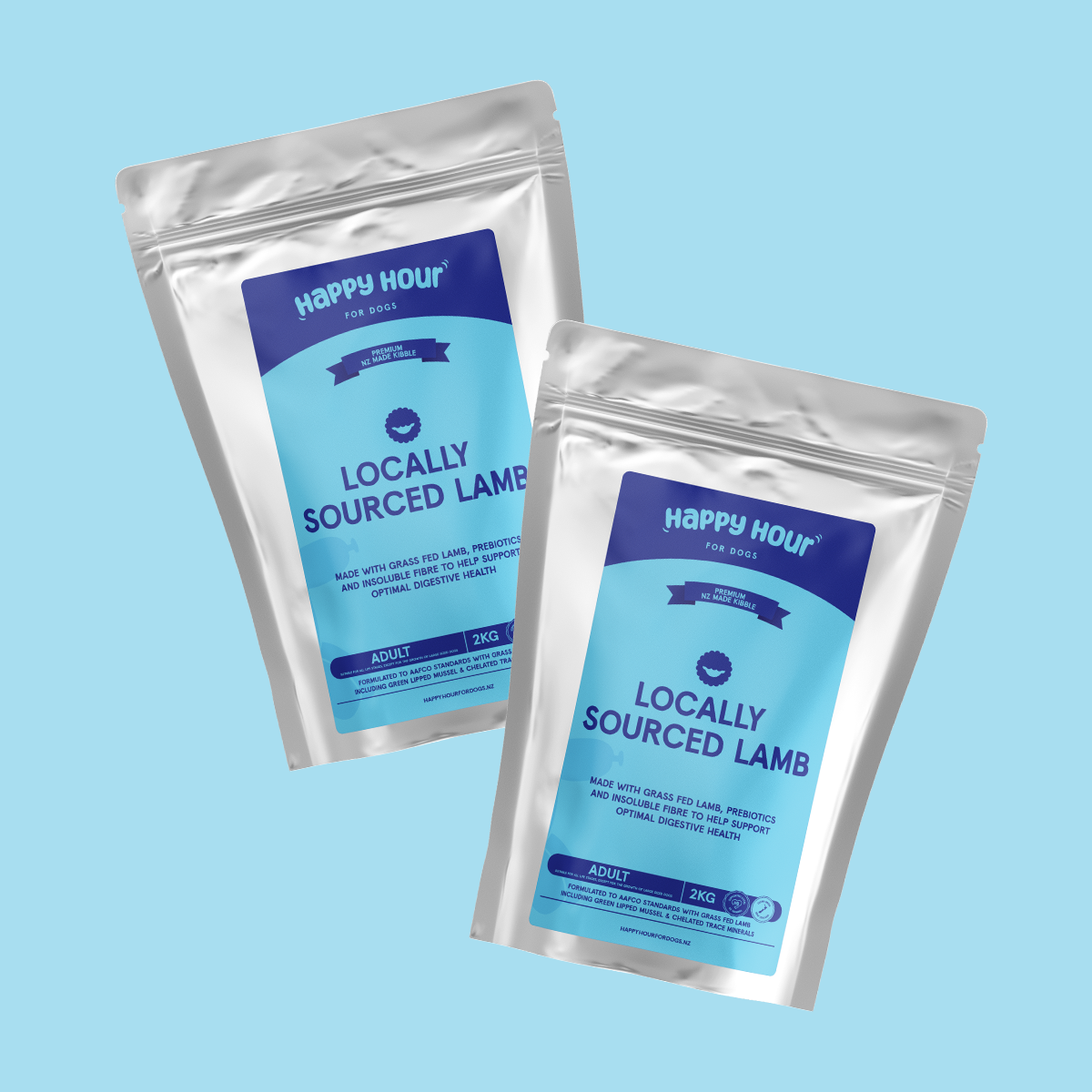
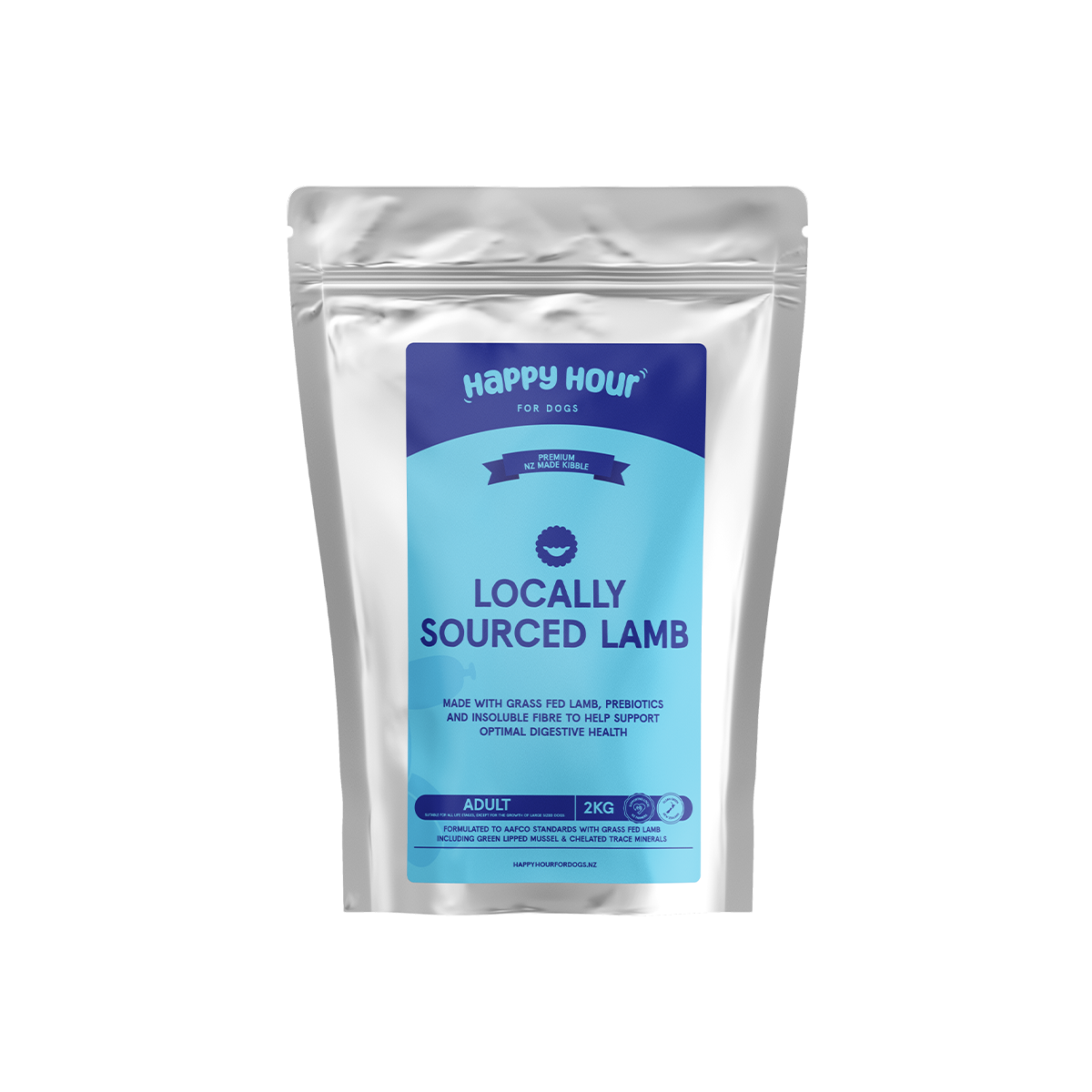
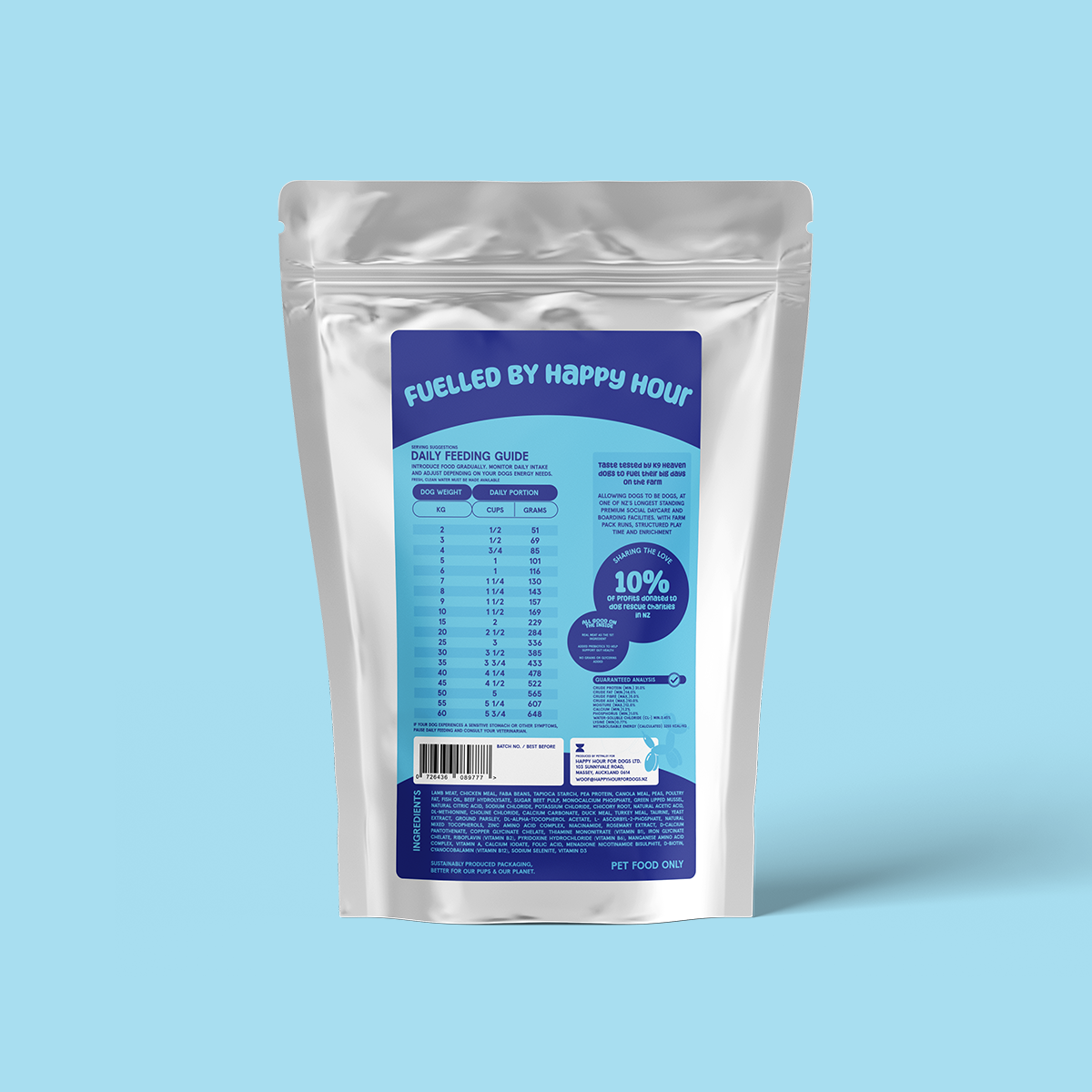
Happy Hour For Dogs uses cage-free chicken and NZ grass-fed lamb as base proteins, with green-lipped mussels for joint and coat health, manuka honey, prebiotics, and chelated minerals. It's made in New Zealand, which means shorter supply chains and fresher ingredients reaching your dog's bowl.
Read our full guide on Dog Food Ingredients to Avoid to understand what shows up on labels and why it matters.
How Hill's Compares at a Glance
- Primary protein: Chicken, backed by significant grain fractions
- Grain content: High, multiple grains in top five ingredients
- Artificial additives: Generally avoided in standard formulas
- Origin: American brand, manufactured internationally
- Vet endorsement: Yes, partly through commercial relationships
- Value for money: Below average given the ingredient quality
The Bottom Line
Hill's Science Diet is not a bad food. It's better than most supermarket options, meets nutritional standards, and the prescription formulas serve a real role for dogs with medical conditions.
But for a healthy dog eating everyday maintenance food, the ingredient list suggests you're paying a premium for a food that leans heavily on grains and processed by-products. For similar or sometimes less money, NZ dog owners can access foods with better primary ingredients, made locally.
Your dog eats the same food every day. The quality of what goes in matters more than the label on the bag.
If you're weighing up options, our guide to Best Dry Dog Food NZ 2026 covers the full picture. And our article on Dog Food Made in New Zealand explains why local sourcing matters.
Try Something Better, Risk-Free
Happy Hour For Dogs is made in New Zealand with cage-free chicken, NZ grass-fed lamb, and green-lipped mussels. No artificial additives, no filler grains. If your dog doesn't love it, the 30-day money-back guarantee means you're not out of pocket. Visit happyhourfordogs.nz to learn more.