How Much Does Dog Food Cost in NZ? (And How to Get More Value)
The price on the shelf is the most visible number, but it's not the most useful one. A bag of budget kibble might look like a bargain until you realise your dog needs to eat almost twice as much of it to meet their nutritional needs, that it sends their digestion haywire, and that you're spending more on vet visits for the downstream problems it creates. Dog food cost in NZ is worth thinking about properly, not just comparing bag prices.
Key Takeaways
- How Much Does Dog Food Cost in NZ? (And How to Get More Value)
- What Does Dog Food Actually Cost in NZ?
- The Real Metric: Cost Per Nutrient, Not Cost Per Kilogram
- The Subscription Question: Does It Make Financial Sense?
- What Else Affects the True Cost of Dog Food
What Does Dog Food Actually Cost in NZ?
Dog food in NZ spans a very wide price range. Here's a rough breakdown of what you're looking at across different segments of the market:
Budget Kibble (Supermarket Own-Brand)
Typically $3-6 per kg. For a 15kg dog eating around 250g per day, that's roughly $0.75-1.50 per day. These foods use least-cost formulation, meaning the recipe changes based on what ingredients are cheapest at the time. They often contain high proportions of grain or corn, lower-quality protein meals, and a range of additives to compensate for palatability.
Mid-Range Kibble
Typically $7-12 per kg. For the same 15kg dog, that's roughly $1.75-3.00 per day. This is where most NZ supermarket and pet store brands sit. Ingredient quality is generally better than budget, but still varies widely. Some are genuinely good; others are more marketing than substance. Check the ingredients list carefully.
Premium and Super-Premium Kibble
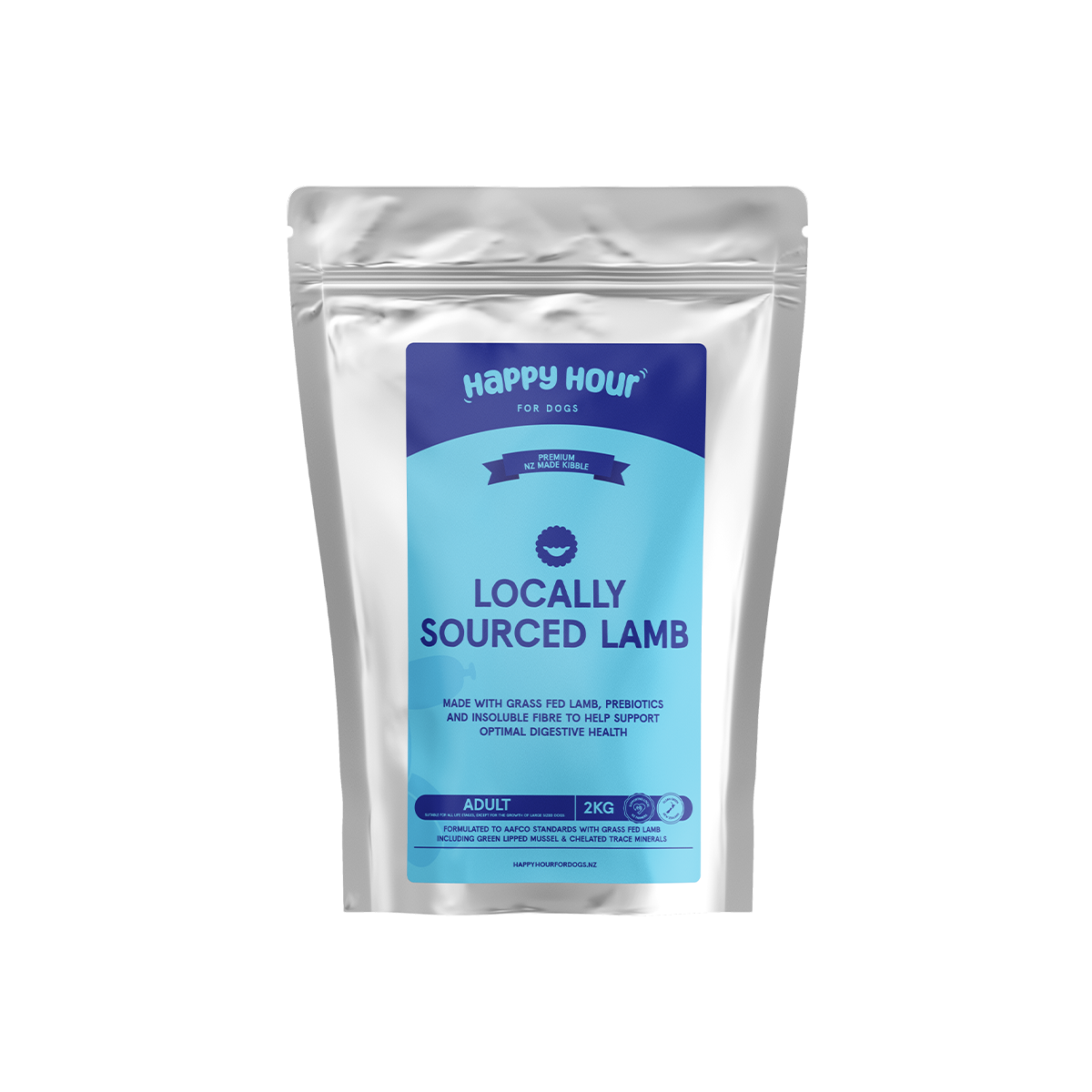
Typically $12-20+ per kg. For a 15kg dog, that's roughly $3.00-5.00+ per day. Brands in this space like Ziwi Peak (at the very high end) or Happy Hour use named, traceable protein sources, no artificial additives, and higher-quality overall formulations. Is Ziwi Peak Worth It? covers that specific brand comparison.
The Real Metric: Cost Per Nutrient, Not Cost Per Kilogram
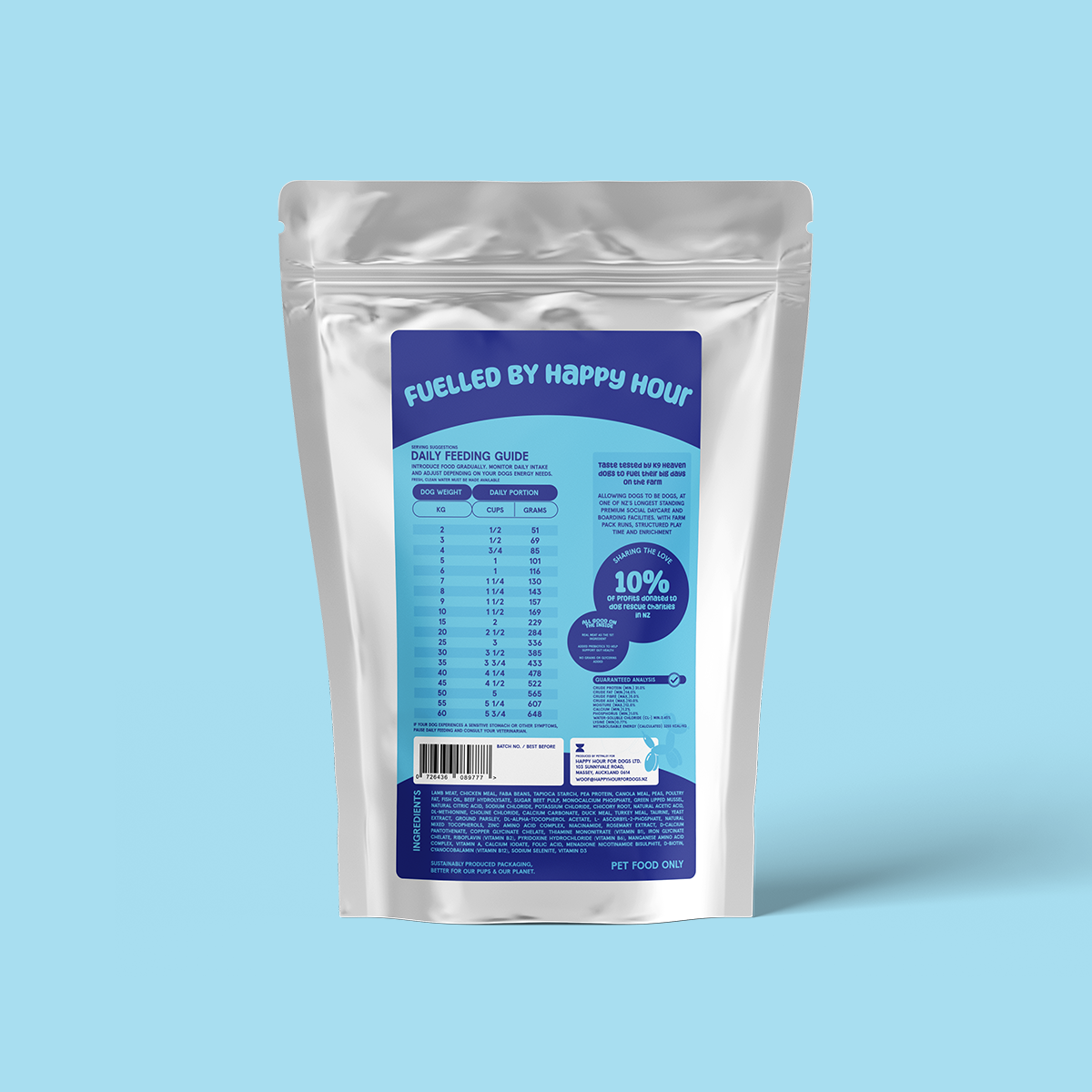
Here's the thing that bag-price comparisons miss: food with more fillers requires larger portions to meet nutritional targets. If a budget food is 60% grain and filler, your dog needs to eat more of it to get the same protein intake as a food with a higher meat content. The per-kg price advantage can disappear when you account for feeding rates.
A premium food that requires 20% smaller portions than a mid-range food of the same price per kg is actually cheaper to feed. Do the maths on cost per day, not cost per bag.
Example Calculation
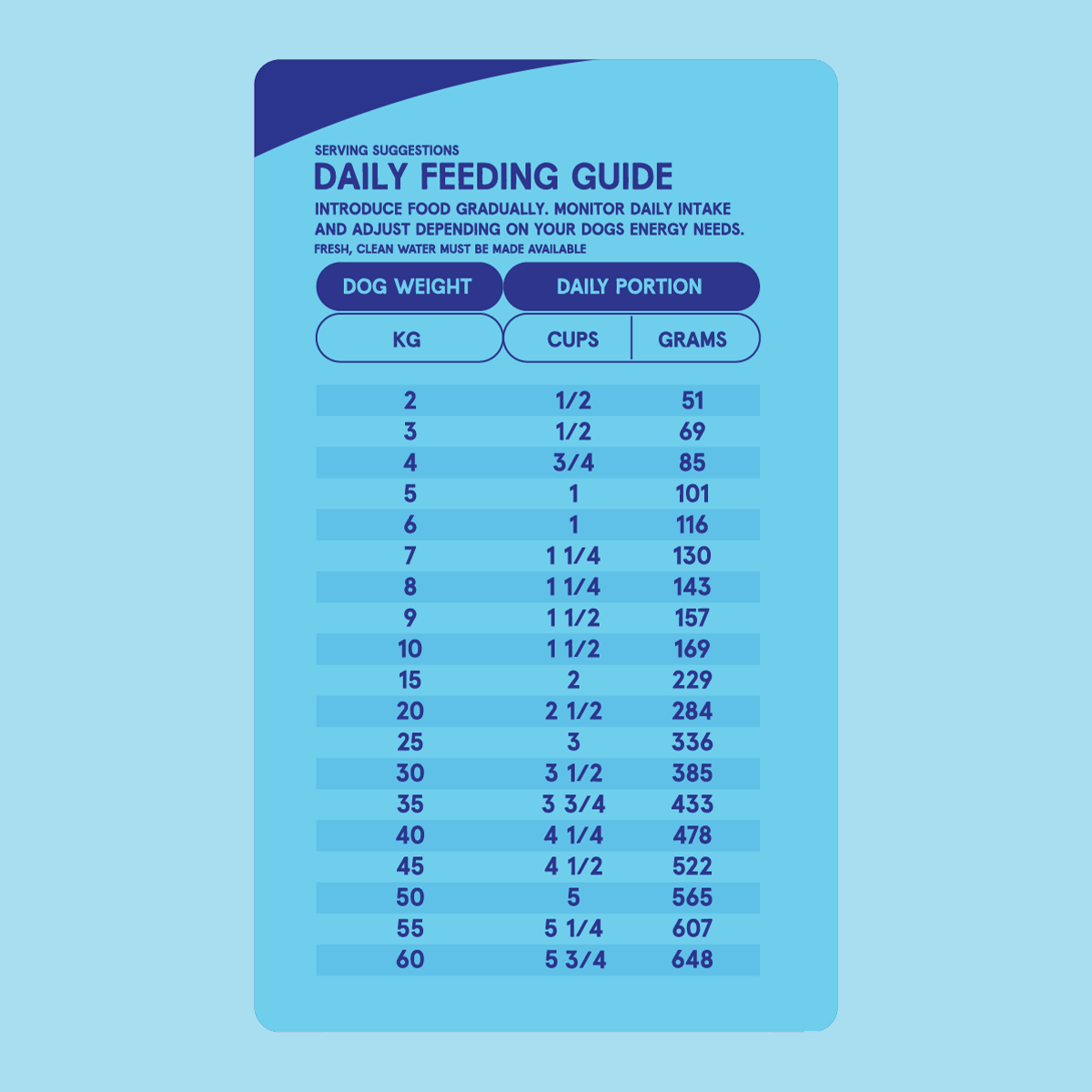
Say you have a 20kg medium-energy dog. Food A costs $8/kg and the recommended daily feeding rate is 300g. That's $2.40 per day. Food B costs $14/kg and the recommended daily feeding rate is 220g. That's $3.08 per day. The difference is 68 cents a day, or about $21 per month. For a food with meaningfully better ingredients, that's a reasonable premium. Many owners find the health benefits (better stool quality, coat condition, and reduced vet costs over time) more than cover the gap.
The Subscription Question: Does It Make Financial Sense?
Several premium NZ dog food brands, including Happy Hour, offer subscription options with a meaningful discount. Happy Hour's subscription is 15% off the one-off price. If you're going to buy the food regularly anyway, 15% is real money over the course of a year.
Subscriptions also mean you don't run out. Anyone who's done a frantic late-night dash to find dog food knows that's not a theoretical benefit.
At Happy Hour subscription pricing, a medium dog eating around 220g per day works out to roughly $2.80-3.20 per day, depending on current pricing. That's comparable to or cheaper than many mid-range pet store brands for food with significantly better ingredients.
What Else Affects the True Cost of Dog Food
Digestive Health
Poor-quality food often leads to loose stools, excessive wind, and digestive upset. The vet visits, medications, and special foods required to manage these issues add costs that don't show up in the food price comparison.
Skin and Coat Issues
Itchy skin, ear infections, and poor coat condition are frequently diet-related. Managing these conditions is expensive: vet visits, medicated shampoos, antihistamines, special diets. A better-quality food from the start can prevent costs that are hard to see coming.
Long-Term Joint and Organ Health
Diet over a lifetime shapes long-term health outcomes. This is almost impossible to calculate precisely, but there's a reason vets consistently recommend against the cheapest foods available.
Is Happy Hour Good Value?
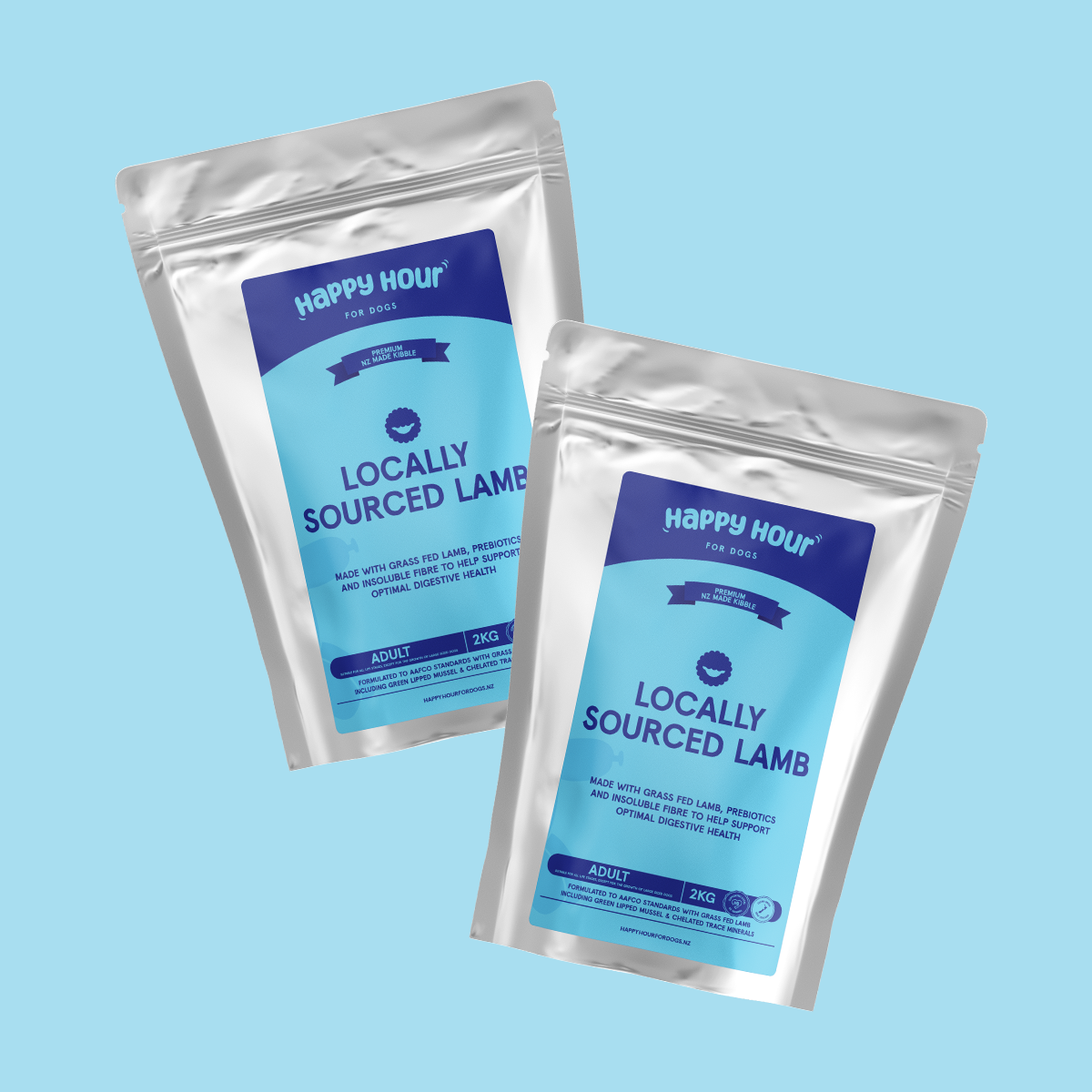
Happy Hour sits in the premium segment. It's not the cheapest food on the NZ market and it's not trying to be. What it offers is NZ-made, grain-free kibble with NZ grass-fed lamb as the lead protein, cage-free chicken, green-lipped mussel, manuka honey, chicory root, taurine, chelated minerals, and fish oil. No artificial preservatives, colours, or flavours. AAFCO approved for all life stages.
For the ingredient quality on offer, it's priced competitively within the premium tier. With the 15% subscription discount, the per-day cost for most medium dogs is around $2.80-3.20, which compares well against mid-range pet store brands when you account for the ingredient difference.
The 30-day money-back guarantee means you can trial it without financial risk. If your dog doesn't respond well, you can get your money back. That's a reasonable way to test value before committing to a subscription.