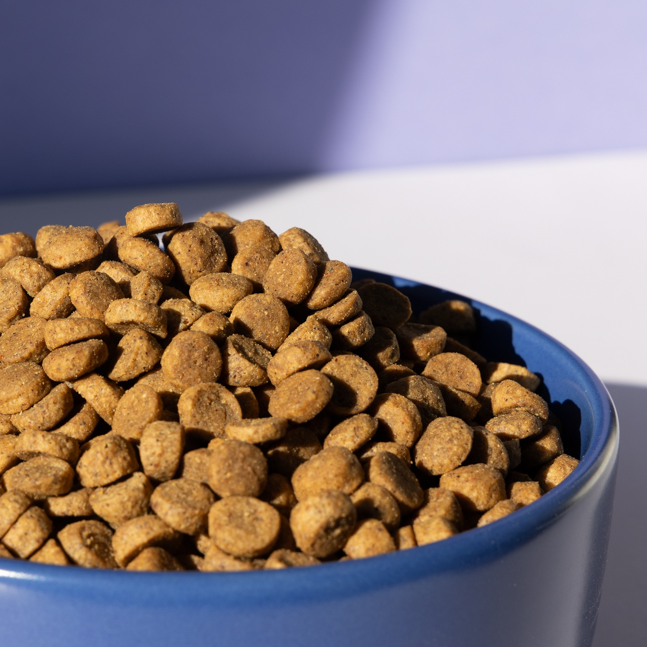
You put the bowl down. Your dog sniffs it, looks up at you with those eyes, and walks away. Sound familiar? If you've found yourself warming up kibble, adding gravy, or rotating through five different brands in a month, you're not alone. Fussy eating is one of the most common things NZ dog owners ask us about.
If it’s specifically dry food they’re turning their nose up at, here’s what to do when your dog won’t eat their kibble.
Here's the short answer: most dogs labelled "fussy eaters" are not actually fussy. They've learned that holding out gets them something better. In some cases, though, a sudden change in appetite does signal a health issue. Knowing the difference is what this guide is about.
The good news is that true fussiness is almost always fixable. With the right approach, most dogs will eat consistently well within two weeks. No tricks, no heating the bowl, no standing over them nervously. Just a straightforward reset.
Key Takeaways
- Most "fussy" dogs aren't picky by nature. They've been trained to hold out for something tastier.
- Rotating foods and overfeeding treats are the two biggest causes of fussy eating in NZ dogs.
- A sudden loss of appetite in a dog that usually eats well should always be assessed by a vet.
- The fix is structured, consistent mealtimes with a high-quality food your dog genuinely enjoys.
- Choosing a food with real meat as the first ingredient and a consistent recipe makes the reset much easier.
Is Your Dog Actually Fussy, Or Is Something Else Going On?
Before you overhaul your dog's diet, it's worth working out whether you're dealing with a behavioural fussy eater or something medical.
Behavioural fussiness develops gradually. You'll usually notice it started around the same time you began adding toppers, offering alternatives when the bowl wasn't touched, or giving lots of treats throughout the day. The dog is otherwise healthy: normal energy, normal weight, drinking well, no vomiting or diarrhoea. They just seem uninterested. Until you open the treat cupboard.
Medical causes tend to present differently. If your dog has always eaten well and suddenly stops, that warrants attention. Same if the change in appetite is accompanied by other symptoms: lethargy, weight loss, vomiting, loose stools, or obvious discomfort while eating.
Common medical causes of reduced appetite in dogs include:
- Dental pain. Broken teeth, gum disease, and oral ulcers are more common than most owners realise and can make eating uncomfortable. Check for hesitation while chewing, dropping food, or pawing at the mouth.
- Nausea. Nausea from digestive issues, medication, or underlying illness often causes dogs to refuse food. Lip licking, grass eating, and swallowing repeatedly can be signs.
- Food sensitivities. Some dogs associate specific foods with feeling unwell and begin to avoid them. This is different from pickiness; it's a learned aversion.
- Systemic illness. Kidney disease, liver problems, and hormonal conditions like Addison's disease can all reduce appetite.
When to see a vet: If your dog skips more than two consecutive meals, has lost weight, seems lethargic, or the change was sudden rather than gradual, book a vet visit before trying dietary changes. Rule out the medical causes first. Everything in this guide assumes your dog has had a clean bill of health.
Why Dogs Become Fussy Eaters
Fussy eating rarely appears out of nowhere. In most cases, it builds slowly, and the owner is usually an unwitting part of the cycle. Here's what typically drives it.
Too many treats, too often
Treats are calorie-dense and delicious. When a dog gets a steady stream of them throughout the day, their appetite for a full meal drops. Why eat a whole bowl of kibble when you know something better is coming? This isn't stubbornness; it's rational. The dog has learned the rules of your household.
Offering alternatives when the bowl goes untouched
This is the big one. You put the food down. The dog ignores it. You panic slightly, add some chicken, or swap it for something else. The dog eats. You feel relieved. The dog has just learned something extremely useful: if I wait long enough, something better appears. This is a trained behaviour, and it builds quickly.
Owner anxiety around mealtimes
Dogs read us well. If you hover anxiously over the bowl, encouraging and cajoling, your energy signals to the dog that something is wrong with the food. Calm, matter-of-fact mealtimes produce calmer, more confident eaters.
Food quality and palatability
Not all kibble is equal. Some formulas use a high proportion of plant-based fillers (corn, soy, rice bran) with low meat content. These are less palatable to most dogs, and some will genuinely refuse them over time. A dog consistently refusing a food is occasionally telling you something real. The distinction is whether they're refusing all food or just this food.
A previous bad experience
If a dog was ill around the time they ate a particular food, they may form a strong aversion to that smell or flavour. This is called conditioned taste aversion, and it's well-documented in animals. It doesn't mean the food is bad; it means the dog's brain made a connection. Research on palatability and taste aversion in dogs shows just how powerful these learned associations can be.
The Most Common Mistake NZ Dog Owners Make
The single most common pattern we see, across thousands of dogs at K9 Heaven, is the food rotation trap.
It goes like this: the dog goes off their current food, so the owner tries something new. The dog eats it enthusiastically for a week or two, then loses interest again. The owner switches again. Repeat. Eventually the dog is refusing everything unless it's fresh out of a new bag.
What's happening is simple. Each new food is novel and interesting. The moment the novelty fades, the dog holds out for the next one. Over time, the holding-out behaviour gets stronger and the window of enthusiasm gets shorter. You've accidentally created a dog that expects constant variety.
The fix is the opposite of what feels natural. You pick one good food and you stick to it.
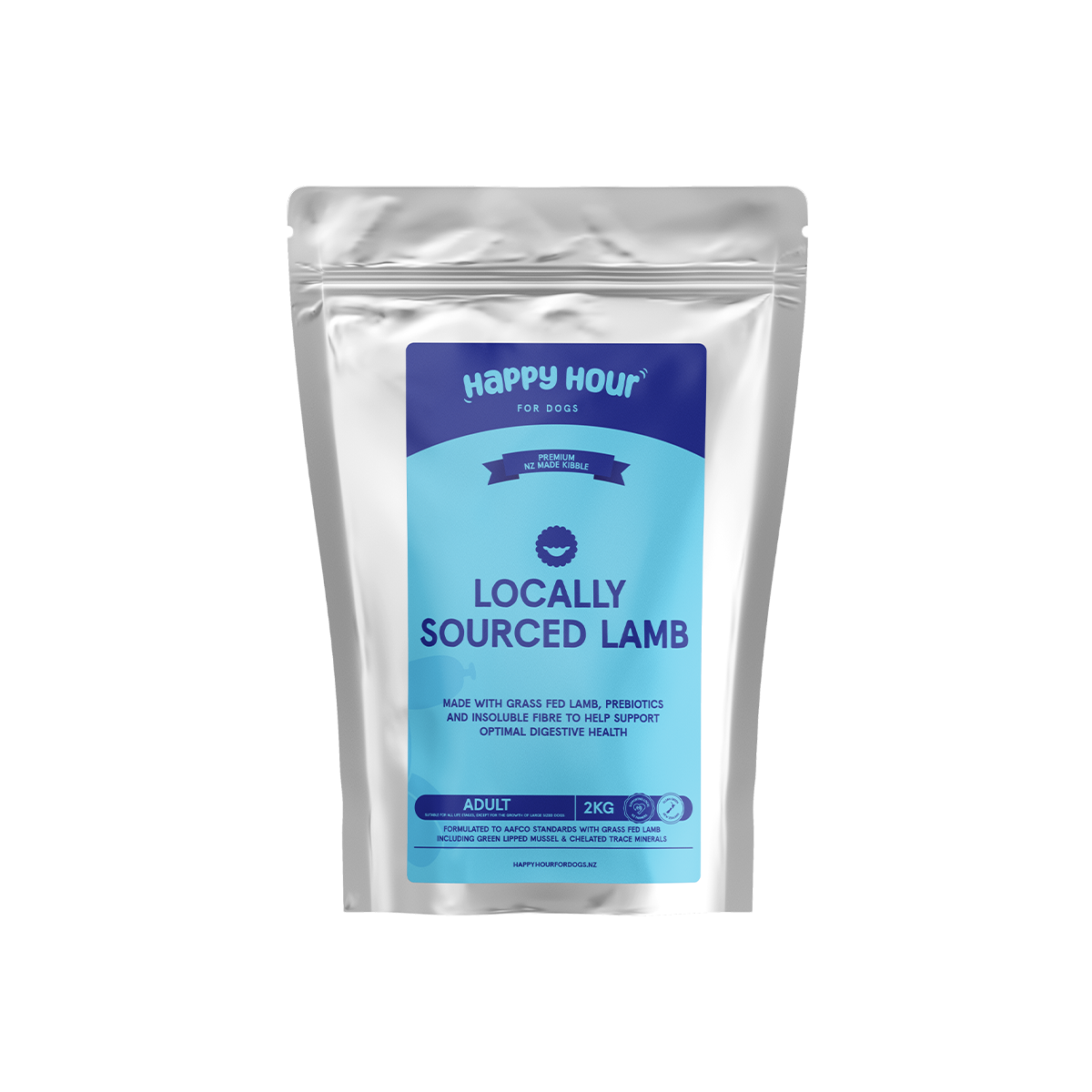
This is the philosophy behind Happy Hour. Rather than rotating flavours or reformulating constantly, we use a consistent recipe built around a single high-quality protein source. Dogs know exactly what's coming, they enjoy it, and they eat. No drama.
How to Reset a Fussy Dog's Relationship With Food
This process works. It takes commitment for about ten to fourteen days, but most owners see results within the first week.
1. Choose one food and commit to it. Pick a high-quality kibble with real meat as the first ingredient. Don't plan to rotate or add toppers once things improve. The consistency is the point.
2. Stop the treat stream. Cut treats back to a maximum of two or three per day, given for training or specific rewards only. No free snacks, no bits of toast, no shared meals. This is temporary while you reset, but it matters.
3. Set a mealtime routine. Feed at the same times every day, ideally twice daily for adult dogs. Morning and evening works well. Put the bowl down for twenty minutes, then pick it up regardless of whether it's been eaten. No encouragement, no fuss.
4. If the bowl is ignored, walk away. This is the hardest part. Don't stand and watch. Don't tap the bowl. Don't add anything to it. Put it down, leave the room, and come back in twenty minutes. Whatever hasn't been eaten comes up.
5. Don't offer an alternative. If the meal is refused, the dog waits until the next scheduled mealtime. A healthy dog will not be harmed by missing a meal. A dog that learns holding out gets something different will hold out every time.
6. Keep your energy neutral. Feed your dog the same way you'd fill up a water bowl. No ceremony, no excitement, no worry. Matter-of-fact.
7. Transition gradually if switching foods. If you're moving to a new food, transition over seven to ten days by mixing increasing amounts of the new food with decreasing amounts of the old. This reduces digestive upset and helps the dog adjust.
Most dogs click within a few days of this structure. By the end of two weeks, the majority are eating consistently and without drama.
What to Look for in a Dog Food for Fussy Eaters
The food itself matters. A dog that genuinely doesn't enjoy what's in the bowl will be harder to settle than one eating something they like. Here's what to look for.
Real meat as the first ingredient
The ingredient list is ordered by weight before processing. If the first ingredient is a named meat (lamb, chicken, beef) rather than a grain or a vague "meat meal", the protein content is higher and the palatability is generally better. Dogs are designed to eat meat, and most prefer the smell and taste of meat-forward formulas.
No excessive fillers
Corn syrup, soy, wheat flour, and artificial flavours are common in lower-cost kibbles. Some dogs tolerate these fine, but they add little nutritional value and can reduce palatability. A cleaner ingredient list usually means a more enjoyable eating experience.
Digestibility
Highly digestible food produces smaller, firmer stools and means your dog is actually absorbing what they eat. Dogs feel more satisfied after meals from high-digestibility foods, which often helps with appetite consistency.
A consistent recipe
This one matters more than most people realise. Foods that are reformulated seasonally or frequently can cause inconsistent responses from your dog. Familiarity with the smell and taste of a consistent recipe is part of what makes a dog a reliable, happy eater.
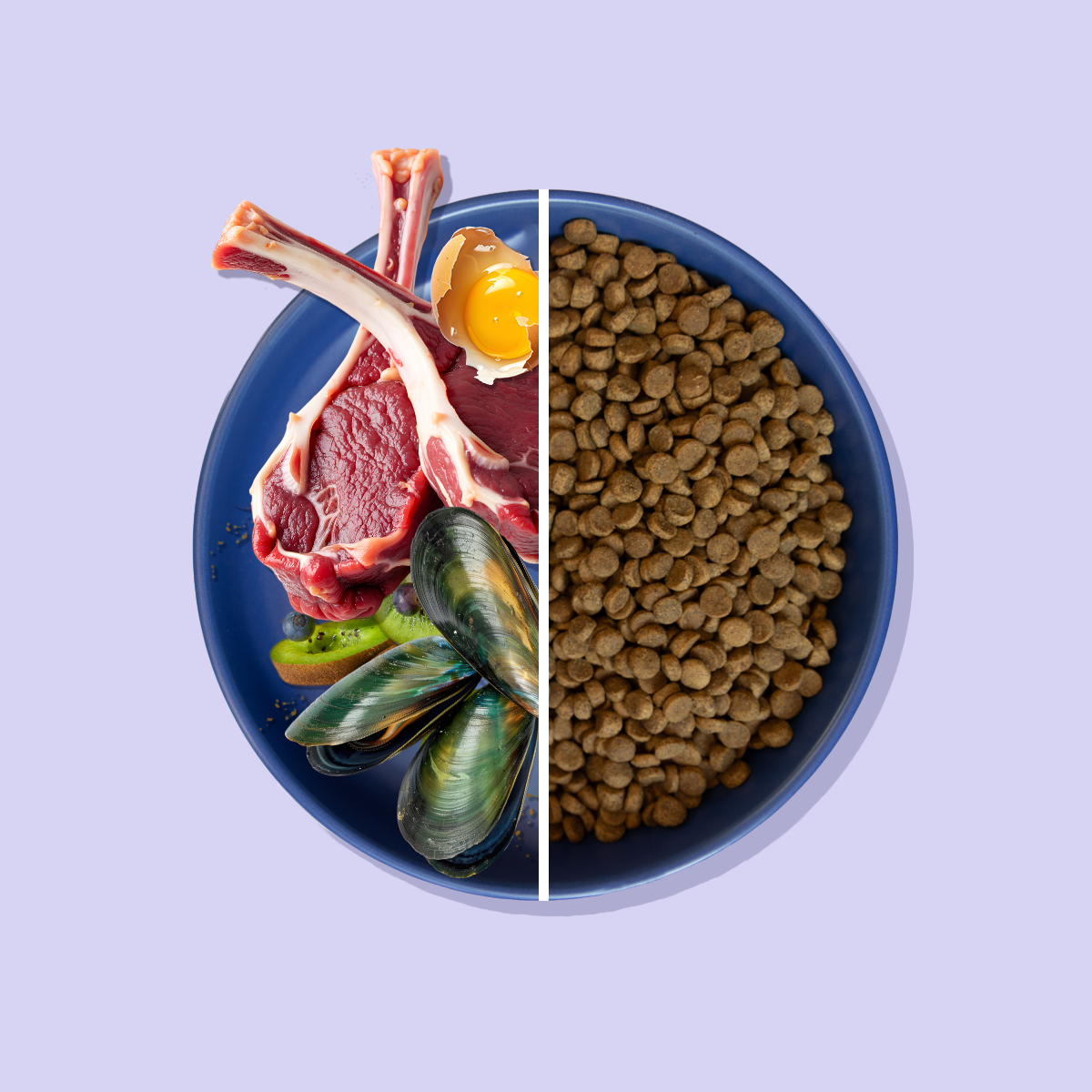
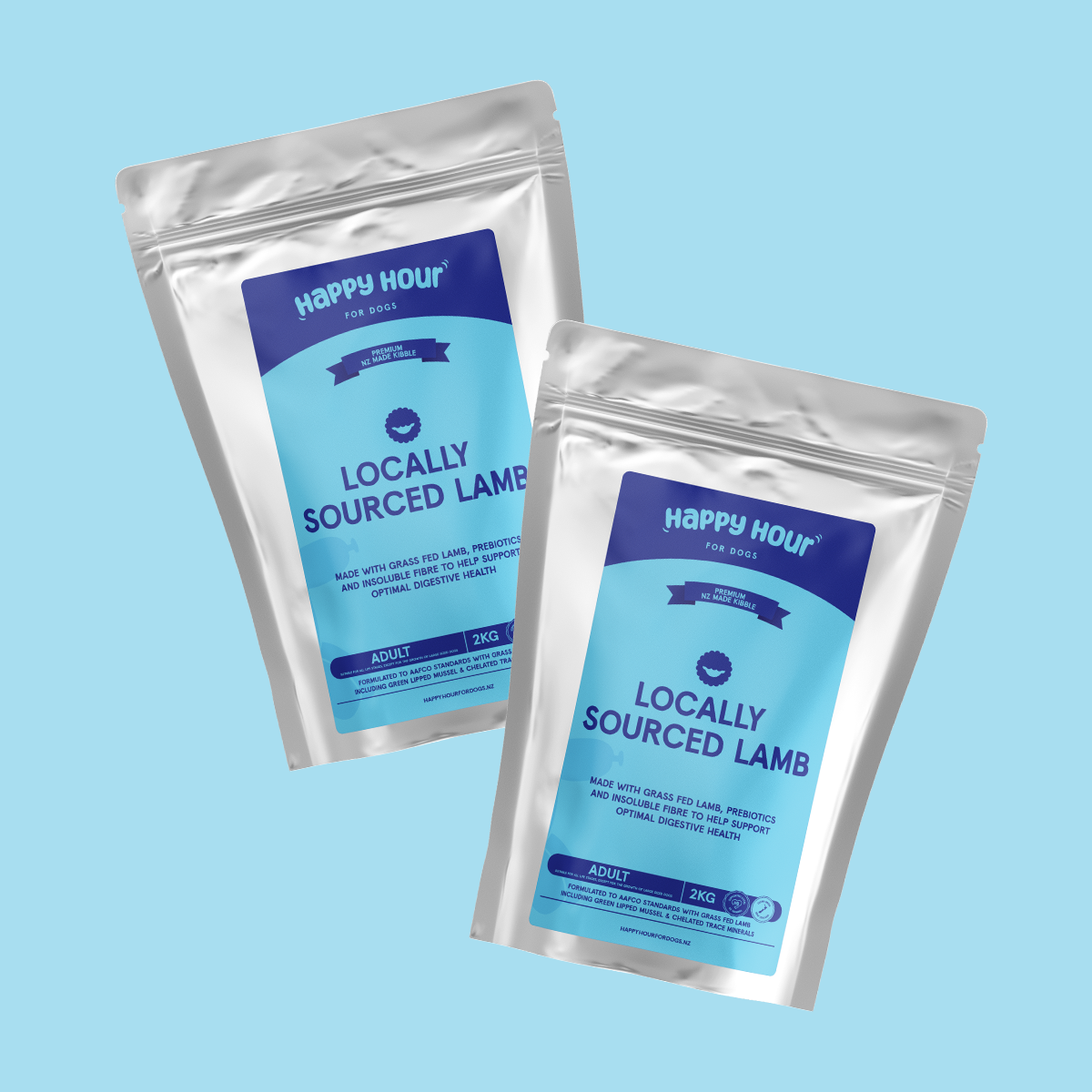
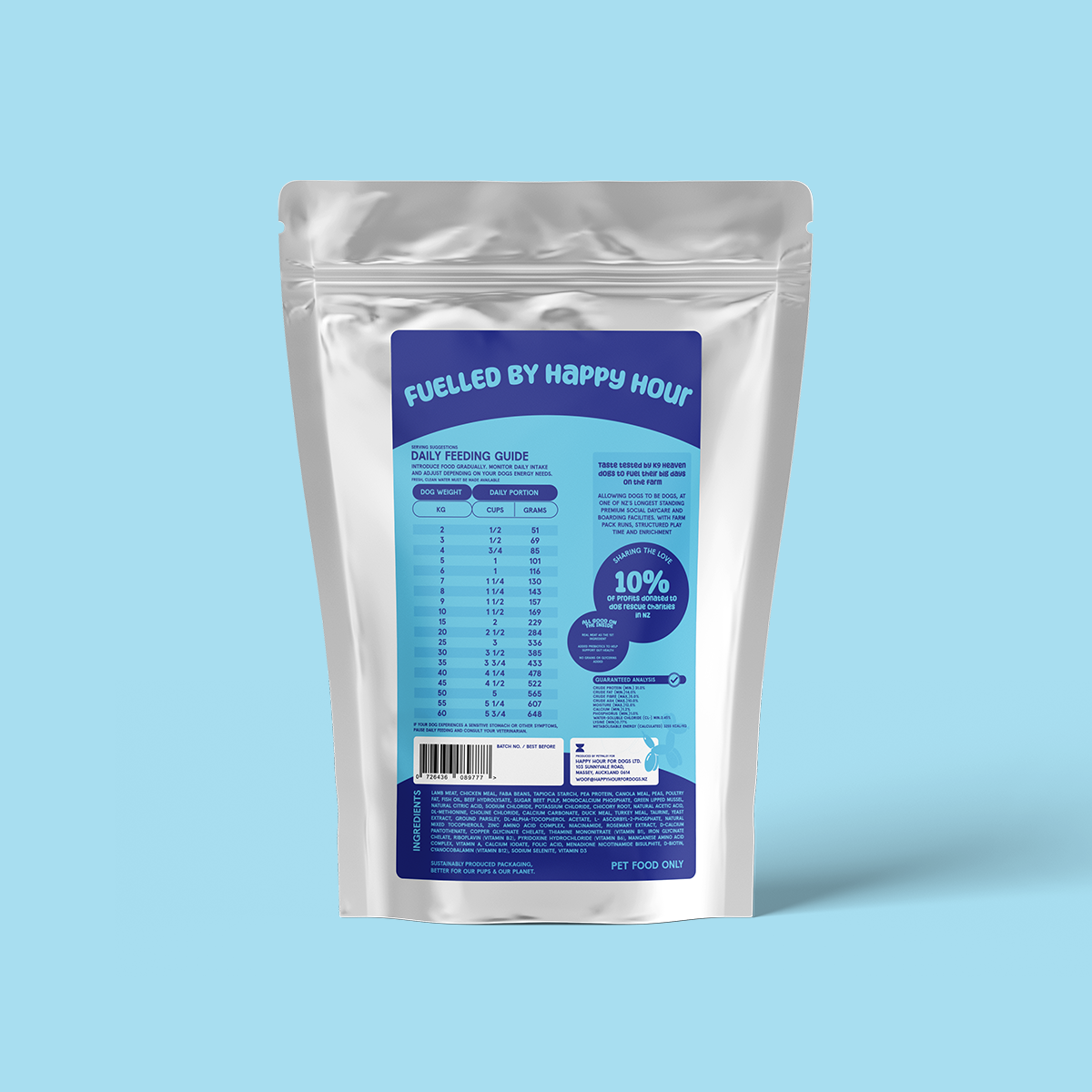
Happy Hour's grass-fed New Zealand lamb kibble ticks all of these boxes. Lamb is the first ingredient, the recipe doesn't change, and it's formulated without unnecessary fillers. We developed it specifically because we saw so many dogs at K9 Heaven struggling on lower-quality food, and we wanted something we'd be proud to feed. If you're looking for a reliable starting point for a fussy eater reset, it's worth a try.
When Fussiness Is a Sign of Something More Serious
Most fussy eating is behavioural and fixable. But there are situations where reduced appetite is genuinely a flag worth following up.
Watch for these signs alongside the fussiness:
- Weight loss over a short period
- Lethargy or a change in general demeanour
- Vomiting or loose stools persisting more than 48 hours
- Visible discomfort while eating (dropping food, crying, pawing at the face)
- Drinking noticeably more or less water than usual
- Swollen belly or signs of pain when touched around the abdomen
- Refusal of all food for more than 48 hours in a healthy adult dog, or 24 hours in a puppy
Any of these alongside a change in appetite means a vet visit. Don't try to troubleshoot at home first.
Food sensitivities and allergies can also play a role in reduced appetite. If your dog cycles through periods of eating well and then suddenly refusing food, and you're also seeing digestive upset or skin issues, a sensitivity could be worth investigating. See our guide on whether your dog is fussy or has a food sensitivity.