Cocker Spaniel Weight Management: NZ Guide
Cocker Spaniels are energetic, affectionate, and surprisingly good at convincing their owners they haven't been fed yet. It's a charming trick, but it's also one of the reasons Cockers tend to round out gradually over their middle years. They're active dogs by nature, which helps — but they're also enthusiastic eaters who benefit from careful portion management and a quality diet.
Key Takeaways
- Cocker Spaniels are food-motivated and prone to gradual weight gain, especially after desexing
- They're naturally active and enjoy exercise, which helps — but diet is the bigger weight lever
- Ear infections and skin conditions can worsen with poor diet quality
- Measured portions and twice-daily feeding are the foundation of healthy weight management
- A high-protein, high-fibre, lower-fat food suits this breed well
Why Cocker Spaniels Are Prone to Weight Gain
Cocker Spaniels were bred as flushing and retrieving dogs — active field work that required stamina and a strong food drive. That food motivation persists in the modern Cocker, even when their daily activity is three walks rather than a full day in the field.
Like many working breeds turned family companions, the disconnect between appetite and actual energy expenditure is the core problem. Cockers eat enthusiastically and aren't particularly good at self-regulating. If there's food available, most Cockers will eat it.
Desexing is a common tipping point. Hormonal changes after desexing reduce a dog's energy requirements by roughly 20-30%, but most owners don't adjust their feeding accordingly. A Cocker that was at a healthy weight before desexing can gradually gain over the following months without any change in what the owner is doing.
The weight gain tends to be gradual and easy to miss, especially in Cockers with their beautiful thick coats. By the time it's noticeable, a Cocker may be several kilograms above their ideal weight.
How to Tell If Your Cocker Spaniel Is Overweight
Adult Cocker Spaniels typically weigh between 12-16kg, though this varies. Body condition scoring is more useful than the scales alone.
Run your hands through the coat and along the ribcage. You should be able to feel each rib without significant pressure. Looking from above, there should be a visible waist. From the side, the belly should tuck up behind the ribcage.
Cockers have dense, silky coats that can easily disguise extra weight. Always feel through the coat rather than relying on how they look. A well-coated Cocker can look healthy while carrying significant extra weight underneath. Our overweight dogs NZ guide covers body condition scoring in detail.
Feeding a Cocker Spaniel for a Healthy Weight
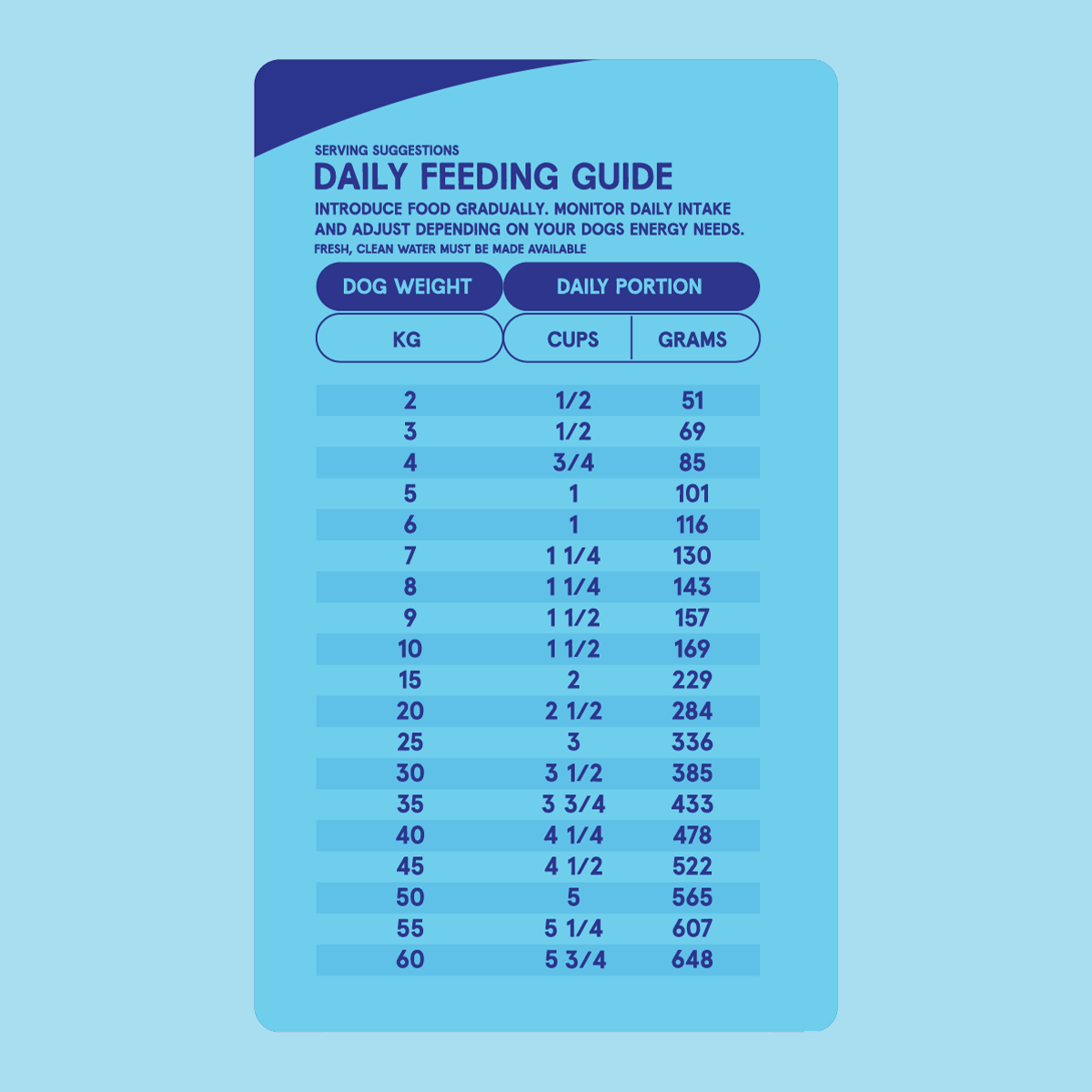
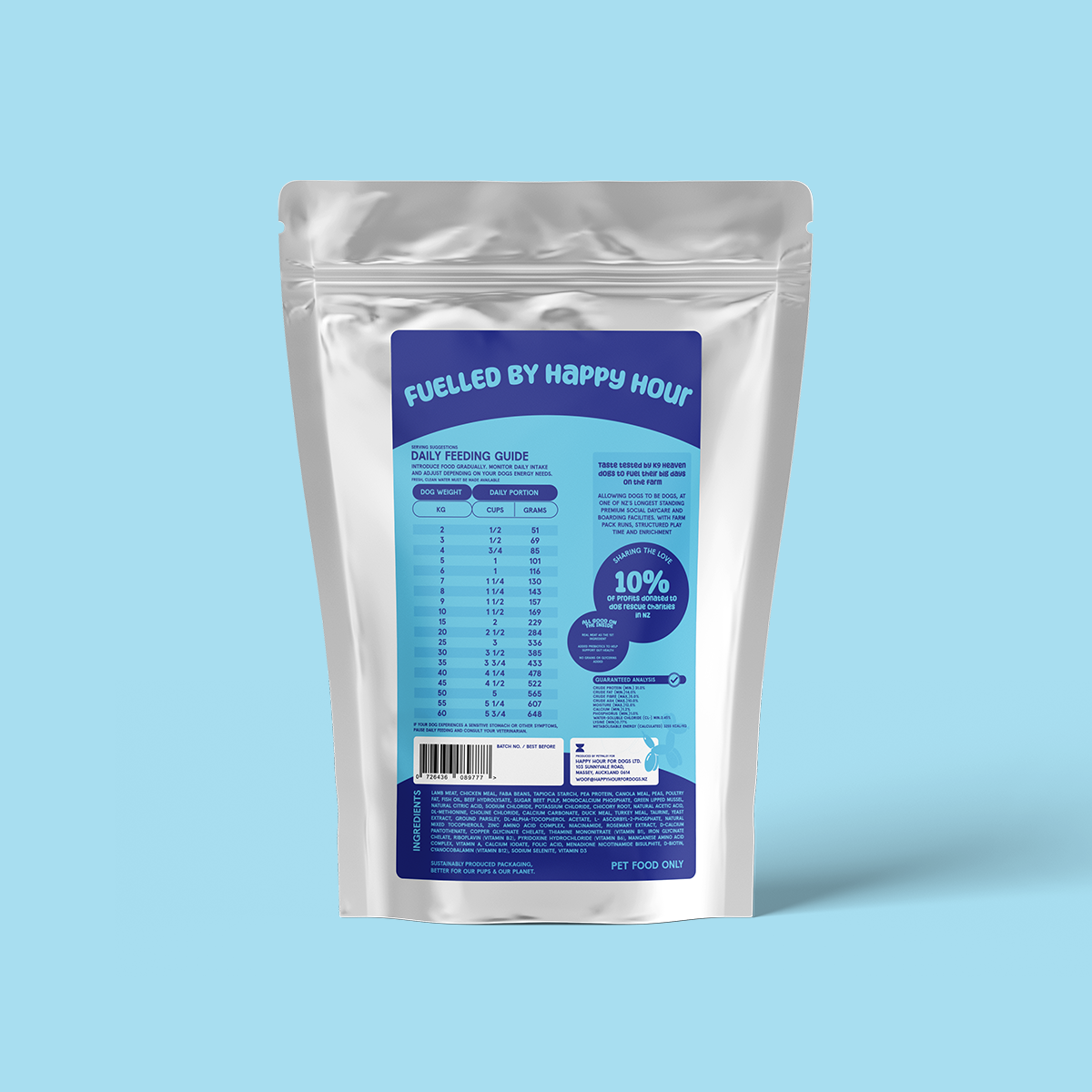
Measure every meal on a kitchen scale. The feeding guidelines on your dog food are a starting point — adjust up or down based on your dog's actual body condition over time. Don't rely on a scoop measure; scales are more accurate.
Feed twice daily. Twice-daily meals suit Cockers well: it reduces begging between meals, is better for digestion, and gives you clear control over daily intake.
After desexing, reduce portions by around 10-20% and monitor body condition carefully over the following months. This is the single most common point at which Cocker weight gain starts, and the most preventable.
Treats need to be tracked. Cockers are easy to please with food rewards, which makes them lovely to train — but treat calories add up. Use small pieces, low-fat options, or pieces of their regular kibble as training rewards. Set a daily treat budget and count what goes in.
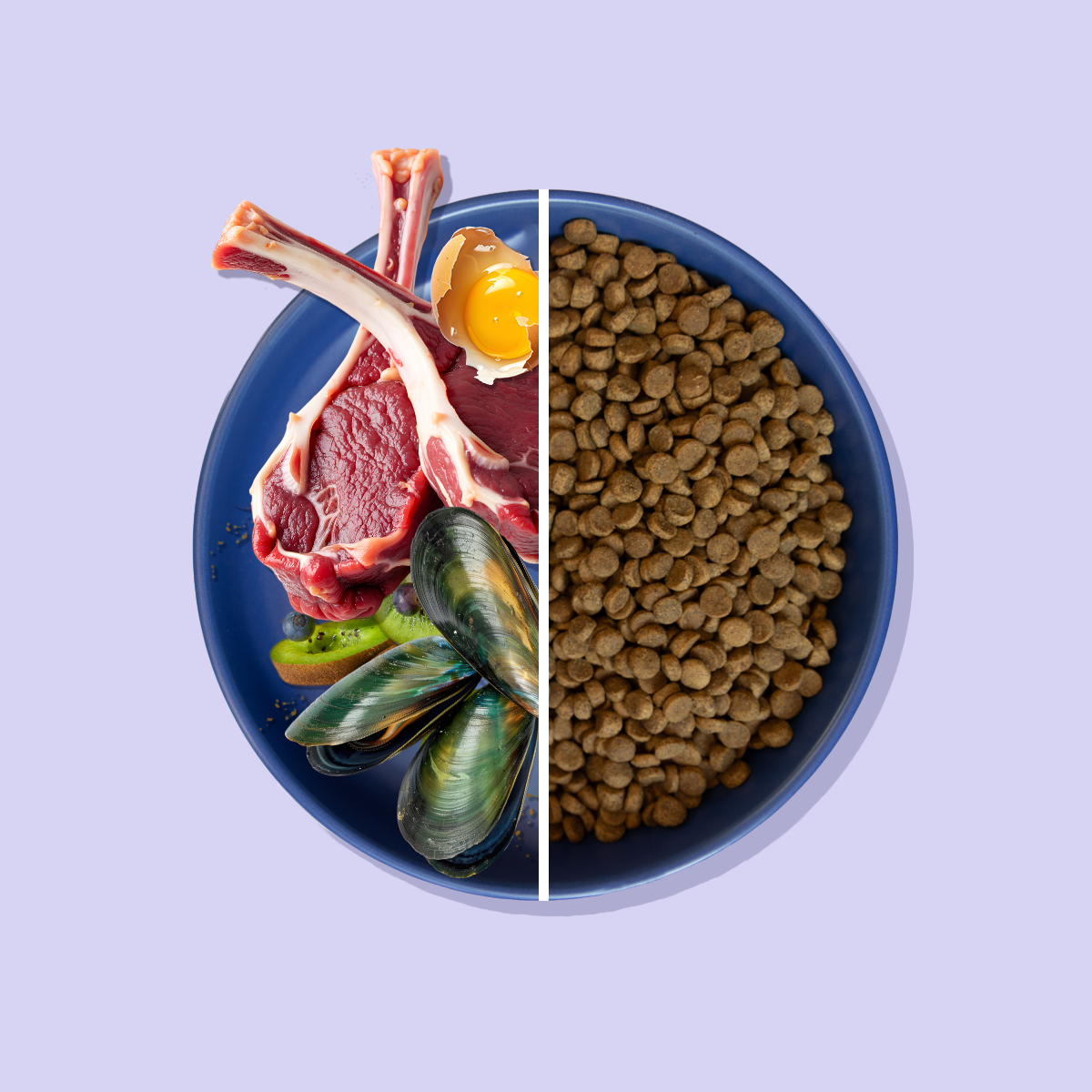
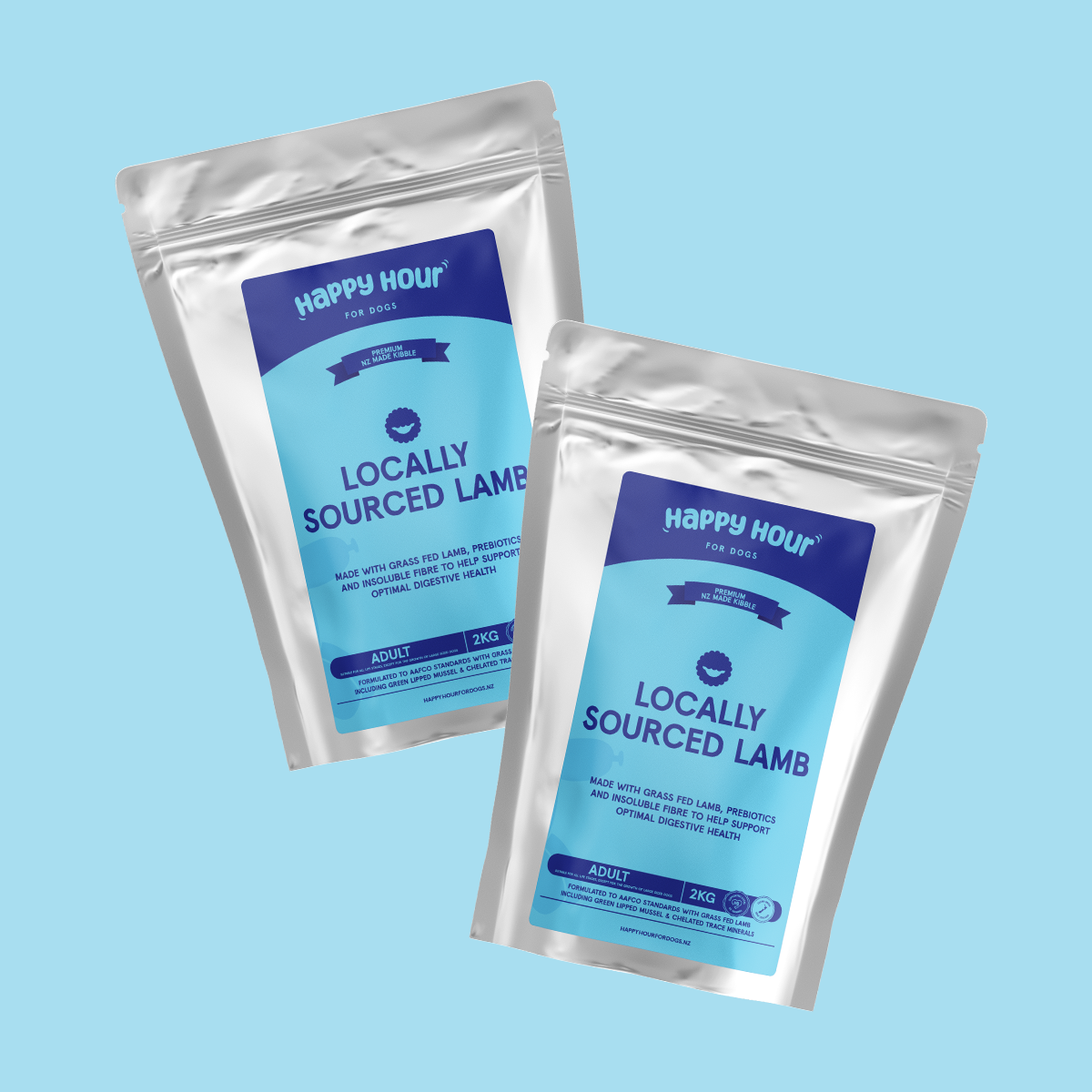
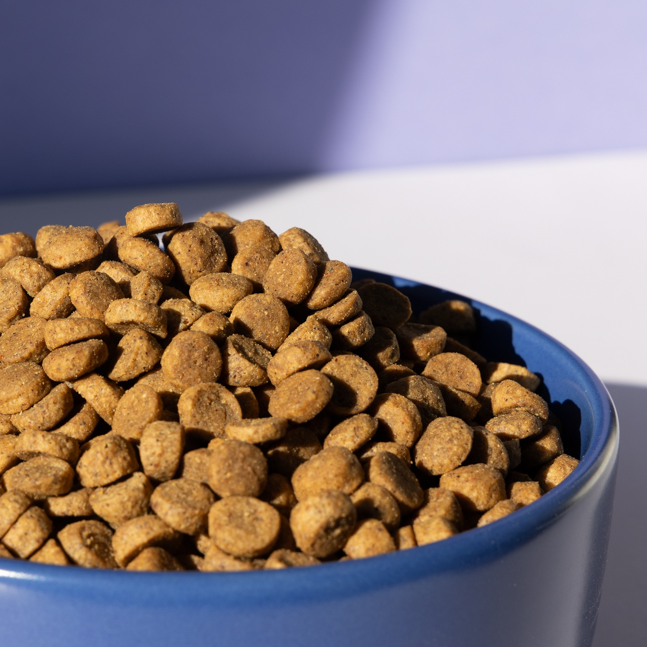
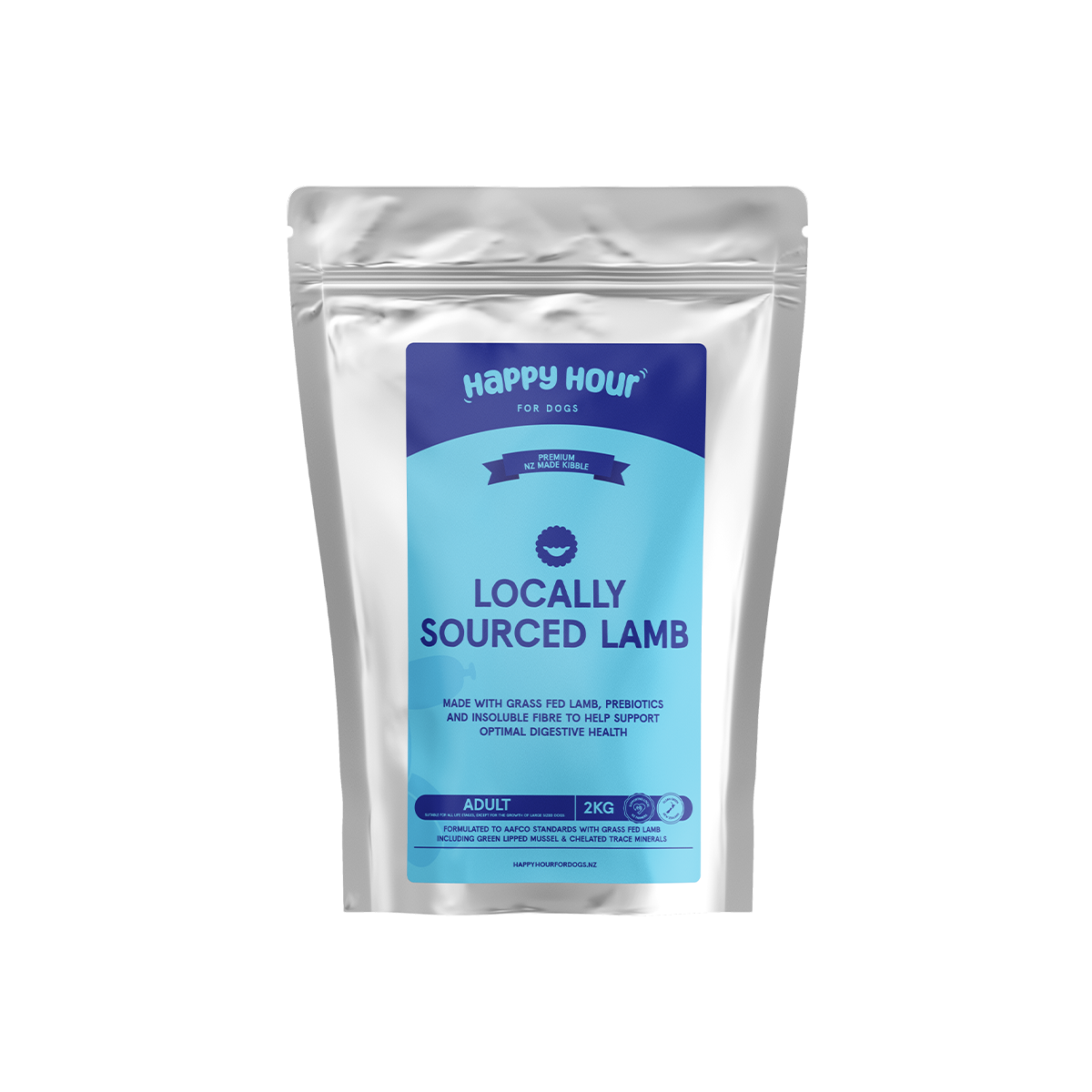
A food with good protein and fibre content helps Cockers feel genuinely satisfied between meals. Happy Hour is a NZ-made grain-free lamb kibble with real fibre from quality ingredients and no grain-based fillers. For a breed that needs to stay lean without going hungry, the fibre and protein content make meals feel more complete. Find it at happyhourfordogs.nz.
Exercise Tips for Cocker Spaniels
Cockers are active dogs that genuinely enjoy exercise — they're not reluctant walkers. Adult Cockers do well with 45-60 minutes of exercise daily, split across two sessions.
Good options include walks, off-leash running in secure areas, retrieving games, and swimming (many Cockers love water, which connects to their flushing and retrieving heritage). Mental stimulation through training or nose work also helps keep them balanced.
Cockers are athletic and capable of more exercise than their size suggests. If your Cocker is healthy and at a good weight, they can handle active days. The key is consistency — regular daily exercise rather than occasional big efforts.
If your Cocker is significantly overweight, start with shorter sessions and build up gradually. A very heavy dog shouldn't suddenly be pushed into long exercise sessions, as this puts stress on joints and the cardiovascular system. Steady progress over weeks is the safer approach.
What to Look for in Dog Food for Cocker Spaniels
For Cockers, a clean, quality diet supports not just weight but coat and skin health too. Cockers are prone to ear infections and skin issues, which can be influenced by diet quality and fat content.
Look for:
- Quality animal protein as the primary ingredient — not grain, plant meal, or "animal derivative"
- Real dietary fibre — supports fullness and digestive health
- Appropriate fat levels — not ultra-low, but not high-fat either
- No artificial additives, colours, or preservatives — skin and coat health are sensitive to diet quality in this breed
- No grain fillers — corn, wheat, and soy add empty calories and may contribute to skin issues in sensitive dogs
Happy Hour's grain-free lamb kibble is made with NZ-sourced lamb, real fibre, prebiotics, and green-lipped mussel. There are no grains, artificial colours, or unnecessary additives. For a breed where coat and skin health are closely tied to diet, a clean ingredient list matters.
See our dog breeds prone to weight gain guide for a broader look at breeds that need careful weight management.