Cavalier King Charles Spaniel Weight: NZ Owner's Guide
Cavalier King Charles Spaniels are gentle, affectionate, and very easy to accidentally overfeed. They're small dogs with big eyes and the kind of expression that makes every owner feel like they're being underfed. Add in the breed's genuine proneness to both weight gain and pancreatitis, and food choices become more important than they might seem for such a sweet little dog.
Key Takeaways
- Cavaliers gain weight easily and the consequences compound with their cardiac health issues
- The breed is prone to pancreatitis, making a low-fat diet more than just a weight management choice
- Small size means even half a kilogram of extra weight is meaningful
- Regular weigh-ins and strict portion control are essential for this breed
- Low-fat, high-fibre food protects both their weight and their pancreas
Why Cavalier King Charles Spaniels Are Prone to Weight Gain
Cavaliers were bred as companion dogs — designed to sit on laps, travel in carriages, and provide comfort. They weren't built for hard physical work, which means their calorie needs are modest compared to working breeds. In a family home where they're happily fed regular meals, treats from everyone, and the occasional table scrap, it doesn't take long for a Cavalier to creep above their ideal weight.
They're also highly people-pleasing, which can work against weight management. A Cavalier that looks longingly at your plate or paws gently at your leg is very hard to say no to — and most owners gradually give a little more than they should, slowly over months and years.
The weight problem compounds with the breed's other health tendencies. Cavaliers are prone to mitral valve disease (a heart condition that affects most Cavaliers by middle age) and syringomyelia (a neurological condition). Excess weight puts additional strain on a heart that may already be working harder than it should.
They're also prone to pancreatitis. The pancreas is an organ that produces enzymes for digestion and hormones for blood sugar regulation. When inflamed, it causes significant pain and can be life-threatening in severe cases. High-fat foods and fatty treats are among the most common triggers. For Cavaliers, this isn't just a reason to choose a lower-fat food for weight reasons — it's a genuine health protection measure.
For more on pancreatitis in dogs, see our guide at /blogs/news/pancreatitis-in-dogs.
How to Tell If Your Cavalier Is Overweight
Adult Cavaliers typically weigh between 5.9-8.2kg. Body condition matters more than the exact figure.
Run your fingers firmly along the ribcage — ribs should be clearly felt without pressing hard. From above, there should be a visible waist. From the side, the belly should tuck up behind the ribs, not hang level.
Cavaliers have silky coats that can mask weight gain. Always feel through the coat rather than judging by appearance. If the ribs feel padded, the waist has disappeared, or the dog looks round from above, they're likely overweight. Our overweight dogs NZ guide has a full body condition scoring guide.
Feeding a Cavalier for a Healthy Weight
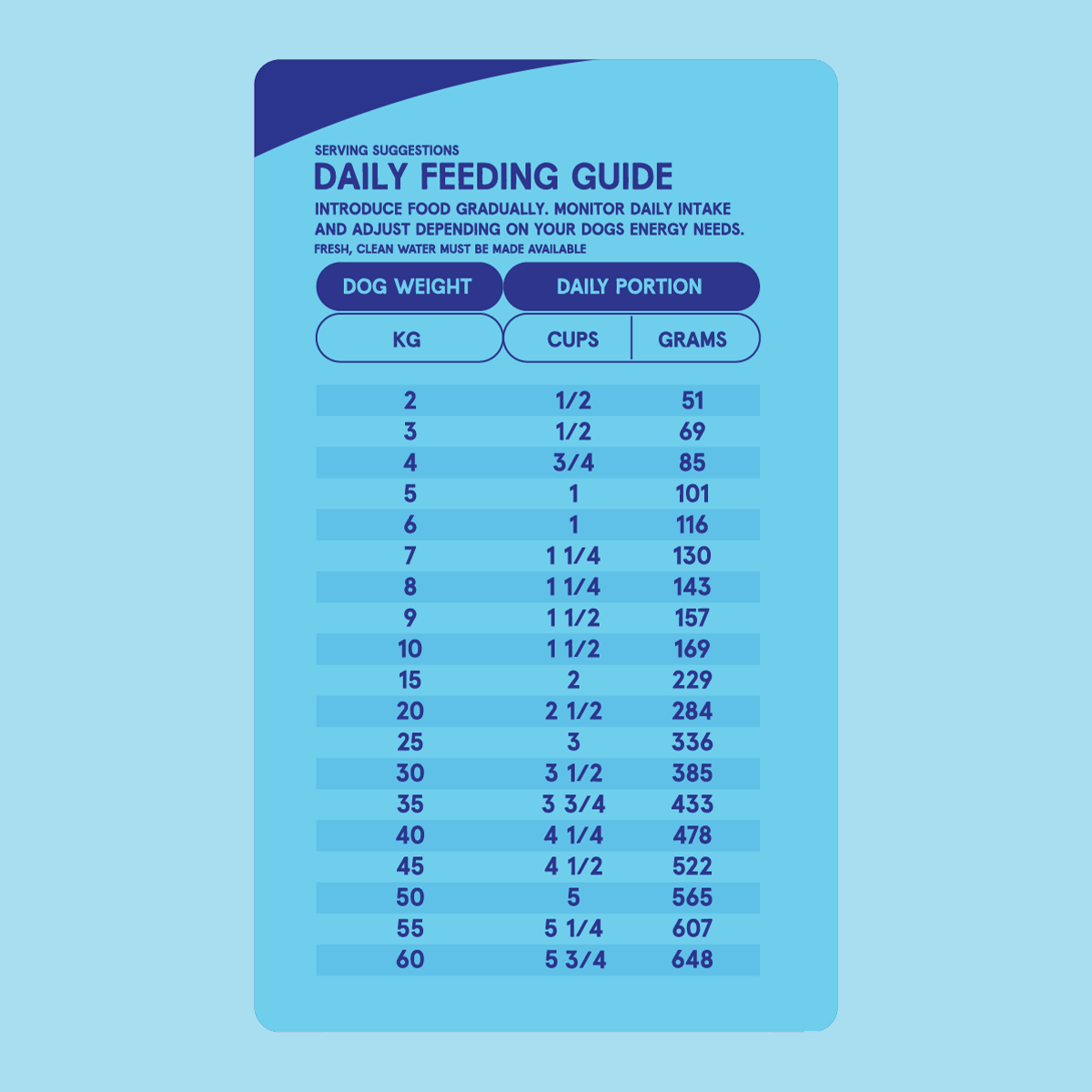
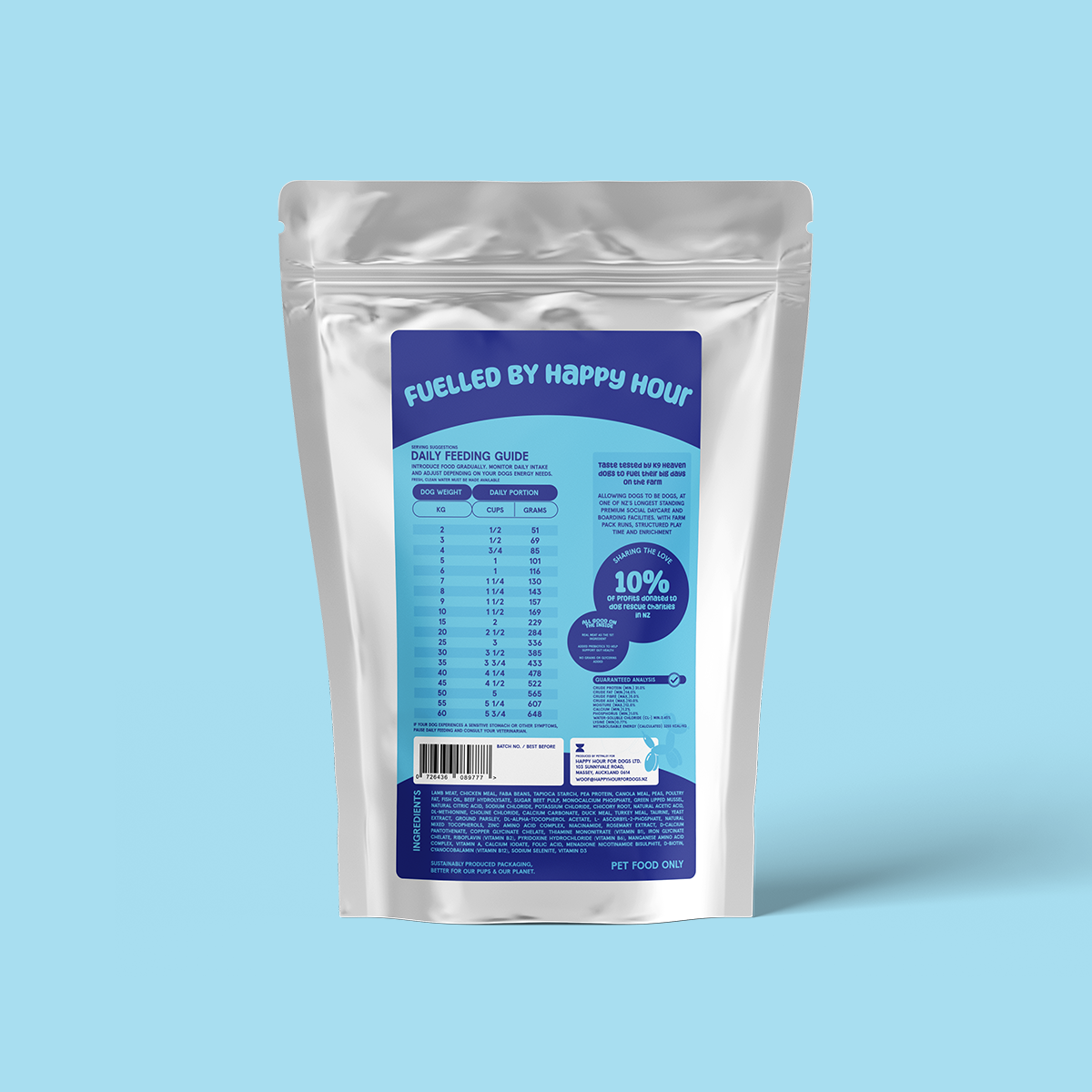
Measure portions on a kitchen scale. Cavaliers have small daily calorie needs — it's surprisingly easy to overfeed even with careful intentions. A scale takes the guesswork out.
Feed twice a day. Twice-daily feeding is better for blood sugar stability, reduces begging behaviour, and means you have clear control over what goes in.
Treats must be counted. Small breeds have small calorie budgets, and a single large treat can represent a significant portion of a Cavalier's daily intake. Use the smallest possible pieces, opt for low-fat options, and keep total treat intake under 10% of daily calories.
Given the pancreatitis risk, avoid high-fat treats entirely: no cheese, no fatty meat scraps, no rich commercial treats. The consequences of a pancreatitis episode are far worse than the short-term disappointment of not having a cheese cube.
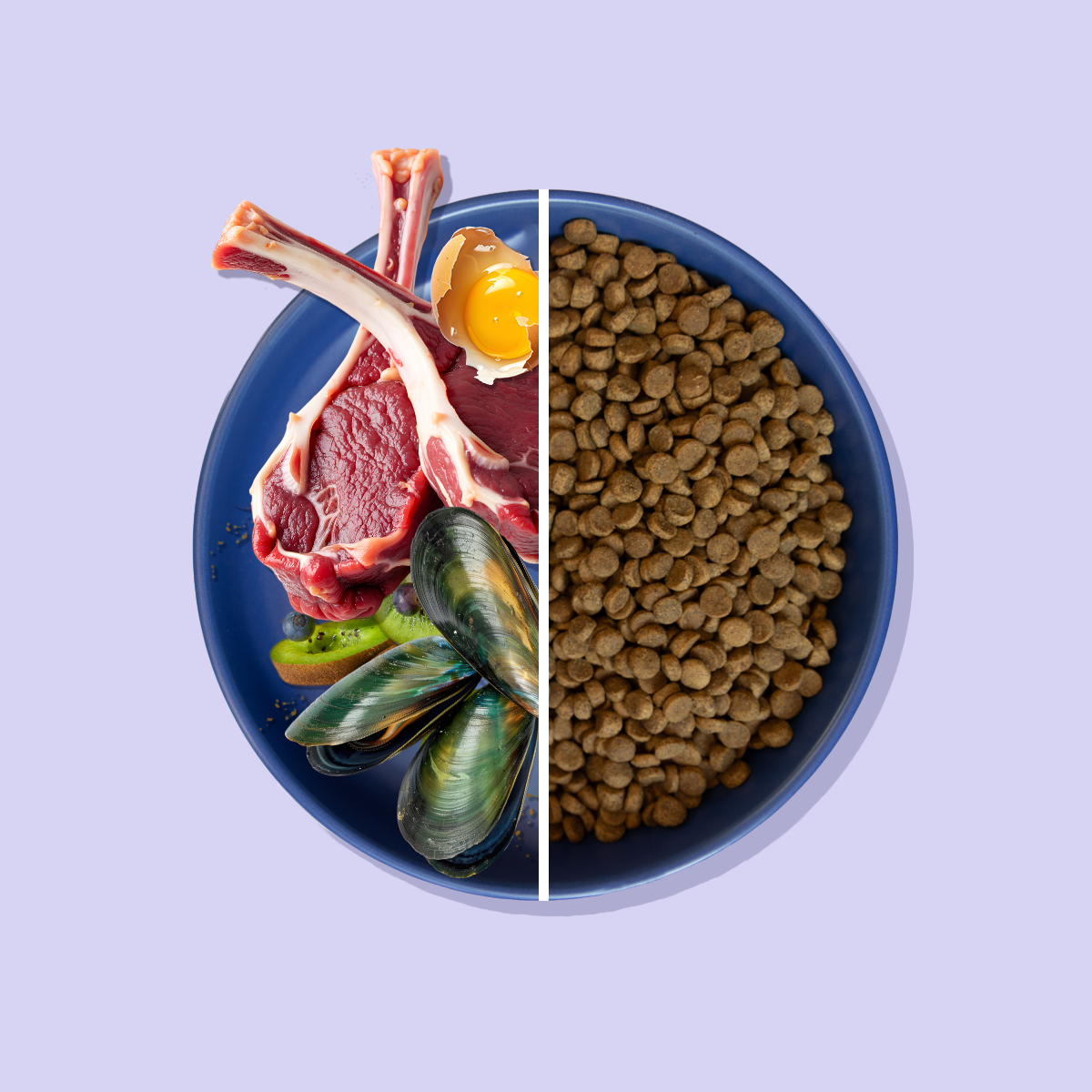
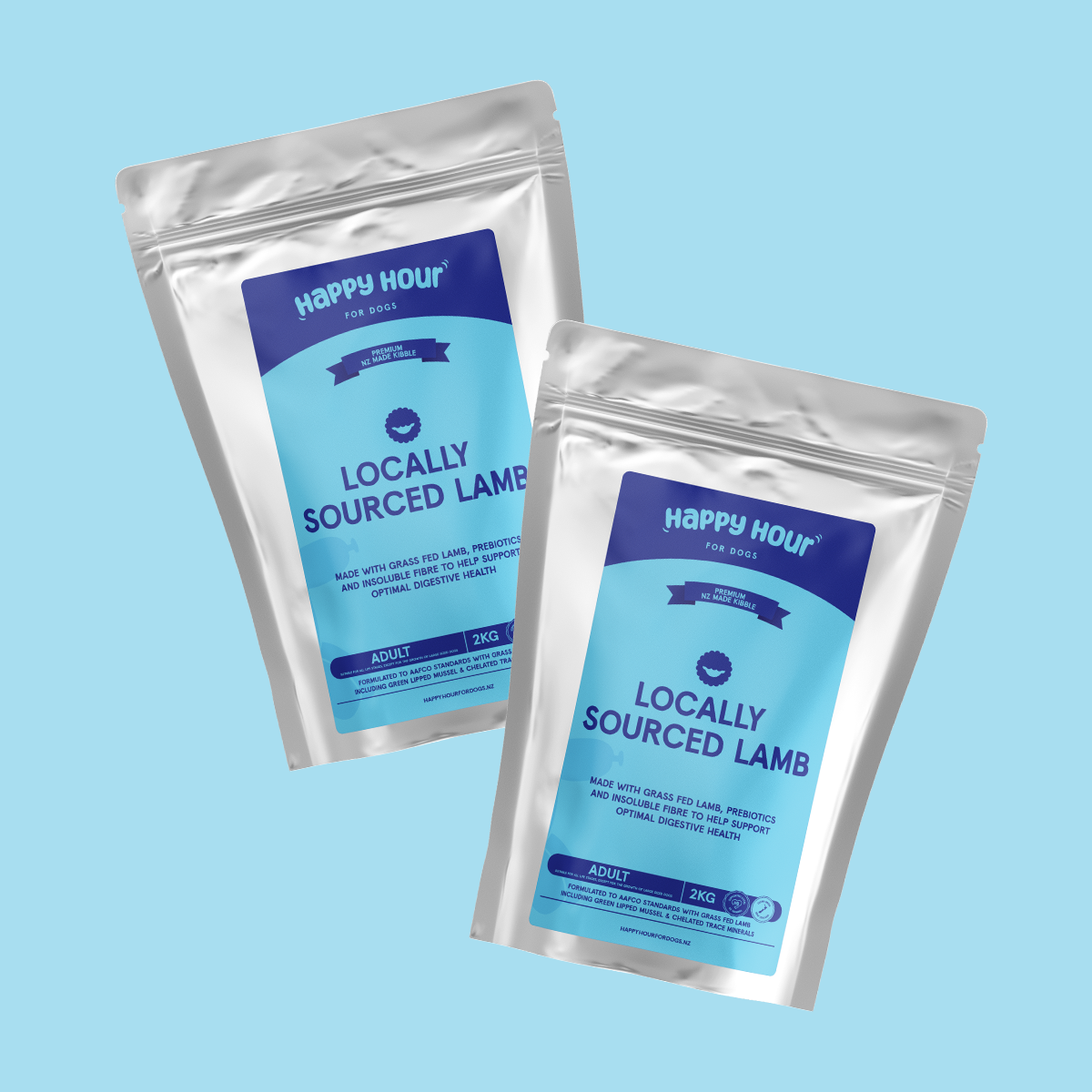
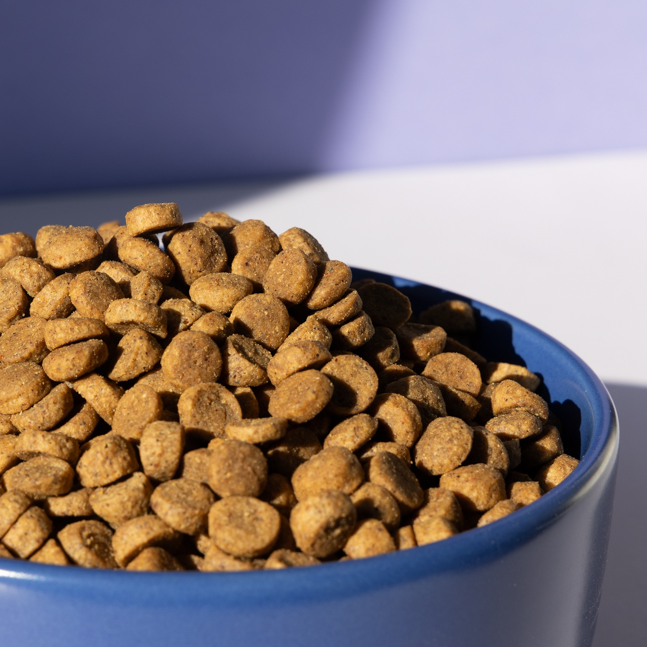
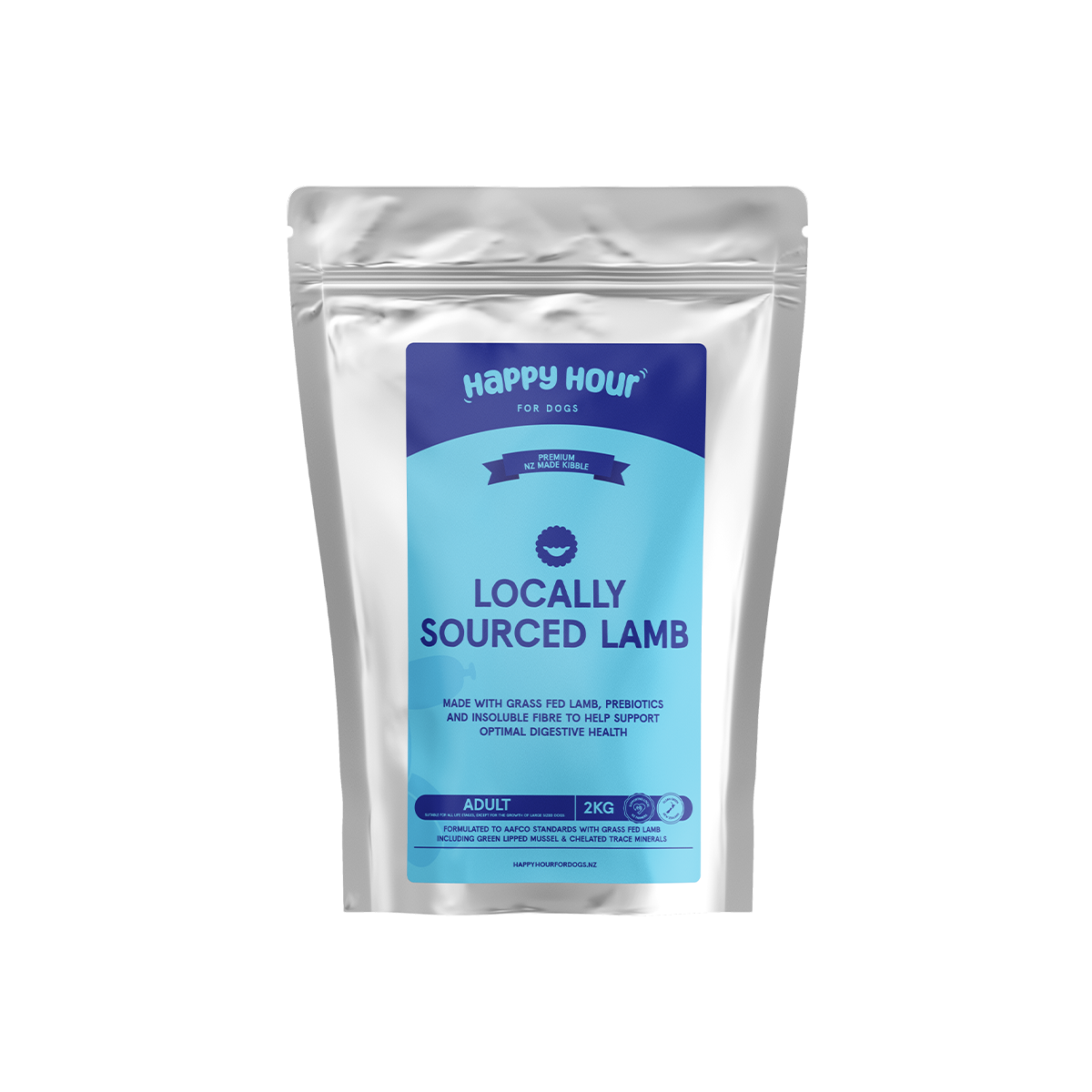
Food composition matters enormously for Cavaliers. A low-fat, high-fibre food is the right choice for both weight management and pancreas protection. Happy Hour's grain-free lamb kibble is naturally low in fat, made with quality NZ protein and real fibre. It's a straightforward, clean option for a breed where fat content in the food is a genuine health concern. Find it at happyhourfordogs.nz.
Exercise Tips for Cavalier King Charles Spaniels
Cavaliers enjoy moderate daily exercise and typically do well with 30-45 minutes per day in two sessions. Gentle walks, light play sessions, and garden time are all suitable.
This isn't a breed that needs marathon walks — but they're not purely sedentary either. Regular gentle movement supports a healthy metabolism, maintains muscle tone, and provides mental enrichment.
Watch for exercise intolerance. Cavaliers with cardiac issues may tire more quickly or show laboured breathing after exercise. If your Cavalier seems unusually tired, coughs after exercise, or breathes heavily, talk to your vet — it may be cardiac-related rather than fitness.
Don't over-exercise in heat. Cavaliers can struggle in hot weather. In NZ summers, stick to early morning or evening walks and keep sessions shorter.
What to Look for in Dog Food for Cavalier King Charles Spaniels
For Cavaliers, food quality and fat content are both important. Look for:
- Low fat content — protects against pancreatitis and helps with calorie management
- High-quality animal protein — supports lean muscle without excess calories
- Real dietary fibre — helps small dogs feel full on appropriate portions
- No grain fillers — corn, wheat, and soy add unnecessary calories
- No rich additives or artificial flavourings — keep the ingredient list simple and clean
Happy Hour's grain-free lamb kibble is a strong match for Cavaliers: low in fat, real fibre, quality NZ lamb as the base, and nothing artificial. For a breed where pancreatitis risk is real, the fat content of their everyday food is not a detail to overlook.
For more on breeds that need careful weight management, see our dog breeds prone to weight gain NZ guide.