Beagle Weight Management: NZ Guide for Owners
Beagles are cheerful, affectionate, and relentlessly food-focused. If you own one, you already know that no crumb escapes their notice and no bin is safe. That food obsession is deeply tied to what Beagles were bred for — centuries of nose-to-the-ground endurance scent work, fuelled by a big appetite. In a modern home with regular meals and shorter walks, that same appetite is one of the leading reasons Beagles end up overweight.
Key Takeaways
- Beagles have strong food drives developed through centuries of working scent hound breeding
- They're small dogs — even a kilogram or two of extra weight is significant relative to their size
- Scavenging and counter-surfing can sabotage the best weight management efforts
- A high-fibre food helps Beagles feel fuller without eating more
- Consistent daily exercise, mental stimulation, and strict portion control are the core tools
Why Beagles Are Prone to Weight Gain
Beagles were bred as pack hounds for trailing rabbits and hares — a job that required sustained endurance over long distances, day after day. Their strong food drive was part of the package: a highly motivated scent hound that would work tirelessly for a reward. That biology doesn't turn off in a domestic setting.
Modern Beagles are primarily companion dogs, not working hounds. But their appetite reflects their heritage: they're built to eat, to seek food, and to never pass up an opportunity. They'll eat past fullness. They'll steal food from counters, bins, and other pets. They'll eat things that aren't food if actual food isn't available.
Beagles are also small enough that the margin is tight. A Beagle's ideal weight is roughly 9-11kg. An extra kilogram represents nearly 10% of their ideal body weight — the equivalent of a 75kg person carrying 7-8kg of extra fat. Small dogs, small margins.
Their relatively low height means they're often underestimated in terms of physical activity needs. Beagles aren't lap dogs — they need proper daily exercise to stay lean.
How to Tell If Your Beagle Is Overweight
Healthy adult Beagles typically weigh between 9-11kg, though some variation exists. The body condition check matters more than the number.
Run your hands along your Beagle's ribcage. You should feel each rib without pressing hard. Looking from above, there should be a visible waist. From the side, the belly should tuck up behind the ribcage.
A healthy Beagle looks athletic and trim — not lean to the point of looking gaunt, but clearly not round either. If the ribs are hidden under a soft layer and the waist is gone, it's time to take action. Check our overweight dogs NZ guide for a full body condition scoring breakdown.
Feeding a Beagle for a Healthy Weight
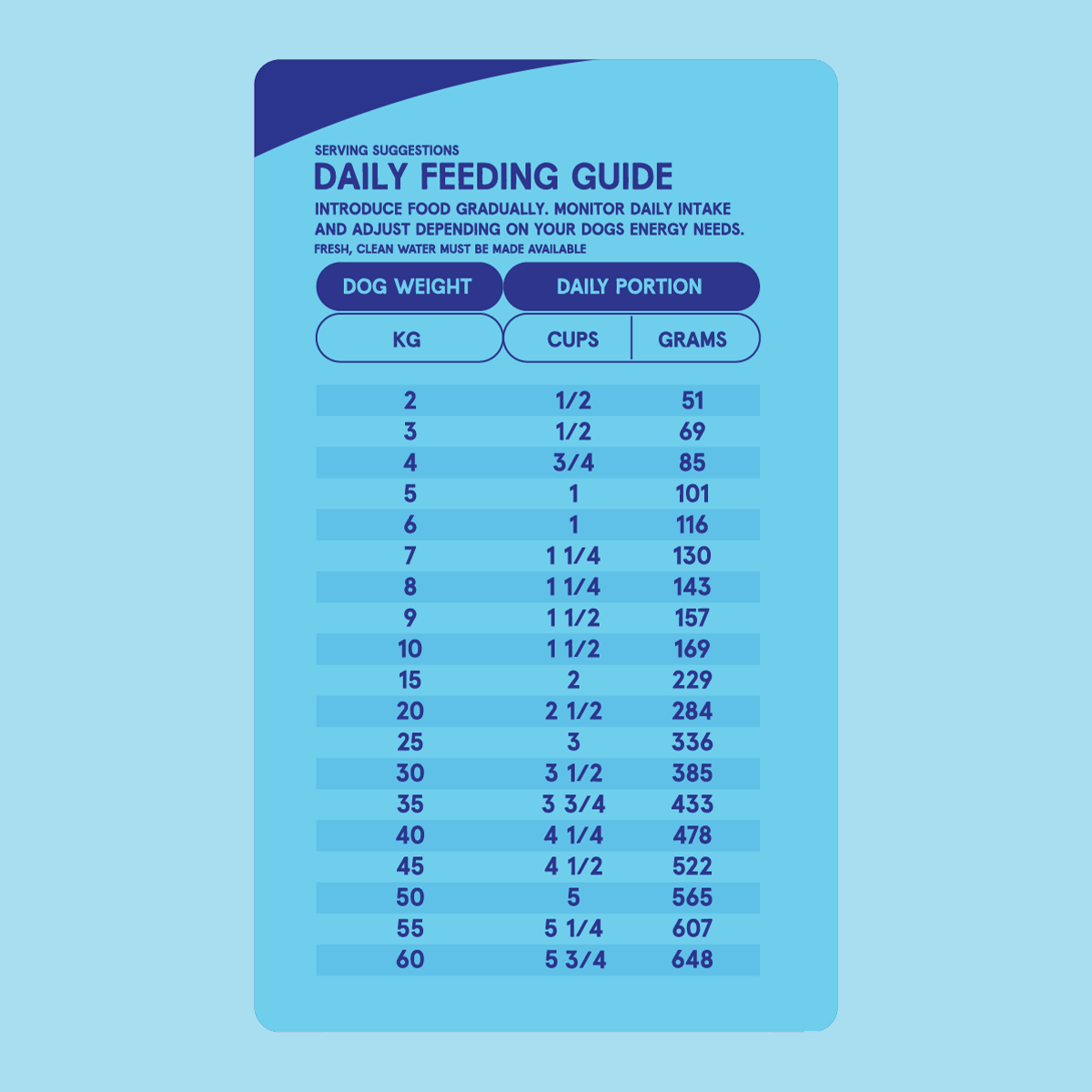
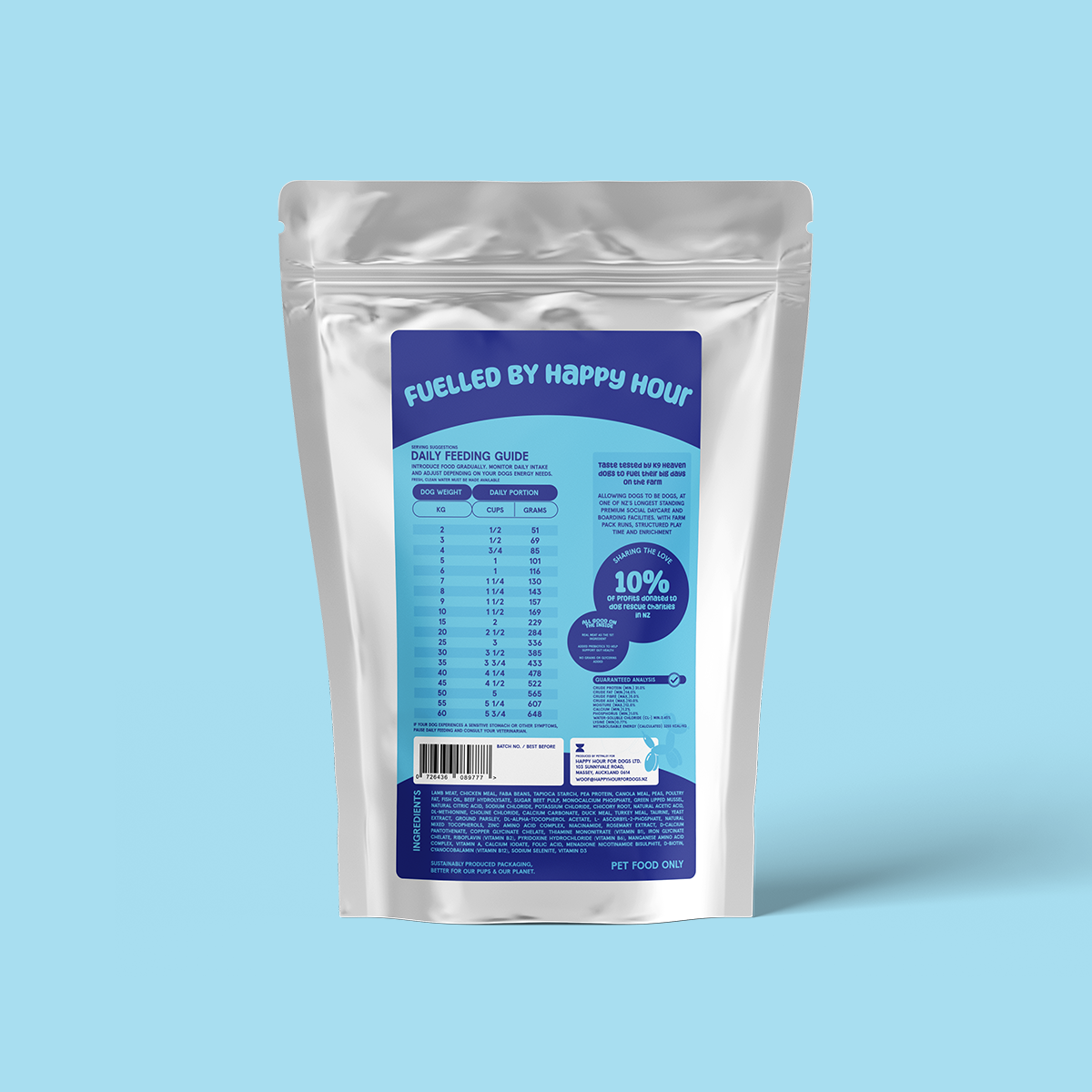
Strict portion control is non-negotiable for Beagles. These dogs will eat whatever is in front of them and still act hungry — so their appetite is not a reliable guide to how much they need. Use a kitchen scale and follow the feeding guidelines on your food, adjusting over time based on body condition.
Feed twice a day rather than free-feeding. Free-feeding (leaving food out all day) is particularly problematic for Beagles, who will simply eat continuously. Two measured meals give you control over exactly what goes in.
Secure the environment. Beagles are resourceful scavengers. Bin locks, baby gates on kitchen entries, and keeping food off low counters aren't just convenience measures — they're part of weight management. A Beagle that raids the bin twice a week is getting significant extra calories that never appear in your feeding log.
Treats add up quickly. Because Beagles are highly treat-motivated, they're often given more treats than other breeds — which is understandable but problematic for weight. Use the smallest possible pieces, count treats against the daily calorie budget, or use their kibble as training rewards.
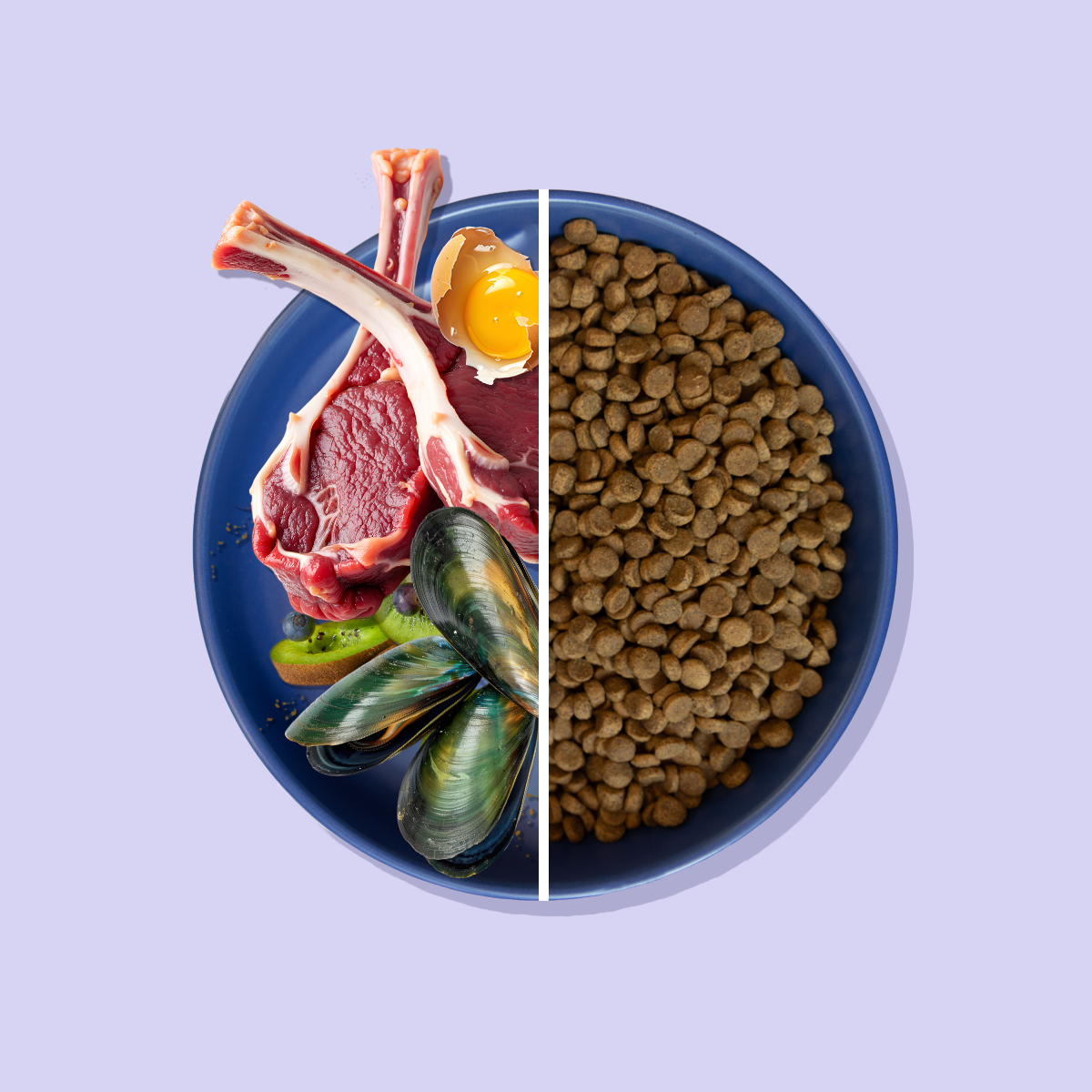
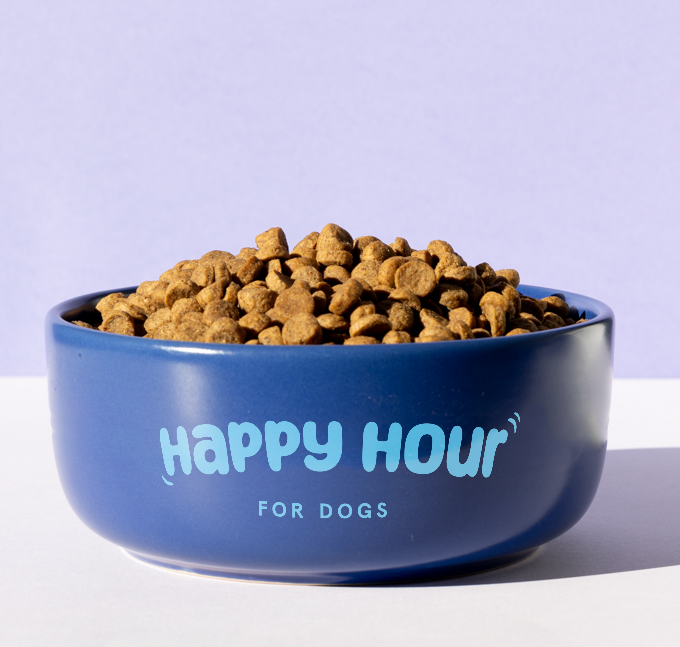
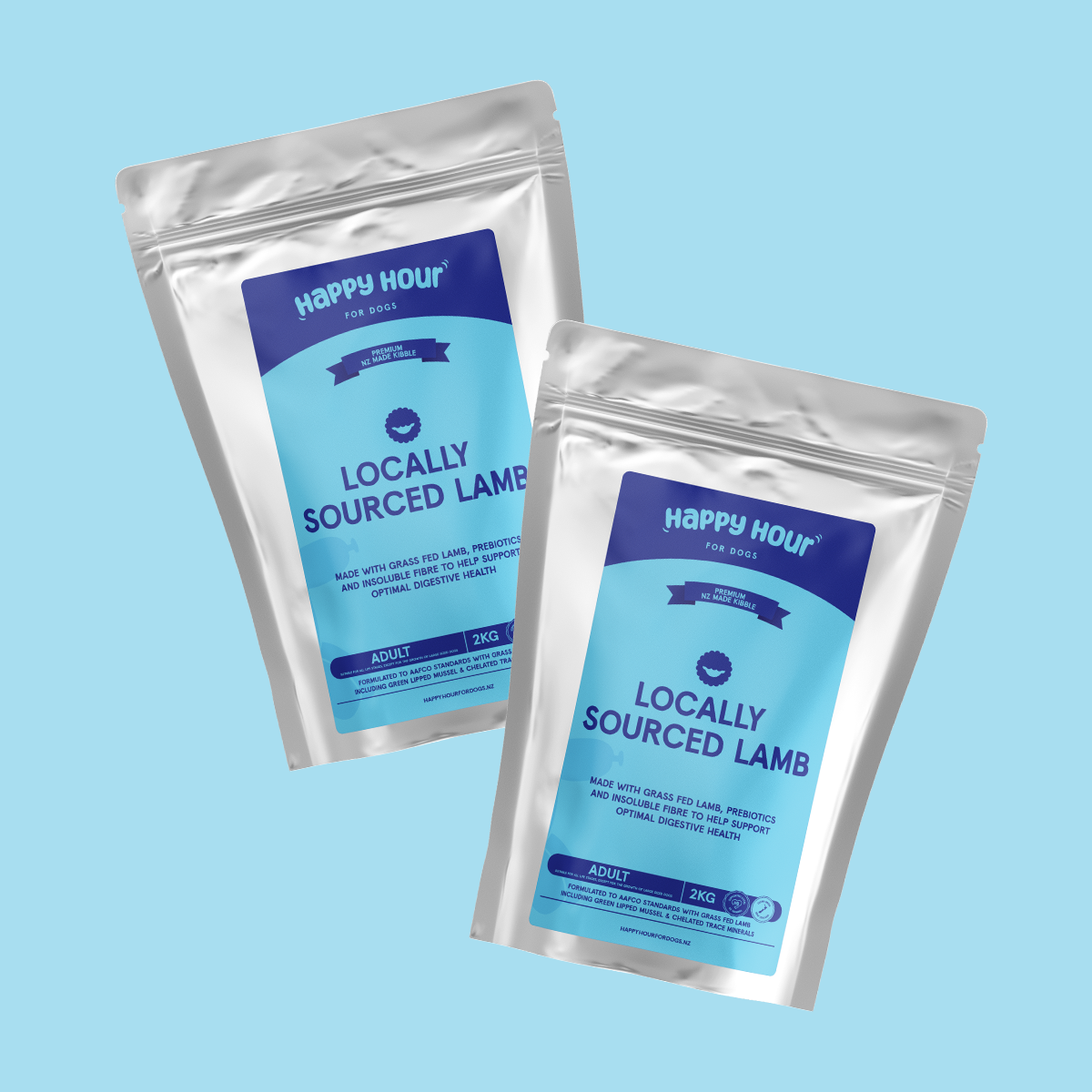
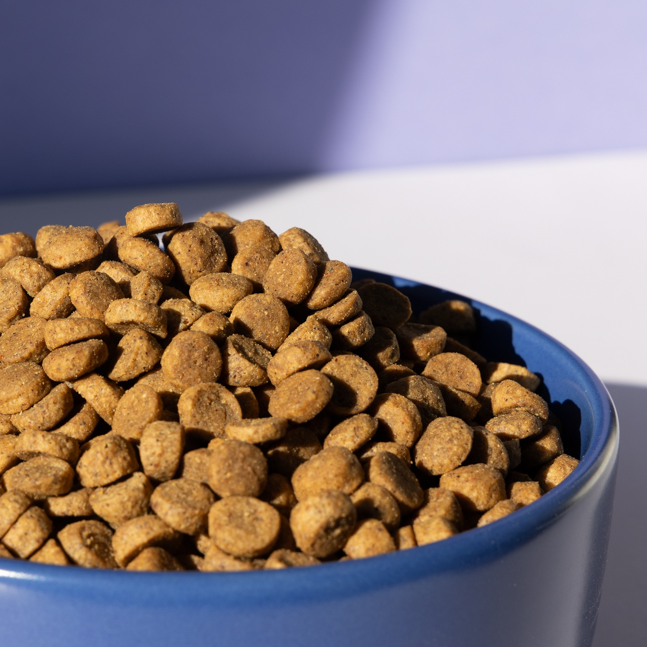
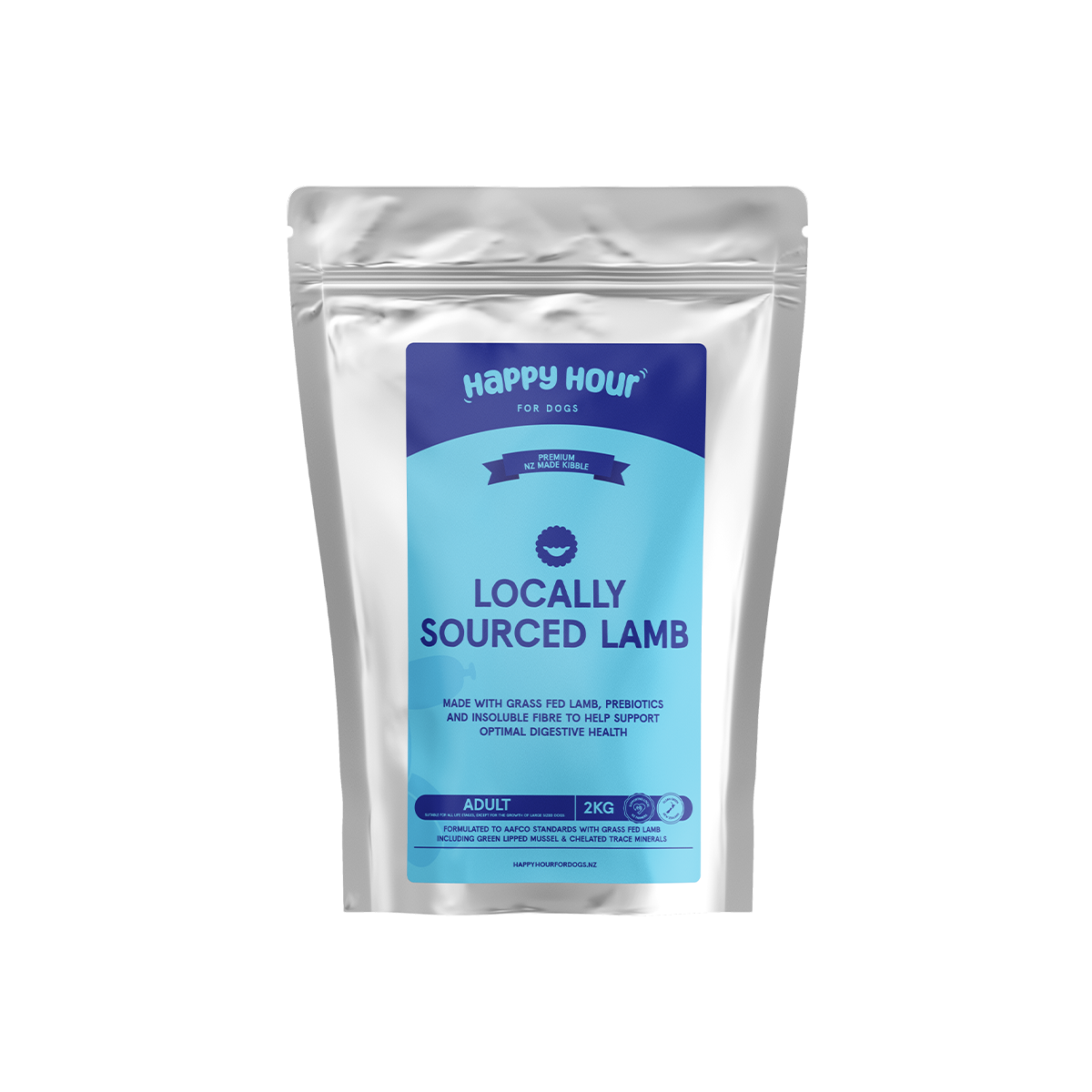
A high-fibre food helps. Beagles feel fuller on a high-fibre diet, which makes the measured portion feel more satisfying. Happy Hour is a NZ-made grain-free lamb kibble with real fibre from quality ingredients — no grain padding, no empty fillers. For Beagles that seem perpetually hungry, the fibre content makes a genuine difference. Find it at happyhourfordogs.nz.
Exercise Tips for Beagles
Beagles need more exercise than many owners expect. For an adult Beagle, 45-60 minutes of proper exercise daily is a reasonable baseline — this means actual movement, not just pottering around the backyard.
Off-leash exercise is rewarding for Beagles but requires a secure environment. Their nose will take over if they catch an interesting scent, and they'll wander (or bolt) without hesitation. A securely fenced area or a long lead is safest.
Scent-based activities are particularly enriching for Beagles. Hiding food puzzles, nosework games, and sniff walks (where you let them follow their nose rather than walking at heel) are mentally exhausting in the best way. A mentally tired Beagle is a calmer, less food-obsessed Beagle.
Walking the same route every day may bore a Beagle. Mix routes, allow sniffing time, and vary the experience where possible. A Beagle that's mentally engaged during walks benefits more than one that's just walking alongside you out of routine.
Exercise won't fully compensate for overfeeding in a food-motivated breed — diet is the bigger weight lever — but regular movement keeps their metabolism active and their muscles strong.
What to Look for in Dog Food for Beagles
For Beagles, choose a food that:
- Has high dietary fibre — helps them feel fuller between meals
- Uses quality protein as the base — supports muscle and keeps them satisfied
- Is low in fat — calorie density matters more for small breeds where margins are tight
- Has no grain fillers — corn, wheat, and soy add unnecessary calories without nutritional value
- Doesn't contain artificial flavour enhancers — which can increase appetite in an already food-driven breed
Happy Hour's grain-free lamb kibble is made with NZ-sourced lamb, real fibre, prebiotics, and green-lipped mussel. It's a quality choice for Beagles because the fibre helps with fullness, the ingredients are real, and there are no low-quality fillers padding out the calorie count.
For a broader look at which breeds need the most careful weight management, see our dog breeds prone to weight gain guide.