Taurine for Dogs: Why This Amino Acid Matters in Kibble
Taurine is one of those ingredients that most dog owners don't think about until something goes wrong. In 2018, the FDA began investigating a possible link between certain dog foods and dilated cardiomyopathy, a serious heart condition. That investigation brought taurine into sharp focus. Here's what you need to know.
Key Takeaways
- What Is Taurine?
- Can Dogs Make Their Own Taurine?
- The FDA DCM Investigation
- Why Including Taurine Directly in Kibble Matters
- Signs of Taurine Deficiency in Dogs
What Is Taurine?
Taurine is an amino sulfonic acid, often loosely categorised as an amino acid, found in high concentrations in animal tissue, particularly heart muscle, brain, eyes, and blood cells. Unlike most amino acids, taurine isn't used to build proteins. It performs other critical functions throughout the body.
Key roles of taurine in dogs: heart muscle function, as taurine is essential for the contraction and relaxation of cardiac muscle cells; eye health, since the retina has one of the highest taurine concentrations in the body; bile acid conjugation, required for fat digestion and absorption; antioxidant protection of cells from oxidative damage; and involvement in immune function and inflammatory response.
Can Dogs Make Their Own Taurine?
Unlike cats, which are obligate carnivores and absolutely cannot synthesise taurine and must get it from diet, dogs can produce some taurine from the amino acids methionine and cysteine. This is why taurine is not classified as an 'essential' amino acid for dogs.
However, 'can produce some' isn't the same as 'always produces enough.' Several factors affect a dog's taurine synthesis: low dietary methionine or cysteine (the precursor amino acids found primarily in meat); high dietary fibre content, which can interfere with taurine recycling in the gut; certain ingredients like legumes that may affect taurine metabolism; and genetic variation between individual dogs in their synthetic capacity.
Large breeds, certain breeds like Golden Retrievers, and dogs on specific dietary patterns appear more susceptible to taurine insufficiency even when they can technically synthesise it.
The FDA DCM Investigation
In July 2018, the FDA issued an alert investigating a potential link between certain grain-free dog foods and dilated cardiomyopathy (DCM). DCM is a disease where the heart becomes enlarged and weakened, reducing its ability to pump blood effectively. In severe cases it can be fatal.
The FDA observed that many DCM cases in dogs not normally predisposed to the condition (Labradors, Golden Retrievers, Boxers) were eating grain-free foods high in legumes: peas, lentils, chickpeas, and potatoes. The working theory was that high legume content might interfere with taurine synthesis or utilisation.
The investigation is ongoing and the science is not settled. Causation hasn't been definitively established. But the alert raised legitimate questions about taurine adequacy in certain dietary patterns and the importance of including taurine directly in formulations.
Why Including Taurine Directly in Kibble Matters
Given the uncertainty around synthesis, including taurine directly in a dog food formulation is a sound nutritional decision. It removes the dependence on synthesis pathways that may be compromised by other dietary factors, individual variation, or ingredients that interfere with conversion.
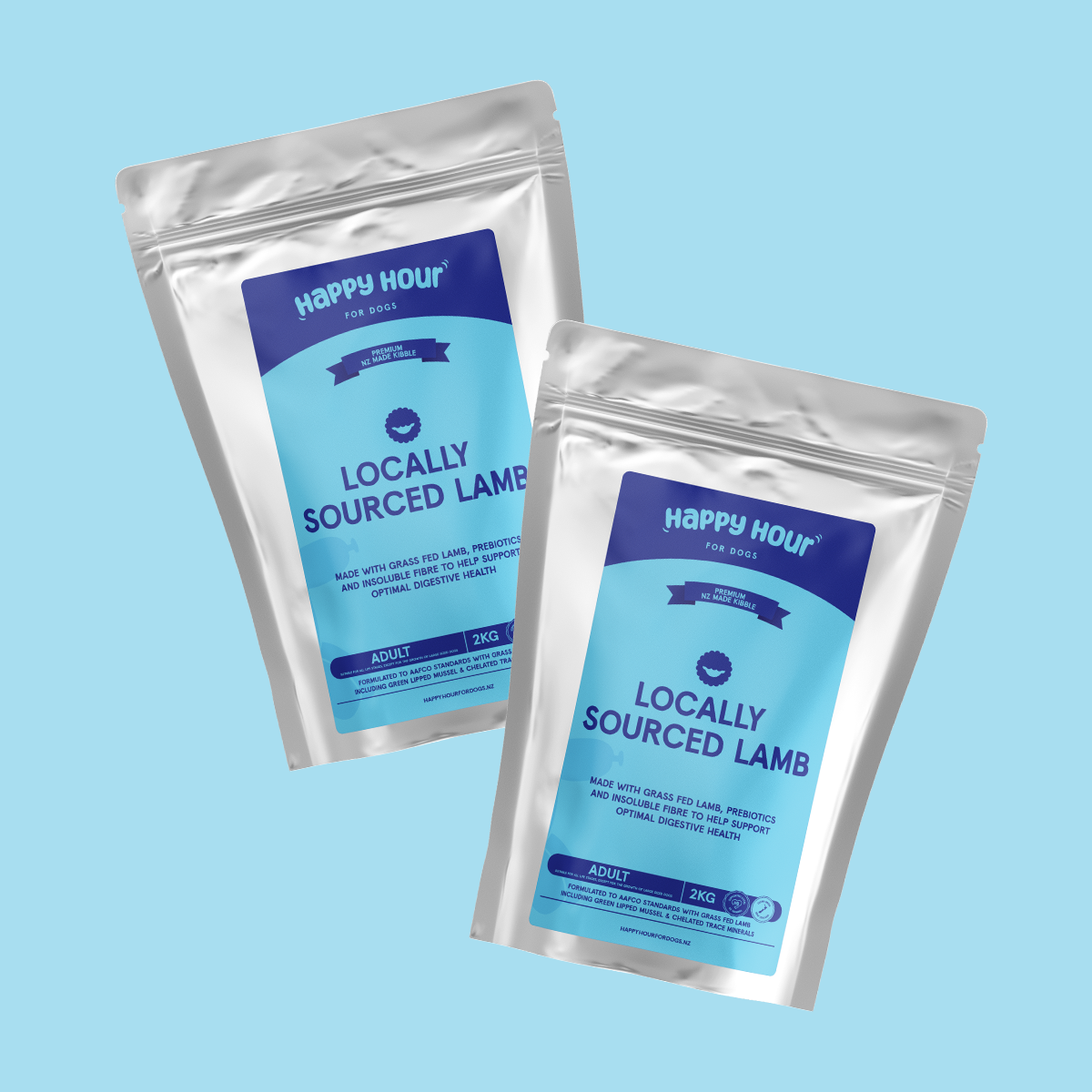
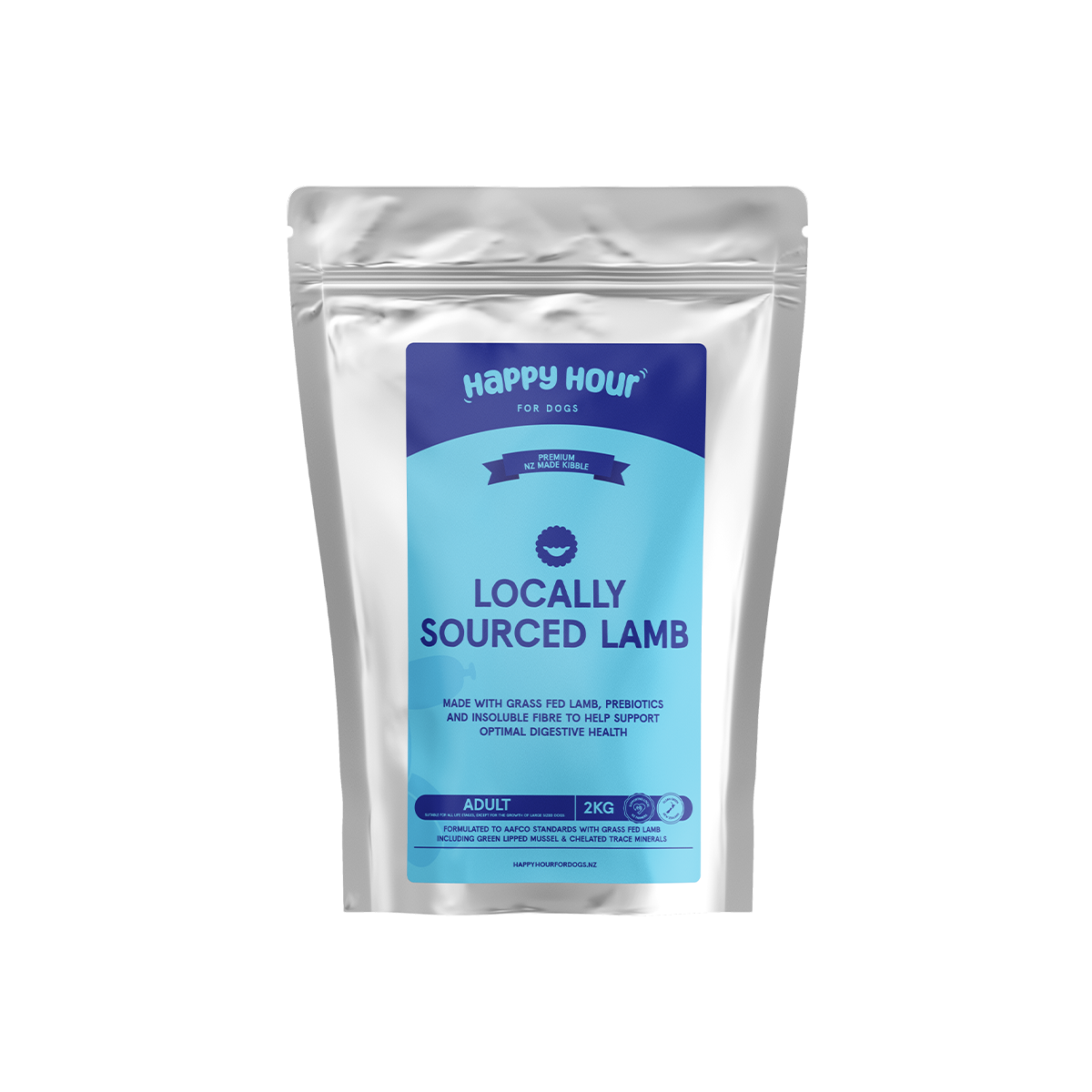
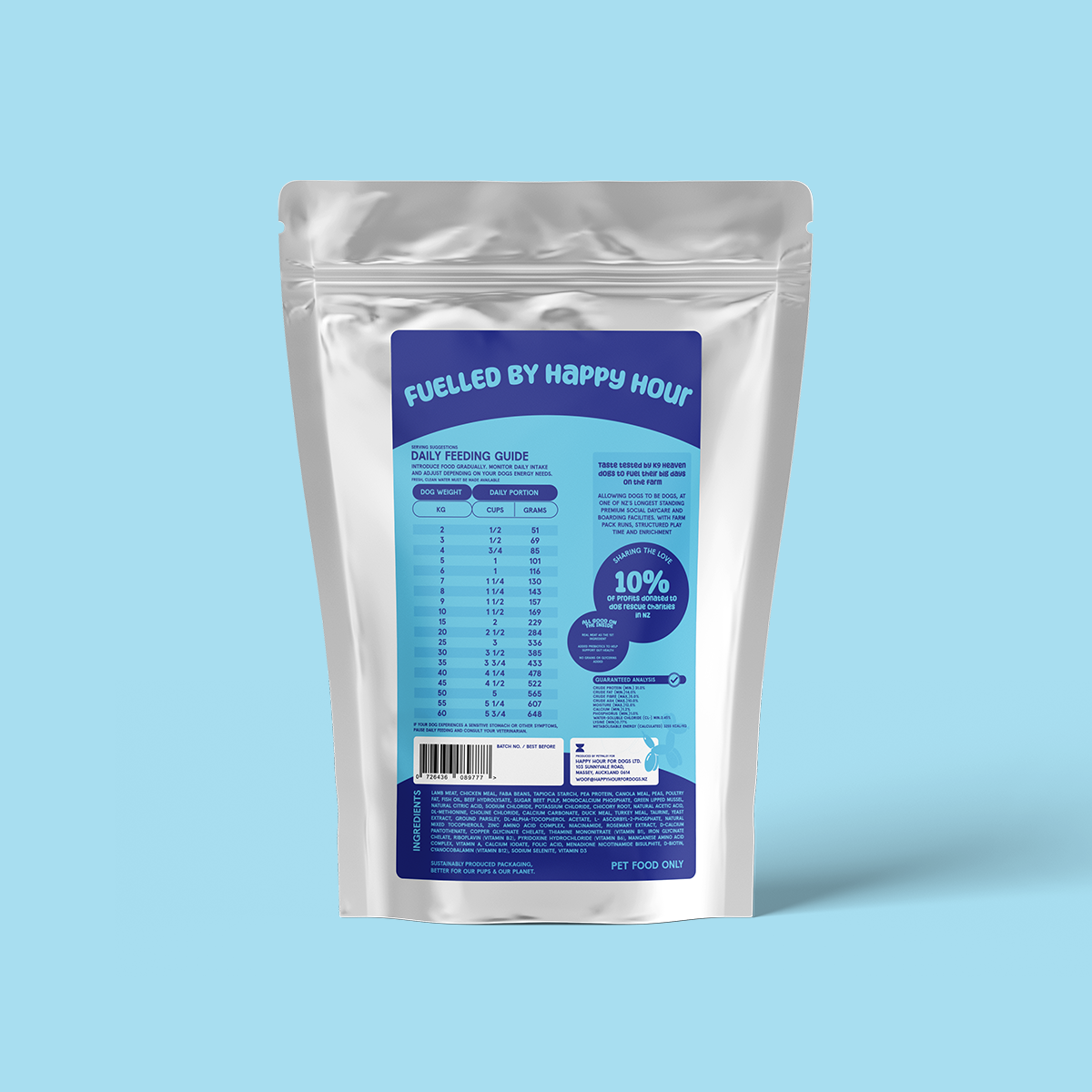
Happy Hour For Dogs includes taurine in its formulation. This isn't just a nice-to-have. It's a signal that the formulation is built with functional nutrition in mind, not just minimum label compliance.
Signs of Taurine Deficiency in Dogs
Taurine deficiency can be difficult to detect early. The most serious outcome is DCM, but symptoms may not be obvious until the condition has progressed significantly. Signs to watch for include exercise intolerance (tiring quickly during walks), reduced appetite, coughing or difficulty breathing, distended abdomen from fluid accumulation, and fainting or collapse in severe cases.
If you have a large breed or a breed known to be predisposed to heart conditions, regular cardiac screening with your vet is a sensible precaution regardless of diet.
Grain-Free Diets and DCM: What We Actually Know
The FDA investigation sparked significant concern about grain-free diets, and some owners swung entirely back to grain-inclusive foods. The reality is more nuanced.
The link appears to be specifically with high legume content, not grain-free diets in general. A grain-free food that doesn't rely heavily on peas, lentils, and chickpeas as primary ingredients doesn't carry the same theoretical risk. The issue seems to be with how legumes affect taurine metabolism, not with the absence of grains per se.
For more context on this topic, our article on Is Grain-Free Dog Food Safe for Dogs? covers the evidence in detail.
What to Look for on the Label
When evaluating a dog food with taurine in mind:
- Does the food list taurine as an ingredient? Direct inclusion removes the synthesis uncertainty
- Are there high levels of legumes near the top of the ingredient list? (peas, lentils, chickpeas appearing in the first five ingredients is worth noting)
- Are the primary protein sources high in methionine and cysteine? Meat, fish, and poultry are good; high legume-based protein profiles are less ideal
- Is the food formulated for the life stage of your dog? Puppy and senior formulas may have different taurine considerations
The Broader Lesson
The DCM story is a useful reminder that meeting minimum nutritional standards on a label is different from building a food that actively supports your dog's health. Minimum standards were set based on the best available science at the time, and that science evolves.
Formulations that include taurine directly, use high-quality animal proteins rich in precursor amino acids, and avoid heavy legume reliance are taking a more comprehensive approach to canine cardiac health than those that rely entirely on the dog's own synthesis capacity.
For a broader look at ingredient quality, see our guide to Dog Food Ingredients to Avoid. And to understand another functional quality marker, our article on Chelated Minerals in Dog Food is worth reading alongside this one.
Heart Health Starts With What's in the Bowl
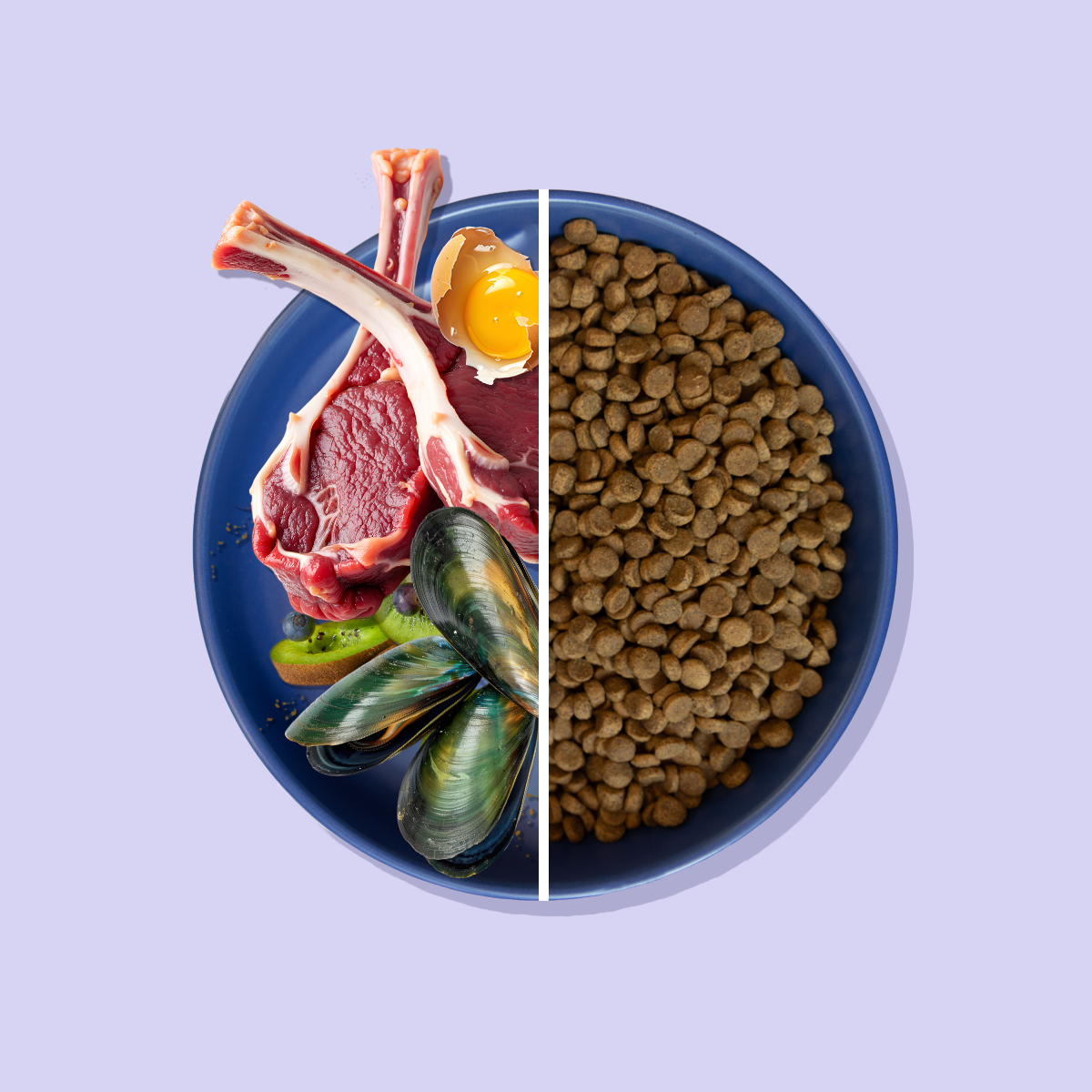
Happy Hour For Dogs includes taurine as part of its formulation, alongside cage-free chicken, NZ grass-fed lamb, and green-lipped mussels. It's built to support heart health, not just meet the minimum. Try it with a 30-day money-back guarantee at happyhourfordogs.nz.