Staffy Weight Management: Keeping Your Staffy Lean (NZ)
Staffordshire Bull Terriers are one of the most popular dogs in New Zealand, and one of the most commonly overweight. The tricky part? A fat Staffy doesn't always look fat. Their muscular build means extra weight often reads as "solid" rather than obese — which is exactly why so many owners don't catch it until the vet points it out.
If your Staffy is a bit rounder than they should be, here's how to fix it without drama.
Key Takeaways
- Staffies look stocky even when overweight, so visual checks alone aren't reliable
- Check by feel: you should be able to find the ribs with light pressure
- Staffies are energetic dogs that need daily exercise to stay lean
- Measure portions carefully — Staffies are enthusiastic eaters who will always want more
- A high-protein, moderate-fat diet helps preserve muscle while shedding fat
Why Staffies Are Prone to Weight Gain
Staffies are muscular, compact, and built for short bursts of intense energy. In an active household, they hold their weight well. But when their exercise drops off — a rainy NZ winter, a change in the owner's routine, an injury — the calories stack up fast.
They're also highly food-motivated. A Staffy will eat whatever is put in front of them, plus anything that falls on the floor, plus whatever the kids left at the edge of the table. They have no natural off switch, which makes overfeeding easy to do accidentally.
The breed is prone to weight-related joint issues and skin conditions, both of which are made worse by excess body fat. Getting on top of it early makes a real difference.
How to Tell If Your Staffy Is Overweight
Because Staffies are naturally broad-chested and muscular, a few extra kilos can be hard to spot visually. The real test is touch.
Place your hands on either side of their chest. You should be able to feel each rib with moderate pressure, without having to push through a thick layer of fat. If you can't locate the ribs easily, that's a sign.
From above, there should be a defined waist behind the ribcage. A Staffy that looks like a barrel from above, with no tuck at the waist, is carrying extra weight.
From the side, look for a gentle upward slope from the chest toward the hindquarters. A flat or rounded belly profile is another flag.
A healthy adult Staffy typically weighs between 11 and 17 kg for females, and 13 to 17 kg for males. Your vet can give you a Body Condition Score if you're unsure where your dog lands.
Signs that weight is affecting daily life include: struggling to keep up on walks, panting heavily after mild exercise, reluctance to play, or difficulty getting comfortable when lying down.
Feeding a Staffy for a Healthy Weight
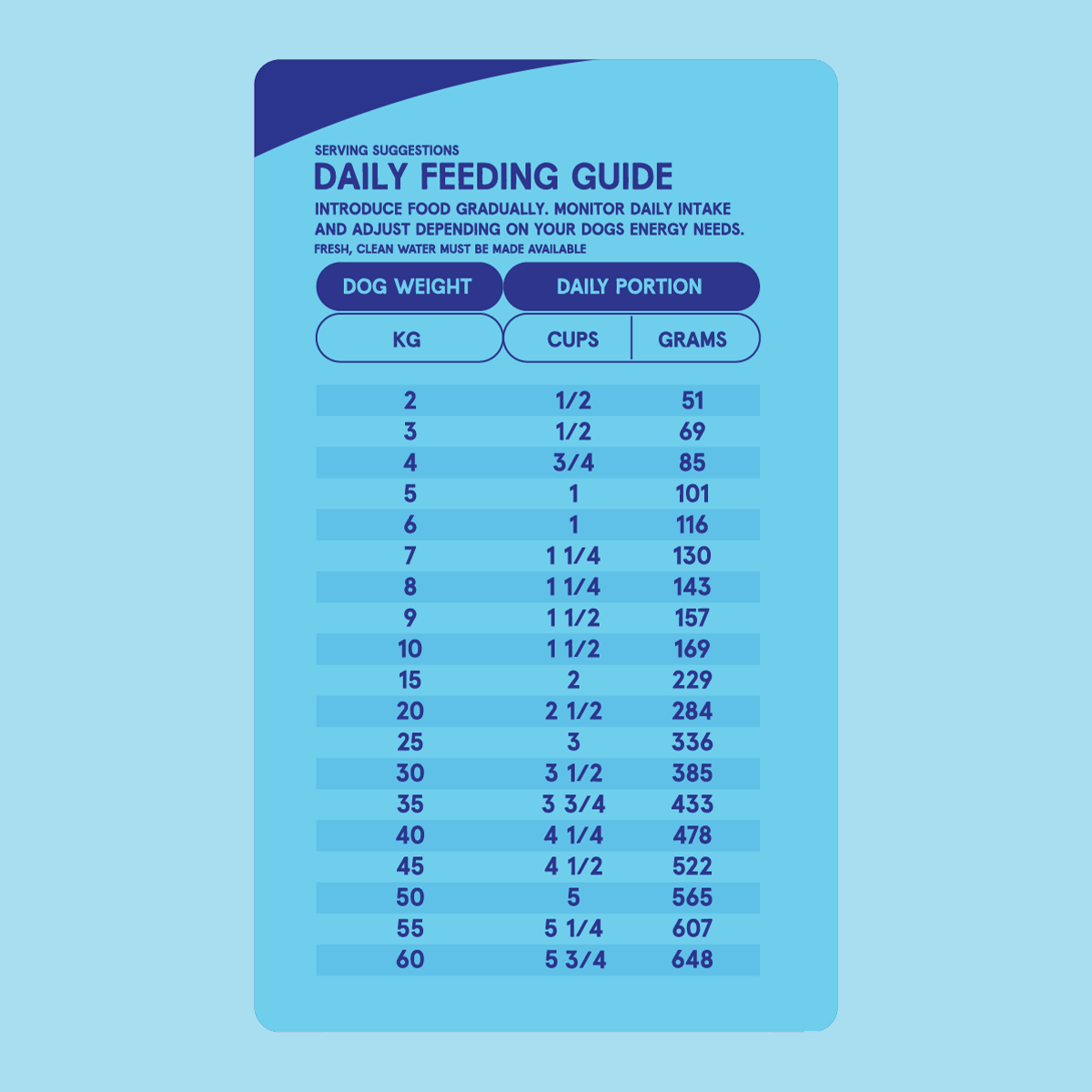
Get a kitchen scale and use it. Most owners who think they're feeding the right amount are actually 20 to 30% over, simply because "eyeballing" a portion is nearly impossible to do accurately.
Staffies do best with two measured meals per day rather than one large one. This keeps energy levels more stable and reduces the intensity of the begging between feeds.
For food composition, prioritise protein. Staffies need enough protein to maintain their muscle mass, especially during a weight loss phase — if they're eating at a calorie deficit on a low-protein diet, they'll lose muscle along with fat. Look for a kibble where the first ingredient is a named meat source.
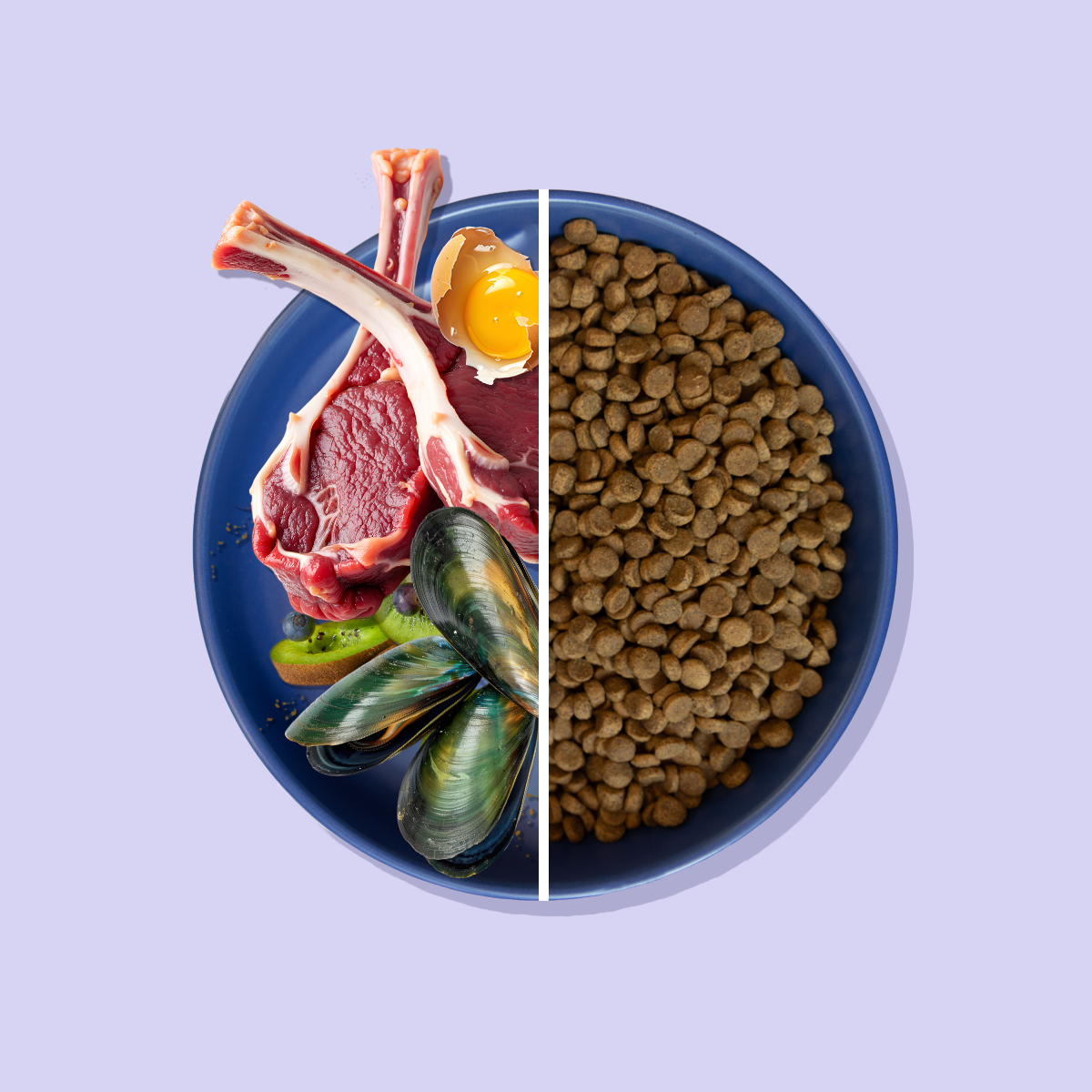
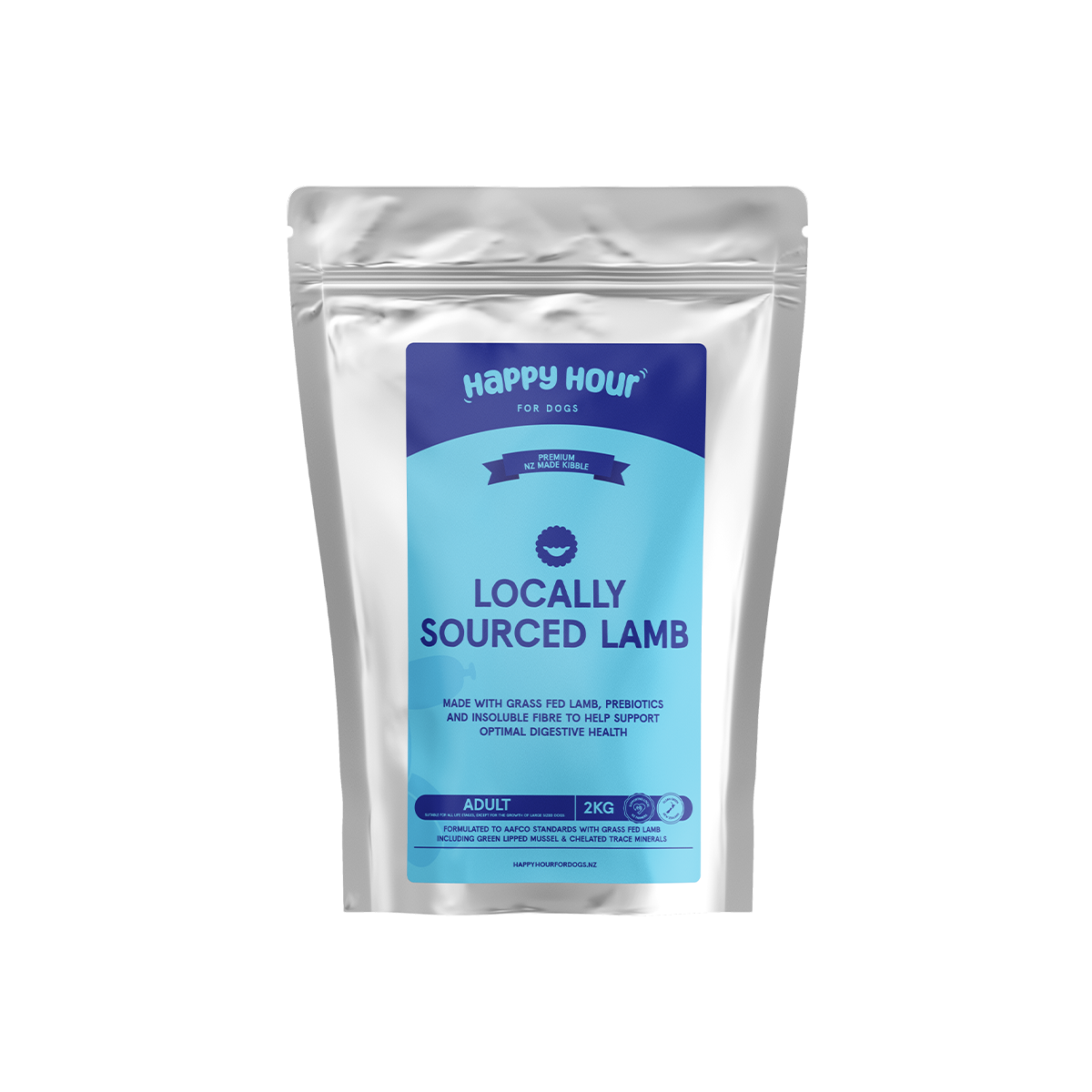
Happy Hour is made from NZ grass-fed lamb, is grain-free, and is naturally high in protein and fibre. The added insoluble fibre helps Staffies feel fuller for longer, which matters when you've got a dog who's always convinced they're starving.
Cut back on treats. Treats should be no more than 10% of daily calories. Keep them plain and low-fat — carrot sticks or a few pieces of kibble work just as well for training rewards as expensive processed snacks.
Table scraps need to go. Staffies in particular tend to get scraps because they're family dogs and they look at you with those eyes. It adds up.
Exercise Tips for Staffies
Staffies need consistent exercise every day, not just occasional long walks. Two 30-minute walks per day is a good starting point. They enjoy playing fetch, tug, and anything that involves bursts of activity.
If your Staffy is significantly overweight, start with shorter, lower-intensity walks and build up over a few weeks. Carrying excess weight puts pressure on their joints, and jumping into intense exercise can cause injury.
Swimming is a great low-impact option for heavier Staffies. If you're near a beach or safe water, it's worth trying.
Avoid working your Staffy too hard in hot weather. They're moderately brachycephalic (their muzzles are shorter than many breeds) and can overheat more easily than longer-snouted dogs.
Mental enrichment matters too. A bored Staffy is more likely to pester for food. Puzzle feeders, sniff walks, and training sessions keep them occupied in a healthy way.
What to Look for in Dog Food for Staffies
Staffies benefit from a high-protein, moderate-fat diet with good fibre. Look for:
- Named meat as the first ingredient — lamb, chicken, or fish, not "meat meal"
- Protein above 25% dry matter — essential for maintaining muscle mass
- Moderate fat — high enough to support energy but not so high it drives weight gain
- Good fibre content — helps with satiety
- No fillers or artificial additives that inflate calorie counts without nutritional benefit
Avoid budget kibbles that are heavy on cheap carbohydrates. They're calorie-dense without being filling, which is a bad combination for a dog who already wants to eat everything.
For more on managing weight across different breeds, see our guide to dog breeds prone to weight gain in NZ and our full overweight dogs guide.