Pug Weight Management: Keeping Your Pug Healthy (NZ)
Pugs are one of the most popular small breeds in New Zealand — compact, characterful, and endlessly entertaining. They're also one of the breeds where weight management requires the most care, for a reason that's specific to their anatomy: Pugs are brachycephalic, meaning their flat face and compressed airway means they genuinely cannot exercise the way most dogs can. For Pugs, weight management is primarily a diet problem, not an exercise problem.
Key Takeaways
- Pugs are brachycephalic (flat-faced) with restricted airways — vigorous exercise is a health risk, not a solution
- Weight management for Pugs is primarily diet-driven: food quality and strict portion control
- Even small amounts of excess weight make breathing harder for a breed that already struggles
- Exercise should be gentle: short cool walks only, avoid heat and overexertion
- A high-fibre, lower-fat food is the most important tool for keeping a Pug lean
Why Pugs Are Prone to Weight Gain
Pugs are naturally low-energy dogs. They sleep a lot, play in short bursts, and spend most of their day at rest. Their calorie needs are modest — but their appetite, and the treats that come with being an adorable companion dog, often exceed what their body actually needs.
The deeper problem is that exercise, the usual backup lever for weight management, is genuinely limited for Pugs. Their flat face, compressed nasal passages, and shortened airways make any kind of vigorous activity physically difficult and potentially dangerous. A Pug that overheats or over-exerts can go into respiratory distress quickly.
This means a Pug's daily calorie burn is relatively fixed and low. Every extra treat, every generous scoop, every table scrap goes straight to the waistline with very little ability to burn it off.
Excess weight then compounds the problem. Every extra kilogram makes breathing harder, because fat around the chest and abdomen restricts the lungs' ability to expand. A Pug carrying excess weight breathes harder at rest, tires faster, struggles more in heat, and has a reduced quality of life in ways that aren't always obvious to owners who've gradually accepted as "normal for a Pug."
How to Tell If Your Pug Is Overweight
Adult Pugs should typically weigh between 6-9kg. The body condition check matters more than the exact figure.
Run your hands along your Pug's ribcage. You should be able to feel each rib without pressing hard. From above, there should be a visible (or at least slight) waist. From the side, the belly should not hang.
Pugs' skin folds and compact shape make visual assessment tricky — feel carefully. And if your Pug seems to puff and pant after very minimal exertion, that's worth taking seriously. Some snorting is normal for the breed; heavy, laboured breathing at rest or after a short walk is not. Check our overweight dogs NZ guide for a full body condition guide.
Feeding a Pug for a Healthy Weight
This is where most of the work happens. Because vigorous exercise is off the table, what your Pug eats is the primary determinant of their weight.
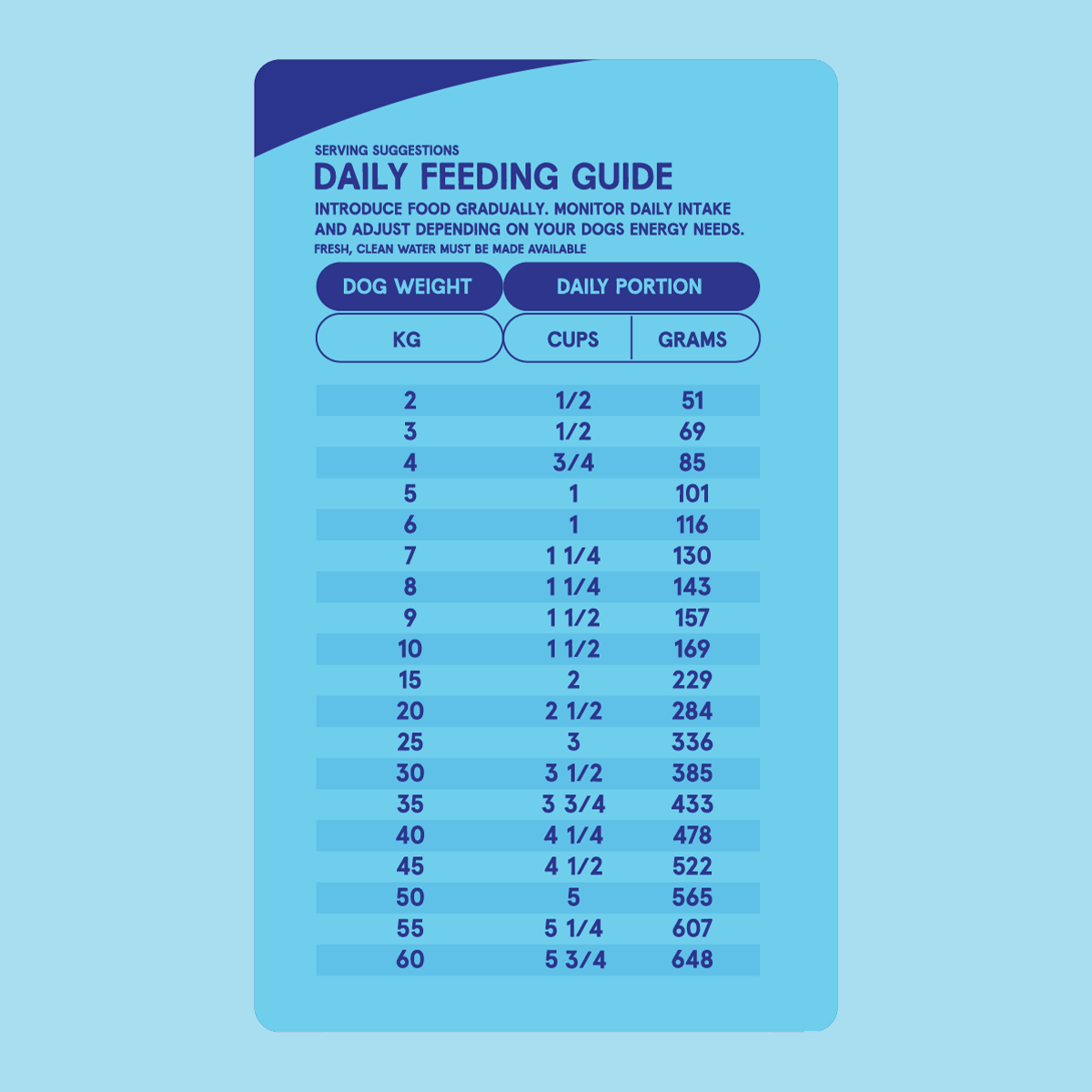
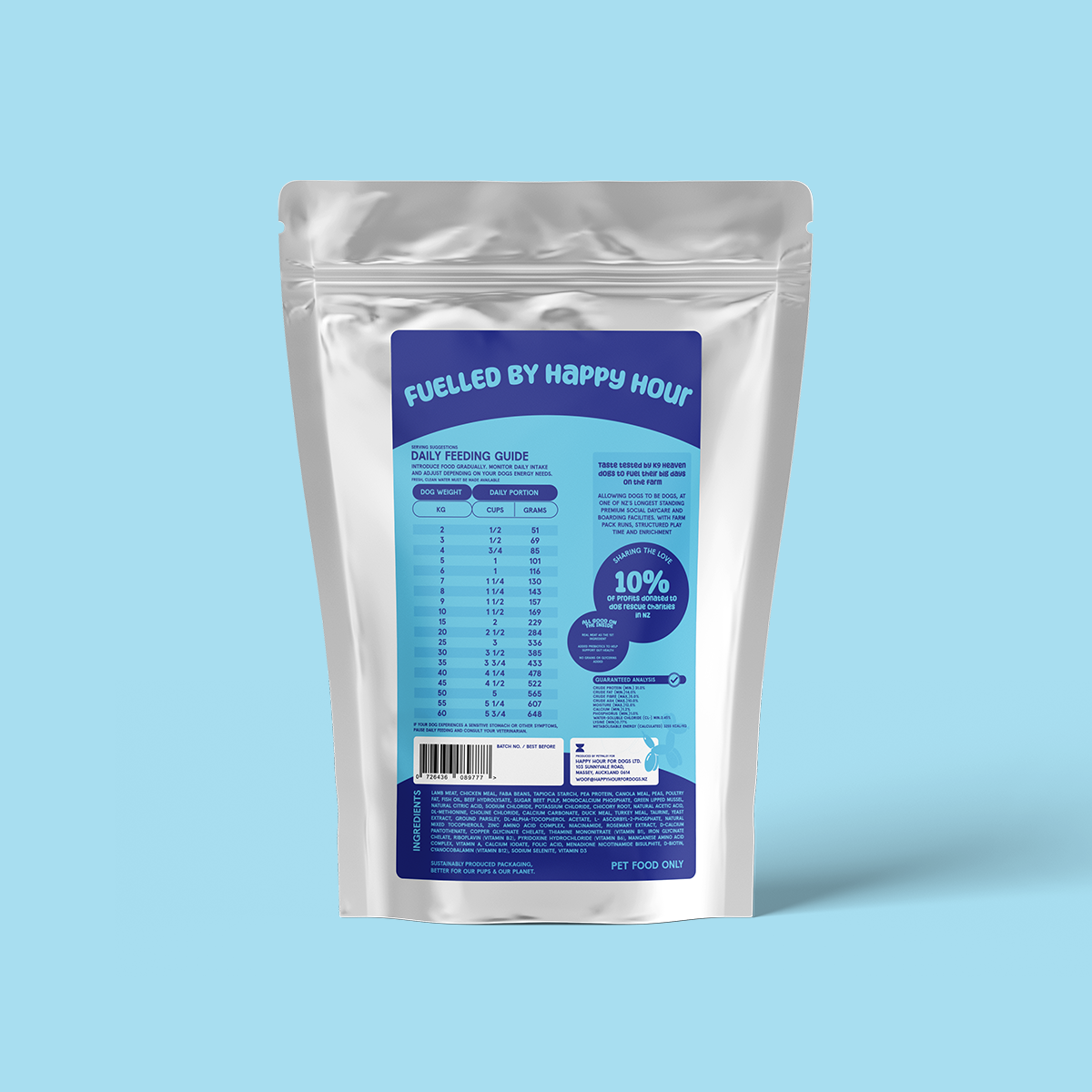
Measure every meal. Not approximately, not with a scoop — use a kitchen scale. Pugs have small daily calorie needs, and even a small daily overshoot accumulates quickly. Follow your food's guidelines for your dog's target weight (not current weight if they're already overweight), and adjust based on monthly body condition checks.
Feed twice daily. It's better for digestion, reduces begging behaviour between meals, and makes portion management easier.
Treats are where Pug weight management often falls apart. Pugs are delightful, and people give them treats — a lot of them. Those treats add up fast when the baseline calorie budget is small and exercise can't compensate. Track what your Pug gets across the whole day and household. Use the smallest possible pieces, opt for low-calorie options like raw carrot, or use pieces of their regular kibble as rewards.
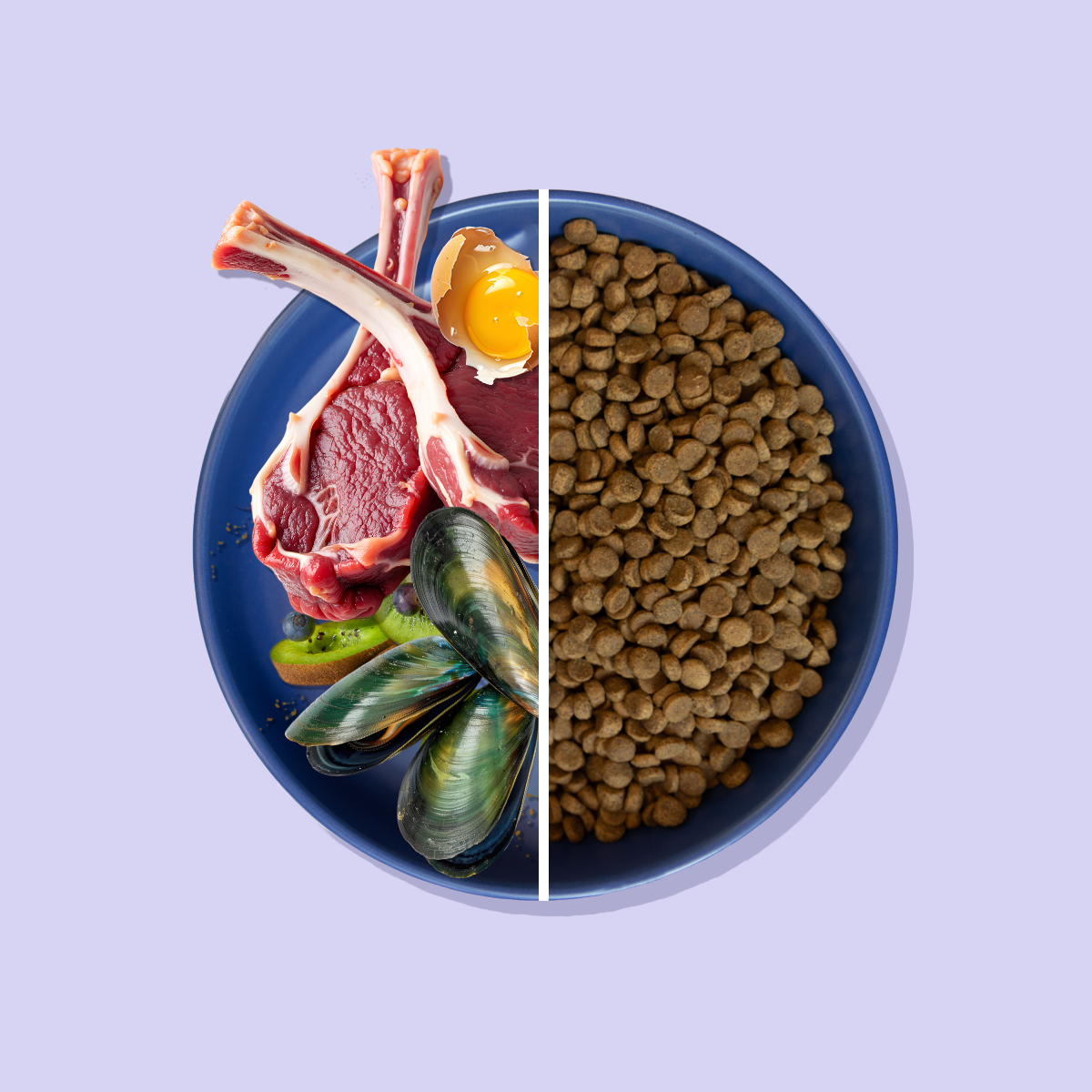
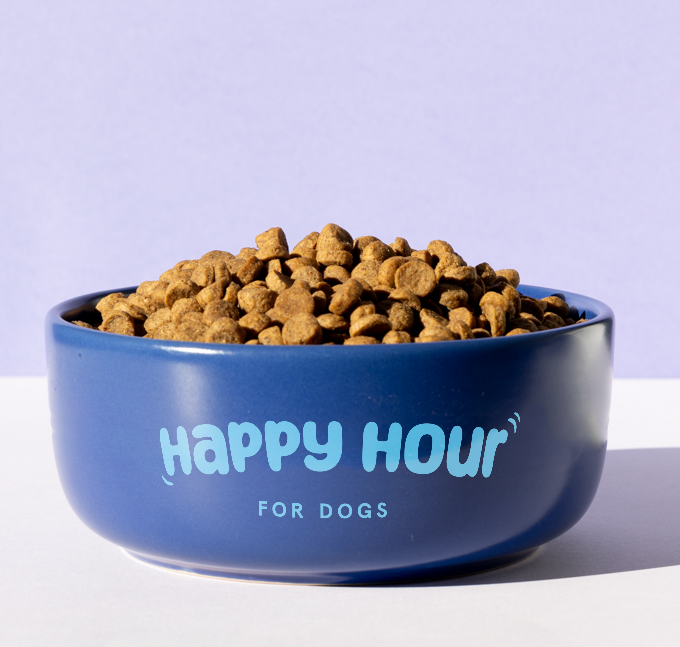
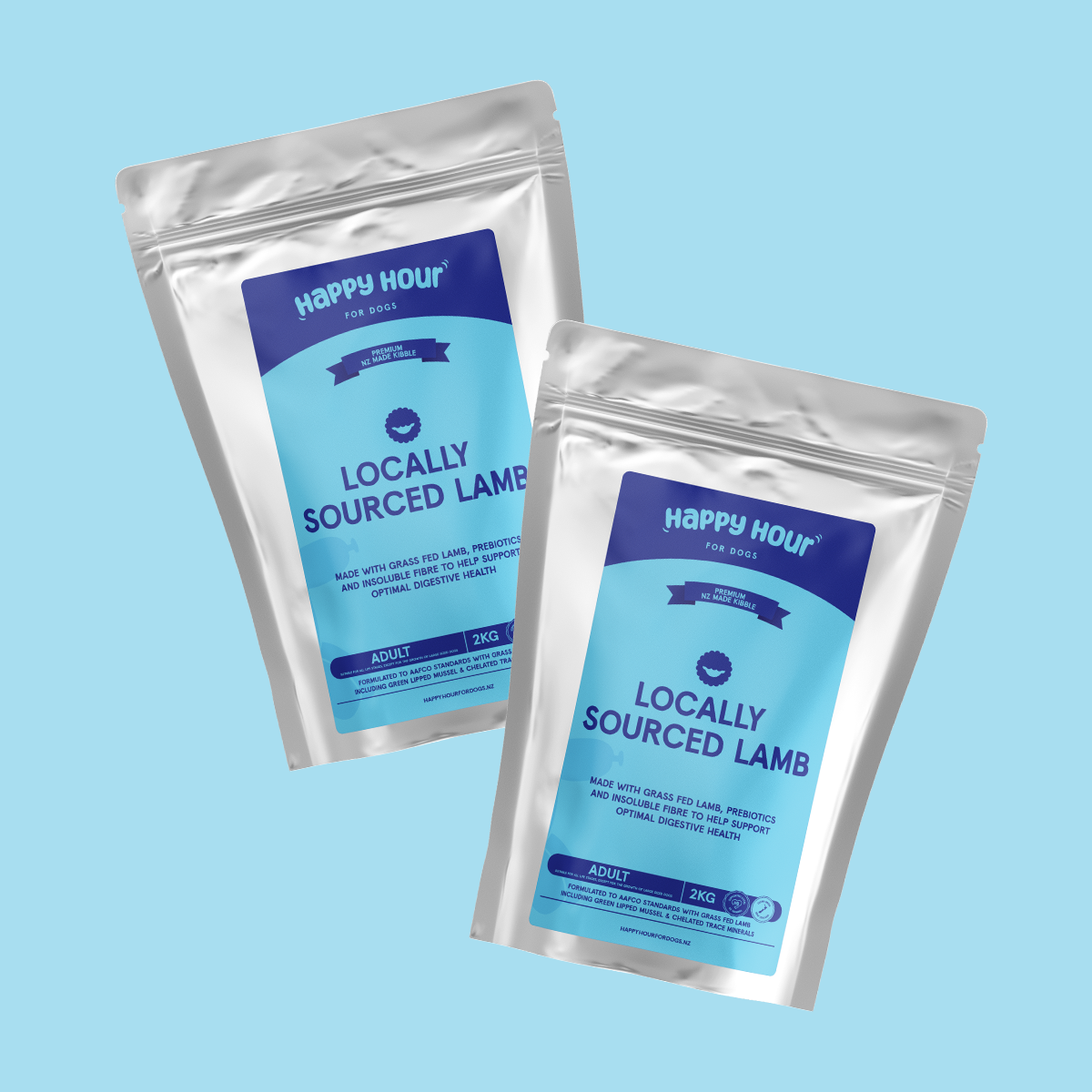
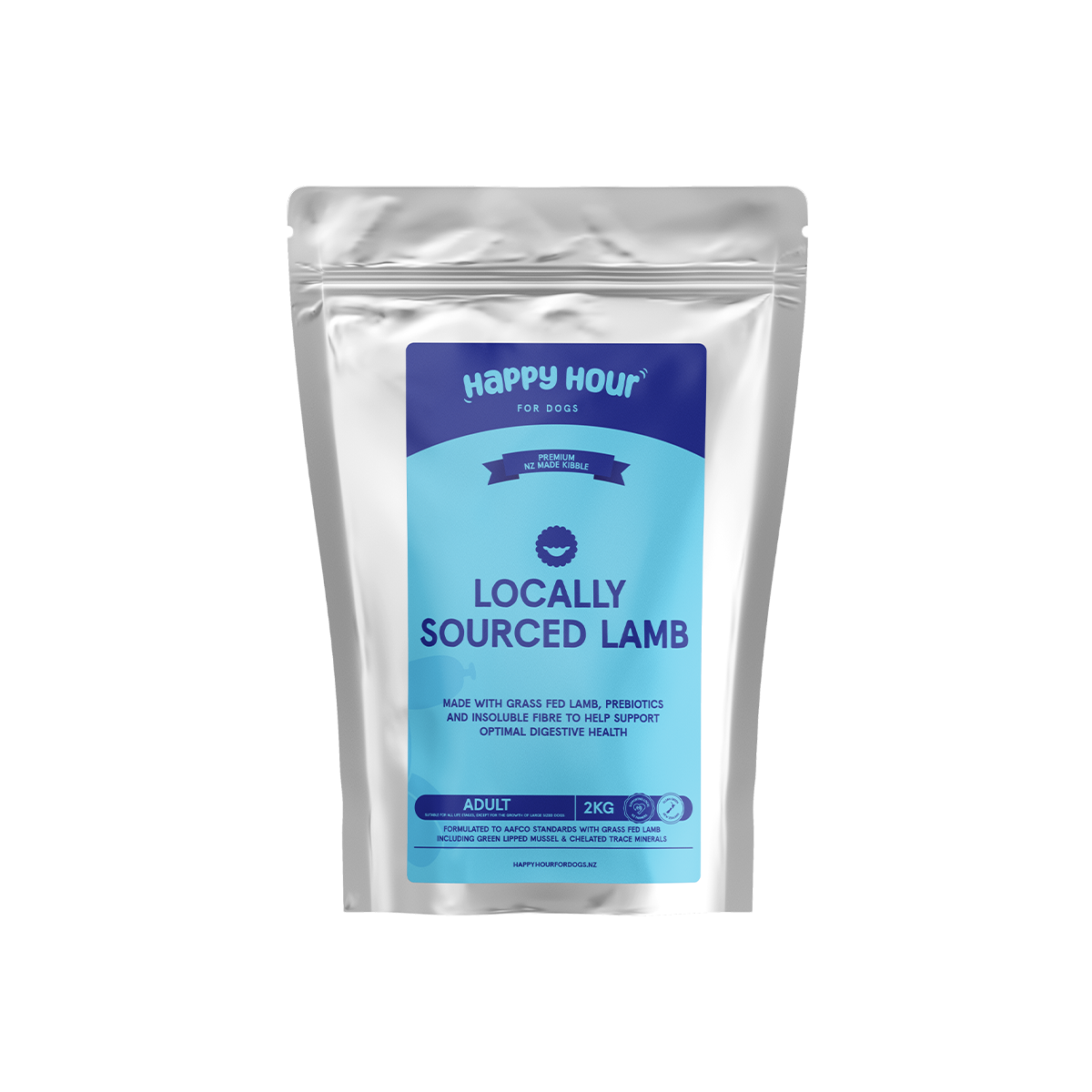
Food composition matters a lot for Pugs. A high-fibre food helps them feel fuller on a smaller portion — which is important when you're managing weight primarily through diet. Happy Hour is a NZ-made grain-free lamb kibble with real fibre from quality ingredients and no grain fillers to pad out empty calories. For a Pug whose calorie budget is limited, every mouthful of food should be earning its place nutritionally. Find it at happyhourfordogs.nz.
Exercise Tips for Pugs
This section comes with an important caveat: Pugs have real respiratory limitations. Do not push your Pug to exercise like a normal dog. Vigorous exercise, running, extended sessions, and anything in heat are genuine health risks for this breed.
What Pugs can do safely:
- Short, gentle walks: 15-20 minutes at a calm pace, once or twice a day. Watch for heavy breathing or slowing — that's your cue to stop.
- Early morning or evening only in summer: Pugs overheat quickly. In NZ's warmer months, exercise should happen before 9am or after 6pm. Hot pavement adds another risk.
- Calm indoor play: Short sessions of gentle play inside with toys are fine.
- Sniff walks: Letting your Pug lead a slow sniff walk is more mentally enriching than physically taxing, which suits them well.
What to avoid:
- Running, jogging, or any high-intensity activity
- Outdoor exercise in hot weather or direct sun
- Extended walks beyond their comfortable tolerance
- Rough play that leaves them panting hard
If your Pug is panting heavily, stops moving, or shows any signs of distress during exercise, stop immediately and let them rest in a cool place. Pugs can go from "warm" to "heat distress" faster than most breeds.
The honest reality is that exercise will not solve a Pug's weight problem. Diet is the answer.
What to Look for in Dog Food for Pugs
For Pugs, choose a food that:
- Has high fibre content — supports fullness when portions are necessarily small
- Uses quality animal protein as the primary ingredient — lean muscle maintenance matters even in low-activity breeds
- Is lower in fat — helps keep calorie density manageable
- Has no grain fillers — corn, wheat, and soy add empty calories that a Pug's small budget can't afford
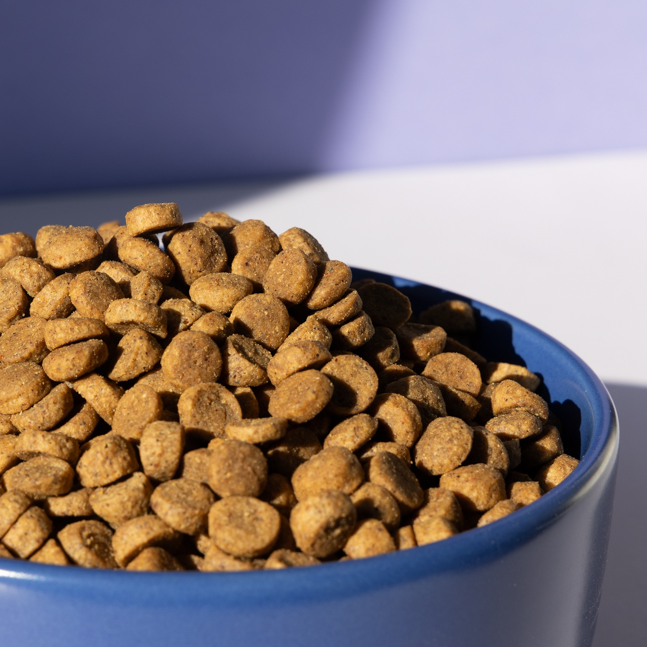
- Has a small, easy-to-chew kibble size — Pugs' flat faces can make eating larger kibble awkward
Happy Hour's grain-free lamb kibble is made from NZ-sourced lamb with real dietary fibre, prebiotics, and green-lipped mussel. It's free from grains, artificial additives, and unnecessary fillers. For a breed whose entire weight management strategy depends on food quality and portion control, a clean, nutritionally dense food is the right choice.
For a broader overview of weight-prone breeds in NZ, see our dog breeds prone to weight gain guide.