Best Dog Food for Kidney Health NZ: What to Feed (and What to Avoid)
If your vet has mentioned your dog's kidney function, you're probably doing a lot of reading right now. Kidney disease in dogs is genuinely serious, and diet is one of the most important levers you have for managing it. But it's also a topic where you absolutely need to work with your vet rather than going it alone. This article explains the principles behind kidney-supportive feeding so you can have better conversations with your vet and understand what to look for.
Key Takeaways
- Best Dog Food for Kidney Health NZ: What to Feed (and What to Avoid)
- What Is Kidney Disease in Dogs?
- How Diet Affects Kidney Disease
- What Ingredients to Avoid for Dogs with Kidney Disease
- Prescription vs Standard Dog Food for Kidney Disease
Please talk to your vet before changing your dog's diet if kidney disease has been diagnosed or suspected. The right dietary approach depends on the specific stage and type of kidney disease your dog has, and it varies significantly between individual dogs.
What Is Kidney Disease in Dogs?
The kidneys filter waste products from the blood and regulate fluid and electrolyte balance. When kidney function declines, waste products build up in the bloodstream and the kidneys' ability to regulate key minerals like phosphorus is affected. Chronic kidney disease (CKD) is the most common form in older dogs and progresses through several stages.
Early-stage CKD often has no obvious symptoms. It's frequently detected through routine blood tests, which is one reason regular vet checks matter as dogs age. Later stages cause symptoms like increased thirst and urination, reduced appetite, weight loss, and lethargy.
How Diet Affects Kidney Disease
Diet won't reverse kidney disease, but it can significantly slow its progression and improve quality of life. The main dietary considerations for dogs with kidney disease are:
Phosphorus
Phosphorus restriction is one of the most important dietary modifications for dogs with kidney disease. Damaged kidneys struggle to excrete phosphorus effectively, and phosphorus accumulation accelerates kidney damage. Prescription kidney diets are specifically formulated to be low in phosphorus. High-phosphorus foods to be aware of include bone meal, some organ meats, and dairy products.
Protein
Protein management in kidney disease is nuanced. Protein metabolism produces nitrogen waste products that the kidneys must filter. In later-stage kidney disease, moderating protein intake can reduce the filtration burden on damaged kidneys. However, protein restriction in early-stage disease is controversial, and cutting protein too aggressively can cause muscle wasting. Your vet will advise the appropriate protein level based on your dog's specific kidney function metrics.
Sodium
High sodium can increase blood pressure, which damages kidneys over time. Low-sodium diets are generally recommended for dogs with kidney disease. Avoid salty treats and human foods.
Hydration
Keeping kidneys well flushed is important. Dogs with kidney disease often benefit from increased water intake. Wet food, adding water to dry food, or dedicated fluid supplementation can all help. Fresh water should always be freely available.
Omega-3 Fatty Acids
Omega-3 fatty acids (particularly from fish oil) have been studied for their potential to support kidney health in dogs by supporting healthy blood pressure and inflammatory responses within the kidney. Many veterinary kidney diets now include omega-3 supplementation. Our Omega-3 for Dogs article covers this in more detail.
What Ingredients to Avoid for Dogs with Kidney Disease
- High-phosphorus ingredients: bone meal, fish meal, dairy products, organ meats in high amounts
- High sodium: salty treats, human food, processed meats
- Very high protein diets in later-stage disease (as guided by your vet)
- Grapes, raisins, and certain other human foods that are toxic to dogs generally
Prescription vs Standard Dog Food for Kidney Disease
For dogs with diagnosed kidney disease, your vet will likely recommend a prescription renal diet. These are specifically formulated to meet the phosphorus, protein, and sodium targets for kidney management. They are not the same as standard 'kidney health' marketing claims on regular dog food.
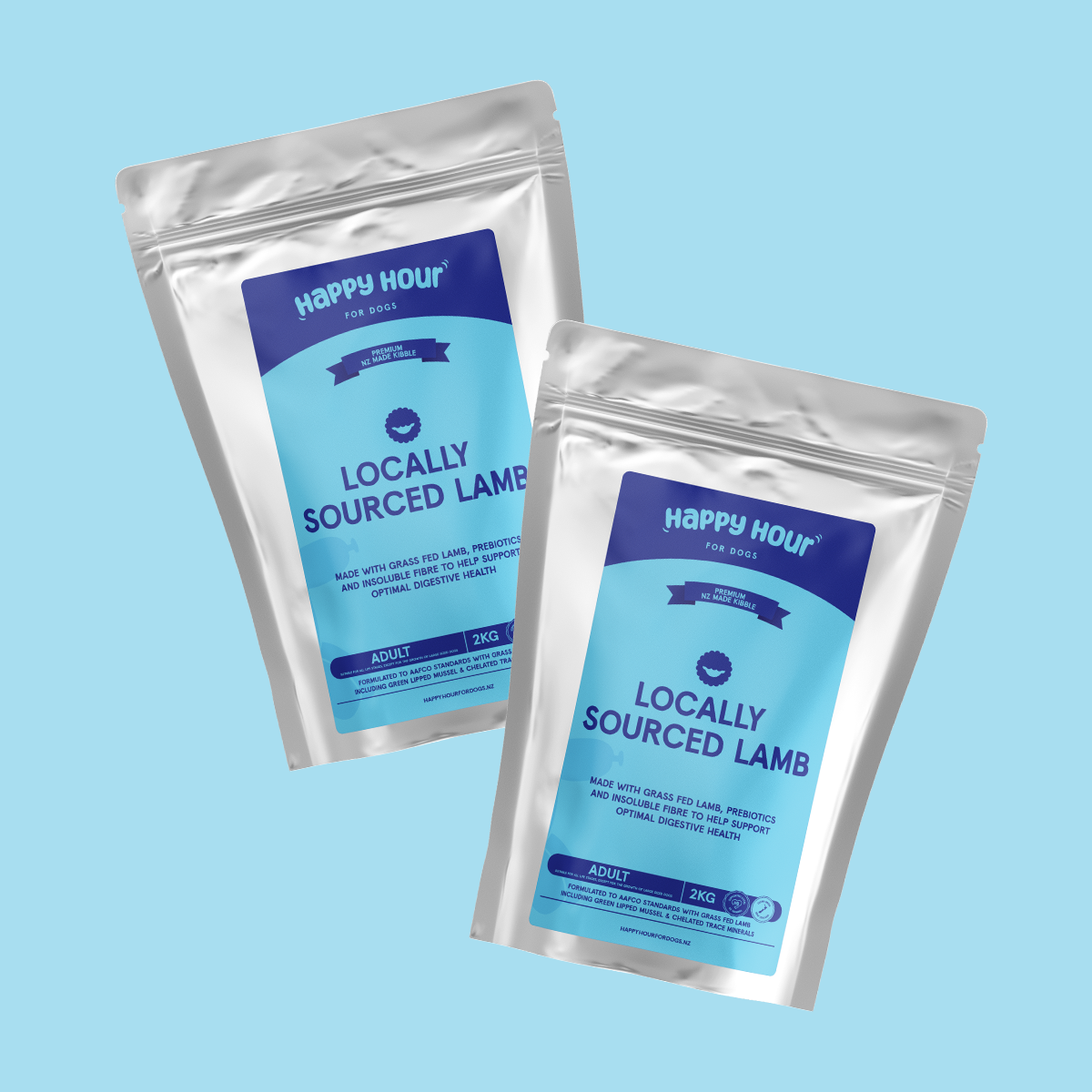
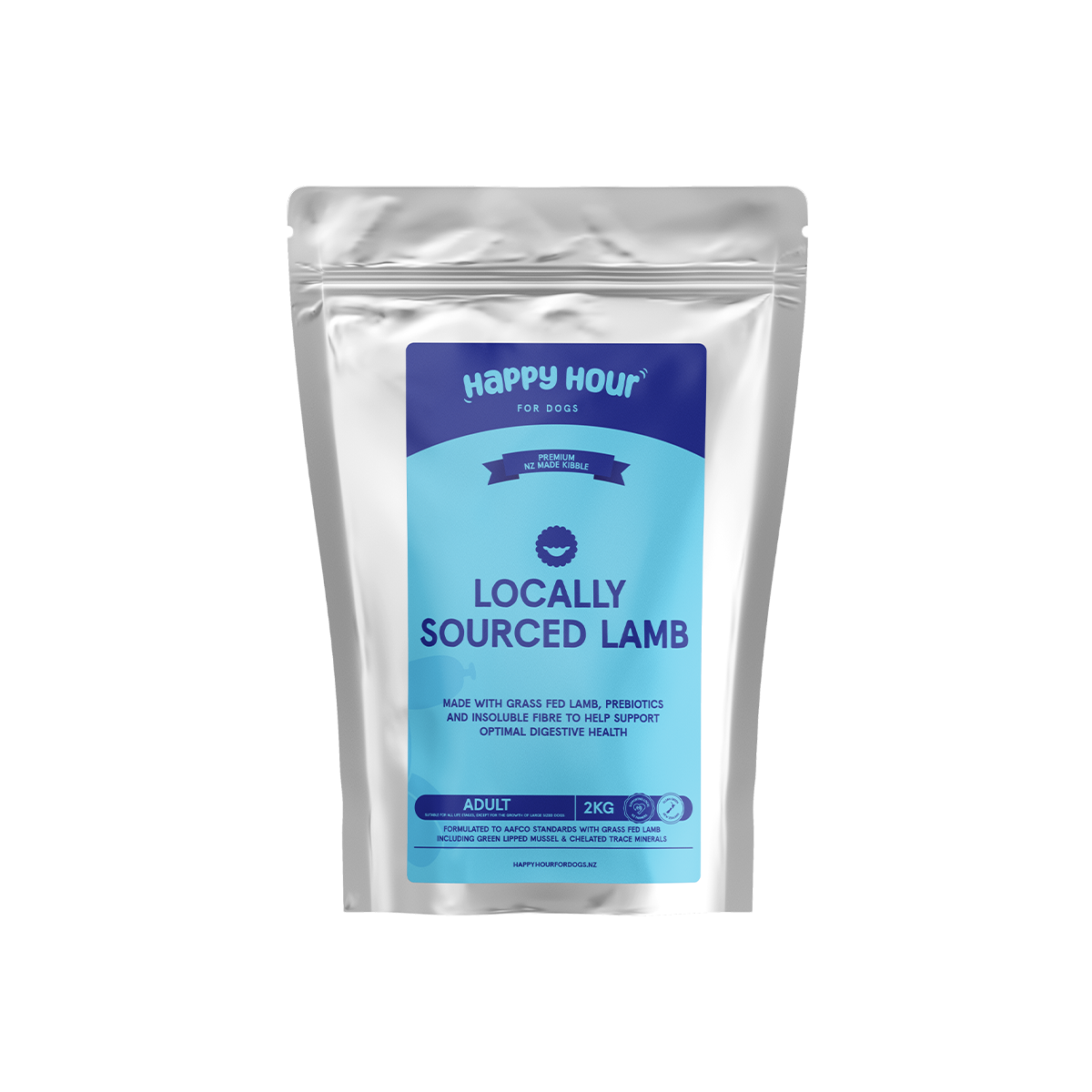
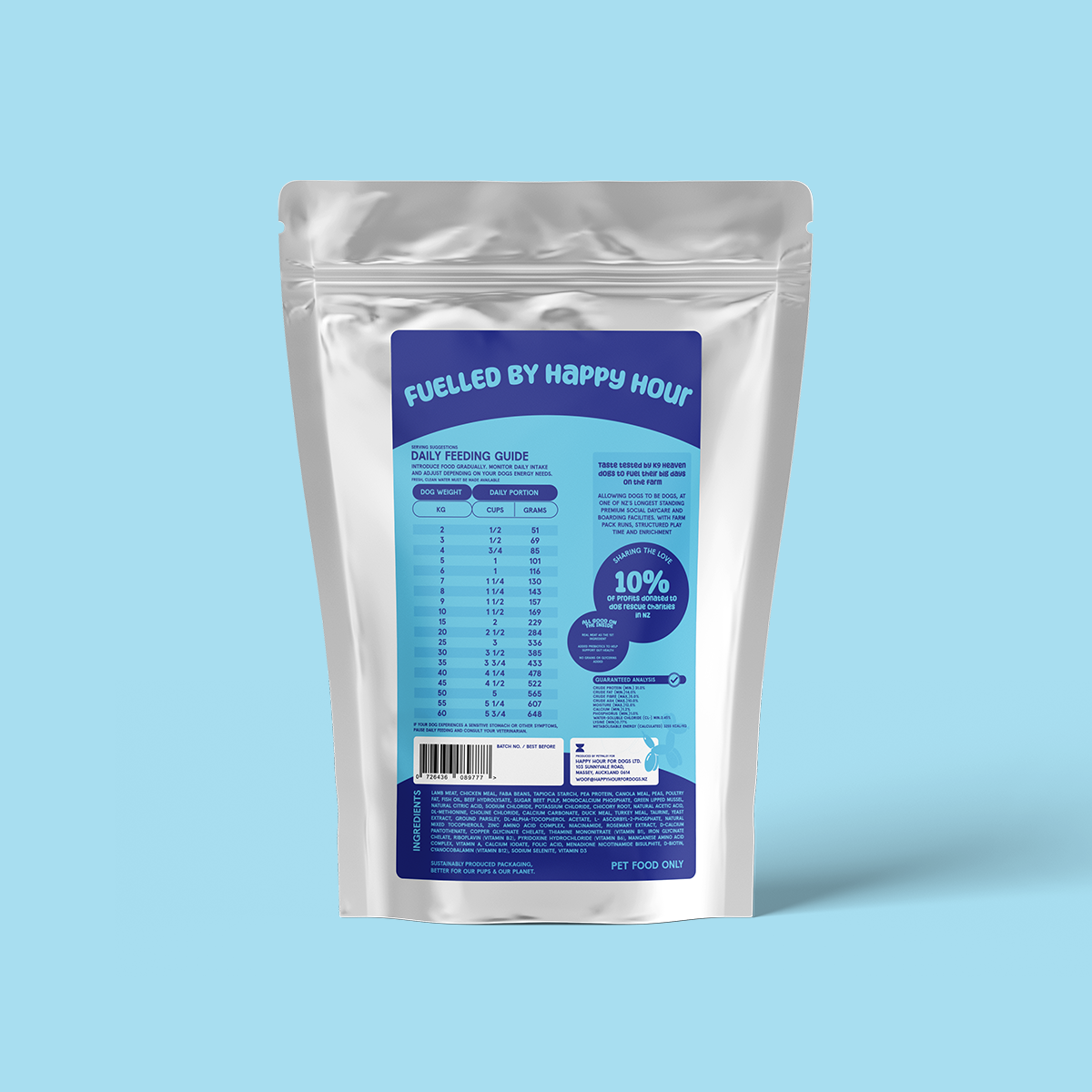
Standard premium dog foods, including Happy Hour, are not formulated as kidney disease management diets. Happy Hour is a healthy, complete nutrition product for dogs without diagnosed kidney disease. It is not appropriate to use it as a treatment for kidney disease without consulting your vet.
That said, for dogs with early-stage or borderline kidney concerns (as opposed to diagnosed CKD requiring prescription management), your vet may recommend maintaining a good-quality complete diet alongside monitoring. Always follow their specific guidance.
Supporting Kidney Health in Healthy Dogs
For dogs that don't yet have kidney disease, certain dietary habits can support long-term kidney health:
- Maintain a healthy weight: obesity is a risk factor for kidney disease
- Ensure adequate hydration at all times
- Avoid very high-sodium diets and salty treats
- Feed a complete, balanced diet from a reputable source
- Have regular vet checks, especially as your dog ages, to catch any issues early
For a broader look at how to choose quality food for your dog's long-term health, our Best Dog Food NZ 2026 Guide is a useful starting point.