Poodle Weight Management: NZ Guide (Toy, Mini & Standard)
Poodles come in three very different sizes, and their weight management needs differ accordingly. What a Standard Poodle needs to stay lean is a different conversation to what a Toy Poodle needs. But across all three varieties, the fundamentals are the same: accurate portions, consistent exercise, and quality food. Here's a guide built for NZ Poodle owners across all three sizes.
Key Takeaways
- Toy, Miniature, and Standard Poodles all have different weight ranges and calorie needs
- Their curly coats make visual weight checks unreliable — always assess by touch
- Poodles are intelligent and active dogs; boredom and under-exercise both contribute to weight gain
- All three sizes benefit from high-quality protein and good fibre content in their food
- Treats are a major source of excess calories, especially for Toy and Mini Poodles
Why Poodles Are Prone to Weight Gain
Poodles are smart, social dogs with a long history of working alongside humans. They're energetic by nature, which can create the impression that they'll burn off whatever they eat. But intelligence also means they're very good at training their owners — including training them to hand out extra treats.
The curly coat that makes Poodles so distinctive also makes it very easy to miss weight gain. A Standard Poodle in a full coat can be noticeably overweight without it being visually obvious. Toy and Miniature Poodles are small enough that even a small amount of excess fat represents a significant percentage of their body weight.
Poodles are also prone to hypothyroidism, which can slow metabolism and lead to unexplained weight gain. If your Poodle is gaining weight despite proper feeding and exercise, it's worth having your vet run a thyroid panel.
Desexing also reduces metabolic rate in most dogs, including Poodles. A desexed Poodle in a quiet household needs meaningfully fewer calories than an intact, working dog.
How to Tell If Your Poodle Is Overweight
Regardless of size, the check is the same: feel for the ribs. Part the curly coat and press gently along either side of the chest. You should be able to find each rib with light pressure, without having to dig through fat. If you can't, your Poodle is carrying excess weight.
From above, all three sizes should show a clear waist — a narrowing between the ribcage and the hips. A uniform, padded silhouette suggests extra weight.
Healthy weight ranges by size:
- Toy Poodle: 2 to 4 kg
- Miniature Poodle: 5 to 9 kg
- Standard Poodle: 20 to 32 kg
These are ranges, not targets. Body condition is more important than the number. Ask your vet for a Body Condition Score if you're unsure.
Signs that weight is affecting daily life include: tiring more quickly on walks, reluctance to play, heavier breathing at rest, or stiffness getting up from rest.
Feeding a Poodle for a Healthy Weight
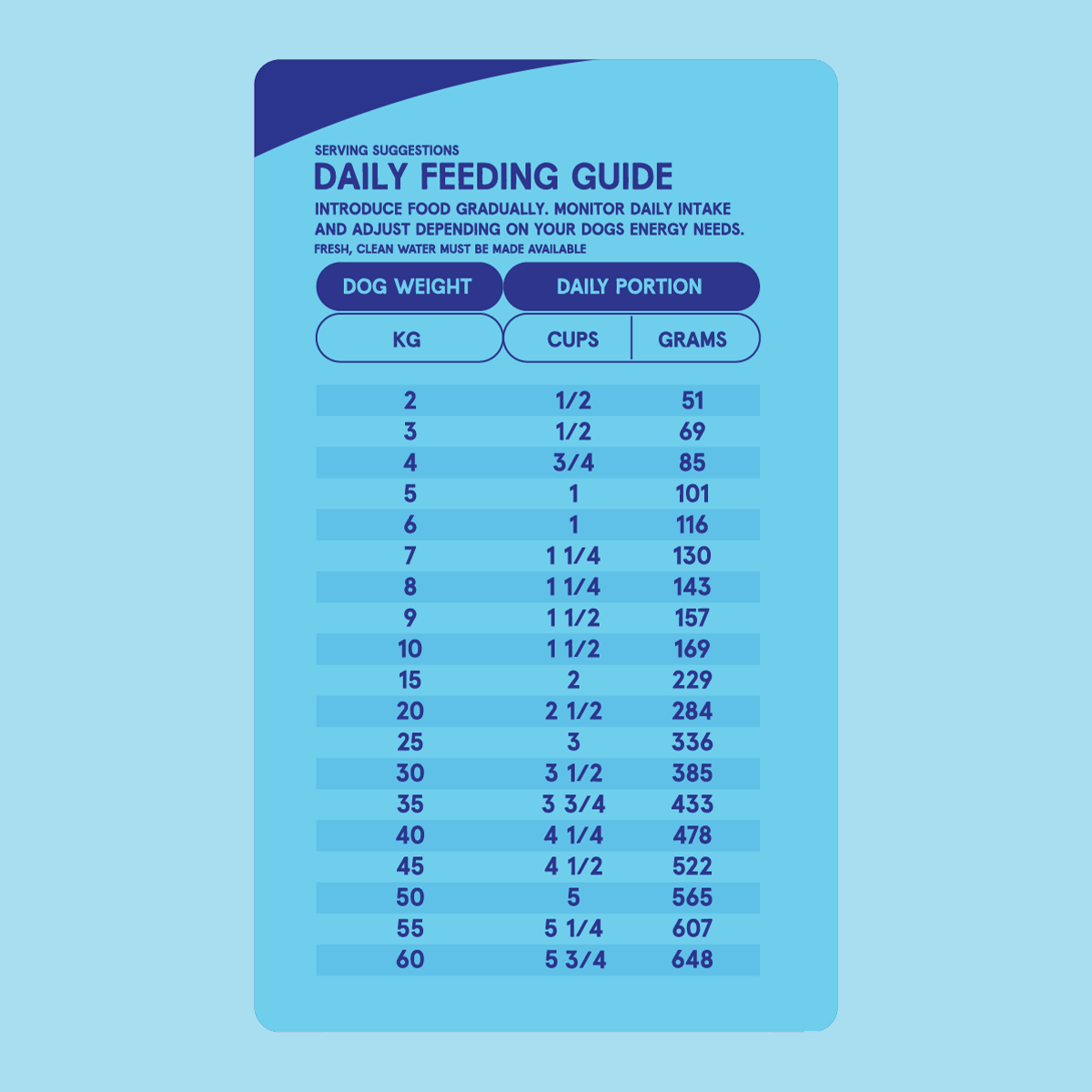
Measure every meal with a kitchen scale or proper measuring cup. This matters for all three sizes but is especially critical for Toy and Miniature Poodles, where the correct daily portion is small and the margin for error is tight.
Feed twice daily across all sizes. This is better for blood sugar stability and easier for managing daily intake.
For weight loss or maintenance, feed to your dog's target weight rather than their current weight. If your Standard Poodle should weigh 28 kg but currently weighs 33 kg, feed for 28 kg.
Treats need to be counted and controlled. Poodles are trained frequently because they're so clever, which means treat use can be high. Use the smallest practical treat size and count training treats against the daily calorie budget. A few pieces of regular kibble work just as well as purchased treats for most training sessions.
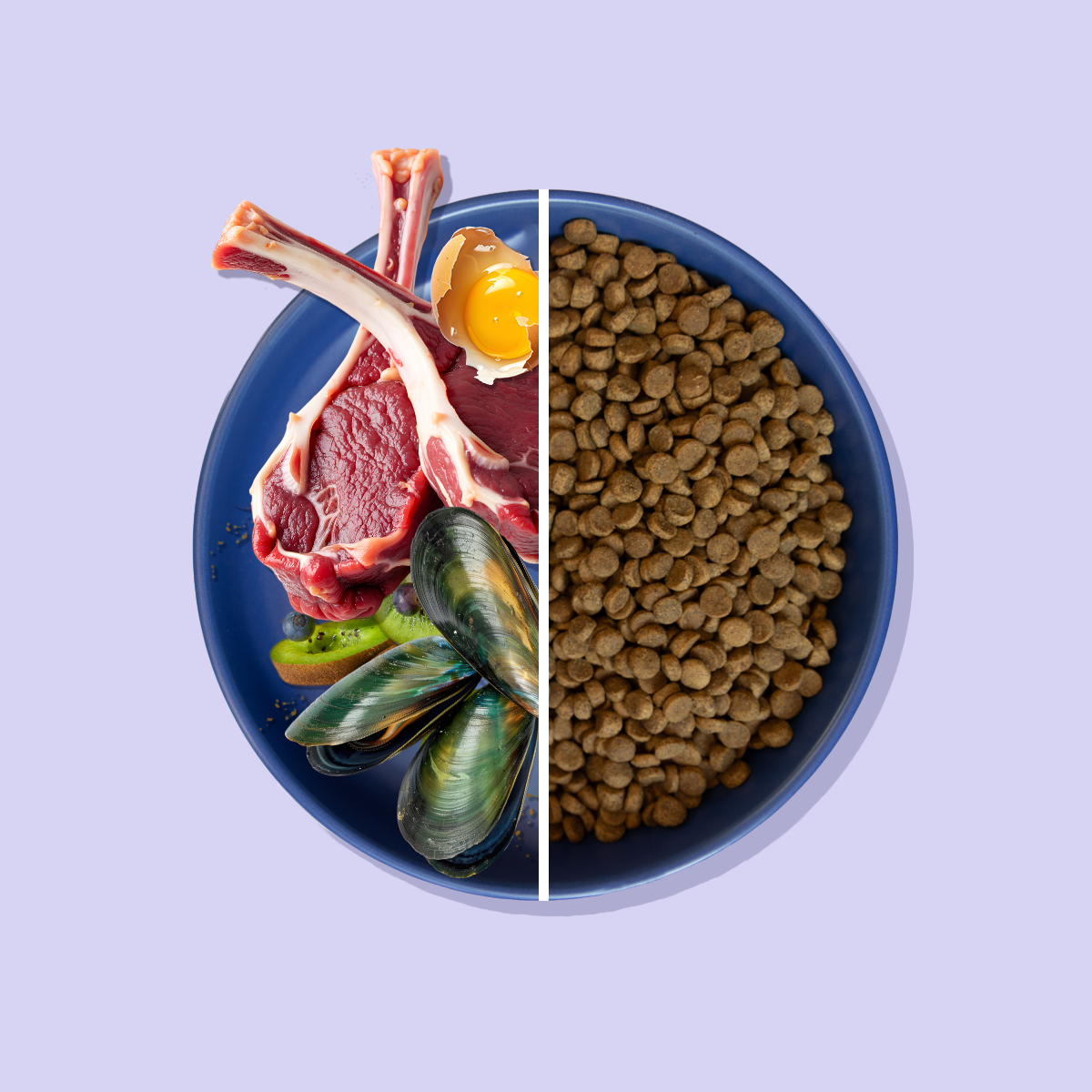
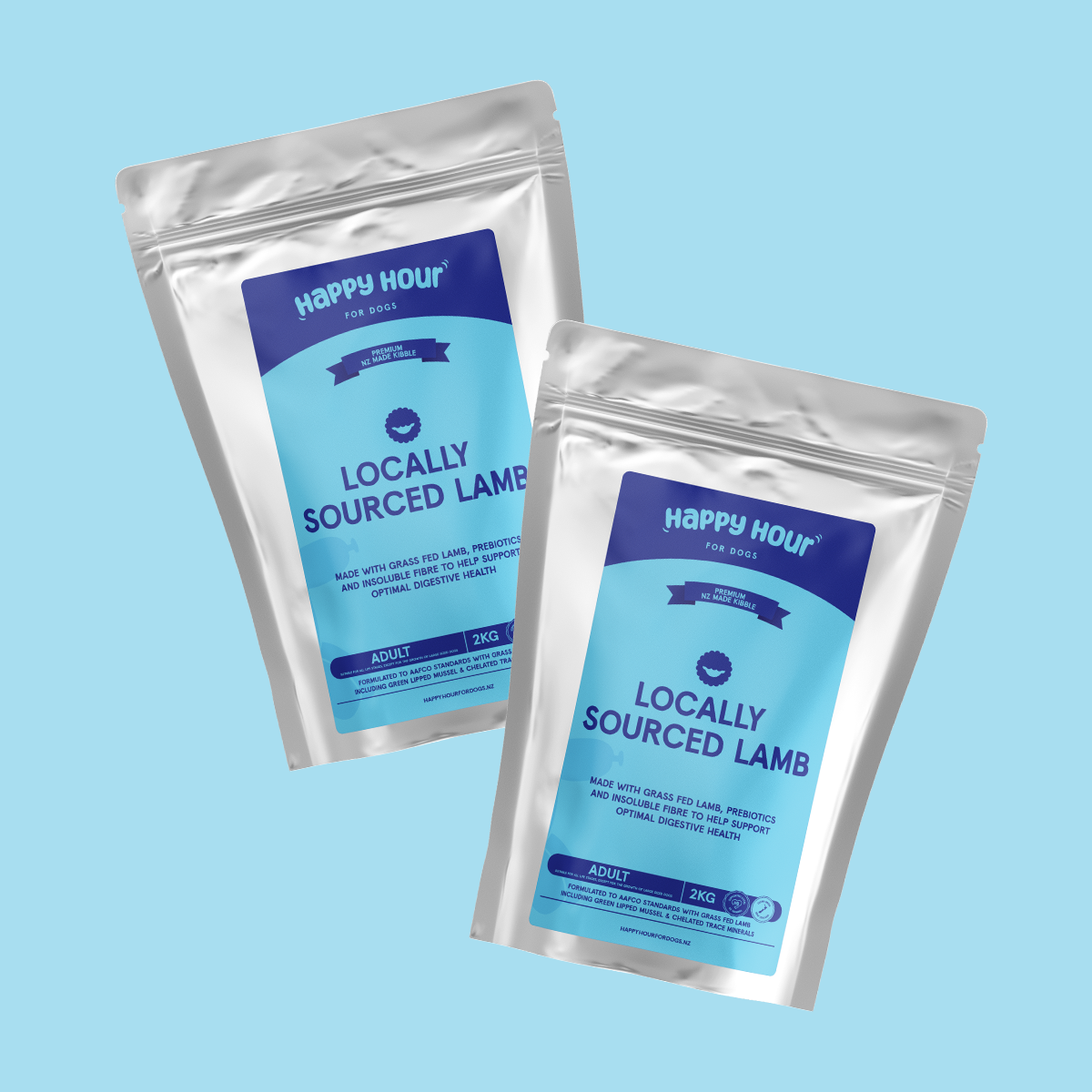
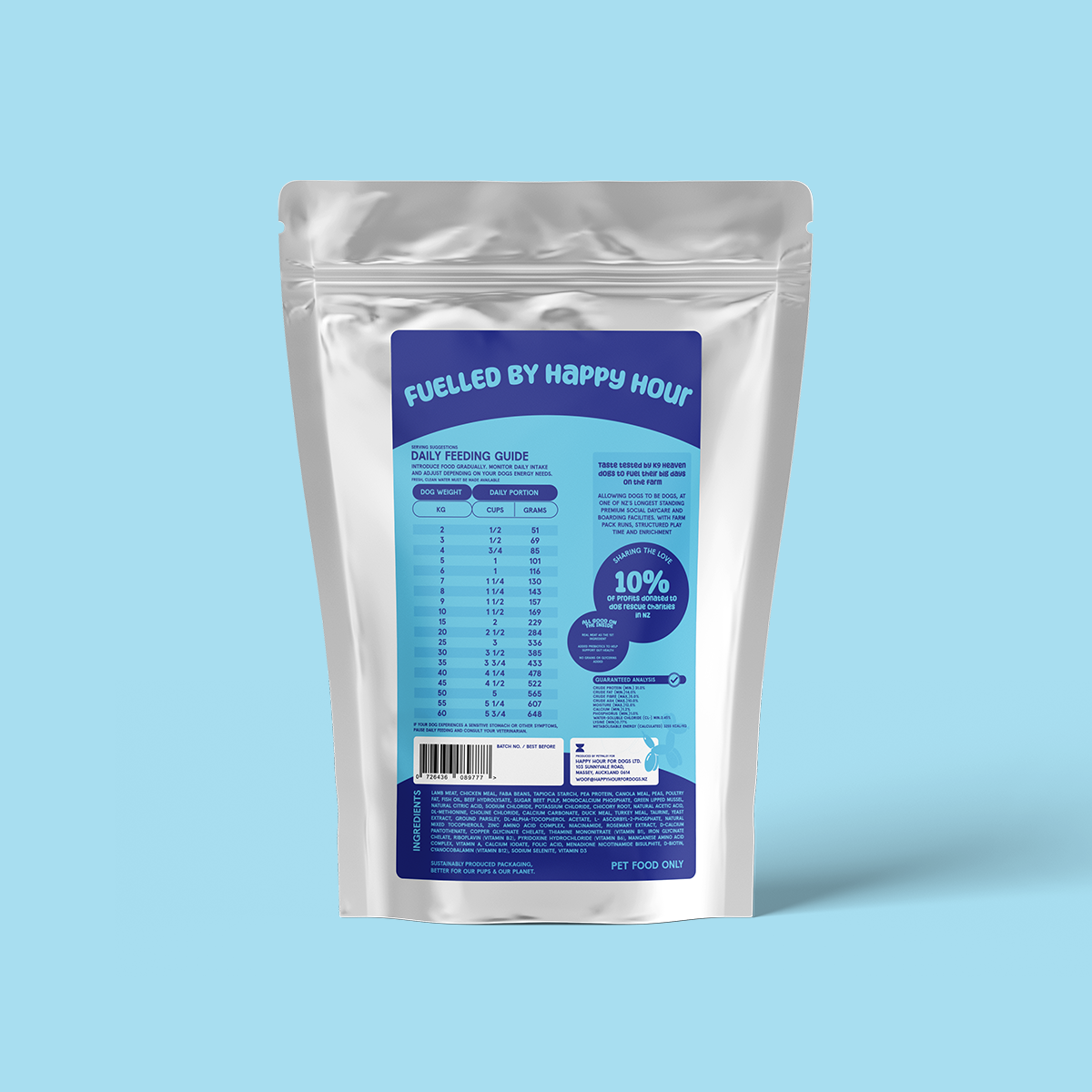
Happy Hour is made from NZ grass-fed lamb, is grain-free, and includes added insoluble fibre to support satiety across all meal sizes. Whether you're measuring 50g for a Toy Poodle or 300g for a Standard, the nutritional quality is consistent and the portion can be scaled appropriately.
For Standard Poodles on a weight management plan, consider splitting the daily amount into three smaller feeds if they're particularly food-motivated. It spreads out the intake and reduces the intensity of waiting between meals.
Exercise Tips for Poodles
All three sizes are active dogs that need more exercise than their elegant appearance might suggest.
Toy Poodles need around 20 to 30 minutes of active exercise per day. Indoor play, short walks, and mental enrichment games suit them well. They're small, so short bursts of activity count.
Miniature Poodles benefit from 30 to 45 minutes of exercise per day. They're capable and energetic, and enjoy activities like fetch, agility, and off-leash play.
Standard Poodles are athletic dogs that need at least 60 minutes of active exercise per day. They excel at agility, swimming, and longer runs. Under-exercised Standards are much more likely to gain weight and develop problem behaviours.
All three sizes benefit strongly from mental stimulation. Poodles are highly intelligent and need their brains engaged. Puzzle feeders, training sessions, nose-work, and learning new commands keep them satisfied in a way that purely physical exercise doesn't always achieve.
What to Look for in Dog Food for Poodles
Across all three sizes, the nutritional priorities are similar:
- Named meat as the first ingredient — quality protein supports muscle mass across all sizes
- Protein above 25% dry matter — essential for active, muscular dogs
- Good fibre content — keeps them satisfied between meals
- Omega fatty acids — for their curly coat and skin health
- No artificial additives or cheap fillers that inflate calorie count without nutrition
For Toy and Miniature Poodles, calorie density is the key watch-out. Small breeds eat small volumes, so the nutrition in each gram of food matters. For Standards, a food that supports lean muscle and active energy needs is the priority.
See also our guides on dog breeds prone to weight gain in NZ and managing overweight dogs in NZ.