My Dog Is Itchy: Could It Be Their Food?
Your dog is scratching. Again. You've checked for fleas, you've bathed them, and yet here we are at 2am with a dog that can't stop chewing their paws. If this sounds familiar, you're not alone. Itchy dogs are one of the most common concerns NZ vets hear about, and food is often one of the first things owners suspect. The tricky part: working out whether food is actually the culprit.
Key Takeaways
- My Dog Is Itchy: Could It Be Their Food?
- Not All Itchiness Is the Same
- Signs Your Dog's Itchiness Might Be Food-Related
- The Most Common Food Allergens in Dogs
- What Is an Elimination Diet and Do You Need One?
The good news is that food-related itchiness follows some recognisable patterns. Once you know what to look for, you can make a much more informed decision about whether to change your dog's diet, or whether to look elsewhere for the cause.
Not All Itchiness Is the Same
Before you toss out the food bag, it's worth understanding that dogs itch for many different reasons. The two biggest categories are environmental allergies and food allergies, and they can look surprisingly similar.
Environmental Allergies
These are triggered by things in your dog's environment: pollen, grass, dust mites, mould, even certain fabrics. Environmental allergies in NZ dogs often have a seasonal pattern. If your dog is scratching more in spring when the pohutukawa is flowering, or in summer when the grass is long, environmental triggers are probably worth considering first. Other signs include red or watery eyes, sneezing, and itching concentrated around the face, paws, and belly.
Food Allergies and Intolerances
Food-related itchiness tends to be year-round rather than seasonal. Your dog is reacting to something they're eating every single day, so the symptoms don't go away when the seasons change. Common food allergens in dogs include beef, chicken, dairy, wheat, and soy. Yes, chicken is on that list, which surprises a lot of people given how many dog foods use it as the main protein.
It's also worth distinguishing between a true allergy (an immune response) and a food intolerance (a digestive reaction). Both can cause itchy skin, but intolerances often come with gut symptoms too: loose stools, wind, or an upset tummy. True allergies can develop over time, even to foods your dog has eaten for years, which is why this can be so confusing.
Signs Your Dog's Itchiness Might Be Food-Related
There's no single test you can do at home to confirm a food allergy, but these signs suggest food is worth looking at:
- Itching that's present year-round with no obvious seasonal pattern
- Recurring ear infections (especially yeasty-smelling ears)
- Paw chewing and licking that leaves the fur reddish-brown (from saliva staining)
- Gut symptoms alongside skin issues: loose stools, frequent wind, or vomiting
- Itching concentrated around the face, groin, and underarms
- Symptoms that don't respond to antihistamines or itch relief treatments
If several of these apply to your dog, it's worth talking to your vet. They can rule out other causes, like mange, fungal infections, or flea allergy dermatitis, which can look similar. Your vet may also refer you to a specialist or recommend a food trial.
The Most Common Food Allergens in Dogs
Dogs don't become allergic to protein sources they've never eaten before. Allergies develop after repeated exposure, which is why dogs sometimes develop reactions to foods they've eaten without issue for years. The most commonly reported food allergens, based on research, are:
- Beef: one of the most frequent allergens in dogs
- Chicken: surprisingly common, especially given how many kibbles use it
- Dairy products
- Wheat and other gluten-containing grains
- Soy
- Lamb (less common, but possible)
Artificial additives, preservatives, and colourings can also trigger reactions in sensitive dogs, though these tend to be intolerances rather than true allergies. Our article on Dog Food Ingredients to Avoid covers these in more detail if you want to check what's in your current bag.
What Is an Elimination Diet and Do You Need One?
An elimination diet is the gold standard for identifying food allergies in dogs. The idea is simple: you feed your dog a diet with a single, novel protein source (one they've never eaten before) and nothing else, for 8-12 weeks. If the itching improves, you reintroduce ingredients one at a time to identify the trigger.
This sounds straightforward but requires real commitment. During the trial, your dog can't have any treats, table scraps, flavoured medications, or anything outside the trial diet. Even a small exposure can reset the clock. If you're thinking of doing this, please talk to your vet first. They can help you choose an appropriate novel protein, confirm the protocol, and make sure your dog's overall nutrition is covered during the trial.
For more on how this works, see our dedicated article: What Is a Dog Food Elimination Diet? (And When NZ Dogs Need One).
What to Change If You Suspect Food Is the Problem
If your vet supports trialling a food change, there are a few principles to follow:
Switch to a Novel Protein
Look for a food built around a protein your dog hasn't eaten before. If they've been on chicken their whole life, lamb or venison are good candidates. Many NZ owners find lamb works well, partly because it's often less processed than the beef or chicken found in cheaper kibbles, and partly because it's not as common in dog food history.
Simplify the Ingredients
Foods with shorter, cleaner ingredient lists are easier to manage during a trial. Fewer ingredients means fewer potential triggers. Check our How to Read a Dog Food Label article for help decoding what's actually in the bag.
Avoid Common Additives
Artificial preservatives like BHA, BHT, and ethoxyquin have been linked to sensitivities in some dogs. Natural preservatives and no artificial colours or flavours are worth looking for in any food you're trialling.
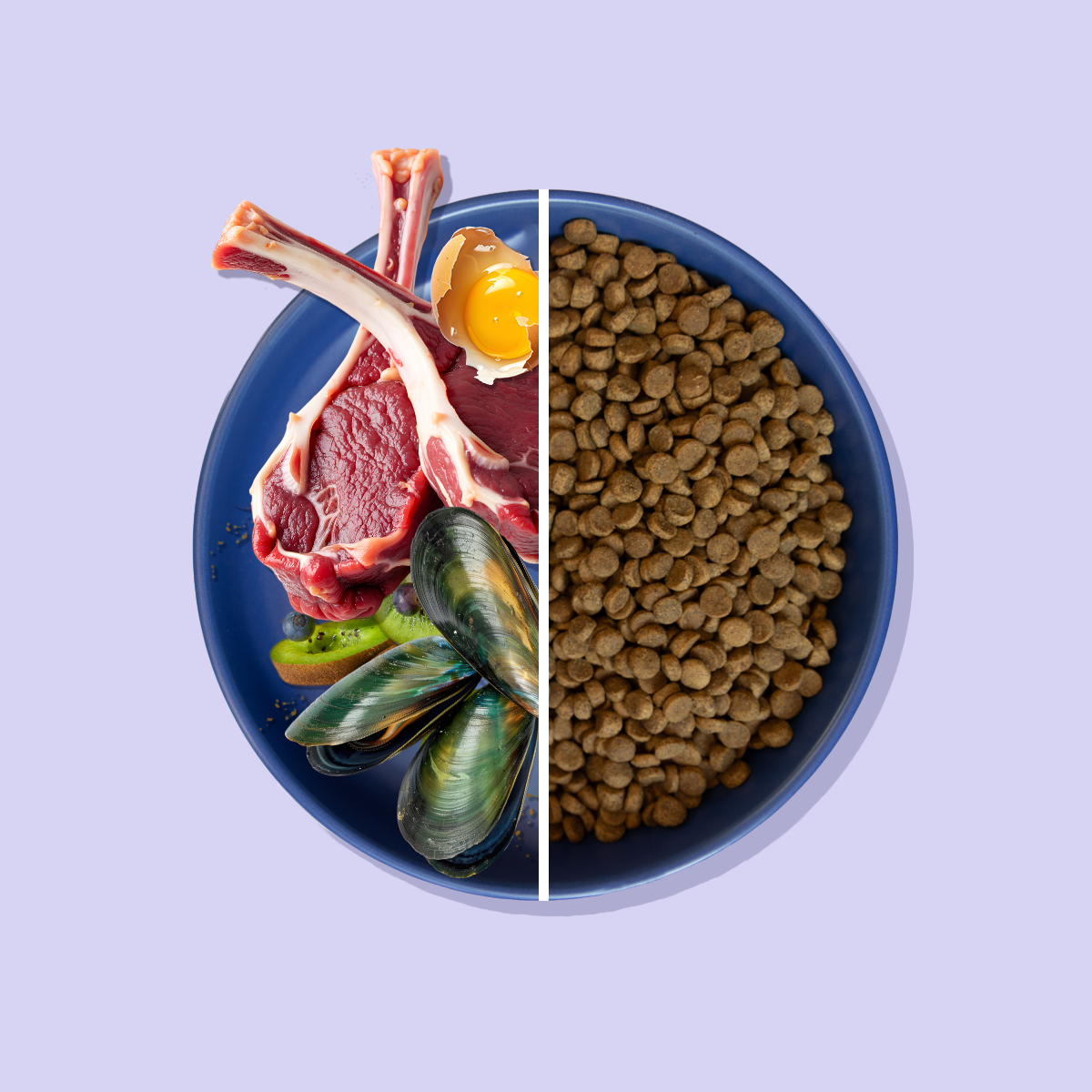
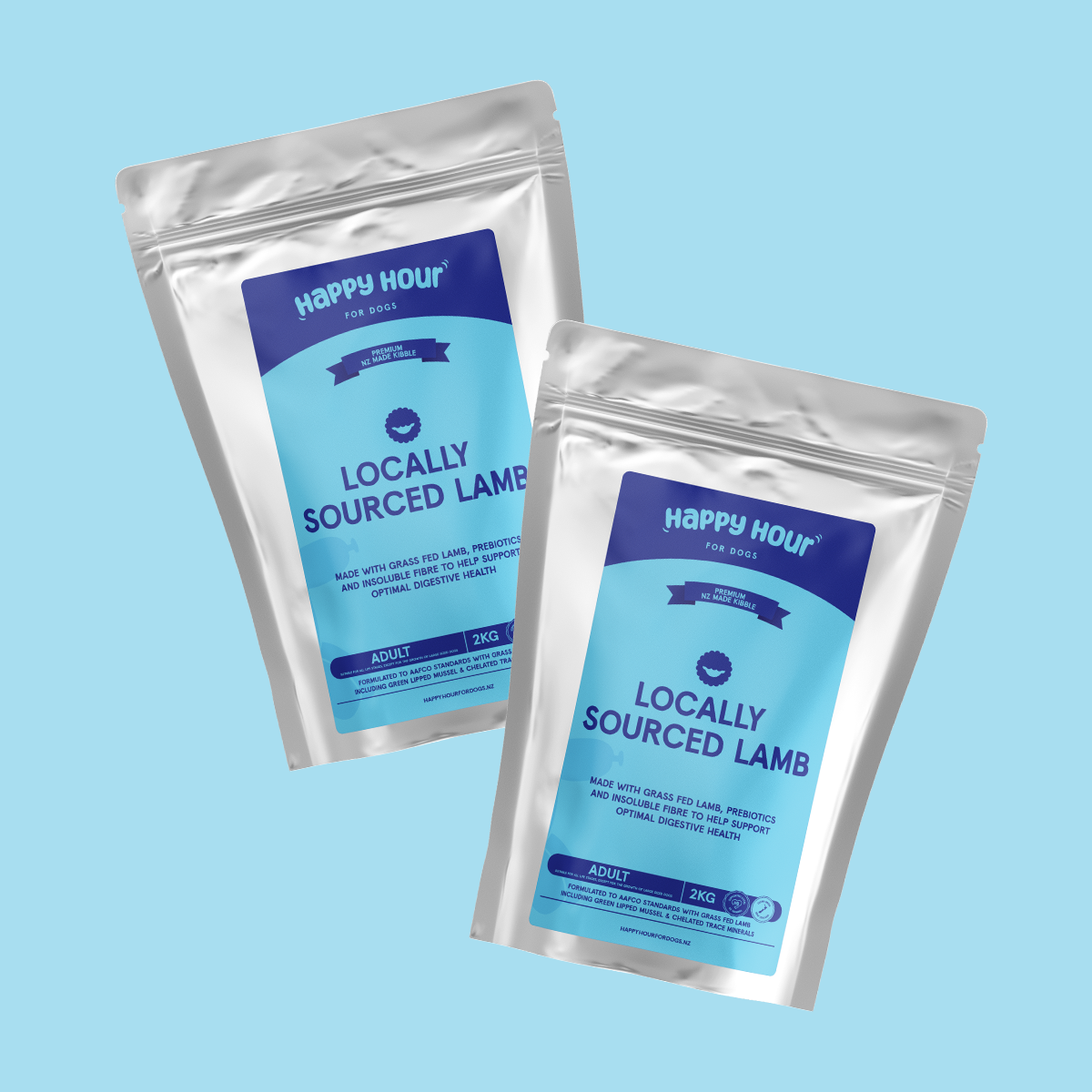
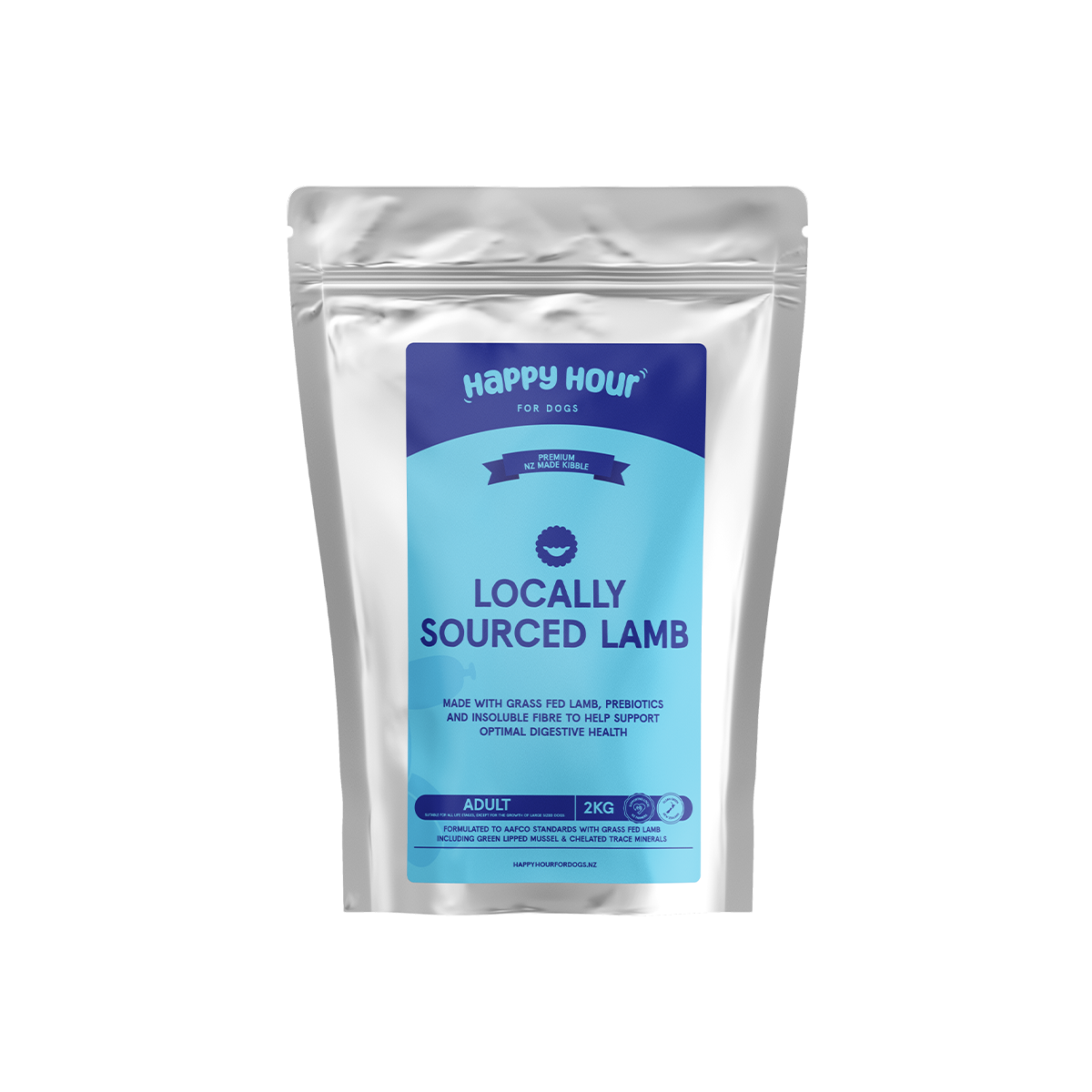
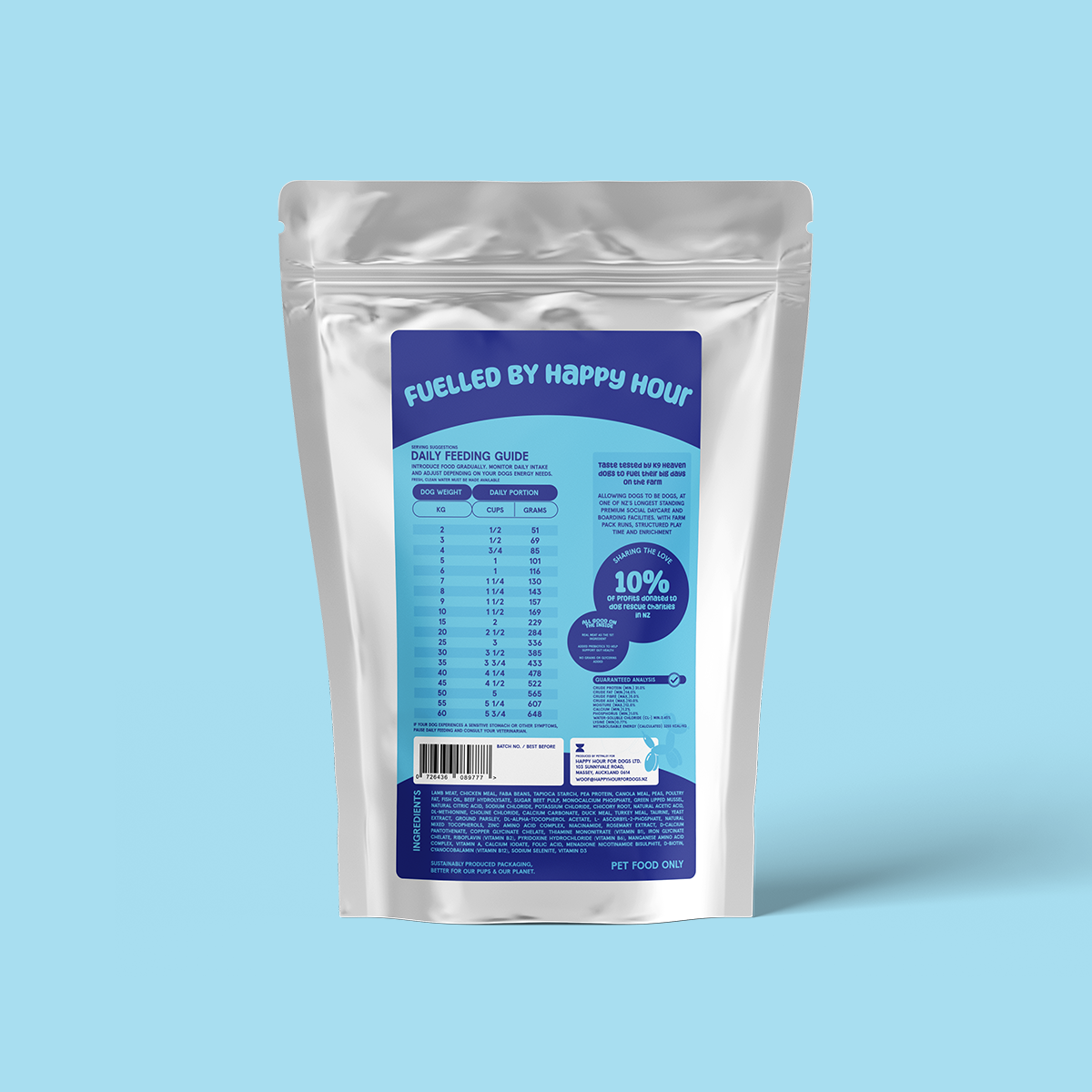
Happy Hour is built around NZ grass-fed lamb as the lead protein, making it a useful option for dogs who've been on chicken or beef-based foods. It's grain-free, uses no artificial additives, and includes chicory root as a prebiotic to support gut health, which many owners notice has a positive effect on dogs with sensitive systems. Elsa, one of the founder dogs, was a rescue with ongoing skin issues that improved after switching to Happy Hour. That's not a promise, but it's the kind of thing that matters to us when we formulate.
For more on what to look for when shopping, see our Best Dog Food for Itchy Dogs NZ article and Best Dog Food for Itchy Skin NZ: What to Look For.
When to See Your Vet
Food changes can help, but they're not a substitute for proper diagnosis. Please talk to your vet if your dog is:
- Scratching to the point of breaking skin or causing hot spots
- Losing hair in patches
- Having recurring ear or skin infections
- Showing symptoms that are getting worse despite diet changes
Your vet can run allergy tests, prescribe appropriate treatment, and help you work out whether diet, environment, or something else is driving the problem. Diet changes work best as part of a broader plan, not instead of one.