Labradoodle Weight Management: NZ Owner's Guide
Labradoodles are one of New Zealand's most popular crossbreeds, and they come with a particular challenge when it comes to weight. They inherit the Labrador Retriever's legendary enthusiasm for food — including, in many cases, the genetic mutation that makes Labs genuinely struggle to feel full. Combined with a fluffy coat that hides extra kilos effectively, Labradoodles are a breed where weight can creep up faster than owners realise.
Here's what NZ Labradoodle owners need to know about keeping their dog at a healthy weight.
Key Takeaways
- Many Labradoodles inherit the POMC gene mutation from their Labrador side, making them biologically driven to overeat
- Their coat (wavy or curly) hides weight gain well — always assess by touch, not appearance
- Measure every meal; Labradoodles will eat whatever they're given and come back for more
- They're energetic dogs that need consistent daily exercise to maintain a healthy weight
- A high-protein, high-fibre diet helps manage their appetite between meals
Why Labradoodles Are Prone to Weight Gain
The Labrador Retriever side of a Labradoodle is doing a lot of the work here. Labradors are one of the breeds most commonly affected by a mutation in the POMC gene (pro-opiomelanocortin), which affects the brain's ability to signal fullness after eating. Dogs with this mutation don't experience satiety the way other dogs do — they're genuinely, biologically driven to keep eating, regardless of how much they've already had.
Not every Labradoodle inherits this gene, but a meaningful proportion do. If you have a Labradoodle that acts absolutely starving immediately after finishing a full meal, this is likely why.
On top of that, Labradoodles are social, people-oriented dogs that tend to receive a lot of treats, table scraps, and extras because their owners love spending time with them. The combination of genetic food drive and generous human feeding is a reliable recipe for a heavy dog.
How to Tell If Your Labradoodle Is Overweight
The wavy or curly coat makes visual checks largely useless. A Labradoodle can be meaningfully overweight without it being obvious at a glance.
The rib check is the starting point. Part the coat and press gently along either side of their chest. You should be able to find each rib with light pressure, without needing to push through a thick layer of fat. If the ribs aren't easy to locate, there's excess fat present.
From above, with the coat pushed aside, look for a defined waist. A Labradoodle at a healthy weight will show a clear narrowing between the ribcage and the hips. A uniform, padded shape with no tuck is a sign of excess weight.
Healthy adult Labradoodles typically weigh between 23 and 36 kg, depending on size (standard vs medium vs miniature), generation, and which parent breed they've taken more after. Some Labradoodles are significantly smaller or larger than this range.
Practical signs of excess weight include: panting heavily after mild exercise, reluctance to play or jump, stiffness getting up, or noticeably slowing down on walks they used to handle easily.
Feeding a Labradoodle for a Healthy Weight
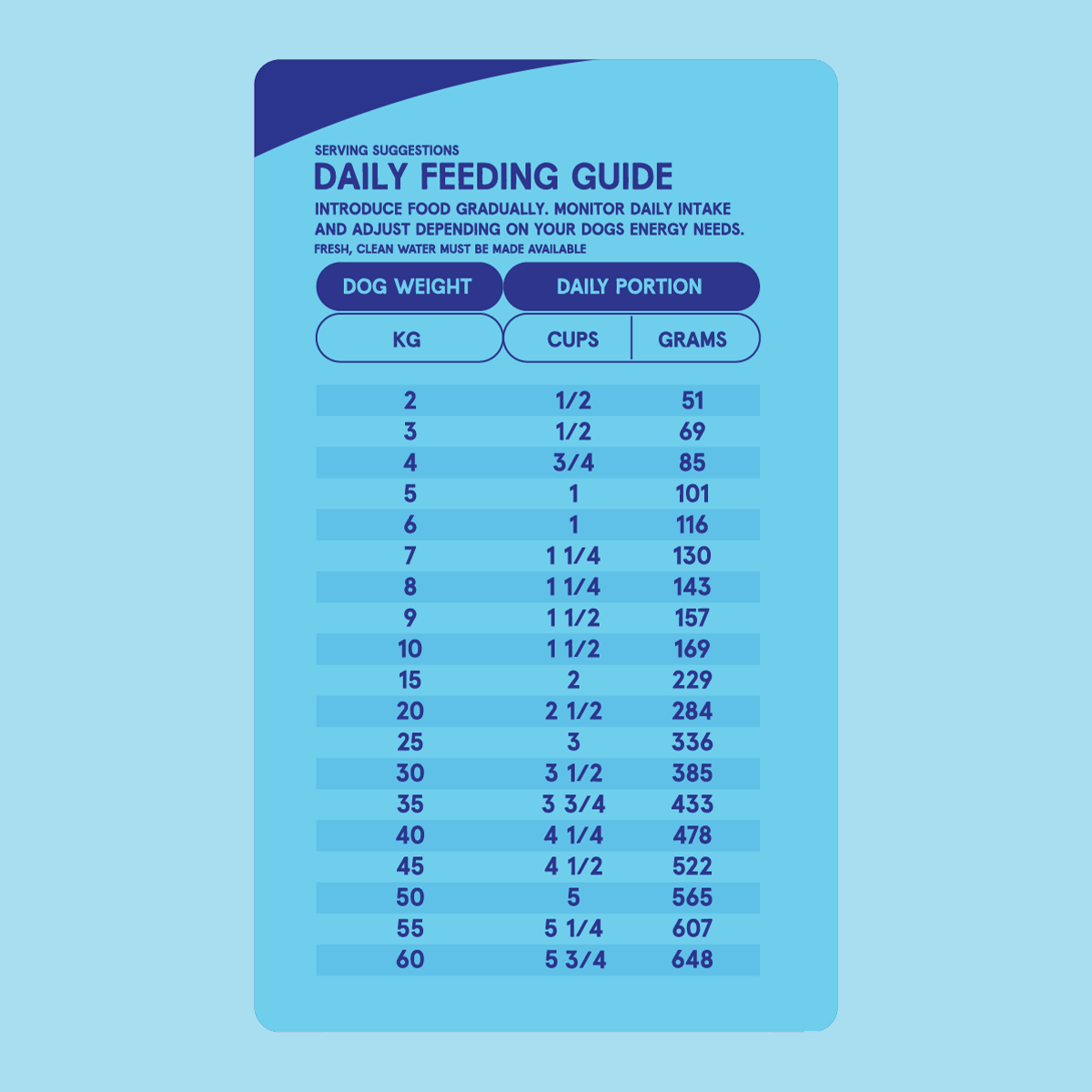
Measure every meal with a kitchen scale. Do not eyeball it, and don't trust your Labradoodle's behaviour as a guide to whether they've had enough — they will act hungry every single time, regardless of what they've eaten.
Feed twice daily. Splitting the daily amount across two meals reduces the drama between feeds and is easier for managing intake.
If your Labradoodle has the POMC mutation, high-fibre food can help take the edge off between meals. Fibre doesn't add significant calories but does add bulk and slows digestion, which helps them feel more satisfied.
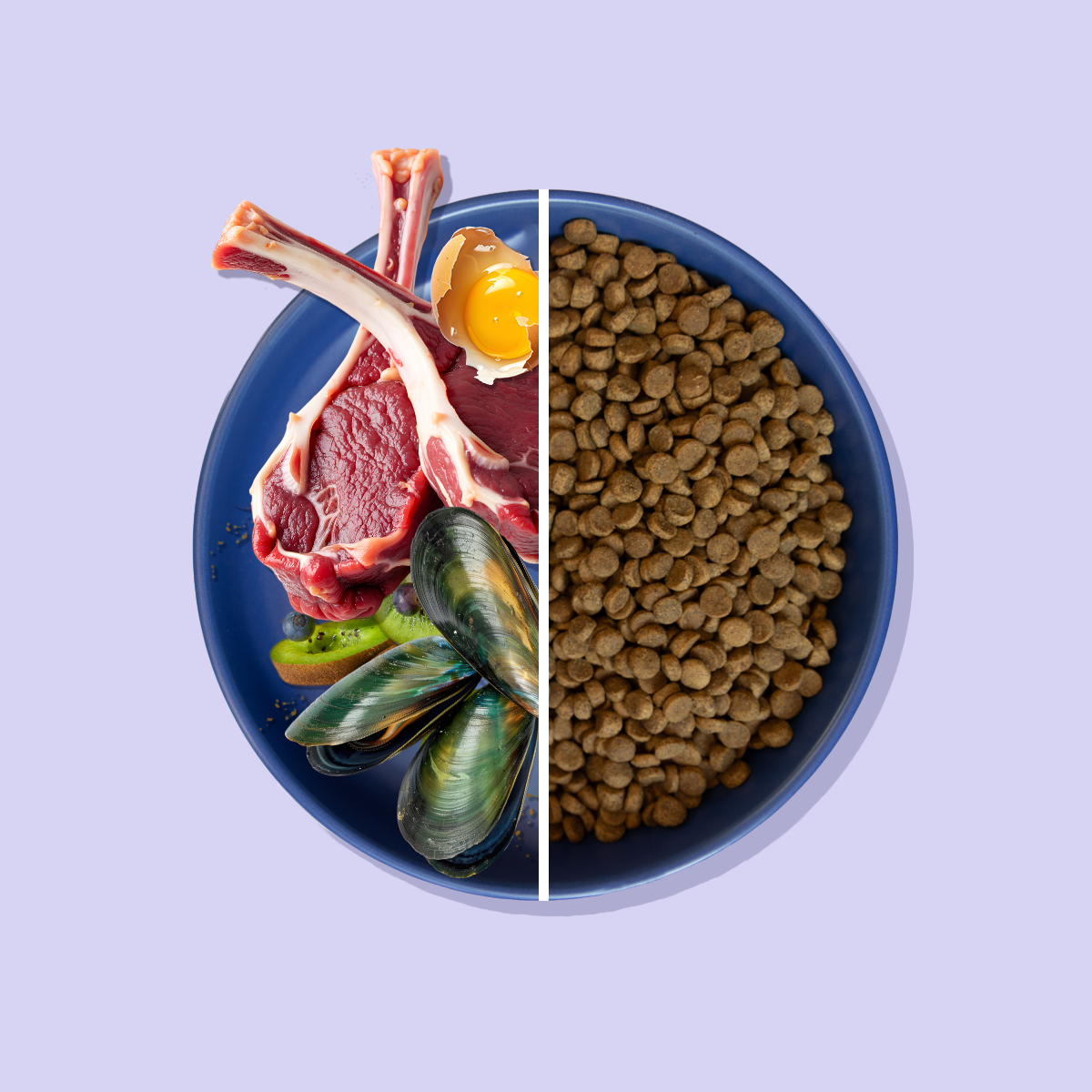
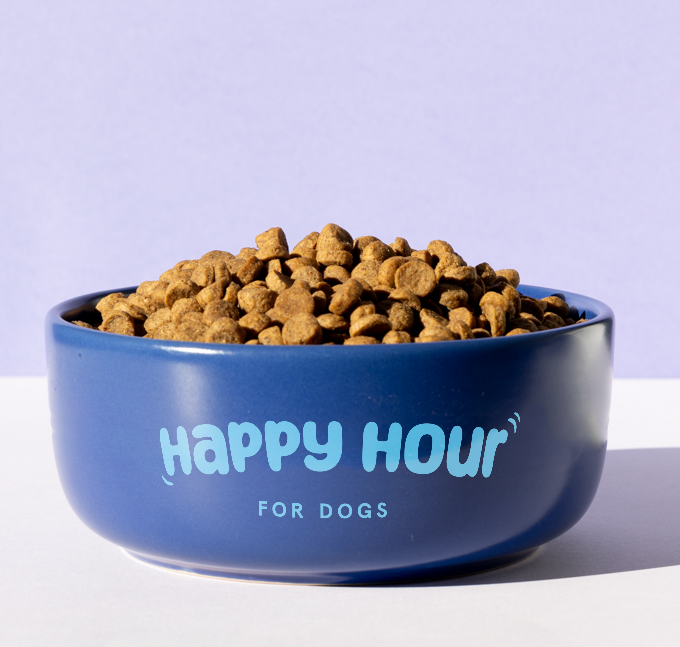
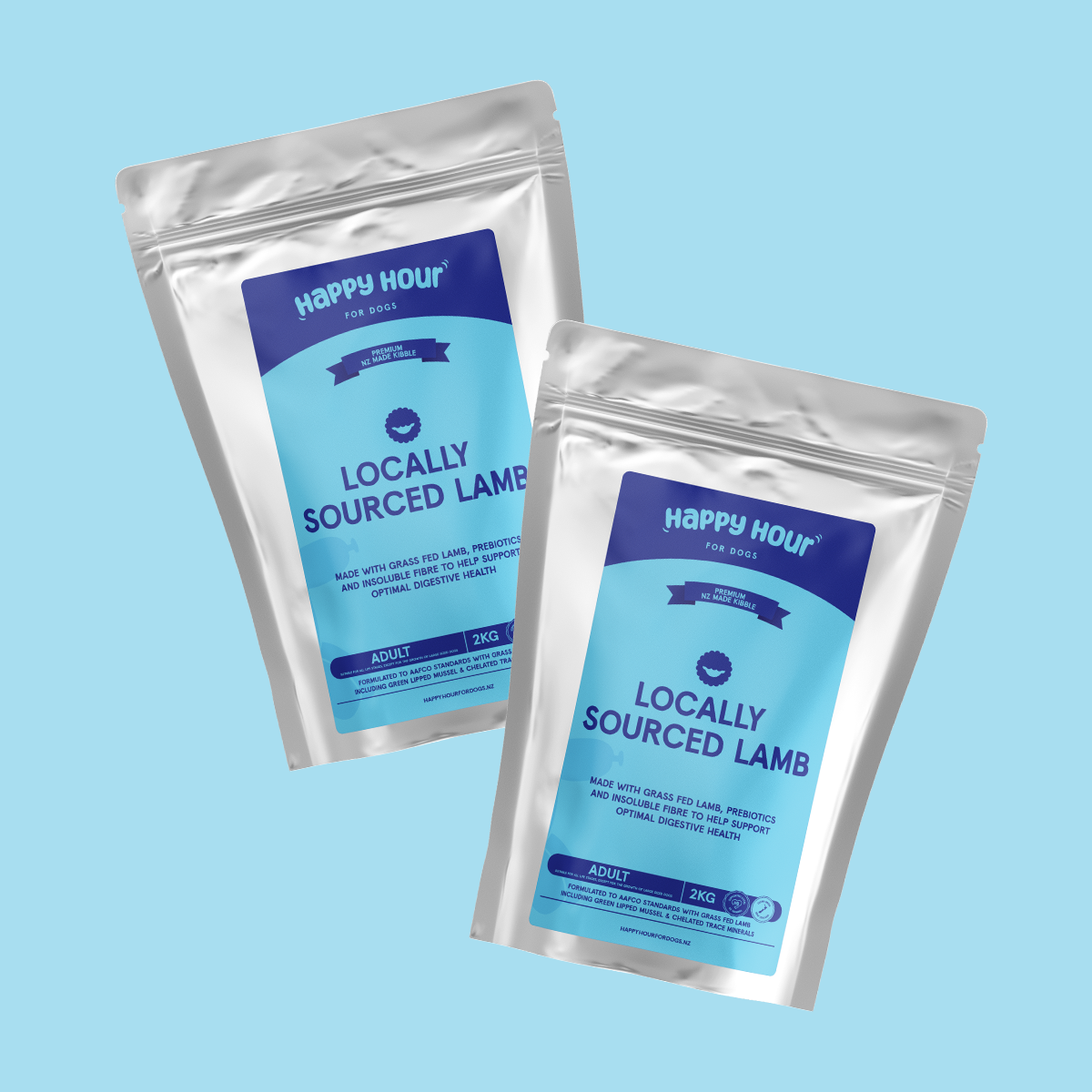
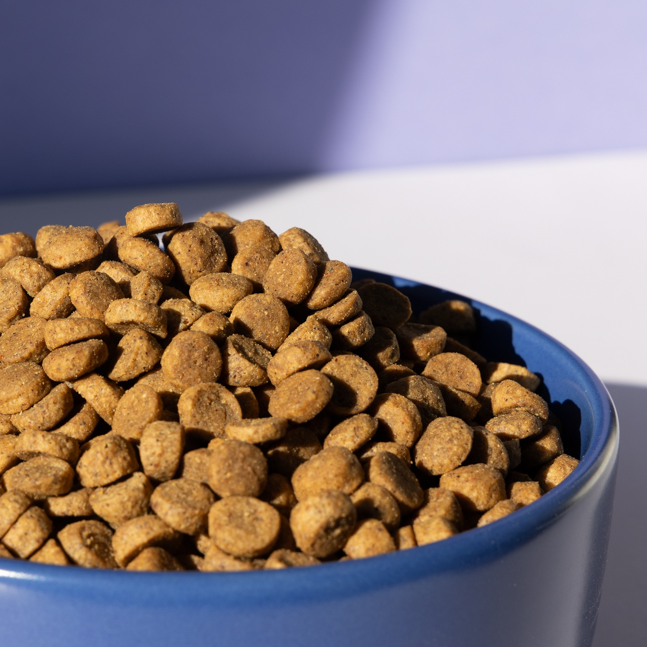
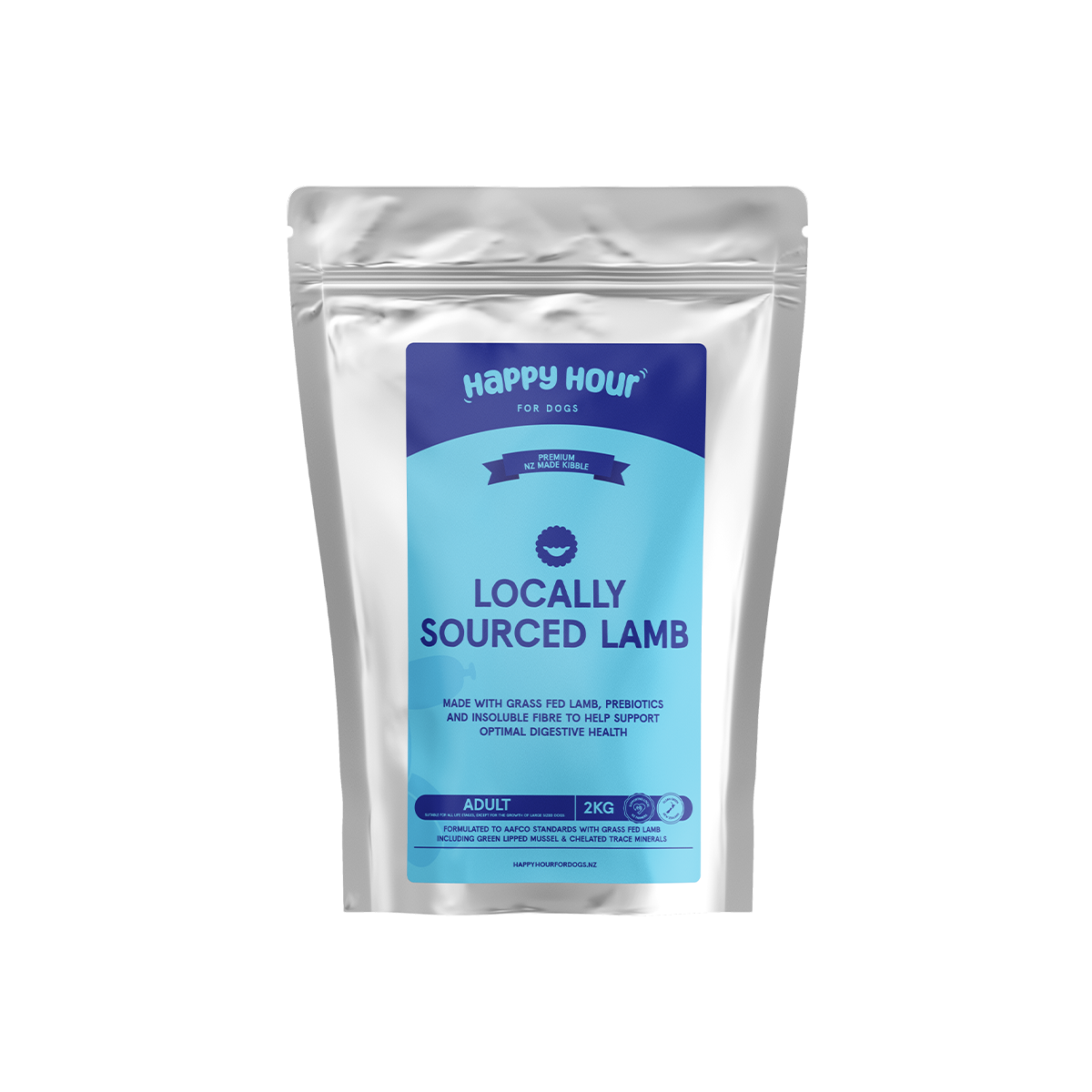
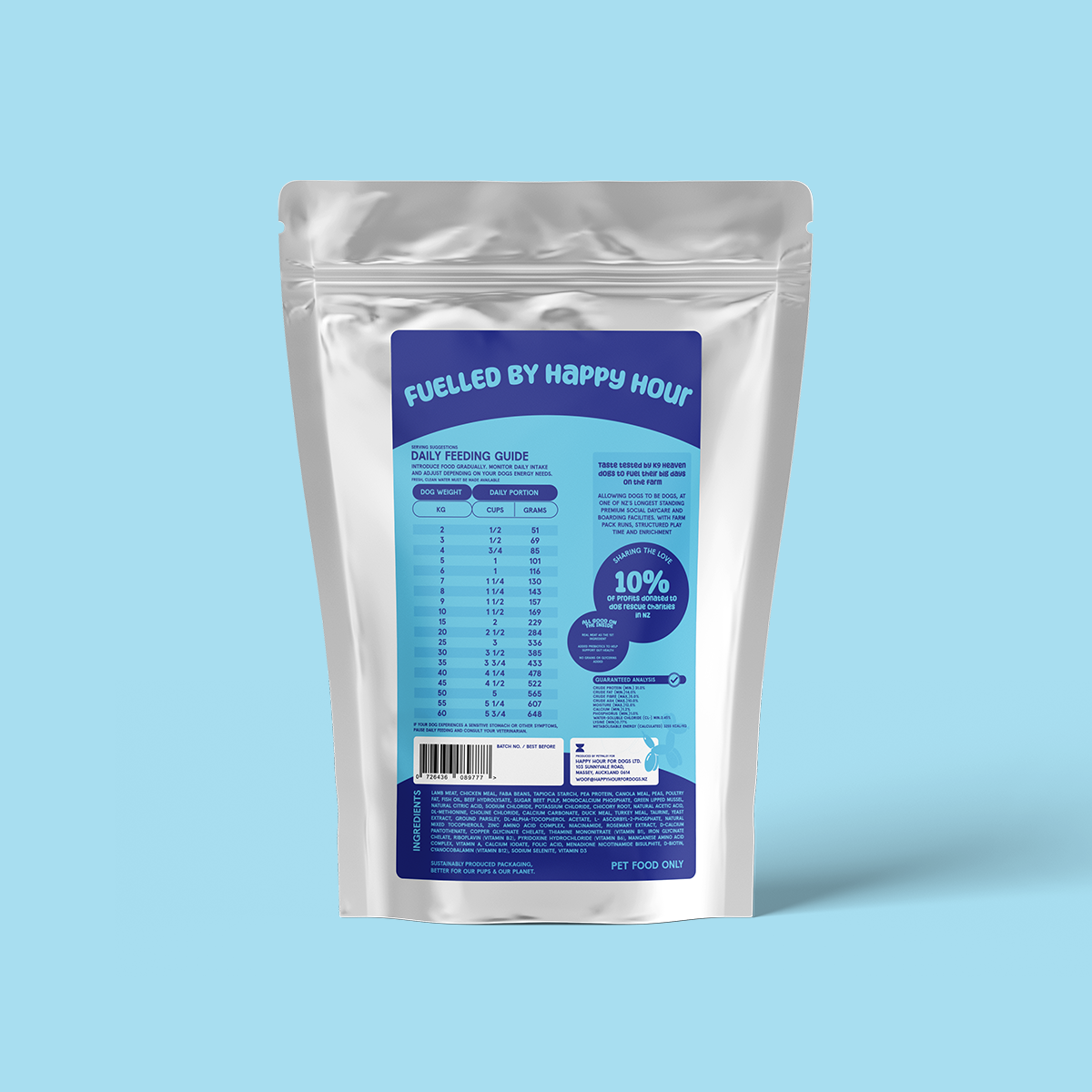
Happy Hour is made from NZ grass-fed lamb, is grain-free, and contains added insoluble fibre designed to support digestion and satiety. For a food-motivated Labradoodle on a controlled diet, the fibre content makes a real practical difference to how they manage between meals.
Treats need to be strictly managed. This is harder with Labradoodles because they ask persistently and convincingly. Keep treats to a maximum of 10% of daily calories, use the smallest possible pieces, and consider using a portion of their daily kibble as training rewards instead of buying separate treats.
Table scraps should be eliminated. It's the most common place extra calories sneak in unnoticed.
Exercise Tips for Labradoodles
Labradoodles are active, energetic dogs that need at least 60 minutes of exercise per day — and many do best with more. They love running, swimming, fetch, and any activity that involves moving alongside their people.
Consistent daily exercise is more effective than occasional long sessions. A daily 45 to 60-minute walk plus some active play is better than a long hike on the weekend followed by rest days.
Swimming is an excellent option for Labradoodles and most enjoy it. It's low-impact on joints while burning good energy.
If your Labradoodle is significantly overweight, build up exercise duration gradually. Start with moderate-length walks and increase as their fitness and body condition improve.
Mental stimulation is also important for this breed. Puzzle feeders, nose-work, and training keep them engaged and reduce food-seeking behaviour between meals.
What to Look for in Dog Food for Labradoodles
For a breed with strong food drive and a tendency to gain weight, the right food balances good nutrition with satiety. Look for:
- Named meat as the first ingredient — quality protein for muscle mass
- High fibre content — reduces hunger between meals, especially for POMC-affected dogs
- Moderate fat — enough to support energy, not so much that it drives rapid weight gain
- Protein above 25% dry matter — preserves lean muscle during weight loss
- No cheap fillers like corn, soy, or wheat that add calories without nutrition
Avoid high-fat foods or calorie-dense treats. For a food-motivated Labradoodle, every calorie counts.
For more context on breeds with weight challenges in NZ, see dog breeds prone to weight gain and our full overweight dogs guide.