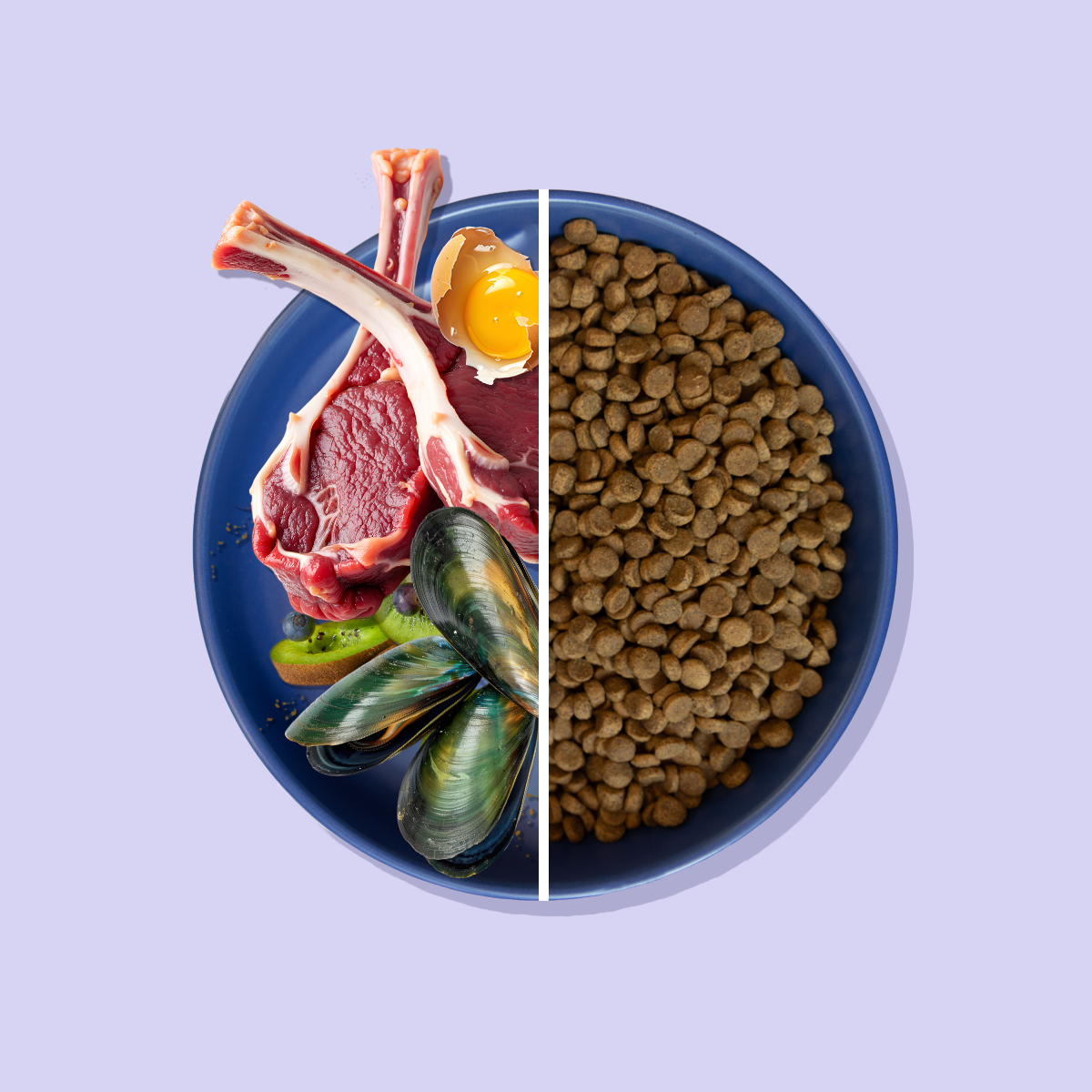
Few topics in NZ dog owner communities generate more heat than raw feeding. Ask in any Facebook group and you'll get passionate responses on both sides. What you'll get less of is nuance. This is an honest look at both approaches, what the evidence actually says, and how to make the right call for your dog.
Key Takeaways
- Both raw and kibble can produce excellent results - the quality of the food matters more than the format
- Raw feeding done well is genuinely nutritious, but done poorly it can cause deficiencies and bacterial risks
- Premium kibble offers consistent nutrition, convenience, and long shelf life
- The worst kibble is significantly worse than good raw; the best kibble is better than poorly balanced raw
- Switching between formats requires a careful transition period for digestive adjustment
Why This Debate Is So Heated in NZ
New Zealand has a particularly strong raw feeding culture. Part of this is cultural: we have access to quality meat, offal, and green-tripe at reasonable prices. Part of it is the valid frustration with cheap commercial kibble that contains more filler than food. And part of it is the social dynamics of online communities, where people who've seen their dog thrive on raw become understandably evangelical about it.
The result is a debate that often generates more heat than light. Kibble gets dismissed as "dead food". Raw gets dismissed as "dangerous and unbalanced". Neither of those framings is particularly helpful when you're trying to feed your dog well.
The Case for Raw Feeding
The core argument for raw is biologically based. Dogs evolved eating raw meat, bone, and organ. Their digestive systems are short and acidic, well-suited to processing raw animal material. Many raw-fed dogs genuinely look and perform well: shinier coats, smaller stools, cleaner teeth, and good energy levels.
What raw does well:
- High meat content with minimal processing preserves amino acid profiles
- Whole food ingredients without artificial additives or preservatives
- Dogs often find raw highly palatable, useful for fussy eaters
- Raw meaty bones support dental health in a way kibble typically doesn't
- Owners have full visibility of ingredients
These are real advantages. For owners who do it well, raw feeding can produce excellent results.
The Risks of Raw Feeding
The case against raw isn't fearmongering. There are genuine risks worth understanding.
Bacterial contamination
Raw meat carries Salmonella, E. coli, Campylobacter, and Listeria. Dogs with robust immune systems often handle these without issue. But they can shed these bacteria in their faeces, which poses a risk to humans in the household, particularly children, the elderly, and immunocompromised people. This is documented and not trivial.
Nutritional imbalance
A well-balanced raw diet is considerably more complex than feeding raw chicken necks and a bit of liver. Getting calcium to phosphorus ratios right, ensuring adequate trace minerals, vitamin D, and iodine, and achieving balance over time rather than just in each meal requires real knowledge and commitment. Many dogs on homemade raw diets have documented nutritional deficiencies. This isn't a reason to avoid raw, but it is a reason to educate yourself or use a commercially balanced raw product rather than improvising.
Cost and preparation
Quality raw feeding is expensive. Sourcing, storing, and preparing balanced raw meals takes time and freezer space. This is a practical reality that matters for many households.
Handling and hygiene
Raw meat requires careful handling to avoid cross-contamination in the kitchen. This is manageable but adds friction to daily feeding routines.
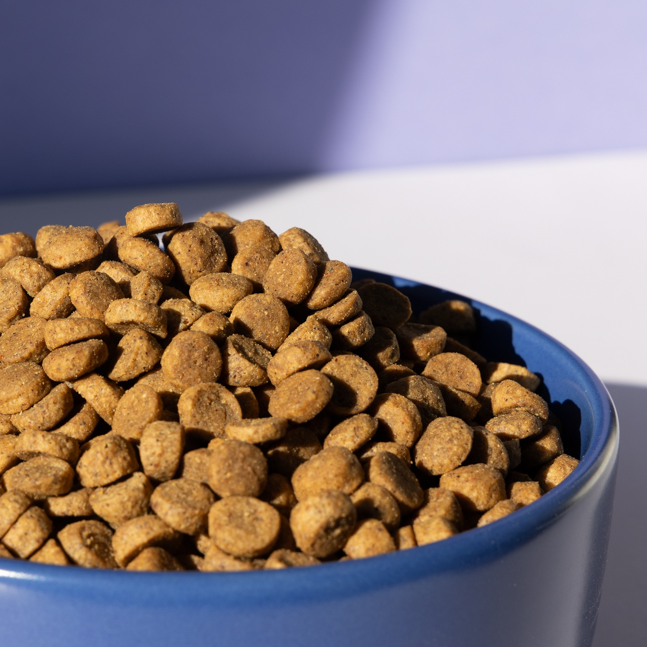
The Case for Quality Kibble
Kibble gets unfairly dismissed alongside its worst examples. The category ranges from cheap grain-heavy fillers to genuinely excellent foods. Here's what good kibble offers.
Consistent, tested nutrition
AAFCO-certified kibbles have been formulated and tested to meet defined nutritional standards for specific life stages. The nutritional profile is consistent batch to batch, which removes the guesswork around balance.
Convenience and shelf life
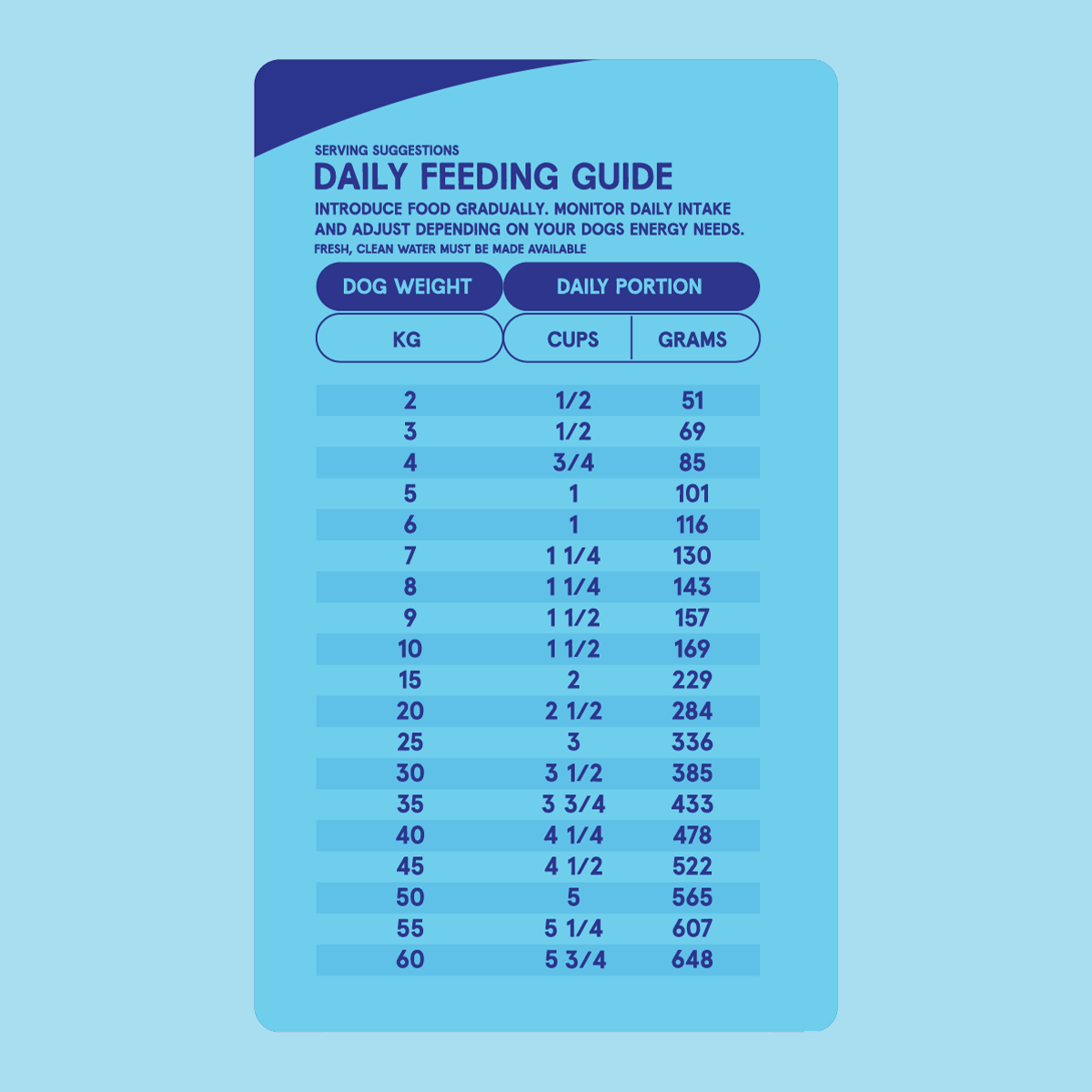
Kibble stores at room temperature, doesn't require preparation, and can be measured precisely. For busy households or people without consistent access to quality raw ingredients, this is a genuine advantage.
Safety
A properly produced kibble is significantly lower risk for bacterial contamination. The extrusion process kills pathogens.
Cost predictability
Quality kibble costs more than cheap supermarket brands but typically less than a properly balanced raw diet using quality ingredients.
The Risks of Bad Kibble
Here's where kibble deserves its criticism. The bottom end of the kibble market is genuinely poor food.
- Cheap fillers: wheat, corn, and soy as primary ingredients rather than meat
- Low-quality protein sources: generic "meat meal" or "poultry by-products"
- Artificial preservatives like BHA, BHT, and ethoxyquin
- Low overall digestibility, meaning more goes in but less is actually absorbed
- High carbohydrate content dogs aren't well adapted to process
The proliferation of these products is what drives raw feeding advocates, and honestly, the frustration is understandable. A dog eating cheap kibble every day is not being fed well.
The Honest Answer: Quality Matters More Than Format
Here's the conclusion that the evidence actually supports: both raw and kibble can produce healthy dogs. Both can also be done badly, with real consequences.
Bad raw, including unbalanced homemade raw diets or poorly sourced ingredients, is worse than good kibble. Good kibble, with quality ingredients, named proteins, and no artificial anything, is better than bad raw. The format is less important than the quality of execution.
The dog owner who carefully prepares balanced raw meals from quality NZ ingredients is feeding their dog well. The dog owner who buys cheap supermarket kibble because raw sounds like too much work is not. And the dog owner who feeds a quality grain-free kibble with named proteins and clean ingredients is also feeding their dog well, just differently.
What Makes a Quality Kibble
If you're going the kibble route and want to make sure you're choosing well, here's what to look for.
- Named whole meat or meat meal as the first ingredient
- Grain-free formula with digestible carbohydrate sources
- No artificial colours, flavours, or chemical preservatives
- Omega-3 source (fish oil or fish meal)
- AAFCO compliance for the appropriate life stage
- Short, recognisable ingredient list
Where Happy Hour Fits
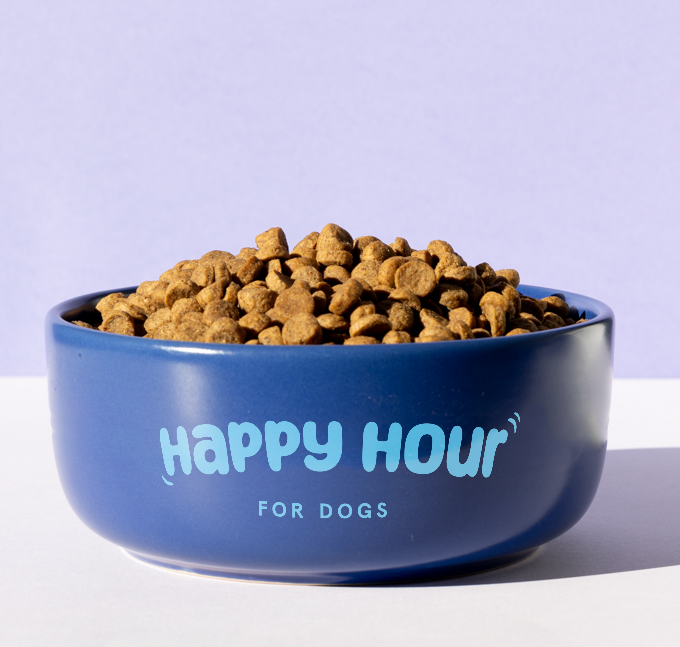
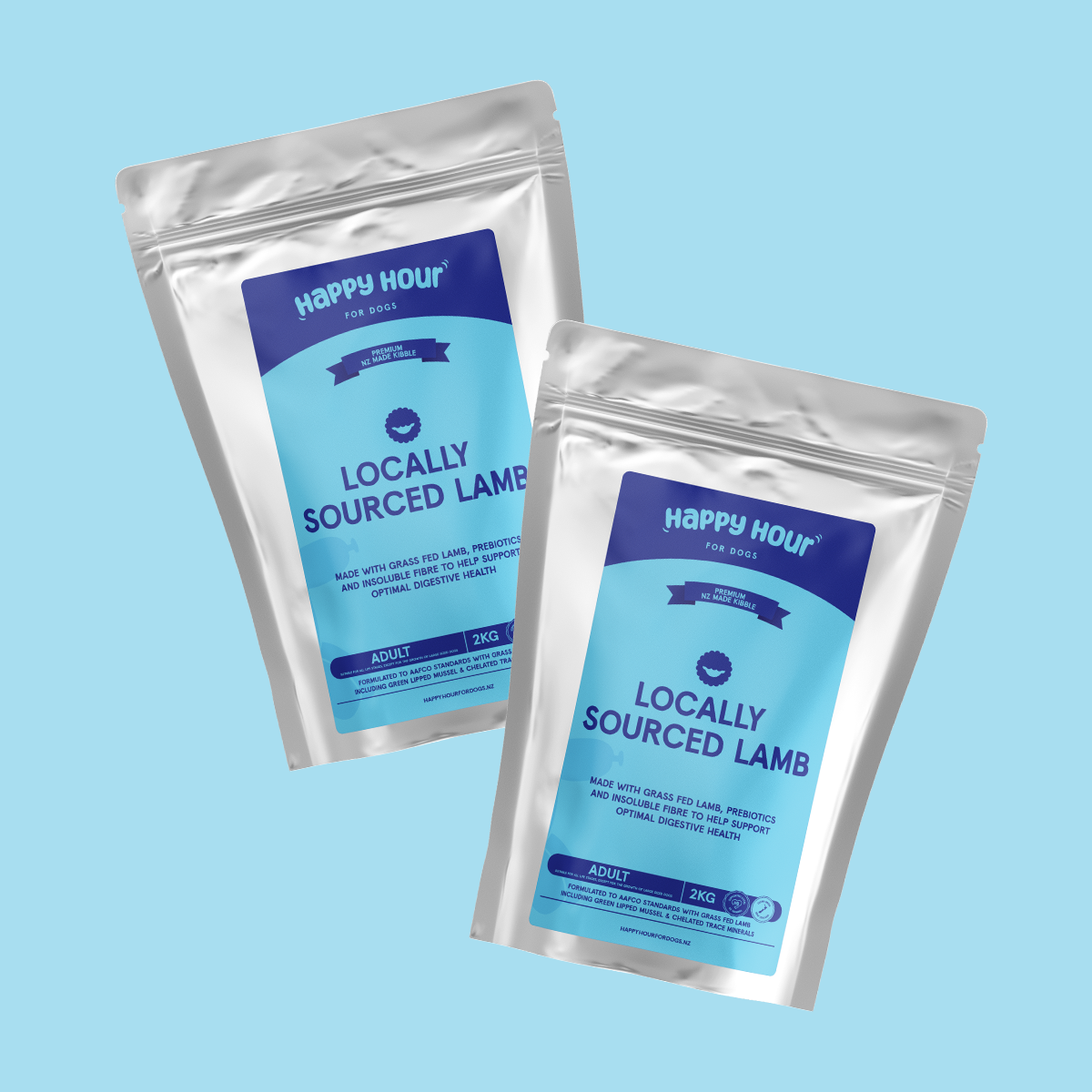
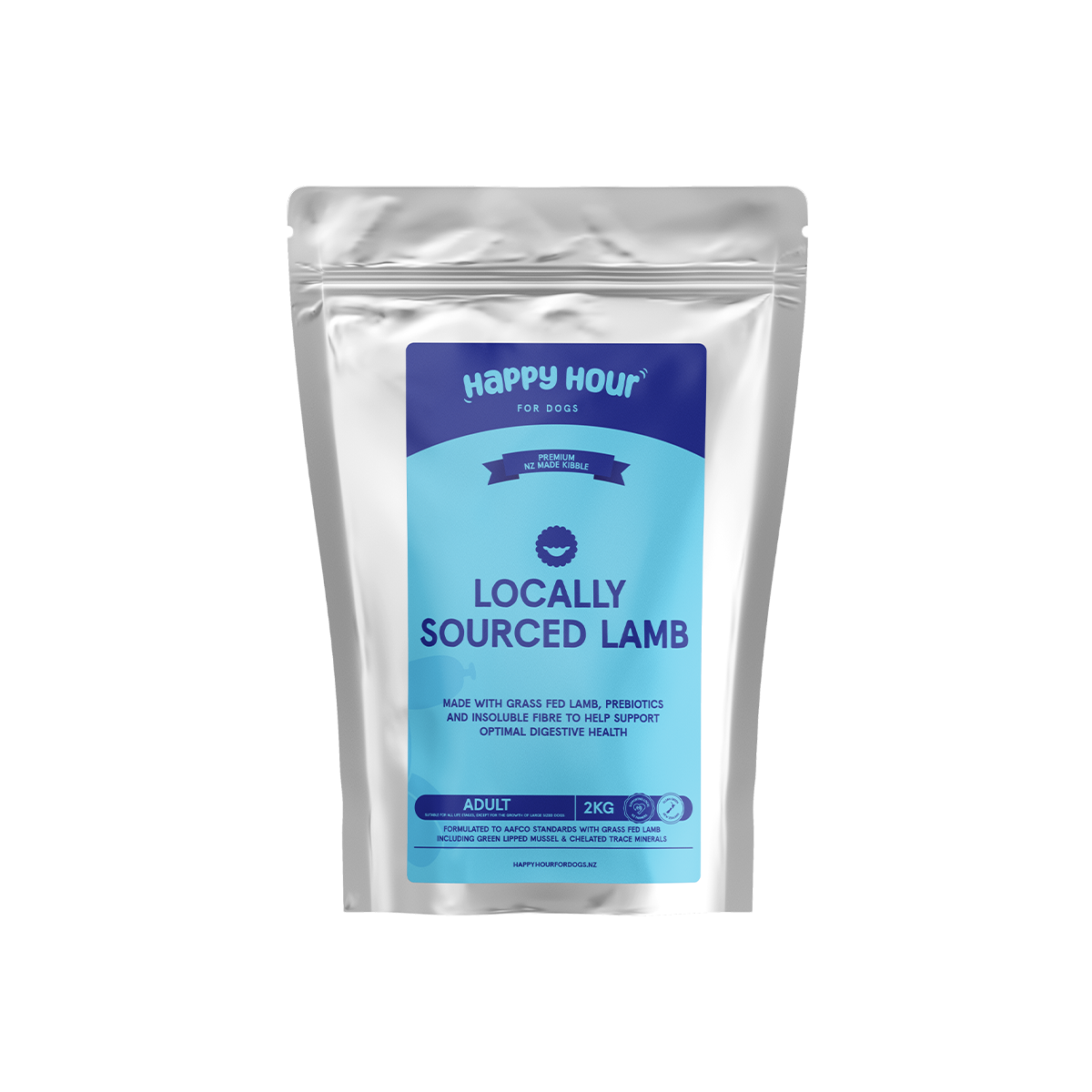
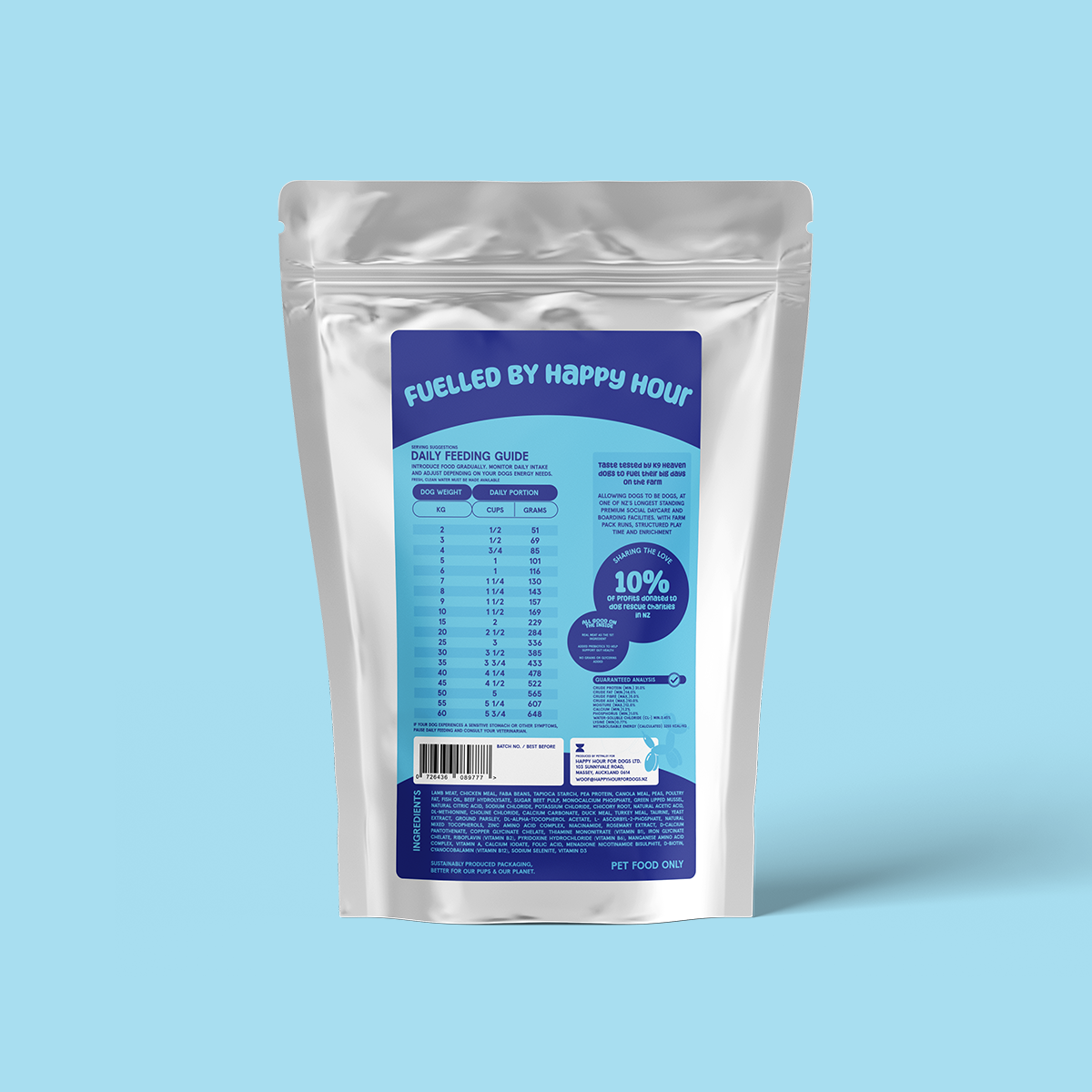
Happy Hour is what good kibble looks like. It's grain-free, built around single NZ lamb protein, contains fish oil for omega-3s, and has no artificial anything. It's not raw, and it's not trying to be. But for owners who want the convenience and nutritional consistency of kibble without the compromises of cheap commercial food, it's a credible option.
It won't satisfy everyone in the raw feeding community, and that's fine. If you're committed to a well-balanced raw diet and your dog is thriving on it, stick with it. But if you're looking for a quality kibble that doesn't ask you to choose between convenience and clean ingredients, this is worth considering.
The Bottom Line
The raw vs kibble debate is less useful than the quality question. Focus on what's actually in the food, not what format it comes in. Good food, whether raw or kibble, has quality named protein sources, no artificial additives, and a nutritional profile that's been thought about carefully.
Feed your dog well. That's the only rule that actually matters.