Jack Russell Weight Management: NZ Guide for Owners
Jack Russells have a reputation for being wiry little bundles of energy that never sit still. Which makes it easy to assume they'd never have a weight problem. But plenty of NZ Jack Russells are quietly overweight — because their owners assume the zooming cancels out the treats, and it doesn't quite add up that way.
Here's what to know about keeping your Jack Russell at a healthy weight.
Key Takeaways
- Jack Russells can hide weight gain behind their energetic personality and small frame
- Their short coat makes visual assessment easier than long-coated breeds, but the rib test is still the most reliable check
- They're prone to back problems (IVDD) that excess weight makes worse
- High-energy doesn't mean high-calorie needs — small dogs need much less food than owners expect
- Consistent exercise and strict portion control are the main tools
Why Jack Russells Are Prone to Weight Gain
It's mostly an owner perception problem. Jack Russells are so lively and busy that it feels impossible they could gain weight. But they're small dogs. The amount of food required to tip them into a calorie surplus is not large at all.
A few extra treats here, a slightly generous morning serve, the occasional scrap from the table — none of these seem like much. But for a 6 kg dog, an extra 50 calories per day adds up to meaningful weight gain over months.
Jack Russells also tend to slow down with age, but owners often don't reduce their food to match. A 10-year-old Jack Russell needs less fuel than a 3-year-old.
The other factor is that Jack Russells are known for intervertebral disc disease (IVDD), a back condition that's painful and debilitating. Carrying excess body weight increases the load on the spine significantly, which is a good reason to stay on top of weight management from the start.
How to Tell If Your Jack Russell Is Overweight
The short coat is actually helpful here. You can see a Jack Russell's shape more easily than you can with a fluffy breed. Look from above for a defined waist and from the side for a tummy tuck.
Then do the rib check: run your hands along their sides with light pressure. The ribs should be easy to find without pushing through fat. If they're not, the dog is overweight.
A healthy adult Jack Russell typically weighs between 5 and 8 kg. If yours is creeping above that range, it's worth taking action.
Practical signs of excess weight include: getting puffed on walks they used to handle easily, reluctance to jump up, or sleeping more than usual during the day.
Feeding a Jack Russell for a Healthy Weight
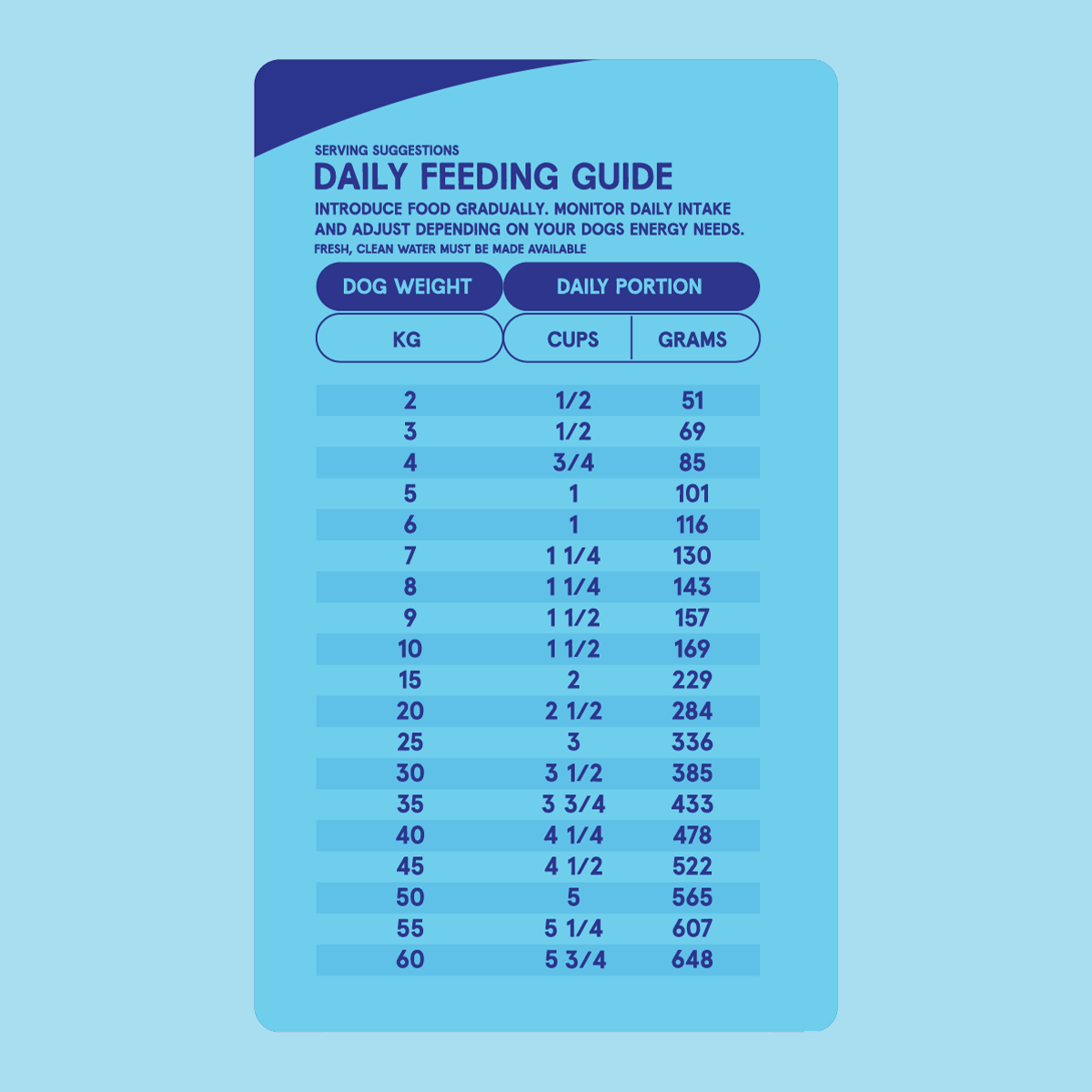
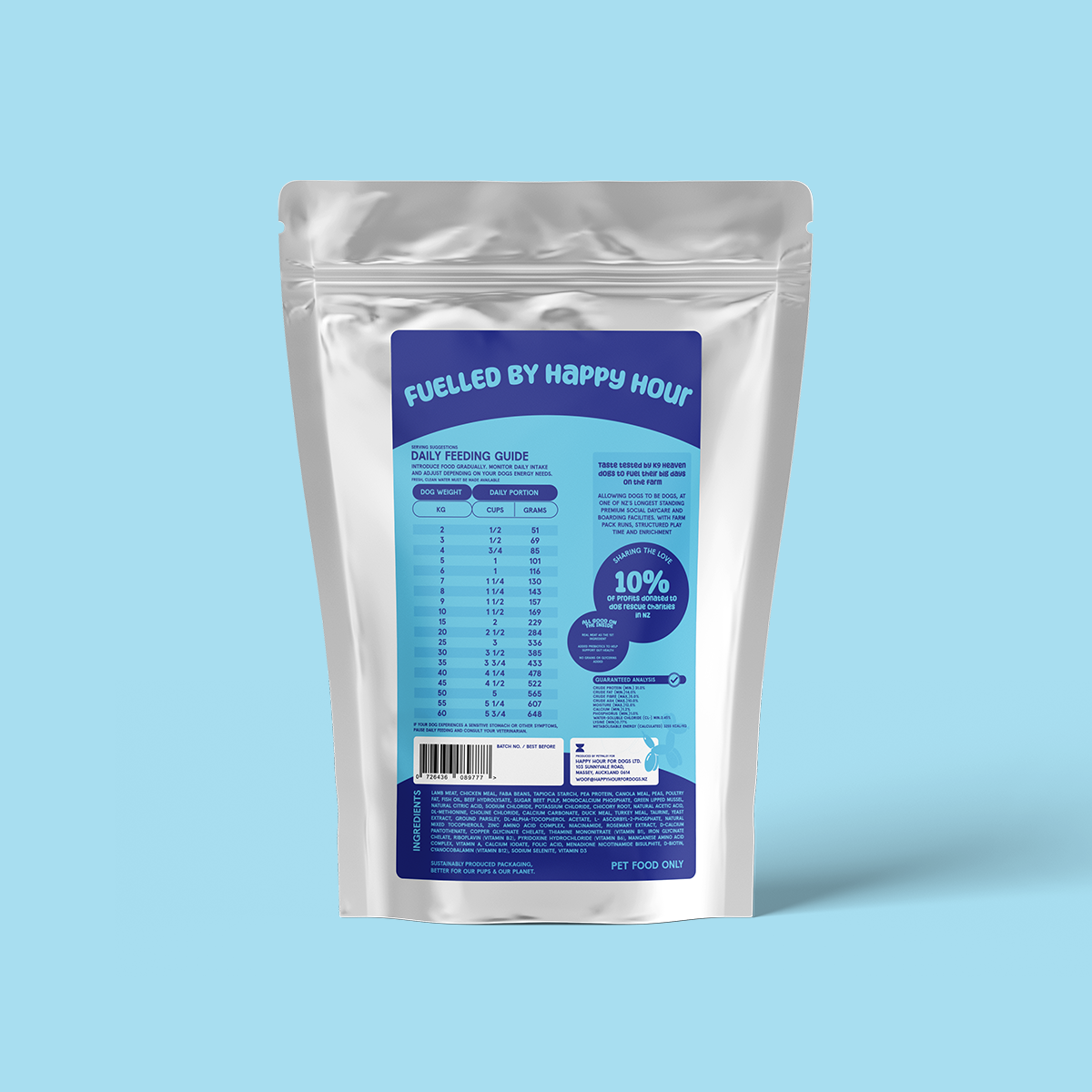
The golden rule with Jack Russells is to measure precisely. Because they're small, the difference between a correct portion and an overgenerous one can be just a tablespoon of kibble. That's not a big deal in terms of volume — but it matters.
Feed twice daily: morning and evening. This helps regulate energy and makes it easier to track total intake. Don't leave food out all day — Jack Russells will graze and overeat.
Reduce treats. Jack Russells are clever little dogs that use training well, so treats are a common part of daily life. Make sure they're being counted against the daily food allowance, not added on top. Use tiny treat pieces — your Jack Russell doesn't care how big the treat is, they just care that they got one.
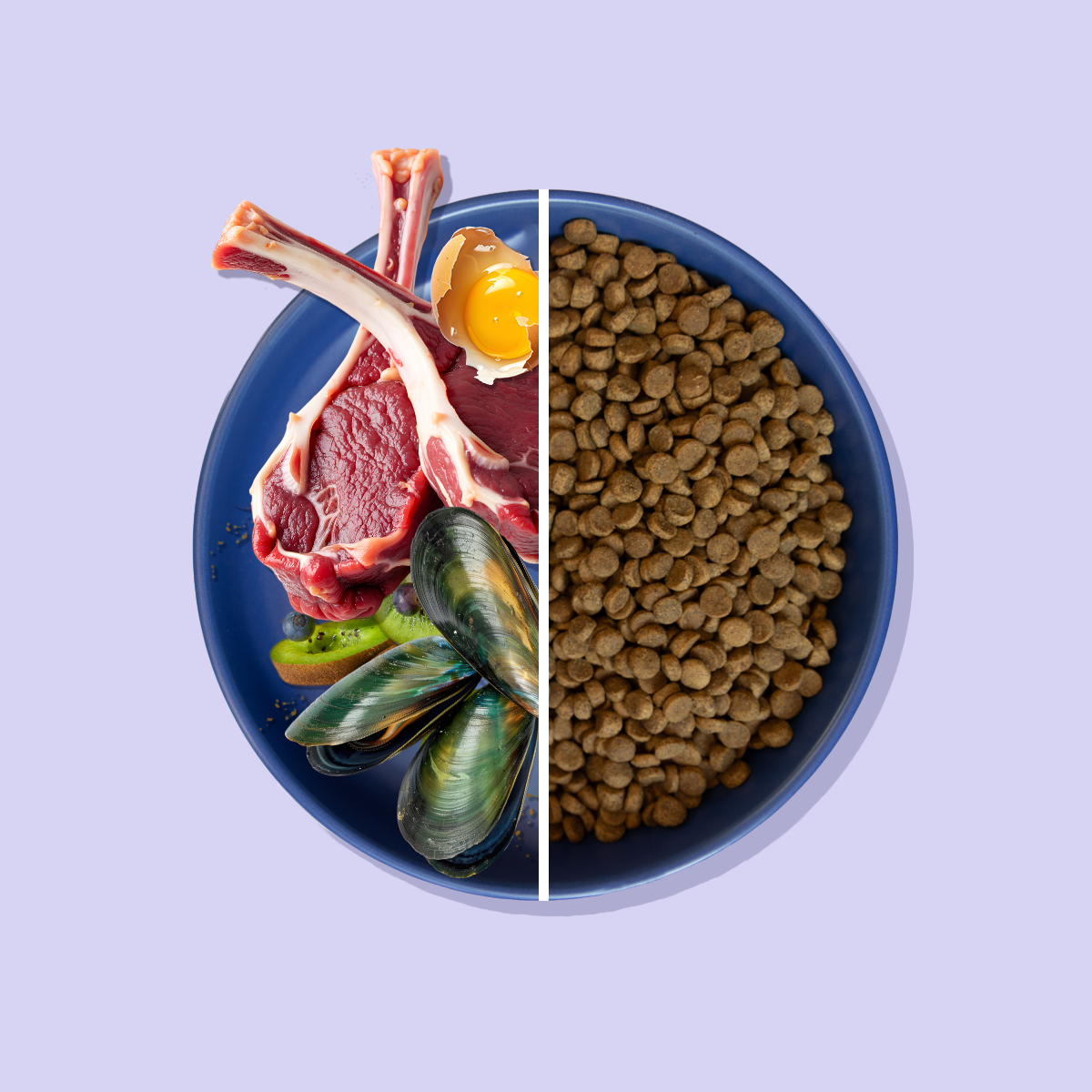
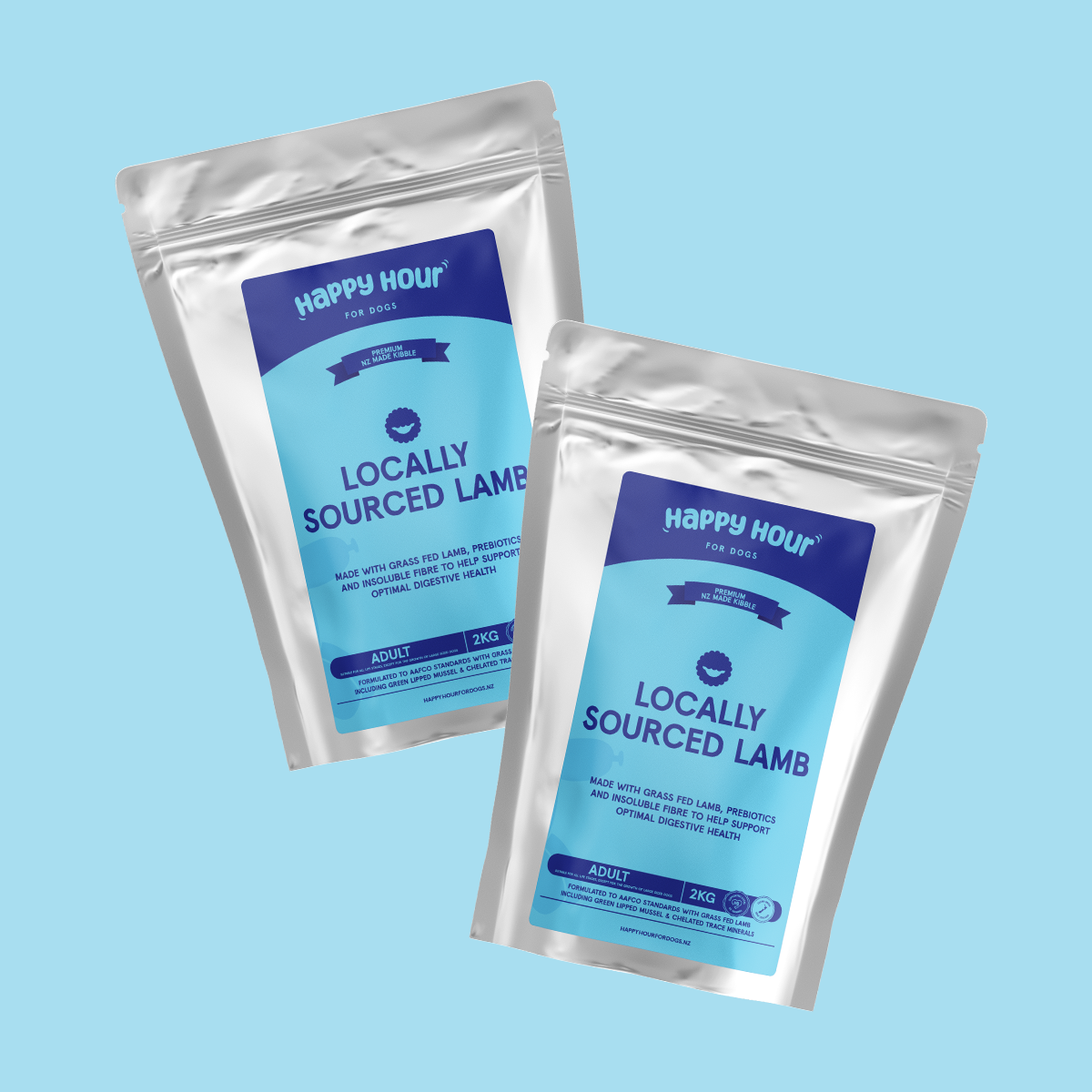
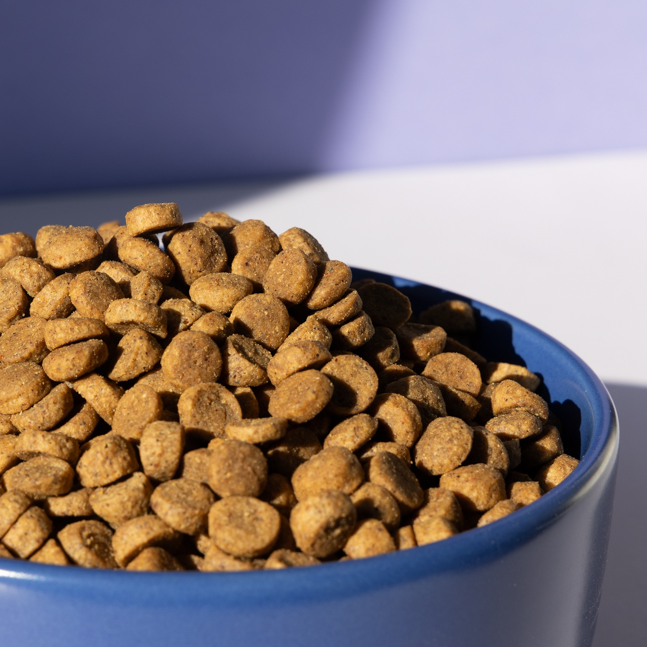
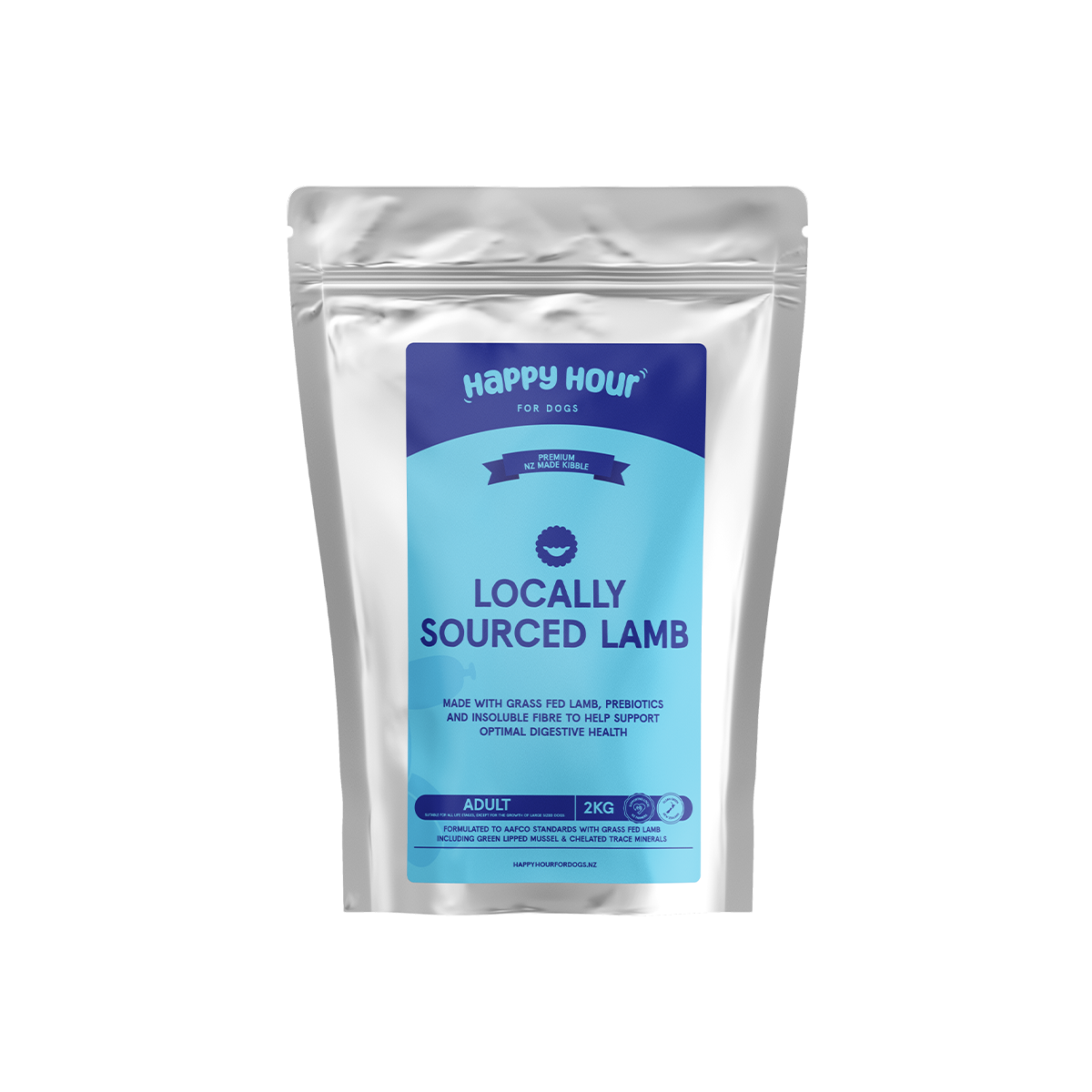
Happy Hour is grain-free and made from NZ grass-fed lamb, with added insoluble fibre that helps smaller dogs feel satisfied on an appropriate portion. It's a good fit for Jack Russells who need quality nutrition without excess calories.
Avoid table scraps entirely. Jack Russells are expert at getting what they want from humans, and it's easy to give in. Don't start a habit that's hard to break.
Exercise Tips for Jack Russells
Jack Russells need more exercise than most small breeds — around 45 to 60 minutes of active exercise per day is the right range. This isn't just a gentle leash walk; they benefit from off-leash running, fetch, and any activity that lets them sprint and use their nose.
They're surprisingly good at agility and nose-work sports, which are both excellent mental and physical exercise.
If your Jack Russell has a back condition or has been diagnosed with IVDD, check with your vet before increasing exercise intensity. Low-impact walking is safer than high-impact jumping for dogs with spinal issues.
Don't let their energy fool you into thinking extra exercise can compensate for overfeeding. Exercise is important, but diet is what actually moves the number on the scale.
What to Look for in Dog Food for Jack Russells
Small dogs need energy-dense food, but not as much of it as owners tend to assume. Look for:
- Named meat as the first ingredient — protein quality matters, especially for maintaining lean muscle
- Appropriate calorie density for a small breed — check the feeding guide and measure accurately
- Good fibre content — helps with satiety so they don't beg constantly after meals
- Low in artificial additives — small dogs process everything relative to their body weight, so ingredient quality counts
- No fillers that inflate calorie count without nutritional benefit
Small-breed specific formulas can work well, but they're not essential — what matters most is that the food is quality and the portions are correct.
For more breed-specific weight management advice, see dog breeds prone to weight gain in NZ and our full overweight dogs guide for NZ owners.