If your dog has just been diagnosed with pancreatitis, the first question most NZ owners ask is: 'What do I feed them now?' It's the right question. Diet is one of the most important factors in both recovery and preventing another flare-up, and getting it wrong can set your dog back weeks.
Key Takeaways
- What Is Pancreatitis in Dogs?
- Signs of Pancreatitis in Dogs
- What Causes Pancreatitis in Dogs?
- Dog Pancreatitis Diet NZ: What to Feed During Recovery
- Long-Term Management After Pancreatitis
This guide covers everything you need to know: what pancreatitis is, why it happens, how to recognise it, what to feed during recovery, and how to manage it long-term. If your vet has told you to 'keep the fat low,' here's what that actually means in practice.
What Is Pancreatitis in Dogs?
The pancreas is a small organ that sits near the stomach and small intestine. It has two main jobs: producing digestive enzymes that break down food, and regulating blood sugar via insulin.
Pancreatitis is inflammation of the pancreas. When the organ becomes inflamed, those digestive enzymes can activate prematurely. It sounds alarming, and it is, but it's also very manageable with the right approach.
There are two forms:
- Acute pancreatitis: Comes on suddenly and can be severe. Often triggered by a high-fat meal, dietary indiscretion, or certain medications.
- Chronic pancreatitis: Lower-grade, ongoing inflammation that builds over time. Dogs can have repeated mild flare-ups before it's properly identified.
NZ vets see pancreatitis cases regularly, particularly after Christmas and Easter when dogs are more likely to get access to rich, fatty food.
Signs of Pancreatitis in Dogs
The classic signs include:
- Vomiting (often repeated)
- Hunched posture or reluctance to move
- Abdominal pain or a distended belly
- Loss of appetite
- Lethargy
- Diarrhoea
For a detailed breakdown, read our full guide: happyhourfordogs.nz/blogs/news/signs-of-pancreatitis-in-dogs
If you suspect your dog is having a pancreatitis episode, get them to a vet promptly. Severe acute cases can be life-threatening without treatment.
What Causes Pancreatitis in Dogs?
- High-fat diet or sudden dietary change: A dog that gets into the compost bin or is fed a fatty meal is a classic case.
- Obesity: Overweight dogs carry significantly higher risk.
- Breed predisposition: Miniature Schnauzers, Cocker Spaniels, and some other breeds are more prone.
- Medications: Some drugs, including certain steroids, can trigger pancreatitis in predisposed dogs.
- Other health conditions: Hypothyroidism and other metabolic disorders can be associated with pancreatitis.
Dog Pancreatitis Diet NZ: What to Feed During Recovery
The golden rule: keep fat low
The pancreas produces lipase, the enzyme that digests fat. When it's inflamed, fat is the primary stressor. Reducing dietary fat gives the pancreas a chance to rest and recover.
During recovery, aim for:
- Total fat under 10% (dry matter basis)
- High digestibility: easily digestible proteins and carbohydrates reduce the workload
- No high-fat treats: cheese, sausage, fatty meats are off the table
- Consistent small meals: two or three per day rather than one large meal
- Gradual food transitions: switch over 7-10 days
What to look for in a commercial kibble
- Fat percentage under 10% as-fed on the guaranteed analysis
- Named protein sources: chicken, salmon, lamb - not generic 'meat meal'
- No added fats beyond what's naturally present
For more detail, read our low fat dog food NZ guide: happyhourfordogs.nz/blogs/news/low-fat-dog-food-pancreatitis-nz
A note on Happy Hour
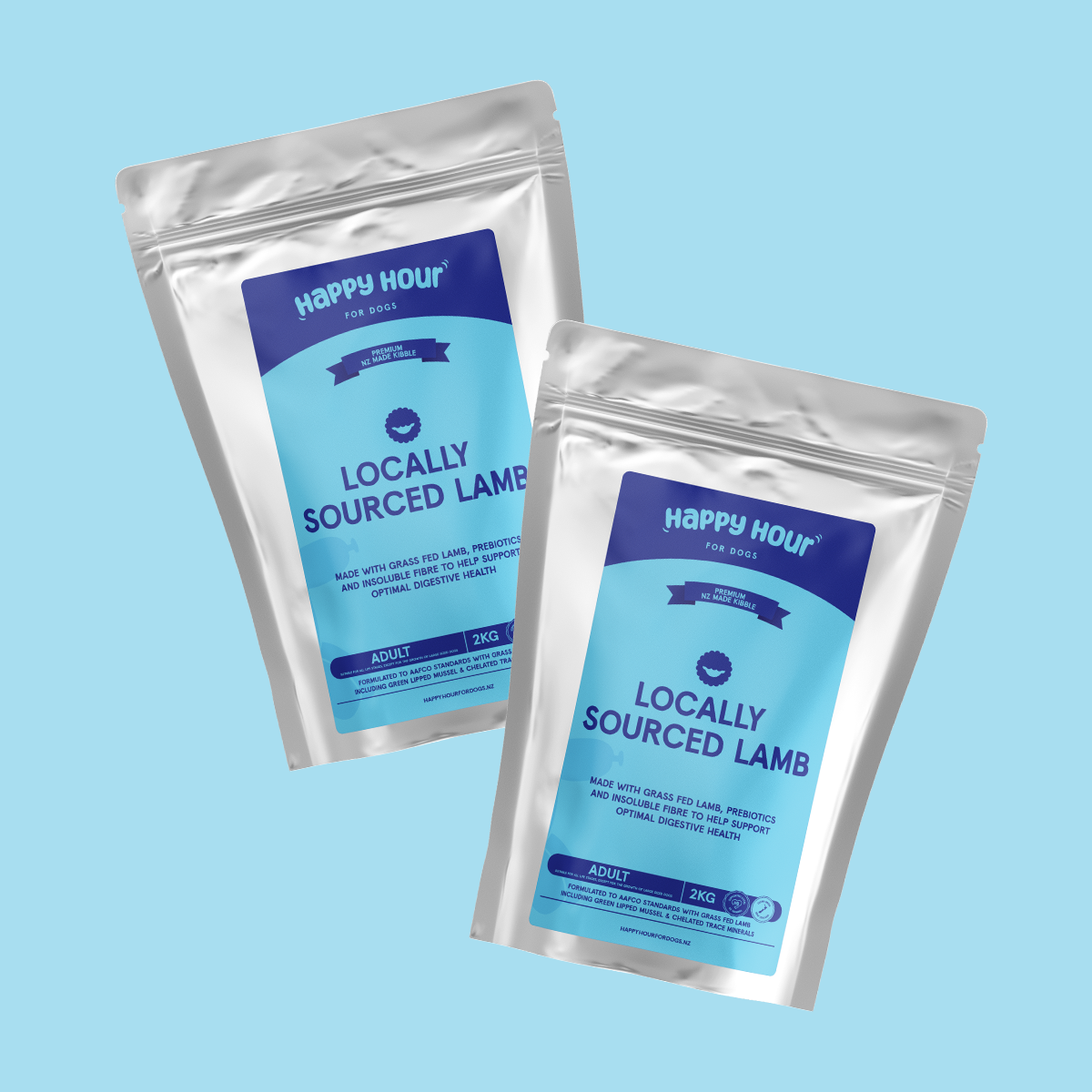
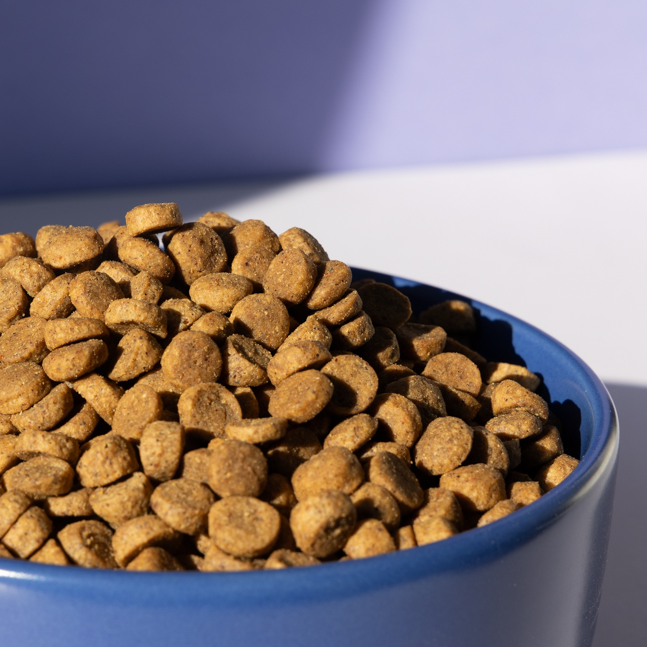
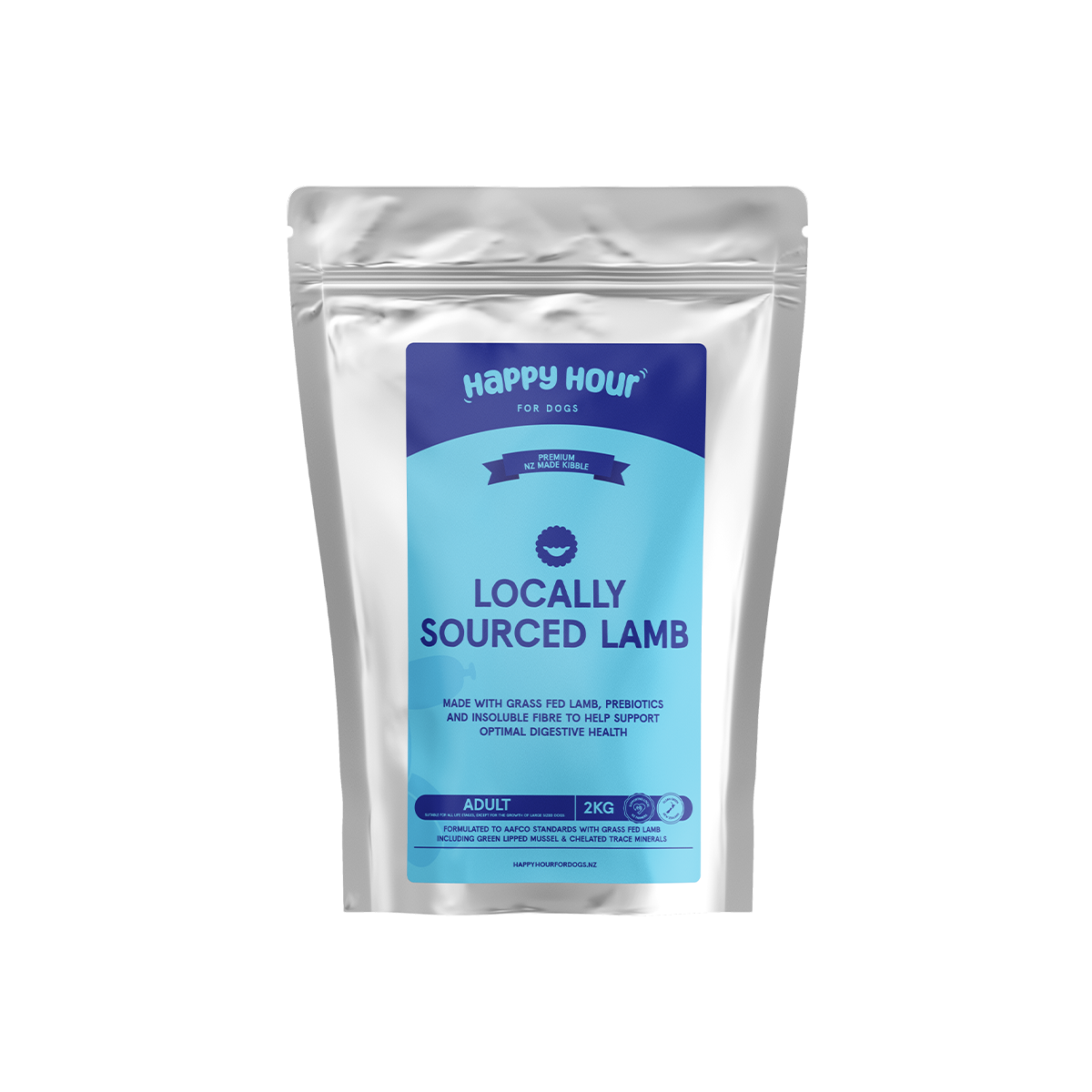
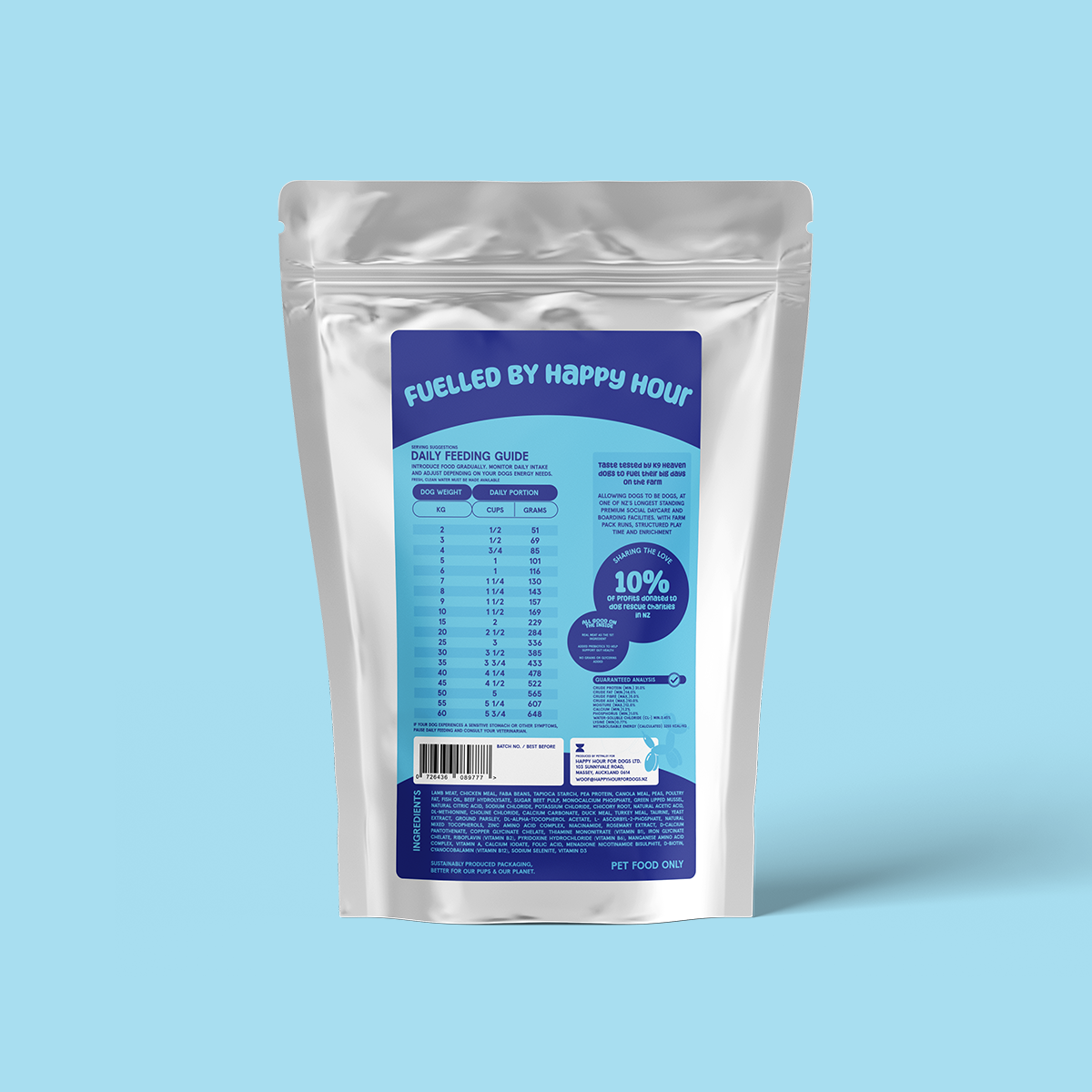
Happy Hour is a NZ-made, grain-free grass-fed lamb kibble, and it's lower in fat than a lot of premium kibbles. But it sits at a moderate fat level, not the very low, under-10% range a vet aims for during pancreatitis recovery, so it isn't a therapeutic low-fat diet and we'd never pitch it as one. If your dog's recovering, your vet sets the low-fat plan. Happy Hour is just a sensible everyday food to talk through with them once things are stable. Always confirm any dietary changes with your vet.
Long-Term Management After Pancreatitis
Once your dog has had pancreatitis, treating them as a 'pancreatitis-prone dog' permanently is the safest approach. That means:
- Keeping fat consistently low in their daily diet
- Being strict about treats: plain cooked chicken, plain rice, or carrot only
- Avoiding table scraps entirely
- Maintaining a healthy body weight
- Knowing the signs of a flare-up - act quickly if they return
Can Dogs Fully Recover from Pancreatitis?
Yes, the majority of dogs recover well, particularly when caught early and managed correctly. Acute cases that receive prompt vet care typically resolve within a few days to a week. Chronic pancreatitis requires ongoing management but is very liveable for most dogs.
Read more: happyhourfordogs.nz/blogs/news/can-dogs-recover-from-pancreatitis
Quick-Reference Summary
- Contact your vet promptly if you suspect pancreatitis
- Follow fasting and reintroduction advice from your vet
- Switch to a low-fat diet (under 10% fat)
- Remove all high-fat treats and table scraps
- Keep meals small and consistent
- Regular vet check-ins for chronic cases
The Bottom Line
Pancreatitis is stressful to deal with, but it's one of the more manageable chronic conditions in dogs when you get the diet right. The key is understanding that fat is the primary driver and committing to a low-fat diet long-term.