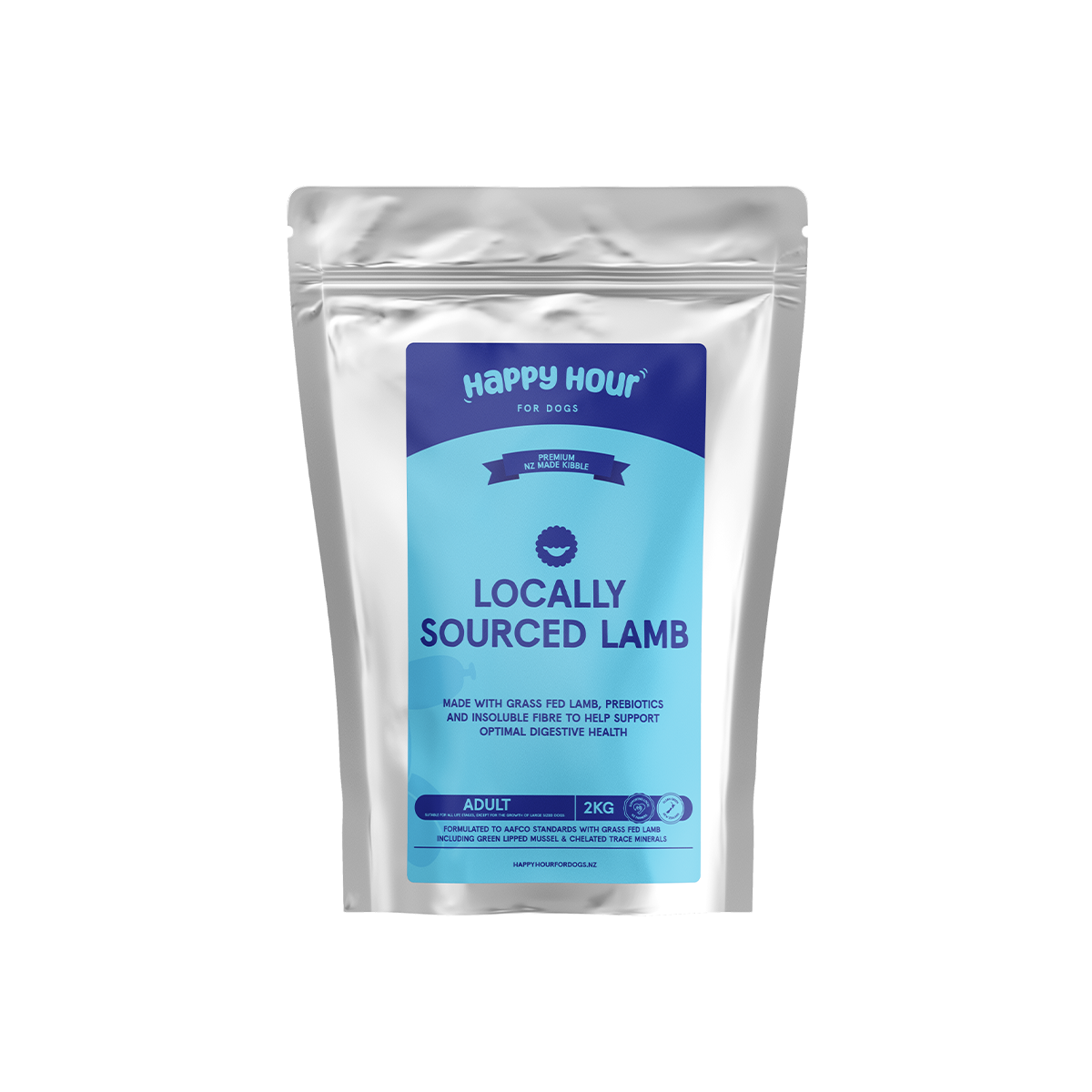


Switching your dog to a new food doesn't have to be a battle. The short answer: go slowly, mix the foods together over 10 days, and let your dog's nose and gut adjust at their own pace. Most dogs will make the switch without any fuss if you give them enough time.
The trouble is, most people go too fast. They swap the bowl on day one and wonder why their dog is turning their nose up or having loose stools by day three. If your dog is already a picky eater, a rushed transition makes everything worse. The good news is that a structured 10-day plan fixes nearly all of it.
If you're dealing with a dog who refuses food in general, it's worth reading our complete fussy eaters guide first to understand what's behind the behaviour. But if you've already chosen a new food and just need to get your dog onto it without a drama, you're in the right place.
Key Takeaways
- Always transition over a minimum of 10 days, not overnight
- Start with 25% new food mixed into 75% old food, and increase gradually
- If your dog refuses mid-transition, back up a step rather than pushing forward
- Loose stools in the first few days are common and usually settle on their own
Why Food Transitions Often Fail
There are three main reasons a food transition goes sideways, and all of them are avoidable.
Going too fast. Most pet food packaging suggests a 7-day transition. For healthy adult dogs with no digestive sensitivities, that can work. But for fussy eaters, anxious dogs, or dogs with sensitive stomachs, 7 days is often not enough. Ten days is a safer minimum. Some dogs need two weeks, and that's completely fine.
The smell of the new food. Dogs eat with their noses first. If the new food smells dramatically different from what they're used to, some dogs will simply refuse to go near the bowl. This is especially common when switching from a highly processed kibble (which is often coated in flavour enhancers) to a more natural food. The smell is different, so the dog's brain flags it as unfamiliar. Mixing it gradually gives the scent time to become normal.
Digestive upset. A dog's gut microbiome is tuned to digest whatever it's been eating. Change the food too quickly and you disrupt that balance, leading to loose stools, gas, or vomiting. This isn't a sign that the new food is wrong for your dog. It's usually just a sign you moved too fast. Slowing down gives the gut bacteria time to adjust.
The 10-Day Transition Schedule
This schedule works for the vast majority of dogs, including fussy eaters. If your dog is especially sensitive, you can stretch each phase by an extra day or two.
| Days | Old Food | New Food | Notes |
|---|---|---|---|
| 1-2 | 75% | 25% | Mix thoroughly so the new food is evenly distributed |
| 3-5 | 50% | 50% | Watch for any digestive changes; pause here if needed |
| 6-8 | 25% | 75% | Most dogs are eating well by now |
| 9-10 | 0% | 100% | Full transition complete |
A few things to keep in mind:
- Weigh the portions rather than eyeballing them. This matters more than people realise, especially in the early stages.
- Mix the food together in the bowl rather than putting old on one side and new on the other. You want the smell to blend.
- Serve at the same time each day in the same place. Routine helps fussy dogs feel safe.
- If your dog eats the old food and picks around the new food, reduce the new food ratio slightly and try again the next day.
What to Do If Your Dog Refuses the New Food Mid-Transition
Refusal mid-transition is more common than you'd think, and it's not the end of the world.
Back up a step. If you've moved to 50/50 and your dog starts refusing, drop back to 25% new food for another two or three days. There's no rush. Backing up is not failure. It just means your dog needs a bit more time.
Add warm water to the bowl. This is one of the most effective tricks we've found working with thousands of dogs at K9 Heaven. A small splash of warm water (not hot) mixed into the bowl releases the aroma of the food and makes it more appetising. It softens the texture slightly too, which some dogs prefer. Try it for two or three meals and you'll usually see a difference.
Serve the meal, then walk away. Standing over your dog and watching them eat creates pressure. Some dogs, especially anxious ones, will refuse food just because you're hovering. Put the bowl down, leave the room, and check back in 15 minutes. If they haven't eaten, pick the bowl up and try again at the next meal. Don't top it up with something tastier to get them to eat. That reinforces the refusal behaviour.
Check the food temperature. If you store food in the fridge or a cold pantry, it may be too cold to smell appealing. Letting it come to room temperature before serving makes a real difference for scent-sensitive dogs.
Signs the Transition Is Going Well vs Signs of Digestive Upset
Knowing what's normal saves a lot of worry.
Signs the transition is going well:
- Your dog is eating consistently, even if a bit slower than usual at first
- Stools are firm or only slightly softer than normal
- Energy levels and behaviour are unchanged
- Your dog sniffs the bowl and then eats, rather than walking away
What's normal and usually nothing to worry about:
- Slightly loose stools in the first few days, especially at the 50/50 stage
- A bit more gas than usual
- Eating more slowly or with less enthusiasm for a meal or two
When to slow down or pause the transition:
- Diarrhoea that lasts more than two to three days
- Vomiting more than once
- Your dog refusing food for more than 24 hours
- Noticeable lethargy or discomfort
When to call your vet:
- Blood in the stool
- Vomiting repeatedly
- Signs of pain when eating or after eating
- Your dog has a known health condition that affects digestion
For most healthy dogs, mild digestive changes during a transition are nothing to stress about. But if something feels off, trust your instincts and slow down or pause.
According to the SPCA New Zealand, gradual food transitions are recommended for all dogs, with extended timelines for puppies, seniors, and dogs with sensitive digestive systems.
Tips for Especially Resistant Dogs
If you've gone through the 10-day schedule and your dog is still staging a protest, here's what tends to work.
Use high-value toppers during the transition period only. A small spoonful of plain cooked chicken, a little bone broth, or a lick of pumpkin puree on top of the bowl can help bridge the gap. The key word is "during the transition." Once your dog is eating the new food reliably, phase the topper out. You don't want them to refuse food without it.
Reduce treats temporarily. If your dog is holding out for something better, cutting back on treats between meals removes that option. A mildly hungry dog is a more willing eater.
Try a different bowl or feeding location. Some scent-sensitive dogs associate the smell of the bowl itself with the old food. Washing the bowl thoroughly or switching to a different one occasionally helps.
Feed from your hand for a meal or two. This only works for some dogs and some owners, but for anxious dogs who are food-reluctant around new things, hand-feeding the new food for one or two meals can break the association between the bowl and unfamiliarity.
Give it time. Dogs can take up to two weeks to fully accept a new food. If your dog is eating even a small amount each day, you're making progress. Consistency and patience almost always win.
FAQ
How long does it take to transition dog food?
For most dogs, 10 days is enough. For dogs with sensitive stomachs, fussy tendencies, or any history of digestive issues, extending the transition to 14 days is a sensible approach. There's no benefit to rushing it.
My dog was eating fine and now refuses the new food after the transition. What do I do?
This happens more often than people expect. The most common cause is that the dog was eating through the transition because of the old food ratio, and now that it's 100% new food, they've decided they're not keen. Try adding warm water to the bowl, reducing treats, and being consistent with meal times. If refusal continues beyond 48 hours, go back to a 75% new / 25% old mix and hold there for a few more days before trying again.
Can I switch dog food cold turkey?
For most adult dogs with no digestive sensitivities, switching cold turkey won't cause serious harm. But for fussy eaters, it's a poor strategy. The sudden smell change alone is often enough to cause a refusal that then becomes a habit. A gradual transition takes 10 days and saves weeks of food battles.
My dog has loose stools after switching food. Is that normal?
Yes, mild loose stools in the first few days of a new food are very common and usually settle on their own. If the loose stools continue past day three or four, or if there's vomiting or blood in the stool, slow the transition right down or check in with your vet.
