Dog Gut Health: How What You Feed Affects the Microbiome (NZ Guide)
The gut is not just a digestive tube. It's home to trillions of bacteria, fungi, and other microorganisms that collectively make up what's called the microbiome. Research over the last decade has transformed our understanding of how the gut microbiome influences not just digestion, but immunity, skin health, mood, and more. This applies to dogs just as it does to humans.
Key Takeaways
- Dog Gut Health: How What You Feed Affects the Microbiome (NZ Guide)
- What Is the Microbiome?
- How Diet Shapes the Microbiome
- Why Gut Health Matters Beyond the Gut
- Signs Your Dog's Gut Health May Need Support
What your dog eats every day shapes the microbiome more than almost any other factor. And if you're looking for a reason to care about ingredient quality beyond the protein percentage on the label, this is it.
What Is the Microbiome?
The microbiome is the community of microorganisms (primarily bacteria) that lives in your dog's digestive system. A healthy microbiome has a diverse range of species in balanced proportions. Different bacteria do different jobs: some break down dietary fibre, some produce short-chain fatty acids that fuel the gut lining, some regulate immune responses, and some compete with harmful pathogens to keep them in check.
When the microbiome is disrupted (by antibiotics, a sudden food change, illness, or a consistently poor diet), the balance shifts. This is called dysbiosis, and it can contribute to digestive problems, increased susceptibility to infections, and inflammatory conditions that manifest as skin or joint issues.
How Diet Shapes the Microbiome
Fibre and Prebiotics Feed Beneficial Bacteria
Beneficial gut bacteria need to be fed. They primarily eat fermentable fibre and prebiotic compounds that pass through the stomach undigested and reach the colon where these bacteria live. Chicory root is one of the most well-studied prebiotic sources: it's rich in inulin, a fibre that specifically feeds Bifidobacterium and Lactobacillus species, two of the most beneficial bacterial families in the canine gut.
Foods that lack fermentable fibre essentially starve beneficial bacteria, allowing less desirable species to dominate. Our Prebiotics for Dogs: Why Gut Health Starts With What You Feed article goes deeper on this mechanism.
Protein Quality Affects Gut Fermentation
High-quality, digestible protein is used efficiently by the dog's body, leaving less undigested protein to ferment in the large intestine. Excessive fermentation of protein in the gut produces ammonia and other compounds that can be harmful in large quantities and may promote growth of less beneficial bacterial species. This is one reason ingredient quality, not just protein percentage, matters.
Artificial Additives May Disrupt Microbial Balance
Some research suggests that certain food additives, particularly emulsifiers and some preservatives, may negatively affect the gut microbiome. The evidence in dogs is still developing, but the principle that cleaner food is more microbiome-friendly is gaining support in nutritional science.
Consistency Matters
The microbiome adapts to your dog's regular diet. Frequent food changes can cause temporary disruption, which is why vets recommend transitioning to a new food gradually over 7-10 days. The microbiome needs time to adjust to new ingredients.
Why Gut Health Matters Beyond the Gut
Immunity
Around 70-80% of the immune system is located in and around the gut. The microbiome plays a central role in training and modulating immune responses. A disrupted microbiome can lead to an over-reactive immune system, which may manifest as allergies, sensitivities, and inflammatory conditions.
Skin Health
The gut-skin axis is well established in human research and increasingly recognised in veterinary medicine. Dogs with imbalanced gut microbiomes are more likely to have inflammatory skin conditions. This is one reason dietary changes can sometimes improve itchy skin, even when the skin problem appears purely dermatological.
Behaviour and Mood
The gut-brain axis, the communication pathway between the gut microbiome and the brain, is an active area of research in both human and veterinary medicine. While it's early days, some studies suggest gut microbiome composition may influence anxiety levels and behaviour in dogs. This isn't yet well understood, but it's another reason gut health deserves attention.
Signs Your Dog's Gut Health May Need Support
- Chronic loose stools or constipation
- Excessive wind or borborygmi (gurgling gut sounds)
- Recurring digestive upsets without an obvious cause
- Persistent itchy skin alongside gut symptoms
- Reduced appetite or interest in food
If your dog has ongoing digestive symptoms, talk to your vet. Some gut issues have specific causes (parasites, infection, inflammatory bowel disease) that require targeted treatment, not just a food change.
How Happy Hour Supports Gut Health
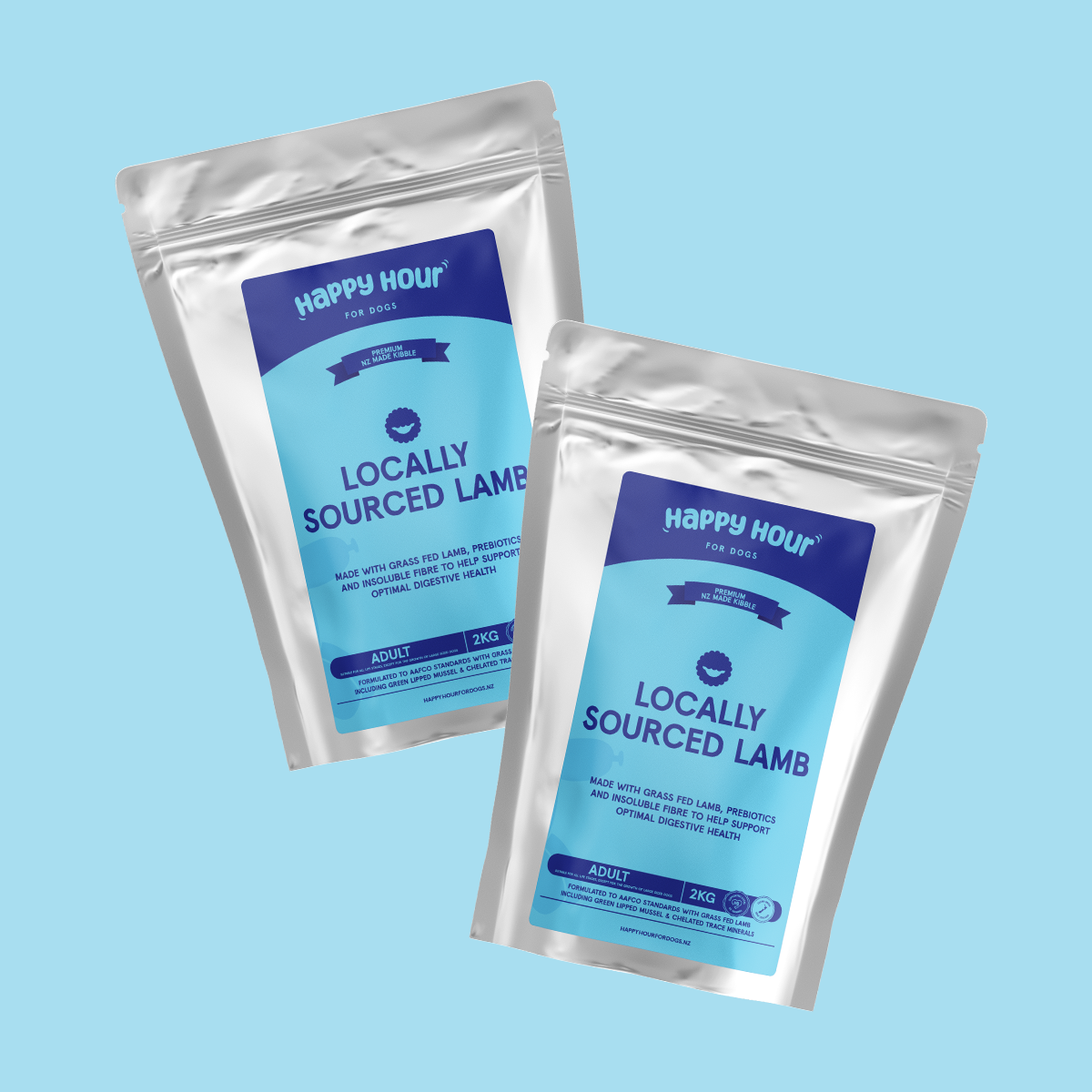
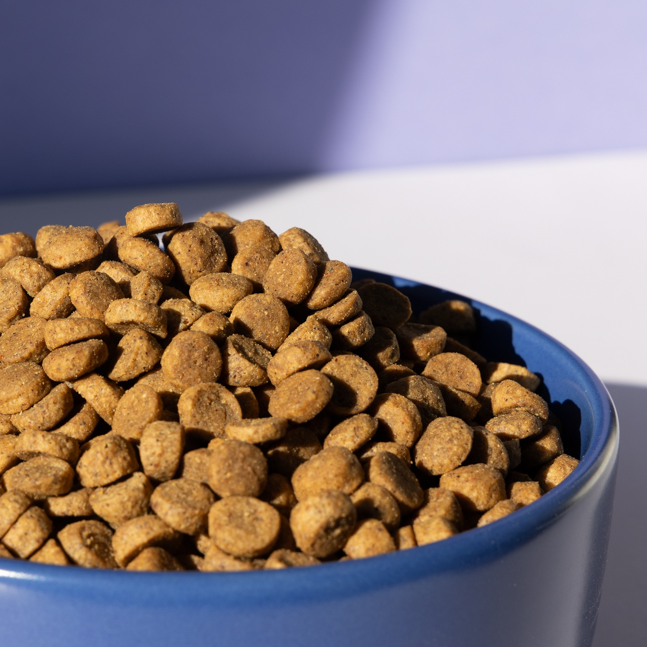
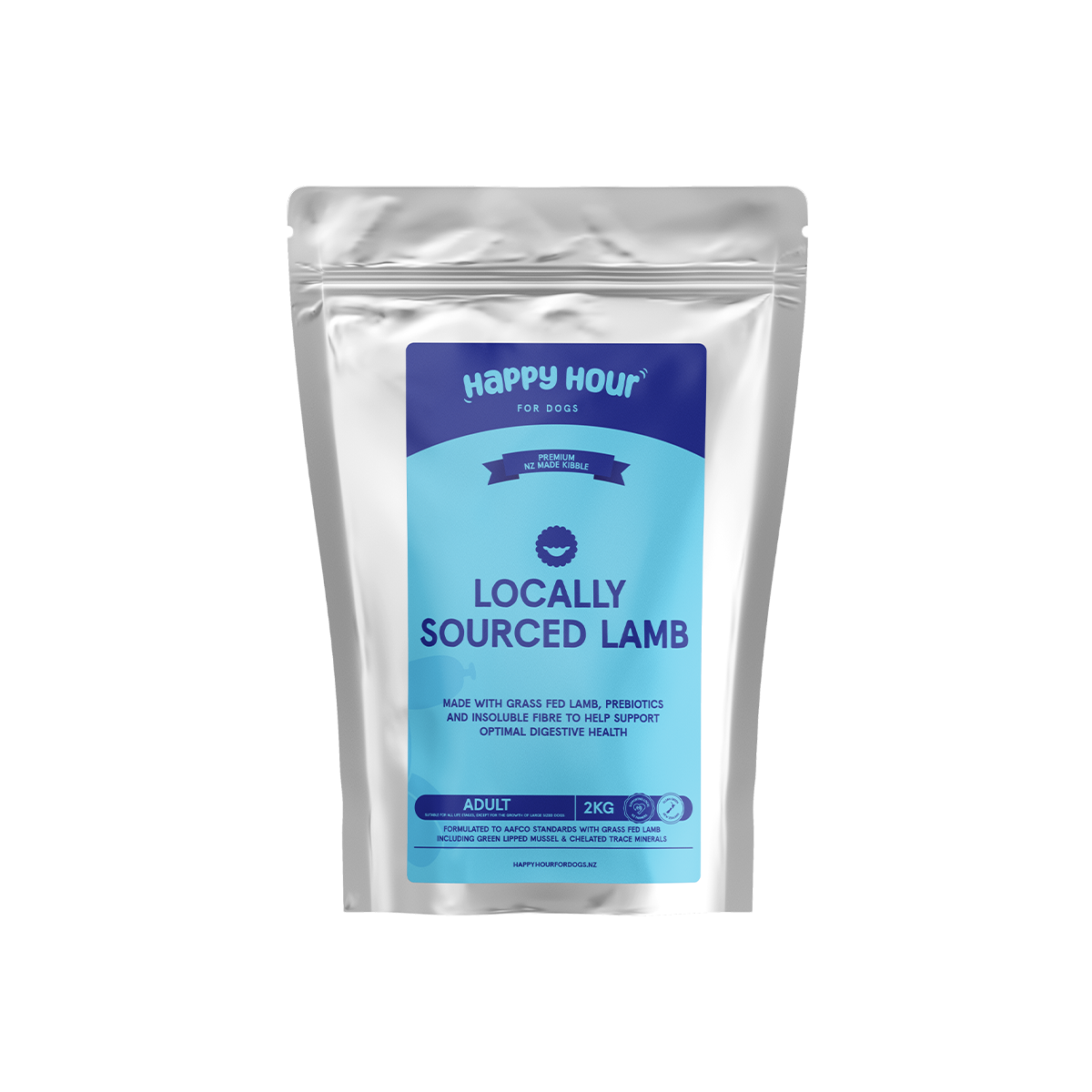
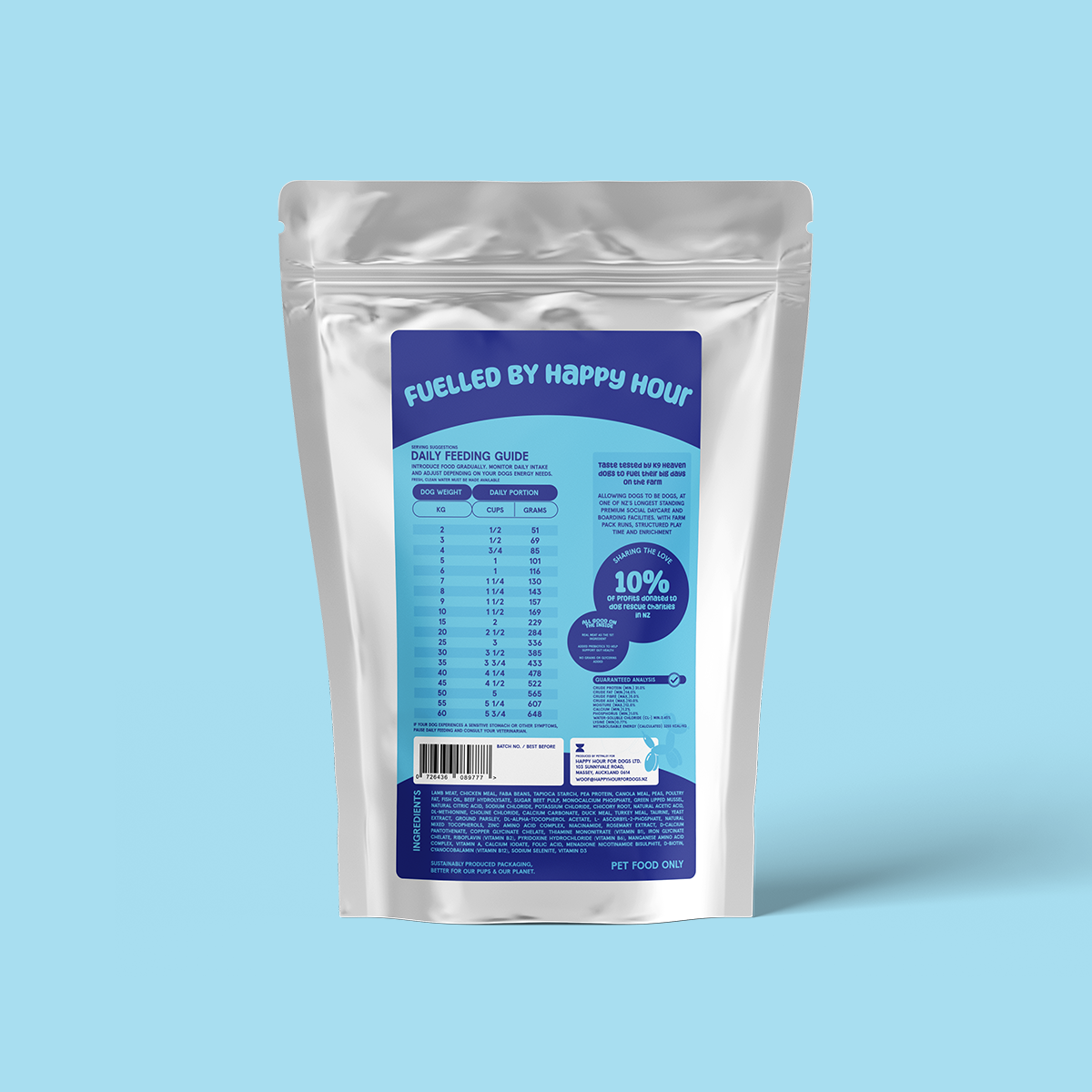
Happy Hour includes chicory root as a prebiotic, which specifically feeds beneficial gut bacteria. Many owners notice improved stool consistency and reduced digestive upset when switching to Happy Hour, partly because of the prebiotic content and partly because the grain-free, no-artificial-additive formulation is easier on sensitive digestive systems.
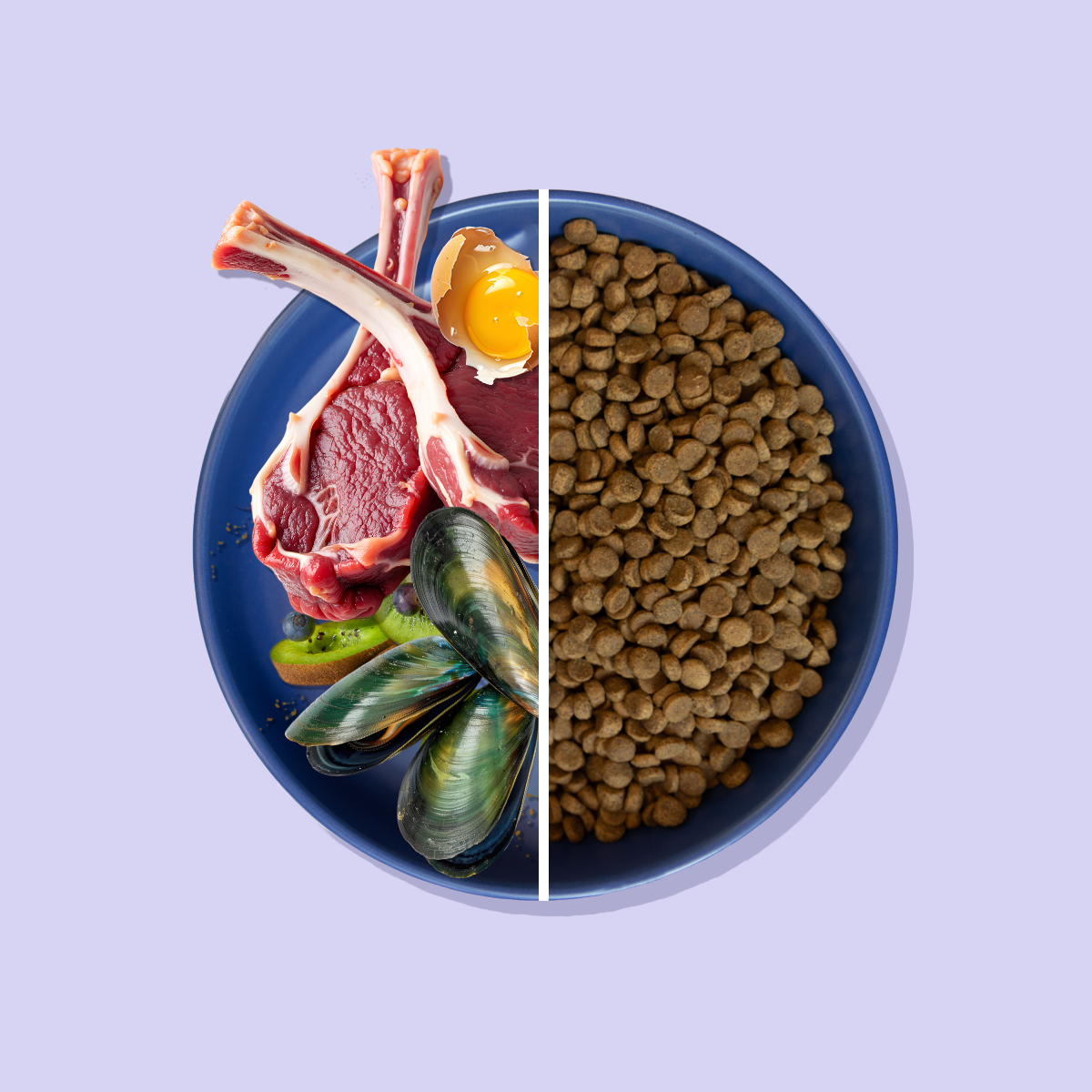
The high-quality named protein sources (NZ grass-fed lamb and cage-free chicken) are more digestible than low-quality meat meals, meaning less undigested protein reaches the colon to ferment. Fish oil and green-lipped mussel from the Marlborough Sounds provide omega-3 support, which helps regulate gut inflammation.
Cleo, one of the Happy Hour founder dogs, was a skinny rescue with ongoing digestive issues. Getting her gut settled was part of the motivation behind the formula's development. That connection between food quality and gut health is baked into the product.