Dog Dental Health and Diet: Can Kibble Really Clean Your Dog's Teeth? (NZ)
You've probably heard it: dry dog food is better for your dog's teeth because the kibble scrapes off plaque as they chew. It's one of the most repeated claims in dog food marketing, and like a lot of things in pet nutrition, the truth is more nuanced than the marketing makes it sound. Here's what the evidence actually says, what really does support dental health, and what NZ dog owners should be doing about their dog's teeth.
Key Takeaways
- Dog Dental Health and Diet: Can Kibble Really Clean Your Dog's Teeth? (NZ)
- Dental Disease in NZ Dogs: How Common Is It?
- Does Kibble Actually Clean Dogs' Teeth?
- What Actually Affects Dog Dental Health?
- What Diet Can and Can't Do for Dog Dental Health
Dental Disease in NZ Dogs: How Common Is It?
Dental disease is one of the most common health conditions in companion animals. Studies suggest that by the age of three, around 80% of dogs show signs of periodontal disease to some degree. This ranges from mild gingivitis (inflamed gums) to significant tartar buildup, gum recession, bone loss, and tooth loss. It's not just a cosmetic issue: advanced dental disease has been linked to systemic inflammation and organ health concerns.
Despite this, dental care is one of the most neglected aspects of dog ownership in NZ. Most dog owners don't brush their dog's teeth regularly, and rely on food and chews to do the work.
Does Kibble Actually Clean Dogs' Teeth?
The honest answer: a little, but not reliably, and not nearly as much as the claim implies.
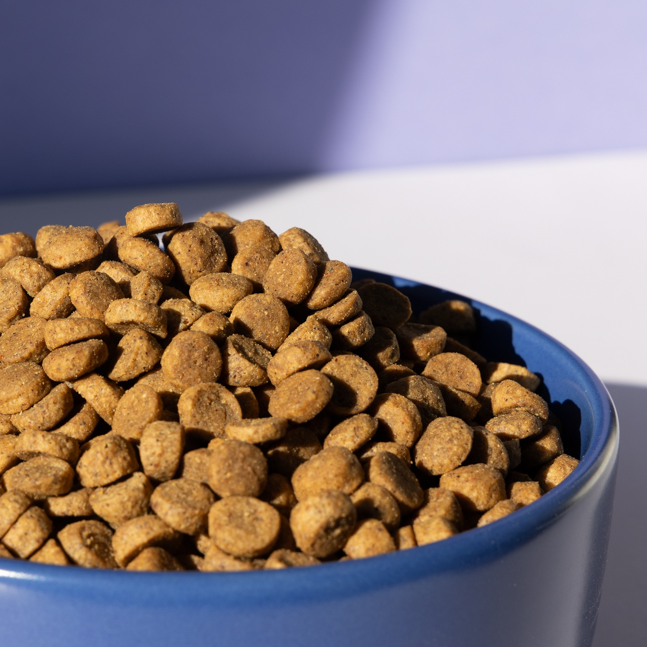
The theory is that as a dog chews kibble, the mechanical action of crunching scrapes plaque from the tooth surface. This does happen to some degree, particularly for the teeth actually doing the chewing. But dogs don't chew the way we do. Many dogs swallow kibble with minimal chewing, and the teeth that see the most dental problems (the small front teeth and the back molars) often get the least contact with kibble.
Compared to wet food or raw food, dry food does tend to leave less residue stuck to tooth surfaces. But equating 'less bad than wet food' with 'actually cleans teeth' is a stretch. The Veterinary Oral Health Council (VOHC) certifies specific dental products (including some kibbles) that have evidence of plaque or tartar reduction. Most standard kibbles, including most premium ones, don't carry this certification.
What Actually Affects Dog Dental Health?
Brushing (The Gold Standard)
Daily brushing with a dog-specific toothbrush and toothpaste is the most effective way to prevent dental disease. This is the gold standard that vets recommend, and most owners find they can train even resistant dogs to tolerate it if they start slowly with positive reinforcement. Three times a week is generally considered the minimum to have a meaningful impact.
Dental Chews and Chew Treats
Chewing is genuinely useful for dental health. The mechanical action of chewing on an appropriately hard surface removes more plaque than kibble does, because the chewing contact is more prolonged and more teeth are involved. VOHC-certified dental chews have demonstrated efficacy. Rawhide, bully sticks, and raw meaty bones (under supervision) can also be effective, though each comes with its own safety considerations.
Water Additives and Dental Gels
Some VOHC-approved water additives and dental gels have evidence behind them for plaque reduction. They're not a replacement for brushing but can be part of a broader dental care routine.
Professional Dental Cleans
A professional dental clean under anaesthesia at your vet is the only way to properly clean under the gumline, which is where serious dental disease develops. For dogs with existing tartar buildup, a professional clean is often needed before home dental care becomes effective. Talk to your vet about how often your dog should have their teeth professionally assessed.
What Diet Can and Can't Do for Dog Dental Health
Diet does influence dental health, but mostly through what it doesn't do rather than what it does. Diets high in sugar or fermentable starches feed oral bacteria that produce acids, which can promote plaque and tartar buildup. Avoiding sugary additives, corn syrup, and excessive starch content is worth doing.
Natural antimicrobial ingredients like manuka honey have been studied for their oral health properties. Happy Hour includes manuka honey in its formula, which has demonstrated antibacterial properties. This isn't a dental treatment claim, but it's a relevant characteristic of a clean, natural ingredient profile.
What food absolutely cannot do is replace mechanical cleaning. No kibble, no matter how good, is going to clean your dog's teeth the way brushing does. The marketing claim that dry food maintains dental health is simply an oversimplification.
Breed and Size: Who's Most at Risk?
Small dogs and brachycephalic (flat-faced) breeds like Pugs and French Bulldogs are at significantly higher risk of dental disease because their teeth are crowded into smaller jaws. Jack Russells, Dachshunds, Maltese, and similar breeds tend to accumulate tartar faster and need more frequent dental attention.
If you have a small breed dog, dental care should be a priority from puppyhood. Starting tooth brushing early when the dog is young makes acceptance much easier.
What a Good Dog Food Does Do for Overall Health
While food alone can't clean your dog's teeth, a good-quality diet supports the overall health context that affects everything, including oral health. Adequate zinc and other minerals (particularly when delivered via chelated minerals for proper absorption) support tissue health throughout the body, including gum tissue. Omega-3 fatty acids from fish oil and green-lipped mussel support healthy inflammatory responses, which matters for the health of gum tissue.
For a broader picture of what to look for in a quality NZ dog food, our Best Dog Food NZ 2026 Guide and How to Read a Dog Food Label articles are worth reading.