Chelated Minerals in Dog Food: What They Are and Why They Matter
Chelated minerals appear on many premium dog food labels, but most dog owners have no idea what they are or why they matter. The answer reveals one of the clearest dividing lines between genuinely premium dog food and food that just calls itself premium.
- Chelated minerals are bound to an amino acid carrier, which lets them slip past absorption blockers like phytic acid and get actively transported through your dog's gut wall.
- Bioavailability is what actually counts: chelated minerals are absorbed two to five times more efficiently than inorganic forms like zinc sulphate or iron oxide, so more of what's on the label reaches your dog.
- On the ingredients panel, look for words like 'amino acid chelate' or 'proteinate' (premium) versus 'sulphate' or 'oxide' (budget). The naming difference reflects a real difference in absorption.
- Poor mineral bioavailability can quietly show up as a dull coat, flaky skin, slow wound healing, or frequent illness, issues owners often wrongly blame on protein sources or allergens.
- Budget brands default to inorganic minerals purely to protect margins, making the chelated-versus-inorganic choice one of the clearest tests of whether a food is genuinely premium or just marketed that way.
What Are Minerals and Why Do Dogs Need Them?
Minerals are inorganic nutrients that dogs need for a wide range of bodily functions. Zinc supports immune function, skin health, wound healing, and reproductive health. Iron carries oxygen in red blood cells and supports energy metabolism. Copper is involved in iron metabolism and connective tissue formation. Manganese supports bone development and enzyme function. Selenium provides antioxidant protection and supports thyroid function.
Dogs can't produce minerals themselves. They have to get them from food. But 'contains zinc' on a label tells you very little if that zinc passes through your dog's digestive system without being absorbed.
What Does 'Chelated' Mean?
Chelation comes from the Greek word for 'claw.' It's the process of binding a mineral to an organic molecule, typically an amino acid. The result is a chelated mineral, such as zinc amino acid chelate, iron amino acid chelate, or copper proteinate.
The chelation process changes how the mineral behaves in your dog's digestive system. Instead of the mineral floating freely through the gut and potentially reacting with other compounds that block absorption (phytic acid from grains is a common culprit), it arrives 'wrapped' in its organic carrier.
Why Chelated Minerals Are More Bioavailable
Bioavailability is the percentage of a nutrient that is actually absorbed and used by the body. Non-chelated minerals like zinc sulphate or iron oxide have relatively poor bioavailability in dogs. A significant portion passes through unabsorbed and ends up in your dog's faeces.
Chelated minerals bypass many of the absorption barriers in the digestive system. The amino acid carrier is actively transported through the intestinal wall, taking the mineral with it. Research consistently shows chelated minerals have two to five times higher bioavailability than their inorganic counterparts.
What this means in practice
A dog food using inorganic minerals needs to include much higher quantities to deliver the same absorbed amount. A food using chelated minerals delivers more of what's listed to where it actually needs to go. Less waste, more function. Your dog gets more nutrition from the same amount of food.
What Non-Chelated Minerals Look Like on Labels
Inorganic mineral forms you'll see on lower-quality dog food labels include: zinc sulphate, iron oxide, ferrous sulphate, copper sulphate, and manganese sulphate.
Chelated mineral forms you'll see on premium labels include: zinc amino acid chelate, zinc proteinate, iron amino acid chelate, ferrous proteinate, copper amino acid chelate, copper proteinate, manganese amino acid chelate, and manganese proteinate.
The difference in name reflects a real difference in how much your dog's body can use.
The Connection Between Minerals and Dog Health
Mineral deficiency or poor mineral bioavailability shows up in several ways that dog owners often attribute to other causes:
- Dull, sparse, or unhealthy coat
- Poor skin condition: dryness, flakiness, slow healing
- Reduced immune function and more frequent illness
- Slower wound healing
- Developmental issues in young dogs
- Reduced energy and muscle function
Many dog owners attribute these issues to the protein source or allergens when the underlying issue may be mineral bioavailability. Switching to a food with chelated minerals sometimes produces visible results, particularly in coat quality and immune resilience.
Why Budget Foods Use Inorganic Minerals
Cost. Chelated minerals cost significantly more to produce than inorganic mineral salts. For a budget brand managing tight margins, using zinc sulphate instead of zinc proteinate reduces cost per kg of food.
Both labels can say 'contains zinc.' The difference in how much zinc reaches your dog's cells is substantial.
Chelated Minerals as a Quality Marker
If you're evaluating a dog food and you see chelated minerals in the ingredient list (zinc amino acid chelate, iron amino acid chelate, and similar), that's a positive signal. It indicates the manufacturer is willing to spend more on ingredient quality to deliver better nutrition, not just meet the minimum standard.
If you see zinc sulphate and ferrous fumarate throughout the minerals section, you're looking at a food using cheaper mineral forms regardless of what else the packaging claims.
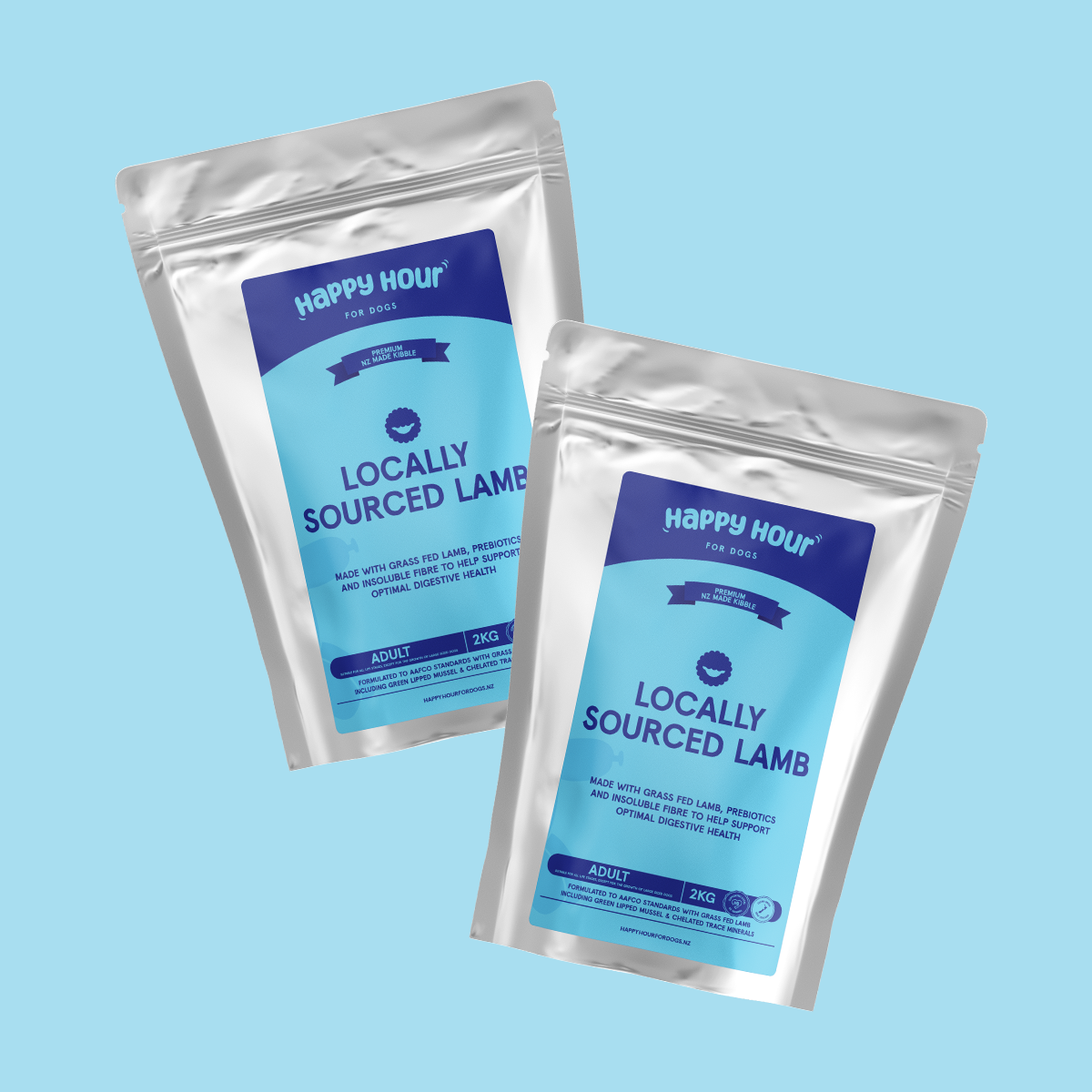
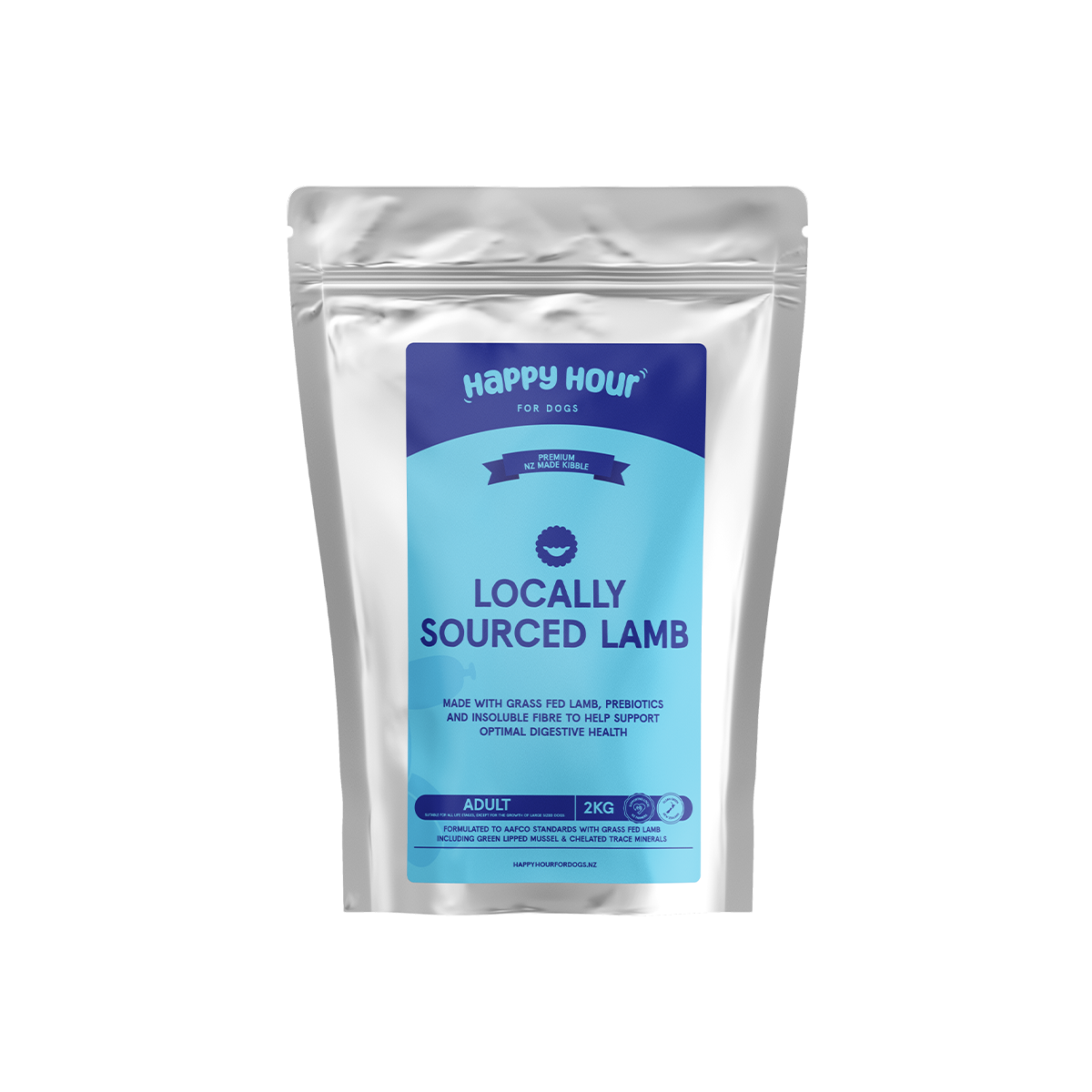
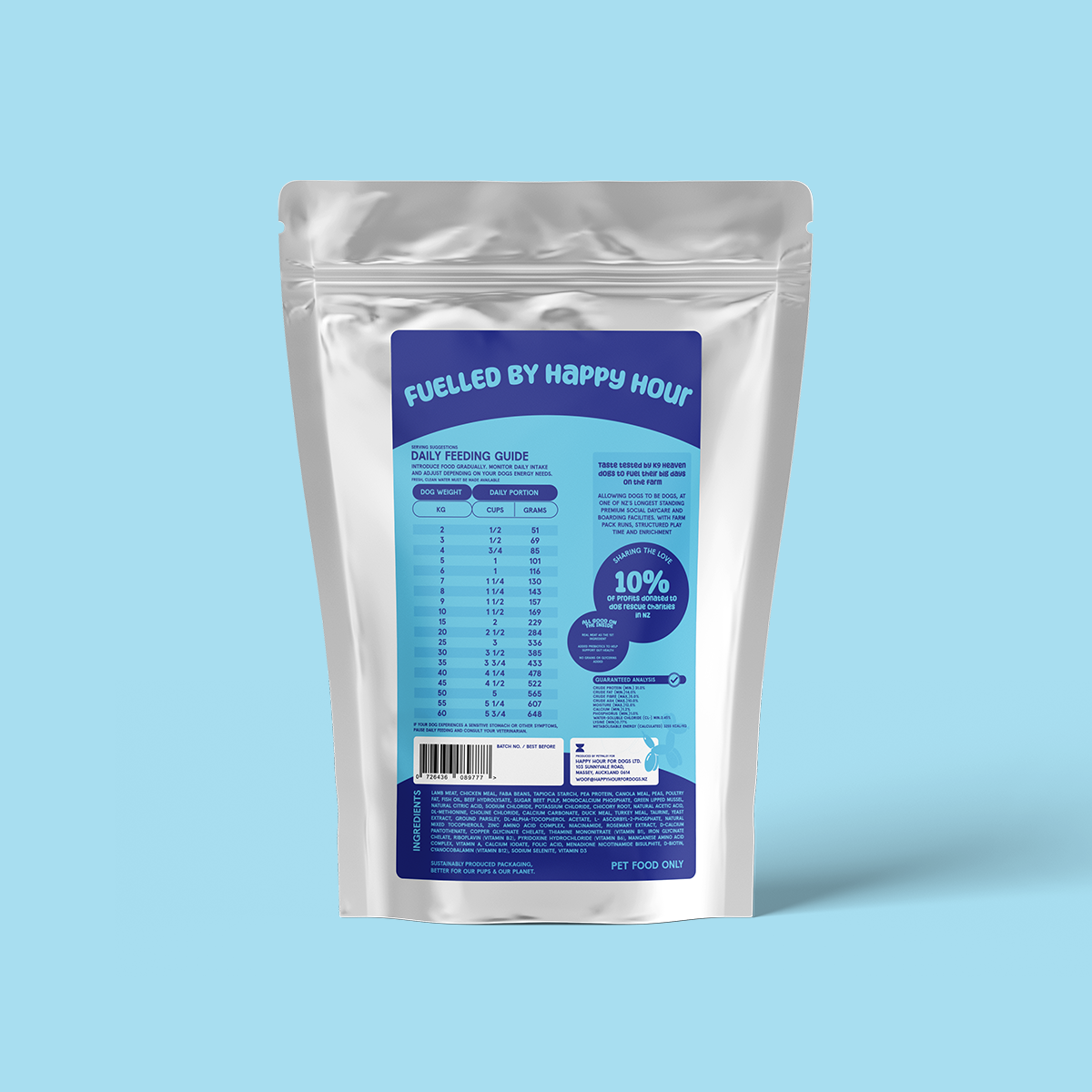
Happy Hour For Dogs uses chelated minerals, ensuring that the minerals listed on the label actually reach your dog in usable form.
Is This Just Marketing?
No. The science behind chelated mineral bioavailability is well-established in animal nutrition research. It's not a trend or a marketing claim. It's a measurable difference in how much of a nutrient the body receives and uses.
This is one of the genuine quality markers that separates premium food from food that's priced as premium but formulated as budget. You won't see it in the marketing. You'll only see it by reading the ingredient list carefully.
For a full picture of what separates genuinely premium dog food from pretenders, our article on Dog Food Ingredients to Avoid is worth reading. And if you want to understand more about what's in Happy Hour's formulation, including taurine and green-lipped mussels, see our Prebiotics for Dogs article and our piece on Green-Lipped Mussels for Dogs.
The Mineral Difference Matters
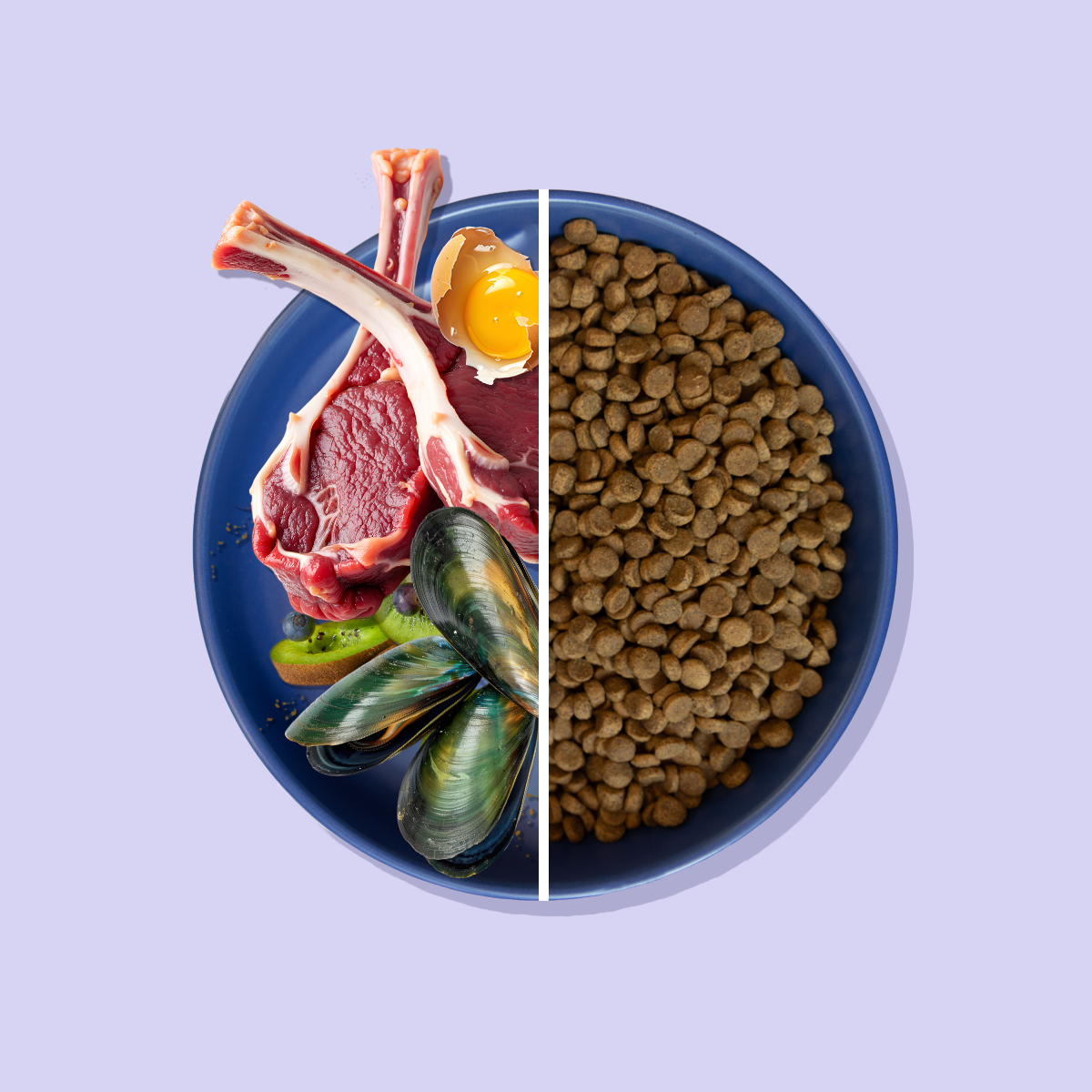
Happy Hour For Dogs uses chelated minerals, cage-free chicken, NZ grass-fed lamb, and green-lipped mussels. It's built on ingredients that deliver, not just ingredients that list well. Try it with a 30-day money-back guarantee at happyhourfordogs.nz.