Royal Canin vs Premium NZ Dog Food: The Honest Comparison
Royal Canin is arguably the most recommended dog food brand in New Zealand. You'll find it at virtually every vet clinic, in pet stores, and increasingly in specialist retail. The brand has built an impressive reputation. But reputation and ingredient quality are separate things, and Royal Canin is a particularly interesting case study in the gap between the two.
- Royal Canin trades on reputation and breed-specific science, but its standard commercial formulas lead with maize (corn) rather than a named whole meat, with corn appearing twice in the top five ingredients.
- The protein sources in the everyday range are processed and non-specific: chicken by-product meal, hydrolysed animal proteins, and unnamed 'animal fats' rather than identifiable whole meats.
- Royal Canin's heavy presence in NZ vet clinics reflects a commercial strategy of veterinary education and distribution investment, not independent proof that it out-performs premium alternatives for healthy dogs.
- There is a real difference between Royal Canin's therapeutic prescription ranges (which carry genuine clinical weight for specific conditions) and the standard commercial kibble (which competes on a grain-forward base).
- For everyday feeding of a healthy dog, premium NZ alternatives that start with a named whole protein offer a stronger ingredient base than Royal Canin's commercial range at comparable pricing.
What Is Royal Canin?
Royal Canin is a French brand owned by Mars, the same company behind Pedigree dog food, Whiskas cat food, and a range of other consumer products. It's been operating since 1968 and is best known for its breed-specific and condition-specific formulas. It positions itself as a science-based nutrition brand.
The breed-specific angle is clever. The idea that a Labrador's kibble should be different from a German Shepherd's kibble resonates with owners who want to feel they're giving their dog something tailored. Royal Canin invests in research and has genuine nutritional scientists on staff.
What's Actually in Royal Canin?
This is where the reputation starts to diverge from reality. Looking at the Royal Canin Adult Medium formula, the first five ingredients are typically: maize, chicken by-product meal, animal fats, hydrolysed animal proteins, and maize flour.
Maize, which is corn, is the first ingredient. Not chicken. Not lamb. Corn. And it appears twice in the top five in different forms.
Chicken by-product meal and hydrolysed animal proteins are processed ingredients rather than whole named meats. 'Animal fats' is a non-specific term covering fat from various rendered sources without naming the animal.
The ingredient quality question
For a brand positioned at the premium end of the NZ market, with premium pricing, this ingredient list is surprisingly grain-forward. The protein sources are processed and non-specific. Compare this to what you'd expect from a genuinely premium food: a named whole protein first, with supporting ingredients that are identifiable and functional.
Royal Canin's Breed-Specific Research
To be fair to Royal Canin: their breed-specific research is real. They do invest in understanding the specific health tendencies of different breeds and formulate accordingly. Certain kibble shapes are genuinely designed for specific jaw structures. Some formulas do target known health vulnerabilities.
This research has value. The problem is that the research and marketing sophistication isn't always matched by the ingredient quality in the bag. You can have meaningful nutritional science applied to a base that still relies heavily on grain fractions and processed proteins.
Why Is Royal Canin So Vet-Recommended?
This is the same dynamic as Hill's, and it's worth understanding. Royal Canin invests heavily in veterinary education, vet school curriculum support, and professional distribution channels. Their presence in vet clinics is partly a commercial strategy.
That doesn't mean Royal Canin is unhealthy, and it doesn't mean NZ vets are being dishonest. It means the recommendation occurs within a commercial context. Most vets aren't trained primarily as canine nutritionists, and their familiarity with certain brands comes partly from professional relationships that brands invest in building.
When Royal Canin is prescribed for a specific medical condition, their therapeutic range may be genuinely the right tool. For everyday healthy dog feeding, the commercial range competes against premium alternatives that use better base ingredients.
The Therapeutic Range vs. the Commercial Range
A distinction worth making: Royal Canin's therapeutic prescription ranges, covering gastrointestinal, hypoallergenic, renal, cardiac, and other conditions, are taken more seriously in veterinary medicine. The research behind these specific formulas is more substantive, and vets' recommendations for their use carry more weight.
This article is focused on the standard commercial Royal Canin range as an everyday food option, not the prescription therapeutic line.
Royal Canin vs. Happy Hour: A Direct Comparison
- First ingredient: Maize (corn) vs. cage-free chicken
- Protein sources: Chicken by-product meal, hydrolysed animal proteins vs. named NZ grass-fed lamb
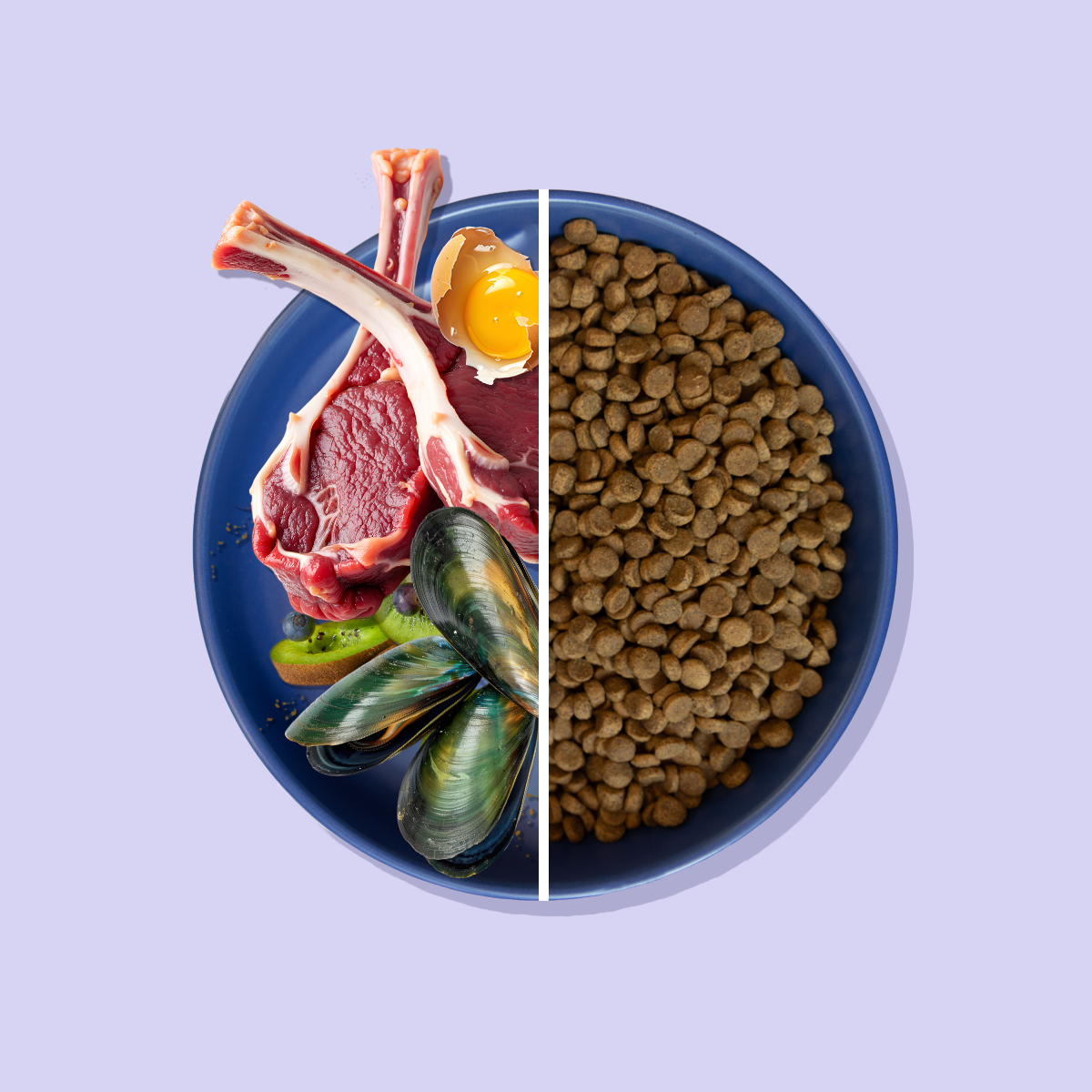
- Functional extras: Added vitamins and minerals vs. green-lipped mussels, manuka honey, prebiotics
- Mineral form: Not always specified vs. chelated minerals for better absorption
- Origin: Manufactured internationally vs. made in New Zealand
- Artificial additives: Present in some formulas vs. none
The Price Consideration
Royal Canin sits at the higher end of the NZ dog food market. You're paying for the brand, the marketing, the vet presence, and the breed-specific packaging. Whether the ingredients justify that price is the honest question.
For many NZ dog owners, genuinely premium NZ-made food can offer better base ingredients at comparable or lower cost per serving. The gap between what Royal Canin charges and what the ingredients deliver is substantial.
When Royal Canin Makes Sense
To be balanced about this: Royal Canin is not dangerous food and it meets nutritional standards. Their breed-specific research is real even if the ingredients don't always match the sophistication of that research. And their therapeutic range serves a genuine role in veterinary practice.
If your vet prescribes a Royal Canin therapeutic diet for a specific health condition, that recommendation deserves serious weight. For a healthy dog eating daily maintenance food, there are better options at similar price points.
The Bottom Line
Royal Canin has built an exceptional brand. The marketing is sophisticated, the vet relationships are strong, and the breed-specific angle resonates with owners who want to do right by their dogs. But the ingredient list of the standard commercial range, corn first and by-products prominent, doesn't match the premium price or the brand reputation.
NZ dog owners who look past the packaging and the vet endorsement to the actual ingredients will find better options at similar price points. Named proteins. Functional NZ ingredients. Made locally.
For a broader comparison of what's available in NZ, read our guide to Best Dog Food NZ 2026. And our article on Best NZ-Made Dog Food explains what local sourcing actually delivers for your dog.
Try the Alternative, Risk-Free
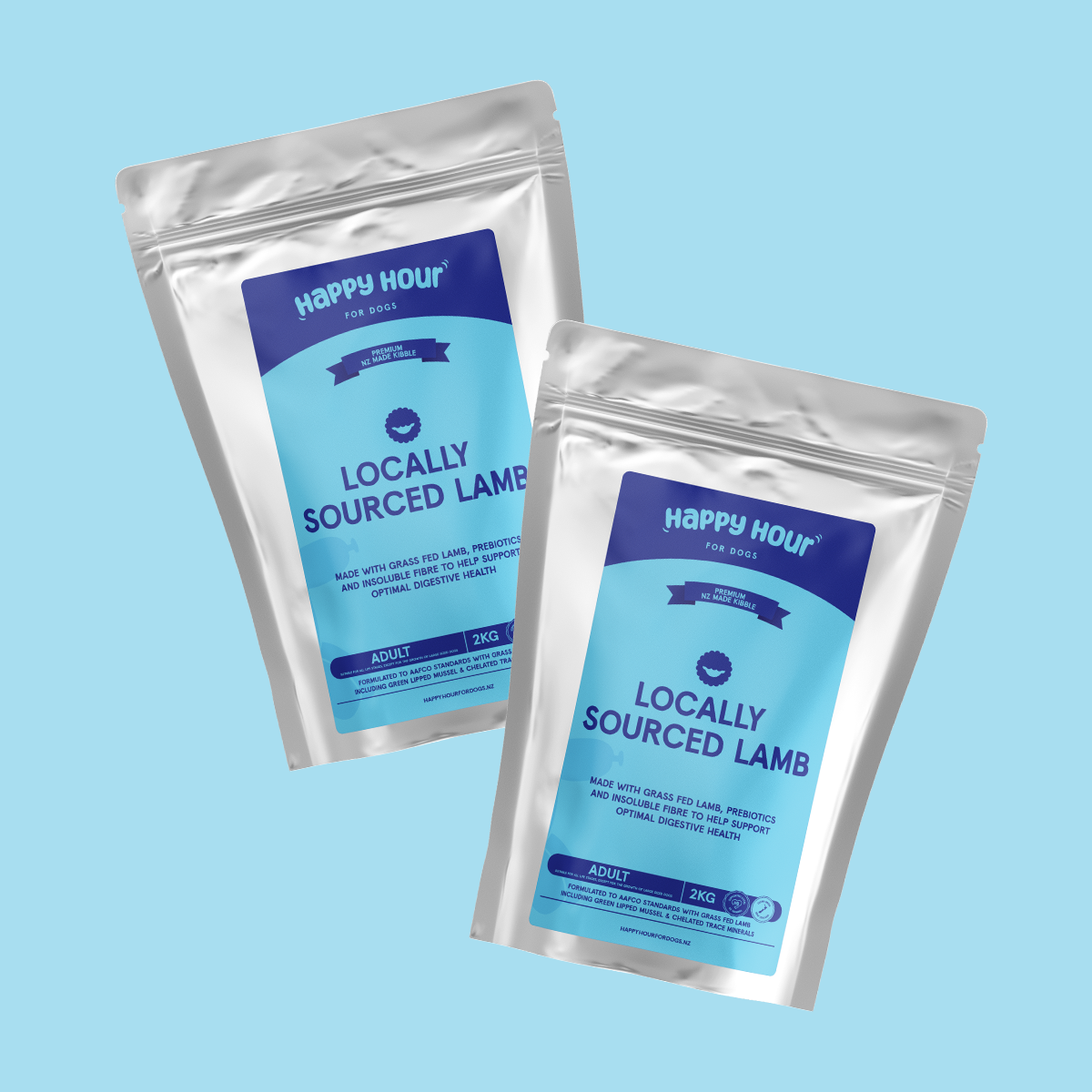
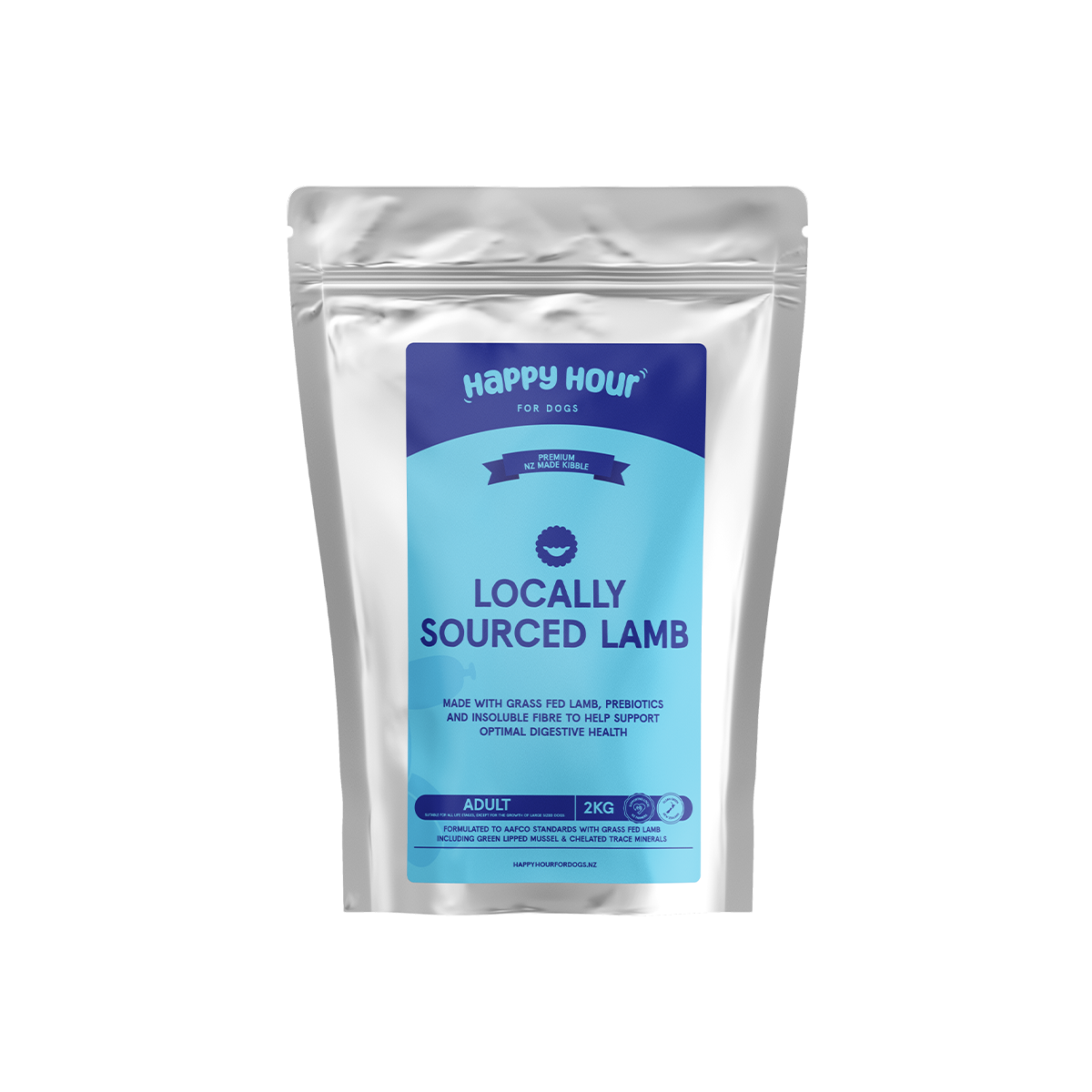
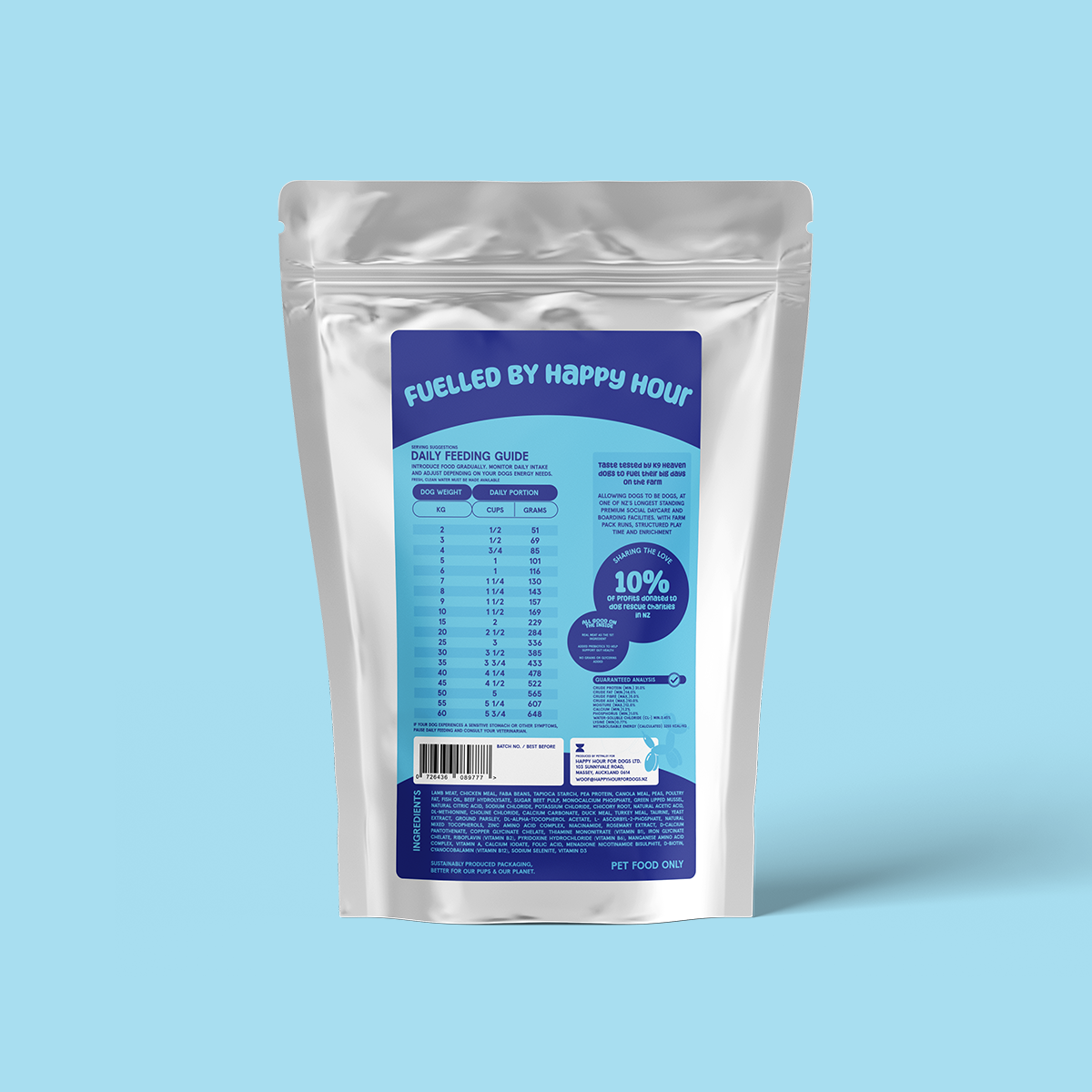
Happy Hour For Dogs uses cage-free chicken and NZ grass-fed lamb as base proteins, with green-lipped mussels, manuka honey, prebiotics, and chelated minerals. Made in New Zealand. No corn, no animal by-products, no artificial additives. Try it with a 30-day money-back guarantee at happyhourfordogs.nz.