Cage-Free Chicken in Dog Food: Why It Matters
Most dog foods use chicken. It's the most common protein in kibble worldwide. But there's a significant difference between the chicken in a budget bag and the cage-free chicken used in premium formulas. If you're the kind of dog owner who thinks about what goes into their dog's bowl, it's worth understanding what that distinction actually means and why it matters.
Key Takeaways
- Cage-Free Chicken in Dog Food: Why It Matters
- What Does Cage-Free Actually Mean?
- Why Welfare and Nutrition Are Connected
- Cage-Free Chicken vs Conventional Chicken in Dog Food: What's Different
- What It Means for Allergic Dogs
What Does Cage-Free Actually Mean?
In the context of chicken production, 'cage-free' means the birds were not raised in battery cages. Battery cages are small enclosures that severely restrict movement and are the standard production method in intensive commercial poultry farming. Cage-free chickens have the freedom to walk, flap their wings, and behave more naturally within a barn or shed environment.
It's worth being clear about what cage-free does not guarantee. Cage-free is not the same as free-range (which implies outdoor access), and it's not the same as organic. Cage-free birds are still typically housed indoors in large numbers. But it does represent a meaningful improvement in animal welfare over conventional battery-cage production.
Why Welfare and Nutrition Are Connected
Animal welfare and nutritional quality aren't separate issues. How an animal is raised affects what ends up on your dog's plate.
Stress and Meat Quality
Animals raised in high-stress, confined conditions have elevated cortisol levels. Chronic stress in poultry has been shown to affect meat quality: it can reduce muscle protein quality, alter fat composition, and produce meat that's higher in inflammatory compounds. Less stressed animals produce better-quality protein.
Antibiotic Use
Intensive battery cage operations rely heavily on routine antibiotics to prevent disease spreading in densely confined flocks. Cage-free operations tend to use fewer antibiotics because the birds are in a healthier environment. While antibiotic residues in processed dog food are extremely small, ongoing exposure to antibiotic-heavy food sources is a consideration for owners thinking about long-term health.
Ingredient Transparency
A brand that specifies 'cage-free chicken' rather than just 'chicken' or 'poultry' is telling you something about their sourcing standards. It indicates a level of traceability and transparency that budget brands using generic 'meat meal' simply don't offer. If a company knows exactly where their protein comes from, that's a good sign for quality control across the board.
Cage-Free Chicken vs Conventional Chicken in Dog Food: What's Different
Most budget and mid-range dog foods list 'chicken' or 'chicken meal' without specifying production standards. 'Chicken meal' is dried, rendered chicken and can include birds from various sources, with variable quality depending on the batch. When a manufacturer commits to cage-free sourcing specifically, they're making a higher-cost choice with supply chain accountability.
The protein quality from a well-raised chicken will generally be more consistent, with a better amino acid profile and a cleaner overall composition. For a dog who relies on that protein for muscle maintenance, skin health, and overall function, consistent quality matters.
What It Means for Allergic Dogs
Here's a nuance worth knowing: if your dog has a chicken allergy or intolerance, cage-free vs conventional chicken doesn't solve the problem. An allergic immune response is to the protein itself, not the production method. If your dog is reacting to chicken, you need to remove chicken from their diet entirely.
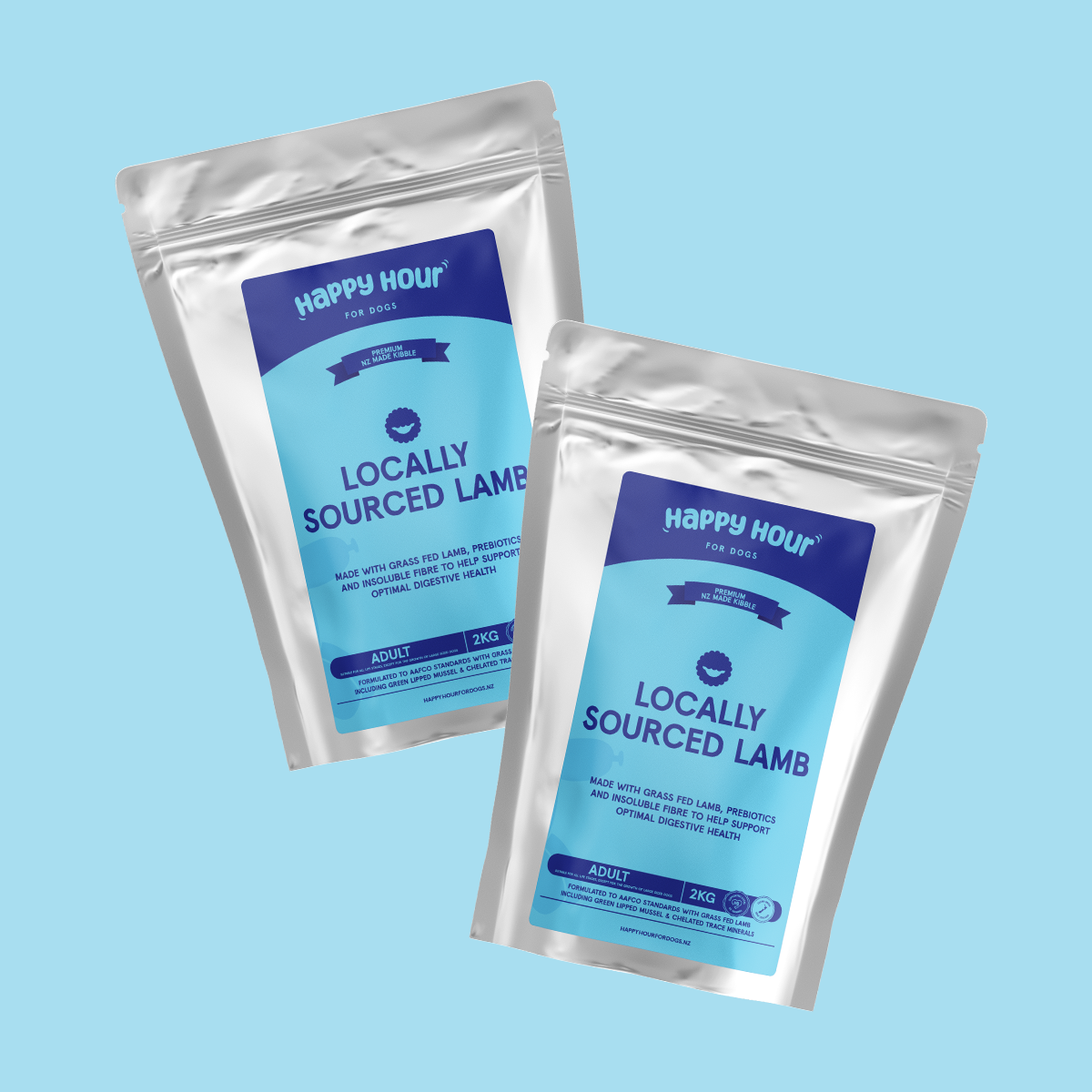
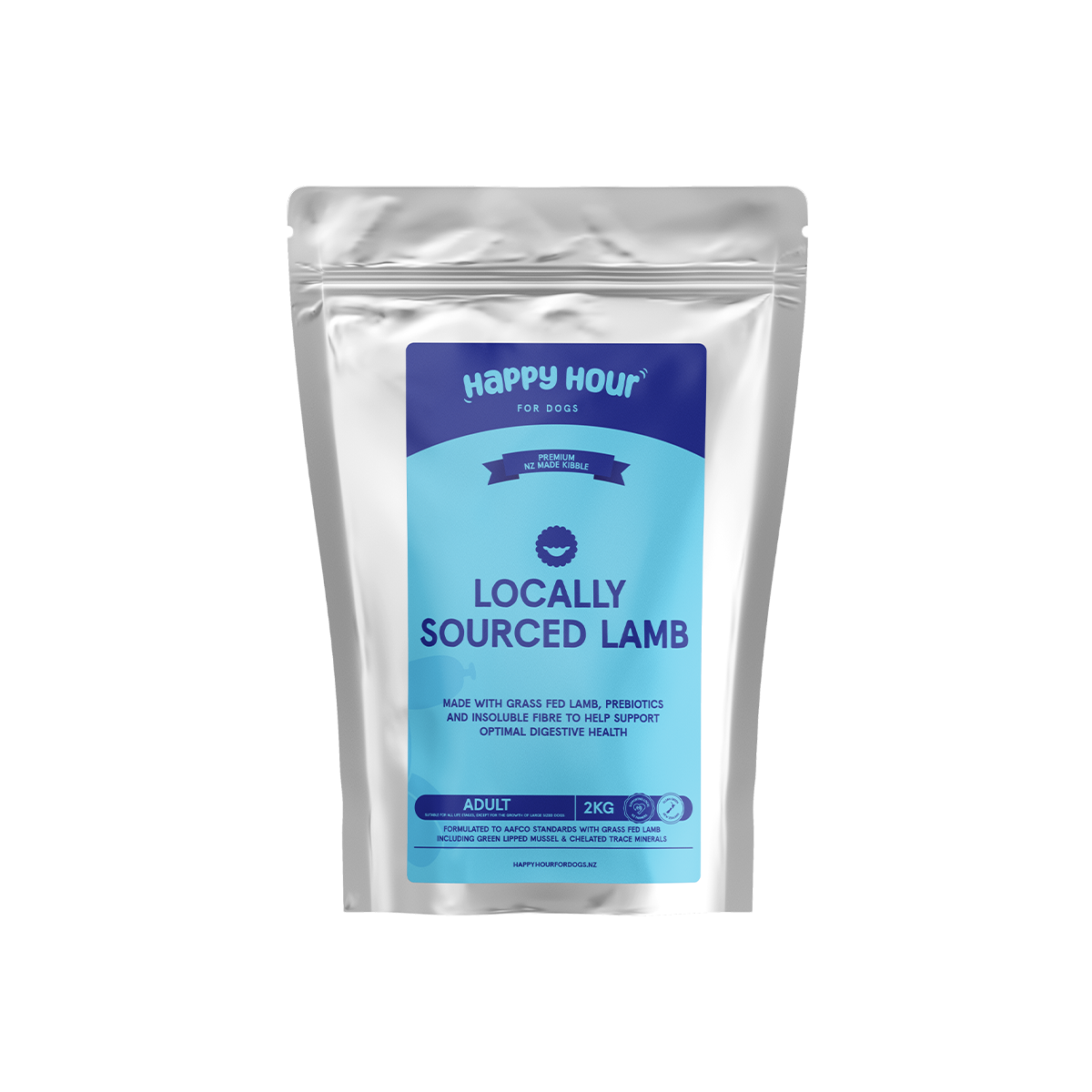
That's one reason Happy Hour uses NZ grass-fed lamb as the lead protein, with cage-free chicken as a secondary ingredient. For dogs who've developed sensitivities to chicken over time, the lower proportion of chicken (relative to lamb) may make a difference. For dogs with confirmed chicken allergies, a lamb-only formula would be more appropriate. Always talk to your vet if you suspect an allergy.
See our article on My Dog Is Itchy: Could It Be Their Food? if you're trying to work out whether chicken could be a trigger for your dog.
Happy Hour's Approach to Chicken Sourcing
Happy Hour uses cage-free chicken as a secondary protein alongside NZ grass-fed lamb. The choice to specify cage-free isn't just marketing: it reflects the sourcing philosophy behind the brand. The team at K9 Heaven, NZ's longest-running doggy daycare, has fed over 48,000 meals to the dogs in their care. They're not indifferent to what goes into food.
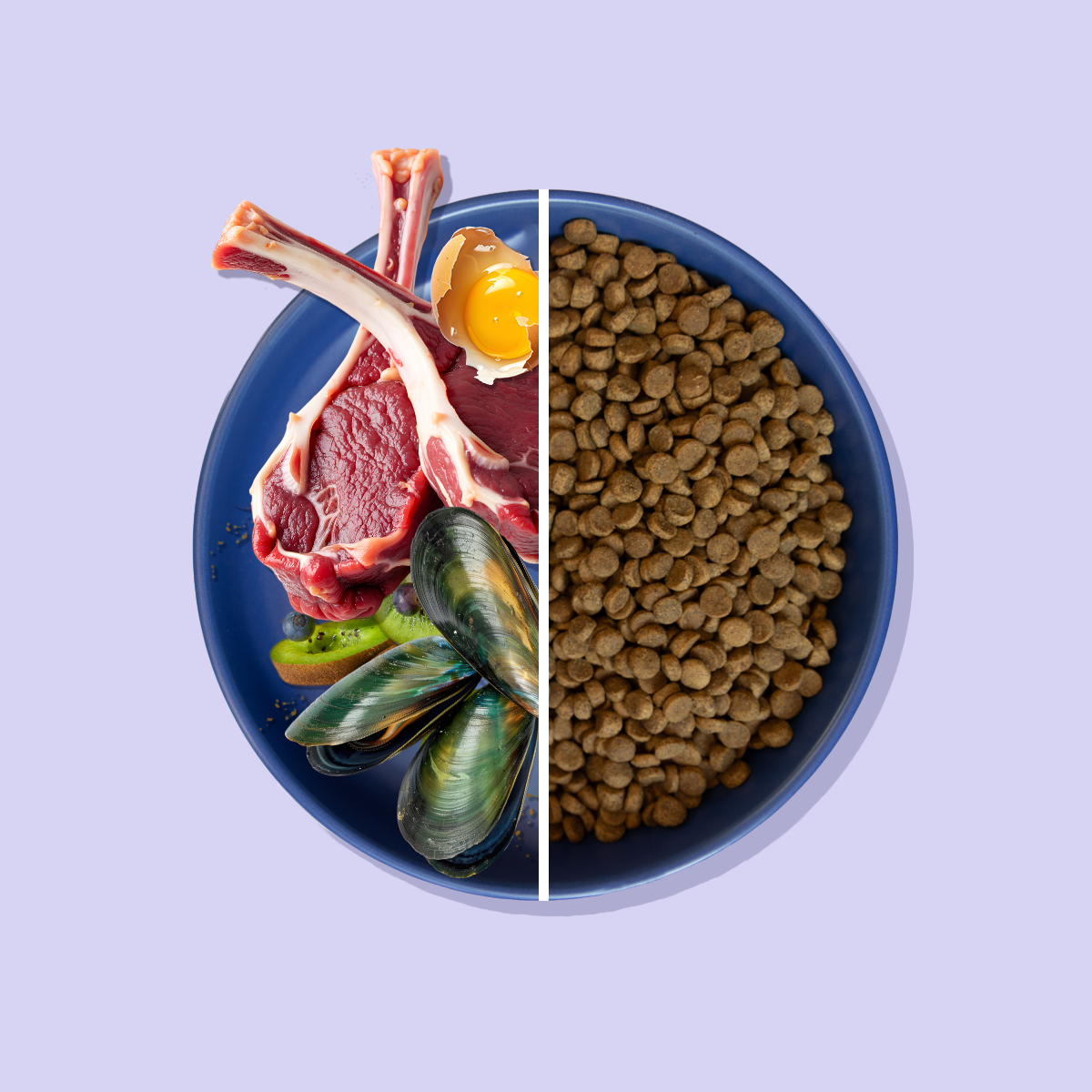
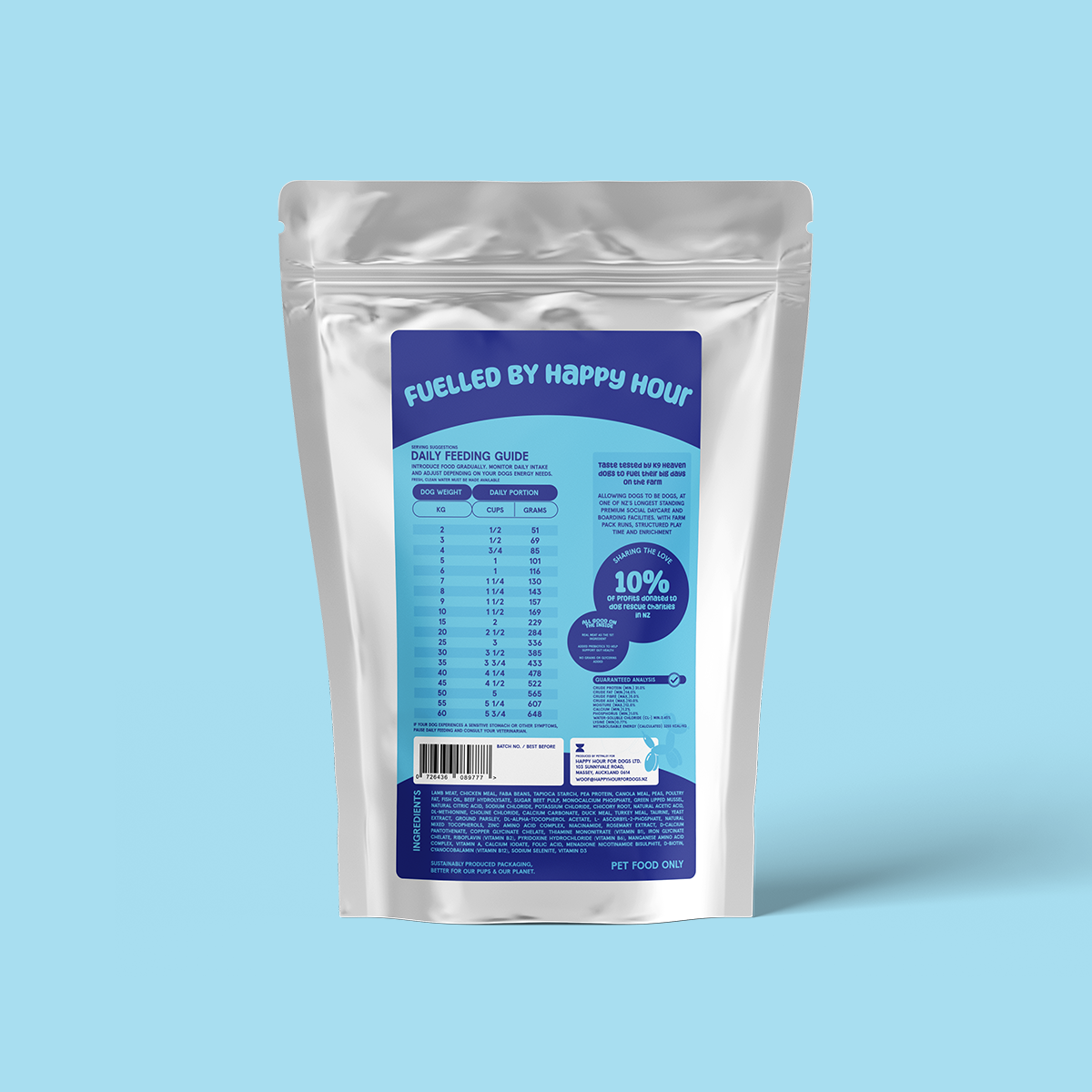
The full ingredient profile includes NZ grass-fed lamb, cage-free chicken, green-lipped mussel from the Marlborough Sounds, manuka honey, chicory root, taurine, chelated minerals, and fish oil. Every ingredient is specified and traceable. There's a significant difference between this and a bag that lists 'meat and animal derivatives' without any further detail. Our Best NZ-Made Dog Food article puts this in context alongside other NZ brands.