Boxer Weight Management: Keeping Your Boxer Healthy (NZ)
Boxers are big, bouncy dogs that were built to move. When they're active and well-fed, they're lean and muscular. But when life gets in the way of regular exercise — a busy winter, an injury, a change of routine — they can put on weight surprisingly quickly. And for Boxers in particular, that extra weight comes with some specific risks worth understanding.
Here's a straightforward guide to keeping your NZ Boxer at a healthy weight.
Key Takeaways
- Boxers are deep-chested and at higher risk of bloat (GDV) — excess weight adds to this risk
- Always feed two smaller meals rather than one large one, and avoid exercise right after eating
- They're muscular dogs, so a little extra weight can hide easily behind their frame
- Regular exercise is non-negotiable for this breed
- High-protein, moderate-fat food supports their muscle mass without driving weight gain
Why Boxers Are Prone to Weight Gain
Boxers are energetic dogs, but they're also big and their energy needs change as they age. A young Boxer that runs rings around everyone in the park can become a more relaxed adult that's still eating the same amount as when they were in peak condition. The food intake stays steady while the calorie burn drops.
Boxers also go through phases. They're notorious for being goofy, playful puppies that mature into calmer adults. Owners sometimes don't notice the shift in activity level until the weight is already there.
Their deep chest shape means it can be harder to visually spot early weight gain around the midsection. By the time it looks obvious, there's usually already a meaningful amount of excess weight to shift.
The other thing Boxer owners need to know: excess weight in this breed directly increases the risk of bloat, also called gastric dilatation-volvulus or GDV. Bloat is a life-threatening emergency where the stomach fills with gas and can rotate on itself. A heavy, food-filled stomach sitting in extra abdominal fat is a more dangerous combination than a lean stomach. Keeping your Boxer at a healthy weight is one of the practical ways to reduce bloat risk.
How to Tell If Your Boxer Is Overweight
The rib test is your starting point. Place your hands on your Boxer's sides and press gently — you should be able to feel the ribs without digging in. If you need significant pressure to find them, or if there's a visible soft layer when you look at them from the side, they're carrying too much weight.
From above, Boxers should have a discernible waist. A barrel-shaped silhouette with no narrowing behind the ribcage is a sign of excess weight.
Healthy adult Boxers typically weigh between 25 and 32 kg for females, and 27 to 36 kg for males. But body condition matters more than a specific number.
Watch for signs that weight is affecting their quality of life: getting winded more easily during play, stiffness when getting up, or less enthusiasm for activities they used to love.
Feeding a Boxer for a Healthy Weight
Two meals a day, measured and consistent. This is especially important for Boxers because of their bloat risk. One large meal increases the volume of food sitting in the stomach at once, which is a risk factor for GDV. Splitting into two smaller servings is safer.
Do not feed your Boxer immediately before or after vigorous exercise. Allow at least an hour either side. This is another bloat-reduction practice that's worth building into your routine.
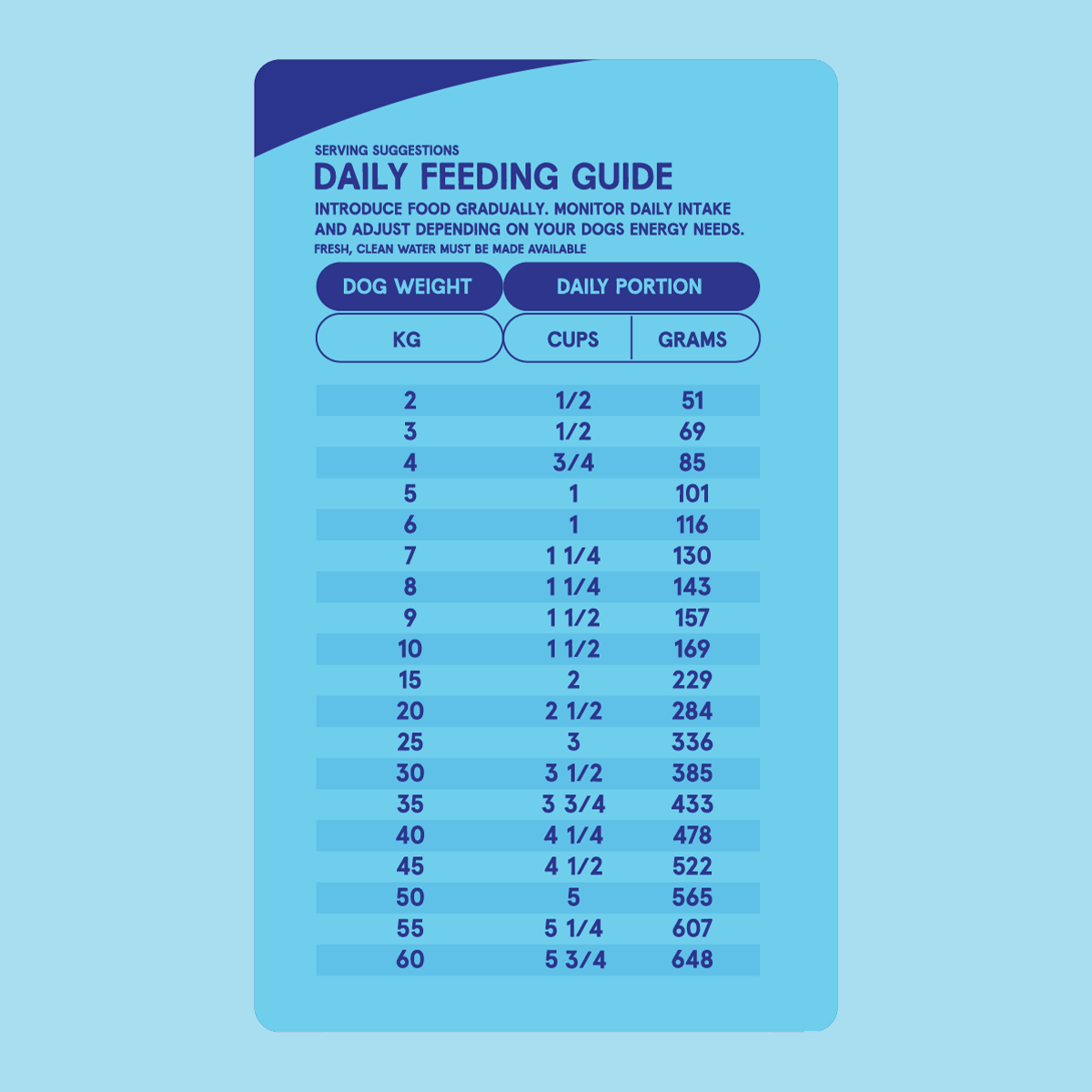
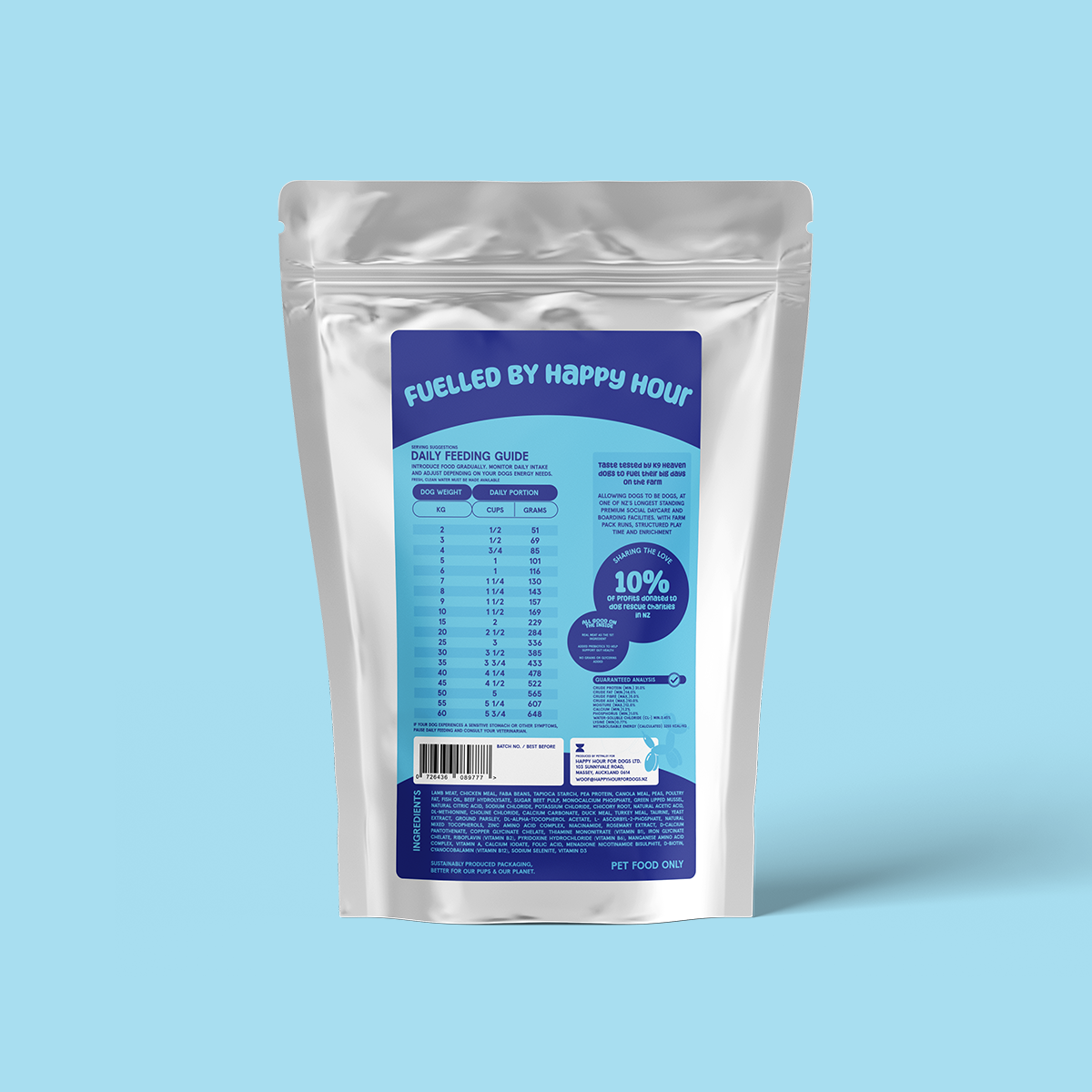
Use a kitchen scale or proper measuring cup for every meal. Portions that look roughly right are often 20 to 30% over the recommended amount.
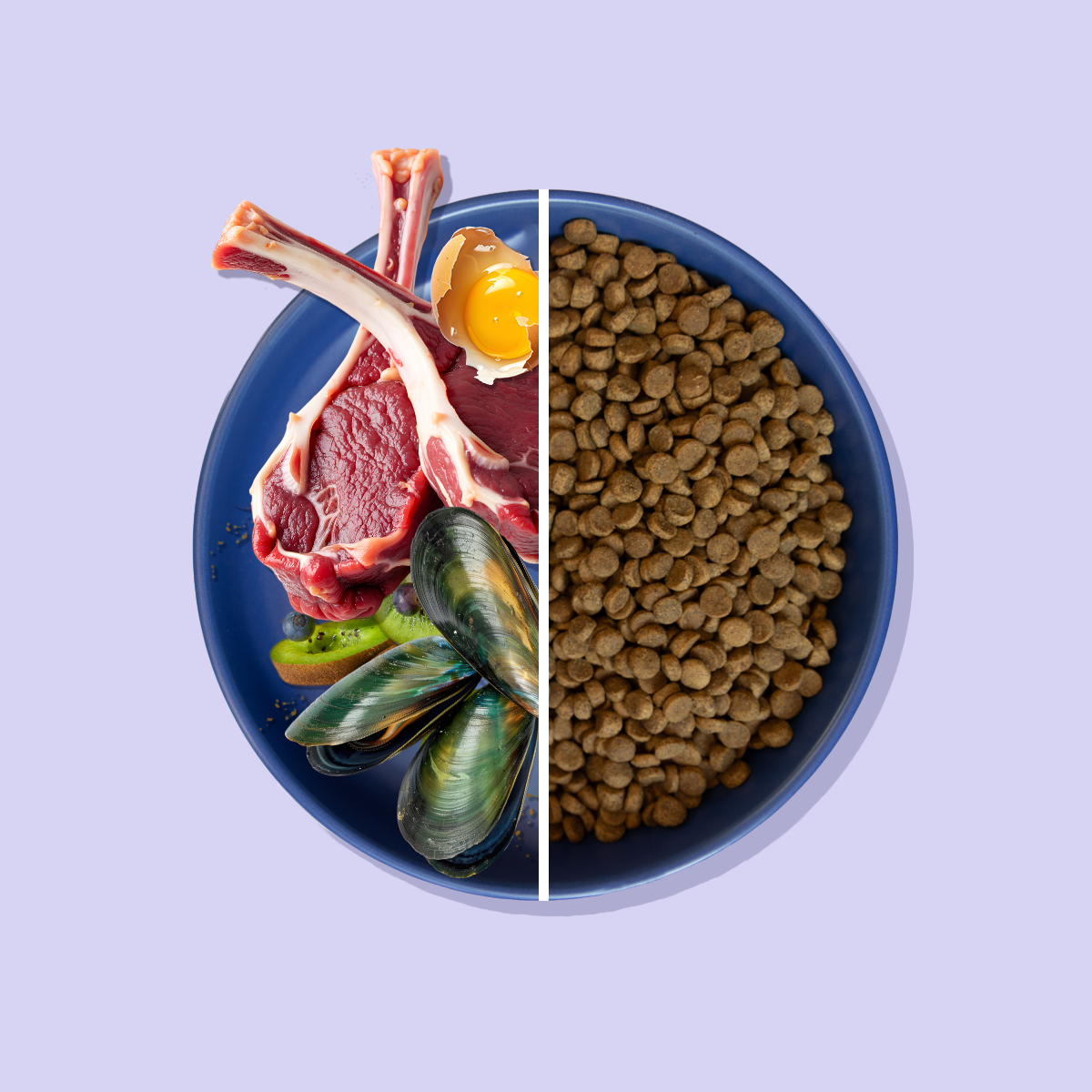
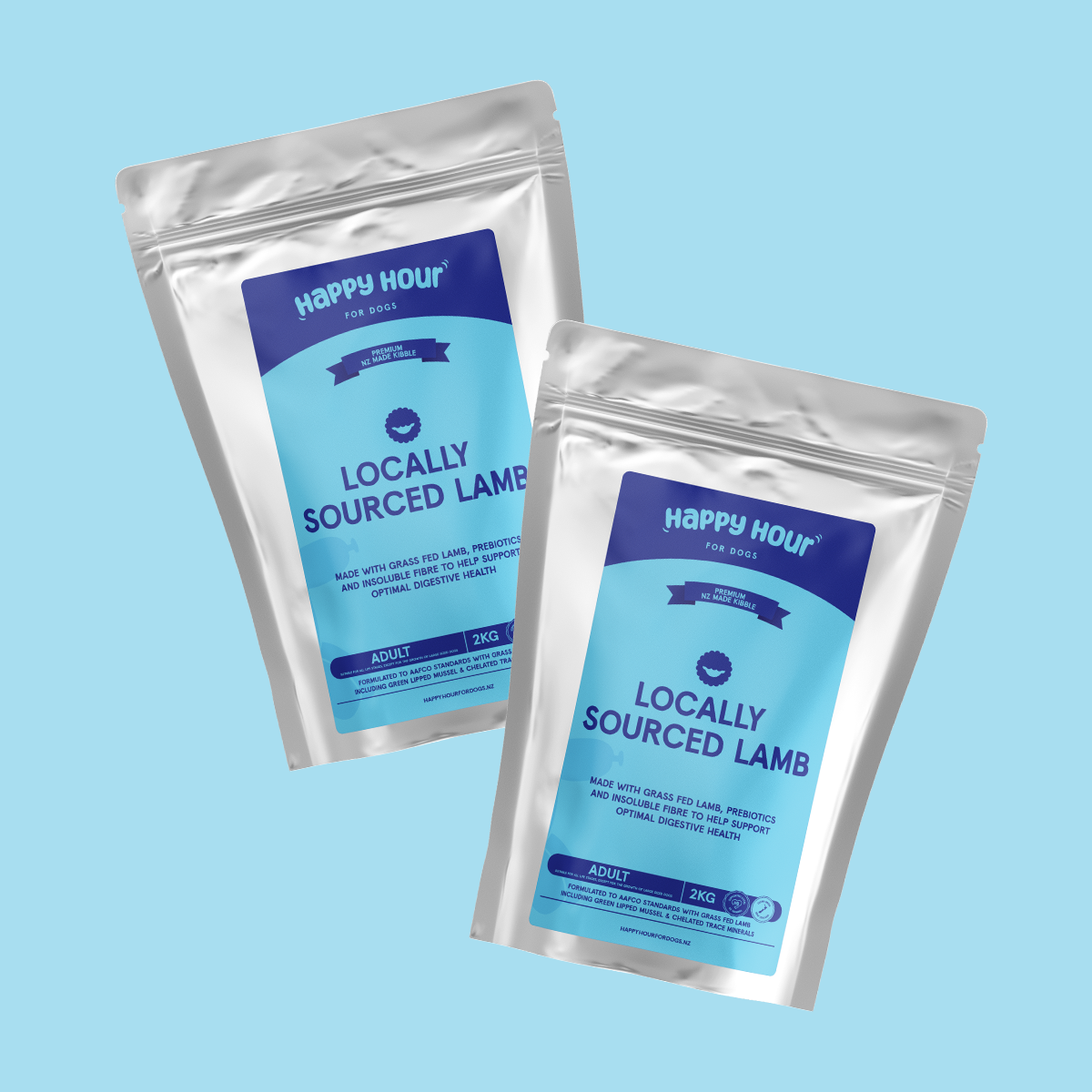
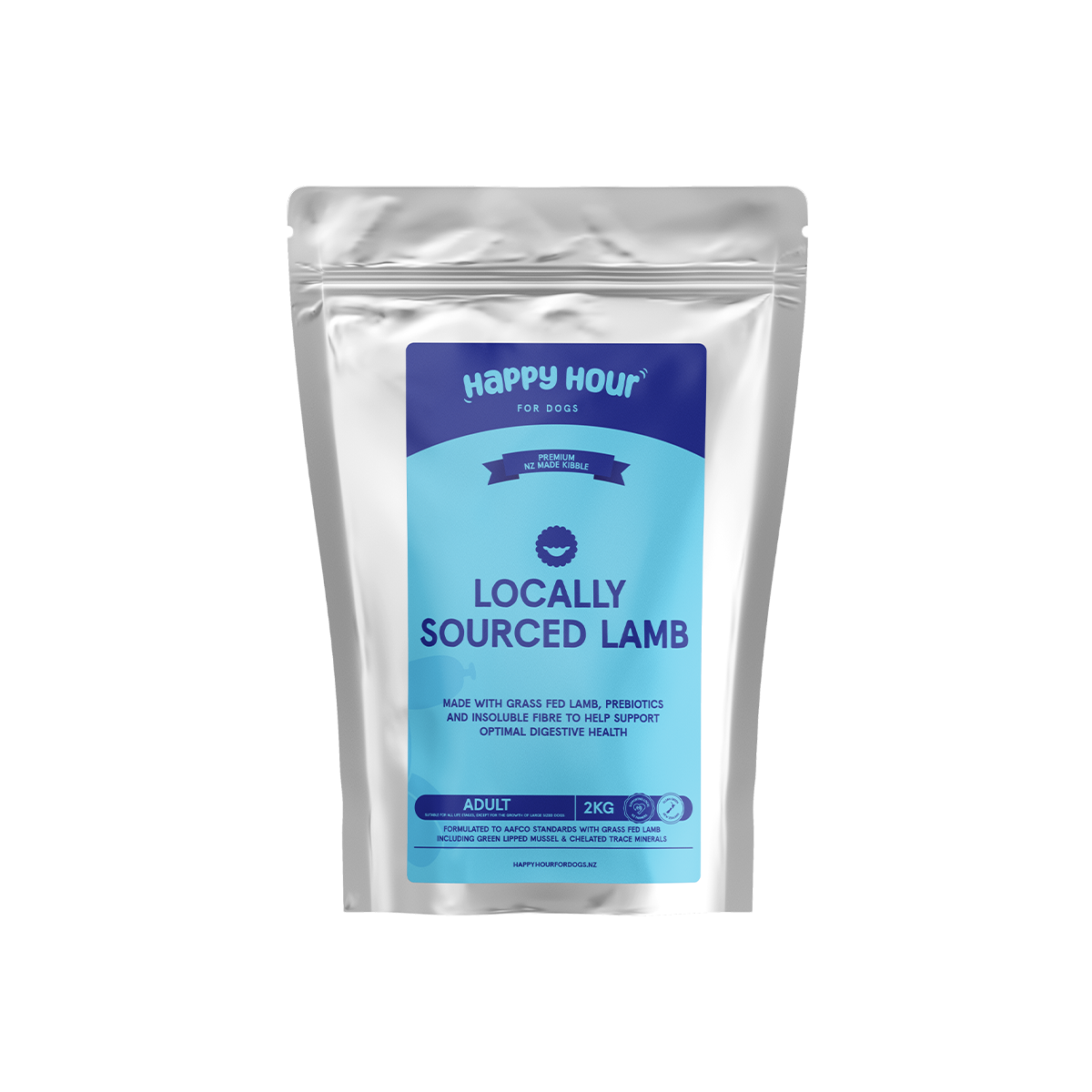
For food quality, Boxers do well with a high-protein, moderate-fat diet that supports their muscle mass without excess calories. Happy Hour is made from NZ grass-fed lamb, is grain-free, and provides quality protein with added fibre to support satiety. It's a good fit for a Boxer on a weight management plan who still needs proper nutrition to maintain their muscle.
Treats should be kept to a minimum: no more than 10% of total daily calories, and ideally low-fat, single-ingredient options. Avoid anything fatty or rich, which can contribute to weight gain and digestive upset.
Exercise Tips for Boxers
Boxers need at least 60 minutes of active exercise per day. They're a working breed at heart and don't do well with minimal movement. Off-leash running, fetch, and rough play with other dogs all suit them well.
However, avoid strenuous exercise immediately after meals. Wait at least an hour after feeding before doing anything intense — this is one of the simplest things you can do to reduce bloat risk in a deep-chested breed.
If your Boxer is significantly overweight, start with moderate-intensity activity and build up. Joint stress from high-impact exercise on a heavy dog can cause injury. Swimming and leash walking are good starting points.
Boxers also enjoy training sessions and activities that give them a job to do. Mental stimulation helps them settle and reduces food-seeking behaviour between meals.
What to Look for in Dog Food for Boxers
Boxers are muscular dogs that need solid protein, but they don't need excessive fat. Look for:
- High-quality protein as the first ingredient — real meat, not meal or by-products
- Protein above 25% dry matter — to maintain and protect muscle mass
- Moderate fat — enough to support energy but not so high it drives weight gain
- Good fibre content — keeps them feeling full between meals
- No artificial additives or cheap cereal fillers that add empty calories
Avoid foods with very high fat content, which increases calorie density and can exacerbate digestive issues in Boxers, who are also prone to sensitive stomachs.
For a broader look at which breeds struggle with weight in NZ, see dog breeds prone to weight gain. And if your Boxer is already overweight, our overweight dogs guide walks through the practical steps.