If your dog sniffs their bowl, walks away, and then stares at you like you've personally offended them — you're not alone. Fussy eating is one of the most common complaints we hear from dog owners across New Zealand.
But here's the thing: most guides on this topic just give you a list of products. That's not what this is. This is a practical breakdown of what to actually look for in a dog food if your dog is a picky eater — the ingredients that matter, the formats that work, and how to read a label without getting lost in marketing language.
If you want the bigger picture on why dogs become fussy in the first place, start with our complete fussy eaters guide. This article picks up from there and focuses on how to choose the right food.
Key Takeaways
- Palatability comes from real meat content, not flavour additives or toppers
- Consistent recipes matter more than variety — fussy dogs do better on stable, predictable food
- Named protein sources (e.g. "lamb" not "meat meal") are easier to digest and more likely to be accepted
- Kibble is often the most effective format for resetting a picky eater — but only if the quality is right
What Makes a Dog Food Good for Fussy Eaters?
Not all dog foods are created equal, and some are genuinely more likely to be accepted by fussy dogs. Here's what to look for.
For the specific case of when your dog won’t touch their kibble, we’ve got a separate guide.
Palatability
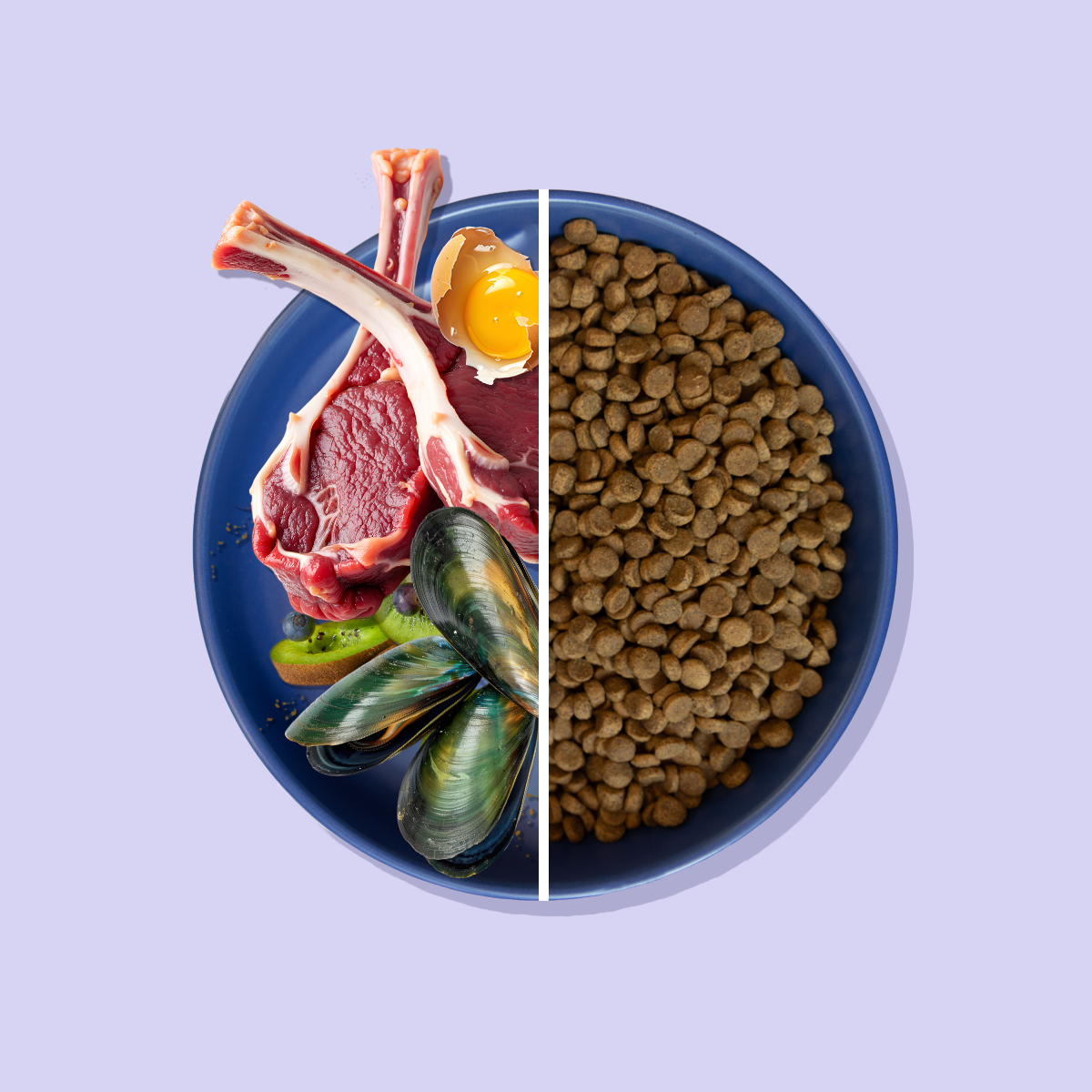
Palatability is the technical term for how appealing a food is to a dog. It's driven mainly by aroma and fat content — both of which come naturally from real meat. Foods that rely on artificial flavour coatings or "palatants" sprayed on after processing tend to work short-term and then stop being effective. That's often why a dog loves a food for two weeks and then goes off it.
A food with genuine, high-quality meat as the base will have natural palatability that holds up over time.
Real Meat as the First Ingredient
The ingredients list on any dog food is ordered by weight before processing. The first ingredient matters most. If you see "chicken" or "lamb" first, that's a good sign. If you see "cereals," "maize," or "meat meal" first, the protein content is likely lower than it appears, and the food will be less palatable.
Digestibility
Dogs who struggle with food often have sensitive stomachs alongside their fussy habits. Highly digestible food means more nutrition is absorbed and less sits in the gut causing discomfort. Simple, single-protein recipes tend to digest more cleanly than complex multi-protein blends.
Consistent Recipe
This is underrated. Fussy dogs are sensitive to change. If a brand occasionally tweaks its formula, changes suppliers, or varies its protein ratios, your dog will notice before you do. Look for brands that have a stable, consistent recipe and are transparent about their ingredients.
No Excessive Fillers
Fillers like corn syrup, excessive grain, and unnamed by-products bulk out food cheaply but contribute little to palatability or nutrition. They also increase the risk of gut sensitivity, which can make fussy eating worse.
Kibble vs Wet Food vs Raw: Which Is Best for Fussy Dogs?
There's no universal answer, but here's an honest assessment of each format for picky eaters.
Kibble
Pros: Consistent formula, easy to portion, slower to go stale, cost-effective long-term, good for dental health.
Cons: Lower moisture, aroma less immediate than wet food, some dogs simply prefer texture variety.
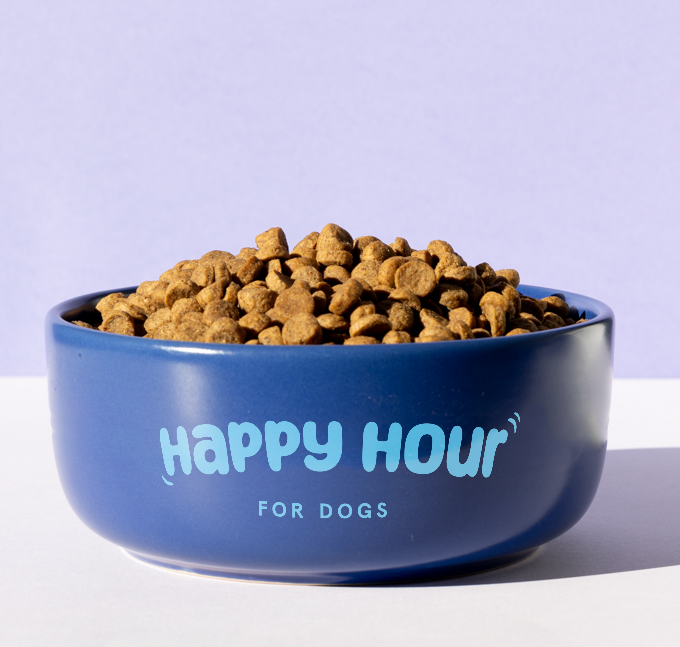
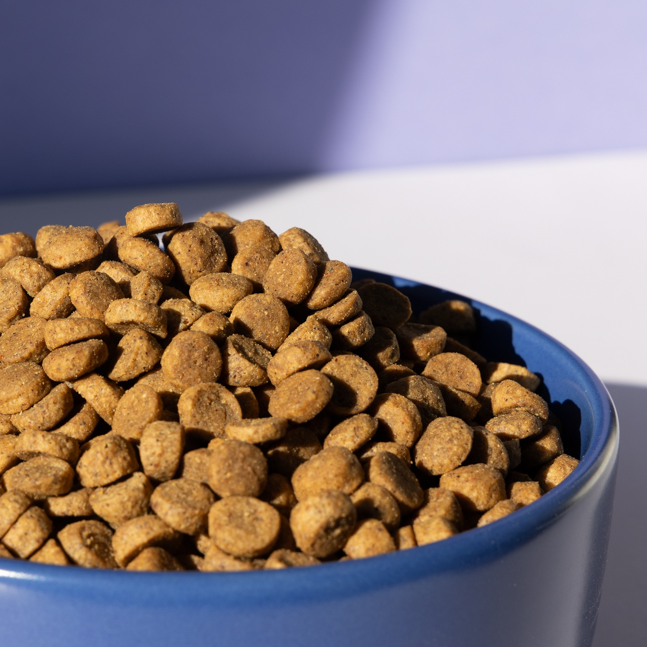
For fussy eaters: Kibble is often the best format for resetting a fussy dog. Its predictability is a feature, not a bug. Once a dog is eating well on a good kibble, you have a stable base to work from. The key is choosing a kibble with genuine meat content rather than one propped up by flavour additives.
Wet Food
Pros: Higher moisture content, stronger aroma, more immediately appealing to most dogs, good for dogs with dental issues or reduced appetite.
Cons: More expensive per serving, shorter shelf life once opened, can make dogs more selective over time because the sensory reward is so high.
For fussy eaters: Wet food can kickstart eating in a dog who's really struggling, but it's not always a long-term solution. Dogs fed exclusively wet food can become pickier because they're calibrated to a very high sensory baseline. It can also make food transitions harder.
Raw
Pros: High palatability, mimics ancestral diet, often well-tolerated by dogs with sensitivities.
Cons: Requires careful handling, harder to balance nutritionally without guidance, more expensive, not ideal for households with young children or immunocompromised people.
For fussy eaters: Raw can work well, particularly for dogs whose fussiness is rooted in sensitivity to processed ingredients. But it's a bigger commitment and isn't the right fit for every household.
Bottom line: For most NZ dog owners dealing with a fussy eater, a high-quality kibble is the most practical starting point. Get the base right, and use wet food or toppers as occasional additions — not as a crutch.
What to Look for on the Ingredients Label
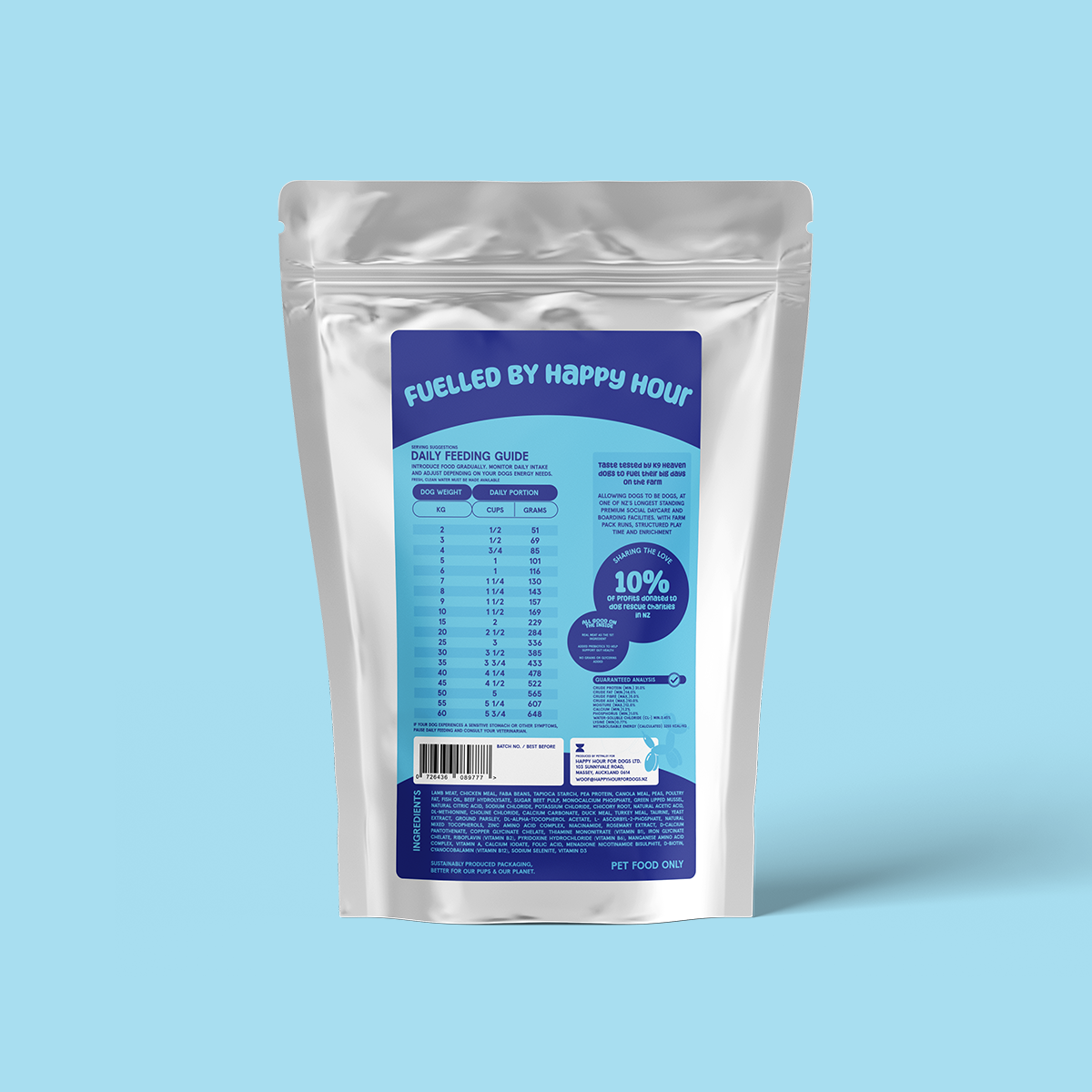
New Zealand pet food labelling follows AAFCO guidelines, which require ingredients to be listed in order of weight before processing. Knowing how to read these labels will save you a lot of money and guesswork.
First ingredient: Should be a named animal protein. "Lamb," "chicken," "beef," or "salmon" are all clear. "Meat meal," "poultry meal," or "animal derivatives" are vague and often signal lower-grade protein sources.
Named vs unnamed proteins: A named protein tells you exactly what your dog is eating. This matters for two reasons: it helps you identify sensitivities, and it generally indicates better sourcing. Unnamed proteins can vary batch to batch, which can contribute to a dog going off their food.
Watch the filler clusters: Ingredients like corn, wheat, soy, and rice aren't inherently harmful, but if you see three or four of them in the top ten ingredients, the food is heavy on carbohydrate bulk. Look for foods where a named protein features clearly and early.
Avoid artificial preservatives where possible: BHA, BHT, and ethoxyquin are synthetic preservatives sometimes linked to digestive sensitivity. Natural preservatives like mixed tocopherols (vitamin E) are preferable.
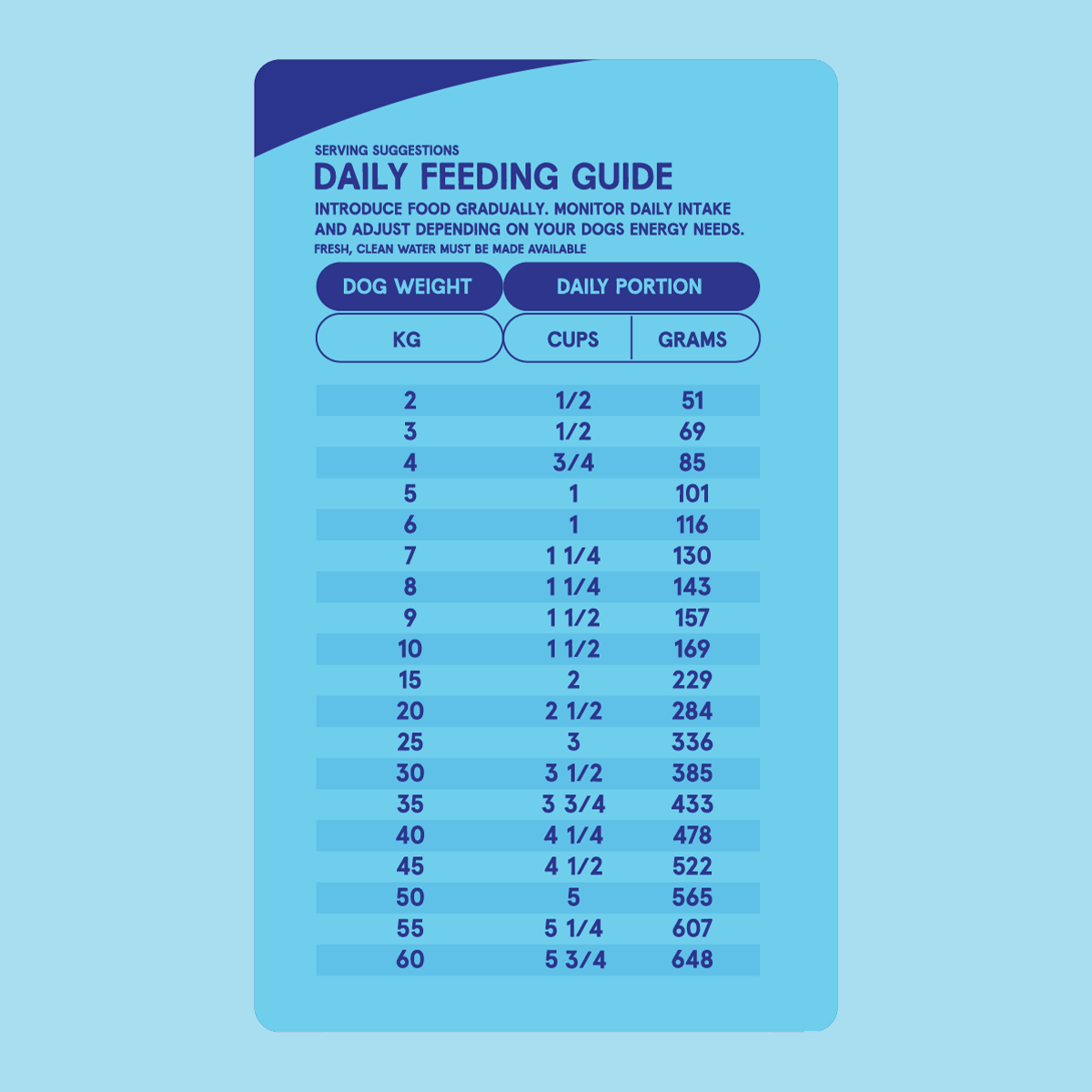
Moisture content: Kibble is typically 8-12% moisture. Wet food sits at 70-80%. This affects not just palatability but how much food your dog needs per day, and how you store it.
Our Pick for NZ Fussy Eaters
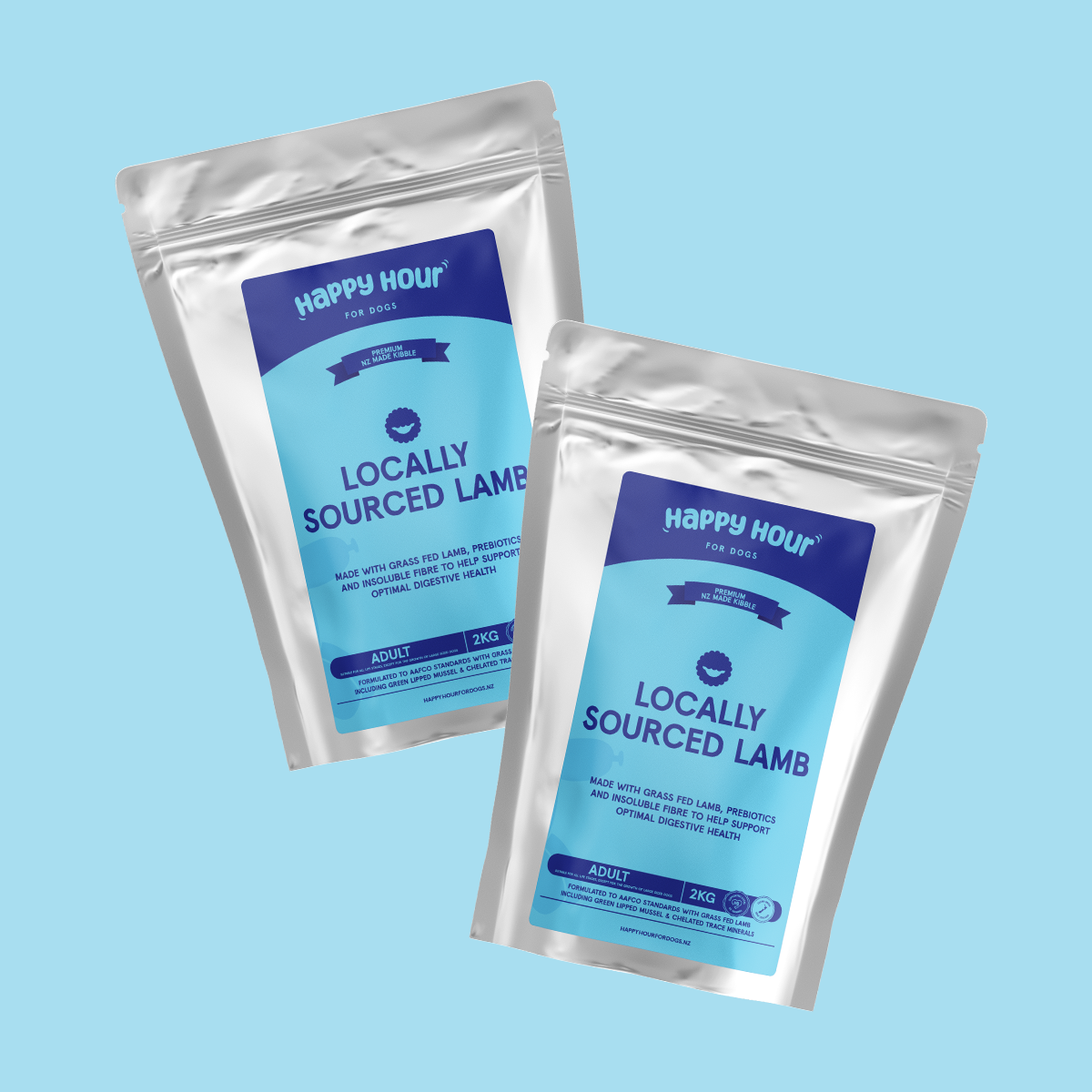
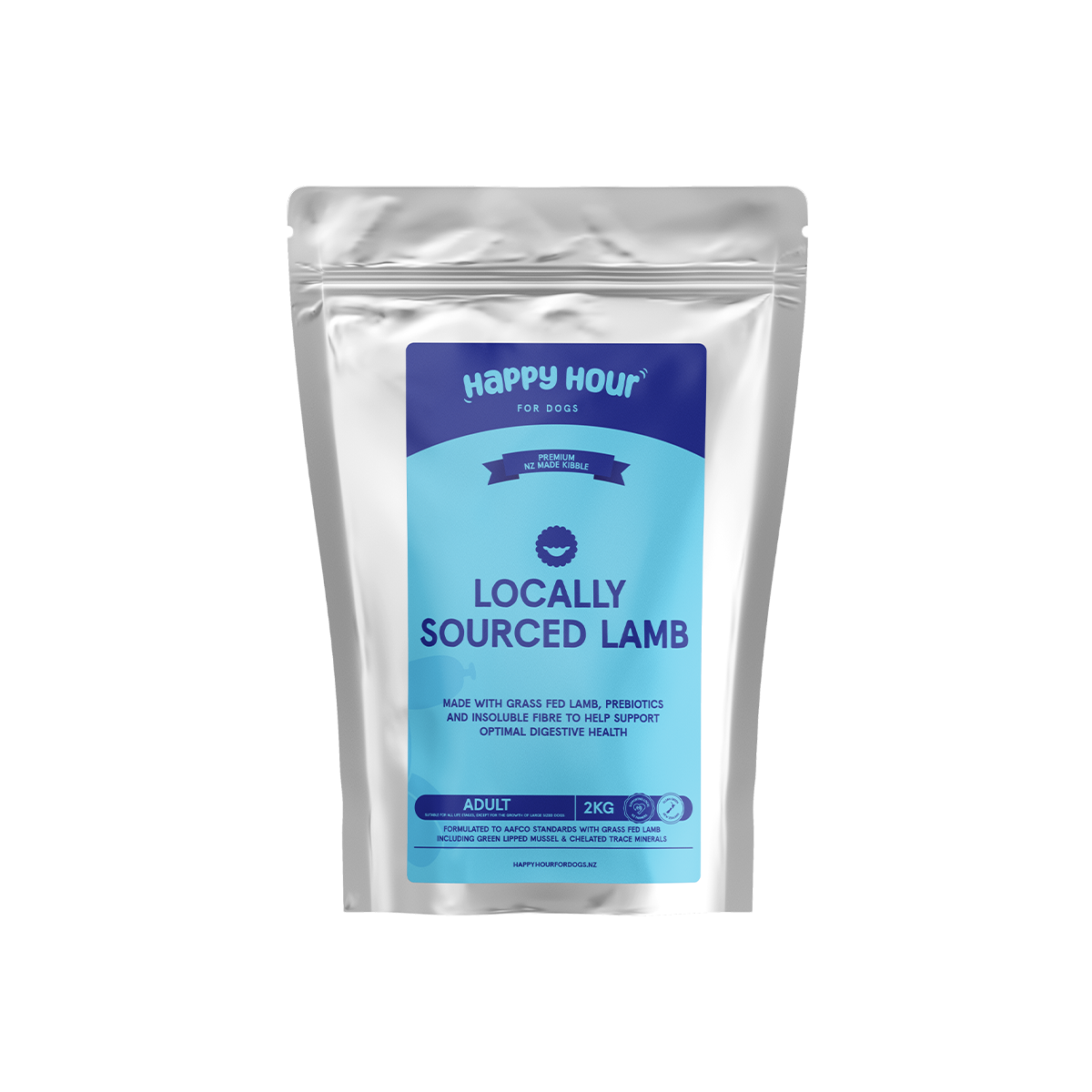
We're obviously not going to pretend we don't have a dog in this race (sorry). But the reason we recommend Happy Hour grass-fed lamb kibble for fussy eaters isn't because it's ours — it's because it genuinely ticks the boxes above in ways that are relevant to picky dogs specifically.
Here's the honest version:
Single-protein recipe. The lamb formula uses one protein source. For a dog that's been rotating through foods and reacting to different things, single-protein is a useful diagnostic starting point. It also means there's less going on in the gut.
New Zealand grass-fed lamb as the first ingredient. New Zealand lamb is some of the highest quality in the world, and it's a protein that most dogs haven't developed sensitivities to. The aroma from real lamb is naturally appealing to dogs, which helps with initial acceptance.
Consistent recipe. We don't change our formula. We're a small NZ brand with a fixed supply chain, and we make a point of keeping the recipe stable. For fussy dogs, that consistency is genuinely useful.
No artificial flavour additives. The palatability in Happy Hour comes from the meat content, not from sprayed-on coatings. That means it's more likely to hold up over time rather than the dog losing interest after a few weeks.
Is it the only good option? No. But if you're trying to find a clean, consistent, NZ-made kibble that gives you a real shot at resetting a fussy eater, it's worth trying.
Tips for Getting a Fussy Dog to Accept a New Food
Choosing the right food is only half the job. How you introduce it matters just as much. A rushed transition is one of the most common reasons dogs reject a perfectly good food.
The short version: go slow, keep meals structured, and don't add so many toppers that the dog learns to hold out for extras.
For a full step-by-step guide on making the switch without triggering refusal, see our guide on how to transition a fussy dog to a new food.
FAQ
What is the most palatable dog food in NZ?
Palatability depends on the individual dog, but foods with a named meat as the first ingredient and no artificial flavour enhancers tend to hold up best over time. Lamb and beef-based foods generally score well with dogs who have become fussy on chicken-heavy diets. We'd look at the ingredients list before trusting a brand's palatability claims.
Is wet food better for fussy dogs?
It can help in the short term. The stronger aroma and texture of wet food is more immediately appealing to most dogs. But feeding exclusively wet food can raise the sensory baseline, making dogs pickier over time. For long-term management of fussy eating, a good quality kibble — sometimes with a small amount of wet food mixed in — is usually more sustainable.
Should I add toppings to my dog's food?
Occasionally, yes. A spoon of plain cooked meat, a drizzle of bone broth, or a small amount of wet food can help a fussy dog engage with a new food during transition. The risk is training the dog to hold out for toppings. If your dog won't eat without something added every meal, that's a pattern worth breaking rather than reinforcing. Use toppers strategically during transitions, not as a permanent fixture.
Why does my dog eat one brand then go off it?
This is extremely common and usually comes down to one of three things: the brand changed its recipe (this happens more than manufacturers admit), the dog has built up a sensory tolerance and needs more stimulation to be interested, or the dog learned that holding out gets them something better. The fix depends on which of those is happening. A clean reset on a stable, simple food is usually the first step.