Basset Hound Weight Management: NZ Owner's Guide
Basset Hounds are one of the most lovable dogs around — slow-moving, gentle, with a nose that works overtime and a face that permanently looks like they have something sad to tell you. They're also one of the breeds most prone to weight gain, for a combination of reasons: low natural energy levels, a strong food drive, and a body structure that makes excess weight genuinely risky. Like Dachshunds, Bassets have a long back that takes on extra stress every day their weight is above where it should be.
Key Takeaways
- Basset Hounds are naturally low-energy — their calorie needs are lower than their appetite suggests
- Extra weight puts significant strain on their long spine and short legs
- They're scent-driven and highly food-motivated, which makes portion control harder
- A high-fibre, lower-fat diet is the best tool for keeping a Basset lean
- Daily gentle exercise matters, but diet is the primary lever for this breed
Why Basset Hounds Are Prone to Weight Gain
Basset Hounds were developed in France as scent hounds for hunting — their long ears help funnel scent particles toward their nose, and their slow pace meant hunters on foot could keep up. But that working dog heritage comes with a strong appetite designed for active days, not lounging on the couch.
Modern Bassets are primarily companion dogs. They get a fraction of the daily exercise their ancestors did, but their appetite hasn't caught up with that change. Left to their own devices, a Basset will eat generously, sniff for dropped food, and find creative ways to access anything that smells appealing.
Bassets are also stubborn about exercise. They'll move when they want to and dig in when they don't. Motivating a Basset to exercise beyond their comfort level requires patience, and many owners end up doing less than the dog actually needs.
The body shape is the other key factor. Like Dachshunds, Bassets have a long spine relative to their leg length. Every kilogram of extra weight adds daily pressure to the discs and joints along that back. Overweight Bassets are more prone to back problems, arthritis, and joint issues — all of which further reduce their ability to move, creating a cycle that's hard to break once established.
How to Tell If Your Basset Hound Is Overweight
Adult Bassets typically weigh between 20-35kg depending on sex and build — they're heavier than they look. Body condition tells you more than the scales.
Run your hands along the ribcage. You should feel each rib without pressing hard. From above, there should be a visible waist. From the side, the belly should tuck up rather than hanging or drooping.
Bassets are built low and long, which can make visual weight assessment tricky. Feel through the coat carefully. A Basset with a barrel-shaped body when viewed from above, or a belly that swings when they walk, is likely carrying excess weight. Check our overweight dogs NZ guide for a full body condition scoring guide.
Feeding a Basset Hound for a Healthy Weight
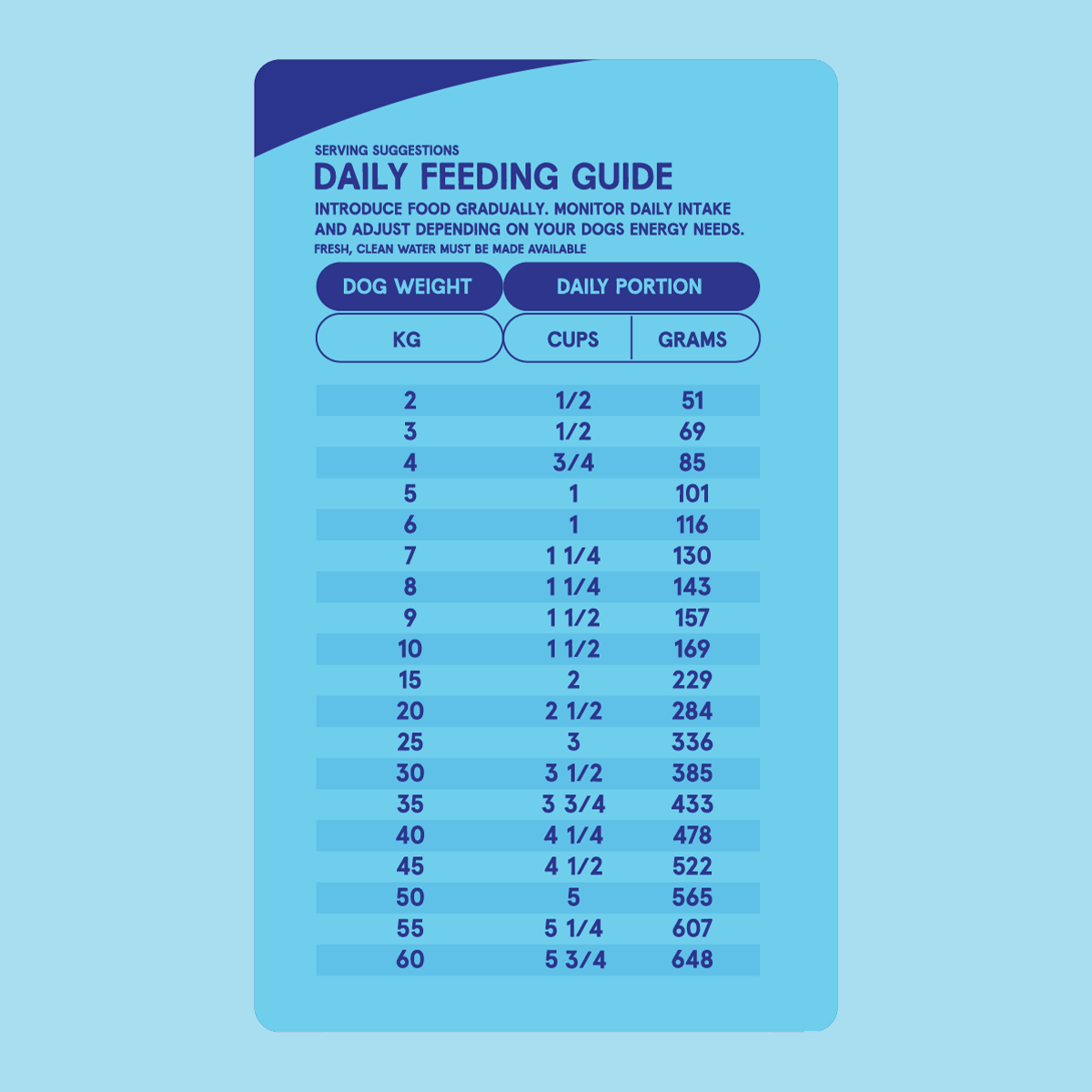
Measure every meal with a kitchen scale. Bassets are experts at looking underfed regardless of how much they've eaten. Don't rely on their expression or enthusiasm as a guide to whether they need more.
Feed twice daily. Controlled twice-daily feeding is better than free-feeding, which a Basset will take full advantage of. It also reduces begging behaviour between meals.
Secure the environment. Bassets are low-slung but resourceful. Bins, low counters, and anything left at dog height are fair game for a Basset who's decided they're hungry. Bin locks and cleared counters aren't optional with this breed — they're part of weight management.
Treats need to be counted. Bassets respond well to food rewards, and treats can easily become a significant part of their daily intake without owners noticing. Use small pieces, low-calorie options, or their regular kibble as training rewards. Set a household treat budget and stick to it.
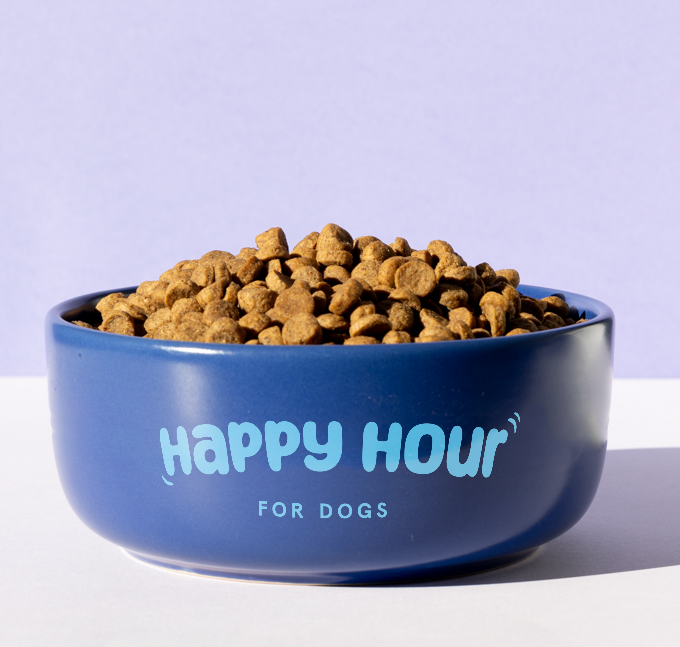
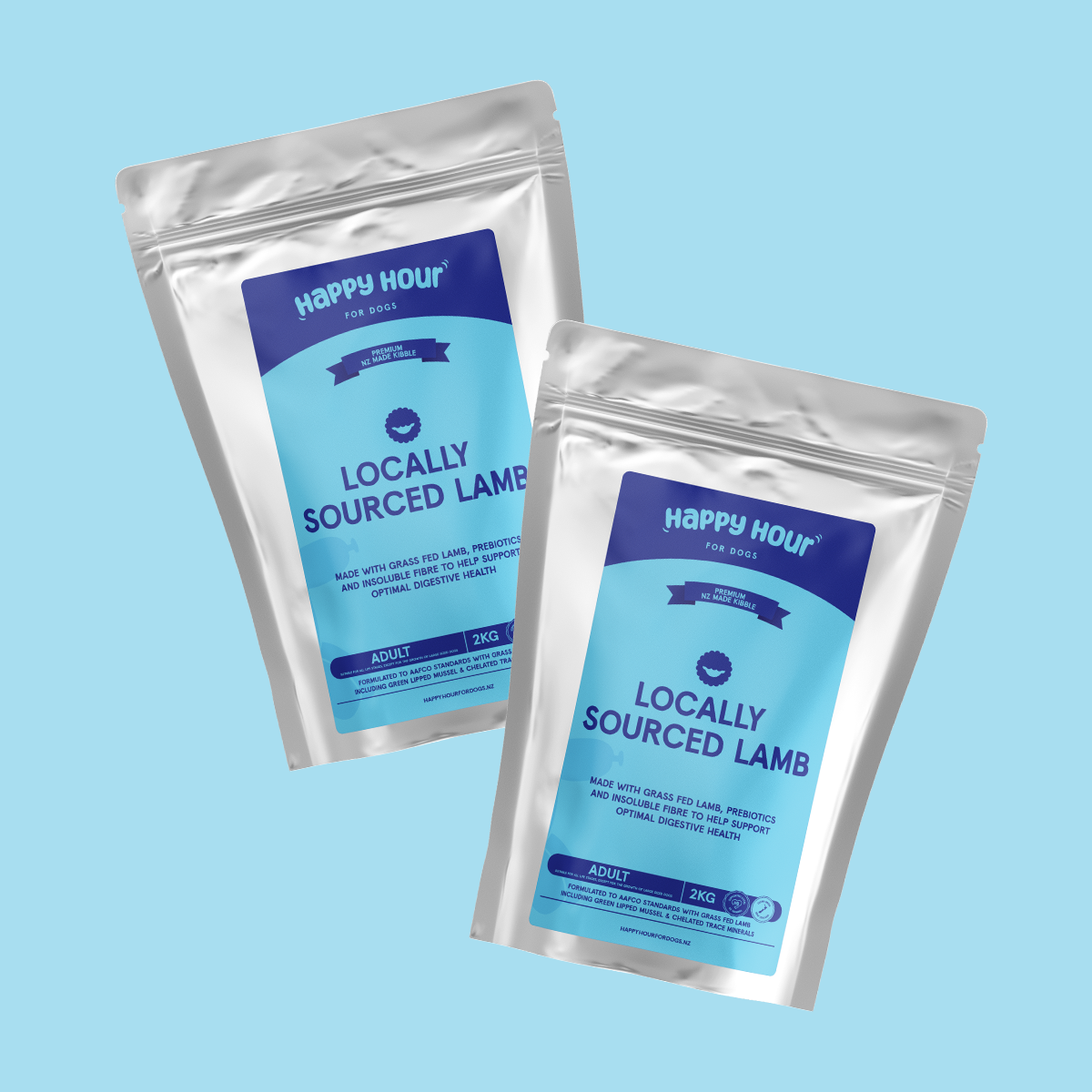
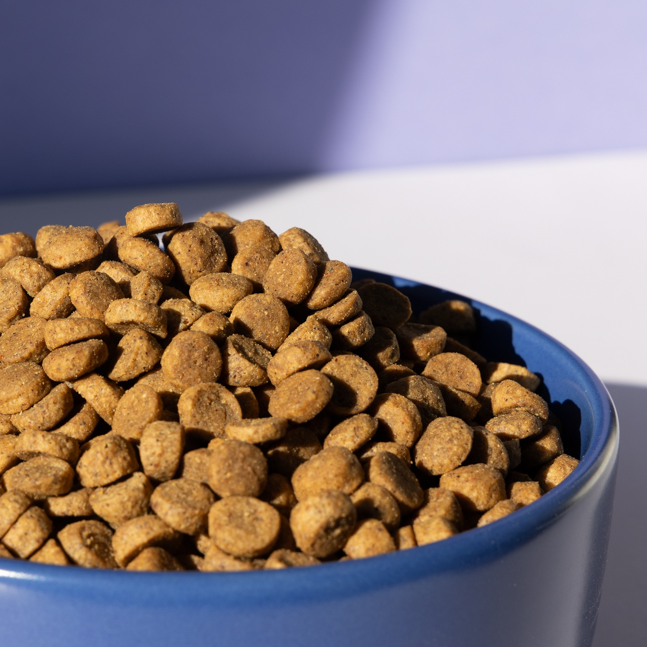
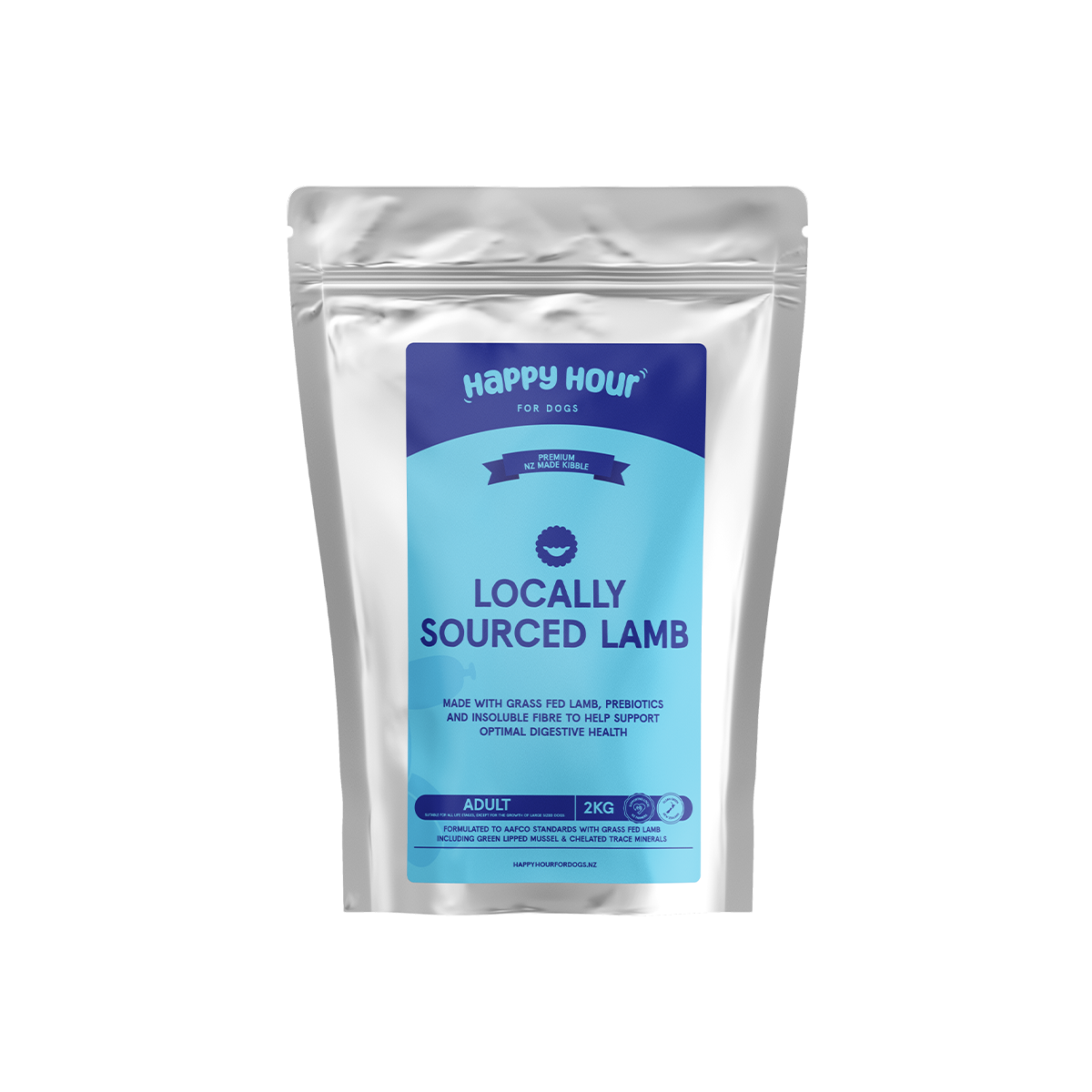
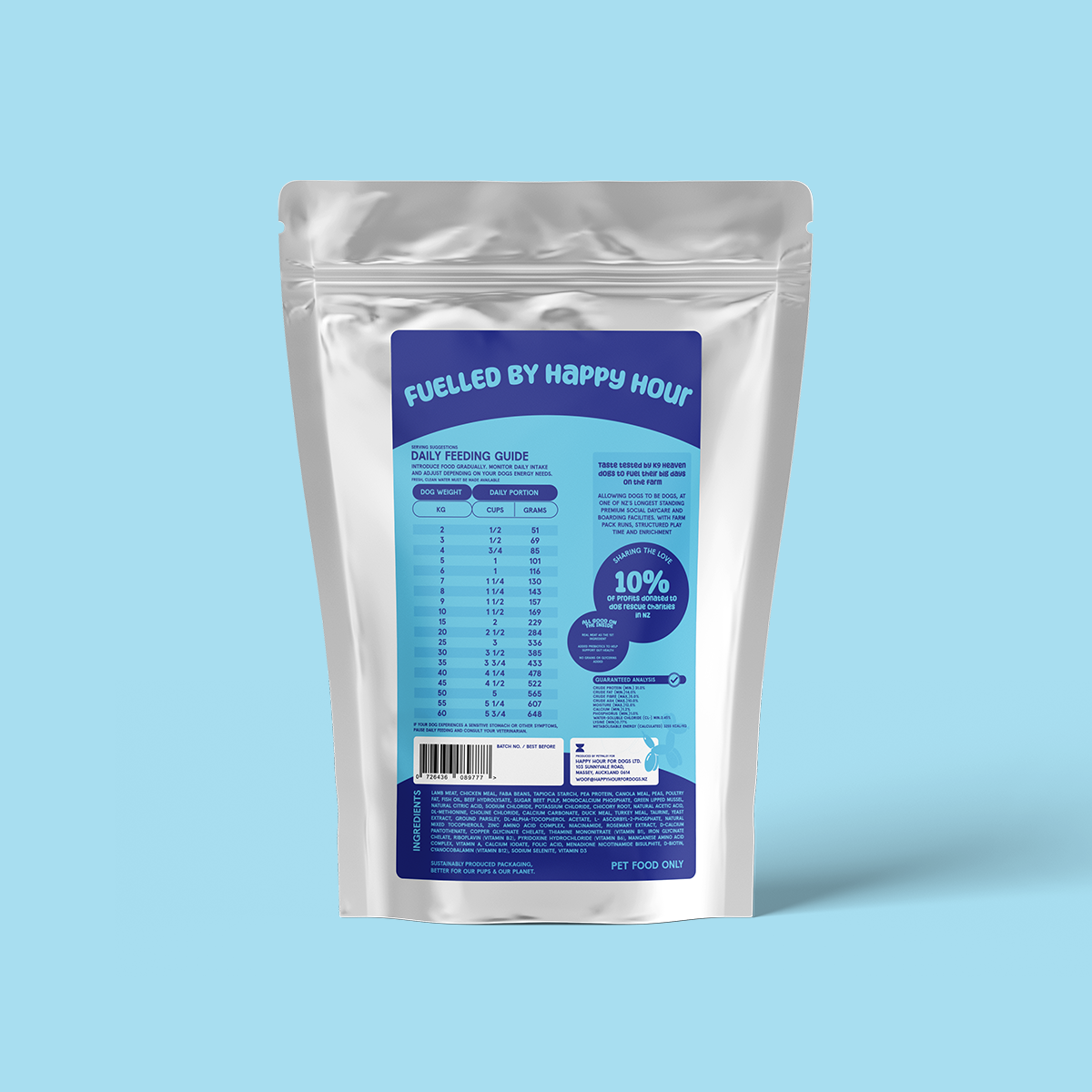
A food with high fibre content is particularly useful for Bassets. Fibre helps them feel fuller on a measured portion, which makes managing their constant interest in food a bit easier. Happy Hour is a NZ-made grain-free lamb kibble with real dietary fibre and no grain fillers padding out the calorie count. For a breed that needs to stay lean on a managed portion, the quality and fibre content of the food makes a real difference. Find it at happyhourfordogs.nz.
Exercise Tips for Basset Hounds
Bassets need regular daily exercise, but they're not built for intensity. Their short legs, heavy body, and long back make high-impact activity hard on their joints. And frankly, many Bassets will resist anything that resembles genuine effort unless you make it interesting.
Good exercise for Bassets:
- Steady walks: 30-45 minutes daily, ideally in two sessions. Keep the pace manageable — a fast walk for you is often a trot for a short-legged dog.
- Sniff walks: Letting your Basset follow their nose at their own pace is mentally enriching and physically active without being high-impact. It's the kind of exercise a Basset will actually enjoy.
- Gentle off-leash time in a safe area: Moving at their own pace around a yard or dog park counts.
What to avoid:
- Running, jogging, or extended high-intensity exercise
- Repetitive jumping or stair climbing
- Exercise in hot conditions — Bassets aren't great in heat
One walk won't cut it for long-term weight management, but Bassets often resist being pushed. Using their nose as motivation (hiding food for them to find, scent games) can get more movement out of a reluctant Basset than a traditional walk.
Exercise is important but won't replace dietary management in a low-energy breed. Diet is the bigger lever.
What to Look for in Dog Food for Basset Hounds
For Bassets, choose a food that:
- Has high dietary fibre — helps them feel fuller between meals
- Uses quality animal protein as the primary ingredient — supports muscle maintenance without excess calories
- Is lower in fat — calorie density matters in a breed prone to weight gain
- Has no grain fillers — corn, wheat, and soy add empty calories
- Is appropriate for a medium-large breed — kibble size and calorie content should match their actual needs, not their appetite
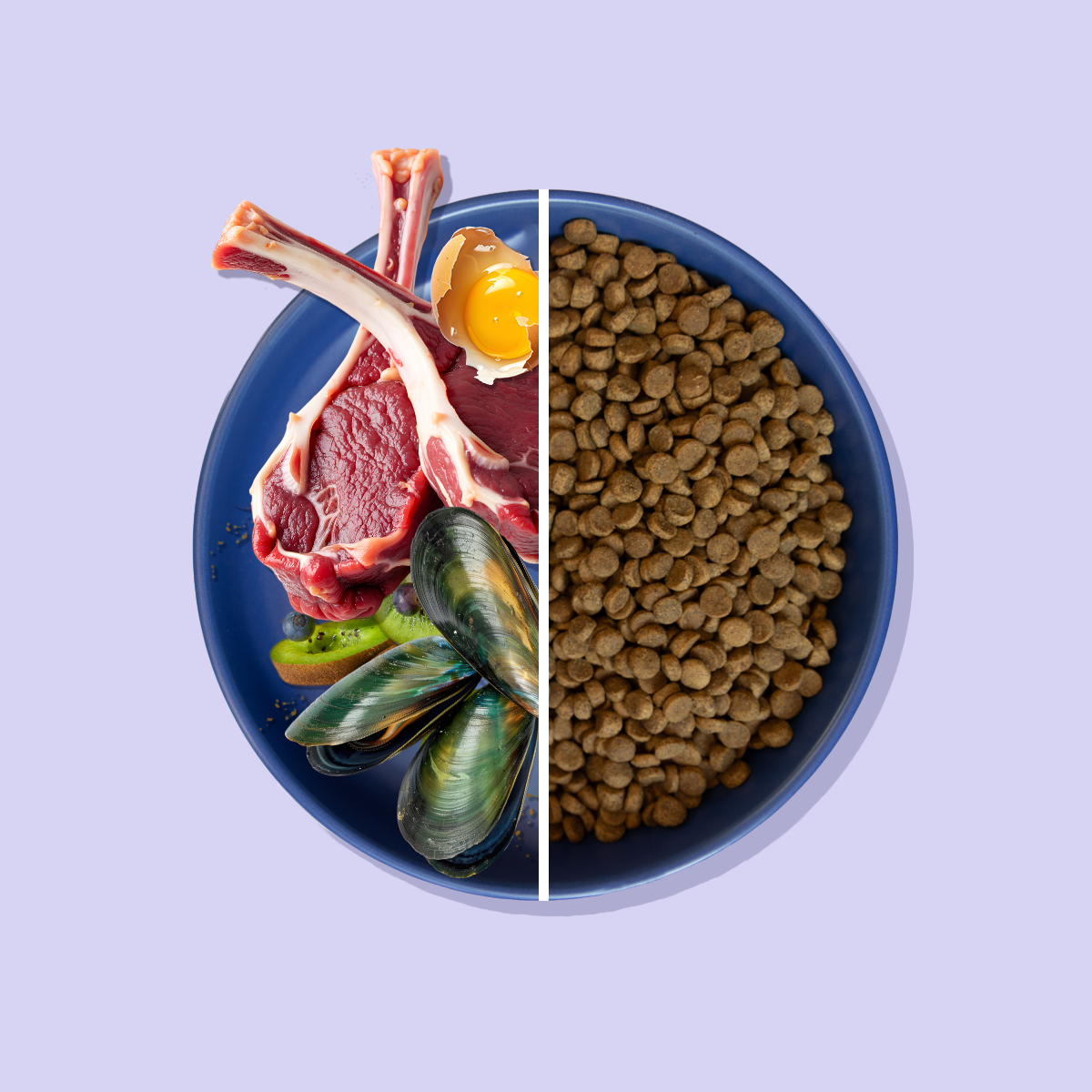
Happy Hour's grain-free lamb kibble is made from NZ-sourced lamb with real fibre, prebiotics, and green-lipped mussel. The green-lipped mussel component is worth noting for Bassets specifically — it provides omega-3 fatty acids that support joint health, which matters in a breed prone to joint stress from both their body structure and any excess weight they carry.
For a broader overview of weight-prone breeds, see our dog breeds prone to weight gain guide.