If you have a Labrador, you already know: this dog will eat anything. Shoes, the rubbish, dinner off the bench - and absolutely every piece of dry food in the bowl the moment you put it down. Labs are famously food-motivated, and while that makes them easy to train, it also makes them easy to overfeed.
Key Takeaways
- Why Labradors Have Unique Nutritional Needs
- What to Look For in Lab Food
- What to Avoid
- Grain-Free vs Grain-Inclusive for Labs
- How Much to Feed a Labrador
Combined with a genetic tendency toward weight gain, joint problems, and occasionally sensitive stomachs, Labs have nutritional needs that not all dog foods address well. Here's what to actually look for.
Why Labradors Have Unique Nutritional Needs
Labradors are the most popular dog breed in New Zealand, and for good reason. They're loyal, intelligent, and endlessly enthusiastic. But that enthusiasm extends to food in a way that creates real health risks.
Weight gain is built into their genetics. Research has found that a significant proportion of Labradors carry a mutation in the POMC gene - the gene responsible for regulating appetite and the feeling of fullness. Dogs with this mutation don't get the normal 'I'm full' signal, which is why Labs seem perpetually hungry even when they've had enough. This isn't bad behaviour - it's biology.
Joint problems are common. Hip dysplasia and elbow dysplasia are both more prevalent in Labs than in many other breeds. Excess weight dramatically accelerates joint deterioration, and poor joint support in the diet compounds the problem. Joint health needs to be factored into food choices from early on, not just when problems develop.
Sensitive stomachs occur more than you'd think. Not all Labs, but a meaningful number struggle with digestive sensitivity - loose stools, gas, or vomiting when their food changes or contains hard-to-digest ingredients. Digestibility matters.
Labs tend to be active but variable. A working or sporting Lab has very different calorie needs from a middle-aged companion dog. Their food needs to be adjustable - not so calorie-dense that a less active Lab balloons out.
What to Look For in Lab Food
Controlled calorie density
Labs need food that satisfies without packing in excess energy. High-fat kibbles designed for working breeds or performance dogs are the wrong choice for most pet Labs. Look for moderate fat content - generally under 14% on dry matter basis - that supports lean body condition without excess calorie loading.
Quality, named protein
Protein is the most important macronutrient for muscle maintenance and satiety. But not all protein is equal. 'Meat meal' from unnamed sources, or 'animal by-products,' tell you nothing about the actual quality of the protein. Named proteins - chicken, lamb, venison, beef - tell you what your dog is actually eating and indicate a higher standard of sourcing.
Labs benefit from protein that's highly digestible. Well-sourced animal protein that's properly processed is absorbed more efficiently, meaning less undigested waste (which means firmer stools - always a good sign).
Joint support: omega-3s and green-lipped mussel
This is where New Zealand has a genuine advantage. Green-lipped mussel (Perna canaliculus) is native to New Zealand waters and contains a specific combination of omega-3 fatty acids - including ETA, a type rarely found in other sources - that research shows can reduce joint inflammation and support cartilage health.
For Labradors, this matters. Getting green-lipped mussel into the diet early supports joint health before problems develop, and can help slow deterioration in Labs that already have issues. Omega-3s from fish oil are also beneficial, though green-lipped mussel is the premium local option.
Digestibility and quality fibre
Good digestibility means the protein and nutrients in the food are actually absorbed, rather than passing through as waste. Low-quality foods often use cheap protein sources and fillers that dogs struggle to process well. Digestibility shows up clearly in stool quality: well-digested food produces small, firm stools. Poor digestibility produces the opposite.
Fibre from quality sources (sweet potato, flaxseed, vegetables) also supports gut health and steady digestion. For Labs prone to loose stools or sensitive stomachs, this is particularly relevant.
What to Avoid
High-fat formulas
Foods designed for highly active or working dogs often have fat content of 16-20%+. For a pet Labrador that gets moderate exercise, this is surplus energy that goes straight to weight gain. Check the guaranteed analysis on the bag.
Cheap fillers as primary ingredients
Corn, wheat, and soy as the first or second ingredient are red flags. These are cheap calorie sources that don't contribute meaningfully to a dog's nutritional needs. They can also contribute to food sensitivities in dogs with reactive digestive systems.
Unnamed protein sources
'Meat meal,' 'animal protein,' 'poultry by-products' without species identified should give you pause. You don't know what's in it, and quality is impossible to assess.
Free feeding
This is a management point rather than a food ingredient issue, but it's worth stating clearly: don't leave food out all day for a Labrador. Labs will eat until it's gone - and then eat again. Measured meals, twice a day, with a consistent amount is the only reliable way to manage their intake.
Grain-Free vs Grain-Inclusive for Labs
There was significant concern in 2018-2019 about a potential link between grain-free diets and dilated cardiomyopathy (DCM) in dogs. The research is still ongoing and the picture is nuanced - the issue appears to be connected to diets heavily reliant on legumes (peas, lentils, chickpeas) as primary ingredients, rather than grain-free status per se.
The key question is what's replacing the grain in a grain-free food. If the answer is quality animal protein and vegetables, the nutritional profile is strong. If the answer is primarily legumes, it warrants more scrutiny.
For Labs specifically, there's no strong evidence that grain-inclusive is superior to grain-free when the food is otherwise well-formulated. Quality of ingredients and overall nutrient balance matter far more than whether the food contains grain.
How Much to Feed a Labrador
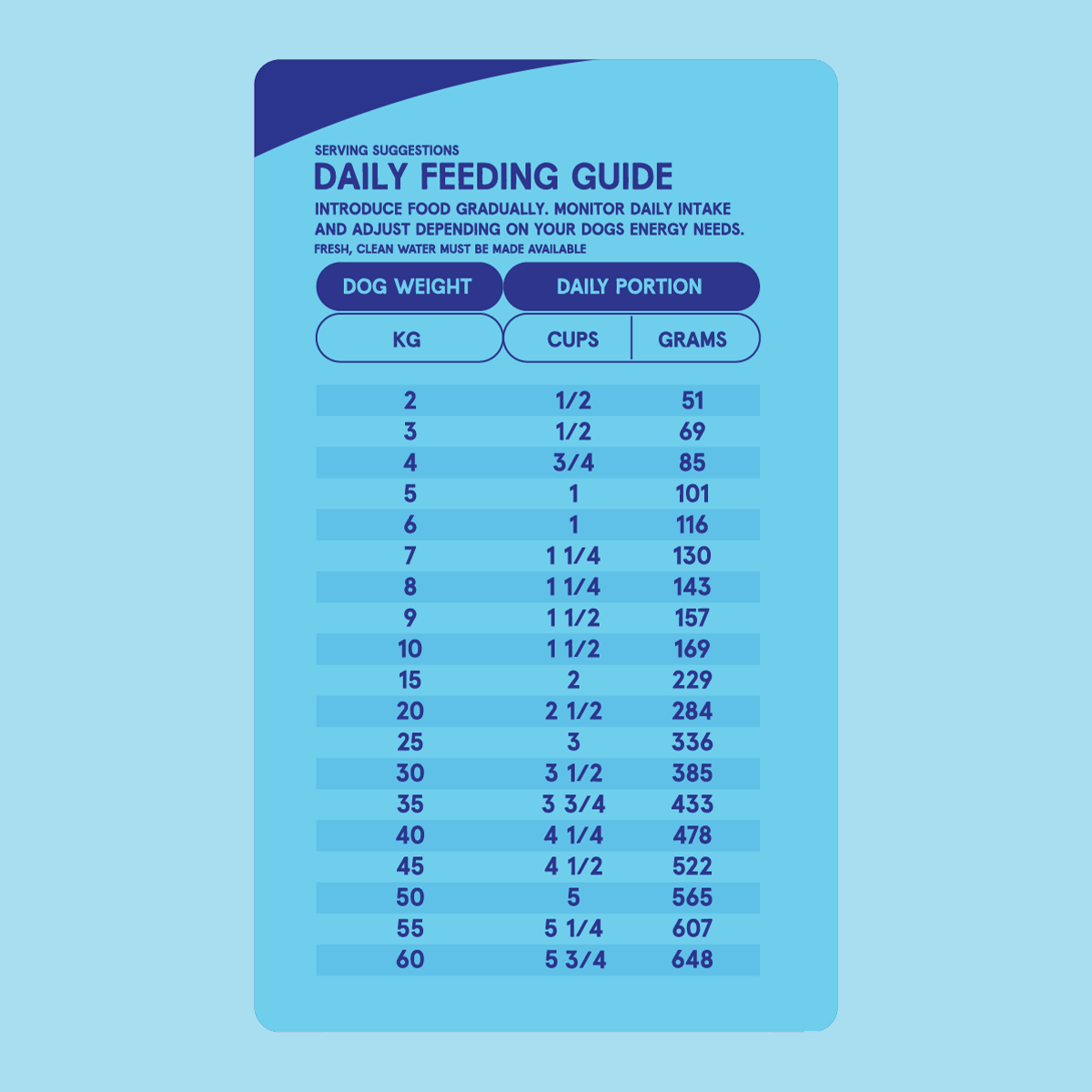
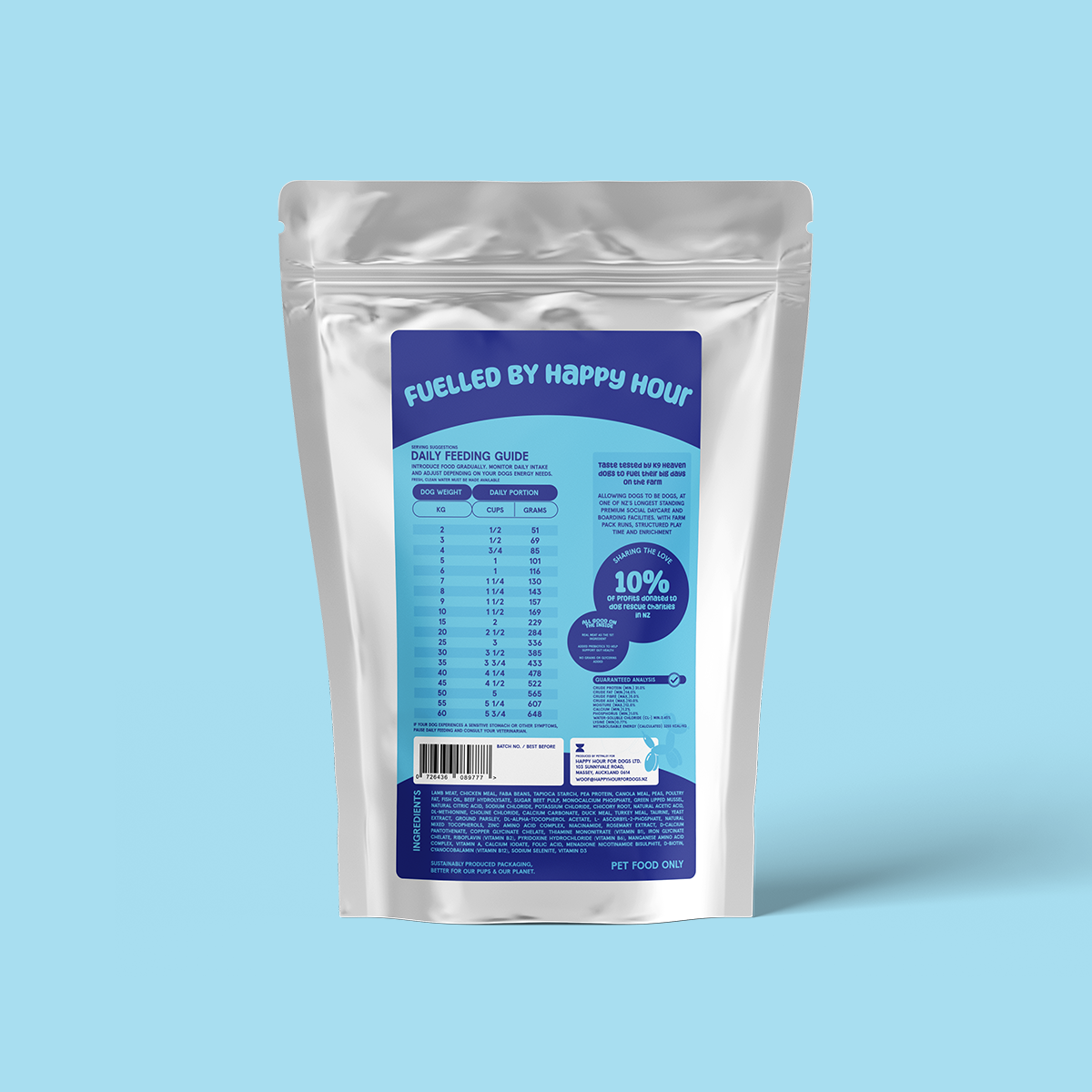
The feeding guide on the bag is a starting point, not a prescription. Labs typically need less than the stated amount, because the guides are often calibrated for more active dogs. Start at the lower end of the recommended range and adjust based on body condition.
You should be able to feel your Lab's ribs with light pressure but not see them. If the ribs are buried under fat, reduce the portion. If you can see them prominently, increase it. It sounds obvious, but many Lab owners have been told by well-meaning vets that their 'overweight' dog is actually just big-boned - there's a difference.
Our Recommendation: Happy Hour
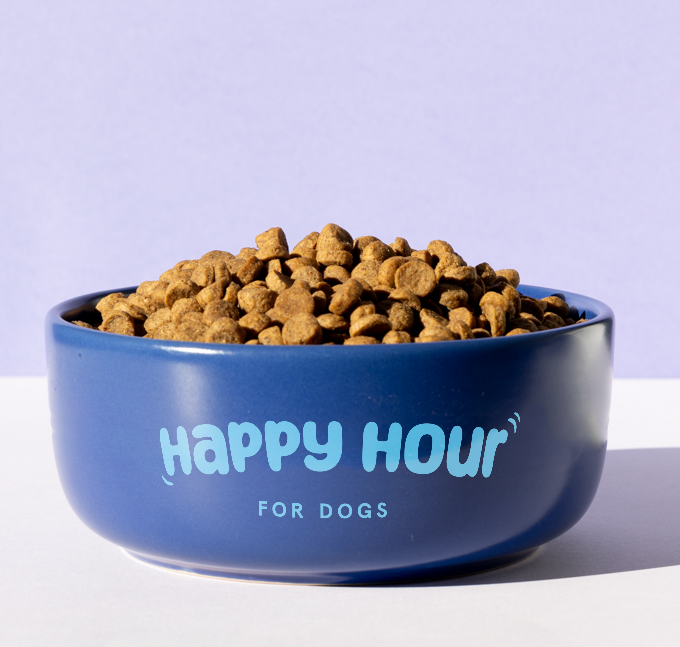
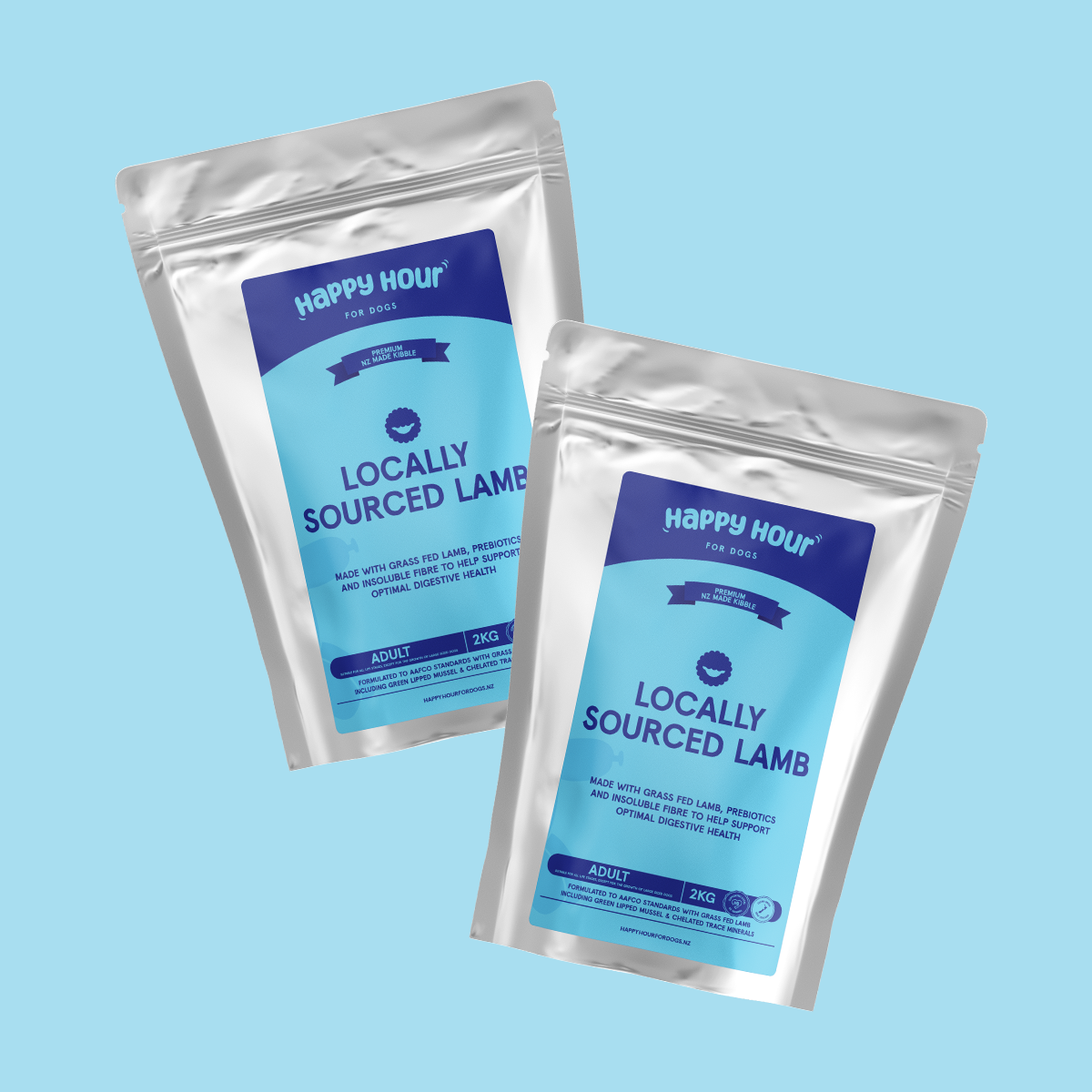
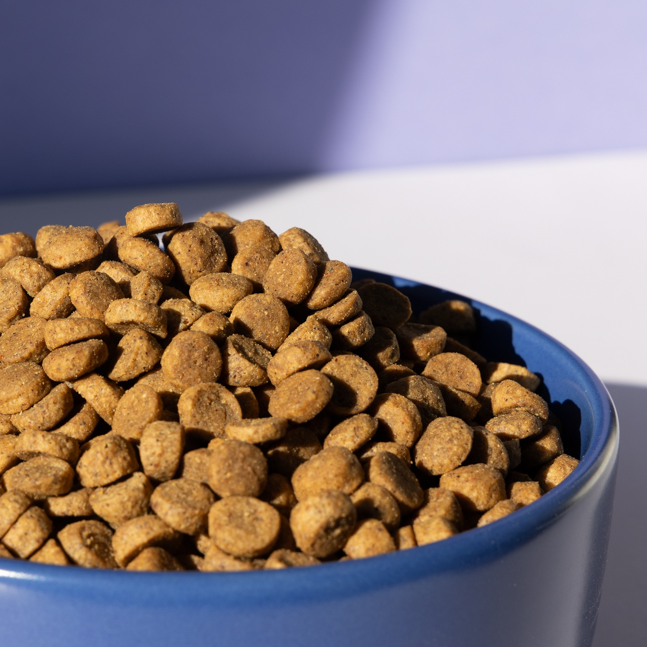
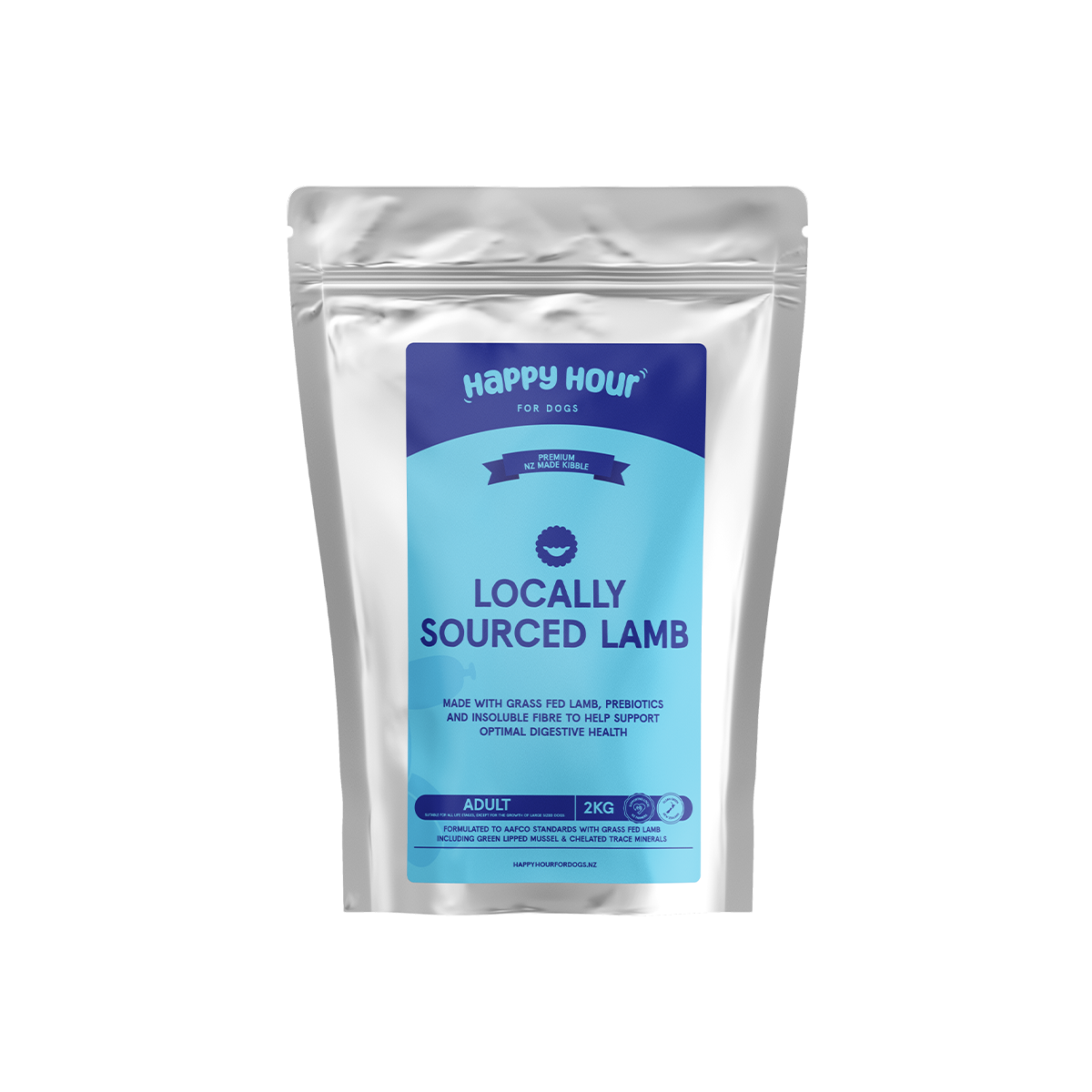
Happy Hour is a New Zealand-made, grain-free formula that ticks the criteria above in a way that makes it a strong fit for Labradors.
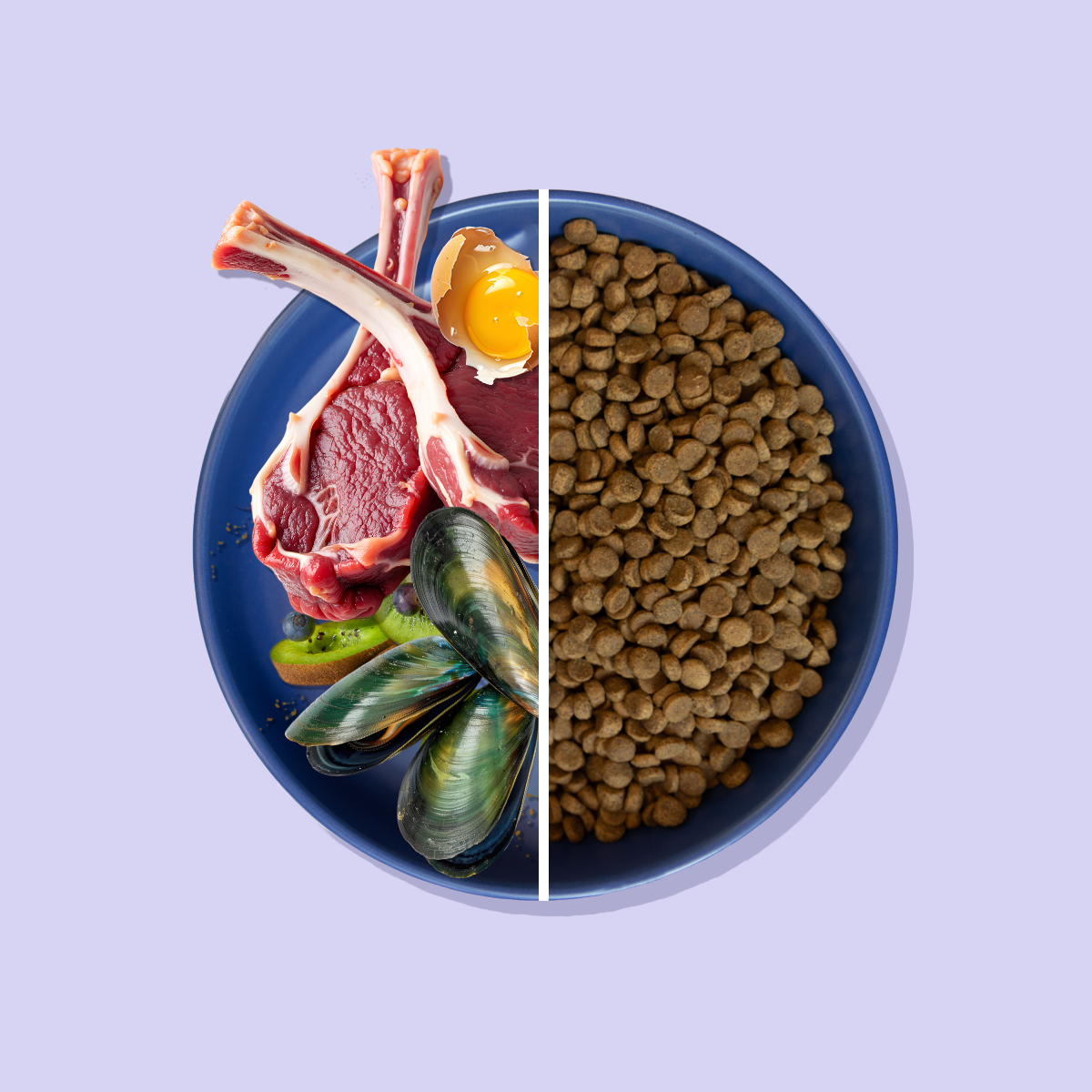
It's built around named, high-quality proteins - no unnamed meal or by-products. Fat content is controlled for lean condition rather than maximum energy density. The formula includes New Zealand green-lipped mussel, which provides natural joint support particularly relevant for a breed prone to hip and elbow issues. And the protein sources are highly digestible, which translates to the firm, consistent stools that indicate good gut health.
For a breed that needs quality protein, controlled calories, genuine joint support, and high digestibility, Happy Hour covers the ground. Labs that have moved to it tend to maintain better body condition and owners notice firmer stools within weeks.