NZ Grass-Fed Lamb: Why It Makes Better Dog Food
New Zealand raises some of the best lamb in the world. The combination of clean pasture, mild climate, and a farming culture built on grass-based agriculture means NZ lamb is genuinely different from grain-fed equivalents. When that shows up as a core protein in your dog's food, it matters. Here's why.
- NZ grass-fed lamb has a more balanced omega-6 to omega-3 ratio (around 2:1 to 4:1) than grain-fed meat, helping offset the omega-6-heavy diets most dogs already eat.
- Because almost all NZ lambs spend their lives on open pasture, grass-fed lamb here is the farming default rather than a premium marketing add-on, giving the protein genuine quality provenance.
- Lamb is a true novel protein for many dogs, making it a practical way to break the cycle of chicken sensitivities that show up as itchiness, ear infections, or digestive upset.
- Lamb delivers complete nutrition for dogs: essential amino acids, B12 and niacin, iron, zinc, and phosphorus, and it pairs well with chicken for broader amino acid coverage.
- NZ lamb is raised without routine growth promotants and reserves antibiotics for treating illness, unlike the feedlot systems common in some other countries.
Grass-Fed vs. Grain-Fed: What's the Difference?
The diet of an animal directly affects the composition of its meat. Grass-fed animals, those spending their lives on pasture eating grass, produce meat with a different nutrient profile from grain-fed animals that spend significant time in feedlots eating corn and grain-based concentrates.
The key differences in lamb:
- Omega-3 to omega-6 ratio: grass-fed lamb has a more balanced ratio, typically 2:1 to 4:1 omega-6 to omega-3, compared to ratios as high as 10:1 in grain-fed meat. Dogs eating a diet already skewed toward omega-6 benefit from the better-balanced fat profile
- CLA (conjugated linoleic acid): grass-fed lamb is higher in CLA, a fatty acid with links to anti-inflammatory and cancer-protective properties in research studies
- Vitamin E and beta-carotene: higher in grass-fed animals due to the natural antioxidants present in fresh grass
- Overall fat content: slightly lower in grass-fed animals, which can benefit dogs prone to weight gain or pancreatitis
Why NZ Lamb Is a Premium Standard
New Zealand's lamb is internationally regarded as some of the finest in the world, and that reputation is earned. NZ farming practices are heavily pasture-based by default. The country's climate and land availability mean that most NZ lambs spend their entire lives on open pasture.
This isn't a marketing claim unique to NZ pet food companies. It's the foundation of NZ's entire lamb export industry, which serves high-end markets in Europe, North America, and Asia that specifically pay premium prices for pasture-raised NZ lamb.
When a dog food uses NZ grass-fed lamb, it's drawing on a protein source with genuine quality provenance, not a commodity ingredient sourced from the cheapest available supplier.
Lamb as a Novel Protein
Beyond the nutritional profile of grass-fed lamb specifically, lamb is a valuable protein option for dogs with food sensitivities or allergies.
Chicken is the most common protein in commercial dog food, which means dogs are frequently sensitised to it over time. For dogs that have developed a chicken allergy or sensitivity, showing symptoms like itchiness, digestive upset, or ear infections that improve when chicken is removed, lamb is a genuinely different protein that can break the cycle.
A protein a dog has never been exposed to, or has rarely been exposed to, is called a novel protein. It's the basis of elimination diet protocols for diagnosing food allergies. Lamb is one of the more commonly available novel proteins in NZ, and its prevalence in NZ farming makes it a practical and affordable option here compared to more exotic proteins like venison or kangaroo.
What Lamb Provides Nutritionally
Lamb is a nutritionally complete protein source for dogs:
- High in essential amino acids for muscle, organ, and tissue maintenance
- Good source of B vitamins, particularly B12 and niacin
- Iron for oxygen transport in blood
- Zinc for immune function and skin health
- Phosphorus for bone health
The combination of cage-free chicken and NZ grass-fed lamb, as used in Happy Hour For Dogs, provides complementary amino acid profiles. Two quality protein sources bring slightly different amino acid balances, which is better for overall nutritional coverage than a single protein source alone.
Antibiotic and Hormone Considerations
NZ farming practices differ from many other countries in the use of antibiotics and growth hormones. NZ uses antibiotics for therapeutic purposes (treating illness) rather than as routine growth promotants, which is a common practice in some countries' feedlot systems.
Growth hormones are not used in NZ sheep farming. For dog owners concerned about the long-term implications of regular hormone or antibiotic exposure through diet, this is a meaningful distinction.
Palatability: Dogs Love Lamb
Lamb fat contributes significantly to the flavour and aroma of dog food. Dogs are attracted to the scent, and the flavour profile of quality lamb tends to appeal to dogs that are reluctant eaters on chicken-based foods.
This matters practically. A food your dog actively enjoys eating supports consistent intake, good body weight, and a positive feeding routine. Fussy eaters often respond well to lamb when they've become indifferent to chicken.
A NZ Story Worth Telling
There's a NZ-pride angle to this that isn't just marketing. NZ genuinely does produce exceptional lamb. The farming practices, the land, and the care that goes into the industry are all real. When that feeds into a NZ-made dog food, the supply chain is short, the provenance is clear, and the quality is traceable.
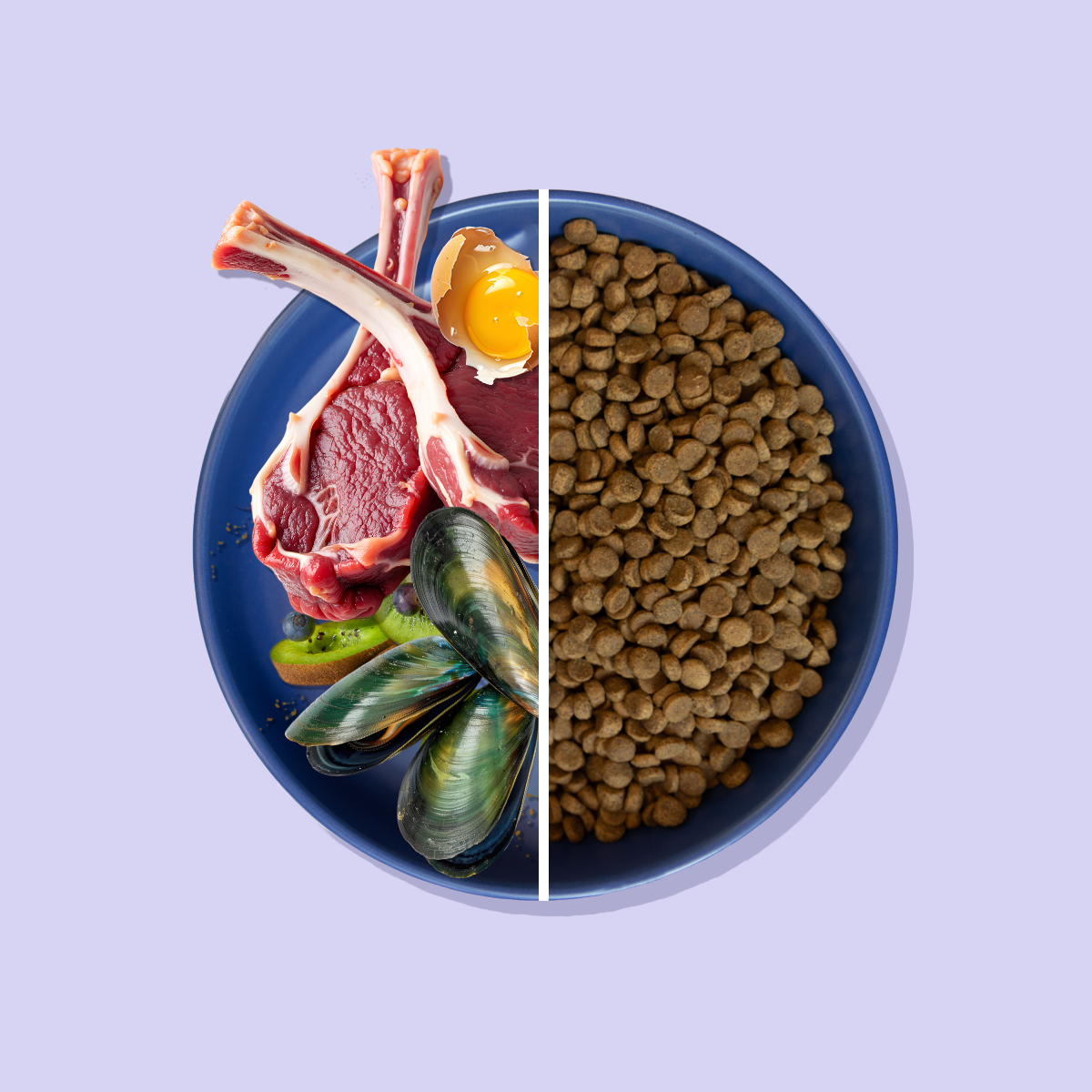
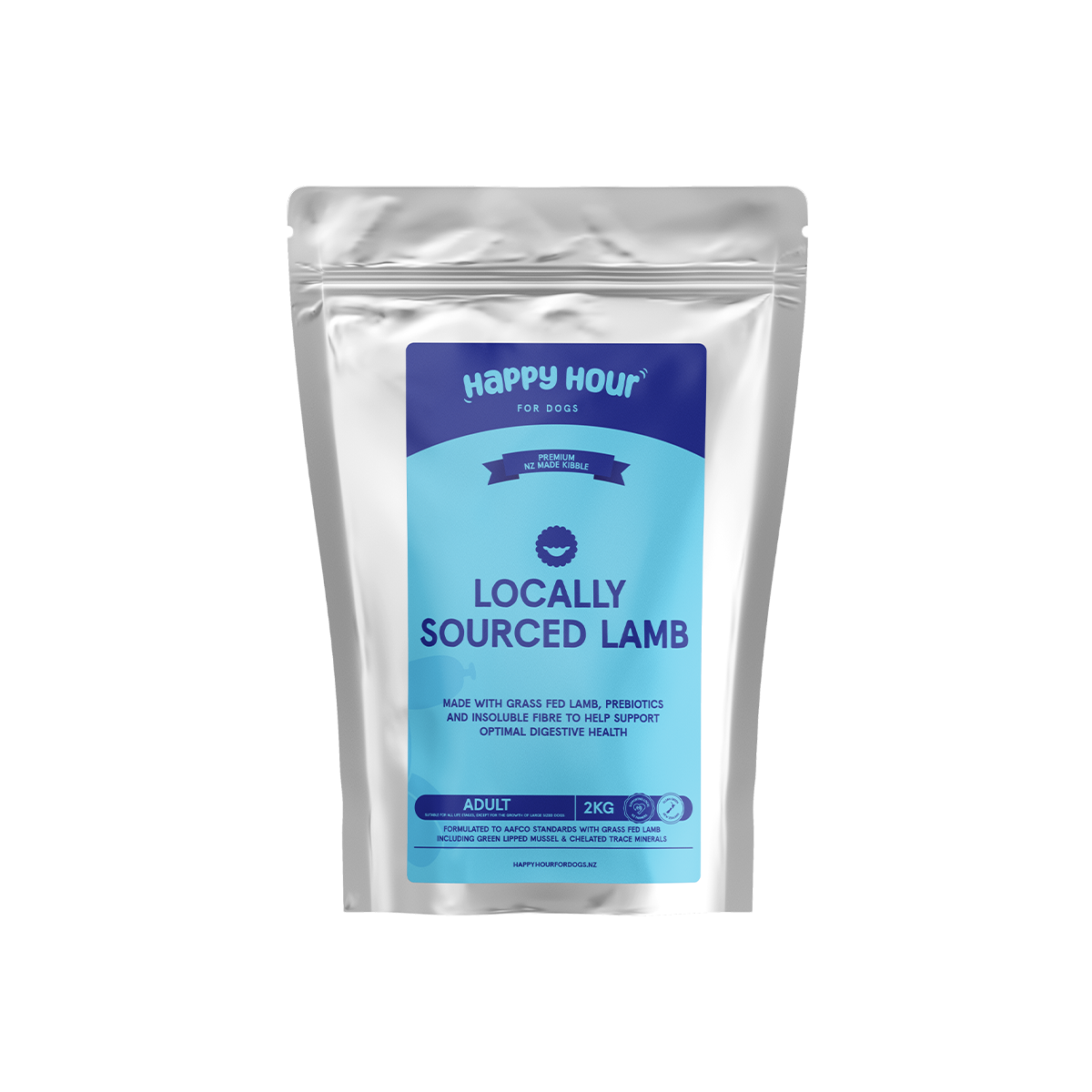
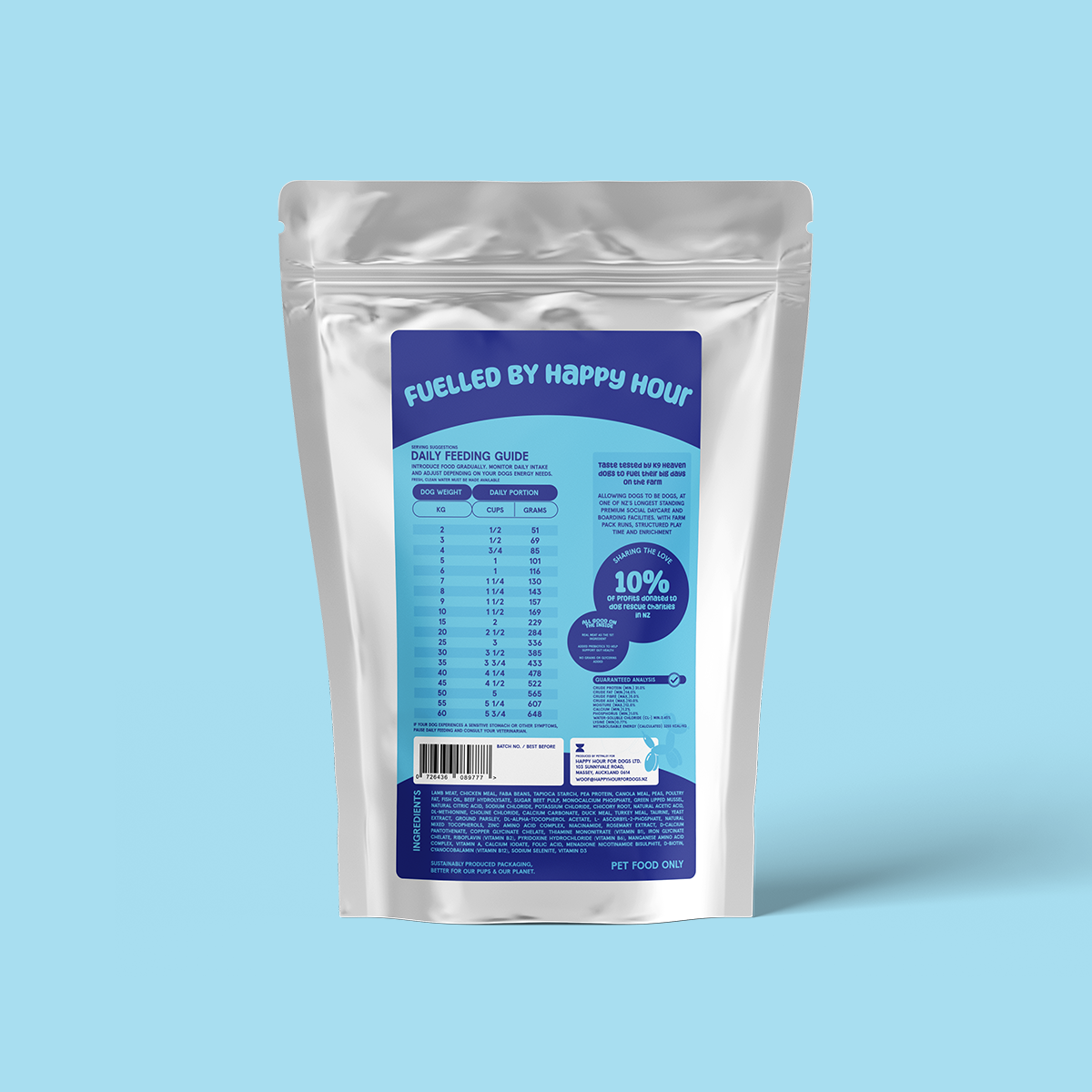
Happy Hour For Dogs uses NZ grass-fed lamb alongside cage-free chicken and green-lipped mussels. Three ingredients with genuine NZ provenance at the core of the formulation. That's not accidental.
For more on why NZ sourcing matters in dog food, see our article on Dog Food Made in New Zealand. And if you're dealing with a dog that has food sensitivities or itchiness, the Best Dog Food for Itchy Dogs NZ guide covers the allergy angle in more detail.
Quality Protein, NZ Made
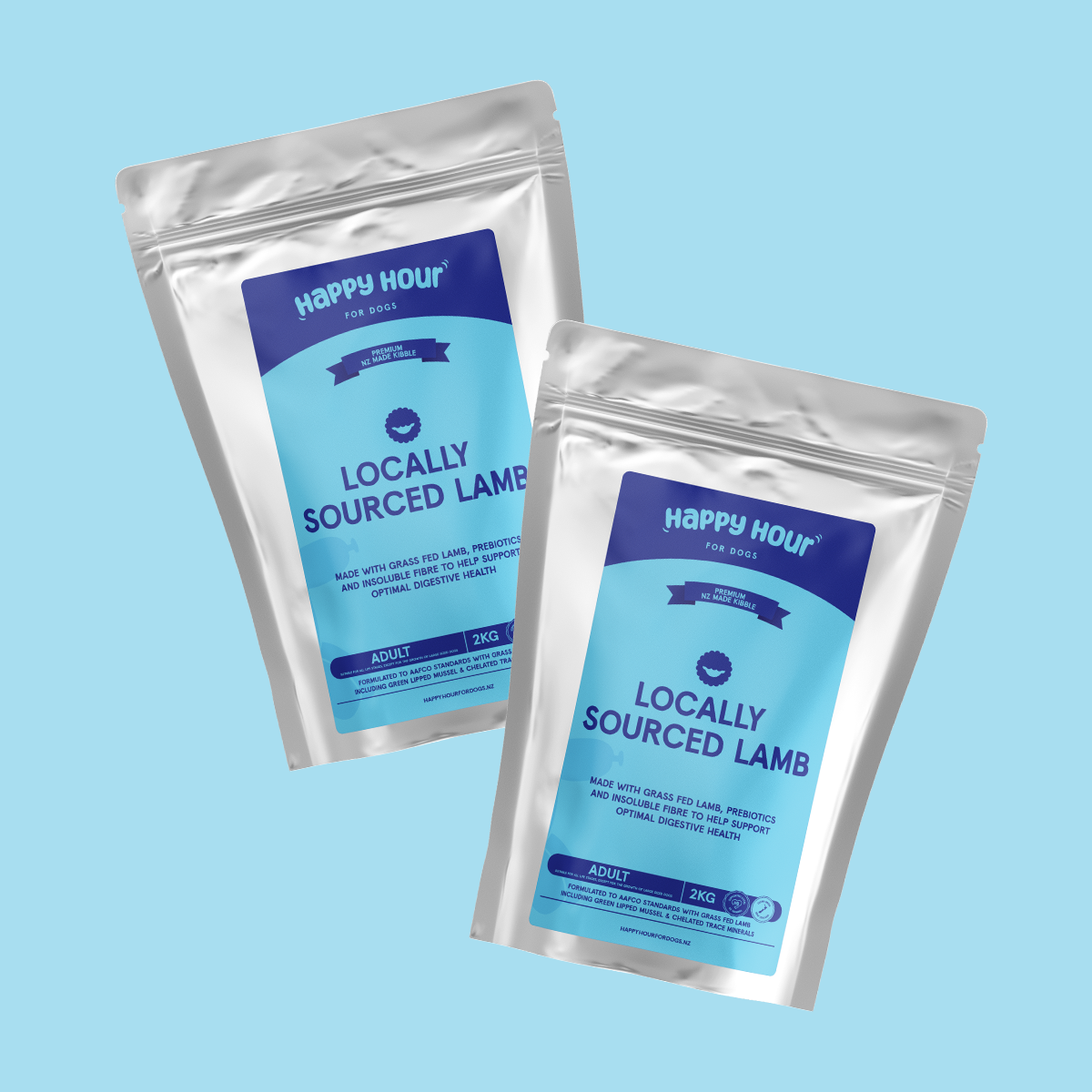
Happy Hour For Dogs uses NZ grass-fed lamb as a core protein alongside cage-free chicken and green-lipped mussels. Made in New Zealand, formulated for real results. Try it with a 30-day money-back guarantee at happyhourfordogs.nz.