Best Dog Food for German Shepherds NZ
German Shepherds are one of NZ's most popular and beloved breeds. They're intelligent, loyal, and athletic. They're also a breed with a specific set of health vulnerabilities that make food quality matter more than it does for the average dog. Getting a GSD's diet right supports their joints, digestive system, coat, and long-term cardiac health. Here's what you need to know.
- German Shepherds carry breed-specific risks (hip and elbow dysplasia, bloat, sensitive digestion, and EPI) that make food quality matter far more than it does for the average dog.
- Hip dysplasia affects an estimated 20-40% of GSDs, so a food with marine omega-3 (EPA and DHA) and NZ green-lipped mussels delivers genuine anti-inflammatory joint support at every meal, not just when symptoms flare.
- As a deep-chested breed, GSDs are high-risk for bloat: feed two smaller meals a day, use a slow feeder for fast eaters, and avoid vigorous exercise for 60-90 minutes after eating.
- Sensitive digestion is one of the most common GSD complaints, and highly digestible whole named-meat proteins plus prebiotics reduce the digestive load far better than grain proteins and by-products.
- Diet cannot prevent genetic conditions, but the right food meaningfully supports a German Shepherd's joints, gut, coat, and long-term health in resisting and managing them.
The German Shepherd's Health Profile
Before talking about food, it helps to understand what German Shepherds are prone to. This isn't a breed that does fine on just anything.
Common health issues in GSDs:
- Hip and elbow dysplasia: a structural joint issue affecting a significant percentage of the breed
- Degenerative myelopathy: a progressive spinal cord disease more common in GSDs than most other breeds
- Bloat (gastric dilatation-volvulus): a life-threatening emergency that deep-chested breeds are disproportionately prone to
- Sensitive digestion and IBD-type symptoms: very common in the breed
- Exocrine pancreatic insufficiency (EPI): occurs in some GSD lines and significantly affects nutrient absorption
- Skin and coat issues: hot spots, allergies, and seasonal skin reactions
Diet won't prevent genetic conditions, but it can meaningfully support your GSD's body in managing and resisting them.
Joint Support Is Non-Negotiable
Hip dysplasia affects an estimated 20-40% of German Shepherds in some form. It's a developmental condition where the hip joint doesn't form correctly, leading to instability, inflammation, and arthritis over time. Diet can't fix the structural issue, but it can significantly affect how much pain and inflammation a GSD experiences.
Key nutrients for joint health in GSDs:
- Omega-3 fatty acids (EPA and DHA from marine sources): directly anti-inflammatory, reducing the inflammatory processes that accelerate joint degeneration
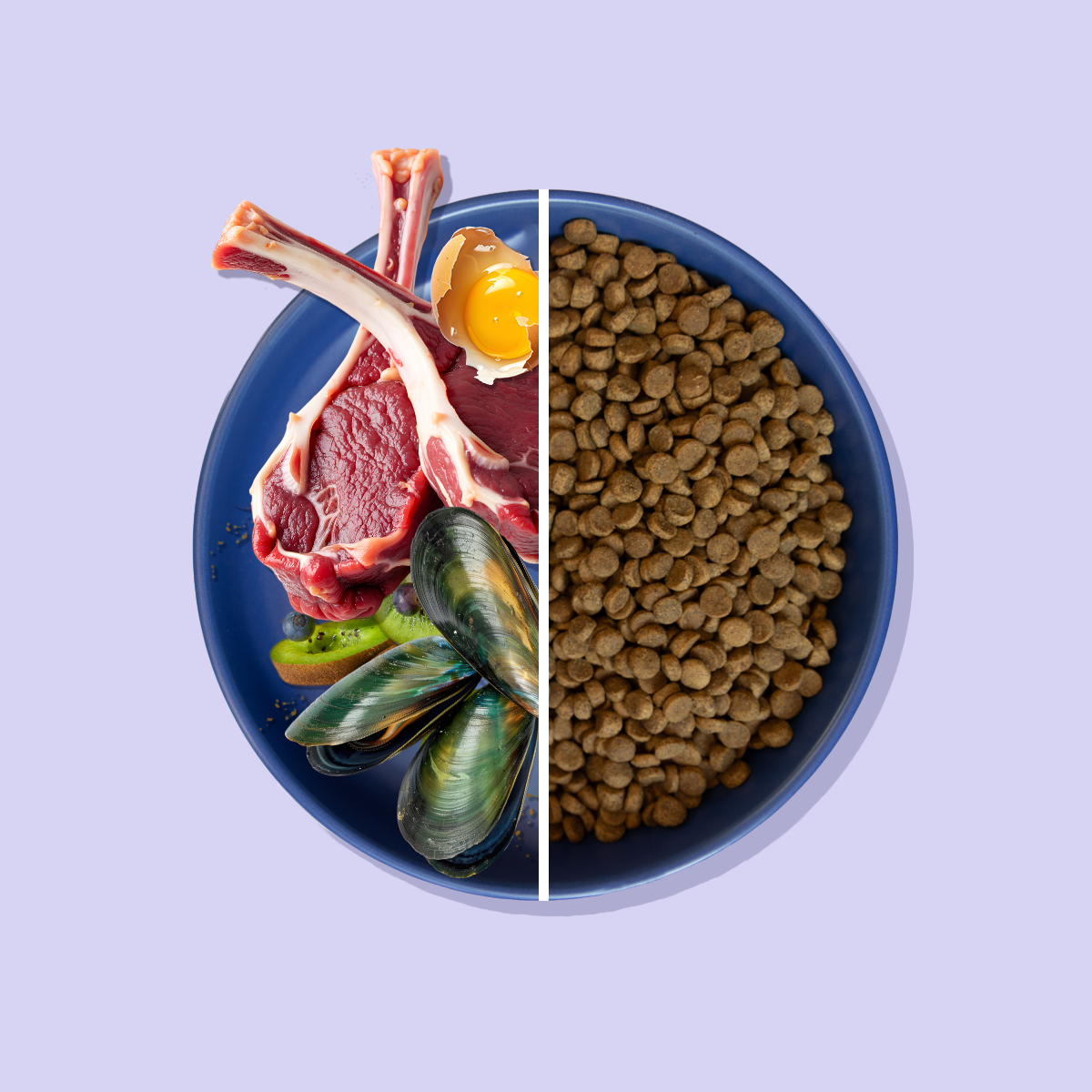
- Green-lipped mussels: contain a unique omega-3 (ETA) and other compounds specifically shown to benefit joint function in dogs. As a NZ-native ingredient they're also particularly fresh and traceable
- Glucosamine and chondroitin: precursors to cartilage and synovial fluid production, supporting the structural components of joints
For a German Shepherd, a food that includes marine-based omega-3 and specifically green-lipped mussels is delivering meaningful joint support with every meal, not just when symptoms flare. For more detail, see our articles on Omega-3 for Dogs NZ and Dog Joint Health and Diet NZ.
Managing the Bloat Risk
Gastric dilatation-volvulus (GDV), commonly called bloat, is a life-threatening emergency where the stomach fills with gas and twists on itself. Deep-chested breeds like German Shepherds are among the most commonly affected.
Diet-related factors that influence bloat risk:
- Eating speed: GSDs are often enthusiastic, fast eaters. Slow feeder bowls reduce the rate of ingestion and gas intake
- Meal frequency: two smaller meals per day rather than one large meal reduces the stomach's peak filling
- Post-meal exercise: avoid vigorous exercise for at least 60-90 minutes after eating
- Ingredient quality: highly fermentable ingredients including excess legumes and certain fibres can increase gas production in the gut
Feeding your GSD twice daily and using a slow feeder if they eat quickly are practical risk-reduction measures alongside a quality food.
Sensitive Digestion: A Very Common GSD Issue
German Shepherds commonly have sensitive digestive systems. Symptoms include loose or inconsistent stools, excessive gas, intermittent vomiting, and reduced appetite during stress. A food that actively supports gut health is more important for GSDs than for many other breeds.
Key factors for digestive health:
- High digestibility: quality proteins from whole named meats are far more digestible than grain proteins and by-products, reducing the digestive load
- Prebiotics: these feed the beneficial gut bacteria that maintain digestive balance and immune function
- Moderate fat content: some GSDs have fat sensitivity, and a lower-fat formula reduces the digestive load compared to high-fat foods
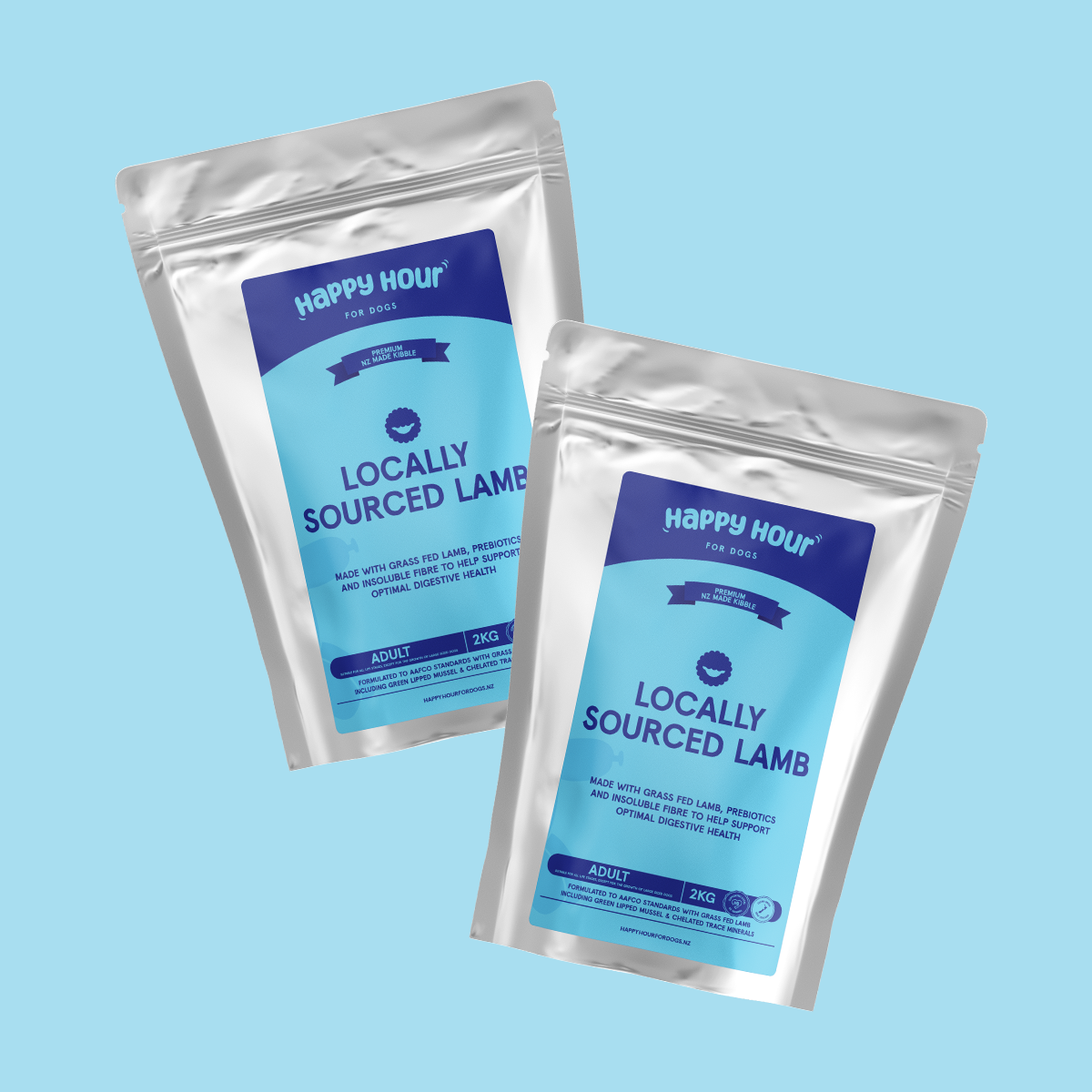
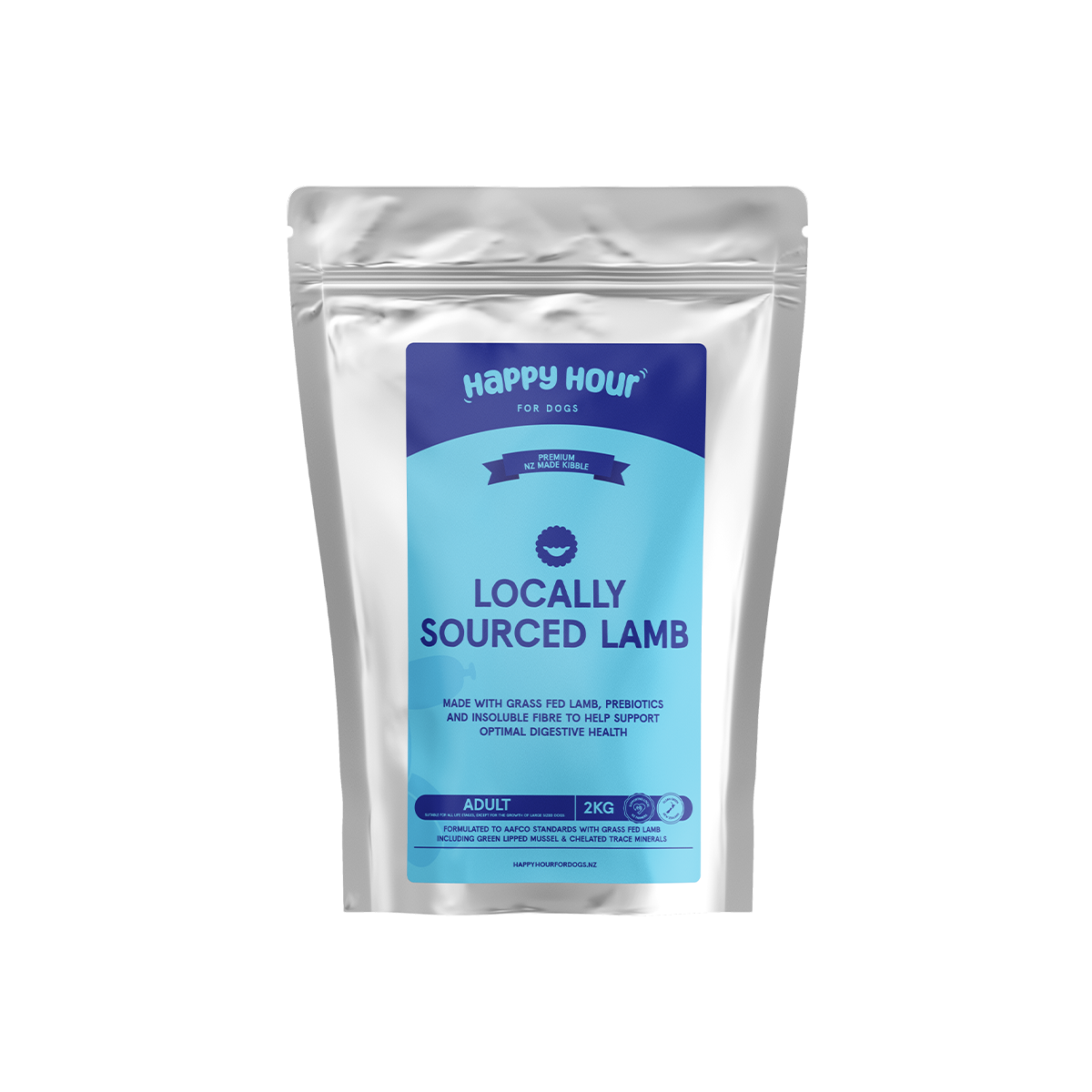
Happy Hour For Dogs is a lower-fat formula that includes prebiotics for gut health. The prebiotic content actively supports the beneficial bacteria in your GSD's digestive system rather than just hoping the gut adapts.
If your GSD has serious digestive issues or has been diagnosed with EPI or IBD, our article on Best Dog Food for Sensitive Stomachs in NZ covers the options in more detail.
Protein Quality for a Working Body
German Shepherds are active, muscular dogs. They need quality protein to maintain muscle mass, support recovery after exercise and activity, and fuel their energy levels throughout the day. But protein quality matters more than protein quantity.
Look for named animal proteins as the primary ingredient (cage-free chicken, NZ grass-fed lamb), not primarily grain proteins or by-products which have lower biological value for dogs. The combination of cage-free chicken and NZ grass-fed lamb in Happy Hour For Dogs provides complementary amino acid profiles. Two high-quality protein sources deliver better overall nutritional coverage than one.
Coat and Skin Health
GSDs have distinctive double coats and can be prone to skin issues, hot spots, and seasonal allergies. Diet is a significant factor in skin and coat health.
Marine omega-3 reduces the inflammatory processes that underlie conditions like hot spots, excessive shedding, and dry flaky skin. Quality protein provides the amino acids for keratin production, which is what hair and nails are made of. Chelated minerals ensure that zinc and other minerals are actually absorbed by the cells that maintain your GSD's skin and coat, rather than passing through unabsorbed.
A food with chelated minerals delivers measurably more zinc to where it needs to go. For a dog breed with known skin and coat sensitivities, that difference is visible.
Taurine and Cardiac Health
German Shepherds aren't in the highest-risk category for dilated cardiomyopathy, but all large breeds benefit from foods that actively support cardiac function. Taurine is essential for heart muscle performance, and including it directly in a food formulation removes reliance on individual synthesis capacity.
Happy Hour For Dogs includes taurine. For GSDs as for other large breeds, this is a worthwhile quality marker and a sign that the formulation is built with functional health in mind. Our article on Taurine for Dogs covers the full picture on why this matters.
How Much to Feed a German Shepherd
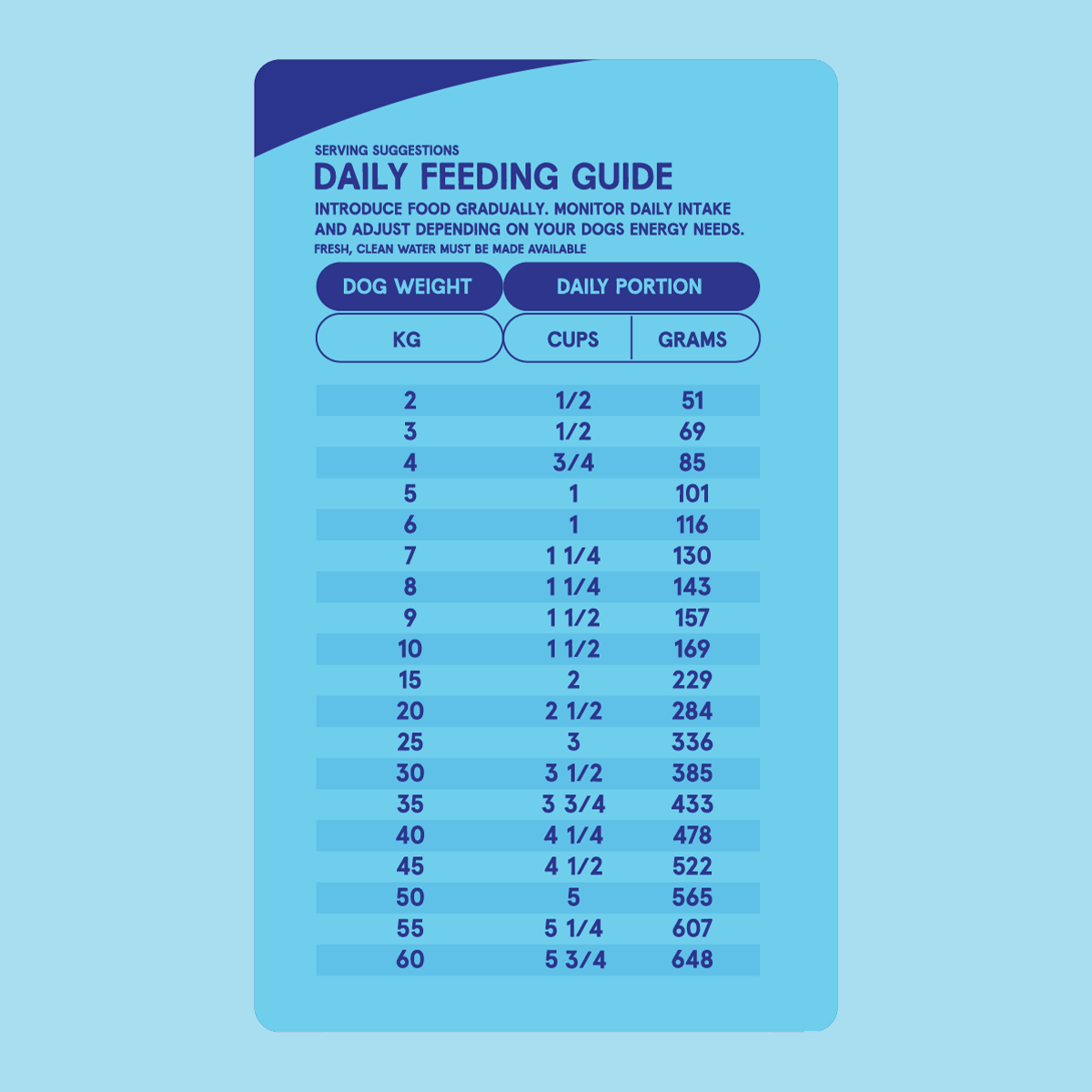
German Shepherds range from about 22kg for smaller females to 40kg or more for large males. Feeding quantities depend on weight, activity level, and whether the dog is desexed. Desexed GSDs often need 10-15% fewer calories than intact dogs of the same size.
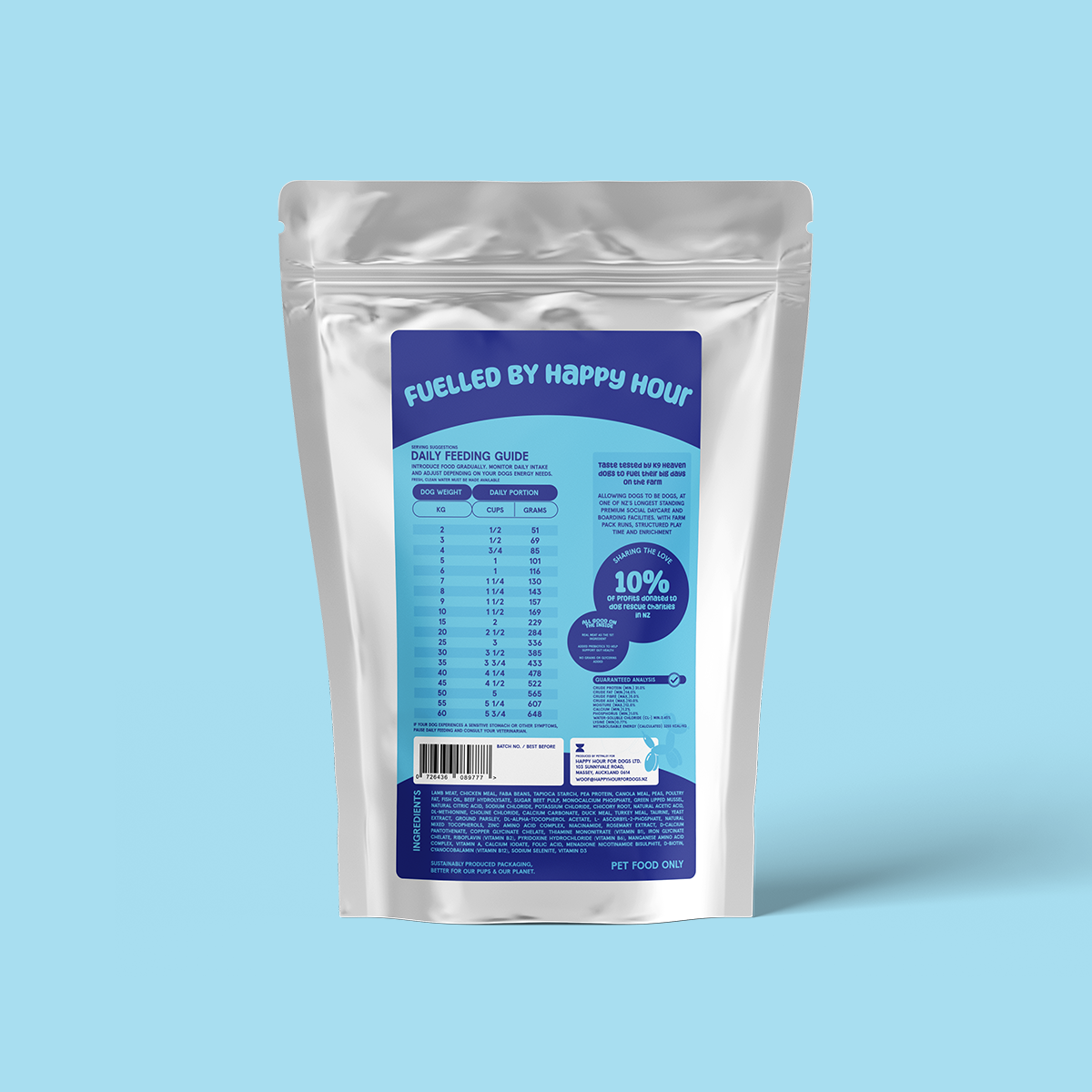
As a general guide: most adult GSDs doing moderate exercise require around 300-500g of dry food per day depending on size and activity, split into two meals. Always use the feeding guide on your specific food's packaging as a starting point, then adjust based on your dog's body condition score. You should be able to feel the ribs easily but not see them.
For a detailed guide to portion sizing across breeds, see our article on How Much Should I Feed My Dog?
What to Look for in a GSD Food: Quick Summary
- Named animal protein first: cage-free chicken, NZ grass-fed lamb, or whole fish
- Marine-based omega-3 from green-lipped mussels or whole fish, not just plant-based ALA
- Prebiotics for digestive support
- Chelated minerals for bioavailable zinc (coat and immune health)
- Taurine included directly in the formulation
- Moderate fat content (lower fat supports GSD digestion and pancreatitis-prone individuals)
- No excess legumes near the top of the ingredient list
- No artificial colours, flavours, or preservatives
The Happy Hour Difference for German Shepherds
Happy Hour was created by Ollie and Tanya, owners of K9 Heaven dog daycare in Auckland. After seeing what diet consistently did for hundreds of dogs in their care, including large active breeds with the same vulnerabilities GSDs have, they built a food that addresses those actual needs.
The formulation covers what GSDs specifically need: quality protein from cage-free chicken and NZ grass-fed lamb, marine omega-3 from green-lipped mussels for joints and inflammation, prebiotics for sensitive digestion, taurine for cardiac health, chelated minerals for coat and immune support, and a lower-fat formula that works for GSD digestion.
It's made in New Zealand, so the supply chain is short, the ingredients are traceable, and there are no long-distance shipping additives required.
Try it risk-free. The 30-day money-back guarantee means if your GSD doesn't take to it, you're not out of pocket. Visit happyhourfordogs.nz to learn more.