Itching is one of the most common complaints NZ dog owners bring to the vet. If your dog is constantly scratching, chewing their paws, shaking their head, or dealing with recurring ear infections, you're not alone. And the frustrating part is that the cause isn't always obvious. Environment gets blamed first, but diet is often playing a bigger role than owners realise.
Key Takeaways
- Year-round scratching or paw licking is more likely diet-related than environmental
- The most common food triggers are beef, chicken, wheat, soy, and dairy
- A single-protein, grain-free formula is the best starting point for itchy dogs
- Allow 6-8 weeks on a new food before judging whether it's working
- Omega-3 fatty acids from fish oil help reduce skin inflammation from the inside
Why Itching Is So Common in NZ Dogs
New Zealand has a lot going for it environmentally, and that cuts both ways. Grass allergies are genuinely common here. Our warm, humid coastal climate creates ideal conditions for dust mites and mould. Pollen seasons are real. Fleas are a year-round problem in many parts of the country. So yes, environmental triggers matter.
But here's what many owners don't consider: what your dog eats affects their skin from the inside out. Diet can either cause skin issues directly, or it can raise the body's overall inflammatory load to the point where environmental triggers that wouldn't normally cause a problem suddenly do. For a significant chunk of itchy dogs, food is either the cause or a major contributing factor.
Food or Environment? How to Tell the Difference
The location and timing of the itching is your first clue. These aren't absolute rules, but they're useful starting points.
Environmental allergies tend to look like this:
- Seasonal pattern (worse in spring and summer)
- Affects the belly, between the toes, around the face and eyes
- May improve when your dog is indoors or during winter
- Responds at least partially to antihistamines
Food-related issues tend to look like this:
- Year-round, with no seasonal pattern
- Affects the ears, paws, groin, armpits, and around the eyes
- Often comes with digestive symptoms: loose stools, excess wind, or vomiting
- Doesn't improve much with antihistamines or steroids
If your dog itches all year, has recurring ear infections, and constantly licks their paws regardless of season, diet is worth investigating seriously.
The Main Dietary Culprits
Dogs don't usually develop food sensitivities overnight. They tend to develop reactions to ingredients they've been eating for a long time. The most commonly implicated ingredients in NZ dogs are:
- Beef
- Chicken
- Wheat and other gluten-containing grains
- Soy
- Dairy products
- Artificial colours, flavours, and chemical preservatives
Notice that most of these are standard ingredients in cheap commercial dog foods. Chicken meal, wheat, soy protein, and artificial preservatives are the backbone of many supermarket brands. If your dog has been eating the same food for years and is now developing skin issues, that food is worth looking at.
What to Look For in a Dog Food for Itchy Dogs
When you're searching for the best dog food for itchy dogs in NZ, these are the features that matter most.
Single named protein source
The fewer protein sources in a food, the easier it is to identify whether a specific protein is causing the reaction. Foods that contain "chicken, beef, lamb, and salmon" make elimination impossible. Look for a food built around one clearly named protein.
Grain-free formula
Grains aren't inherently bad for all dogs, but wheat and corn are among the most common dietary irritants for sensitive dogs. A grain-free formula replaces these with more digestible carbohydrate sources like sweet potato or legumes. You can read more about why grain-free matters in our dedicated grain-free article.
No artificial additives
Artificial colours, flavours, and chemical preservatives such as BHA, BHT, and ethoxyquin are unnecessary in a quality food. They also add to the body's overall inflammatory load. Look for natural preservation methods (vitamin E, rosemary extract) and a clean ingredient list. See our article on dog food ingredients to avoid for the full breakdown.
Omega-3 fatty acids
Omega-3s, particularly from fish oil, have well-established anti-inflammatory properties. They support the skin barrier and directly reduce the itch response. Look for fish oil or fish meal listed in the ingredients. This is one of the most important things you can add to an itchy dog's diet.
The Elimination Diet Approach
If you genuinely suspect food is causing your dog's skin issues, the gold standard is a proper elimination diet. This means choosing a novel protein source (something your dog has genuinely never eaten before) and a novel carbohydrate, and feeding that combination exclusively for 8-12 weeks.
No treats, no flavoured chews, no table scraps. Even small exposures can restart the reaction window and ruin the trial. It's slower than you'd like, but it's the only reliable way to confirm a food trigger. Once you know what causes the reaction, you can reintroduce other ingredients one at a time to build a clearer picture.
How Long Before You See Results?
This is where most owners get frustrated and give up too early. Skin changes from a food switch take a minimum of 6-8 weeks to become apparent. The immune system takes time to calm down. The skin barrier takes time to rebuild. Some dogs need closer to 12 weeks.
Switching foods every two weeks because you haven't seen instant results is one of the most common mistakes, and it makes the whole process take longer. Pick a food that ticks the right boxes and give it a genuine trial before you judge it.
An Option Worth Considering
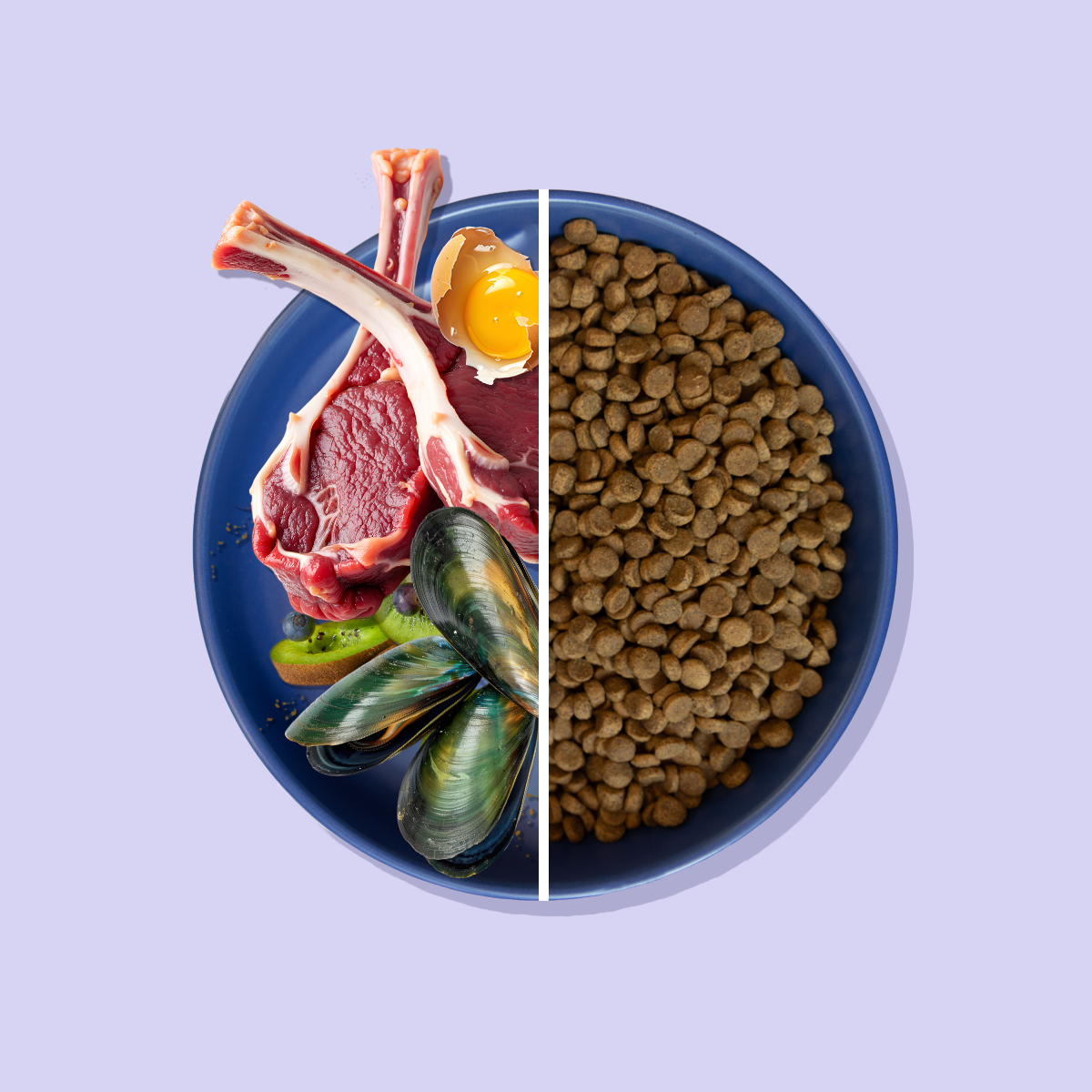
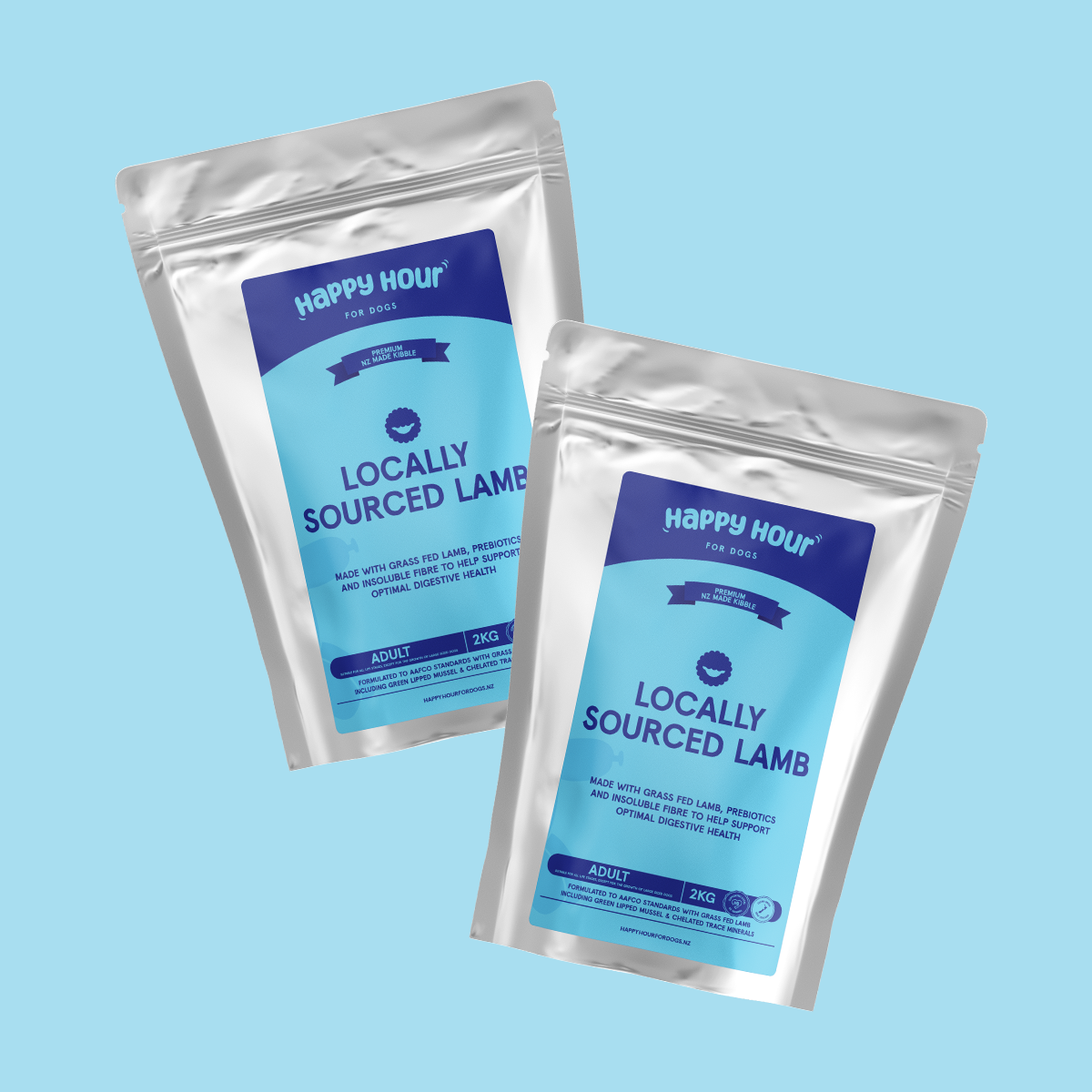
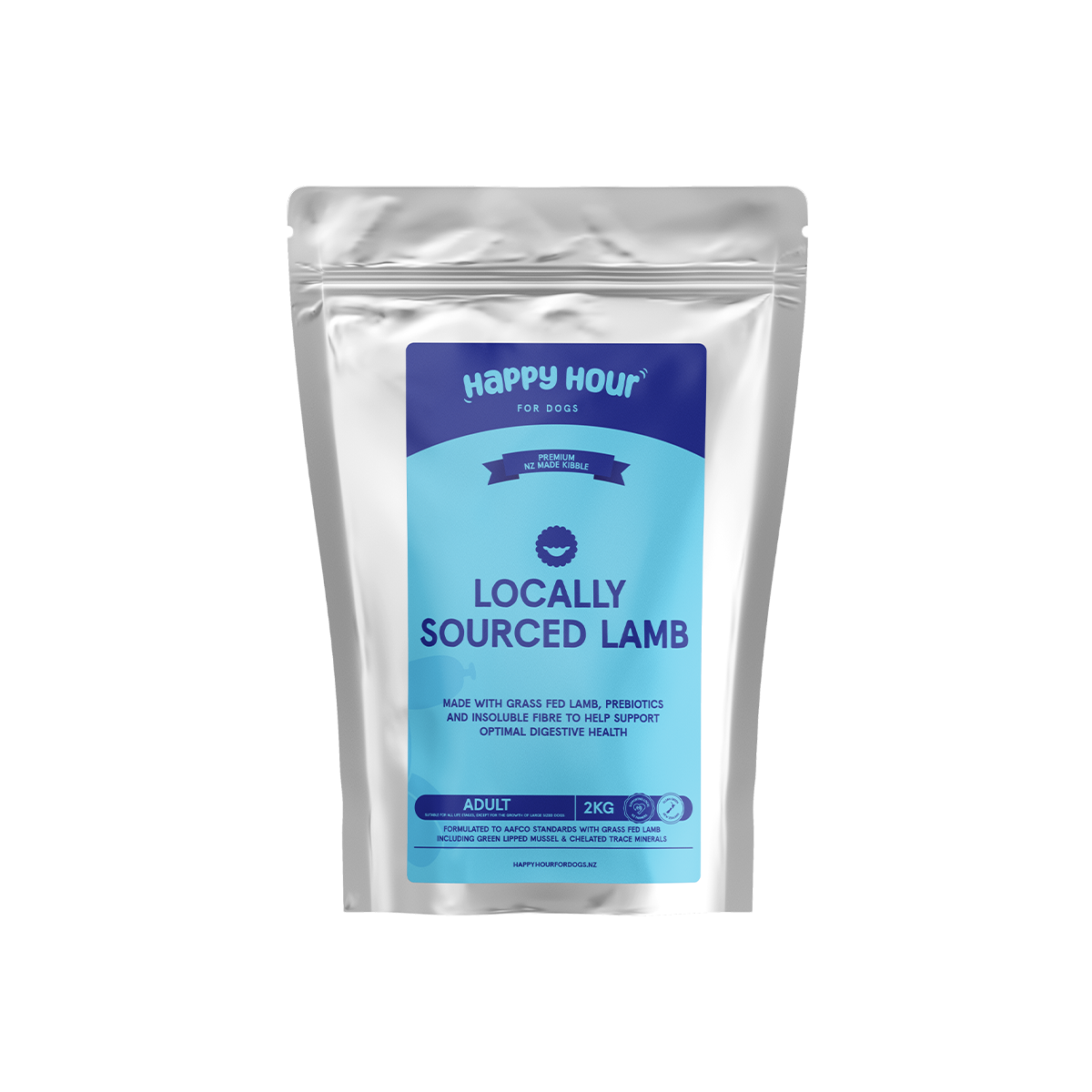
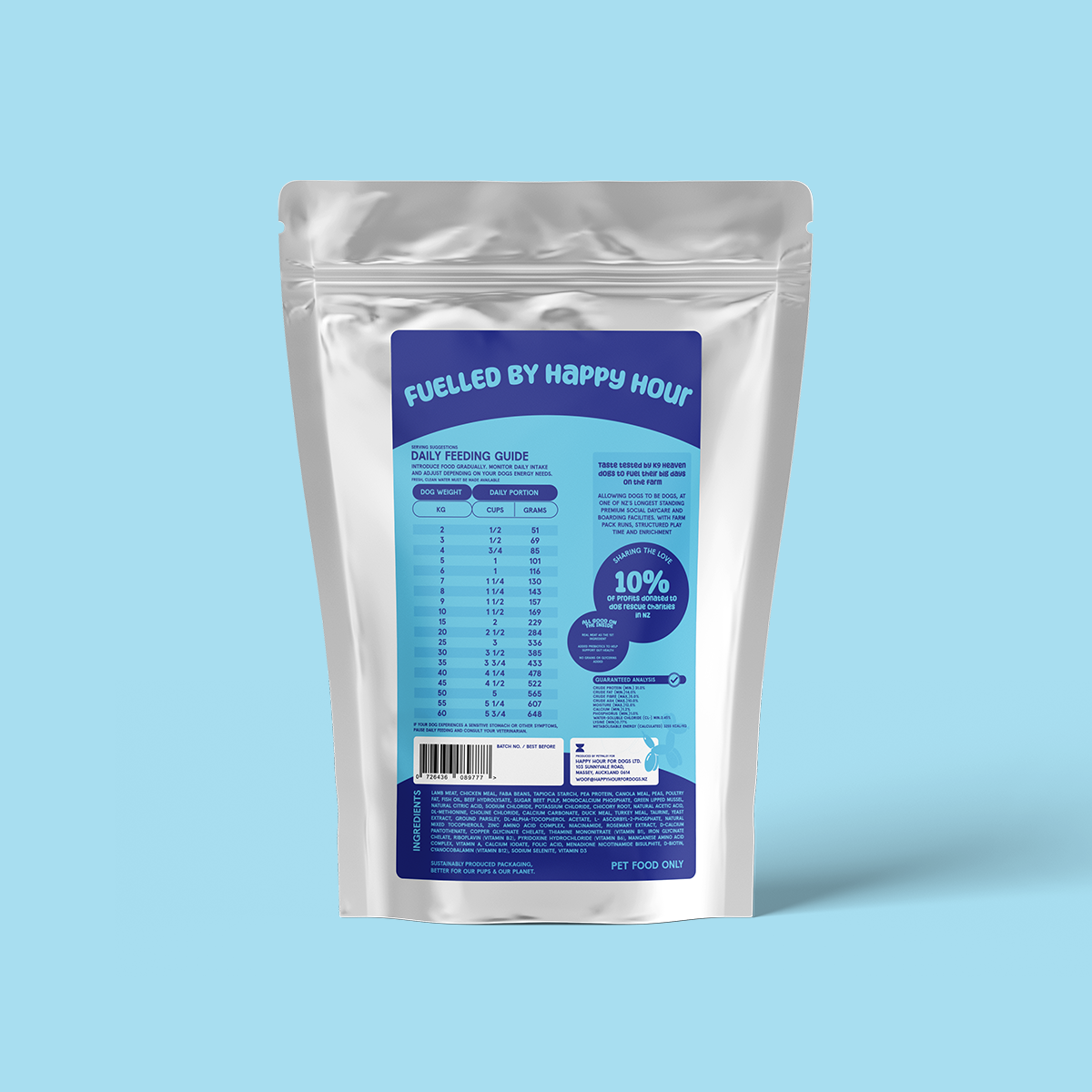
After looking at what matters for itchy dogs, single protein, grain-free, no artificial additives, and omega-3s, Happy Hour ticks all of those boxes. It's built around a single NZ lamb protein (a novel protein for many NZ dogs who've grown up on chicken or beef), it's grain-free, and it contains no artificial colours, flavours, or preservatives. Fish oil is included for the omega-3s.
It's not a magic fix. If your dog has a true lamb allergy, this won't help, and for serious or persistent skin issues working with a vet is always the right call. But for dogs whose itching is linked to cheap, additive-heavy food, switching to something cleaner often makes a noticeable difference over a 6-8 week window.
The Bottom Line
Itching in NZ dogs is usually a combination of factors. Environment, fleas, and diet all play a role. But diet is one of the few things you can directly control. For many dogs, switching to a clean, single-protein, grain-free food with omega-3s makes a real difference over time.
Look for single protein, grain-free, no artificial anything, and added omega-3s. Give it 6-8 weeks. Keep a notes on what you observe week by week.