When Is a Dog Considered Senior? Signs Your Dog Is Ageing (NZ Guide)
Most dog owners notice it gradually: a few more grey hairs on the muzzle, a slightly slower start in the mornings, a preference for the sunny spot on the deck over a chaotic game of fetch. But when exactly does your dog officially become a 'senior dog', and does the label actually matter? It does, mostly because of what it should trigger in terms of nutrition and care.
Key Takeaways
- When Is a Dog Considered Senior? Signs Your Dog Is Ageing (NZ Guide)
- There's No Single Age: It Depends on Breed Size
- Signs Your Dog Is Entering Their Senior Years
- How Nutritional Needs Change as Dogs Age
- Do You Need a Senior-Specific Dog Food?
There's No Single Age: It Depends on Breed Size
One of the most common misconceptions about dog ageing is that all dogs become seniors at 7. That figure is a rough average, but it hides significant variation. Smaller dogs age more slowly than larger breeds. A Chihuahua at 7 is middle-aged. A Great Dane at 7 is genuinely elderly.
Here's a rough guide to when different size dogs enter their senior years:
- Small breeds (under 10kg, e.g. Jack Russells, Maltese): senior from around 10-12 years
- Medium breeds (10-25kg, e.g. Border Collies, Spaniels): senior from around 8-10 years
- Large breeds (25-45kg, e.g. Golden Retrievers, German Shepherds): senior from around 7-8 years
- Giant breeds (over 45kg, e.g. Great Danes, Saint Bernards): senior from around 5-6 years
These are starting points, not hard rules. Genetics, diet, weight history, and activity level all influence how quickly any individual dog ages. Some 9-year-old medium dogs are physically indistinguishable from their younger selves. Others are obviously slower and stiffer at 7. Pay attention to your actual dog, not just the calendar.
Signs Your Dog Is Entering Their Senior Years
Before the number, there are signs. These changes can indicate your dog is moving into a new life stage:
Physical Changes
- Grey or white fur appearing on the muzzle and around the eyes
- Slower movement, especially getting up from lying down
- Stiffness after rest or in cold weather (NZ winters can be tough on ageing joints)
- Less interest in prolonged exercise or play
- Changes in coat quality: duller, drier, or thinner fur
- Weight changes without a diet change (either gaining or losing)
Behavioural Changes
- More time sleeping or resting
- Confusion or disorientation (can indicate cognitive decline)
- Changes in appetite: eating less or becoming pickier
- Increased anxiety or irritability (sometimes pain-related)
- Less interest in social interaction or play
Any sudden or significant change in behaviour warrants a vet check. Many signs of ageing overlap with treatable conditions, so don't assume everything is just 'getting old'. Talk to your vet if you're noticing changes.
How Nutritional Needs Change as Dogs Age
Here's where the 'senior dog' label becomes practically useful. Ageing bodies have different requirements, and food that was ideal at age 3 may not be the best fit at 10.
Protein: Still Important, Often Misunderstood
There's an old belief that senior dogs should eat lower-protein food to protect their kidneys. Current thinking among vets and nutritionists has shifted: healthy senior dogs generally still need good-quality protein to maintain muscle mass. Muscle loss (sarcopenia) is a real concern in older dogs and makes mobility worse. Unless your dog has a specific kidney condition requiring protein restriction, keeping protein levels up is usually the right call. See our Best High-Protein Dog Food in NZ article for more context.
Calories: Often Less Required
Senior dogs are usually less active, which means they need fewer calories to maintain a healthy weight. Continuing to feed the same amount as they were eating at peak activity often leads to gradual weight gain. Weight gain in older dogs accelerates joint problems and puts strain on the heart. Our My Dog Is Overweight article covers weight management strategies if this is already an issue.
Omega-3 Fatty Acids: More Relevant Than Ever
Omega-3s from fish oil can support healthy inflammatory responses, which matters increasingly as dogs age. Joint stiffness, skin changes, and cognitive function can all be influenced by dietary omega-3 intake. A food that includes fish oil as an ingredient is worth prioritising in older dogs.
Joint Support Nutrients
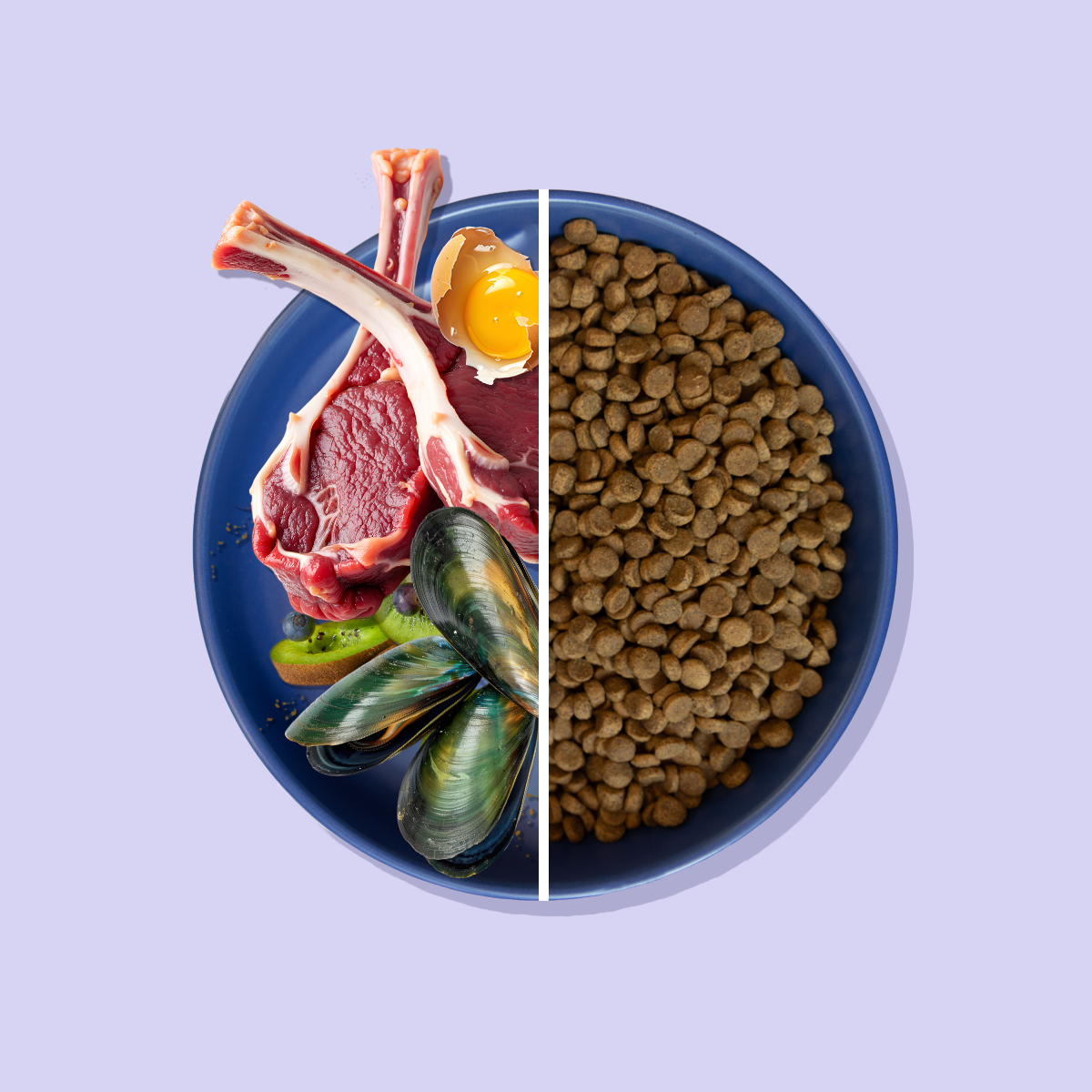
Ingredients like green-lipped mussel (a natural source of omega-3s and glycosaminoglycans associated with joint health) become increasingly relevant as dogs age. Our Dog Joint Health and Diet NZ article looks at this in detail.
Digestive Support
Older dogs can have more variable digestion. Prebiotics, which feed beneficial gut bacteria, can help maintain gut function and immunity. Chicory root is a natural prebiotic found in some quality kibbles.
Do You Need a Senior-Specific Dog Food?
'Senior dog food' is a marketing category as much as a nutritional one. There's no regulatory definition in NZ or Australia for what makes a food 'senior'. Some senior formulas have lower calories and higher fibre. Others differ very little from the standard adult version.
What matters is whether the food you're feeding meets your ageing dog's actual needs: appropriate calories for their activity level, good-quality protein, omega-3 support, and no unnecessary additives that might irritate a potentially more sensitive system.
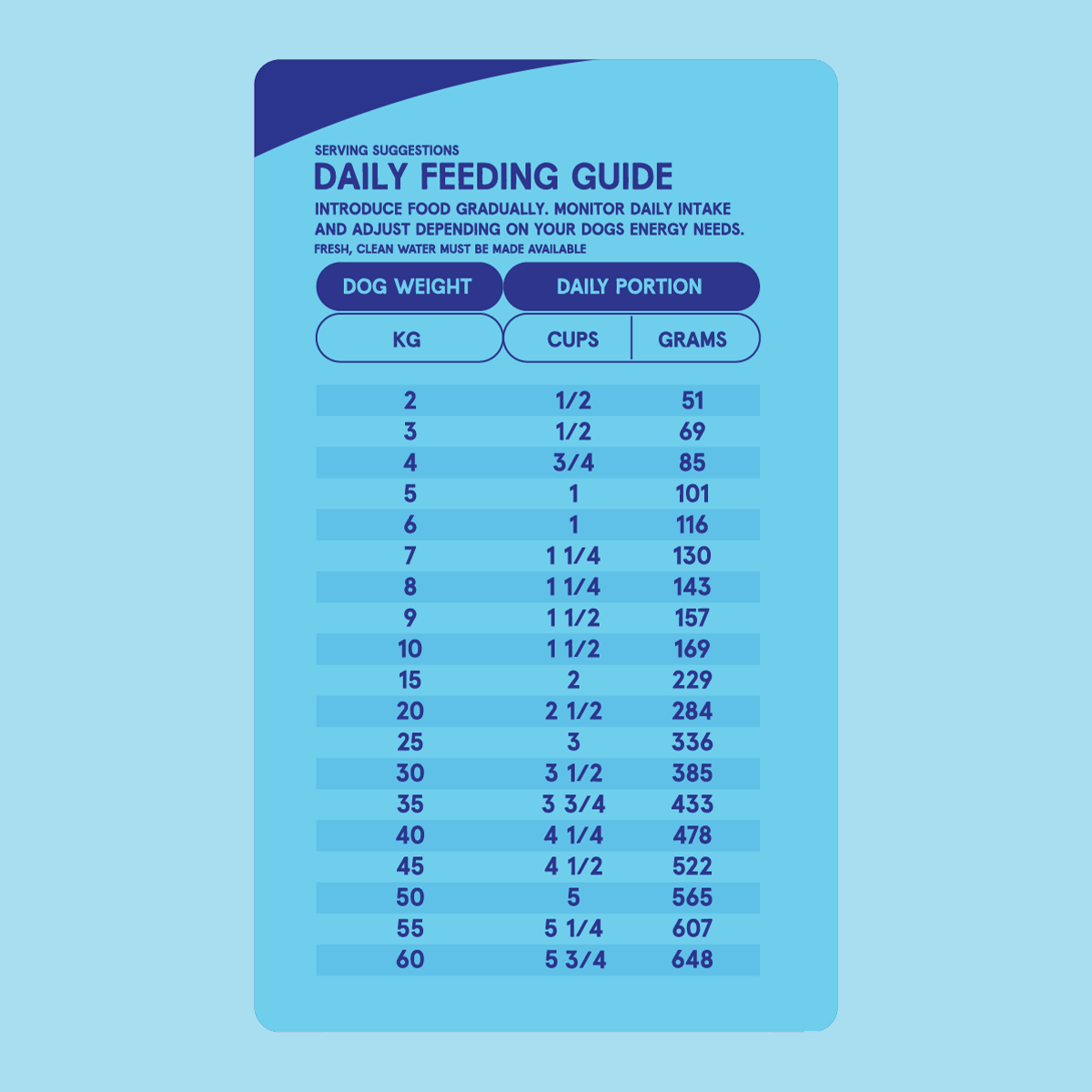
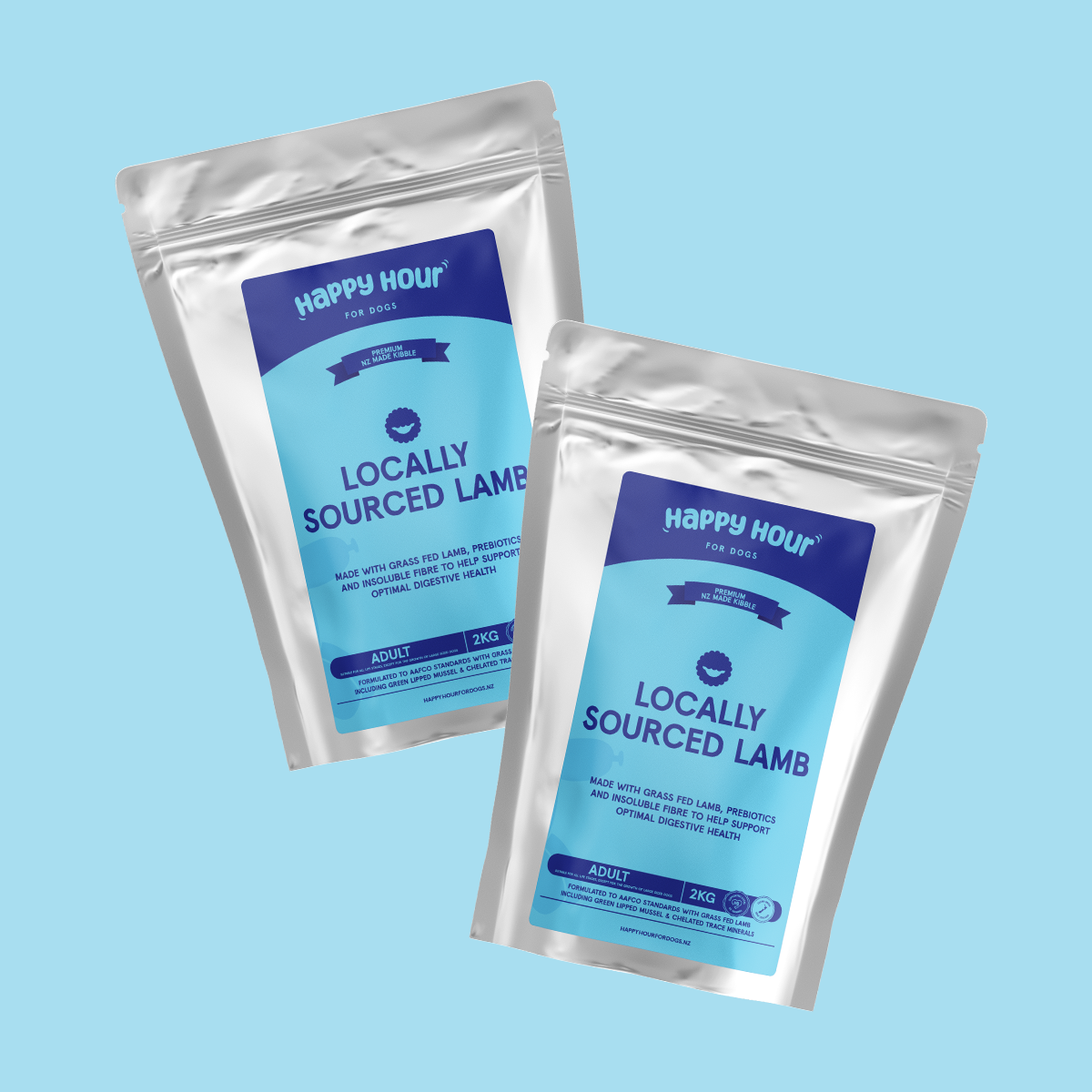
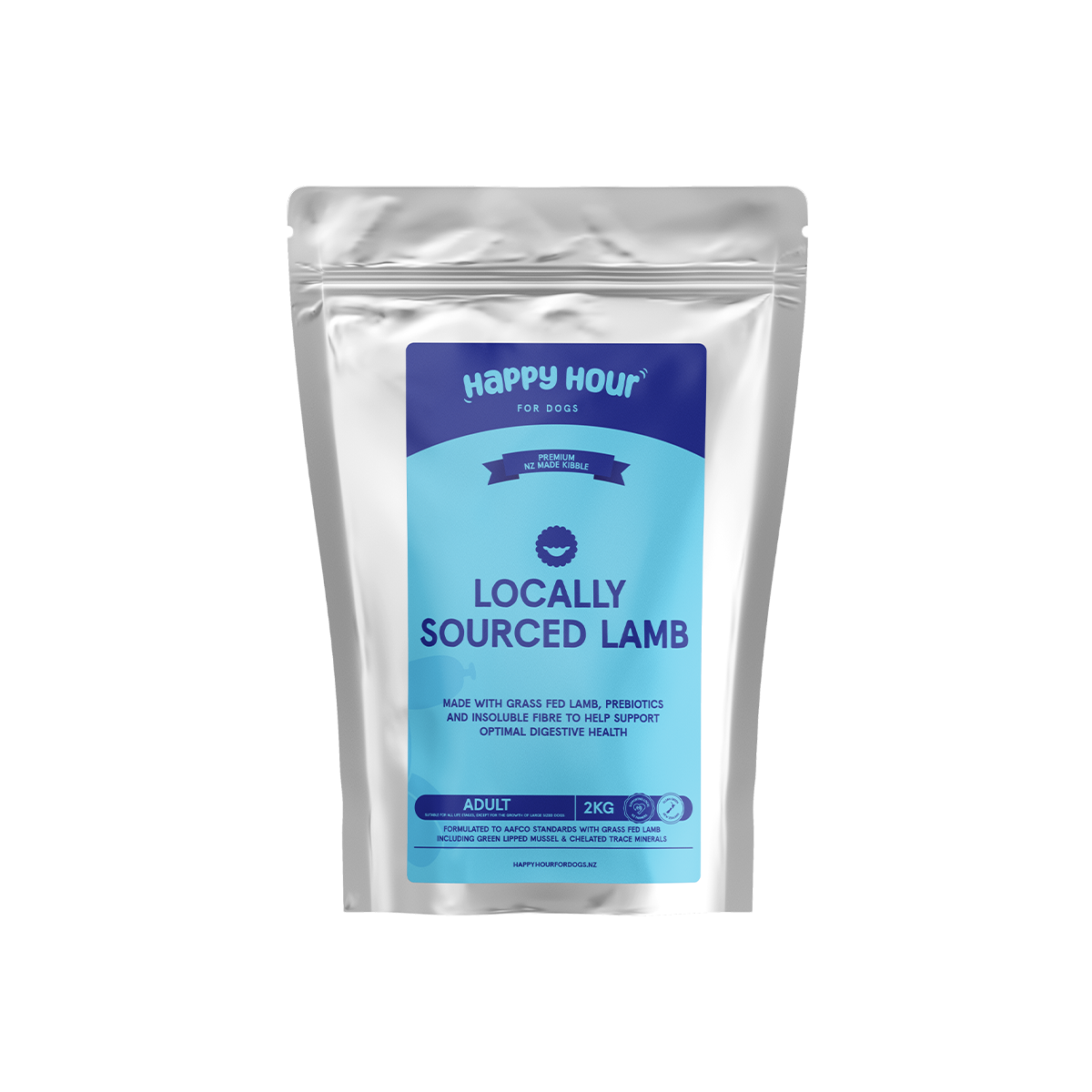
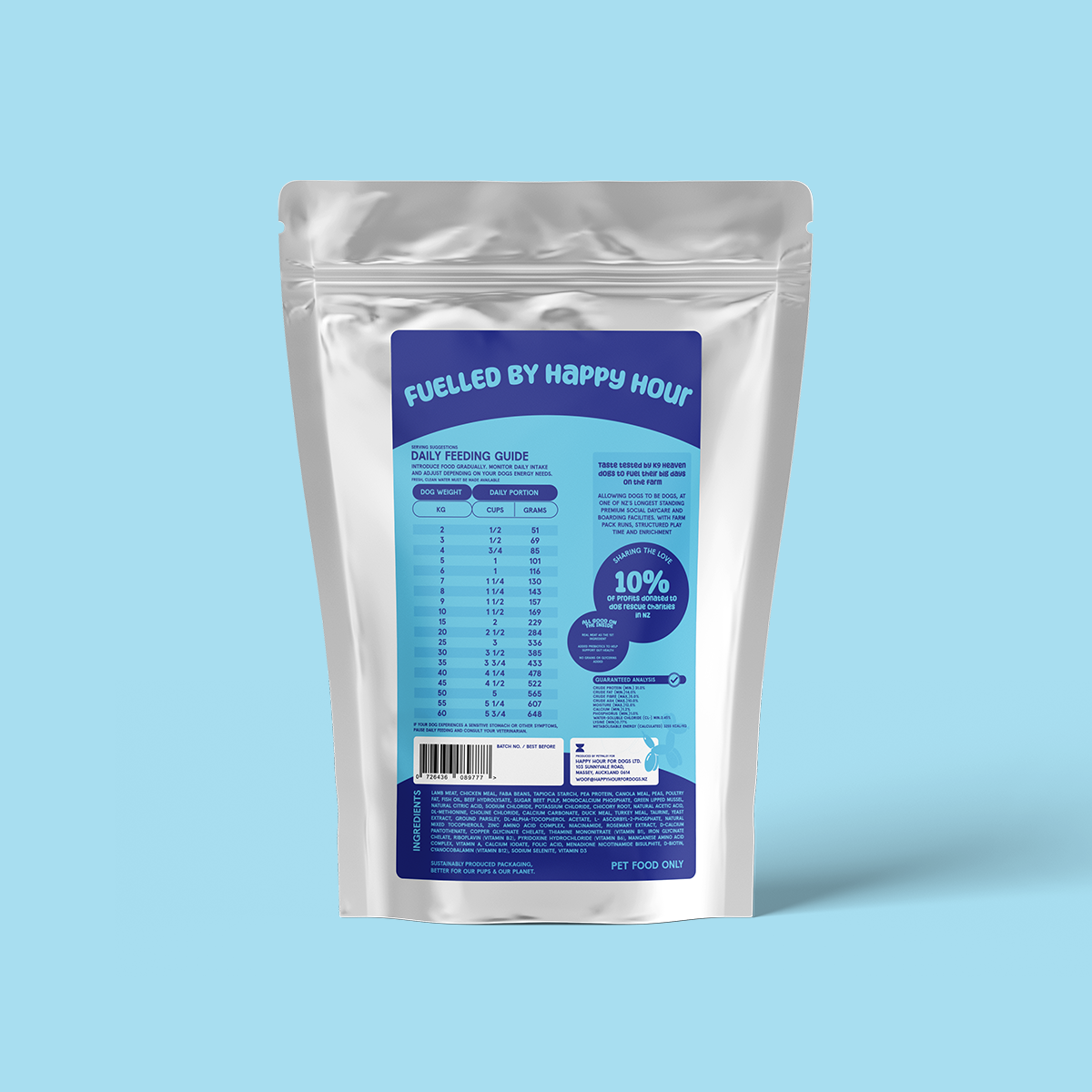
Happy Hour is AAFCO approved for all life stages, which means it meets nutritional standards across the full age range. You don't have to switch foods when your dog becomes a senior if what you're feeding is already working. The key is adjusting portion sizes as energy needs change. The low-fat formula also means you can manage calorie intake without cutting portion size so drastically that your dog feels hard done by.
Vet Checks Matter More in Senior Dogs
Once your dog is in their senior years, annual vet checks are a minimum. Many vets recommend six-monthly check-ups for older dogs, as conditions like kidney disease, thyroid issues, and joint problems can develop quietly and are much easier to manage when caught early. Talk to your vet about how often your specific dog should be seen.