Meta title: Homemade Dog Food NZ: Is It Actually Safe? [43 chars]
Meta description: Honest NZ guide to homemade dog food: the appeal, the nutritional gaps most owners miss, and what to do if you're set on it. [141 chars]
Target keyword: homemade dog food NZ | URL slug: homemade-dog-food-nz
Cooking for your dog feels like the right thing to do. You know exactly what's going in. There's no ingredient list you need a chemistry degree to decode. It's fresh, it's real, and it comes from a place of genuine love.
That instinct is completely understandable. The problem is that making nutritionally complete dog food at home is significantly harder than most guides on the internet let on. And the gap between a meal that looks healthy and one that actually is can cost your dog years of good health.
This isn't a scare piece. It's an honest look at what homemade dog food actually involves, where most people go wrong, and what to do if you're serious about it.
Key Takeaways
- Most homemade dog food recipes found online are nutritionally incomplete. Studies suggest the majority are deficient in at least one essential nutrient.
- Dogs need a precise balance of protein, fat, calcium, phosphorus, vitamins, and trace minerals. Getting that balance from kitchen ingredients alone is harder than it sounds.
- If you want to cook for your dog, the right path is a board-certified veterinary nutritionist (DACVN), not a recipe from a blog.
- Partial home cooking (mixing homemade with a quality complete food) is lower risk than going fully homemade without professional input.
- There's nothing wrong with wanting to know exactly what's in your dog's food. High-quality commercial food with transparent ingredients can address that concern without the nutritional risk.
Why People Want to Make Their Dog's Food at Home
The motivations are mostly good ones.
You've read an ingredient list on a bag of dog food and had no idea what half of it was. You've seen a news story about a pet food recall. You've got a dog with a sensitive stomach and you want more control over what goes in. You enjoy cooking and your dog is part of the family.
All of that makes sense. The instinct to feed your dog fresh, real food is sound. What's trickier is the execution.
Is Homemade Dog Food Actually Safe?
The honest answer is: it depends on how it's made, and most of the time it isn't made well enough.
A 2013 study published in the Journal of the American Veterinary Medical Association looked at 200 homemade dog food recipes from books and websites. Over 95% of them were deficient in at least one essential nutrient, and many were deficient in several. The most common gaps were calcium, zinc, copper, vitamin D, and iodine.
This isn't because the people writing those recipes were careless. It's because meeting a dog's full nutritional needs from raw ingredients, without precise knowledge of each ingredient's nutritional profile and how they interact, is genuinely difficult. A piece of chicken breast doesn't come with a guaranteed nutrient panel. Calcium and phosphorus need to be in the right ratio for bone health. Iron from plant sources is far less bioavailable than iron from meat. The gaps are easy to miss and they accumulate quietly over months and years.
The signs of nutritional deficiency often show up slowly: poor coat quality, low energy, soft or misshapen bones (especially in puppies), immune problems. By the time something is visibly wrong, the deficiency has often been building for a while.
What Dogs Actually Need
Dogs are omnivores with specific nutritional requirements that differ from ours. Meeting those requirements means getting the right amounts of:
Protein: Amino acids including taurine, methionine, and lysine. Dogs can't synthesise enough of these on their own.
Fat: Essential fatty acids (omega-3 and omega-6) in the right ratio. Fat is also how fat-soluble vitamins (A, D, E, K) are absorbed.
Calcium and phosphorus: Critical for bones and teeth, and the ratio between them matters as much as the absolute amounts. Too much calcium is as problematic as too little.
Trace minerals: Zinc, copper, iodine, selenium, manganese. These are easy to overlook and hard to source reliably from kitchen ingredients alone.
Vitamins: Particularly vitamin D (rarely adequate from food alone), vitamin E (important in raw or lightly processed food), and the B vitamins.
Meeting AAFCO (Association of American Feed Control Officials) standards for all of these requires either careful formulation by someone who knows what they're doing, or supplementation calibrated to fill the specific gaps in your recipe.
Where Most Homemade Recipes Go Wrong
The most common mistake is treating dog food like human food. A bowl of rice, chicken, and vegetables looks like a balanced meal because it would be reasonably balanced for a person. For a dog, it's typically deficient in calcium, several trace minerals, and often fat-soluble vitamins.
Other common problems:
No calcium source. Without bones or a calcium supplement, a diet built around boneless meat is critically low in calcium. Long-term, this causes metabolic bone disease.
Too much liver. Liver is nutritious, but it's high in vitamin A. Too much over time causes vitamin A toxicity.
Relying on vegetables for minerals. The mineral content of vegetables varies enormously depending on the soil they were grown in, and bioavailability is often much lower than from animal sources.
Scaling recipes incorrectly. A recipe calibrated for a 30kg dog fed to a 10kg dog will be nutritionally off in multiple directions.
If You're Going to Do It: How to Do It Properly
If you're genuinely committed to cooking for your dog, there is a right way to approach it. It's not 'find a recipe online and follow it.'
Get a vet nutritionist involved. A board-certified veterinary nutritionist (look for DACVN after their name) can formulate a recipe specific to your dog's age, weight, breed, and health status. This is the only way to be confident the recipe is actually complete. Some offer online consultations for NZ owners.
Use formulation software. Tools like Balance IT let you input your recipe and calculate what supplements are needed to fill the nutritional gaps. It's not a substitute for professional input, but it's better than guessing.
Stick to complete, verified recipes from credentialed sources. Books by board-certified veterinary nutritionists are safer than most website recipes. The recipe has to be followed exactly: ingredient substitutions change the nutritional profile.
Consider partial home cooking. Mixing homemade food with a nutritionally complete commercial food is significantly lower risk than going fully homemade without professional guidance. Your dog gets some of the fresh food you want them to have, with a complete food backstop.
If you do switch, transition slowly over 7-10 days to avoid digestive upset. Our guide to switching your dog's food covers the process.
The Time and Cost Reality
People often assume homemade dog food is cheaper than commercial food. For a small dog, it sometimes is. For a medium or large dog, it's usually not, once you factor in the volume of fresh ingredients required, appropriate supplements, and preparation time.
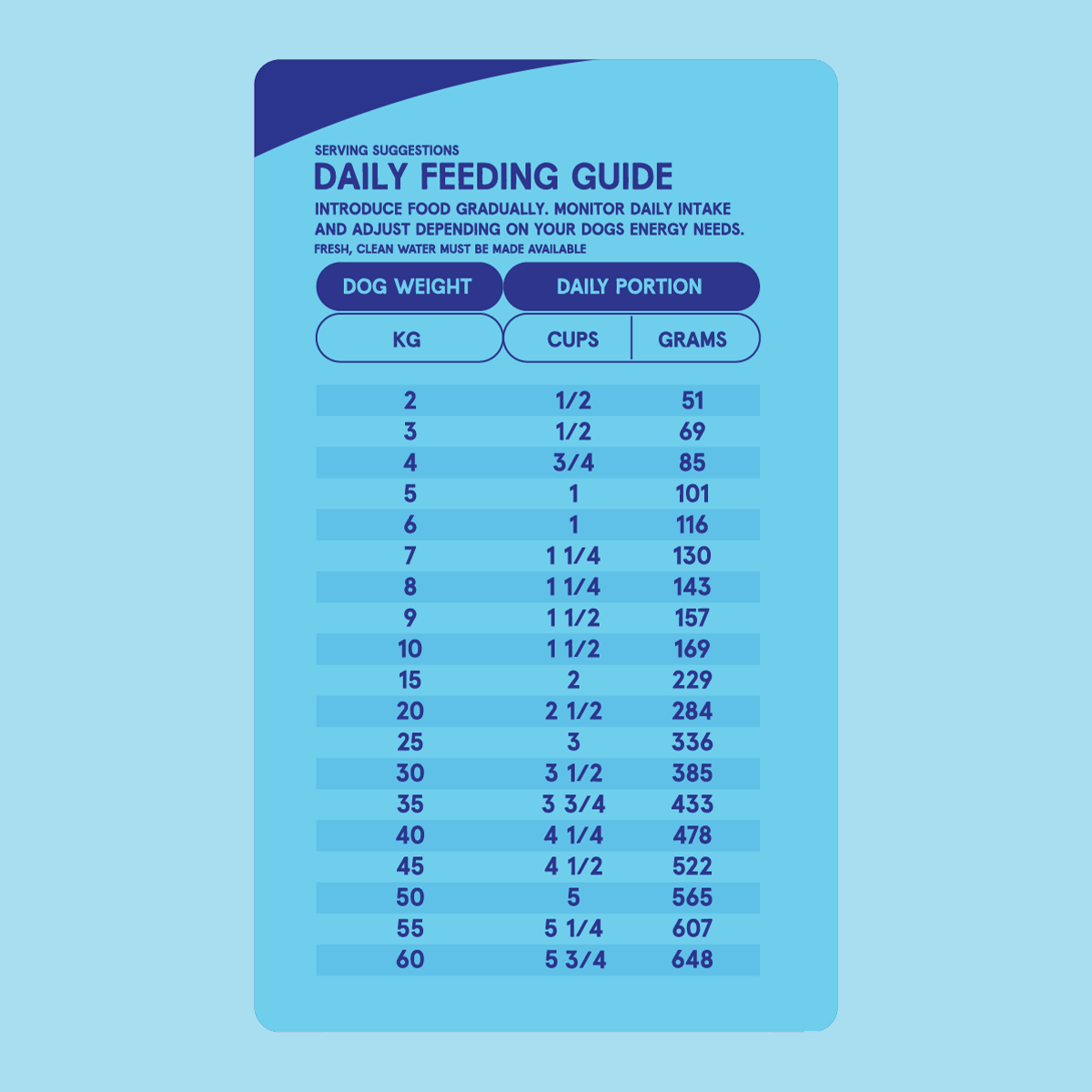
A 30kg dog needs roughly 500-700g of food per day. Sourcing enough quality protein and the right supporting ingredients to feed them for a month adds up quickly. And it needs to be prepared fresh or frozen in batches, which is a real time commitment.
None of that makes it wrong. Some people genuinely prefer it and do it well, with professional input. But it's worth going in with clear expectations.
What High-Quality Commercial Food Actually Offers
The real concern behind the homemade food impulse is usually trust: trust in what's in the bag, and trust that it's genuinely good for your dog.
That's a reasonable concern. A lot of commercial dog food earns the scepticism directed at it. But not all of it.
A food with a transparent, named ingredient list, AAFCO compliance, and palatability and digestibility testing addresses the trust problem without the nutritional risk of DIY formulation. You know what's in it. You know it's been verified to meet the standards dogs need. And if your dog doesn't thrive on it, you find out quickly rather than years down the track.
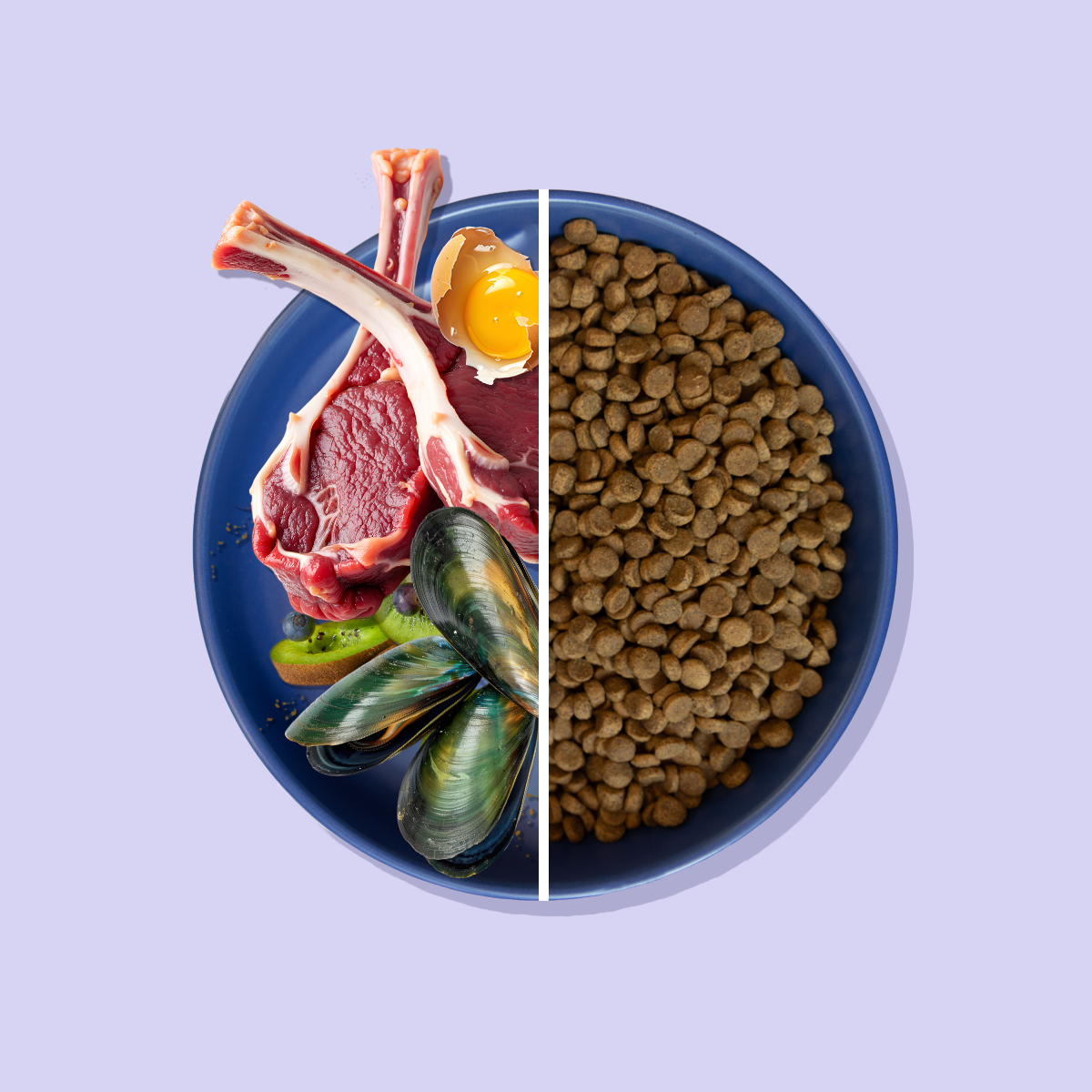
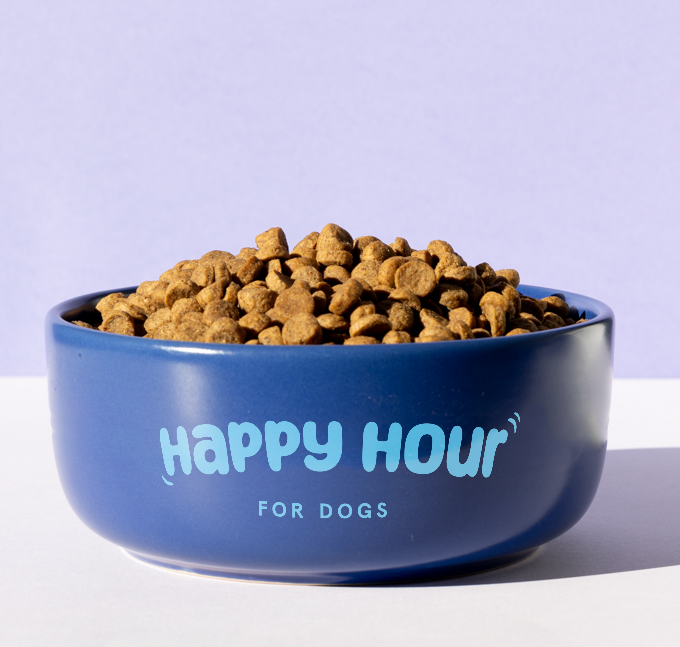
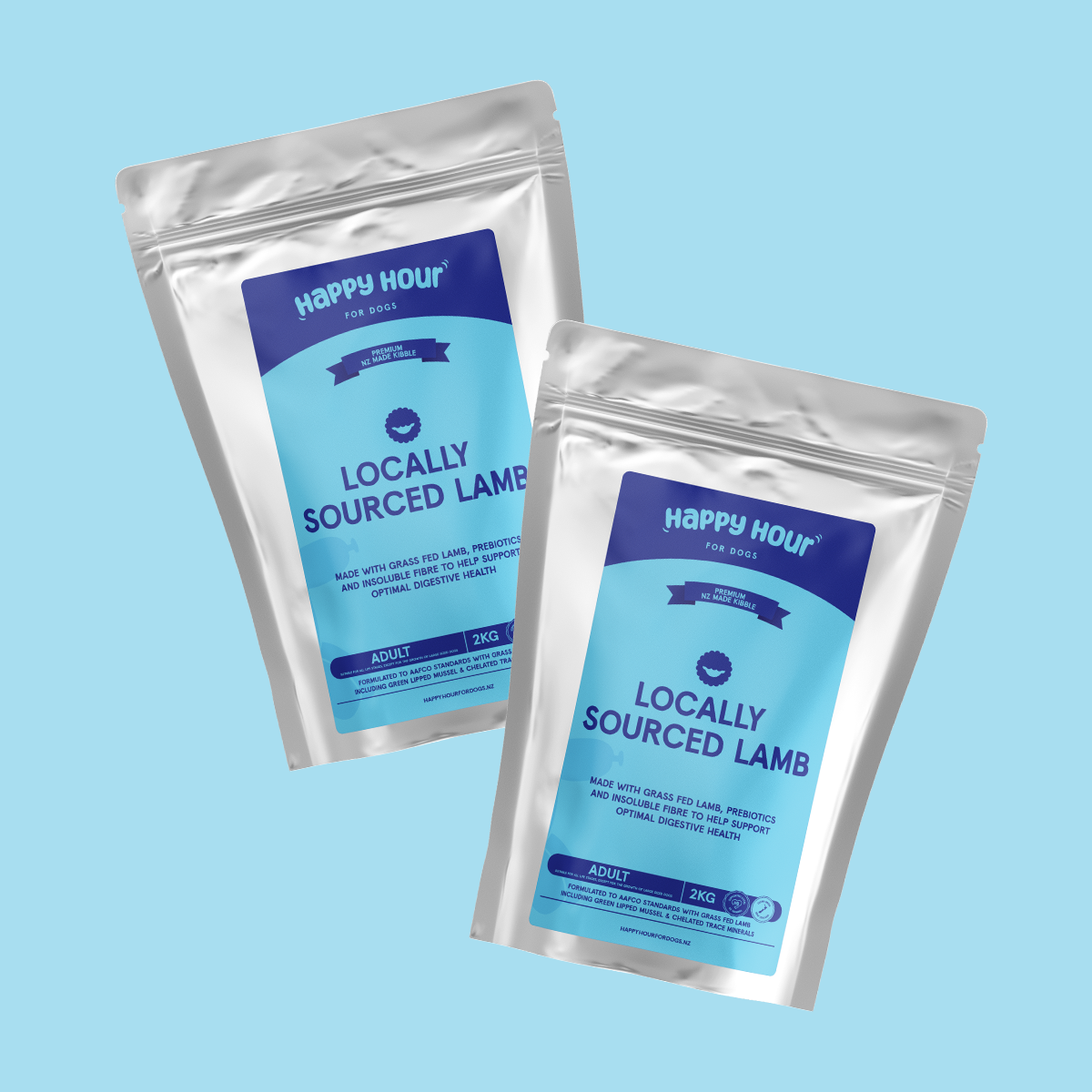
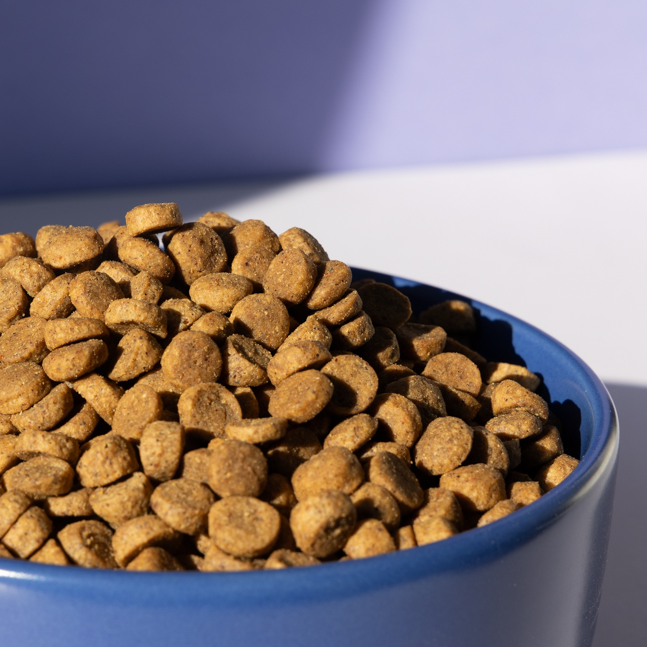
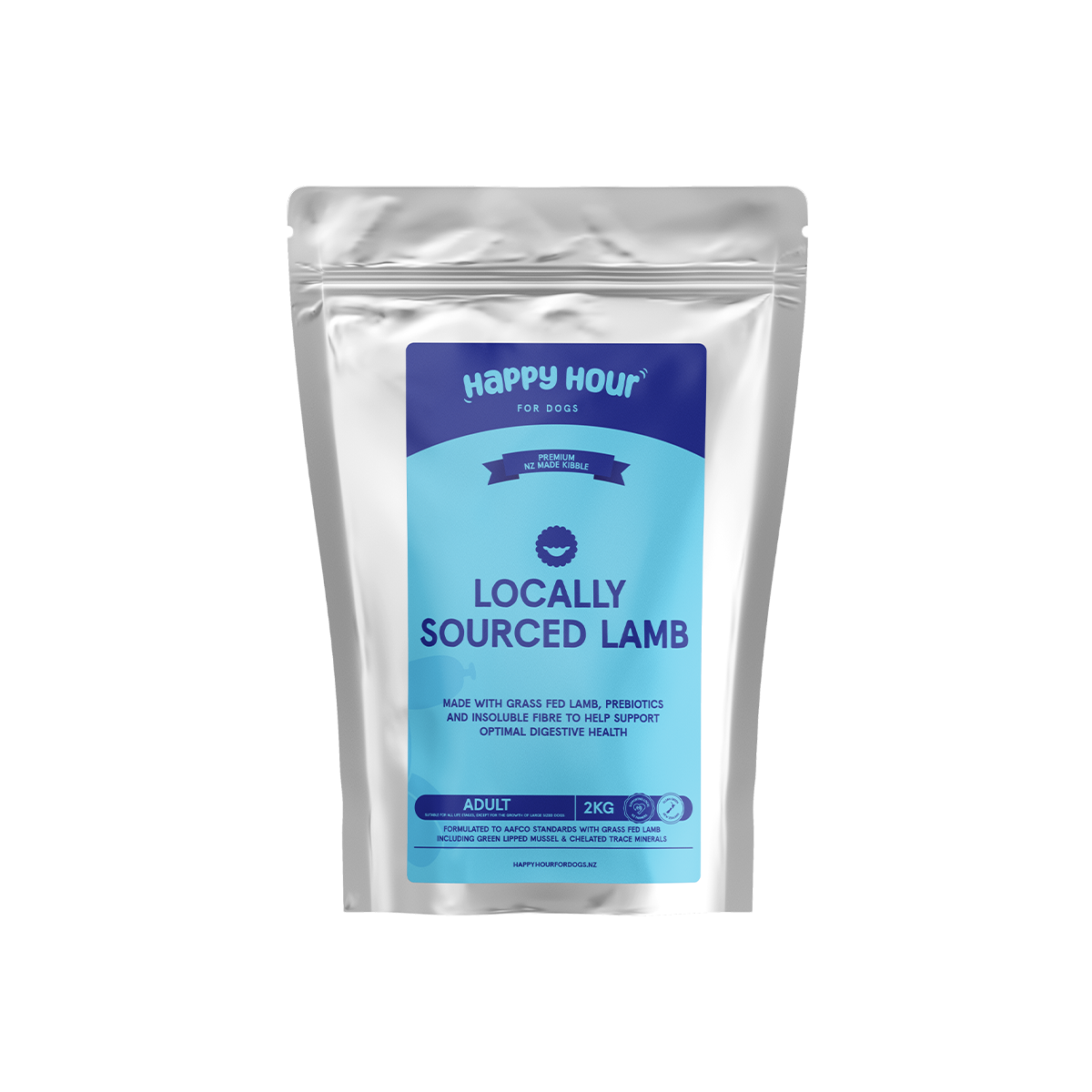
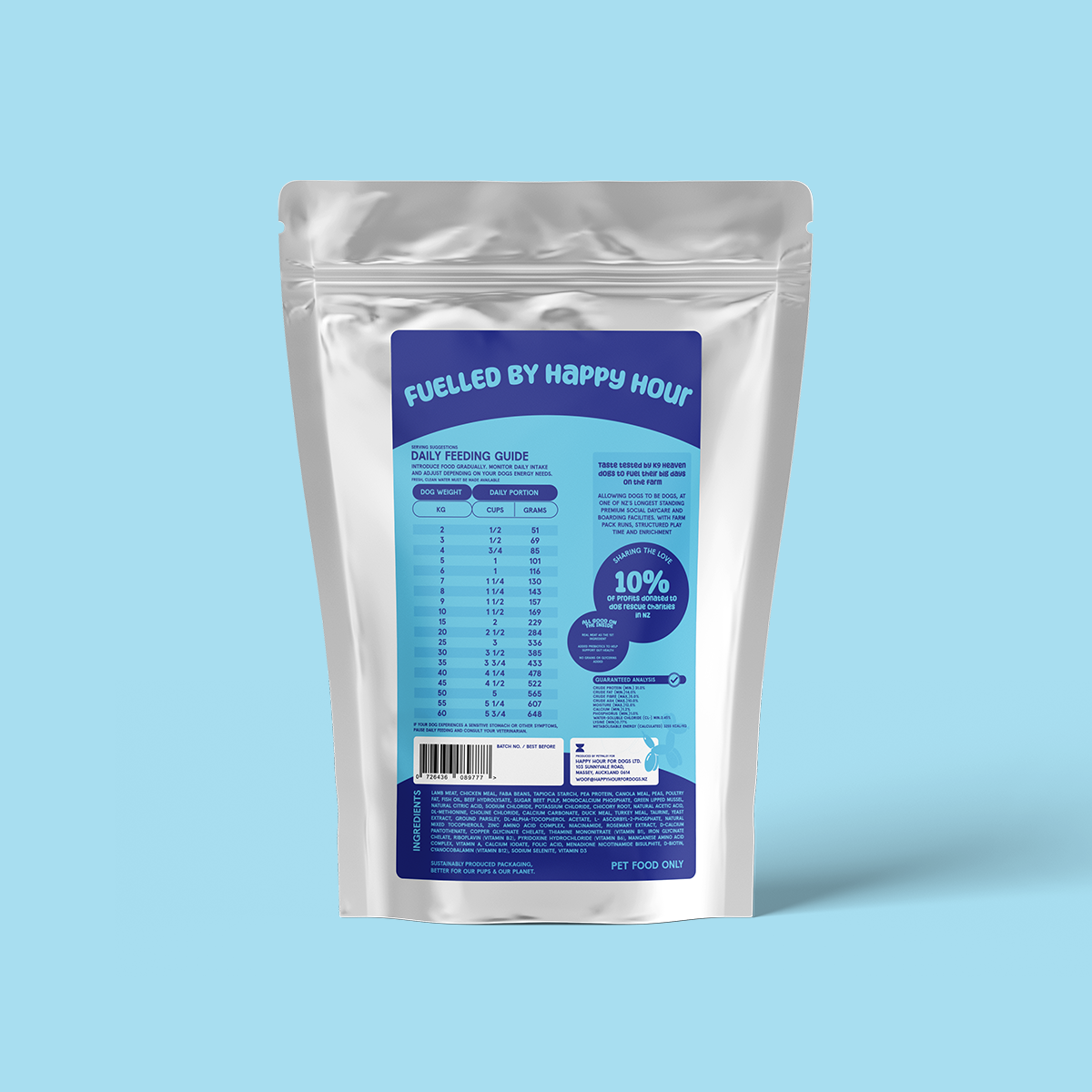
Happy Hour is made with real NZ grass-fed lamb or cage-free chicken, green-lipped mussel, added prebiotics, and chelated trace minerals. No unnamed proteins, no glycerines. It meets AAFCO standards and has been palatability and digestibility tested at a leading NZ university. If you want to see exactly what's in it, the full ingredient breakdown is all there.
It's not homemade. But it answers the question homemade food is trying to answer.
If you want to try it, there's a 30-day money-back guarantee. Your dog doesn't get on with it? Send it back.
And if you're considering raw food as an alternative to homemade cooked food, we've got a full breakdown of how raw compares to kibble worth reading first.